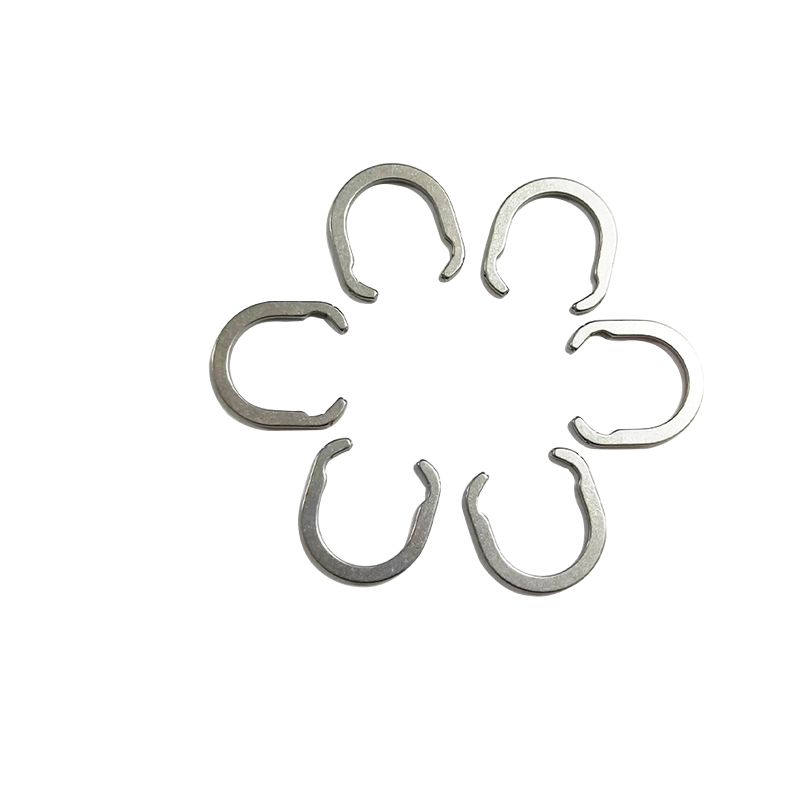
ring sectional matrix
The ring sectional matrix is a precision dental tool designed to restore the natural contour, contact, and anatomy of posterior teeth during composite resin restorations. Unlike traditional flat matrix bands, the ring sectional matrix system uses a curved, pre-contoured metal band combined with a specialized separation ring and wedge to recreate tight interproximal contacts and proper tooth morphology. This system has become a cornerstone of modern restorative dentistry, offering clinicians a reliable method for achieving high-quality Class II composite restorations with consistent, predictable results. The primary function of the ring sectional matrix is to isolate the prepared tooth cavity, provide a temporary wall that replaces the missing tooth structure, and allow the dentist to pack and cure composite material in a controlled environment. The separation ring applies lateral pressure to the adjacent teeth, ensuring the matrix band is held firmly against the gingival margin and preventing flash or excess material from escaping into the interproximal space. This tight seal is critical for achieving a well-adapted restoration that minimizes the risk of secondary caries and marginal leakage. From a technological standpoint, the ring sectional matrix features a stainless steel or nickel-titanium band that is pre-curved to match the natural convexity of posterior tooth surfaces. The separation ring is engineered with memory metal properties, allowing it to exert consistent, controlled force without distorting the band. Wedges made from wood or plastic are inserted into the gingival embrasure to further stabilize the band and compensate for any gingival tissue displacement. Modern ring sectional matrix systems are available in multiple sizes and configurations to accommodate different tooth types, cavity preparations, and patient anatomies. Some advanced systems include color-coded components for easy size identification, ultra-thin bands for minimal preparation interference, and ergonomic ring handles for improved clinical handling. These innovations make the ring sectional matrix suitable for a wide range of clinical scenarios, from small single-surface restorations to complex multi-surface cases involving significant tooth structure loss. In clinical practice, the ring sectional matrix is used extensively in general dentistry, pediatric dentistry, and restorative specialty practices. It is particularly valuable in situations where achieving a tight proximal contact is challenging, such as in wide or deep proximal boxes, cases with divergent adjacent teeth, or restorations placed near the gingival margin.

 EN
EN