Sectional Matrix Ring: Precision Restorative Tool for Perfect Contacts

Get a Free Quote

Our representative will contact you soon.
Email
Name
Company Name
Message
0/1000

sectional matrix ring

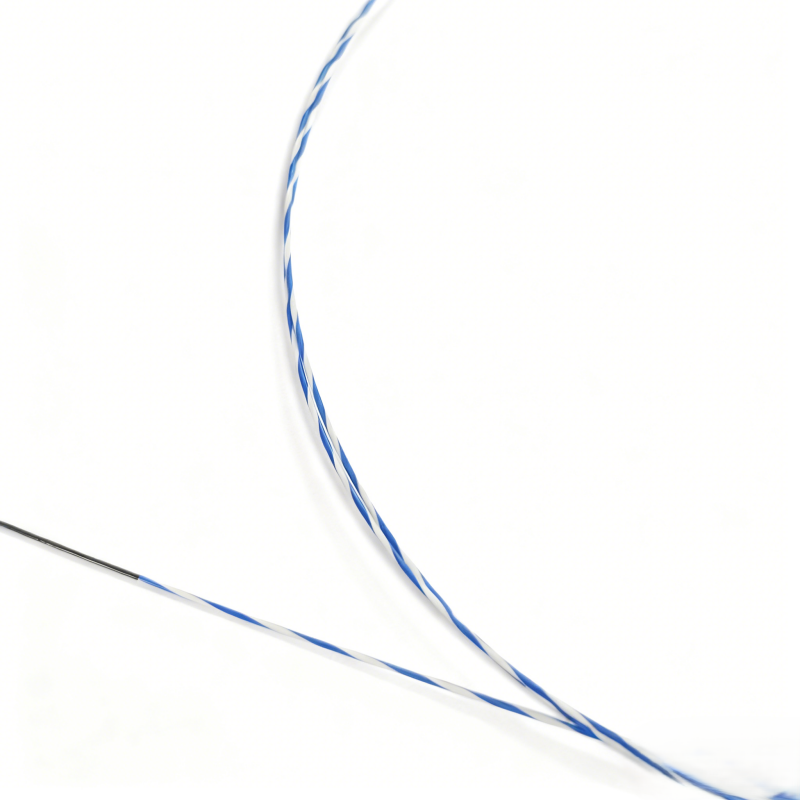
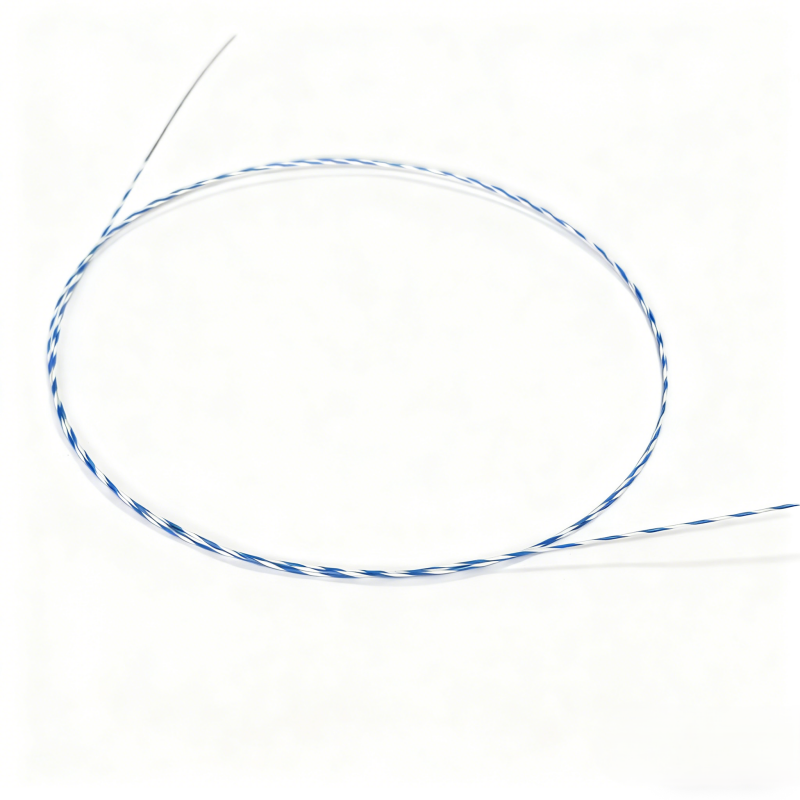
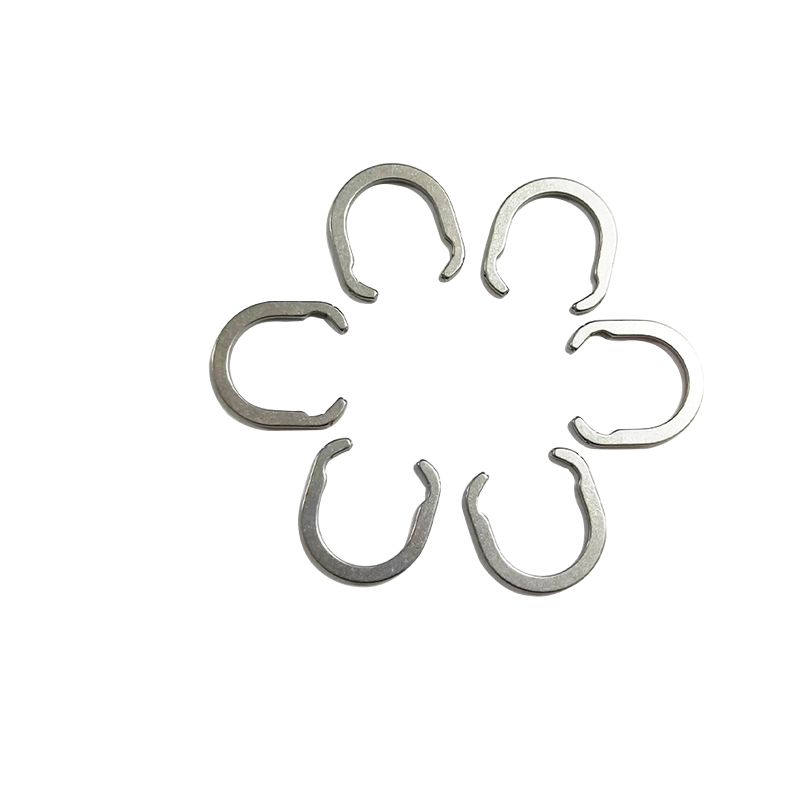
The sectional matrix ring is a precision dental instrument designed to help clinicians restore posterior teeth with accuracy, efficiency, and confidence. At its core, the sectional matrix ring works by holding a contoured matrix band tightly against the tooth being restored, creating a temporary wall that defines the shape of the proximal surface during composite or amalgam placement. This allows the dentist to build a contact point that is anatomically correct, tight, and durable, which is essential for long-term patient comfort and oral health. The sectional matrix ring is a fundamental component of the sectional matrix system, which also includes curved matrix bands and wedges. Together, these elements work in harmony to isolate the preparation, separate adjacent teeth slightly, and ensure the restorative material is condensed without voids or overhangs. Unlike traditional circumferential matrix systems, the sectional matrix ring applies targeted, spring-loaded pressure at the proximal box area, giving the clinician far greater control over the final contour and contact of the restoration. From a technological standpoint, sectional matrix rings are typically manufactured from high-grade stainless steel or nickel-titanium alloys, offering excellent spring memory, corrosion resistance, and long-term durability. The ring's tines are engineered to grip the wedge and band securely while exerting consistent lateral force, preventing the band from lifting or shifting during material condensation. Many modern sectional matrix ring designs feature color-coded sizing to simplify selection across different tooth types and preparation depths. The applications of the sectional matrix ring span a wide range of clinical scenarios, including Class II composite restorations, MOD preparations, deep cervical lesions, and cases involving tight interproximal contacts. It is equally valuable in pediatric dentistry, where precise band adaptation is critical in smaller arch spaces. Whether used in a general practice or a specialist setting, the sectional matrix ring consistently delivers predictable, high-quality outcomes that meet both functional and aesthetic demands.


New Product Releases

The sectional matrix ring makes everyday restorative dentistry faster, easier, and more predictable. If you have ever struggled to achieve a tight, natural-feeling contact point between two teeth after placing a filling, you already understand why this tool matters so much. The sectional matrix ring solves one of the most common frustrations in restorative dentistry by giving clinicians a reliable, repeatable way to build contacts that actually feel right to the patient from day one. First, the sectional matrix ring saves time in the operatory. Because it holds the matrix band firmly in place without requiring the clinician to manually stabilize it, both hands are free to focus on material placement and condensation. This reduces the number of steps in the procedure and shortens overall chair time, which benefits both the practice and the patient. Faster appointments mean less fatigue for the patient and more capacity for the practice to serve additional cases throughout the day. Second, the sectional matrix ring improves the quality of the final restoration. The spring tension built into the ring pushes the band tightly against the tooth surface, eliminating gaps where composite could seep and create an overhang. Overhangs are a leading cause of secondary decay and gum inflammation, so preventing them at the time of placement directly protects the patient's long-term oral health. A well-adapted sectional matrix ring essentially does the contouring work for you, guiding the material into the correct anatomical shape before it is cured or set. Third, the sectional matrix ring reduces the need for extensive finishing and polishing after the restoration is complete. When the band is properly seated and the ring is holding it in the right position, the proximal surface emerges from the procedure already smooth and well-contoured. This cuts down on the time spent adjusting contacts with articulating paper and reshaping with finishing burs, which means less heat generation, less risk of damaging the restoration, and a more comfortable experience for the patient. Fourth, the sectional matrix ring is easy to learn and use. Unlike some advanced dental instruments that require a steep learning curve, the sectional matrix ring integrates naturally into existing workflows. Dental students and newly qualified dentists pick it up quickly, and experienced clinicians find that it standardizes their technique across different operators in a group practice. This consistency is valuable for practices that want to maintain a uniform standard of care regardless of who is performing the procedure. Fifth, the sectional matrix ring is cost-effective. The rings themselves are durable and can be sterilized and reused many times before replacement is needed. When you factor in the reduction in remakes, the savings on finishing materials, and the improvement in patient satisfaction scores, the return on investment becomes very clear. Patients who receive well-contoured, tight-contact restorations are less likely to return with complaints, and they are more likely to refer friends and family to the practice. In summary, the sectional matrix ring delivers practical, measurable benefits that improve clinical outcomes, streamline workflows, and support the long-term success of both the patient and the dental practice.

Tips And Tricks

Why is phase transition stability of nickel titanium wire key to actuator success?

13

May

Why is phase transition stability of nickel titanium wire key to actuator success?

In the world of precision actuators, the materials used to generate motion are not merely components — they are the foundation of reliability. nickel titanium wire has emerged as one of the most compelling active materials in modern actuator engineer...
View More
Why do full-chain manufacturers provide a more stable supply of SMA wire?

14

May

Why do full-chain manufacturers provide a more stable supply of SMA wire?

In industrial and medical procurement, supply chain reliability is not a luxury — it is a fundamental requirement. When sourcing SMA wire, the type of manufacturer you partner with has a direct and measurable impact on delivery consistency, material ...
View More
Why is Starspring's Nitinol metal at the forefront of the smart drive industry?

19

May

Why is Starspring's Nitinol metal at the forefront of the smart drive industry?

The smart drive industry is defined by its relentless demand for materials that can do more with less — components that respond intelligently to their environment, endure repeated mechanical cycles, and perform with precision in applications ranging ...
View More
Why is a brand with a 5,000m² factory more professional in Nitinol customization?

22

May

Why is a brand with a 5,000m² factory more professional in Nitinol customization?

When sourcing advanced shape memory alloys for medical devices, aerospace components, or industrial actuators, the manufacturing environment behind a supplier tells you far more than a product catalog ever could. Nitinol customization is a precision-...
View More

Get a Free Quote

Our representative will contact you soon.
Email
Name
Company Name
Message
0/1000

sectional matrix ring

Precision Contact Point Creation for Lasting Patient Comfort

Precision Contact Point Creation for Lasting Patient Comfort

One of the most significant challenges in restorative dentistry is recreating a natural, firm contact point between adjacent teeth after a Class II filling. When this contact is too loose, food packs between the teeth, leading to discomfort, gum irritation, and an increased risk of secondary decay. When it is too tight or poorly shaped, the patient experiences pain when flossing and may develop pressure sensitivity. The sectional matrix ring addresses this challenge directly and effectively by applying consistent, calibrated spring force against the matrix band, pressing it firmly against the adjacent tooth to create a contact zone that mirrors the natural anatomy of the proximal surface. The engineering behind the sectional matrix ring is specifically designed to produce this outcome reliably. The ring's tines are shaped and tensioned to deliver lateral pressure at exactly the right location on the band, ensuring that the restorative material fills the proximal box with the correct emergence profile. This is not something that can be achieved as consistently with a circumferential matrix system, where the band wraps around the entire tooth and tends to flatten the proximal contour rather than build it out. With the sectional matrix ring, the clinician has precise control over where the contact forms and how firm it will be. This precision translates directly into patient satisfaction. Patients who receive restorations placed with a sectional matrix ring report fewer complaints about food trapping, flossing difficulty, and sensitivity compared to those restored with older matrix techniques. From a clinical standpoint, this means fewer adjustment appointments, fewer remakes, and a stronger reputation for quality care. For dental practices focused on delivering excellent patient experiences, the sectional matrix ring is not just a tool but a standard of care that sets the practice apart. The long-term benefits are equally compelling. Tight, well-contoured contacts protect the interdental papilla from chronic trauma, reduce the accumulation of plaque in the contact area, and support the overall periodontal health of the restored tooth and its neighbor. By investing in the sectional matrix ring, clinicians are investing in outcomes that hold up over years of clinical service.
Durable Construction That Withstands the Demands of Daily Clinical Use

Durable Construction That Withstands the Demands of Daily Clinical Use

In a busy dental practice, instruments are subjected to repeated sterilization cycles, physical stress, and constant handling. An instrument that degrades quickly or loses its functional properties after a few uses is not just an inconvenience but a liability that affects the quality of care and increases operating costs. The sectional matrix ring is built to meet the demands of high-volume clinical environments without compromising on performance. Most sectional matrix ring products are fabricated from premium stainless steel or nickel-titanium alloys, both of which offer exceptional resistance to corrosion, deformation, and fatigue. The spring memory of these materials ensures that the ring returns to its original shape after each use, maintaining consistent tension and grip across hundreds of sterilization and application cycles. This is a critical property because a ring that loses its spring force over time will no longer hold the matrix band securely, leading to band displacement during material placement and ultimately a substandard restoration. The tines of the sectional matrix ring are precision-engineered to maintain their geometry under repeated stress. They are designed to flex when placed and to snap back reliably, gripping the wedge and band with the same force on the hundredth use as on the first. This consistency is what allows clinicians to trust the instrument and build their technique around it without having to compensate for variability in ring performance. From a practice management perspective, the durability of the sectional matrix ring represents genuine cost savings. A set of rings that lasts for years with proper care and sterilization is far more economical than disposable alternatives or instruments that require frequent replacement. When practices calculate the total cost of ownership, including the reduction in remakes and the savings on finishing procedures, the sectional matrix ring proves to be one of the most cost-efficient investments in the restorative instrument kit. Clinicians can also rely on the sectional matrix ring to perform consistently across different operators, which is particularly valuable in group practices and dental schools where standardization of outcomes is a priority.
Versatile Application Across a Wide Range of Restorative Scenarios

Versatile Application Across a Wide Range of Restorative Scenarios

No two restorations are exactly alike. Tooth anatomy varies, preparation depths differ, interproximal spaces range from generous to extremely tight, and patient populations span from young children to elderly adults with heavily restored dentitions. A truly useful restorative instrument must be adaptable enough to perform well across this full spectrum of clinical situations, and the sectional matrix ring is designed with exactly this versatility in mind. The sectional matrix ring is available in multiple sizes and configurations to accommodate different tooth types, arch positions, and preparation geometries. Smaller rings are suited to premolars and pediatric cases where space is limited, while larger rings provide the force and coverage needed for wide molar preparations. Some sectional matrix ring systems include rings with extended tines for deep subgingival preparations, where standard rings may not reach far enough apically to stabilize the band at the gingival margin. This range of options means that clinicians can select the right sectional matrix ring for each specific case rather than forcing a single instrument to work in situations it was not designed for. The result is better band adaptation, more predictable contacts, and fewer intraoperative complications regardless of the complexity of the case. The sectional matrix ring also integrates seamlessly with a variety of matrix band materials and thicknesses, giving clinicians the flexibility to use their preferred band type without sacrificing ring performance. Whether the preference is for ultra-thin bands that minimize contact displacement or thicker bands that provide more rigidity during condensation, the sectional matrix ring accommodates both without modification. In pediatric dentistry, the sectional matrix ring has become an increasingly popular choice for restoring primary molars, where the smaller arch dimensions and the importance of maintaining space for erupting permanent teeth make precise band adaptation especially critical. The ability to use a scaled-down sectional matrix ring in these cases gives pediatric dentists the same level of control that their colleagues enjoy in adult restorative work. Across all of these applications, the sectional matrix ring delivers a consistent, high-quality result that supports the clinician's skill and enhances the patient's experience.
Sectional Matrix Ring: Precision Restorative Tool for Perfect Contacts

Get a Free Quote

Our representative will contact you soon.
Email
Name
Company Name
Message
0/1000
Newsletter
Please Leave A Message With Us