Stent De Nitinol: Advanced Shape Memory Vascular Support for Superior Patient Outcomes

Get a Free Quote

Our representative will contact you soon.
Email
Name
Company Name
Message
0/1000

stent de nitinol

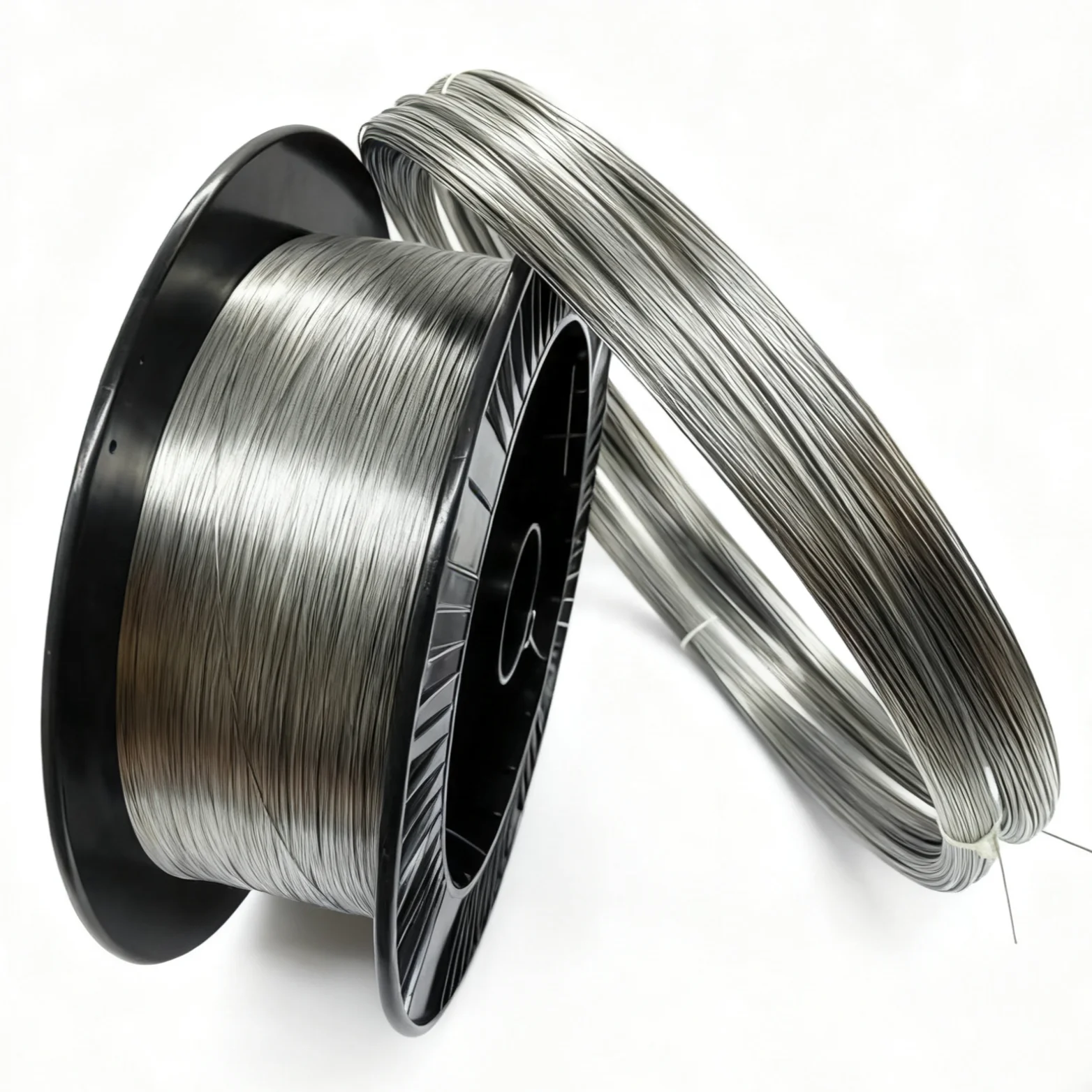
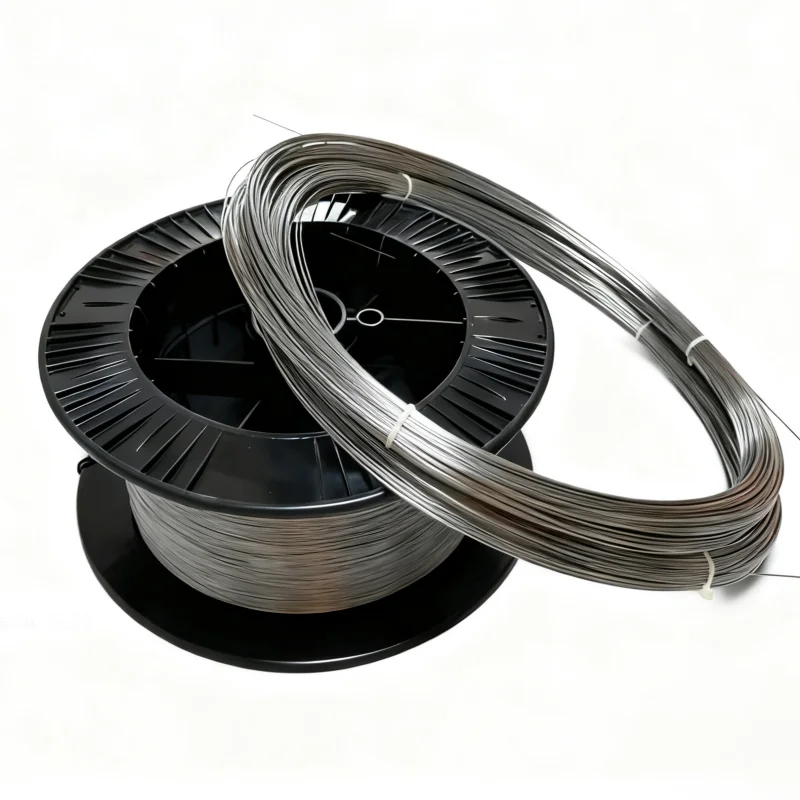
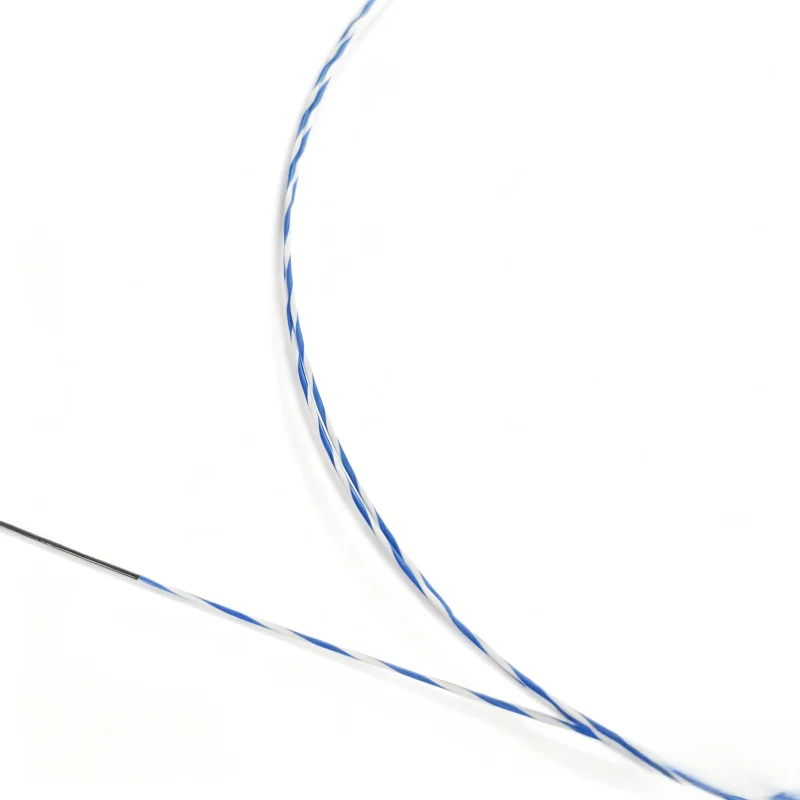
The stent de nitinol represents a groundbreaking advancement in medical device technology, specifically designed to address vascular and non-vascular conditions requiring internal support structures. This innovative medical implant is manufactured from nitinol, a unique nickel-titanium alloy that exhibits extraordinary properties making it ideal for interventional procedures. The stent de nitinol serves multiple critical functions in modern medicine, primarily maintaining vessel patency, restoring blood flow in narrowed arteries, and providing structural support to compromised anatomical passages. Its technological features stem from the remarkable characteristics of nitinol material, including superelasticity and shape memory effect, which allow the device to compress for minimally invasive delivery and then expand to its predetermined shape once positioned correctly within the body. The stent de nitinol finds extensive applications across various medical specialties, including cardiology for coronary artery disease treatment, vascular surgery for peripheral arterial conditions, gastroenterology for biliary and esophageal strictures, and urology for urethral obstructions. The device's versatility extends to treating conditions such as atherosclerosis, aneurysms, and stenosis in different body systems. Manufacturing processes for the stent de nitinol involve precision laser cutting, electropolishing, and heat treatment to achieve optimal mechanical properties and biocompatibility. The transformation temperature of nitinol is carefully controlled during production to ensure the stent de nitinol performs reliably at body temperature. Clinical implementation typically involves catheter-based delivery systems, enabling physicians to navigate through tortuous pathways with minimal trauma to surrounding tissues. The deployment mechanism varies depending on design, with self-expanding variants utilizing the inherent properties of nitinol to achieve full expansion without balloon assistance, while others may incorporate hybrid deployment strategies for specific anatomical challenges.

New Products

The stent de nitinol offers remarkable practical benefits that directly improve patient outcomes and procedural success rates. First and foremost, its exceptional flexibility allows the device to navigate through complex, curved blood vessels and anatomical structures without causing damage or requiring overly invasive surgical approaches. This means patients experience shorter recovery times, reduced hospital stays, and significantly less discomfort compared to traditional open surgical procedures. The superelastic property ensures the stent de nitinol can withstand repeated mechanical stress from natural body movements, heartbeats, and breathing without fracturing or losing its structural integrity over time. This durability translates to fewer repeat procedures and long-term cost savings for both patients and healthcare systems. Another significant advantage is the biocompatibility of the nitinol material, which minimizes adverse reactions such as inflammation, tissue rejection, or allergic responses that can complicate recovery and compromise treatment effectiveness. The shape memory characteristic enables the stent de nitinol to be compressed into a small profile during insertion, requiring only tiny incisions or natural body openings for access. Once properly positioned, the device self-expands to its predetermined diameter, conforming perfectly to the specific anatomy of each individual patient. This customized fit promotes better healing and reduces the risk of migration or displacement after implantation. The radial force exerted by the stent de nitinol maintains adequate opening of narrowed passages while remaining gentle enough to avoid damaging delicate vessel walls or surrounding tissues. Physicians appreciate the visibility of these devices under fluoroscopy and other imaging modalities, enabling precise placement and post-procedure monitoring without additional invasive examinations. Patients benefit from the immediate restoration of normal function, whether that means improved blood circulation, relief from painful symptoms, or restored organ function. The minimally invasive nature of stent de nitinol procedures means most patients can return to normal activities within days rather than weeks or months required by traditional surgery. The reduced trauma to the body also lowers infection risks, bleeding complications, and scarring. Long-term studies demonstrate excellent patency rates, meaning the treated areas remain open and functional for extended periods, often eliminating or delaying the need for additional interventions. For elderly patients or those with multiple health conditions who may not tolerate major surgery well, the stent de nitinol provides a safer alternative that delivers effective results without excessive physical stress.

Tips And Tricks

Why is high-stability Nitinol the first choice for equipment in extreme conditions?

12

May

Why is high-stability Nitinol the first choice for equipment in extreme conditions?

When equipment must perform reliably under mechanical stress, thermal cycling, and repeated deformation, material selection becomes a critical engineering decision. Nitinol, the nickel-titanium shape memory alloy, has earned a dominant position in de...
View More
Why is phase transition stability of nickel titanium wire key to actuator success?

13

May

Why is phase transition stability of nickel titanium wire key to actuator success?

In the world of precision actuators, the materials used to generate motion are not merely components — they are the foundation of reliability. nickel titanium wire has emerged as one of the most compelling active materials in modern actuator engineer...
View More
How to ensure dimensional tolerances for precision Nitinol metal parts?

18

May

How to ensure dimensional tolerances for precision Nitinol metal parts?

Achieving tight dimensional tolerances in Nitinol metal components is one of the most demanding challenges in precision manufacturing. Unlike conventional metals, Nitinol — a nickel-titanium shape memory alloy — exhibits superelastic recovery and pha...
View More
Why is a brand with a 5,000m² factory more professional in Nitinol customization?

22

May

Why is a brand with a 5,000m² factory more professional in Nitinol customization?

When sourcing advanced shape memory alloys for medical devices, aerospace components, or industrial actuators, the manufacturing environment behind a supplier tells you far more than a product catalog ever could. Nitinol customization is a precision-...
View More

Get a Free Quote

Our representative will contact you soon.
Email
Name
Company Name
Message
0/1000

stent de nitinol

Revolutionary Shape Memory Technology for Superior Adaptability

Revolutionary Shape Memory Technology for Superior Adaptability

The stent de nitinol incorporates revolutionary shape memory technology that fundamentally changes how medical devices interact with the human body. This extraordinary capability stems from the unique crystalline structure of nitinol alloy, which undergoes reversible phase transformations in response to temperature changes. During manufacturing, the stent de nitinol is programmed with a specific shape through carefully controlled heat treatment processes. When cooled below its transformation temperature, the device can be compressed or deformed into a compact configuration suitable for catheter delivery. This compressed state allows physicians to insert the stent de nitinol through remarkably small incisions or natural body pathways, dramatically reducing procedural invasiveness. Once the device reaches body temperature inside the patient, the nitinol material undergoes a phase transformation that causes it to remember and return to its original programmed shape. This self-expansion mechanism occurs gradually and controllably, eliminating the need for balloon inflation or other mechanical deployment methods that might traumatize surrounding tissues. The shape memory effect ensures the stent de nitinol achieves consistent, predictable expansion regardless of delivery challenges or anatomical variations. This technology proves particularly valuable in treating vessels with complex geometries, calcified lesions, or tortuous pathways where conventional devices might struggle. The adaptive nature of shape memory allows the stent de nitinol to accommodate natural body movements, pulsatile blood flow, and physiological changes without losing effectiveness or structural integrity. Patients experience enhanced comfort because the device works harmoniously with their anatomy rather than fighting against it. Clinical evidence demonstrates that this shape memory characteristic contributes to improved long-term outcomes, with lower rates of restenosis, migration, and mechanical failure compared to devices made from traditional materials. The transformation is not merely a one-time event but continues throughout the device's lifetime, allowing the stent de nitinol to respond dynamically to changing physiological conditions, such as variations in vessel diameter due to muscular contraction, blood pressure fluctuations, or tissue remodeling during healing processes.
Exceptional Superelasticity for Unmatched Durability and Performance

Exceptional Superelasticity for Unmatched Durability and Performance

The stent de nitinol exhibits exceptional superelasticity that sets it apart from conventional stainless steel or cobalt-chromium devices, delivering unmatched durability and performance in demanding physiological environments. Superelasticity refers to the ability of nitinol to undergo substantial deformation and then return completely to its original shape upon stress removal, far exceeding the elastic limits of ordinary metals. This property allows the stent de nitinol to bend, compress, and flex repeatedly without suffering permanent deformation or fatigue damage that would compromise its function. In practical terms, this means the device can withstand millions of cardiac cycles, respiratory movements, and limb flexions throughout its service life without fracturing or losing radial support strength. Patients with stent de nitinol implants in peripheral arteries can resume normal physical activities, including exercise and sports, without fear of device failure or restriction of movement. The superelastic behavior also facilitates easier and safer deployment during procedures, as physicians can advance the compressed stent de nitinol through tight curves and challenging anatomical turns that would cause conventional devices to kink or buckle. If the operator needs to reposition the partially deployed stent de nitinol, the superelastic material tolerates this manipulation without damage, allowing for precise final placement that optimizes treatment outcomes. This forgiving nature reduces procedural complications and shortens intervention times, benefiting both patients and medical teams. The constant gentle outward force provided by superelastic stent de nitinol helps maintain vessel patency without causing excessive stress on vessel walls that could trigger inflammation or excessive tissue proliferation. Research indicates that the unique mechanical properties of superelastic nitinol may actually promote more favorable biological responses compared to stiffer materials, with improved endothelialization and reduced neointimal hyperplasia. The stent de nitinol continues performing reliably even when subjected to external compression from surrounding tissues, tumors, or adjacent anatomical structures, springing back to maintain adequate luminal diameter. This resilience proves critical in locations subject to external forces, such as veins in the pelvis or arteries near joints, where other devices might collapse or deform permanently.
Optimal Biocompatibility for Enhanced Safety and Healing

Optimal Biocompatibility for Enhanced Safety and Healing

The stent de nitinol demonstrates optimal biocompatibility that significantly enhances patient safety and promotes natural healing processes following implantation. Biocompatibility encompasses multiple aspects of how the body responds to foreign materials, including inflammatory reactions, thrombogenicity, tissue integration, and long-term tolerance. The nitinol alloy used in stent de nitinol manufacturing undergoes specialized surface treatments, including electropolishing and passivation, that create a stable titanium oxide layer. This protective surface layer acts as a biological interface, minimizing direct contact between potentially reactive nickel atoms and bodily tissues or fluids. Extensive clinical experience spanning decades has confirmed that properly processed stent de nitinol exhibits excellent tissue compatibility with minimal adverse reactions, even in patients with known metal sensitivities. The smooth surface finish achieved through advanced manufacturing techniques reduces platelet adhesion and thrombus formation, decreasing the risk of dangerous blood clots that could cause stroke, heart attack, or limb-threatening ischemia. Patients typically require only short-term antiplatelet therapy following stent de nitinol placement, rather than lifelong anticoagulation that carries bleeding risks and lifestyle restrictions. The biocompatible surface encourages healthy endothelial cells to grow over the stent struts, effectively incorporating the device into the vessel wall and creating a natural biological lining that further reduces thrombotic complications. This endothelialization process occurs more rapidly and completely with stent de nitinol compared to some alternative materials, accelerating the transition from foreign implant to integrated biological structure. The chemical stability of the titanium oxide surface prevents corrosion and metal ion release that could trigger inflammatory cascades, allergic responses, or systemic toxicity concerns. Pathological studies of explanted stent de nitinol devices show minimal chronic inflammation and good tissue apposition, indicating harmonious long-term coexistence with biological systems. The biocompatibility extends to compatibility with diagnostic imaging modalities, as nitinol produces minimal artifact on CT scans and is safe for patients requiring MRI examinations, unlike some other implantable devices that create dangerous heating or image distortion. This imaging compatibility ensures patients can receive necessary diagnostic workups throughout their lives without device-related limitations.
Stent De Nitinol: Advanced Shape Memory Vascular Support for Superior Patient Outcomes

Get a Free Quote

Our representative will contact you soon.
Email
Name
Company Name
Message
0/1000
Newsletter
Please Leave A Message With Us