nitinol alloy properties
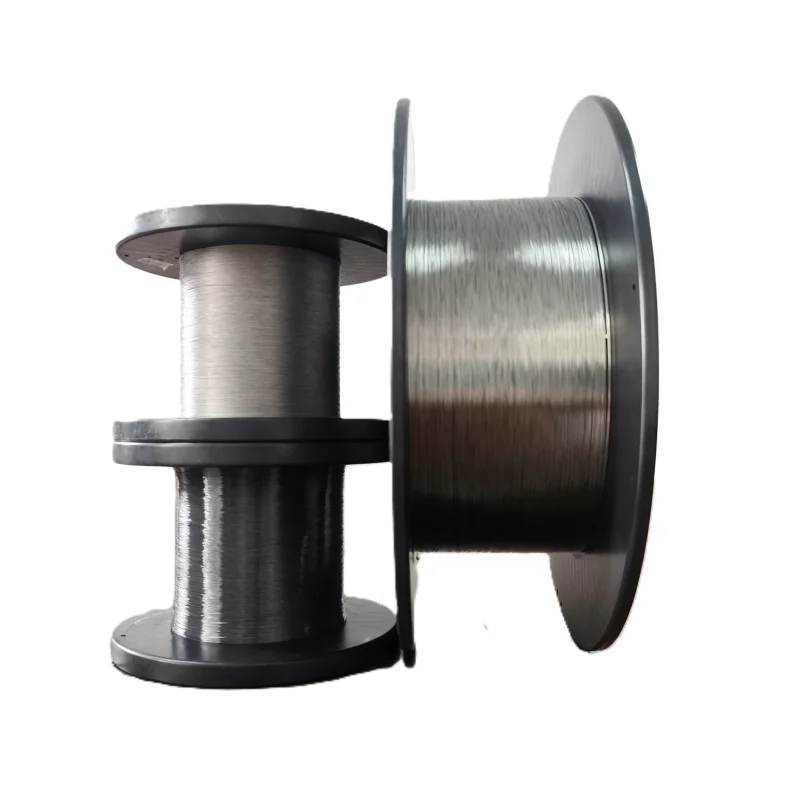
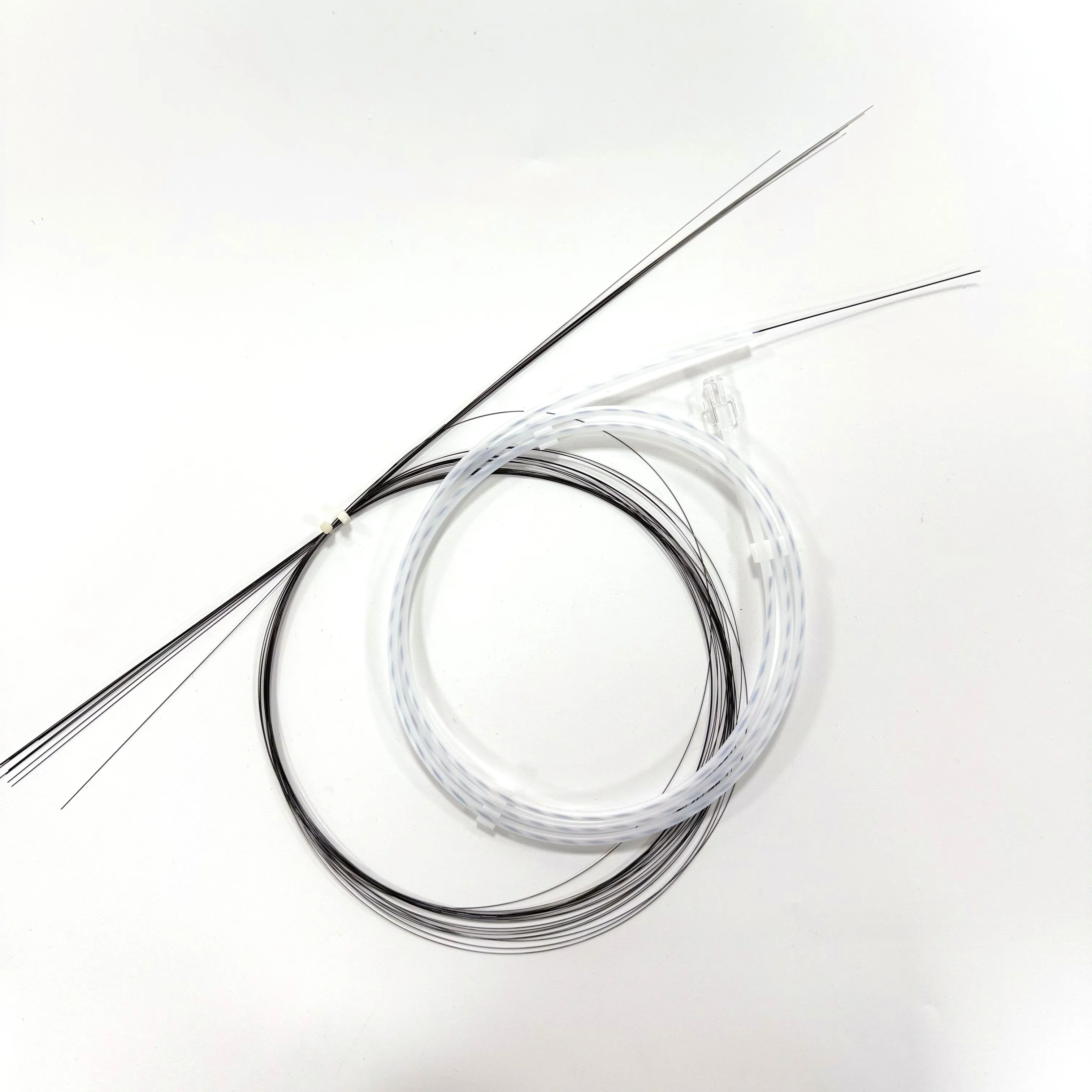
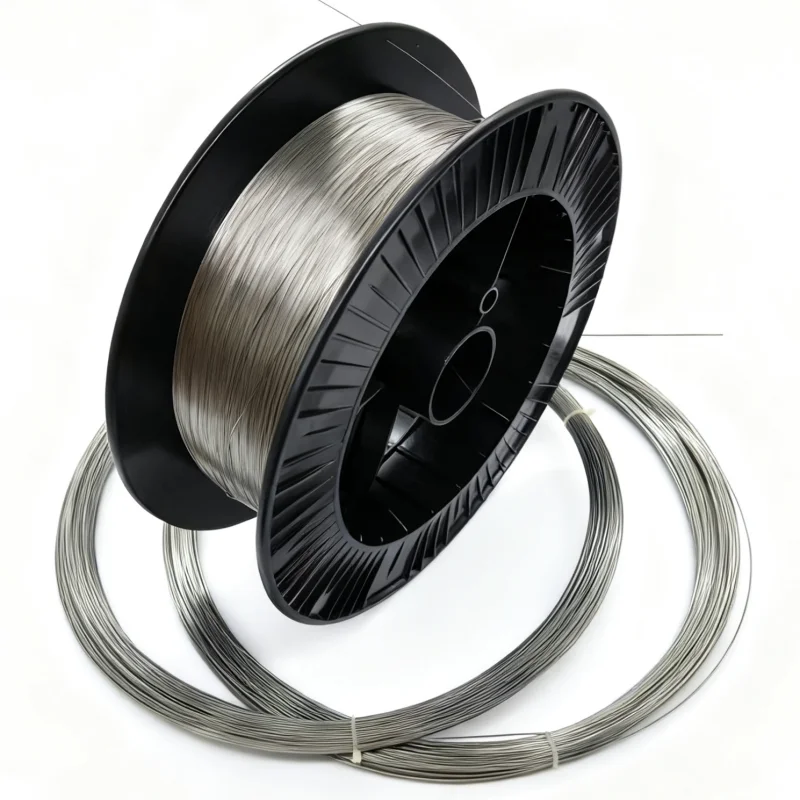
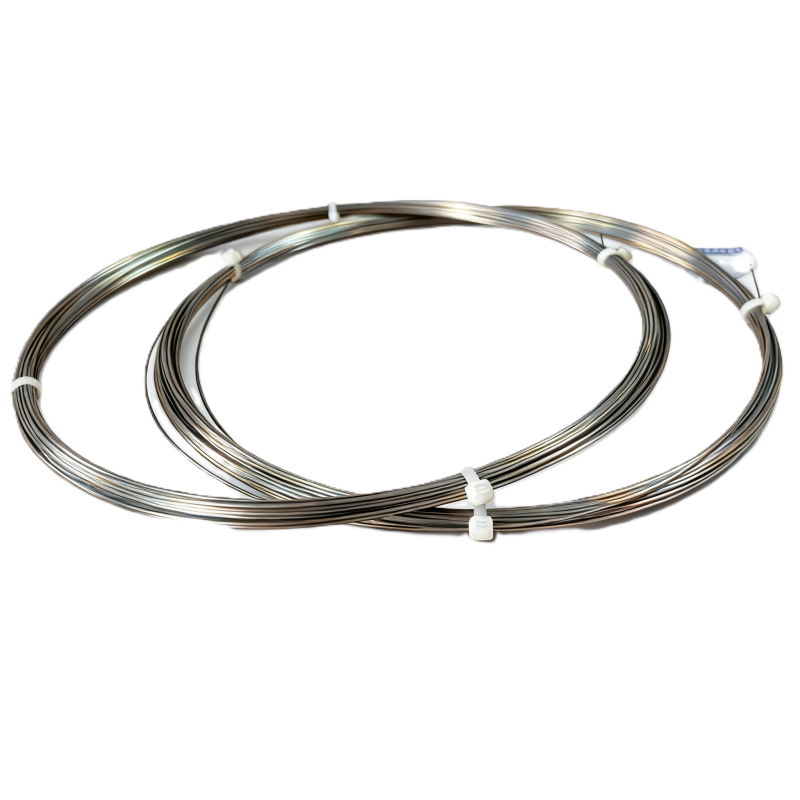
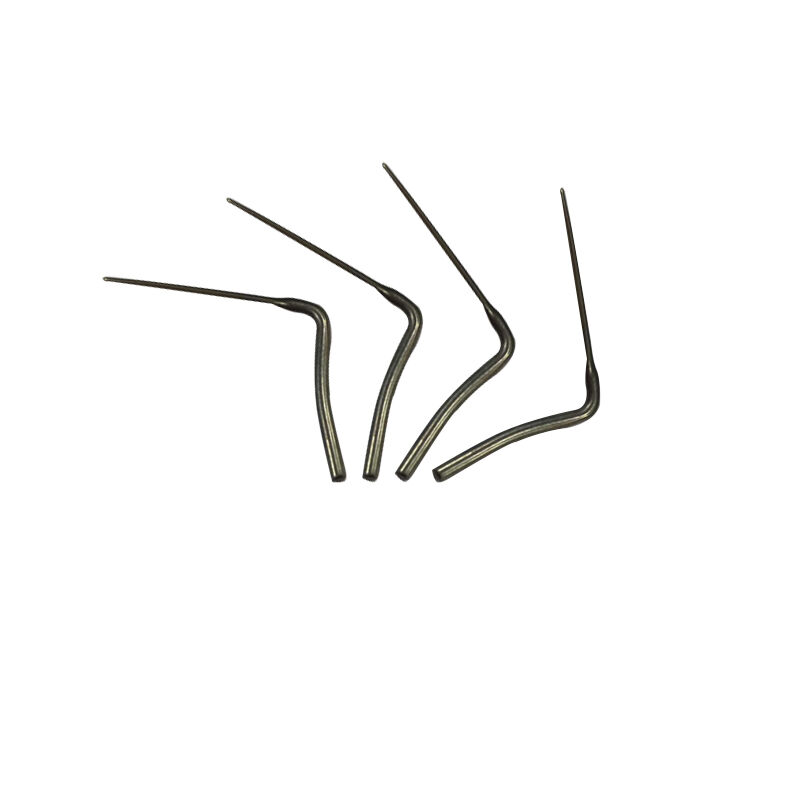
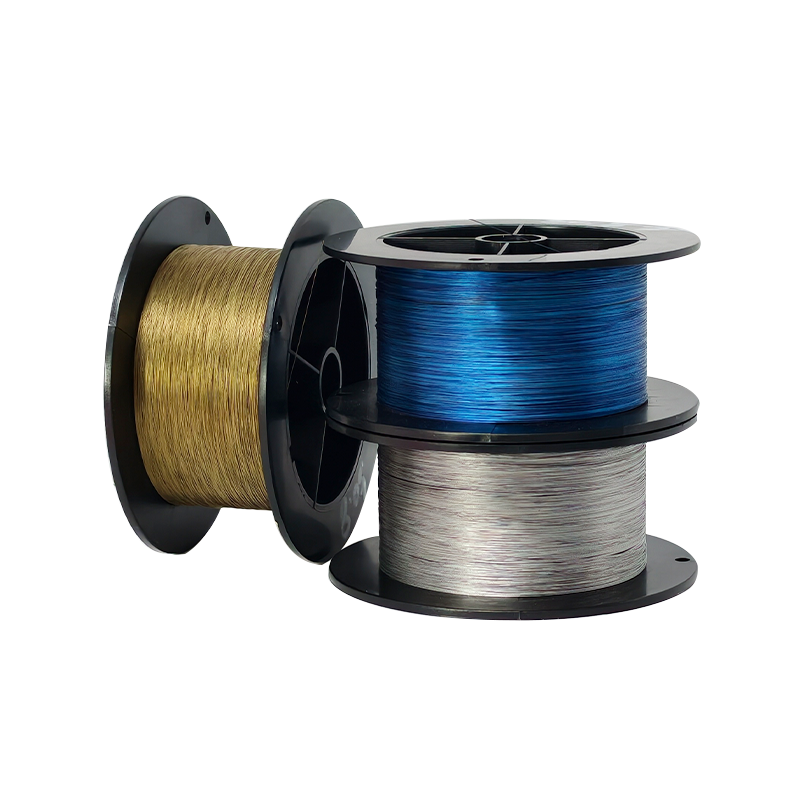
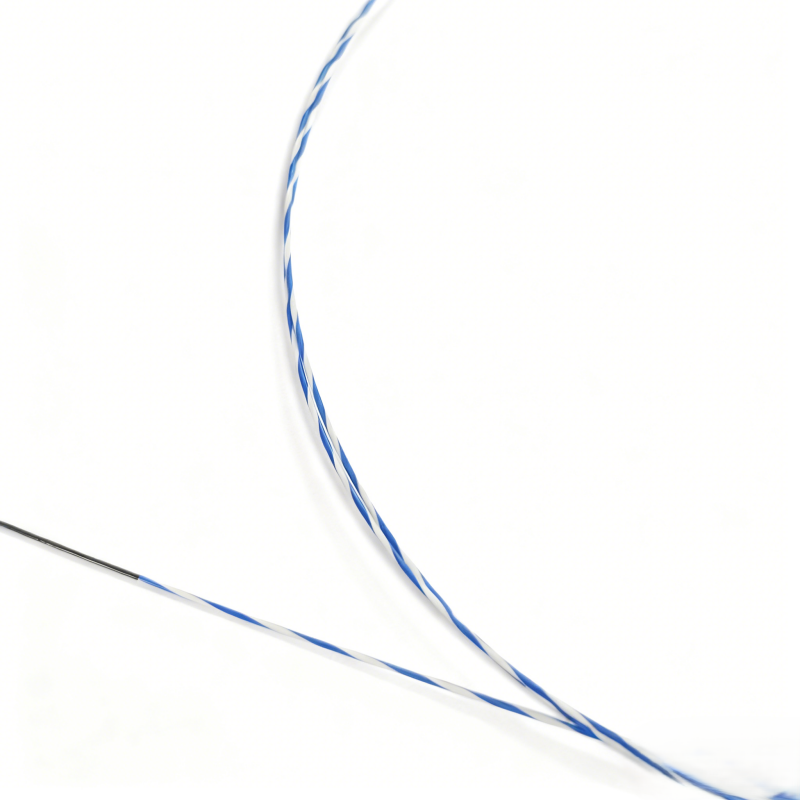
Nitinol alloy properties have captured the attention of engineers, medical professionals, and designers across the globe. Nitinol, a nickel-titanium alloy discovered in the 1960s at the Naval Ordnance Laboratory, stands apart from conventional metals because of its extraordinary ability to remember its original shape and return to it after deformation. These nitinol alloy properties are rooted in a solid-state phase transformation between two crystal structures: austenite, which is stable at higher temperatures, and martensite, which dominates at lower temperatures. This transformation is fully reversible and repeatable, giving nitinol a level of functional reliability that few materials can match. The shape memory effect is one of the most celebrated nitinol alloy properties. When nitinol is deformed in its martensitic phase and then heated above its transformation temperature, it snaps back to its pre-programmed shape with remarkable precision. This behavior is not a one-time event. Engineers can cycle nitinol through this transformation thousands of times without significant degradation in performance. Equally impressive is superelasticity, another of the defining nitinol alloy properties. At body temperature or slightly above, nitinol can be stretched or compressed up to eight percent strain and still return to its original form once the load is removed. This far exceeds the elastic recovery of stainless steel or titanium. Beyond these headline features, nitinol alloy properties include excellent biocompatibility, strong corrosion resistance, and a favorable strength-to-weight ratio. The alloy does not trigger adverse reactions in human tissue, which makes it a preferred material in medical device manufacturing. Its corrosion resistance holds up well in saline and biological environments, extending the service life of components made from it. Nitinol also exhibits good fatigue resistance under cyclic loading, which is critical in applications where parts must flex repeatedly without failure. These combined nitinol alloy properties make the material a versatile solution across medical, aerospace, robotics, and consumer product industries, where performance under demanding conditions is non-negotiable.

 EN
EN