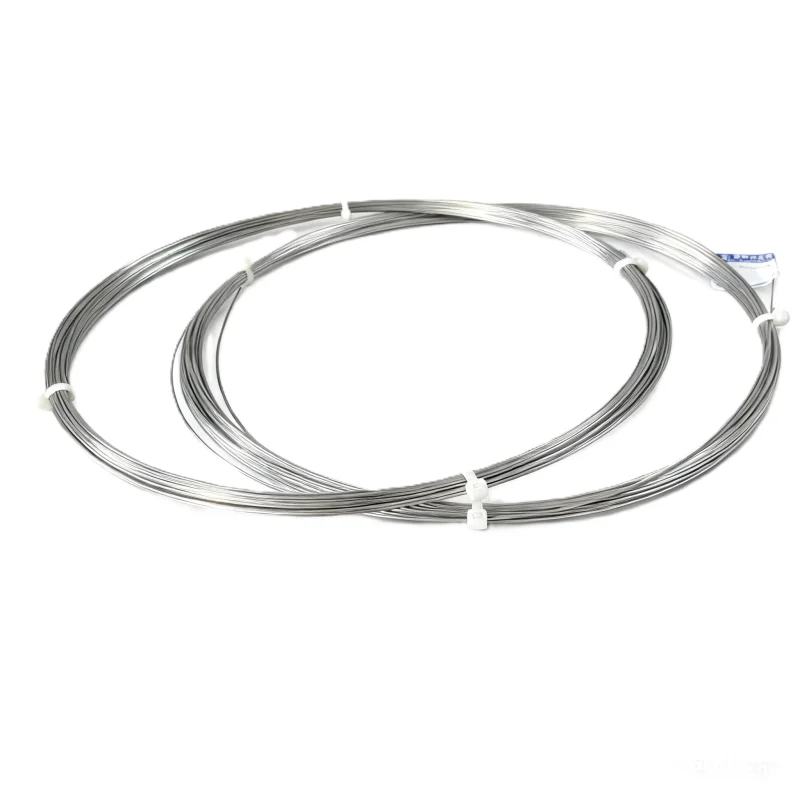
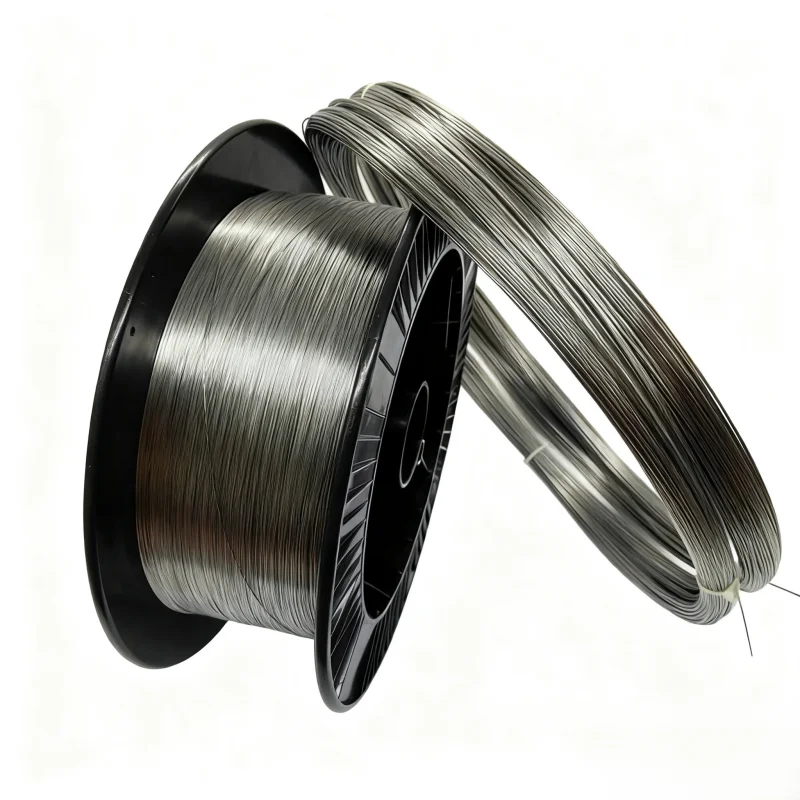
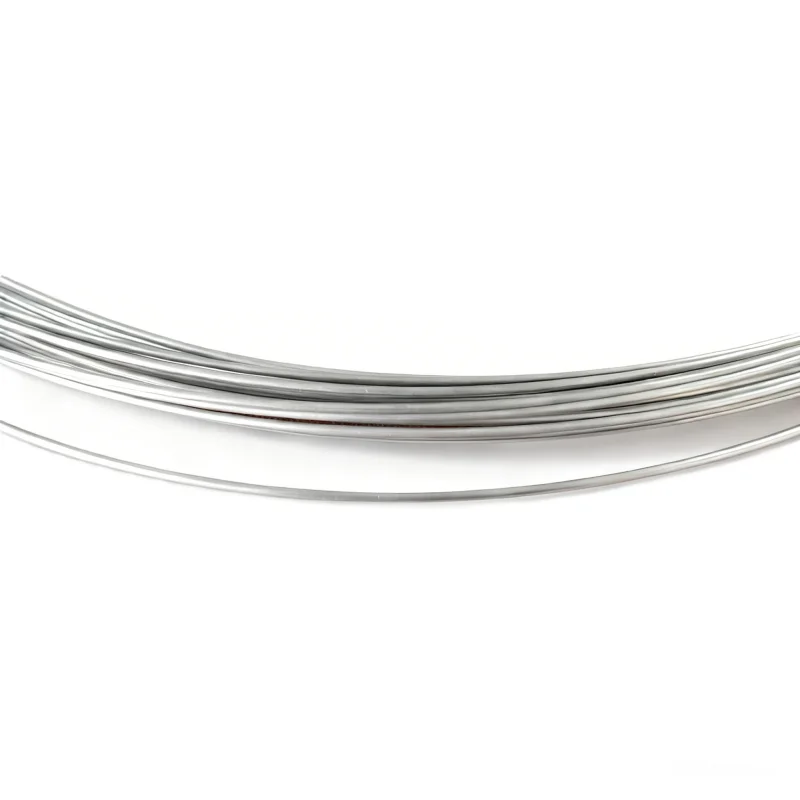
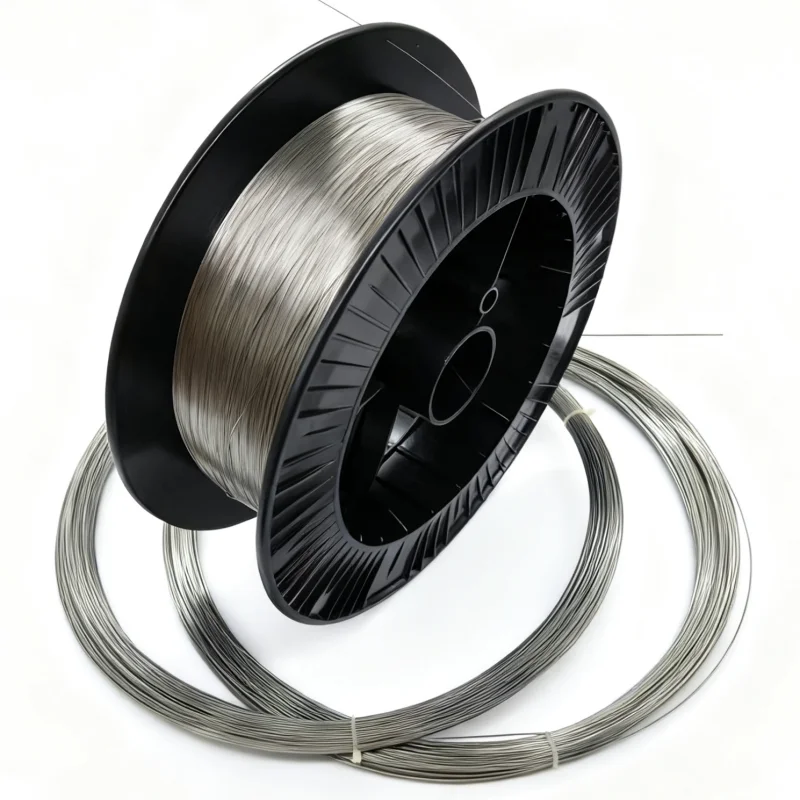
Nitinol Sheet Metal: Advanced Shape Memory Alloy for Medical, Aerospace and Industrial Applications

Get a Free Quote

Our representative will contact you soon.
Email
Name
Company Name
Message
0/1000

nitinol sheet metal

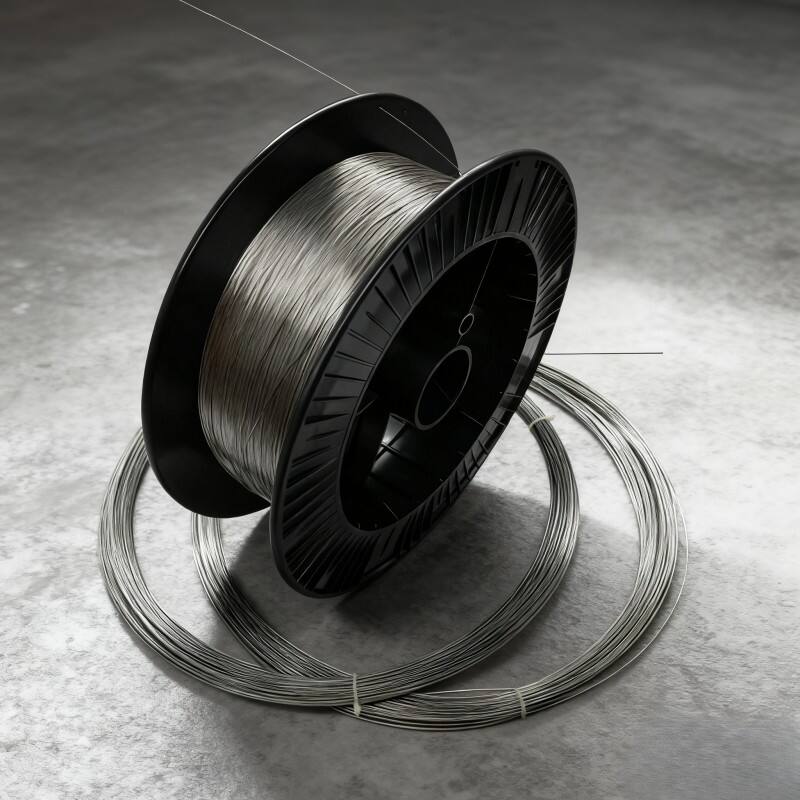
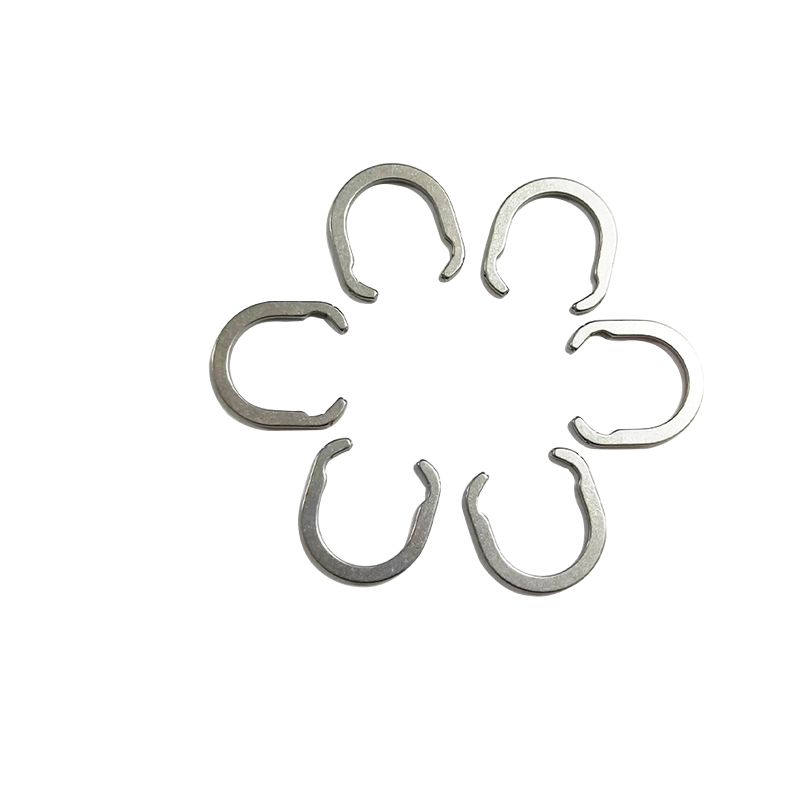
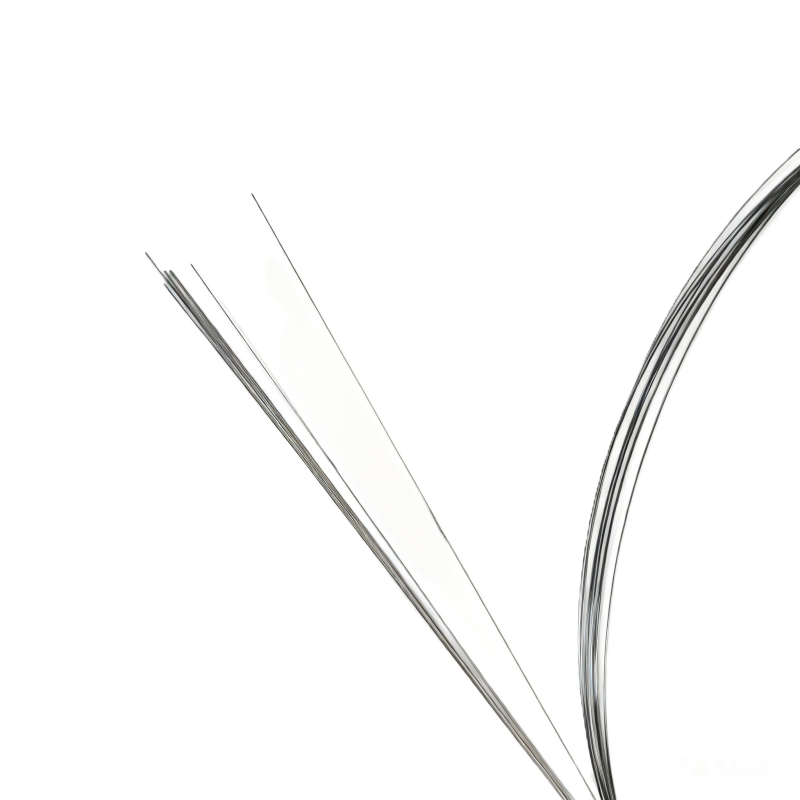
Nitinol sheet metal represents a revolutionary advancement in material science, offering extraordinary capabilities that set it apart from conventional metals. This remarkable alloy combines nickel and titanium in nearly equal proportions, typically containing approximately 55 percent nickel and 45 percent titanium by weight. The nitinol sheet metal exhibits two distinctive properties that make it invaluable across numerous industries: shape memory effect and superelasticity. The shape memory characteristic allows the material to return to its original configuration after being deformed, simply by heating it above its transformation temperature. This unique behavior occurs due to a reversible phase transformation between austenite and martensite crystal structures within the alloy. The superelastic property enables nitinol sheet metal to undergo significant deformation and recover completely upon unloading, without requiring heat activation. These exceptional characteristics make it indispensable in medical devices, aerospace components, automotive systems, and consumer electronics. In medical applications, nitinol sheet metal serves as the foundation for stents, surgical instruments, orthodontic wires, and minimally invasive tools. The aerospace sector utilizes this material for actuators, deployable structures, and vibration damping systems. Automotive engineers incorporate nitinol sheet metal into adaptive systems, safety mechanisms, and thermal management solutions. The material demonstrates excellent corrosion resistance, biocompatibility, and fatigue resistance, withstanding millions of cycles without degradation. Manufacturing processes for nitinol sheet metal include vacuum melting, hot rolling, cold rolling, and specialized heat treatment procedures to achieve desired transformation temperatures and mechanical properties. The material can be processed into various thicknesses, ranging from ultra-thin foils measuring micrometers to thicker sheets suitable for structural applications. Surface treatments enhance biocompatibility and corrosion resistance further, making nitinol sheet metal suitable for implantable medical devices. Its ability to generate substantial recovery forces while maintaining flexibility makes it ideal for applications requiring both strength and adaptability in confined spaces.

New Product Releases

Choosing nitinol sheet metal delivers tangible benefits that directly impact product performance and user satisfaction. The material returns to its predetermined shape automatically, eliminating the need for complex mechanical systems or external power sources in many applications. This self-actuating capability reduces component count, simplifies assembly processes, and lowers maintenance requirements over the product lifecycle. Users experience improved reliability because nitinol sheet metal operates through fundamental material properties rather than depending on motors, gears, or hydraulic systems that might fail. The superelastic behavior allows products to absorb impacts and deformations without permanent damage, extending service life significantly compared to traditional materials. Medical professionals particularly value how nitinol sheet metal enables minimally invasive procedures, as instruments made from this material navigate through narrow pathways while maintaining necessary strength. Patients benefit from reduced recovery times and smaller incisions when surgeons use nitinol-based tools. The biocompatibility means the human body accepts nitinol sheet metal without adverse reactions, making it safe for long-term implantation. Engineers appreciate the design freedom this material provides, as it performs functions impossible with conventional metals. The corrosion resistance ensures products maintain their appearance and functionality even in harsh environments, including saltwater, chemical exposure, and biological fluids. This durability translates to lower replacement costs and reduced downtime for businesses relying on nitinol components. The material withstands extreme temperature fluctuations without losing its essential properties, functioning reliably from cryogenic conditions to elevated temperatures. Manufacturing flexibility allows producers to create custom transformation temperatures tailored to specific application requirements, ensuring optimal performance in intended operating conditions. The high fatigue resistance means nitinol sheet metal endures repetitive cycling without developing cracks or experiencing property degradation, something conventional materials cannot match. Products incorporating this material require less frequent replacement, reducing waste and supporting sustainability goals. The energy efficiency comes from passive actuation that requires no continuous power input, lowering operational costs substantially. Businesses save money through reduced energy consumption while simultaneously decreasing their environmental footprint. The lightweight nature of nitinol sheet metal helps reduce overall product weight without sacrificing strength, particularly valuable in aerospace and automotive applications where every gram matters for fuel efficiency. Designers can create thinner, more compact products because the material delivers superior performance per unit thickness compared to alternatives. The consistent, predictable behavior across millions of cycles ensures product reliability that customers can trust, building brand reputation and customer loyalty over time.

Latest News

Why do orthodontists prefer using orthodontic wire with shape memory?

15

May

Why do orthodontists prefer using orthodontic wire with shape memory?

In modern orthodontic practice, the materials used to move teeth are just as important as the clinical techniques applied. Among the many innovations that have transformed the field, orthodontic wire with shape memory stands out as one of the most cl...
View More
How to ensure dimensional tolerances for precision Nitinol metal parts?

18

May

How to ensure dimensional tolerances for precision Nitinol metal parts?

Achieving tight dimensional tolerances in Nitinol metal components is one of the most demanding challenges in precision manufacturing. Unlike conventional metals, Nitinol — a nickel-titanium shape memory alloy — exhibits superelastic recovery and pha...
View More
How to utilize one-way and two-way memory in precision medical components?

21

May

How to utilize one-way and two-way memory in precision medical components?

In the development of precision medical components, material intelligence is no longer a concept reserved for science fiction. nitinol wire has fundamentally changed how engineers and medical device designers approach the challenge of building compon...
View More
What breakthroughs can Nitinol material bring to future flexible robot joints?

25

May

What breakthroughs can Nitinol material bring to future flexible robot joints?

The evolution of robotics is deeply tied to the materials that power movement, flexibility, and responsiveness. Among the most promising advances in this space, Nitinol material stands out as a transformative force in the design of flexible robot joi...
View More

Get a Free Quote

Our representative will contact you soon.
Email
Name
Company Name
Message
0/1000

nitinol sheet metal

Exceptional Shape Memory Effect for Automatic Actuation

Exceptional Shape Memory Effect for Automatic Actuation

The shape memory effect inherent in nitinol sheet metal provides unmatched functionality for automatic actuation systems across diverse industries. This remarkable property allows the material to remember and return to a pre-programmed shape when heated above its transformation temperature, typically ranging from minus ten degrees Celsius to over one hundred degrees Celsius depending on processing. Engineers can precisely control this transformation temperature during manufacturing, tailoring it to match specific application requirements. When nitinol sheet metal exists below its transformation temperature in the martensite phase, users can easily deform it into temporary shapes by applying moderate force. The material remains in this deformed state until heating triggers the transformation to austenite, whereupon it automatically recovers its memorized configuration with substantial force generation. This recovery force can exceed four hundred megapascals, enabling the material to perform mechanical work during transformation. Applications leverage this capability for thermal actuators that respond to environmental temperature changes without external power sources or control systems. The simplicity of this mechanism reduces system complexity dramatically, eliminating pumps, valves, motors, and associated electronics that introduce potential failure points. In plumbing systems, nitinol sheet metal actuators automatically regulate water flow based on temperature, preventing scalding while maintaining user comfort. Aerospace designers employ shape memory actuators for deployable structures that remain compact during launch then expand reliably in space when exposed to solar heating. The automotive industry incorporates these actuators into climate control systems, automatically adjusting airflow based on cabin temperature without draining battery power. Medical devices utilize the shape memory effect for self-expanding stents that doctors deliver through small catheters then allow to expand at body temperature, eliminating the need for balloon inflation. The predictability of transformation behavior ensures consistent performance across the product lifetime, with the material capable of completing millions of thermal cycles without degradation. Manufacturing processes establish the memory shape through constraint heating at elevated temperatures, permanently programming the desired configuration into the crystal structure. This programming remains stable indefinitely, unaffected by room temperature storage or moderate deformations. The recovery process occurs smoothly without sudden snapping motions, providing controlled actuation suitable for precision applications. Designers appreciate how nitinol sheet metal combines sensor and actuator functions in a single component, responding directly to thermal input without requiring separate sensing elements or control logic.
Superior Superelasticity for Enhanced Durability and Performance

Superior Superelasticity for Enhanced Durability and Performance

Superelasticity distinguishes nitinol sheet metal from all conventional materials, offering extraordinary flexibility combined with complete elastic recovery across strain ranges impossible for typical metals. While ordinary stainless steel permanently deforms at approximately zero point two percent strain, nitinol sheet metal recovers completely from deformations exceeding eight percent strain, representing forty times greater elastic range. This phenomenal capability results from stress-induced phase transformation between austenite and martensite crystal structures, occurring at constant stress levels across the transformation range. Engineers exploit this property to create products that withstand severe deformations during use while maintaining original dimensions and properties indefinitely. Eyeglass frames manufactured from nitinol sheet metal bend dramatically without breaking or losing shape, returning perfectly to their original configuration even after extreme twisting. This resilience delights consumers who have experienced broken frames from conventional materials, eliminating frustration and replacement costs. The medical field extensively employs superelastic nitinol sheet metal for guidewires that navigate tortuous blood vessels, bending through sharp curves while maintaining column strength for pushing through blockages. Surgical instruments fabricated from this material flex around anatomical obstacles without permanent kinking, enabling procedures previously considered impossible. Orthodontic appliances apply consistent corrective forces as teeth move, unlike stainless steel wires that require frequent adjustments as they lose effectiveness. The constant force characteristic derives from the flat stress plateau during phase transformation, maintaining steady pressure across large displacement ranges. This unique mechanical behavior reduces patient discomfort and treatment duration while improving outcomes. Cellular phone antennas made from nitinol sheet metal repeatedly extend and retract millions of times without metal fatigue failures that plague conventional materials. Consumer electronics benefit from the reliability this provides, reducing warranty claims and enhancing brand reputation. The energy dissipation during loading and unloading cycles provides excellent vibration damping characteristics, valuable for reducing noise and protecting sensitive equipment from shock damage. Automotive suspensions incorporating nitinol components deliver smoother rides while protecting vehicle systems from road impacts. The material absorbs impact energy through phase transformation rather than plastic deformation, preserving structural integrity where other materials would accumulate permanent damage. Athletic equipment designers utilize superelasticity to create protective gear that conforms comfortably to body contours while effectively distributing impact forces. The combination of flexibility and strength enables thinner, lighter products that maintain protective capabilities, improving user comfort and performance.
Outstanding Biocompatibility and Corrosion Resistance for Longevity

Outstanding Biocompatibility and Corrosion Resistance for Longevity

Nitinol sheet metal demonstrates exceptional biocompatibility and corrosion resistance that make it the preferred choice for medical implants and devices requiring long-term reliability in challenging environments. The passive oxide layer forming naturally on nitinol surfaces provides outstanding protection against corrosion, remaining stable in biological fluids, saltwater, and aggressive chemical environments where other materials rapidly degrade. This protective layer primarily consists of titanium dioxide, highly stable and tightly adherent to the underlying metal, preventing ion release that could trigger adverse biological responses. Medical device manufacturers rely on this biocompatibility for implants remaining in the human body for decades, including cardiovascular stents, orthopedic implants, and dental devices. Clinical studies spanning millions of patients demonstrate that properly processed nitinol sheet metal exhibits tissue compatibility comparable to pure titanium, the gold standard for implantable materials. The material neither triggers inflammatory responses nor promotes thrombosis when exposed to blood, critical factors for cardiovascular applications where implant failure could prove fatal. Surface treatments including electropolishing and passivation enhance these properties further, creating ultra-smooth surfaces that minimize protein adhesion and bacterial colonization. The corrosion resistance ensures implanted devices maintain mechanical properties and structural integrity throughout their intended service life, unlike some materials that weaken over time through degradation. Marine applications benefit equally from this corrosion resistance, with nitinol sheet metal components functioning reliably in saltwater environments that quickly corrode stainless steel and other common alloys. Offshore equipment, desalination systems, and maritime sensors utilize nitinol components that maintain functionality for years without protective coatings or frequent replacement. The chemical processing industry employs nitinol sheet metal in environments containing acids, bases, and organic solvents that attack conventional materials, reducing maintenance costs and unplanned downtime. The combination of corrosion resistance and mechanical properties enables compact, lightweight designs for portable medical devices and field equipment operating in adverse conditions. Environmental monitoring systems deployed in rivers, oceans, and industrial sites rely on nitinol components that resist fouling and degradation, providing accurate measurements over extended periods. The material requires no protective coatings or paint that might chip or wear away, simplifying manufacturing while ensuring consistent performance. Food processing equipment benefits from nitinol sheet metal that resists corrosion from cleaning chemicals and food acids while meeting hygiene standards for direct food contact. The longevity provided by superior corrosion resistance reduces lifecycle costs substantially, as products require replacement less frequently despite harsh operating conditions.
Nitinol Sheet Metal: Advanced Shape Memory Alloy for Medical, Aerospace and Industrial Applications

Get a Free Quote

Our representative will contact you soon.
Email
Name
Company Name
Message
0/1000
Newsletter
Please Leave A Message With Us