Superior Mechanical Performance Through Superelasticity
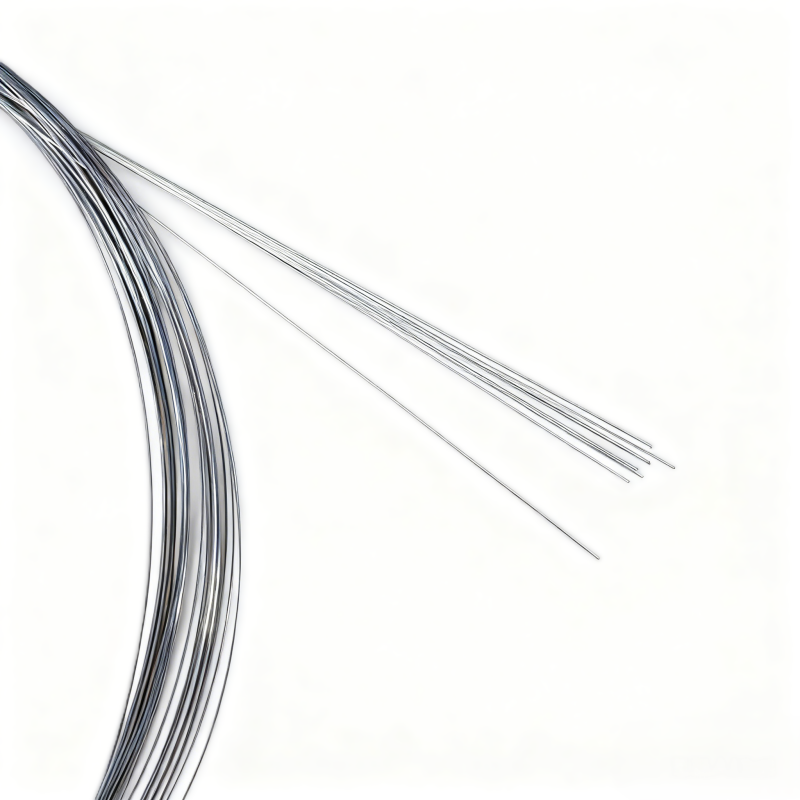
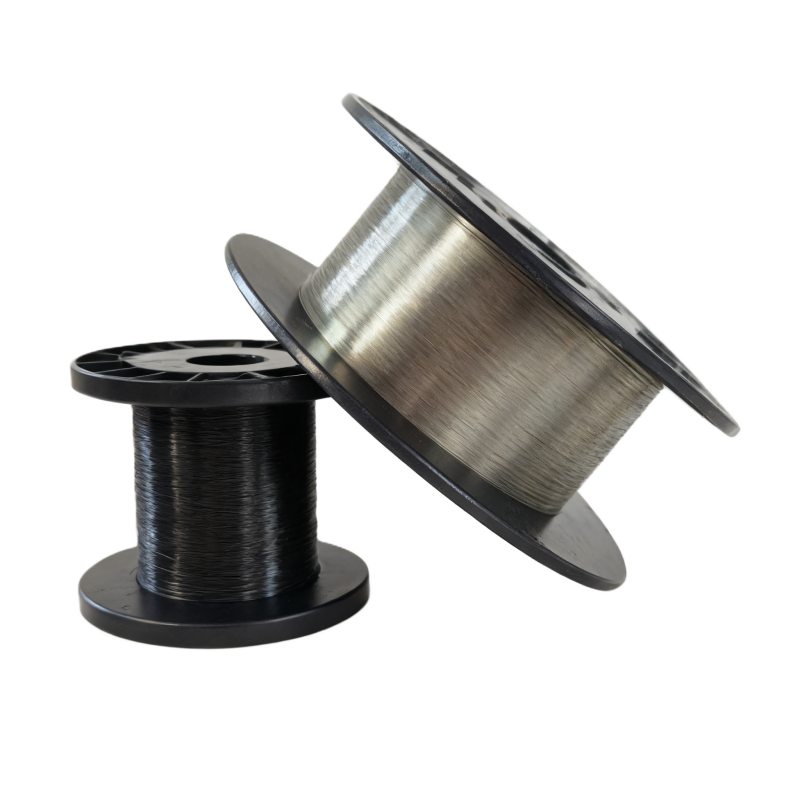
The superelastic behavior of nitinol shape memory alloy delivers mechanical performance capabilities that conventional materials simply cannot match, making it the material of choice for applications requiring extreme flexibility combined with complete recovery. This superelasticity allows nitinol shape memory components to bend, twist, and compress far beyond the elastic limits of steel, titanium, or aluminum, then return perfectly to original dimensions when stress is removed. The mechanism behind this extraordinary behavior involves stress-induced phase transformation where mechanical loading converts the austenite crystal structure to martensite, accommodating large strains through atomic rearrangement rather than permanent deformation. Engineers exploit this property to create eyeglass frames that withstand crushing and twisting without breaking or losing shape, providing consumers with virtually indestructible products that maintain appearance and function despite rough handling. The mobile phone industry has incorporated nitinol shape memory components in flexible hinges and antenna systems that fold thousands of times without fatigue failure, addressing durability concerns that limit product lifespans. Robotics designers leverage the superelastic properties to build grippers and manipulators that safely handle delicate objects by yielding when excessive force is applied, then automatically returning to operational configuration. The material absorbs impact energy effectively, making nitinol shape memory elements ideal for vibration damping applications in precision instruments, automotive suspensions, and seismic protection systems for buildings and infrastructure. Athletic equipment manufacturers use nitinol shape memory alloys in golf club shafts, ski poles, and bicycle components where the superelastic response enhances performance through optimized energy return and improved control. The predictable stress-strain relationship enables engineers to precisely calculate deflections and recovery forces, facilitating accurate modeling and simulation during product development phases. Fatigue testing demonstrates that nitinol shape memory materials endure millions of loading cycles at strain levels that would quickly destroy conventional metals, providing reliability for high-frequency applications like reciprocating pumps and oscillating tools. The strain recovery occurs rapidly, typically within milliseconds, enabling high-speed actuation in applications from automotive valves to textile machinery. Industrial designers appreciate how superelasticity permits creative form factors impossible with traditional materials, opening new aesthetic possibilities while maintaining structural integrity. The absence of plastic deformation means nitinol shape memory components maintain tight tolerances throughout service lives, critical for precision assemblies in aerospace, medical instruments, and optical systems where dimensional stability directly affects performance and safety.

 EN
EN