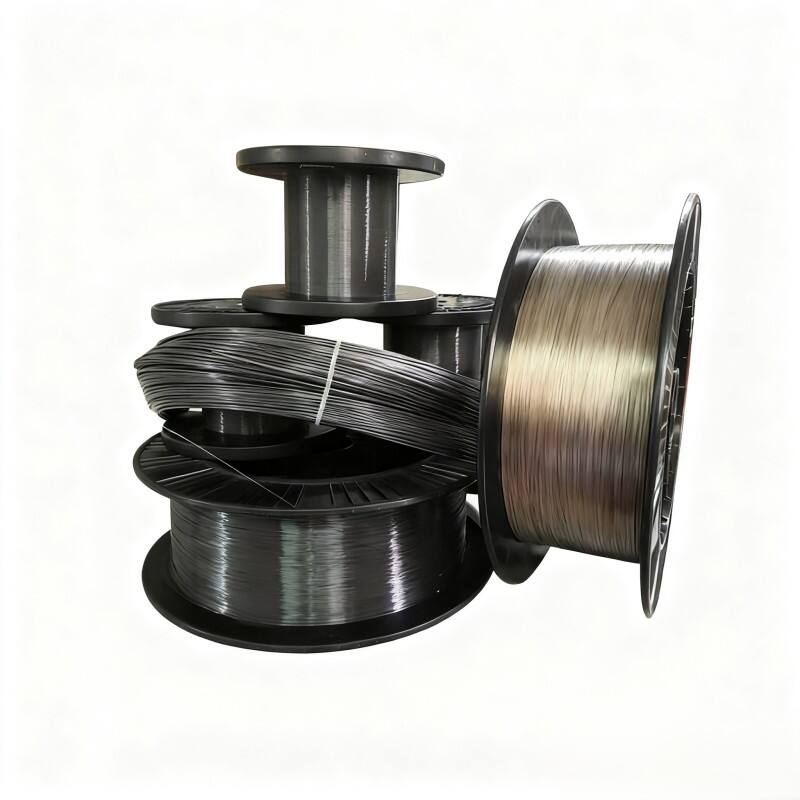
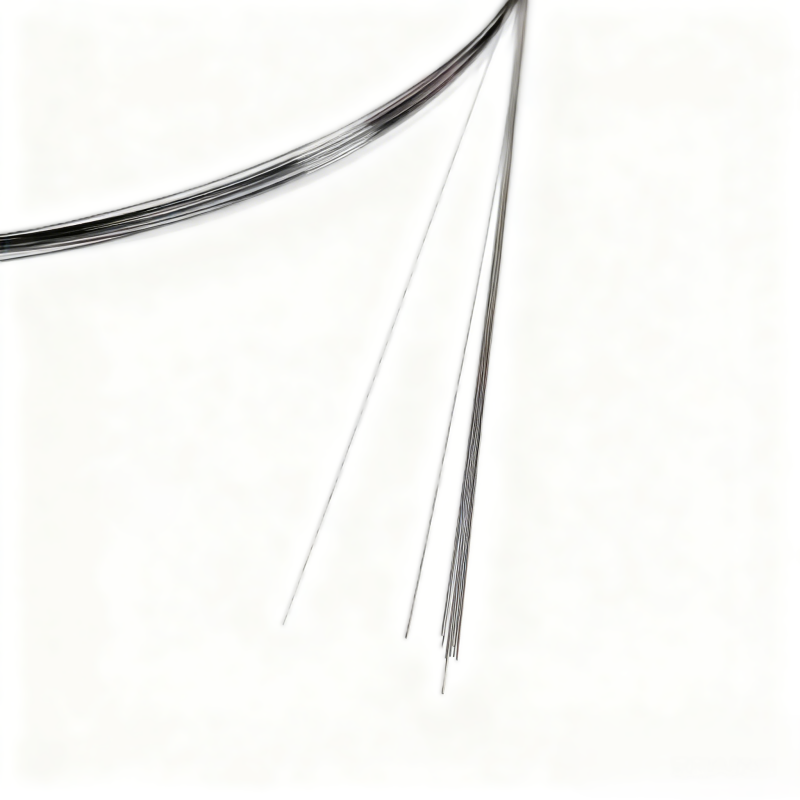
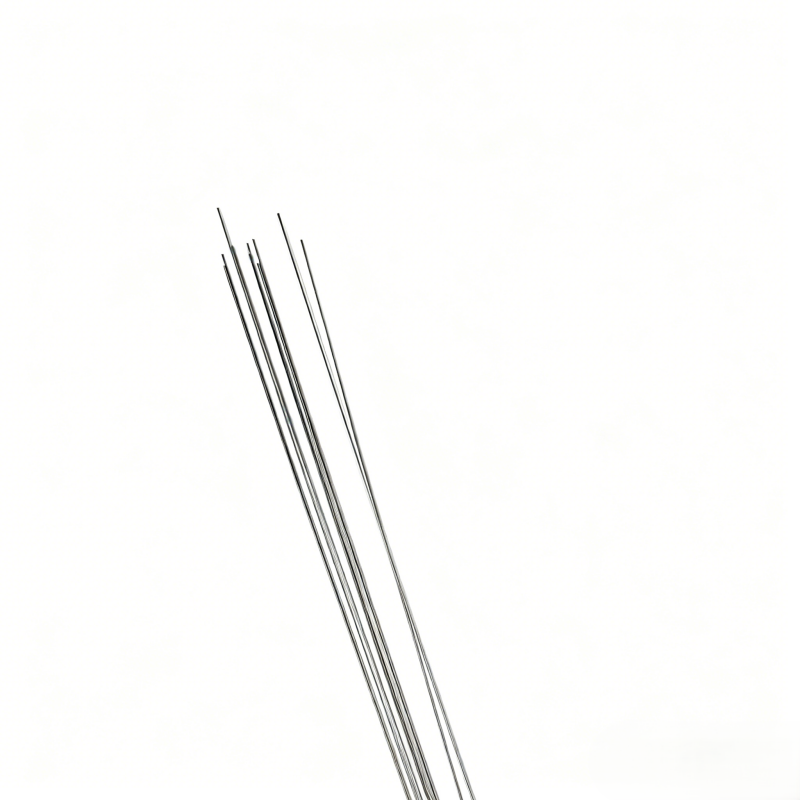
Nitinol Material Properties: Comprehensive Guide to Shape Memory Alloy Benefits and Applications

Get a Free Quote

Our representative will contact you soon.
Email
Name
Company Name
Message
0/1000

nitinol material properties

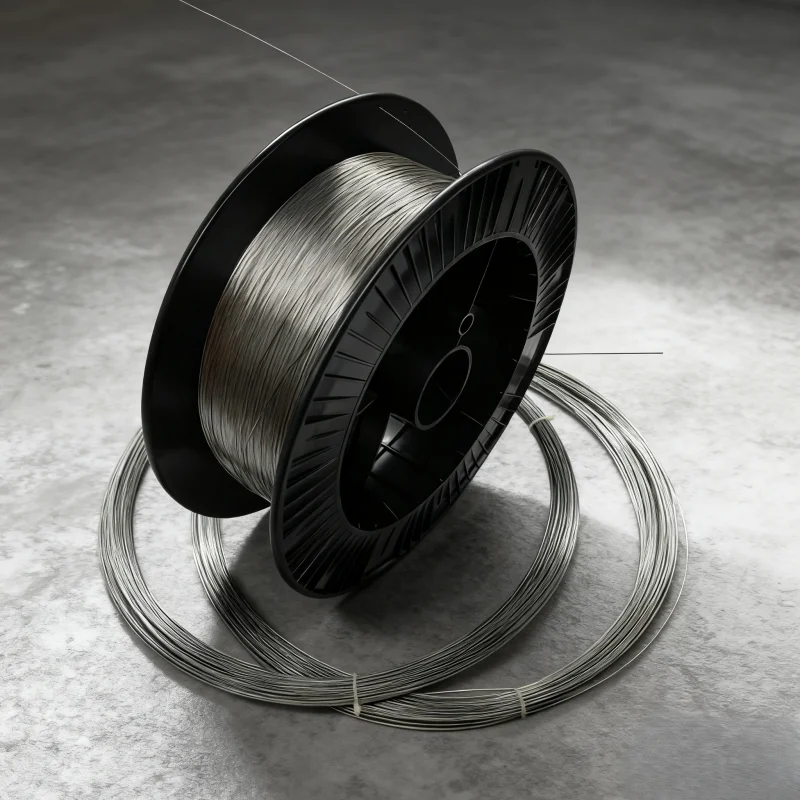
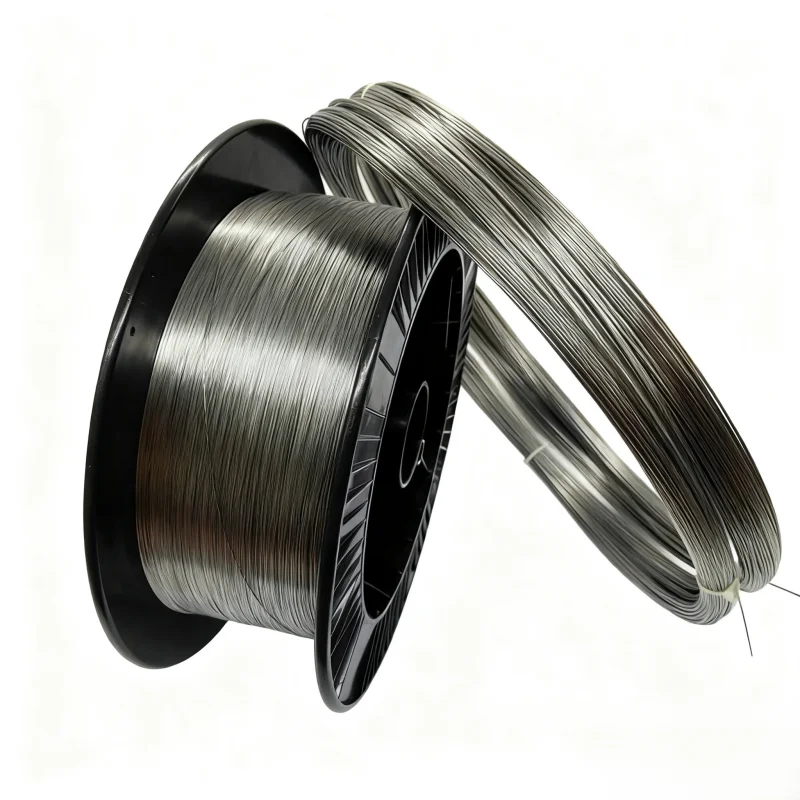
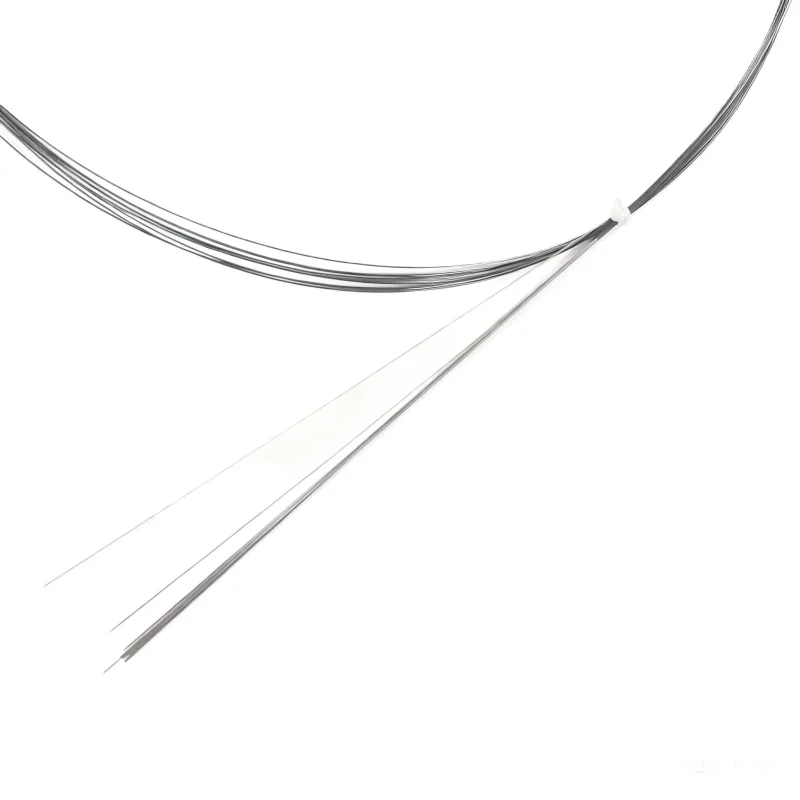
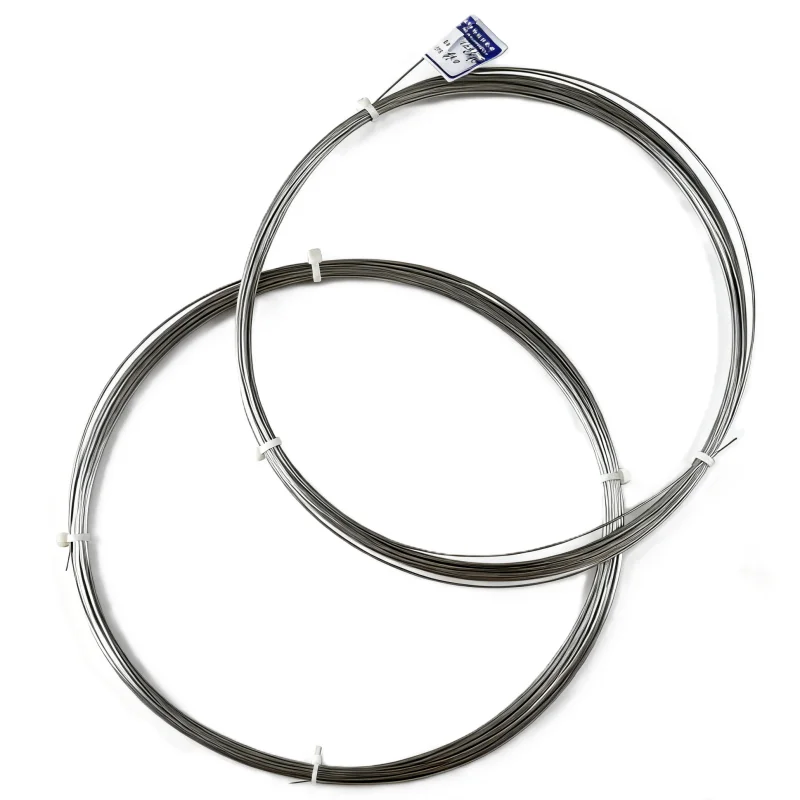
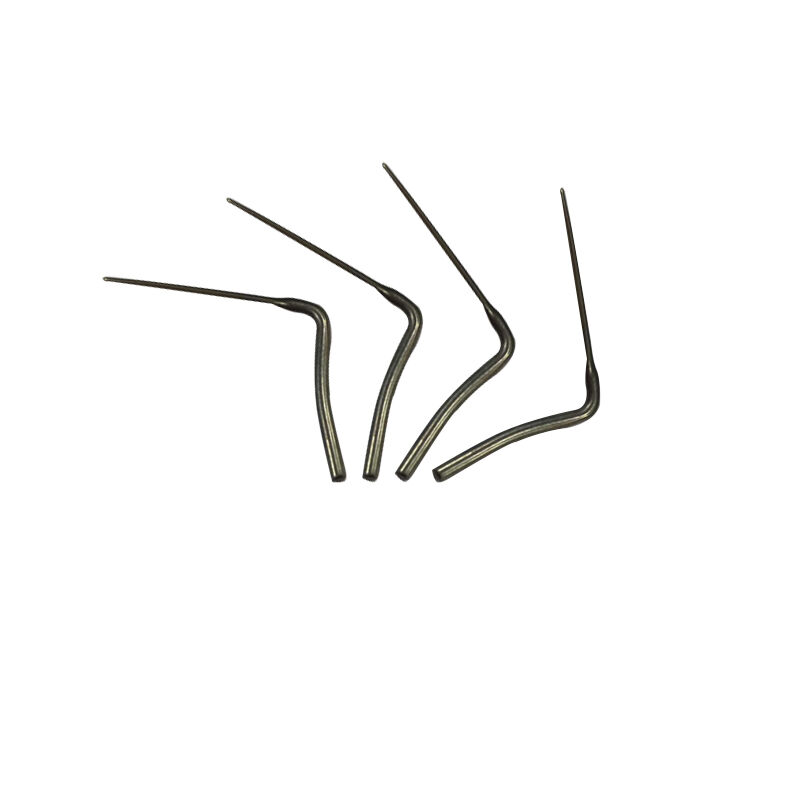
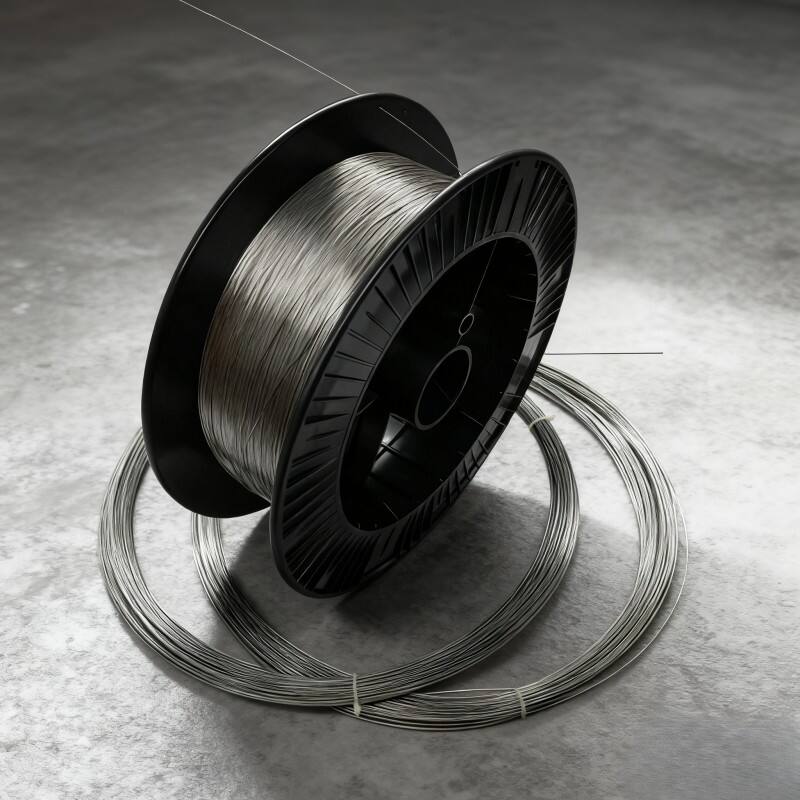
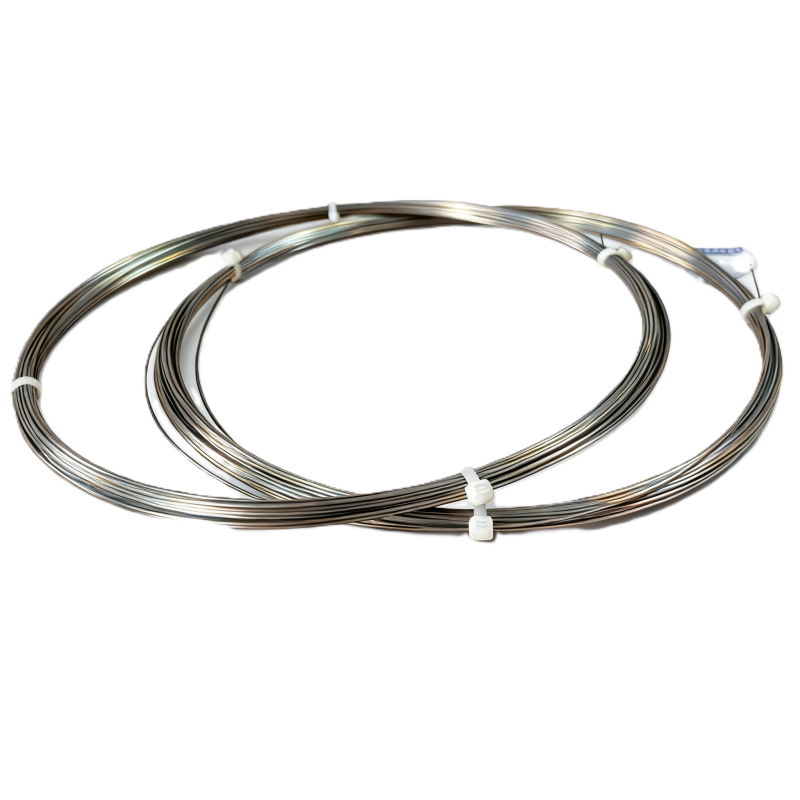
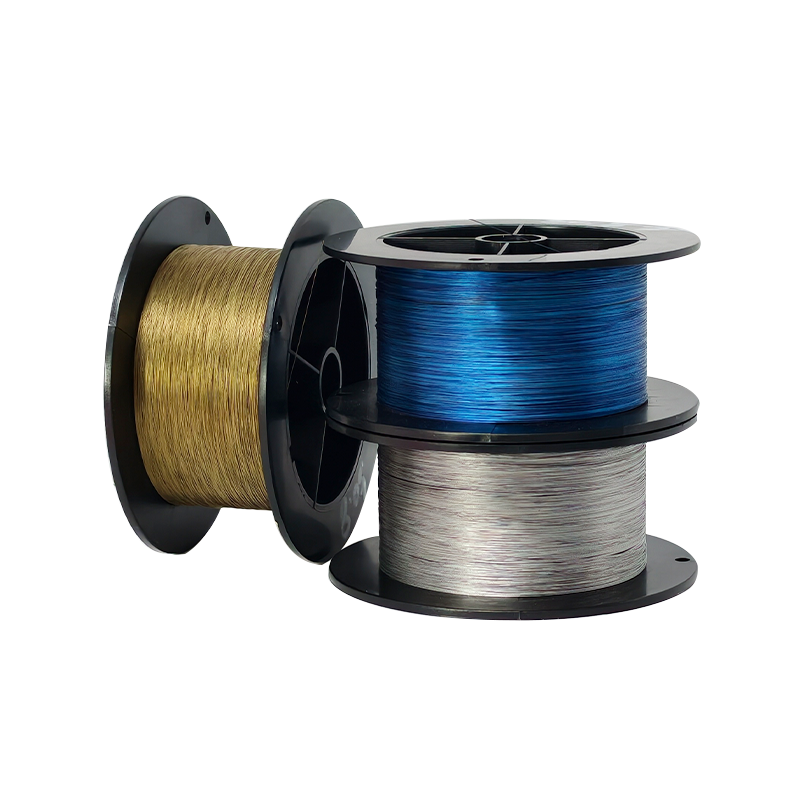
Nitinol material properties represent a fascinating breakthrough in metallurgy, offering unique characteristics that set this alloy apart from conventional metals. Nitinol, an abbreviation for Nickel Titanium Naval Ordnance Laboratory, consists of nearly equal parts nickel and titanium. The nitinol material properties encompass two extraordinary phenomena: shape memory effect and superelasticity. These nitinol material properties enable the alloy to return to its original shape after deformation when heated or to withstand significant strain without permanent damage. The shape memory effect allows nitinol to remember a predetermined shape programmed during manufacturing. When deformed at lower temperatures, the material springs back to its memorized configuration once heated above its transformation temperature. This transformation occurs between 30 and 50 degrees Celsius, though manufacturers can adjust this threshold. Superelasticity, another crucial aspect of nitinol material properties, permits the alloy to undergo substantial deformation and recover completely upon stress removal, even at constant temperatures. This flexibility surpasses ordinary metals by a factor of ten to thirty times. The technological features of nitinol material properties include exceptional biocompatibility, corrosion resistance, and fatigue resistance. These attributes make nitinol ideal for medical applications such as stents, guidewires, orthodontic archwires, and surgical instruments. The cardiovascular industry heavily relies on nitinol material properties for self-expanding stents that adapt to vessel dimensions. Beyond healthcare, nitinol material properties find applications in aerospace engineering, robotics, automotive systems, and consumer electronics. Actuators utilizing nitinol material properties provide compact, lightweight solutions for complex mechanical movements. The eyewear industry incorporates these properties into flexible frame designs that resist breakage. Mobile phone antennas benefit from the spring-like characteristics inherent in nitinol material properties. Understanding these fundamental aspects helps customers appreciate how nitinol material properties deliver innovative solutions across diverse industries.


New Product Releases

The advantages of nitinol material properties extend far beyond traditional material capabilities, offering practical benefits that directly impact product performance and user experience. First and foremost, the shape memory capability inherent in nitinol material properties eliminates the need for complex mechanical systems. Products using this material can achieve sophisticated movements with minimal components, reducing manufacturing costs and maintenance requirements. This simplification translates to lighter, more compact devices that perform reliably over extended periods. The superelastic nature of nitinol material properties provides exceptional durability that outlasts conventional spring materials. While ordinary springs may lose tension or break after repeated use, nitinol maintains consistent performance through millions of cycles. This longevity means products require fewer replacements, reducing long-term ownership costs for customers. The biocompatibility of nitinol material properties makes it perfectly safe for implantation within the human body. Unlike materials that trigger adverse immune responses, nitinol integrates seamlessly with biological tissues. Medical professionals trust this material for critical applications where patient safety cannot be compromised. The corrosion resistance found in nitinol material properties ensures stable performance in challenging environments. Whether exposed to body fluids, saltwater, or industrial chemicals, nitinol maintains structural integrity without degradation. This reliability proves invaluable for applications where replacement would be difficult or impossible. Temperature responsiveness, a key feature of nitinol material properties, enables automatic activation without external power sources. Devices can respond intelligently to environmental changes, opening new possibilities for passive safety systems and adaptive structures. The flexibility of nitinol material properties allows designers to create products that absorb impact and return to their original form. This resilience prevents permanent damage from accidental drops, bending, or compression. Consumers appreciate products that withstand daily wear without showing signs of abuse. Energy efficiency represents another significant advantage of nitinol material properties. Actuators made from this material require minimal power to operate, making them ideal for battery-powered devices and energy-conscious applications. The material accomplishes work during phase transformation, converting thermal energy directly into mechanical motion. Manufacturing versatility associated with nitinol material properties allows production in various forms including wires, tubes, sheets, and complex shapes. This adaptability enables engineers to optimize designs for specific applications without material limitations. The non-magnetic nature of nitinol material properties makes it suitable for use near sensitive electronic equipment and in MRI environments. This compatibility expands application possibilities in medical diagnostics and precision instrumentation. Customers benefit from reduced interference and improved measurement accuracy when nitinol material properties are properly leveraged in product design.

Tips And Tricks

How to utilize one-way and two-way memory in precision medical components?

21

May

How to utilize one-way and two-way memory in precision medical components?

In the development of precision medical components, material intelligence is no longer a concept reserved for science fiction. nitinol wire has fundamentally changed how engineers and medical device designers approach the challenge of building compon...
View More
Why is a brand with a 5,000m² factory more professional in Nitinol customization?

22

May

Why is a brand with a 5,000m² factory more professional in Nitinol customization?

When sourcing advanced shape memory alloys for medical devices, aerospace components, or industrial actuators, the manufacturing environment behind a supplier tells you far more than a product catalog ever could. Nitinol customization is a precision-...
View More
What breakthroughs can Nitinol material bring to future flexible robot joints?

25

May

What breakthroughs can Nitinol material bring to future flexible robot joints?

The evolution of robotics is deeply tied to the materials that power movement, flexibility, and responsiveness. Among the most promising advances in this space, Nitinol material stands out as a transformative force in the design of flexible robot joi...
View More
How to identify high-quality Nitinol sources with a 21-year background?

01

Jun

How to identify high-quality Nitinol sources with a 21-year background?

Sourcing Nitinol for industrial, medical, or specialty applications is not a decision that should be made lightly. Nitinol, the nickel-titanium shape memory alloy renowned for its superelastic behavior and thermal responsiveness, demands a level of m...
View More

Get a Free Quote

Our representative will contact you soon.
Email
Name
Company Name
Message
0/1000

nitinol material properties

Revolutionary Shape Memory Effect Transforms Product Design Possibilities

Revolutionary Shape Memory Effect Transforms Product Design Possibilities

The shape memory effect stands as the most distinctive characteristic among nitinol material properties, fundamentally changing how engineers approach product development. This remarkable phenomenon allows nitinol to remember and return to a predetermined shape when exposed to specific temperature thresholds. During manufacturing, nitinol undergoes a training process where it learns its permanent configuration through controlled heating and shaping procedures. Once programmed, the nitinol material properties ensure consistent shape recovery throughout the product lifecycle. The practical implications of this shape memory effect are profound and far-reaching. In medical applications, cardiovascular stents compressed into narrow catheters expand automatically when reaching body temperature, deploying into precise configurations that support arterial walls. This self-expanding capability, enabled by nitinol material properties, eliminates the need for balloon inflation and reduces procedure complexity. Surgeons can deliver these devices through smaller incisions, minimizing patient trauma and accelerating recovery times. The orthodontic field harnesses nitinol material properties to create archwires that apply constant, gentle pressure on teeth. Unlike stainless steel wires requiring frequent adjustments, nitinol wires maintain optimal force levels as teeth gradually move into position. Patients experience reduced discomfort and fewer office visits, while orthodontists achieve more predictable treatment outcomes. Beyond healthcare, the shape memory aspect of nitinol material properties enables innovative consumer products. Eyeglass frames manufactured from nitinol resist permanent deformation when sat upon or stepped on, springing back to their original shape. This durability extends product lifespan and reduces replacement costs for consumers. Coffee makers and rice cookers incorporate nitinol actuators that respond to temperature changes, automatically controlling valves and switches without electronic sensors. These applications demonstrate how nitinol material properties create simple, reliable mechanisms that operate indefinitely without batteries or complex circuitry. The aerospace industry utilizes the shape memory characteristics of nitinol material properties for deployable structures. Satellite antennas and solar panels folded during launch unfold automatically when exposed to sunlight in orbit. This approach reduces mechanical complexity and eliminates failure points associated with motorized deployment systems. Automotive engineers explore nitinol material properties for adaptive aerodynamic features that respond to vehicle speed and temperature. Hood louvers, air dam extensions, and cooling vents can open or close automatically, optimizing performance without driver input or electronic controls. The shape memory effect within nitinol material properties offers designers unprecedented creative freedom, enabling products that adapt intelligently to their environment while maintaining simplicity and reliability.
Superelasticity Delivers Unmatched Flexibility and Fatigue Resistance

Superelasticity Delivers Unmatched Flexibility and Fatigue Resistance

Superelasticity represents another cornerstone among nitinol material properties, providing mechanical capabilities that exceed conventional materials by remarkable margins. This property allows nitinol to undergo strains up to eight percent and recover completely without permanent deformation, compared to typical metals that plastically deform at strains exceeding one percent. The superelastic behavior of nitinol material properties results from stress-induced phase transformation between austenite and martensite crystal structures. When force is applied, the material converts to martensite, accommodating large deformations. Upon stress removal, it instantly reverts to austenite, restoring the original shape. This reversible transformation occurs at constant temperature, distinguishing superelasticity from the temperature-dependent shape memory effect. The practical advantages of this aspect of nitinol material properties become immediately apparent in demanding applications. Medical guidewires made from nitinol navigate tortuous blood vessel pathways without kinking or permanently bending. Physicians can maneuver these instruments through complex anatomy with confidence, knowing the nitinol material properties ensure the wire returns to its straight configuration after navigating tight curves. This flexibility improves procedural success rates and reduces patient complications. Endodontic files utilizing nitinol material properties revolutionized root canal procedures. Traditional stainless steel files fractured easily when navigating curved root canals, leaving fragments embedded in tooth structure. The superelastic nature of nitinol material properties allows files to bend dramatically without breaking, conforming to natural canal curvatures while maintaining cutting efficiency. Dentists complete procedures faster and with greater safety margins, while patients experience fewer complications and better treatment outcomes. The fatigue resistance inherent in nitinol material properties far surpasses ordinary materials. While conventional springs and flexures fail after thousands of cycles, nitinol components routinely withstand tens of millions of loading cycles without performance degradation. This exceptional durability proves essential for applications involving continuous cyclic motion. Eyewear hinges made using nitinol material properties open and close smoothly for years without loosening or breaking. The material absorbs stress from repeated flexing, distributing loads evenly throughout its structure rather than concentrating strain at weak points. Consumers enjoy products that maintain like-new performance throughout extended ownership periods. In robotics and automation, the superelastic characteristics of nitinol material properties enable compliant mechanisms that adapt to irregular surfaces and unexpected obstacles. Grippers can gently grasp delicate objects without crushing them, automatically adjusting grip force based on object compliance. This adaptability simplifies control systems and reduces programming complexity. Sporting goods manufacturers incorporate nitinol material properties into products requiring both flexibility and strength. Golf club shafts, fishing rods, and bicycle components benefit from the high strain recovery and vibration damping inherent in this material. Athletes experience improved performance and reduced equipment fatigue, extending product lifespan while enhancing user experience through superior mechanical response.
Biocompatibility and Corrosion Resistance Enable Critical Medical Applications

Biocompatibility and Corrosion Resistance Enable Critical Medical Applications

The biocompatibility and corrosion resistance found among nitinol material properties establish this alloy as the premier choice for medical implants and surgical instruments. Unlike many metals that trigger inflammatory responses or release toxic ions, nitinol material properties include exceptional compatibility with human tissues and body fluids. The passive oxide layer that naturally forms on nitinol surfaces creates a stable barrier preventing metal ion release. This protective characteristic of nitinol material properties eliminates concerns about long-term implant degradation or systemic toxicity. Extensive biocompatibility testing confirms that tissues in contact with nitinol show no adverse reactions, making it suitable for permanent implantation. Cardiovascular surgeons rely heavily on nitinol material properties for life-saving interventions. Self-expanding stents maintain arterial patency for years without corroding or triggering excessive tissue growth. The material integrates with vessel walls, becoming covered by a thin layer of endothelial cells that prevent clot formation. This biological integration, facilitated by nitinol material properties, reduces the need for long-term anticoagulation therapy and associated bleeding risks. Patients experience improved quality of life with fewer medication side effects. Orthopedic applications benefit tremendously from the corrosion resistance within nitinol material properties. Spinal implants, bone staples, and fixation devices must withstand the mechanically demanding and chemically aggressive environment within the human body. Traditional materials often corrode at stress points or release particles that cause inflammation. The superior corrosion resistance of nitinol material properties maintains structural integrity indefinitely, eliminating revision surgeries caused by implant degradation. The unique combination of flexibility and corrosion resistance in nitinol material properties makes it ideal for peripheral vascular interventions. Devices placed in arteries supplying the legs must withstand constant flexing during walking and movement. Stents made from rigid materials fracture under these cyclic loads, requiring repeat procedures. The superelastic nature and corrosion resistance of nitinol material properties ensure devices flex naturally with body movements while resisting chemical attack from blood components. Surgical instruments crafted using nitinol material properties offer enhanced performance during minimally invasive procedures. Laparoscopic tools must navigate through small incisions and articulate within confined spaces. The flexibility inherent in nitinol material properties allows instruments to bend dramatically without compromising strength or precision. The corrosion resistance ensures reliable sterilization through repeated autoclave cycles without material degradation. Surgeons trust these instruments for delicate operations where tool failure could endanger patients. Dental implants and orthodontic appliances showcase how nitinol material properties improve patient outcomes. The material withstands the corrosive oral environment containing saliva, bacteria, and acidic foods without releasing metallic tastes or causing allergic reactions. Patients with metal sensitivities can safely use nitinol-based appliances, expanding treatment options for previously difficult cases. The biocompatibility and corrosion resistance of nitinol material properties have expanded the boundaries of medical treatment, enabling minimally invasive procedures that were impossible with conventional materials. As medical technology advances, these properties continue driving innovation in patient care, offering solutions that improve outcomes while reducing risks and recovery times.
Nitinol Material Properties: Comprehensive Guide to Shape Memory Alloy Benefits and Applications

Get a Free Quote

Our representative will contact you soon.
Email
Name
Company Name
Message
0/1000
Newsletter
Please Leave A Message With Us