Superelasticity: Unmatched Flexibility and Recovery Under Stress
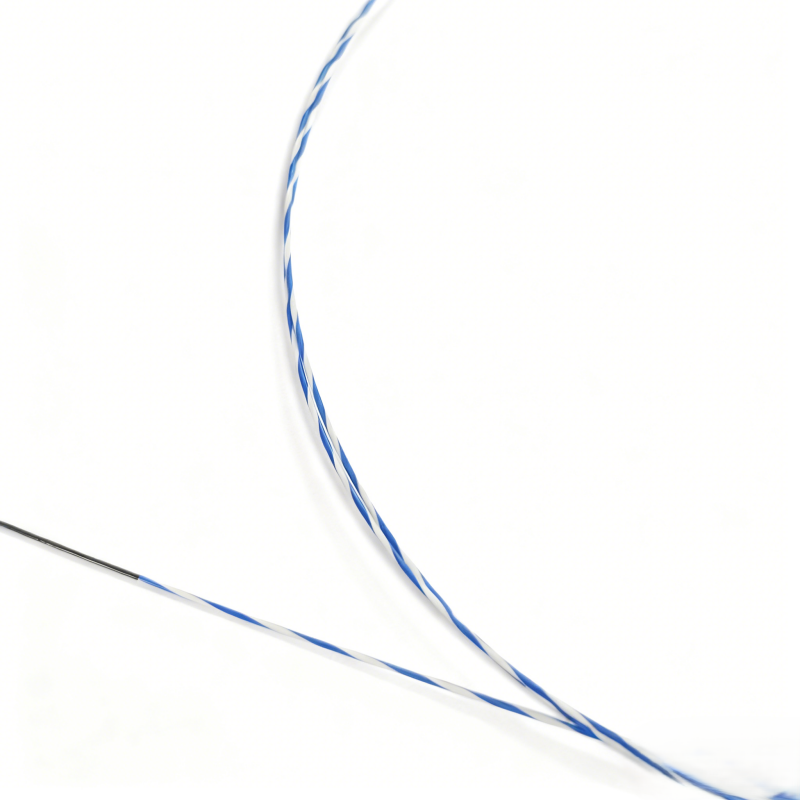
Superelasticity is the second defining property of nitinol sheet, and it is just as impressive as the shape memory effect. While the shape memory effect is thermally driven, superelasticity operates at a constant temperature, typically near room temperature or body temperature, and is driven purely by mechanical stress. When you apply force to a nitinol sheet, the material can deform by as much as eight percent strain, which is roughly ten to thirty times greater than what you would get from stainless steel or conventional titanium sheet. More importantly, when you release that force, the nitinol sheet springs back completely to its original shape without any permanent deformation. This behavior comes from a stress-induced phase transformation within the alloy. As stress is applied, the crystal structure shifts from austenite to martensite, absorbing the deformation energy. When the stress is removed, the structure reverts, releasing that energy and restoring the original geometry. The result is a metal sheet that behaves almost like a high-performance elastic material while retaining all the strength and durability of a metal. For engineers designing products that will experience repeated bending, flexing, or impact loading, nitinol sheet offers a level of resilience that no conventional metal can match. In the medical device field, superelastic nitinol sheet is used to create guidewires, stent frames, and bone staples that can be compressed for delivery through a catheter or small incision and then expand reliably once in place. In consumer electronics, it enables hinges and flexible connectors that survive thousands of open-and-close cycles without fatigue failure. In eyewear, superelastic nitinol sheet frames can be bent dramatically and return to shape, making them virtually unbreakable under normal use. The fatigue resistance of superelastic nitinol sheet is another critical advantage. Standard metals subjected to cyclic loading will eventually develop micro-cracks and fail. Nitinol sheet, when properly processed, can endure millions of loading cycles while maintaining its mechanical properties. This makes it the material of choice for any application where long service life and consistent performance are non-negotiable requirements. Choosing nitinol sheet for superelastic applications means choosing a material that protects your product from accidental damage, extends its useful life, and reduces warranty and replacement costs over time.

 EN
EN