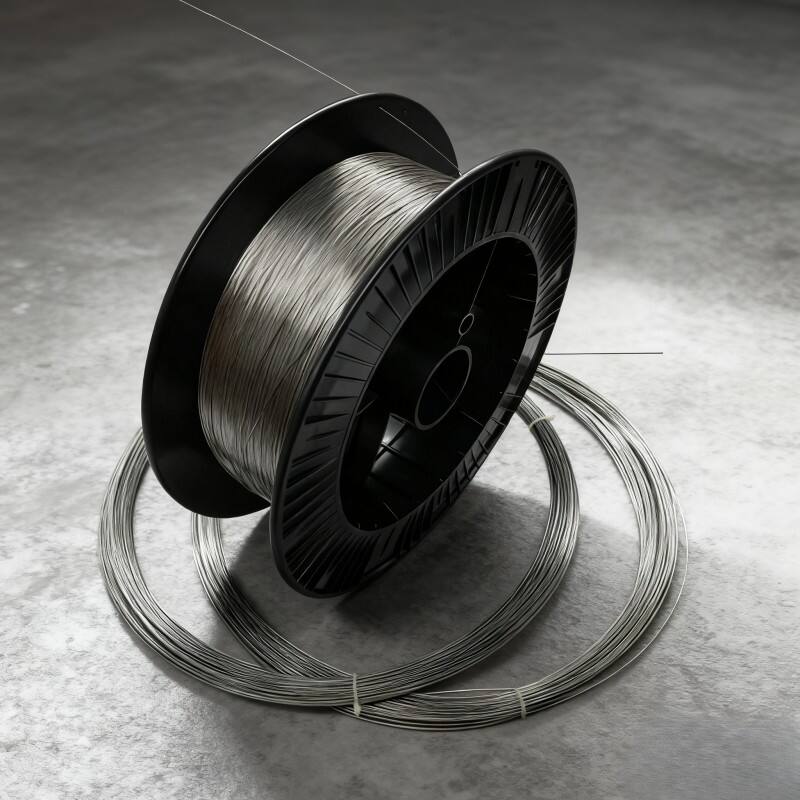
Shape Memory of Nitinol: Advanced Smart Material Technology for Medical and Industrial Applications

Get a Free Quote

Our representative will contact you soon.
Email
Name
Company Name
Message
0/1000

shape memory of nitinol

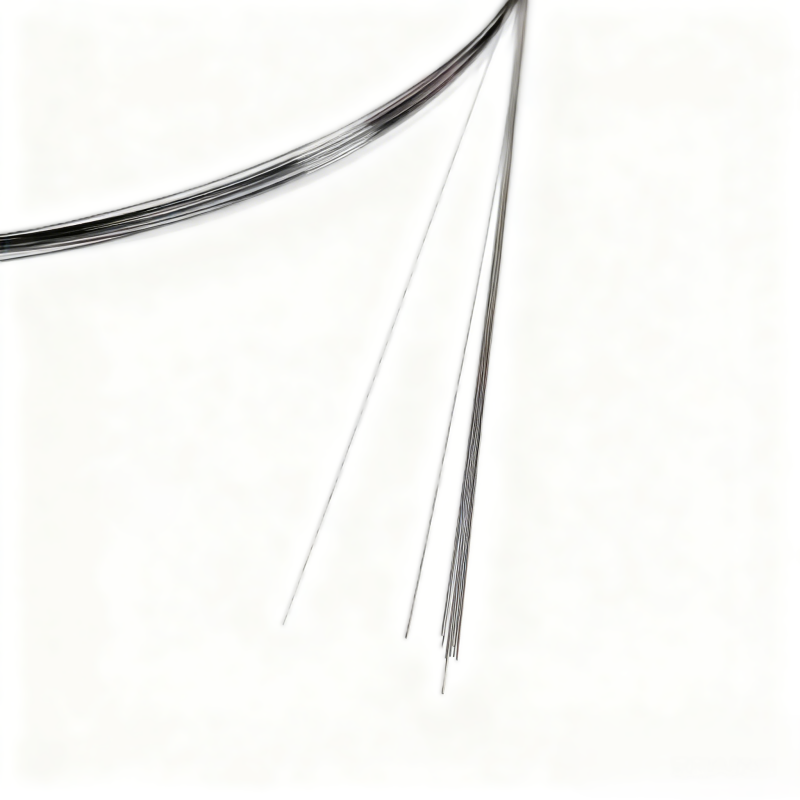
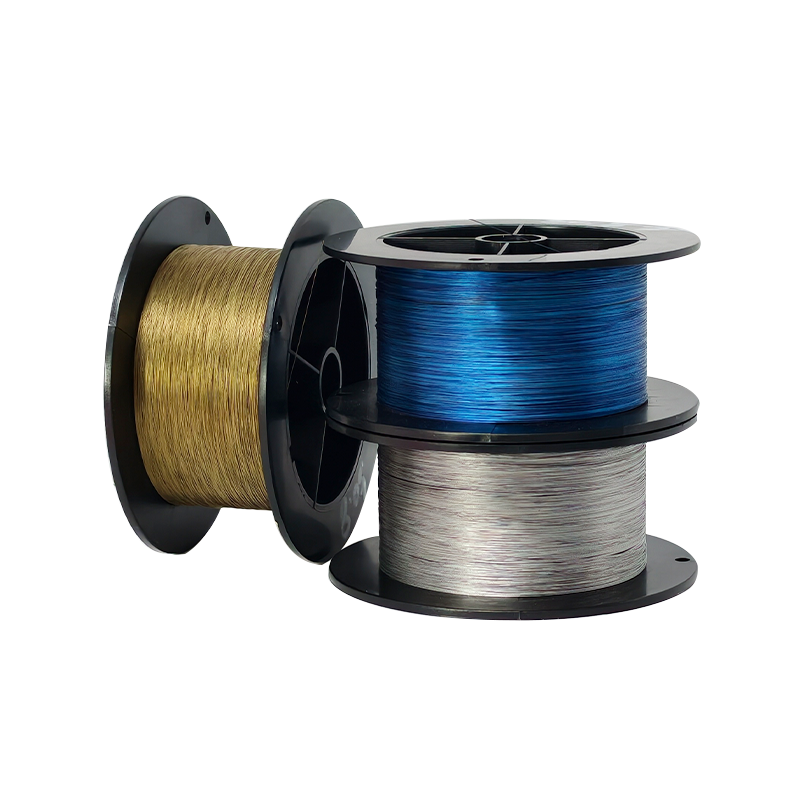
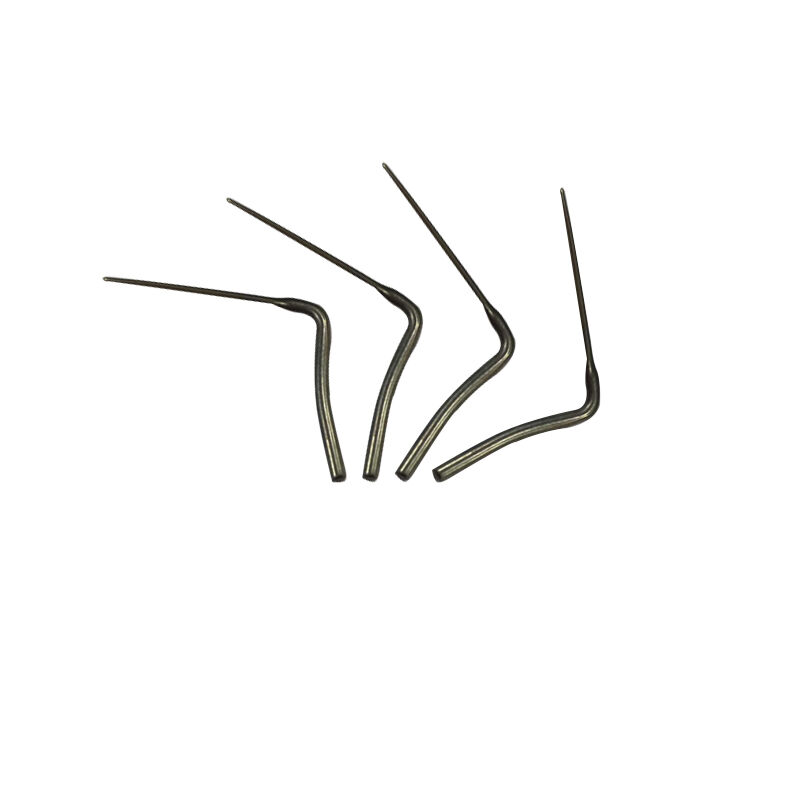
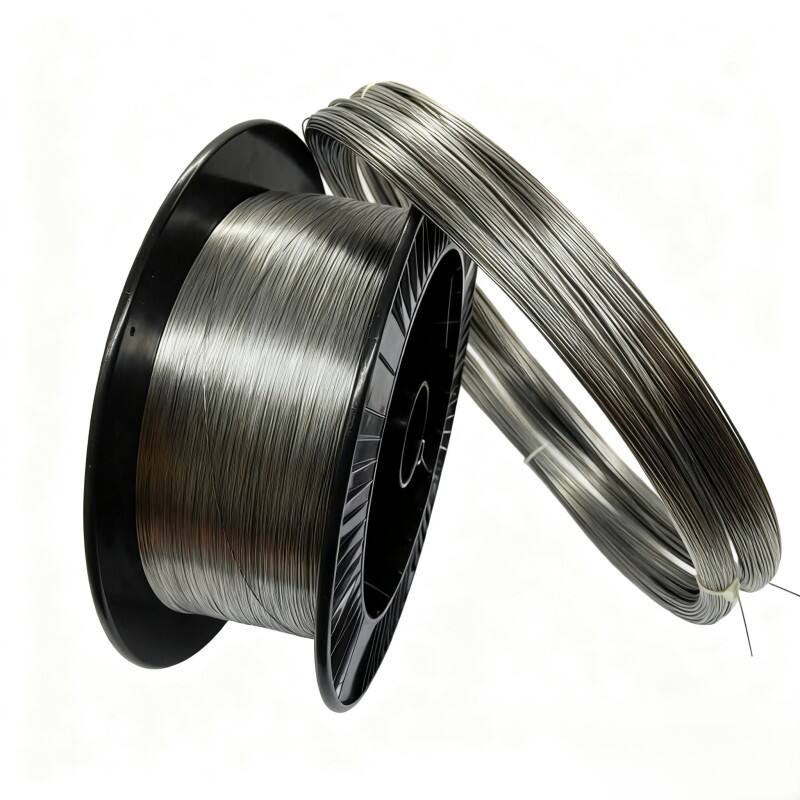
The shape memory of nitinol represents one of the most fascinating properties in modern material science, offering remarkable capabilities that have revolutionized multiple industries. Nitinol, an alloy composed of nearly equal parts nickel and titanium, possesses the extraordinary ability to return to its predetermined shape when subjected to specific temperature changes or stress removal. This unique characteristic stems from a solid-state phase transformation between two crystal structures: austenite at higher temperatures and martensite at lower temperatures. The shape memory of nitinol functions through a reversible transformation that allows the material to remember and recover its original configuration even after significant deformation. When the alloy is cooled below its transformation temperature, it becomes soft and easily deformable in its martensitic state. However, upon heating above the transformation temperature, the material undergoes a crystallographic change to austenite, causing it to revert to its programmed shape with considerable force. This transformation can generate recovery stresses up to 800 MPa, making it incredibly powerful for various applications. The technological features of the shape memory of nitinol include exceptional biocompatibility, corrosion resistance, and the ability to withstand millions of cycles without degradation. The material can be trained to remember specific shapes through a process involving deformation at high temperatures followed by controlled cooling. Applications of the shape memory of nitinol span numerous sectors including medical devices such as stents, guidewires, and orthodontic archwires, aerospace components like actuators and couplings, automotive safety systems, robotics, and consumer electronics. The versatility of this material continues to expand as researchers discover new ways to harness its unique properties for innovative solutions across different fields.

Popular Products

The shape memory of nitinol delivers substantial practical benefits that make it an invaluable material for countless applications across various industries. First and foremost, this remarkable alloy eliminates the need for complex mechanical systems in many cases. Traditional mechanisms often require motors, gears, springs, and intricate assemblies to achieve movement or force application. The shape memory of nitinol simplifies these systems dramatically by providing both sensing and actuation in a single material. This simplification translates directly into cost savings for manufacturers and end users alike, as fewer components mean reduced assembly time, lower maintenance requirements, and decreased likelihood of mechanical failure. The material offers exceptional durability that surpasses many conventional alternatives. The shape memory of nitinol can endure millions of transformation cycles without significant performance degradation, ensuring long-term reliability in demanding applications. This longevity means products incorporating this technology require less frequent replacement, saving money and reducing waste over time. Another significant advantage lies in the biocompatibility of the material. The shape memory of nitinol naturally resists corrosion and integrates seamlessly with biological tissues, making it ideal for medical implants and devices that must remain inside the human body for extended periods. Patients benefit from reduced risk of adverse reactions, improved healing outcomes, and longer-lasting medical solutions. The compact nature of devices utilizing the shape memory of nitinol provides tremendous value in space-constrained applications. Because the material itself serves multiple functions, engineers can design smaller, lighter products without sacrificing performance. This miniaturization capability proves especially valuable in minimally invasive medical procedures, portable electronics, and aerospace applications where every gram matters. The precise control offered by the shape memory of nitinol enables accuracy that mechanical systems struggle to match. The transformation occurs at specific, predictable temperatures, allowing for reliable, repeatable performance in automated systems. Users enjoy consistent results without constant adjustments or calibrations. Energy efficiency represents another compelling benefit, as the shape memory of nitinol requires minimal power input to trigger transformations. In many applications, ambient temperature changes or body heat alone suffice to activate the material, eliminating the need for external power sources entirely. This characteristic makes it perfect for passive safety devices and autonomous systems.

Latest News

Why do full-chain manufacturers provide a more stable supply of SMA wire?

14

May

Why do full-chain manufacturers provide a more stable supply of SMA wire?

In industrial and medical procurement, supply chain reliability is not a luxury — it is a fundamental requirement. When sourcing SMA wire, the type of manufacturer you partner with has a direct and measurable impact on delivery consistency, material ...
View More
How to ensure dimensional tolerances for precision Nitinol metal parts?

18

May

How to ensure dimensional tolerances for precision Nitinol metal parts?

Achieving tight dimensional tolerances in Nitinol metal components is one of the most demanding challenges in precision manufacturing. Unlike conventional metals, Nitinol — a nickel-titanium shape memory alloy — exhibits superelastic recovery and pha...
View More
What breakthroughs can Nitinol material bring to future flexible robot joints?

25

May

What breakthroughs can Nitinol material bring to future flexible robot joints?

The evolution of robotics is deeply tied to the materials that power movement, flexibility, and responsiveness. Among the most promising advances in this space, Nitinol material stands out as a transformative force in the design of flexible robot joi...
View More
How to identify high-quality Nitinol sources with a 21-year background?

01

Jun

How to identify high-quality Nitinol sources with a 21-year background?

Sourcing Nitinol for industrial, medical, or specialty applications is not a decision that should be made lightly. Nitinol, the nickel-titanium shape memory alloy renowned for its superelastic behavior and thermal responsiveness, demands a level of m...
View More

Get a Free Quote

Our representative will contact you soon.
Email
Name
Company Name
Message
0/1000

shape memory of nitinol

Revolutionary Self-Actuating Capability Without External Power

Revolutionary Self-Actuating Capability Without External Power

The shape memory of nitinol possesses an extraordinary self-actuating capability that fundamentally changes how we approach mechanical design and automation. Unlike conventional actuators that demand continuous power supply, complex control systems, or bulky pneumatic and hydraulic equipment, the shape memory of nitinol responds directly to temperature changes in its environment. This intrinsic responsiveness creates opportunities for elegant, simplified solutions to engineering challenges that previously required elaborate systems. Consider how traditional actuators function: they typically need electrical motors, compressed air systems, or hydraulic pumps to generate movement, along with sensors to detect conditions, controllers to process information, and power supplies to run everything. Each component adds weight, complexity, cost, and potential failure points. The shape memory of nitinol consolidates these functions into a single material that simultaneously senses temperature and produces mechanical work. This integration proves transformative in applications where space, weight, or power availability presents constraints. In medical devices, for instance, the shape memory of nitinol enables self-expanding stents that compress for insertion through small catheters, then automatically expand to their functional diameter upon reaching body temperature. No batteries, no electronics, no external triggers required. The stent simply responds to its environment, expanding with controlled force to support vessel walls. This elegant simplicity reduces procedure complexity, improves patient outcomes, and lowers healthcare costs. Aerospace engineers leverage the shape memory of nitinol for deployable structures that remain compact during launch, then automatically unfold in the temperature extremes of space. Satellite antennas, solar panel arrays, and instrument booms utilize this property to achieve large functional sizes from minimal stowed volumes. The reliability of temperature-triggered deployment eliminates concerns about electronic failures in harsh radiation environments. Consumer products benefit equally from this capability, with thermostatic mixing valves using the shape memory of nitinol to automatically regulate water temperature without electronic controls, and eyeglass frames that self-adjust to head shape through body heat.
Exceptional Biocompatibility for Medical Innovation

Exceptional Biocompatibility for Medical Innovation

The shape memory of nitinol demonstrates exceptional biocompatibility that has opened unprecedented possibilities in medical technology and patient care. This crucial characteristic means the material can safely remain in contact with human tissues and bodily fluids for extended periods without causing adverse reactions, inflammation, or rejection. The biocompatibility of the shape memory of nitinol stems from the formation of a stable titanium oxide layer on its surface, which creates a barrier between the alloy and surrounding biological tissues. This passive oxide layer prevents nickel ion release at levels that would trigger immune responses, making the material suitable for long-term implantation despite containing nickel. Medical device manufacturers have embraced the shape memory of nitinol for countless applications that directly improve patient outcomes and quality of life. Cardiovascular stents made from this material have revolutionized the treatment of blocked arteries, providing minimally invasive alternatives to open-heart surgery. These stents compress to small diameters for delivery through blood vessels, then self-expand at the treatment site using the shape memory of nitinol to maintain vessel patency. Patients experience shorter recovery times, reduced surgical trauma, and improved long-term results compared to traditional interventions. Orthodontic applications showcase another dimension of the shape memory of nitinol in healthcare. Dental archwires manufactured from this material apply consistent, gentle forces to teeth throughout treatment, using body temperature to maintain their programmed shape. Unlike stainless steel wires that lose effectiveness between adjustments, the shape memory of nitinol continues working continuously, reducing the number of appointments needed and shortening overall treatment duration. Patients appreciate the comfort of steady, low-force tooth movement that minimizes discomfort while achieving excellent alignment results. Surgical instruments incorporating the shape memory of nitinol enable procedures previously impossible through conventional approaches. Guidewires with shape-memory tips navigate tortuous blood vessel pathways with flexibility during insertion but stiffness when needed for device delivery. Retrieval baskets for kidney stone removal collapse for insertion through narrow endoscopes, then expand using the shape memory of nitinol to capture and extract stones efficiently. The material's combination of flexibility, strength, and biocompatibility makes it uniquely suited for these demanding applications where patient safety and procedural success depend on material performance.
Superelasticity and Fatigue Resistance for Long-Term Reliability

Superelasticity and Fatigue Resistance for Long-Term Reliability

The shape memory of nitinol exhibits remarkable superelasticity and fatigue resistance that ensure reliable, long-lasting performance across millions of operating cycles. Superelasticity, closely related to shape memory effects, allows the material to undergo substantial deformation and return to its original shape upon stress removal, all while remaining at a constant temperature above its transformation point. This behavior differs fundamentally from ordinary elastic materials, which store energy in stretched atomic bonds. The shape memory of nitinol instead accommodates strain through reversible phase transformations at the crystallographic level, enabling it to bend, twist, and compress far beyond what conventional metals can withstand without permanent deformation. This superelastic property means components made from the shape memory of nitinol can flex dramatically during use yet maintain their functional geometry indefinitely. In eyeglass frames, for example, temples manufactured from this material bend severely when accidentally sat upon or stepped on, then immediately spring back to their proper shape without adjustment or repair. Consumers benefit from durable products that withstand daily abuse while maintaining comfort and appearance throughout their service life. The cost savings from reduced breakage and replacement needs make products using the shape memory of nitinol economically attractive despite potentially higher initial material costs. The fatigue resistance of the shape memory of nitinol proves equally impressive, with properly processed material enduring ten million transformation cycles or more without significant performance degradation. This extraordinary durability stems from the material's unique deformation mechanism, which distributes strain at the microscopic level rather than concentrating stress at defects as occurs in conventional metals. Cyclic loading that would rapidly initiate and propagate cracks in steel or aluminum leaves the shape memory of nitinol virtually unaffected. Applications requiring repeated actuation particularly benefit from this characteristic, as designers can confidently specify components that will perform reliably throughout product lifetimes measured in years or decades. Automotive safety systems utilize the shape memory of nitinol in applications where failure simply cannot be tolerated, knowing the material will respond correctly when needed even after years of thermal cycling and mechanical vibration. Industrial automation systems incorporate actuators made from this material in manufacturing processes where downtime for maintenance disrupts production schedules and erodes profitability. The combination of superelasticity and fatigue resistance makes the shape memory of nitinol the material of choice wherever mechanical reliability, space efficiency, and long-term performance matter most to end users and equipment operators.
Shape Memory of Nitinol: Advanced Smart Material Technology for Medical and Industrial Applications

Get a Free Quote

Our representative will contact you soon.
Email
Name
Company Name
Message
0/1000
Newsletter
Please Leave A Message With Us