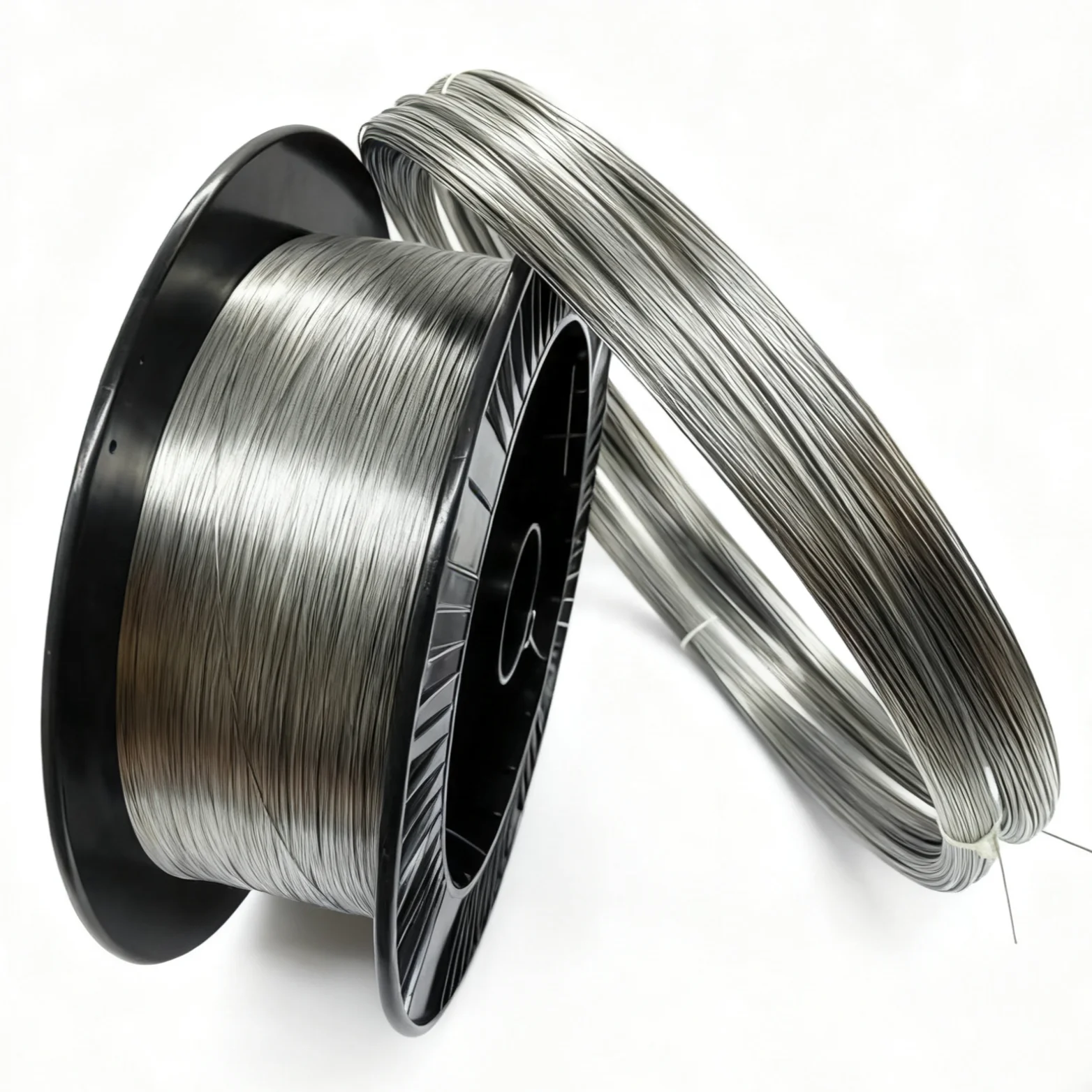
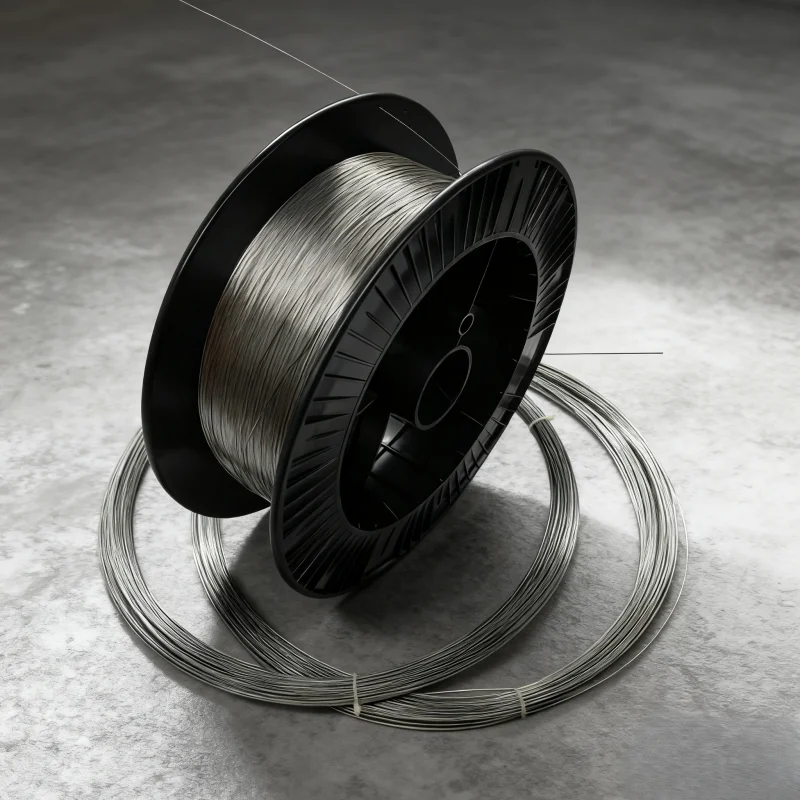
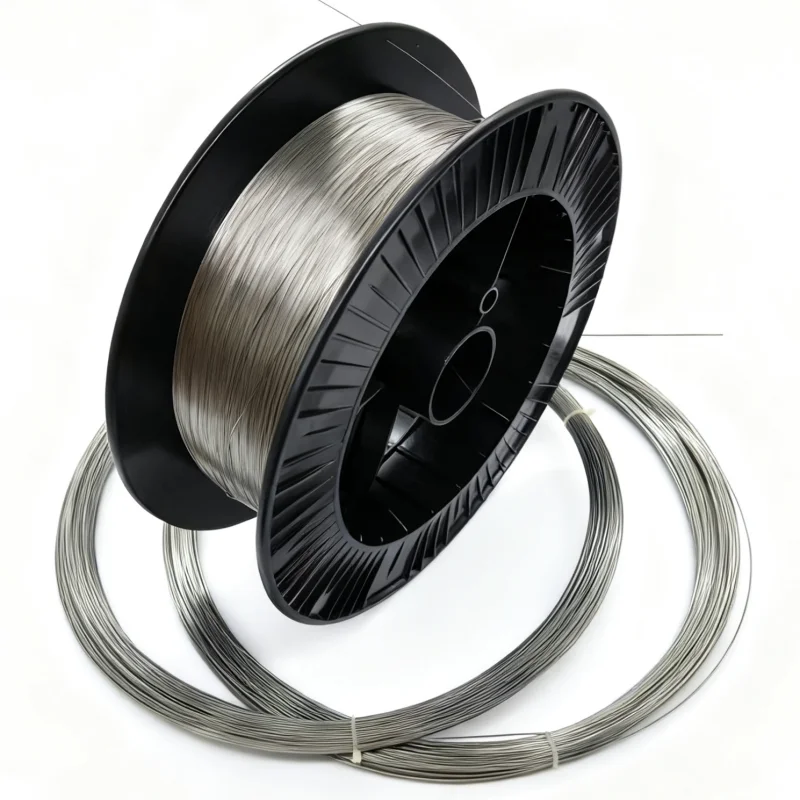
nitinol shape memory alloy
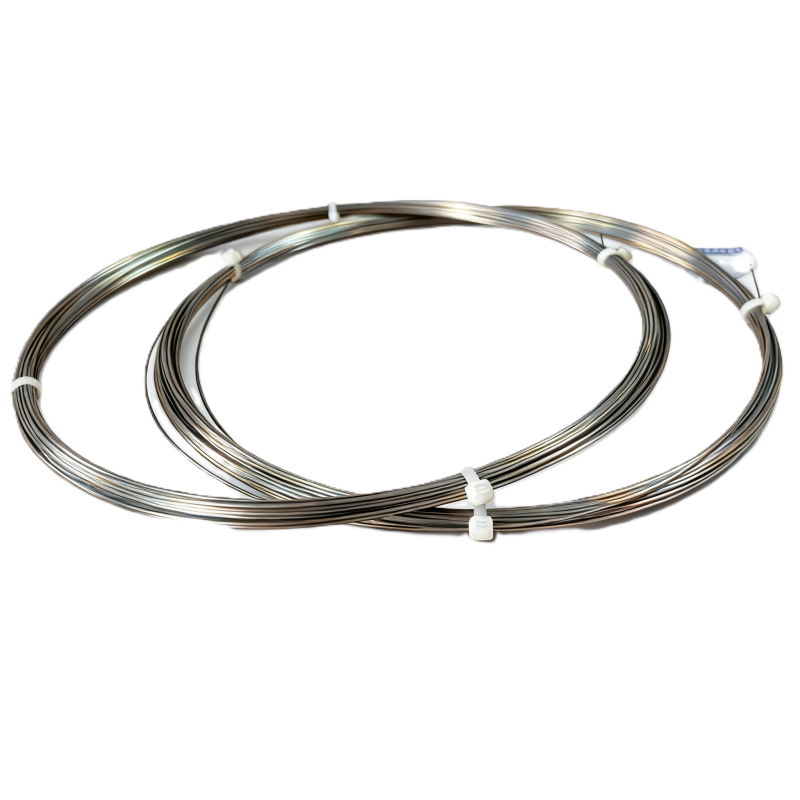
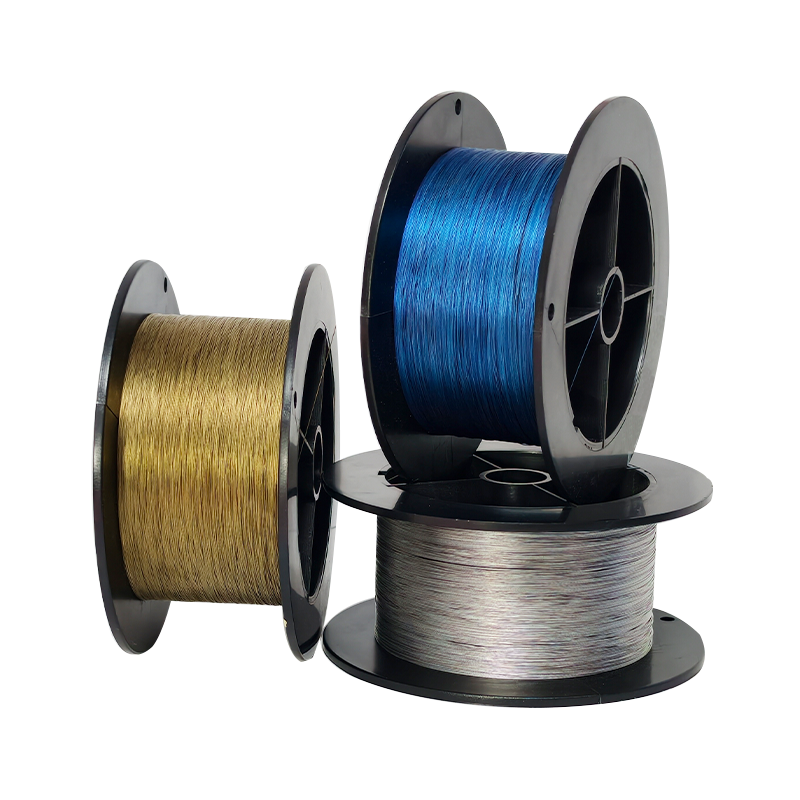
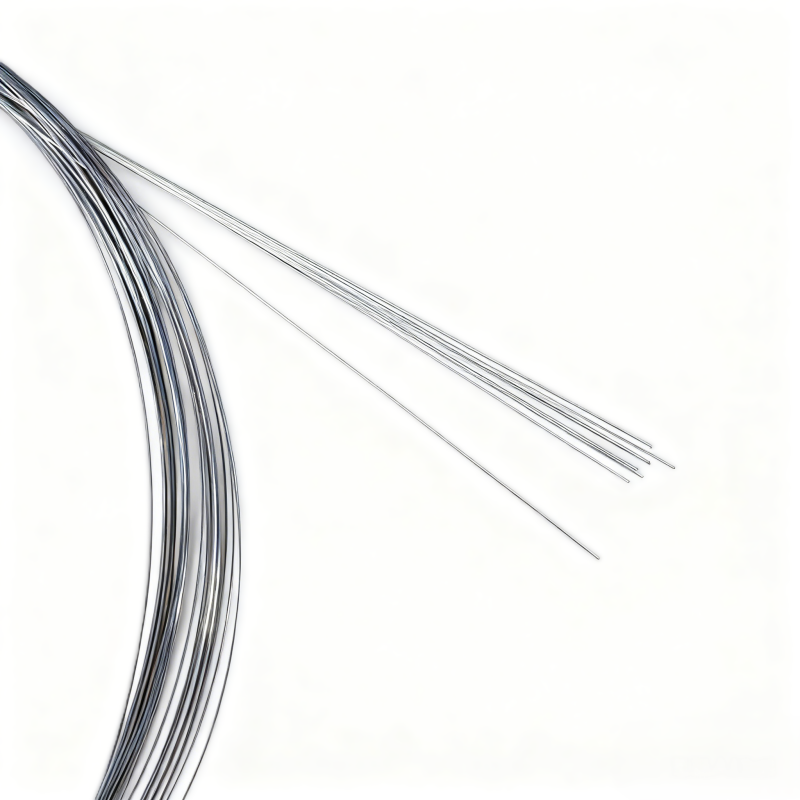
Nitinol shape memory alloy is one of the most remarkable engineering materials ever developed. Composed of roughly equal parts nickel and titanium, this alloy was first discovered at the Naval Ordnance Laboratory in the early 1960s, which is where the name Nitinol originates. What sets nitinol shape memory alloy apart from conventional metals is its ability to remember a pre-programmed shape and return to that shape when exposed to a specific temperature threshold. This behavior, known as the shape memory effect, is driven by a reversible phase transformation between two solid-state crystal structures: the high-temperature austenite phase and the low-temperature martensite phase. When the alloy is cooled, it shifts into the martensite phase and can be deformed with relatively little force. Upon reheating past the transformation temperature, it reverts to austenite and snaps back to its original geometry with surprising force and precision. Beyond the shape memory effect, nitinol shape memory alloy also exhibits superelasticity, sometimes called pseudoelasticity, which allows it to undergo large elastic deformations at a constant temperature and fully recover without permanent distortion. This makes it fundamentally different from steel or aluminum, which would permanently deform under the same conditions. The transformation temperatures of nitinol shape memory alloy can be precisely tuned during manufacturing by adjusting the nickel-to-titanium ratio and applying specific heat treatments, giving engineers a high degree of control over performance characteristics. Nitinol shape memory alloy is also highly biocompatible, corrosion-resistant, and fatigue-resistant, making it suitable for demanding environments. Its applications span a wide range of industries including medical devices, aerospace, robotics, consumer electronics, and civil engineering. In medicine, it is used in stents, guidewires, orthodontic archwires, and surgical instruments. In aerospace and robotics, it serves as an actuator that converts thermal energy directly into mechanical motion. The combination of shape recovery, superelasticity, biocompatibility, and tunable transformation behavior makes nitinol shape memory alloy a uniquely versatile material that continues to drive innovation across multiple sectors.

 EN
EN