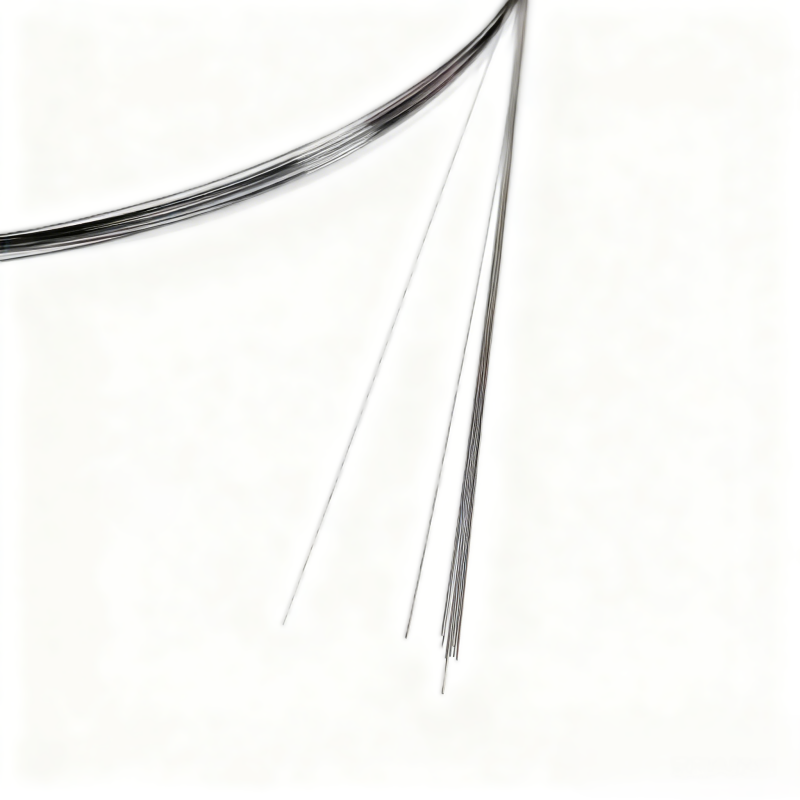
nitinol flat wire
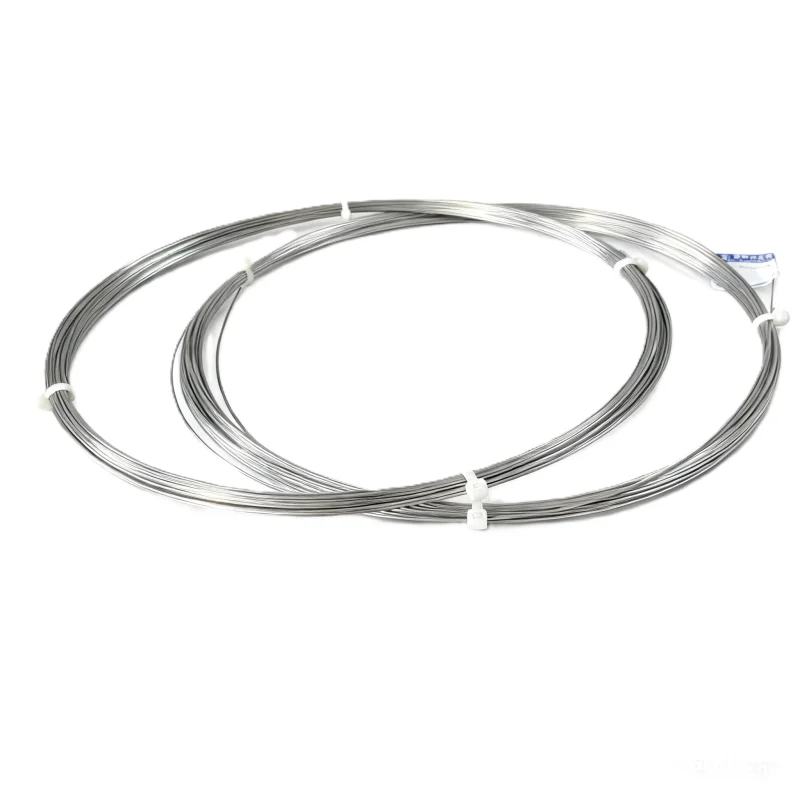
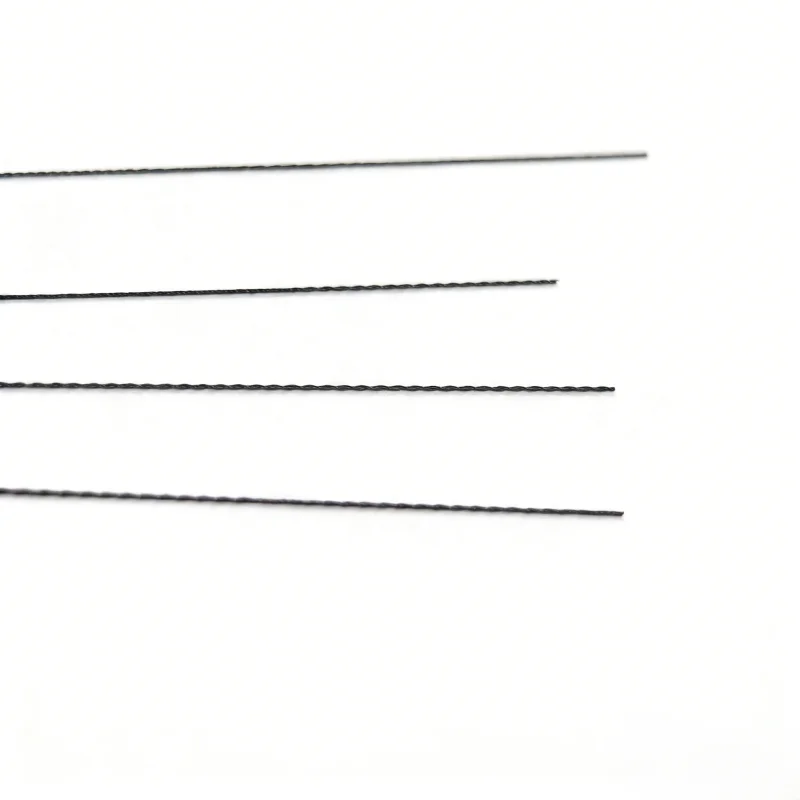
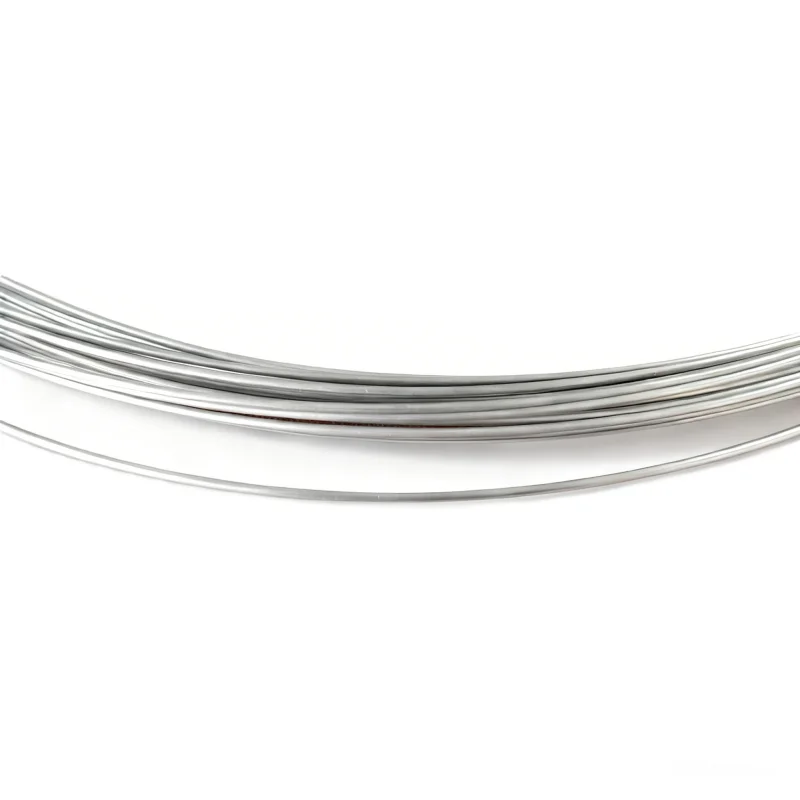
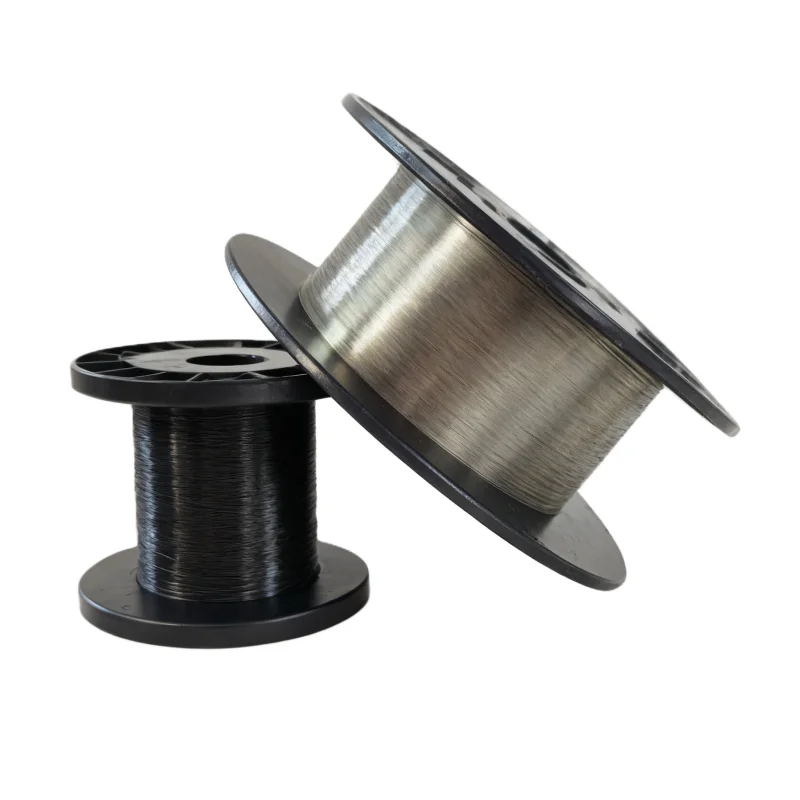
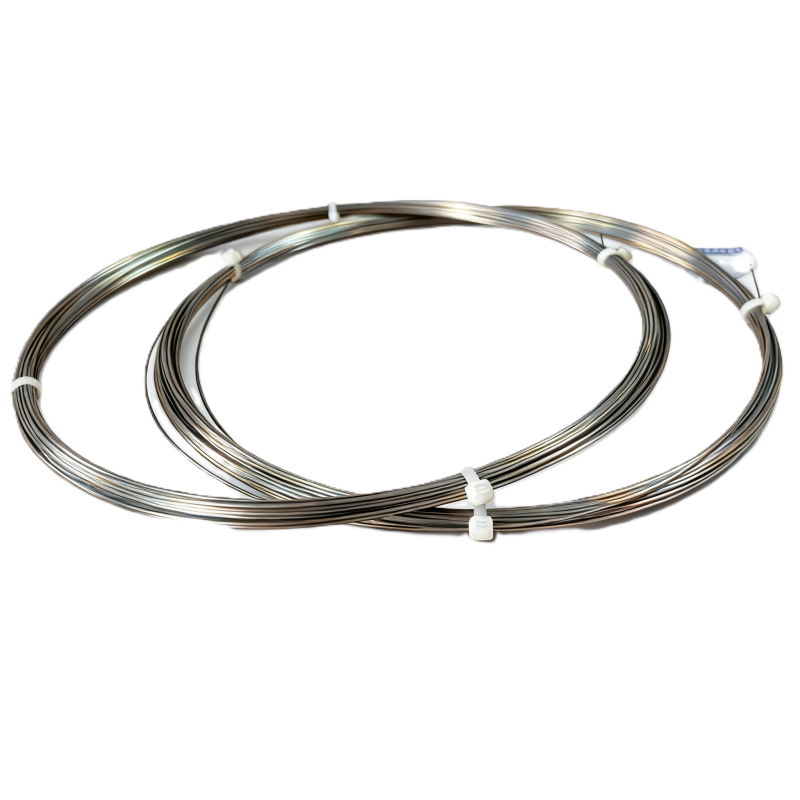
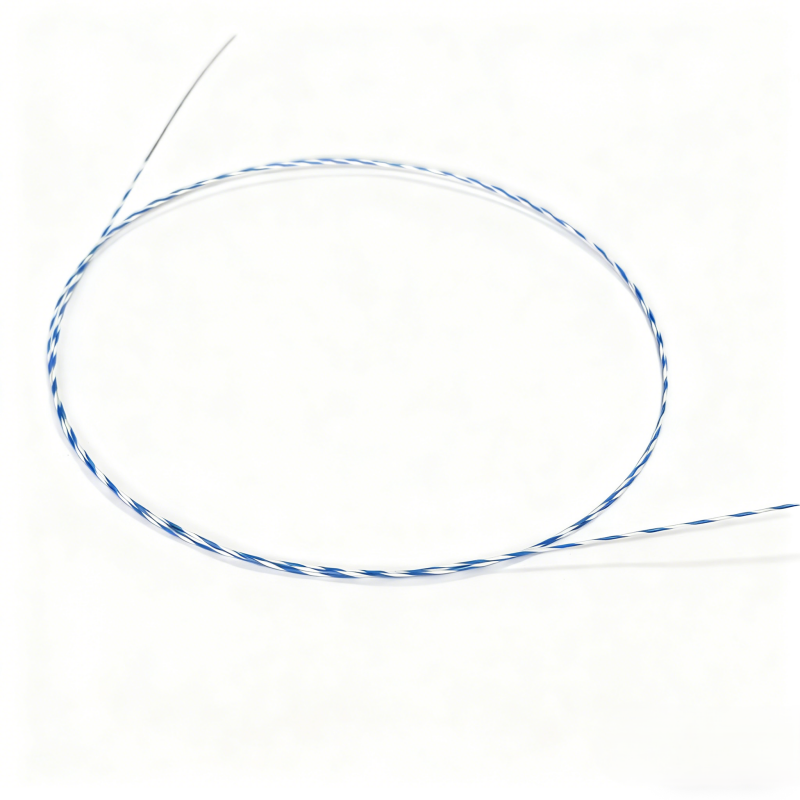
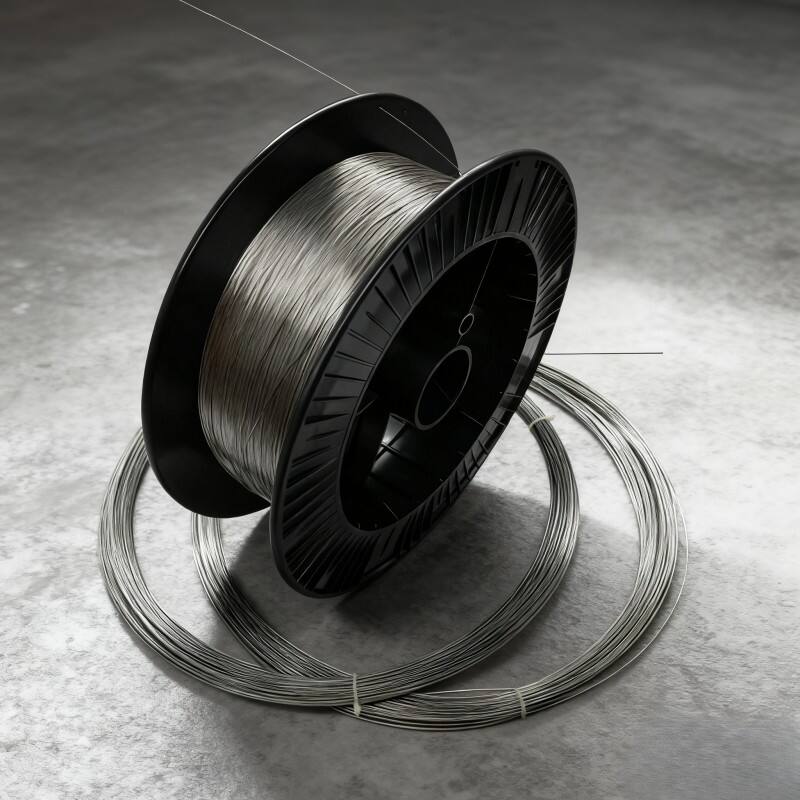
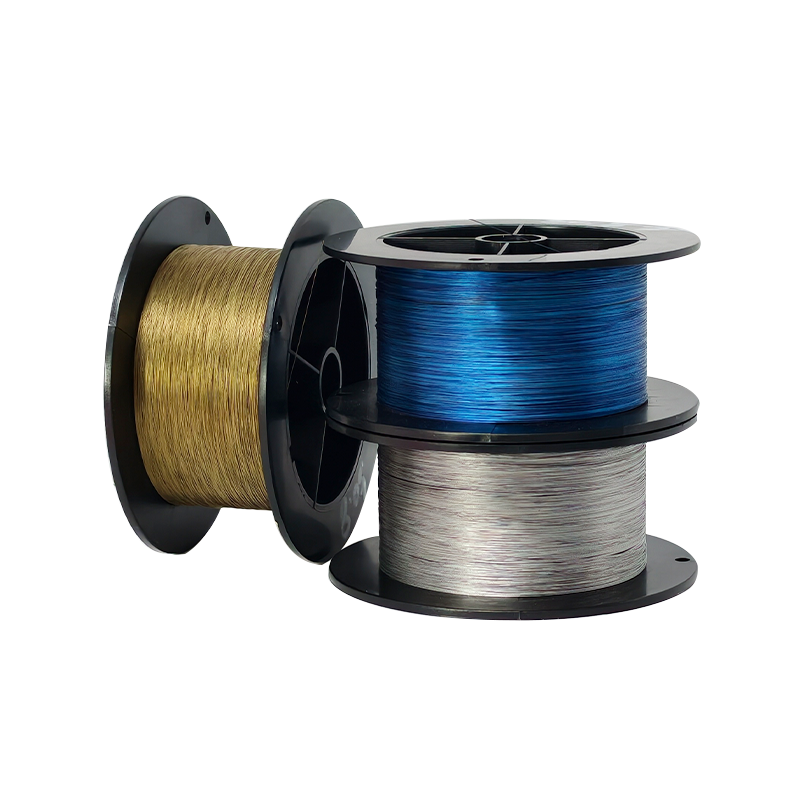
Nitinol flat wire represents a revolutionary advancement in shape memory alloy technology, offering exceptional performance characteristics that make it indispensable across numerous industrial and medical applications. This specialized wire form combines the unique properties of nickel-titanium alloy with a flattened geometric profile, creating a material that exhibits both superelasticity and shape memory effects. The nitinol flat wire maintains consistent mechanical properties while providing enhanced surface contact area compared to traditional round wire configurations. Manufacturers produce this material through precise drawing and rolling processes that ensure uniform thickness and width dimensions throughout its length. The flat wire configuration allows for improved heat transfer characteristics, making it particularly valuable in applications requiring rapid thermal response. Its primary functions include serving as actuator elements in smart devices, providing resilient support structures in medical instruments, and functioning as flexible connectors in electronic assemblies. The technological features of nitinol flat wire encompass its ability to withstand significant deformation without permanent damage, return to predetermined shapes when heated above transition temperatures, and maintain structural integrity through millions of actuation cycles. This material demonstrates remarkable biocompatibility, making it suitable for implantable medical devices and surgical tools. The wire can be manufactured in various width-to-thickness ratios, accommodating specific application requirements ranging from micro-scale precision devices to larger industrial components. Applications span across cardiovascular stents, orthodontic archwires, eyeglass frames, automotive sensors, aerospace actuators, and robotic grippers. The versatility of nitinol flat wire stems from its adjustable transformation temperatures, which can be tailored during manufacturing to activate within specific temperature ranges. Engineers value this material for its corrosion resistance, fatigue strength, and ability to generate substantial recovery forces during shape transformation.

 EN
EN