Trusted Nitinol Wire Suppliers: Custom Alloys, Precision Quality, and Expert Support

Get a Free Quote

Our representative will contact you soon.
Email
Name
Company Name
Message
0/1000

nitinol wire suppliers

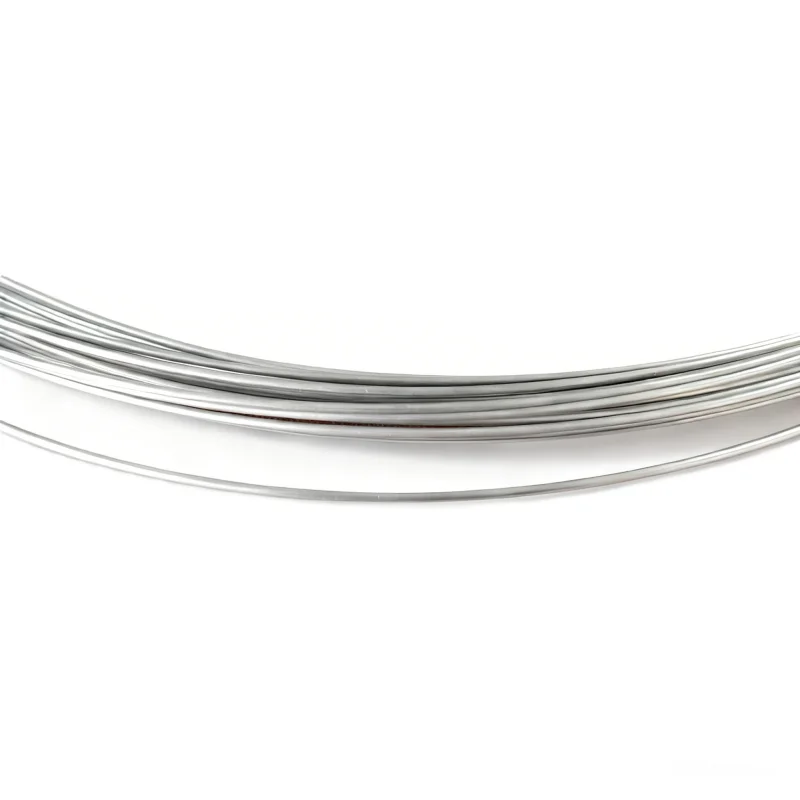
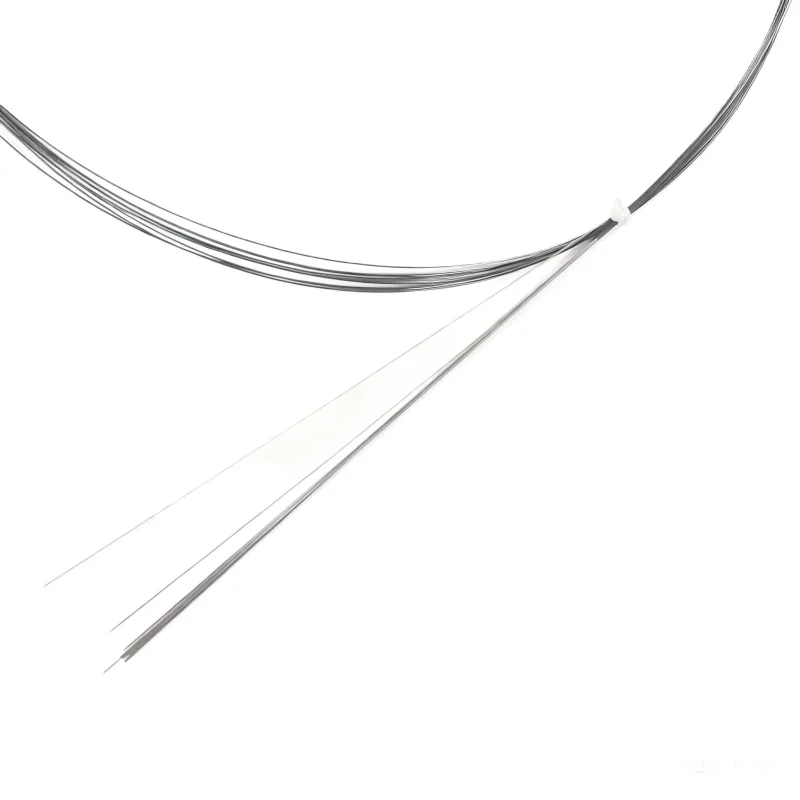
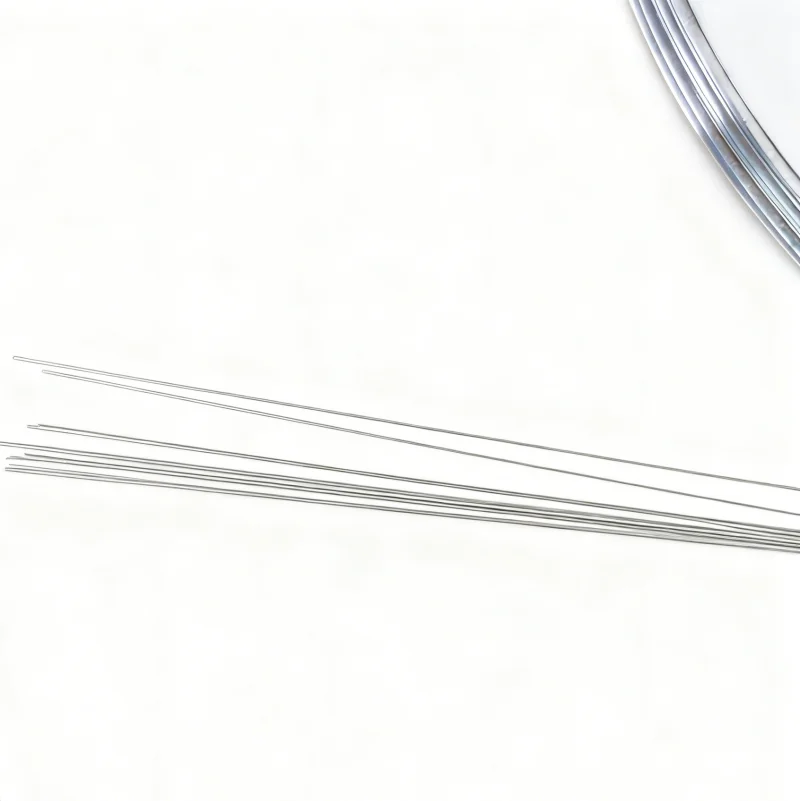
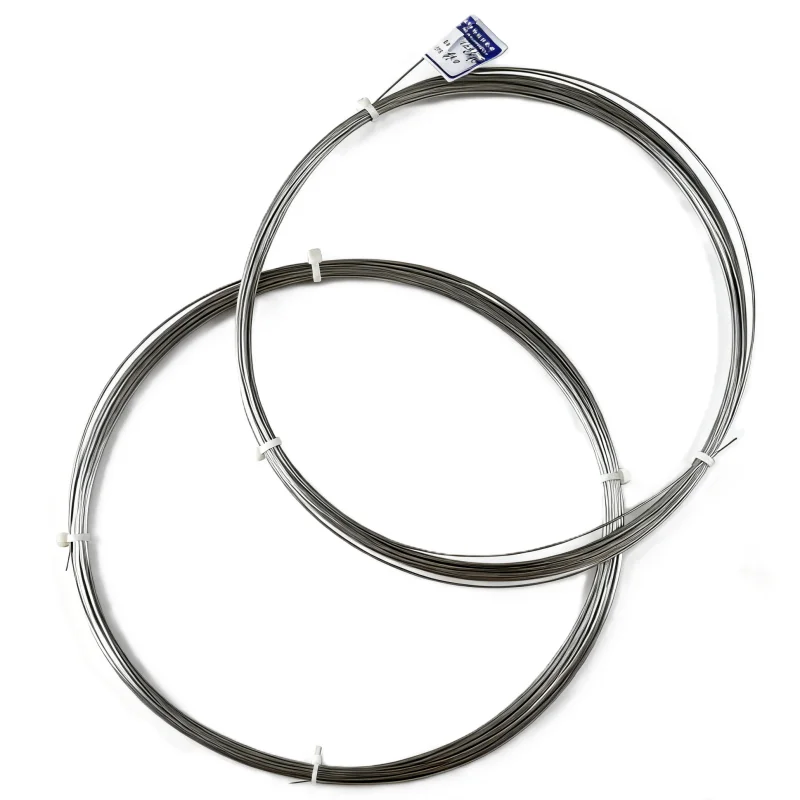
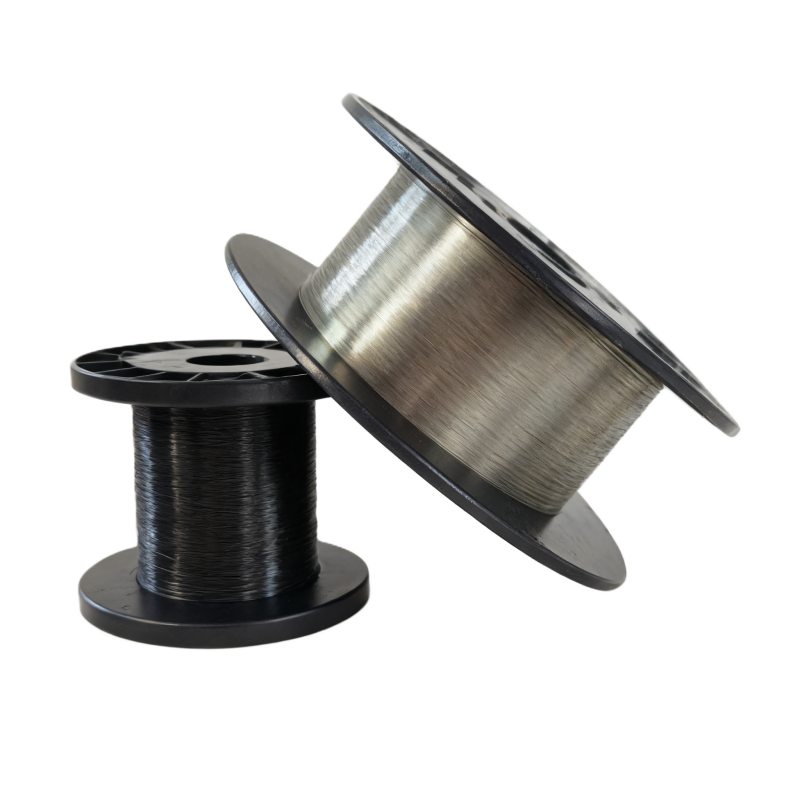
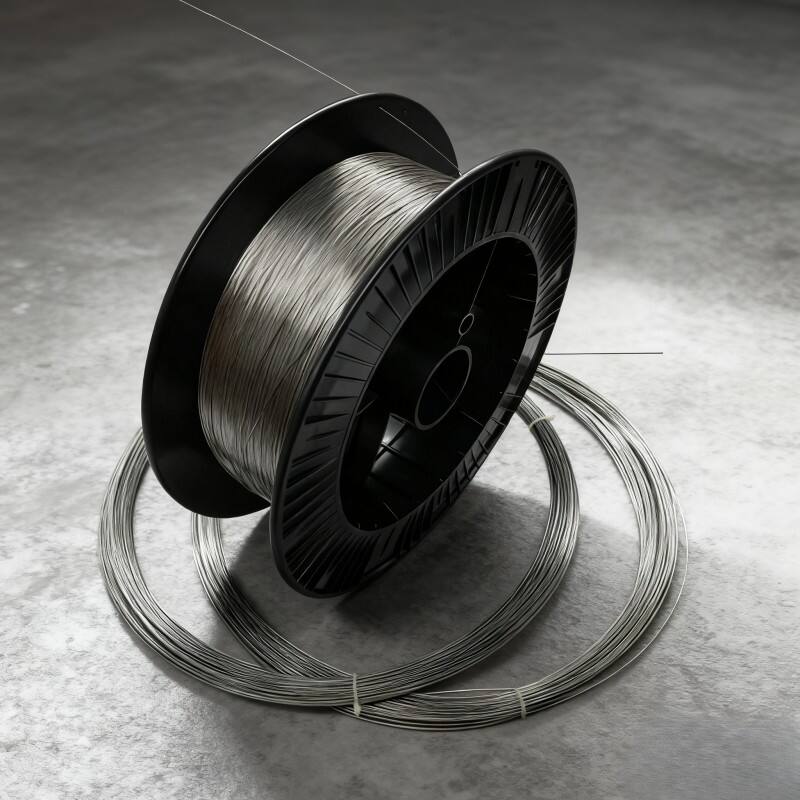
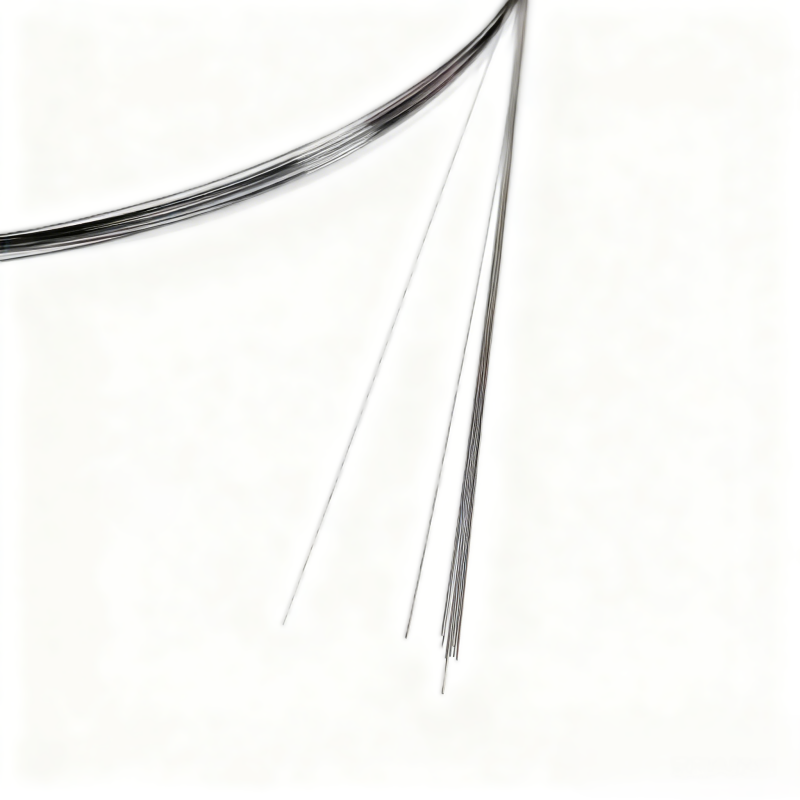
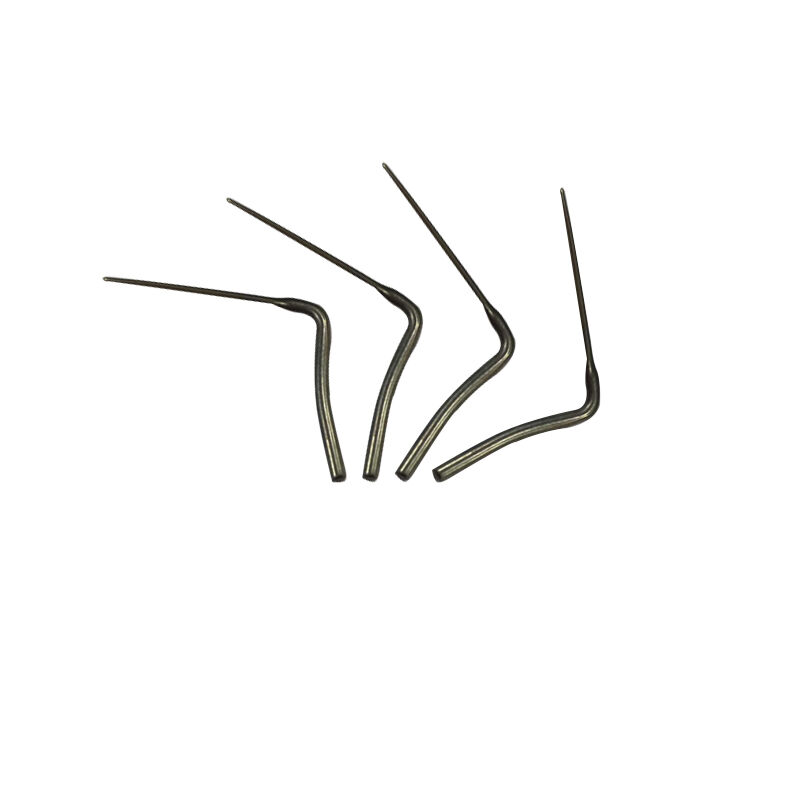
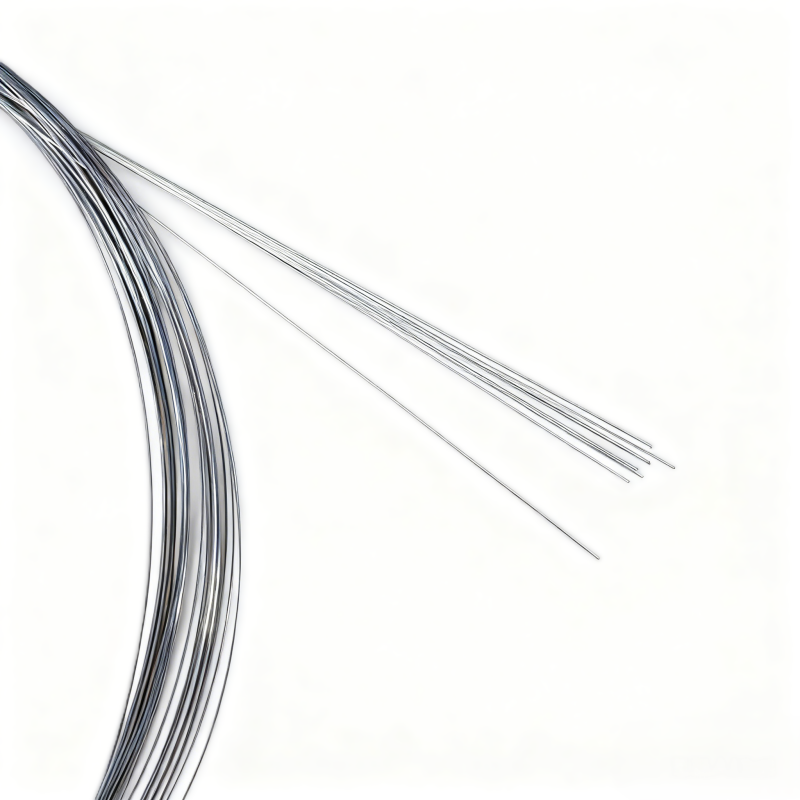
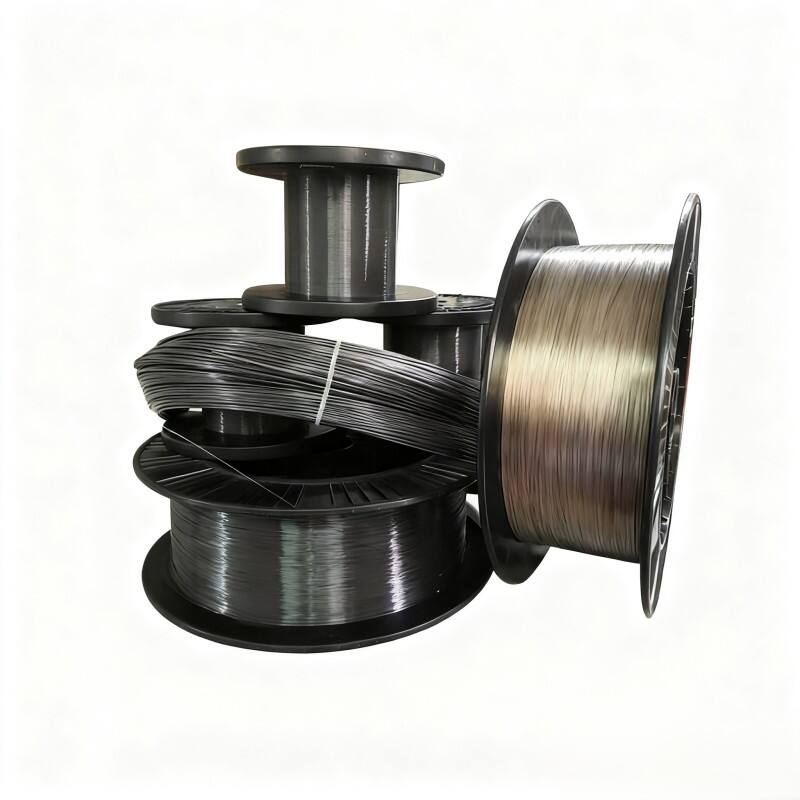
Nitinol wire suppliers play a critical role in the advanced materials industry, providing one of the most remarkable shape memory alloys available today. Nitinol, an alloy composed of nickel and titanium, exhibits two extraordinary properties: shape memory effect and superelasticity. These characteristics make it a highly sought-after material across a wide range of industries, and the suppliers who source, process, and distribute this wire are essential partners for engineers, manufacturers, and researchers worldwide. Understanding what nitinol wire suppliers offer helps businesses make informed decisions when selecting materials for demanding applications. At its core, nitinol wire is engineered to return to a pre-defined shape when exposed to a specific temperature threshold. This shape memory effect is achieved through a precise metallurgical transformation between two phases: martensite at lower temperatures and austenite at higher temperatures. Reputable nitinol wire suppliers control this transformation temperature with exceptional accuracy, allowing customers to specify the exact activation range needed for their product. Beyond shape memory, nitinol wire also demonstrates superelastic behavior at body temperature, meaning it can undergo significant deformation and spring back to its original form without permanent damage. This makes it invaluable in applications where flexibility and resilience are non-negotiable. Technologically, leading nitinol wire suppliers invest heavily in cold-drawing processes, heat treatment protocols, and surface finishing techniques to deliver wire with consistent diameter tolerances, smooth surface finishes, and reliable mechanical properties. Wire diameters can range from ultra-fine strands used in medical guidewires to thicker gauges suited for industrial actuators. Suppliers typically offer wire in straight-annealed, shape-set, or as-drawn conditions, giving customers flexibility in how they integrate the material into their manufacturing process. Applications served by nitinol wire suppliers span medical devices such as stents, orthodontic archwires, and surgical tools, as well as aerospace actuators, robotics, consumer electronics, and automotive components. The breadth of these applications reflects the versatility of nitinol wire and the expertise that quality suppliers bring to every order. Choosing the right nitinol wire supplier means gaining access to technical support, custom alloy formulations, and consistent quality that keeps production lines running smoothly.


New Product Releases

Working with reliable nitinol wire suppliers gives your business a clear edge, and the benefits go far beyond simply receiving a spool of wire. Here is a straightforward look at what you actually gain when you partner with a quality supplier in this space. First, you get material that performs exactly as promised. Trusted nitinol wire suppliers test every batch for transformation temperature, tensile strength, and dimensional accuracy before it ships. That means fewer surprises on your production floor and less time spent troubleshooting material inconsistencies. When your process depends on a wire that activates at a precise temperature or bends without breaking, you need that consistency every single time. Second, you gain access to customization that off-the-shelf materials simply cannot provide. Quality nitinol wire suppliers work with you to dial in the exact alloy composition, wire diameter, surface finish, and mechanical condition your application requires. Whether you need a superelastic wire for a catheter or a shape memory wire for an actuator, the supplier tailors the product to your specification rather than forcing you to adapt your design around a generic material. This saves engineering time and reduces the number of design iterations you need to reach a working prototype. Third, partnering with experienced nitinol wire suppliers gives you direct access to technical expertise. These suppliers understand the metallurgy deeply, and their engineers can help you select the right transformation temperature range, advise on heat treatment parameters, and troubleshoot performance issues before they become costly problems. That kind of support is especially valuable for teams entering the nitinol space for the first time or scaling up from prototype to full production. Fourth, reliable supply chain management is a major practical benefit. Established nitinol wire suppliers maintain inventory, manage lead times, and offer consistent pricing structures that help you plan production schedules with confidence. You avoid the delays and cost spikes that come with sourcing from unreliable channels. Fifth, working with certified suppliers ensures your material meets the regulatory and quality standards required in industries like medical devices and aerospace. Suppliers who hold ISO certifications and comply with ASTM standards give you documentation that supports your own compliance efforts, reducing audit risk and speeding up product approvals. Sixth, long-term supplier relationships often unlock volume pricing, priority production slots, and collaborative development opportunities. As your needs grow, a strong supplier grows with you, offering new alloy options, tighter tolerances, and faster turnaround as your partnership deepens. In short, choosing the right nitinol wire suppliers is not just a procurement decision. It is a strategic move that directly impacts your product quality, development speed, regulatory readiness, and bottom line.

Tips And Tricks

Why is high-stability Nitinol the first choice for equipment in extreme conditions?

12

May

Why is high-stability Nitinol the first choice for equipment in extreme conditions?

When equipment must perform reliably under mechanical stress, thermal cycling, and repeated deformation, material selection becomes a critical engineering decision. Nitinol, the nickel-titanium shape memory alloy, has earned a dominant position in de...
View More
Why do orthodontists prefer using orthodontic wire with shape memory?

15

May

Why do orthodontists prefer using orthodontic wire with shape memory?

In modern orthodontic practice, the materials used to move teeth are just as important as the clinical techniques applied. Among the many innovations that have transformed the field, orthodontic wire with shape memory stands out as one of the most cl...
View More
How to ensure dimensional tolerances for precision Nitinol metal parts?

18

May

How to ensure dimensional tolerances for precision Nitinol metal parts?

Achieving tight dimensional tolerances in Nitinol metal components is one of the most demanding challenges in precision manufacturing. Unlike conventional metals, Nitinol — a nickel-titanium shape memory alloy — exhibits superelastic recovery and pha...
View More
Why do full-process manufacturers provide higher performance Nitinol SMA?

20

May

Why do full-process manufacturers provide higher performance Nitinol SMA?

When engineers and procurement specialists evaluate materials for high-precision medical devices, aerospace components, or advanced actuator systems, the source of the material matters as much as the material itself. Nitinol SMA — the nickel-titanium...
View More

Get a Free Quote

Our representative will contact you soon.
Email
Name
Company Name
Message
0/1000

nitinol wire suppliers

Precision Engineering and Consistent Quality Control

Precision Engineering and Consistent Quality Control

One of the most important things to understand about leading nitinol wire suppliers is their commitment to precision engineering and rigorous quality control at every stage of production. Nitinol is not a forgiving material when it comes to inconsistency. Even small variations in alloy composition, wire diameter, or heat treatment can shift the transformation temperature by several degrees or alter the mechanical behavior in ways that compromise your end product. This is why the best nitinol wire suppliers invest heavily in process control and testing infrastructure. The production of nitinol wire begins with carefully controlled vacuum arc remelting or vacuum induction melting to achieve the precise nickel-to-titanium ratio that determines the alloy's transformation temperature. Reputable nitinol wire suppliers monitor this ratio with spectrographic analysis and adjust melt parameters to hit the target composition within tight tolerances. From there, the ingot goes through a series of hot and cold working steps, including swaging, drawing, and annealing, each of which must be executed with precision to develop the desired microstructure and mechanical properties. Throughout the drawing process, suppliers measure wire diameter at multiple points to ensure uniformity. Surface finish is also carefully managed, because surface defects can act as stress concentrators that reduce fatigue life, which is a critical concern in medical and aerospace applications. Final inspection includes differential scanning calorimetry to verify transformation temperatures, tensile testing to confirm ultimate tensile strength and elongation, and dimensional checks to validate diameter and straightness. For customers, this level of quality control translates directly into reduced scrap rates, fewer failed components, and greater confidence during product validation. When you source from nitinol wire suppliers who document and certify their quality processes, you also gain the traceability records needed to satisfy regulatory bodies and internal quality audits. Precision is not a luxury in this space. It is the foundation on which reliable products are built, and the best nitinol wire suppliers make it their core operational standard.
Broad Customization Capabilities for Diverse Industry Needs

Broad Customization Capabilities for Diverse Industry Needs

Another defining strength of top-tier nitinol wire suppliers is their ability to deliver highly customized products that match the specific demands of each customer and application. Unlike commodity metals where standard grades cover most use cases, nitinol requires careful tailoring because its performance characteristics are directly tied to its composition and processing history. The transformation temperature alone can be engineered anywhere from well below zero degrees Celsius to above body temperature, depending on the nickel-titanium ratio and any ternary alloying additions. This means that a medical device company designing an implant that must activate at body temperature has fundamentally different material requirements than an aerospace engineer building an actuator that must respond to elevated temperatures in an engine bay. Skilled nitinol wire suppliers understand these differences and have the metallurgical capability to produce wire that meets each customer's unique specification. Customization extends beyond alloy composition. Wire diameter is a key variable, and leading suppliers can produce wire ranging from ultra-fine diameters below 0.05 millimeters for minimally invasive medical devices all the way to several millimeters for structural and industrial applications. Surface condition is another dimension of customization. Suppliers can deliver wire in an as-drawn state with a natural oxide layer, electropolished for a bright smooth finish that reduces friction and improves biocompatibility, or with a black oxide coating for specific functional or aesthetic requirements. Mechanical condition is equally important. Customers can specify straight-annealed wire for applications requiring consistent straightness, shape-set wire that has been trained to a specific geometry, or work-hardened wire with elevated strength for load-bearing uses. The ability to specify all of these parameters in combination means that nitinol wire suppliers function as true manufacturing partners rather than simple material distributors. For product developers, this customization capability compresses development timelines because the material arrives ready to perform rather than requiring additional processing steps. It also reduces waste and lowers total cost of ownership by ensuring that every meter of wire is optimized for its intended use.
Comprehensive Technical Support and Application Expertise

Comprehensive Technical Support and Application Expertise

Beyond the wire itself, what truly sets the best nitinol wire suppliers apart is the depth of technical support and application expertise they bring to every customer relationship. Nitinol is a complex material with behavior that can be counterintuitive to engineers who are more familiar with conventional metals. Its stress-strain response, fatigue characteristics, and sensitivity to processing conditions require a level of understanding that goes well beyond reading a datasheet. When you work with knowledgeable nitinol wire suppliers, you gain access to engineers and metallurgists who have spent years working with this alloy across dozens of applications and industries. This expertise shows up in practical ways throughout the product development process. During the design phase, supplier engineers can help you select the right transformation temperature window, advise on appropriate wire diameters and mechanical conditions, and flag potential design issues before they become expensive problems. They can explain the difference between free recovery and constrained recovery, help you understand how cycling affects transformation temperatures over time, and guide you through the fatigue life considerations that are critical in dynamic applications like heart valves or endoscopic tools. During prototyping, technical support from nitinol wire suppliers can accelerate iteration cycles significantly. Rather than spending weeks troubleshooting unexpected material behavior, your team can consult directly with supplier engineers who have likely encountered similar challenges before. This collaborative approach reduces development risk and helps you reach a validated design faster. During scale-up and production, experienced nitinol wire suppliers provide process guidance on heat treatment, forming, and joining techniques that preserve the material's properties and ensure consistent performance across high-volume production runs. They also help customers navigate the documentation and certification requirements that come with regulated industries, providing material certifications, test reports, and traceability records that support FDA submissions, aerospace qualifications, and ISO audits. In a material as specialized as nitinol, the supplier's knowledge is as valuable as the wire itself, and the best nitinol wire suppliers make that knowledge freely available to the customers who depend on them.
Trusted Nitinol Wire Suppliers: Custom Alloys, Precision Quality, and Expert Support

Get a Free Quote

Our representative will contact you soon.
Email
Name
Company Name
Message
0/1000
Newsletter
Please Leave A Message With Us