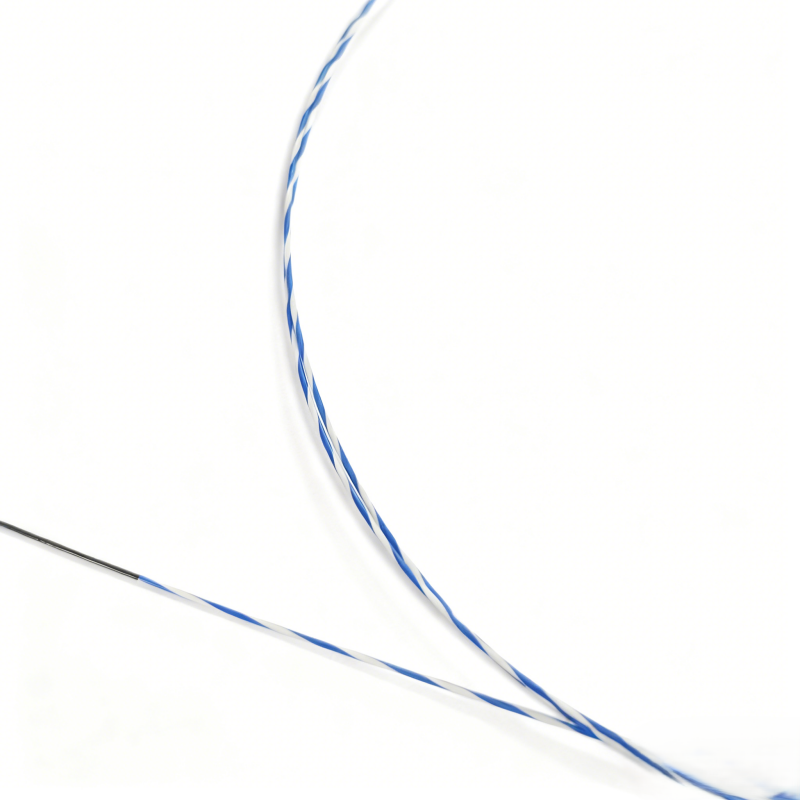
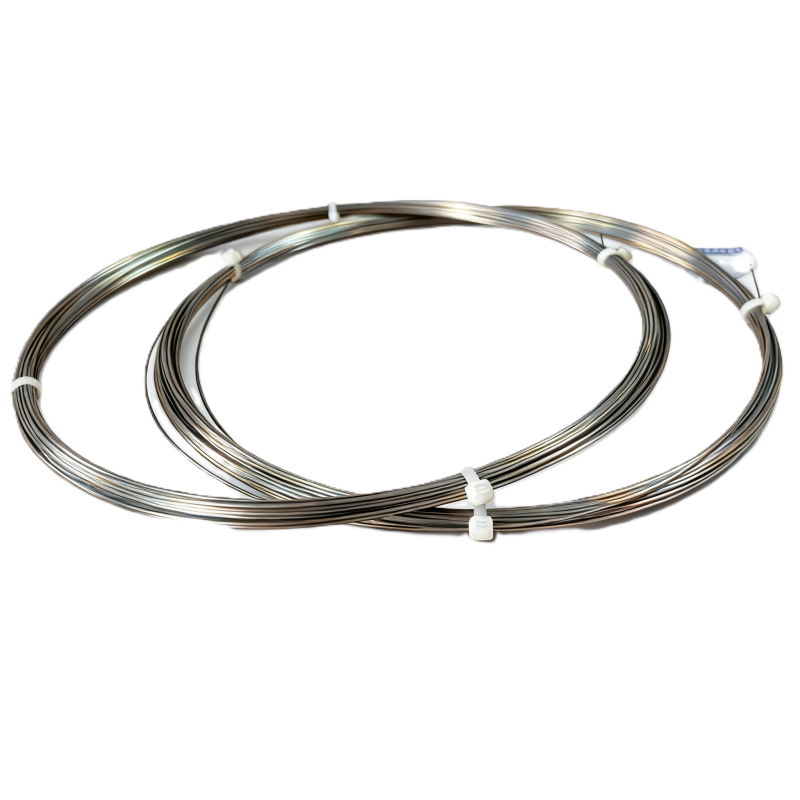
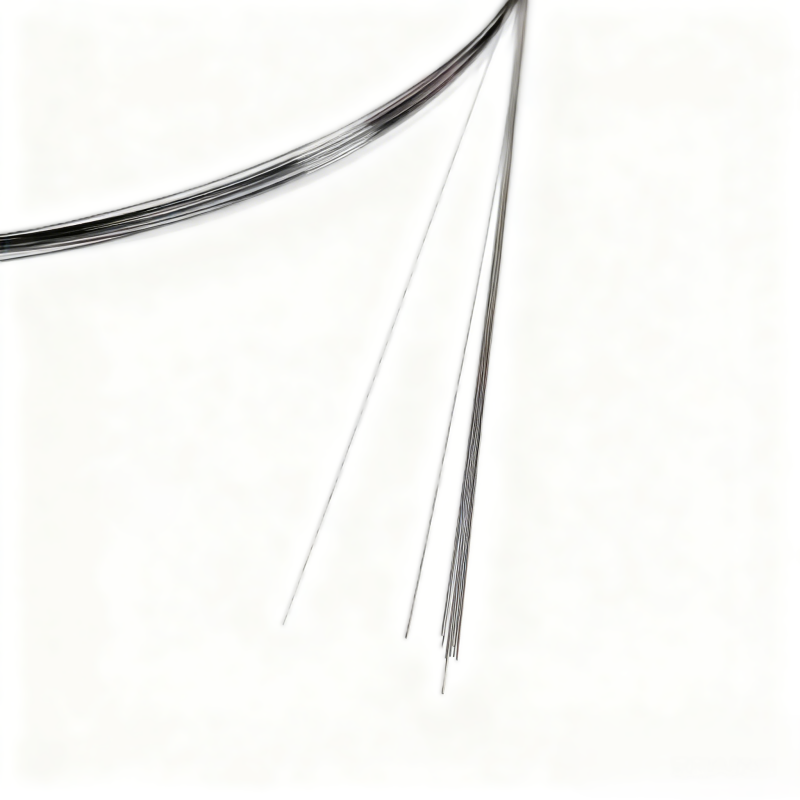
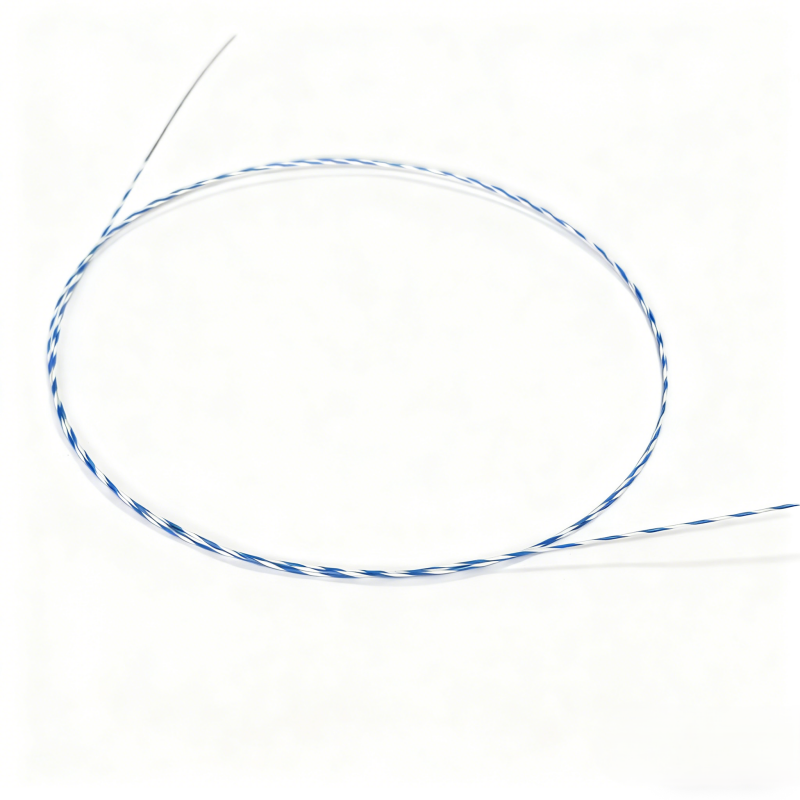
Superelastic Nitinol Wire - Advanced Shape Memory Alloy for Medical, Aerospace and Industrial Applications

Get a Free Quote

Our representative will contact you soon.
Email
Name
Company Name
Message
0/1000

superelastic nitinol wire

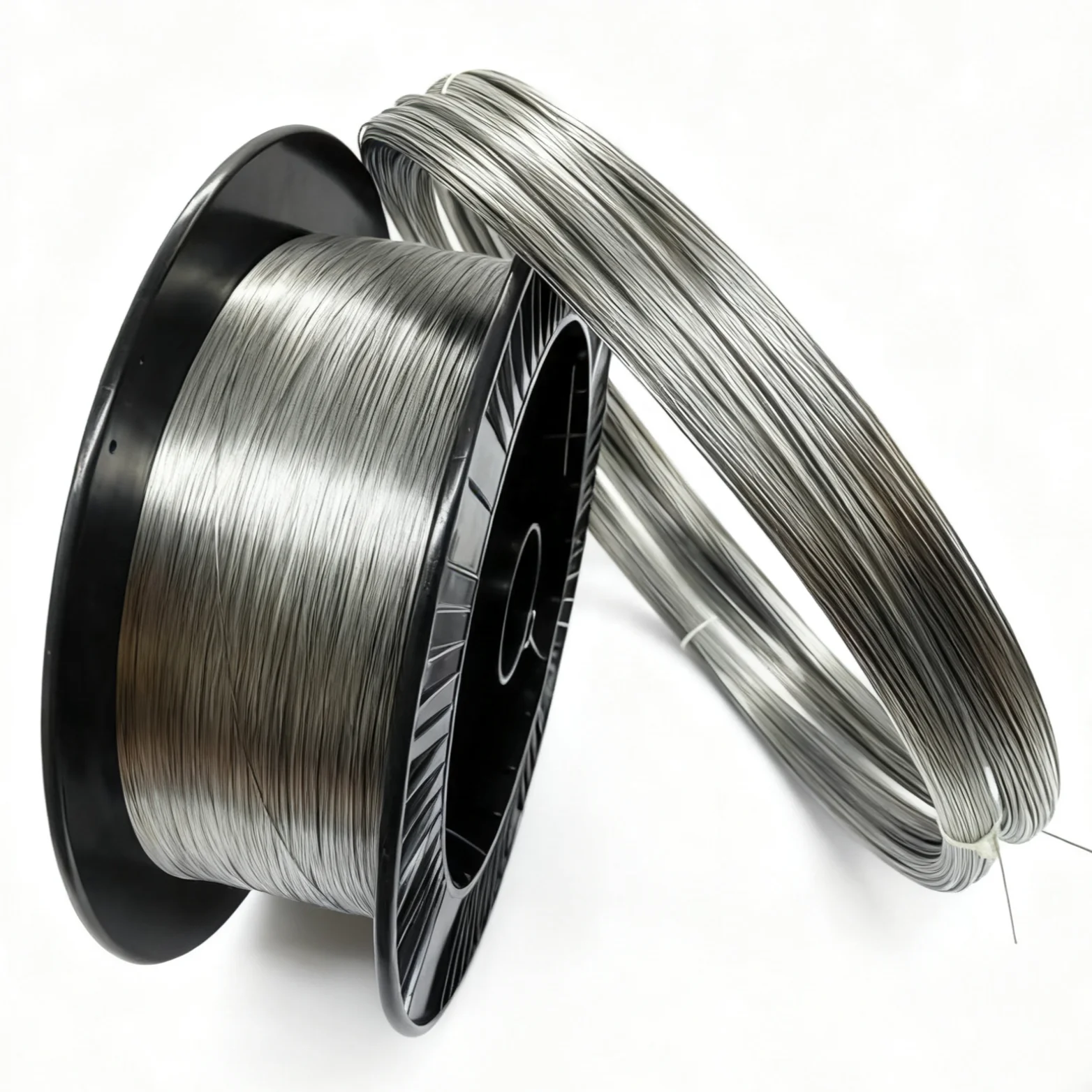
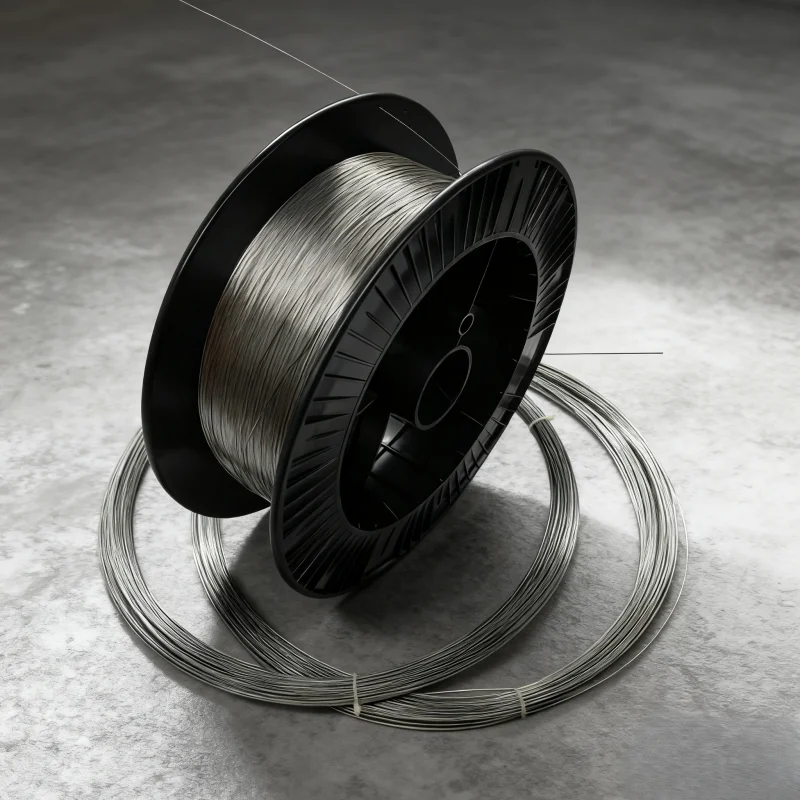
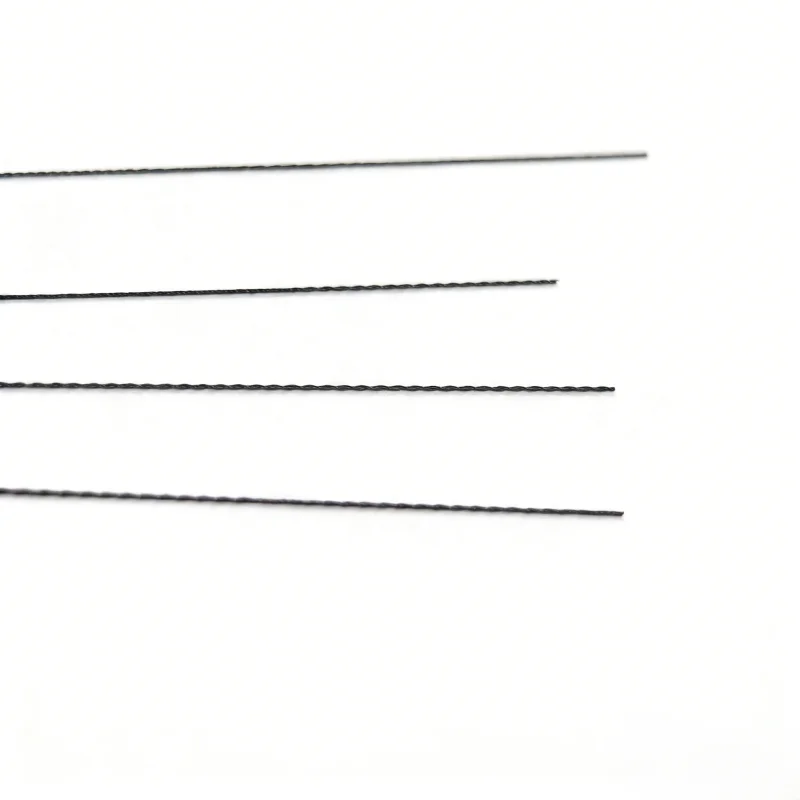
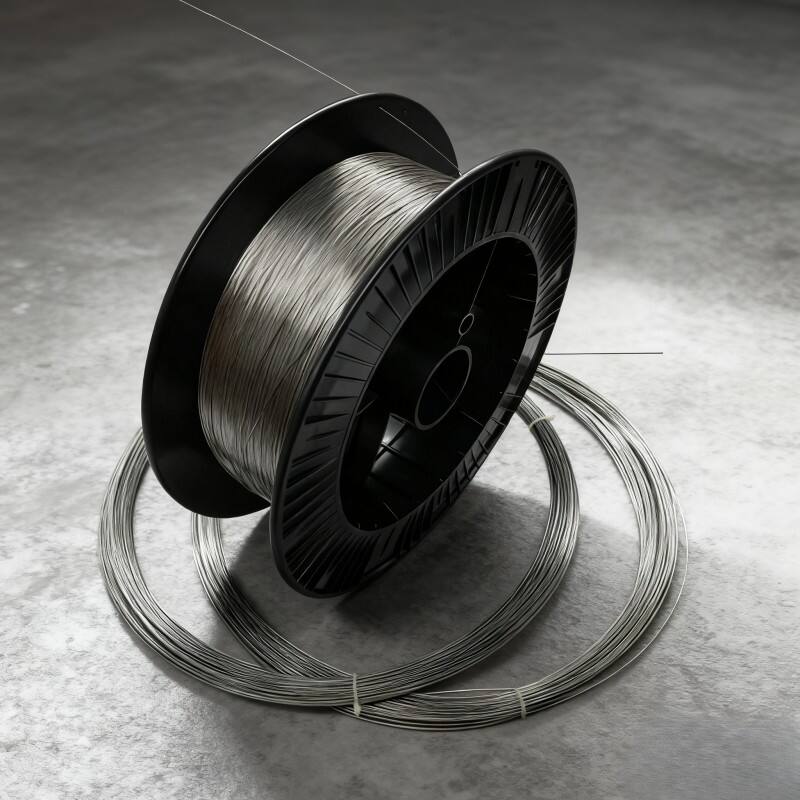
Superelastic nitinol wire represents a revolutionary advancement in shape memory alloy technology, offering exceptional performance characteristics that distinguish it from conventional metal wires. This remarkable material is composed of nearly equal parts nickel and titanium, creating a unique alloy that exhibits extraordinary superelastic properties at body temperature and beyond. The superelastic nitinol wire demonstrates the ability to undergo significant deformation and return to its original shape upon stress removal, making it invaluable across multiple industries. Its main functions include providing flexible yet resilient structural support, enabling reversible deformation capabilities, and maintaining consistent mechanical properties across varying temperature ranges. The technological features of superelastic nitinol wire encompass its remarkable strain recovery potential, typically allowing for elastic deformation up to eight percent compared to conventional metals that manage only one percent. This wire exhibits a plateau stress region during loading and unloading cycles, characterized by stress-induced martensitic transformation that enables its unique superelastic behavior. The material demonstrates excellent biocompatibility, corrosion resistance, and fatigue resistance, enduring millions of cycles without performance degradation. Applications for superelastic nitinol wire span diverse sectors including medical devices, aerospace engineering, robotics, consumer electronics, and telecommunications. In the medical field, this wire serves as the backbone for guidewires, stents, orthodontic archwires, surgical instruments, and minimally invasive device components. The aerospace industry utilizes superelastic nitinol wire for actuators, vibration damping systems, and adaptive structures. Telecommunications companies incorporate this material into mobile phone antennas and flexible connectors. The robotics sector benefits from its use in artificial muscles, flexible joints, and grippers. Consumer products featuring superelastic nitinol wire include eyeglass frames that resist permanent bending and sporting goods requiring durability combined with flexibility. This advanced material continues to enable innovative solutions where traditional metals fall short, providing designers and engineers with unprecedented freedom to create products that combine strength, flexibility, and reliability in ways previously unattainable with standard materials.


Popular Products

The superelastic nitinol wire delivers numerous practical benefits that directly translate into superior performance and cost savings for end users across various applications. First and foremost, this material provides unmatched flexibility without compromising structural integrity, allowing products to bend, twist, and deform repeatedly while maintaining their original shape and function. This characteristic eliminates the permanent deformation problems associated with stainless steel and other traditional wire materials, significantly extending product lifespan and reducing replacement costs. Users experience enhanced reliability because superelastic nitinol wire resists fatigue even after millions of stress cycles, ensuring consistent performance throughout the product's operational life. The material's natural resistance to corrosion means it performs reliably in challenging environments including humid conditions, saltwater exposure, and biological settings without requiring protective coatings or frequent maintenance. This translates directly into lower long-term ownership costs and reduced downtime for equipment servicing. Another significant advantage comes from the wire's excellent energy absorption capabilities, which enable it to dampen vibrations and absorb shock loads effectively, protecting surrounding components from damage and enhancing overall system durability. The biocompatibility of superelastic nitinol wire makes it particularly valuable for medical applications, as it integrates safely with human tissue without triggering adverse reactions, eliminating concerns about material rejection or toxicity that plague many alternative materials. This property opens opportunities for innovative medical device designs that improve patient outcomes and comfort. Temperature stability represents another key benefit, as the superelastic properties remain consistent across wide temperature ranges encountered in real-world applications, ensuring predictable performance whether in arctic cold or desert heat. The material's unique stress plateau during deformation provides constant force delivery over large displacement ranges, which proves especially beneficial in applications requiring controlled, consistent actuation or spring force. Manufacturing advantages include the ability to create complex shapes and compact designs that would be impossible or impractical with conventional materials, enabling product miniaturization and improved aesthetics. The reduced weight compared to many alternative materials contributes to overall system efficiency, particularly important in aerospace, automotive, and portable device applications where every gram matters. Superelastic nitinol wire also simplifies assembly processes in many applications, as its flexibility and shape recovery properties can eliminate the need for complex joining methods or multiple components. The material's unique properties enable designers to consolidate parts, reducing manufacturing complexity and assembly time while improving reliability by eliminating potential failure points. These combined advantages make superelastic nitinol wire an increasingly popular choice for engineers and product developers seeking to create innovative, reliable, and cost-effective solutions that outperform products made with traditional materials, ultimately delivering better value and satisfaction to end users.

Tips And Tricks

Why is phase transition stability of nickel titanium wire key to actuator success?

13

May

Why is phase transition stability of nickel titanium wire key to actuator success?

In the world of precision actuators, the materials used to generate motion are not merely components — they are the foundation of reliability. nickel titanium wire has emerged as one of the most compelling active materials in modern actuator engineer...
View More
Why do full-chain manufacturers provide a more stable supply of SMA wire?

14

May

Why do full-chain manufacturers provide a more stable supply of SMA wire?

In industrial and medical procurement, supply chain reliability is not a luxury — it is a fundamental requirement. When sourcing SMA wire, the type of manufacturer you partner with has a direct and measurable impact on delivery consistency, material ...
View More
How to ensure dimensional tolerances for precision Nitinol metal parts?

18

May

How to ensure dimensional tolerances for precision Nitinol metal parts?

Achieving tight dimensional tolerances in Nitinol metal components is one of the most demanding challenges in precision manufacturing. Unlike conventional metals, Nitinol — a nickel-titanium shape memory alloy — exhibits superelastic recovery and pha...
View More
Why is Starspring's Nitinol metal at the forefront of the smart drive industry?

19

May

Why is Starspring's Nitinol metal at the forefront of the smart drive industry?

The smart drive industry is defined by its relentless demand for materials that can do more with less — components that respond intelligently to their environment, endure repeated mechanical cycles, and perform with precision in applications ranging ...
View More

Get a Free Quote

Our representative will contact you soon.
Email
Name
Company Name
Message
0/1000

superelastic nitinol wire

Exceptional Deformation Recovery Creates Unbreakable Performance

Exceptional Deformation Recovery Creates Unbreakable Performance

The most distinctive characteristic of superelastic nitinol wire lies in its extraordinary ability to recover from substantial deformation without permanent damage or shape alteration. Unlike conventional wire materials that bend permanently when stressed beyond their elastic limits, superelastic nitinol wire can undergo strains up to eight times greater than stainless steel while returning completely to its original configuration once the stress is removed. This remarkable property stems from a reversible solid-state phase transformation between austenite and martensite crystal structures that occurs at the atomic level within the material. When mechanical stress is applied, the austenite phase transforms into martensite, accommodating large strains through a rearrangement of the crystal lattice rather than through permanent plastic deformation like traditional metals. Upon stress removal, the material spontaneously transforms back to austenite, driving complete shape recovery. This transformation mechanism enables the wire to absorb tremendous amounts of mechanical energy and release it upon unloading, functioning like a highly efficient mechanical battery. For practical applications, this means products incorporating superelastic nitinol wire can withstand extreme use conditions that would destroy components made from ordinary materials. Eyeglass frames made with this wire resist the twisting and bending that occurs during daily wear, repeatedly springing back to their proper shape even after being sat upon or dropped. Medical guidewires navigate through tortuous blood vessel pathways, bending sharply to follow anatomical curves without kinking or taking permanent sets that would impair their function. Orthodontic archwires maintain consistent corrective forces as teeth gradually move, eliminating the need for frequent adjustments that would be necessary with stainless steel wires that lose their shape. Robotic grippers constructed with superelastic nitinol wire components can safely interact with delicate objects, deforming to accommodate irregular shapes without breaking or losing their gripping capability. The fatigue resistance accompanying this deformation recovery is equally impressive, with properly processed superelastic nitinol wire enduring tens of millions of stress cycles without failure, far exceeding the capabilities of competing materials. This durability translates directly into extended service life, reduced maintenance requirements, and lower total cost of ownership for products across industries. The predictable and repeatable nature of the deformation recovery also enables precise engineering calculations, allowing designers to optimize performance parameters with confidence. Whether the application requires gentle constant force, high stroke actuation, or impact absorption, the exceptional deformation recovery of superelastic nitinol wire provides reliable performance that conventional materials simply cannot match, making it the material of choice for demanding applications where failure is not an option.
Biocompatibility Enables Safe Integration with Human Body

Biocompatibility Enables Safe Integration with Human Body

Superelastic nitinol wire demonstrates exceptional biocompatibility that makes it uniquely suited for medical implants and devices that contact human tissue for extended periods. This compatibility arises from the spontaneous formation of a stable titanium oxide surface layer that prevents harmful ion release while presenting a biologically inert interface to surrounding tissues. Extensive clinical evidence accumulated over decades confirms that properly processed superelastic nitinol wire does not trigger significant inflammatory responses, allergic reactions, or tissue rejection when implanted in the human body. This safety profile, combined with its mechanical properties, has revolutionized minimally invasive medical procedures and enabled life-saving devices that were previously impossible to create. Cardiovascular stents fabricated from superelastic nitinol wire can be compressed into small diameter catheters for insertion, then expand to support blood vessel walls while flexing naturally with each heartbeat without irritating or damaging delicate vascular tissue. The material's radial resilience ensures stents maintain vessel patency while its biocompatibility minimizes the risk of thrombosis or excessive tissue growth that could block blood flow. Orthodontic archwires made from superelastic nitinol wire provide gentle, continuous forces that guide tooth movement effectively while being well-tolerated by oral tissues over treatment periods lasting months or years. Unlike some metals that can cause sensitivity reactions or discoloration of surrounding gum tissue, superelastic nitinol wire performs its corrective function without these complications. Surgical instruments incorporating this material can remain in contact with internal organs during lengthy procedures without introducing toxic substances or provoking tissue responses that could complicate healing. The non-magnetic properties of nitinol also make it compatible with magnetic resonance imaging, allowing patients with nitinol implants to safely undergo MRI scans without device displacement or image artifacts that plague implants made from ferromagnetic materials. Guidewires used in interventional procedures benefit from the combination of biocompatibility and mechanical properties, as physicians can navigate them through delicate blood vessels and organs without causing trauma or leaving behind harmful residues. The corrosion resistance of superelastic nitinol wire in biological fluids ensures long-term stability of implanted devices, preventing the release of metal particles that could accumulate in tissues or trigger systemic effects. For permanent implants, this stability means devices can remain functional for the patient's lifetime without requiring replacement due to material degradation. The biocompatibility extends beyond simple tissue tolerance to include hemocompatibility, as the material demonstrates minimal platelet adhesion and clot formation when exposed to blood, reducing the need for aggressive anticoagulation therapy in patients with cardiovascular implants. This comprehensive biological compatibility, combined with the mechanical advantages of superelasticity, continues to drive innovation in medical device development, enabling minimally invasive treatments that reduce patient trauma, accelerate recovery, and improve clinical outcomes across numerous medical specialties from cardiology to orthopedics to neurosurgery.
Consistent Force Delivery Optimizes Performance Across Applications

Consistent Force Delivery Optimizes Performance Across Applications

The unique stress-strain behavior of superelastic nitinol wire provides a critical advantage in applications requiring consistent force delivery over substantial displacement ranges. During deformation, the wire exhibits a stress plateau where force remains nearly constant even as displacement increases significantly, contrasting sharply with conventional springs and elastic materials that follow Hooke's law with force proportional to displacement. This plateau corresponds to the stress-induced phase transformation from austenite to martensite, which proceeds at relatively constant stress as increasing volumes of material undergo transformation. For practical applications, this characteristic means devices can deliver steady actuation forces or maintain consistent tension throughout their working range, eliminating the variable force profiles that complicate designs using traditional spring materials. Orthodontic applications particularly benefit from this force consistency, as superelastic nitinol wire archwires apply gentle, continuous pressure to teeth throughout the correction process regardless of how much the teeth have already moved. This consistent force optimizes biological tooth movement while minimizing patient discomfort compared to stainless steel wires that deliver high initial forces that rapidly decrease as teeth shift. Medical devices such as self-expanding stents exploit this property to apply uniform radial force against vessel walls across a range of vessel diameters, accommodating anatomical variations while maintaining effective support. The consistent force delivery also simplifies actuator design in robotics and automation applications, as engineers can predict device behavior accurately without complex compensation mechanisms needed for variable-force systems. Gripper mechanisms incorporating superelastic nitinol wire components can maintain secure hold on objects of varying sizes and shapes, automatically adjusting to accommodate dimensional differences while applying safe, consistent gripping pressure that prevents crushing delicate items or allowing sturdy items to slip. Eyeglass frame applications benefit as the temple arms provide comfortable, consistent pressure against the head regardless of minor size variations or head movements, eliminating pressure points or loose fit issues. Vibration isolation systems using superelastic nitinol wire components take advantage of the energy dissipation during phase transformation, damping vibrations effectively across wide amplitude ranges with performance that remains stable rather than degrading with displacement magnitude. The loading and unloading paths during deformation follow slightly different curves, creating a hysteresis loop that represents energy absorption, making the material excellent for impact protection where consistent energy absorption prevents damage to protected components. Cable and connector applications in telecommunications and consumer electronics benefit from the consistent restoration force that maintains reliable electrical contacts despite repeated flexing, insertion cycles, and environmental stresses. Antenna designs exploit consistent deployment forces that ensure reliable extension while accommodating manufacturing tolerances and operating conditions. The predictability of force delivery throughout the working range also reduces testing requirements and improves quality control, as components behave consistently within specification limits rather than showing high variability like work-hardened conventional materials. This force consistency, combined with the previously discussed recovery properties and biocompatibility, establishes superelastic nitinol wire as a transformative material that enables superior performance across diverse applications from medical devices saving lives to consumer products enhancing daily convenience and comfort.
Superelastic Nitinol Wire - Advanced Shape Memory Alloy for Medical, Aerospace and Industrial Applications

Get a Free Quote

Our representative will contact you soon.
Email
Name
Company Name
Message
0/1000
Newsletter
Please Leave A Message With Us