Cost-Effective Performance Through Extended Service Life
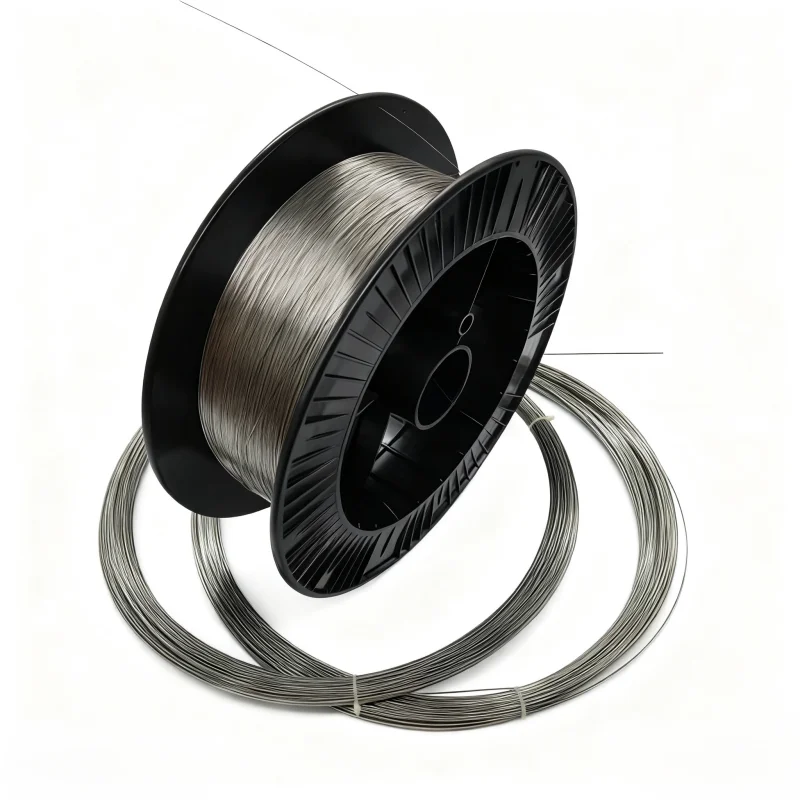
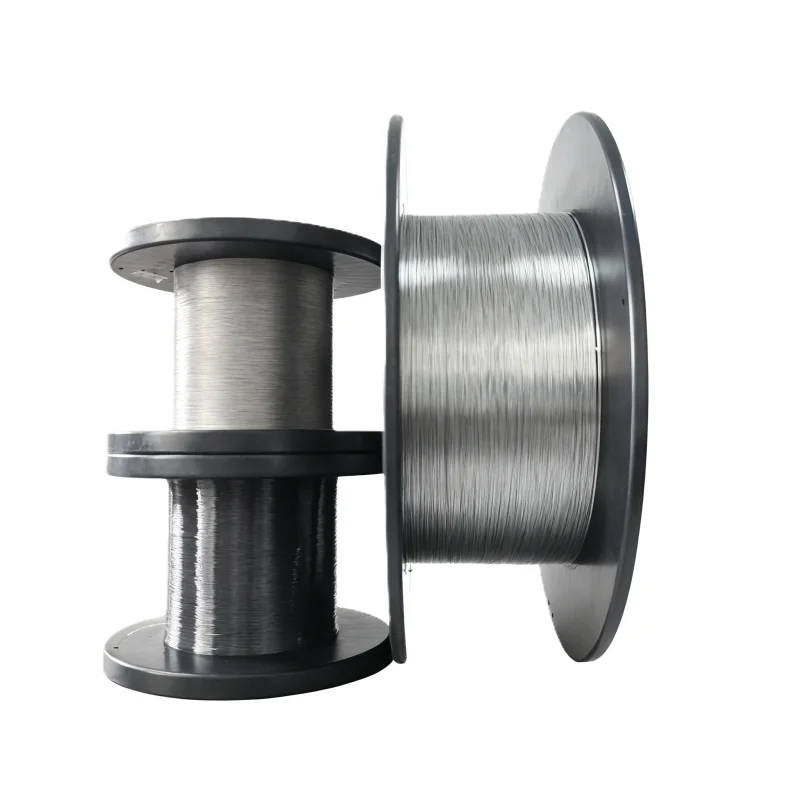
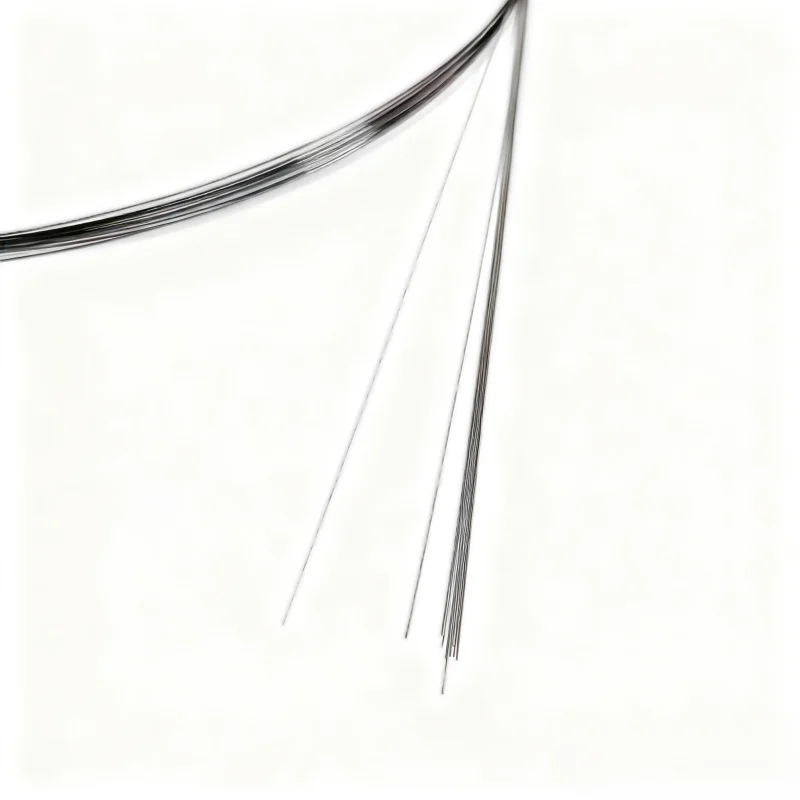
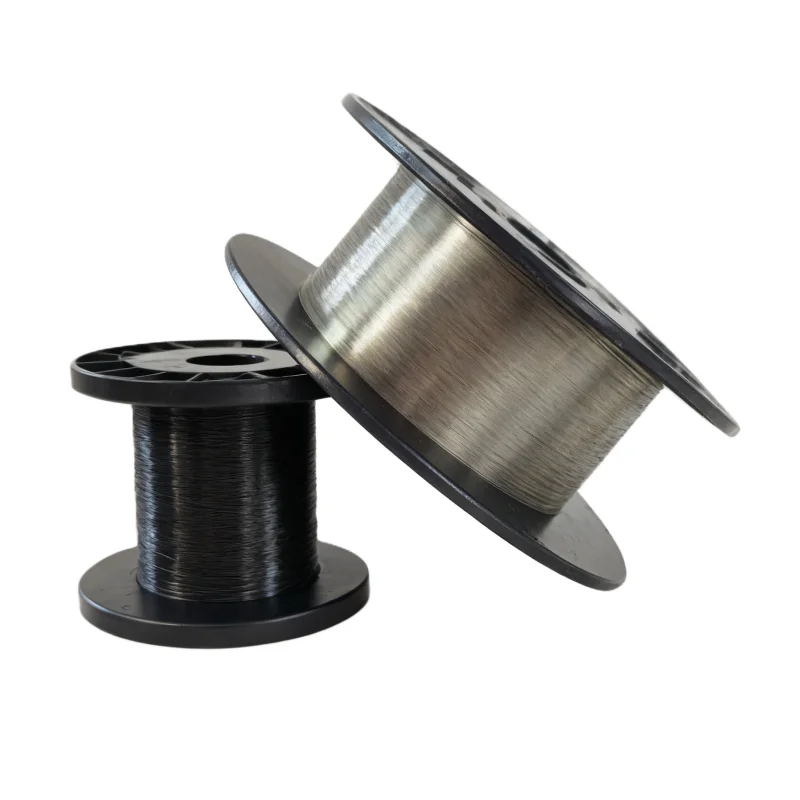
The nitinol metal price initially appears higher than conventional alloys, yet this perspective shifts dramatically when analyzing total lifecycle economics and performance durability over extended operational periods. Nitinol components routinely outlast traditional materials by factors of three to ten times in cyclic loading applications, directly reducing replacement frequency and associated labor costs for installation and equipment downtime. In medical device applications, the nitinol metal price proves economical because devices maintain their functional properties throughout their intended service life without degradation, eliminating premature failures that compromise patient outcomes and generate costly revisions or complications. The superelastic behavior that influences nitinol metal price means components absorb and release energy during deformation cycles without accumulating permanent strain or developing fatigue cracks that necessitate replacement in conventional metals after relatively few cycles. Manufacturing facilities utilizing nitinol components in automation systems discover that the nitinol metal price delivers return on investment through reduced maintenance schedules, as shape memory actuators function reliably for millions of cycles without lubrication, adjustment, or replacement of worn parts. The material's exceptional corrosion resistance, factored into nitinol metal price, eliminates costs associated with protective coatings, rust prevention treatments, and environmental controls required for carbon steel or conventional stainless steel components in marine, chemical processing, or outdoor applications. When engineers calculate true ownership costs including acquisition, installation, maintenance, downtime, and disposal, the nitinol metal price frequently results in lower total expenditure compared to seemingly less expensive alternatives that require frequent servicing or replacement. Consumer products incorporating nitinol, such as eyeglass frames, demonstrate this value proposition clearly—the frames flex dramatically without breaking or losing adjustment, eliminating repair costs and replacement purchases that consumers face with traditional metal frames within months of use. The nitinol metal price also reflects manufacturing efficiency gains, as designers can create simpler mechanisms leveraging the material's intrinsic properties rather than complex assemblies of multiple components, reducing parts count, assembly labor, and inventory management costs. Quality control advantages embedded in nitinol metal price stem from predictable, repeatable transformation characteristics that eliminate variability affecting conventional heat treatments or mechanical forming operations, reducing scrap rates and inspection requirements.

 EN
EN