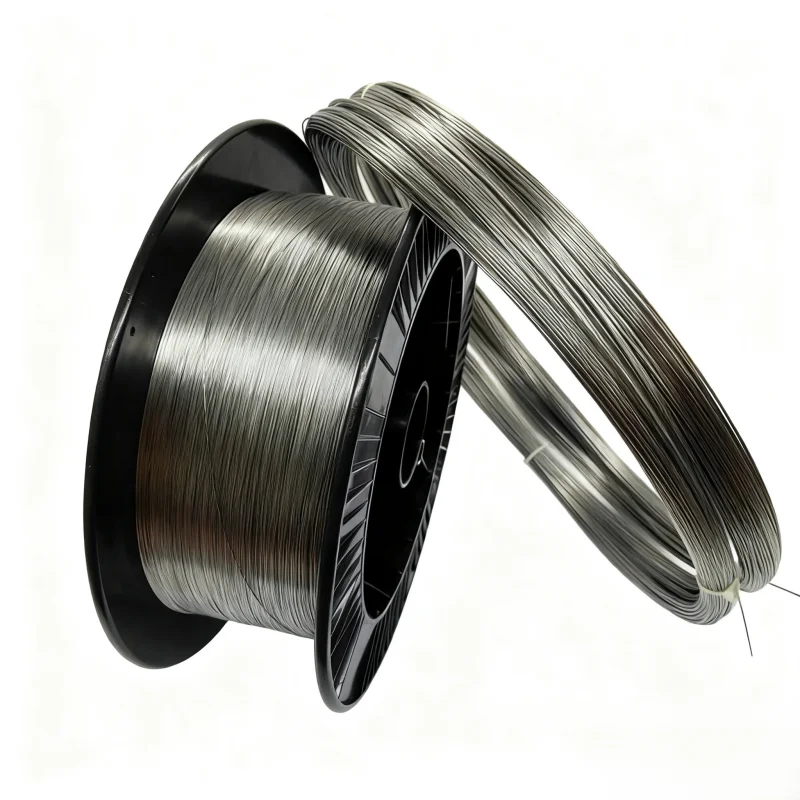
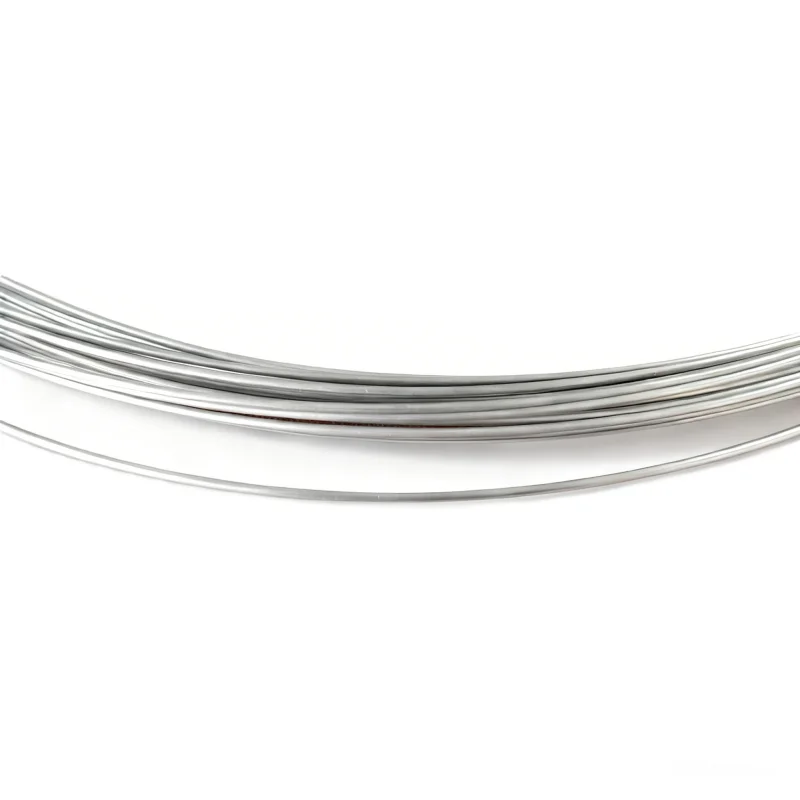
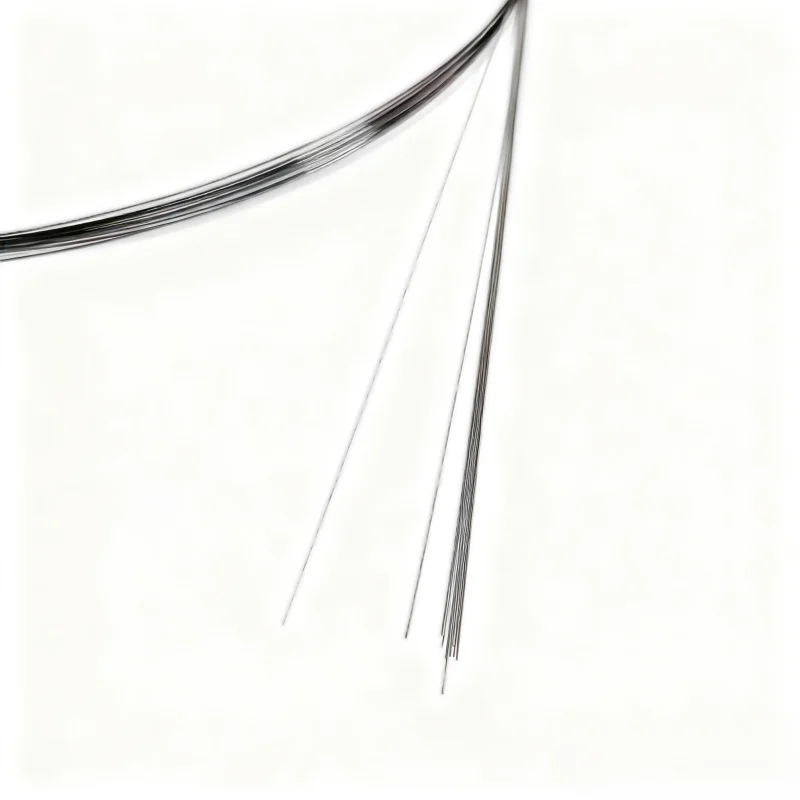
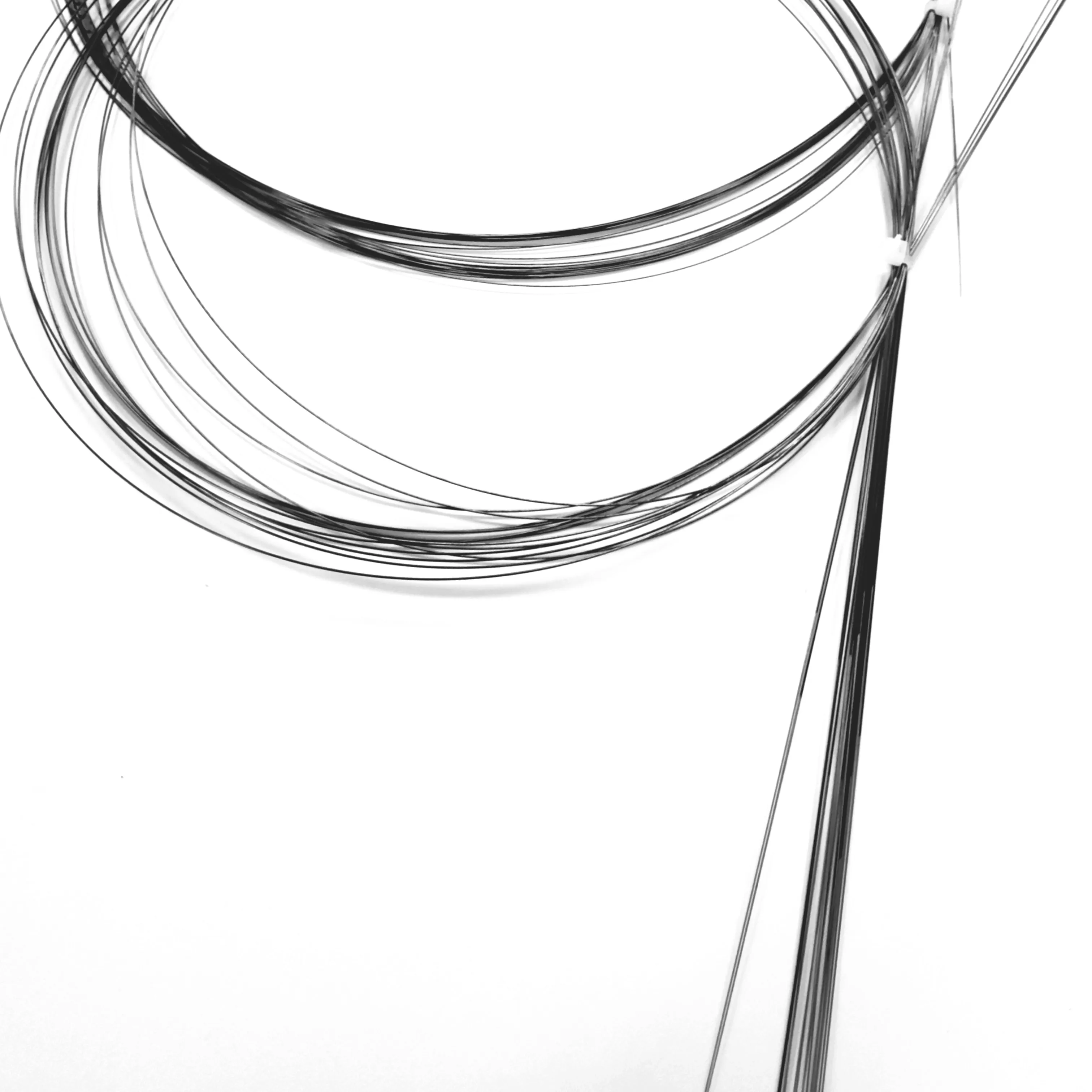
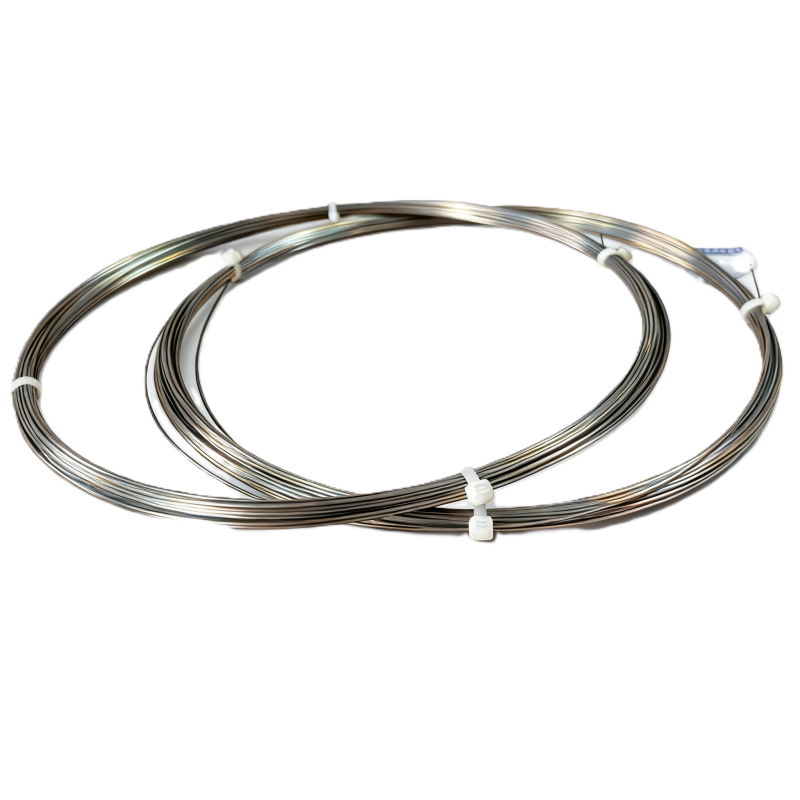
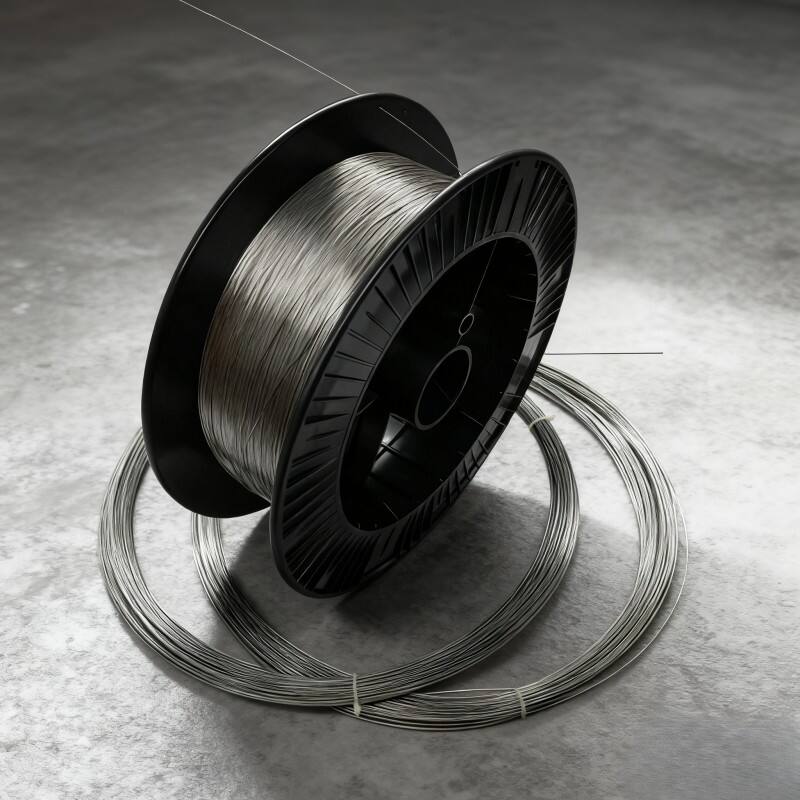
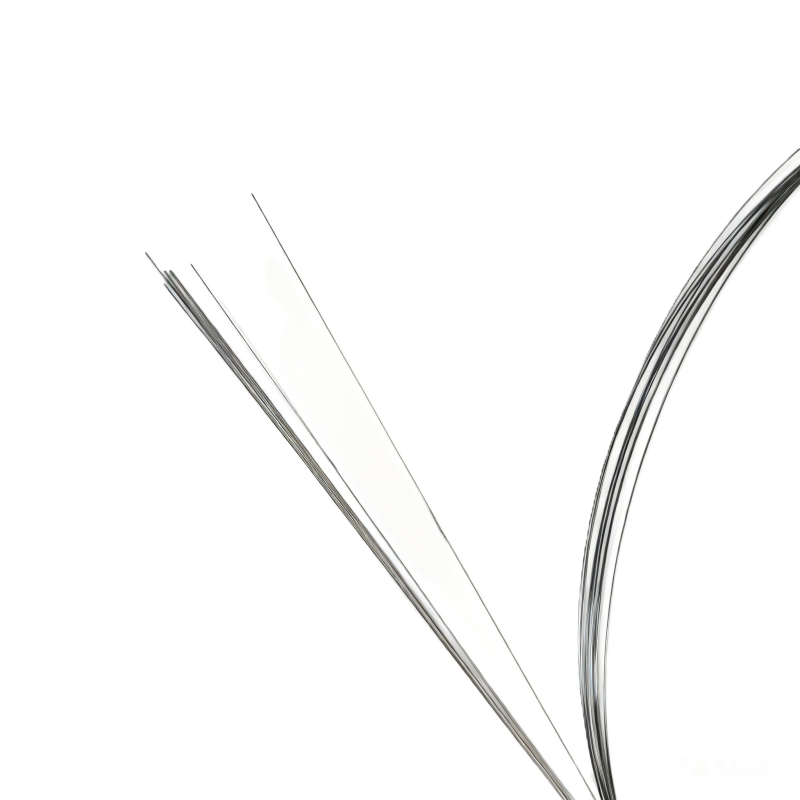
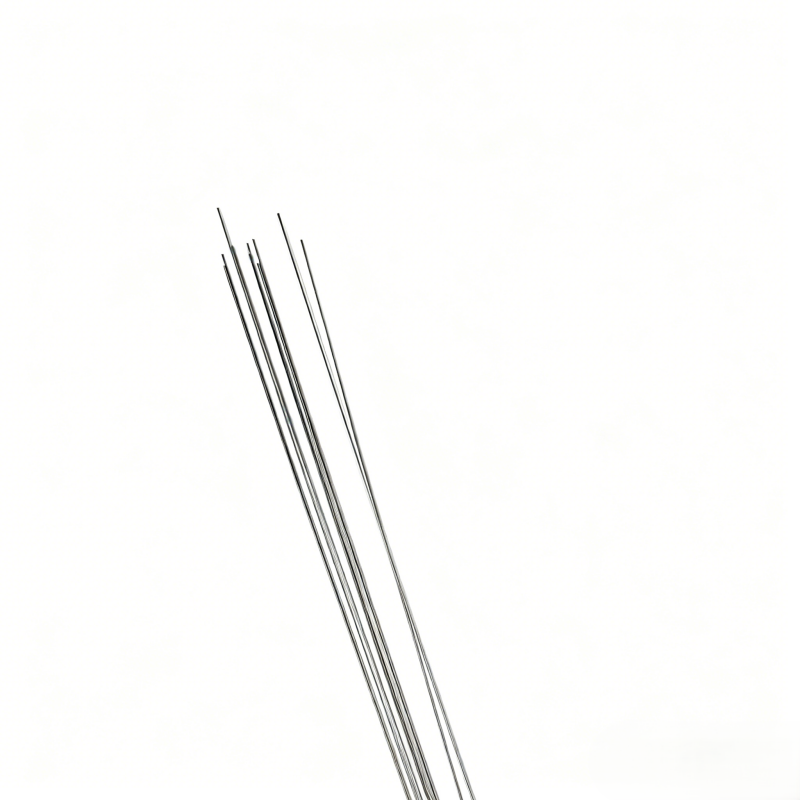
Nitinol Guide Wire: Superelastic Precision for Minimally Invasive Procedures

Get a Free Quote

Our representative will contact you soon.
Email
Name
Company Name
Message
0/1000

nitinol guide wire

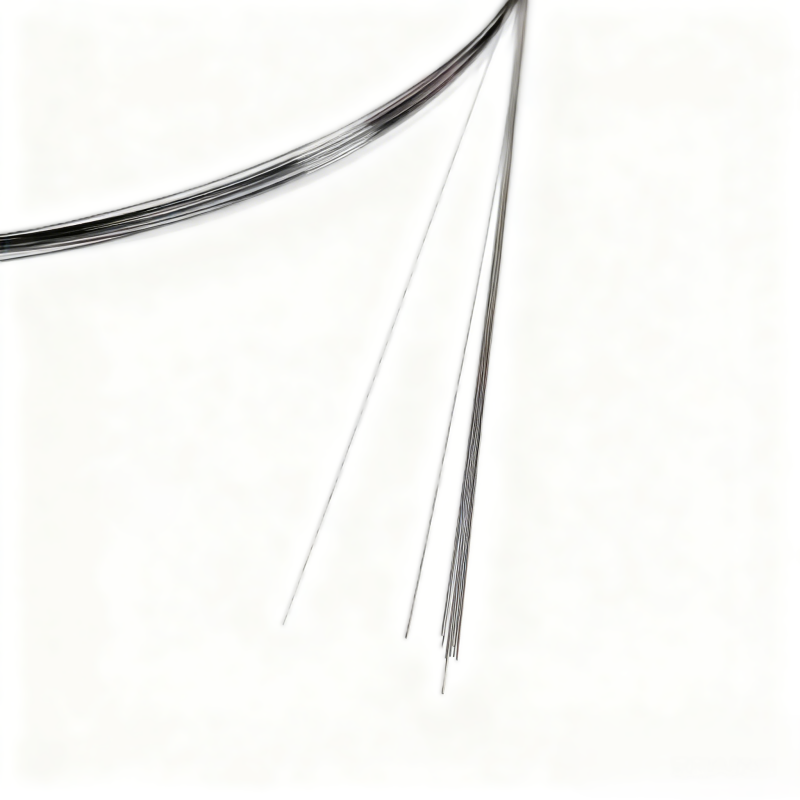
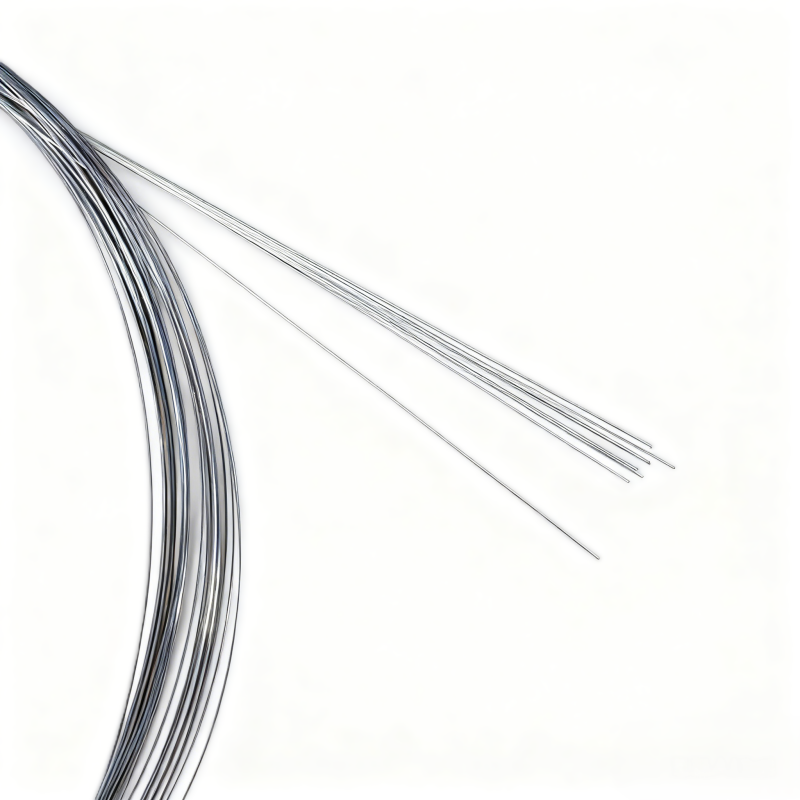
The nitinol guide wire is a specialized medical device used primarily in minimally invasive procedures to navigate through the body's complex vascular and anatomical pathways. Constructed from nitinol, an alloy composed of nickel and titanium, this guide wire exhibits two defining material properties: superelasticity and shape memory. These characteristics set it apart from conventional stainless steel guide wires and make it an indispensable tool in modern interventional medicine. The nitinol guide wire functions as a navigational instrument, guiding catheters, stents, balloons, and other interventional devices to precise target locations within the body. Surgeons and clinicians rely on it to access difficult-to-reach anatomical regions, including tortuous vessels, narrow coronary arteries, peripheral vasculature, and complex biliary or urological tracts. Its ability to bend, flex, and return to its original shape without permanent deformation allows it to travel through tight curves and sharp angles that would cause traditional wire materials to kink or break. From a technological standpoint, the nitinol guide wire is engineered with a tapered core design that provides a gradient of stiffness from the proximal end to the distal tip. The proximal section offers the pushability and torque control needed to advance the wire, while the soft, flexible distal tip minimizes trauma to delicate vessel walls. Many versions feature hydrophilic or hydrophobic polymer coatings that reduce friction and improve trackability through narrow or calcified pathways. Some advanced models incorporate radiopaque markers or full-length radiopaque cores to enhance fluoroscopic visibility during procedures. The applications of the nitinol guide wire span a wide range of medical specialties. In cardiology, it supports coronary and peripheral angioplasty procedures. In gastroenterology and urology, it facilitates endoscopic and ureteroscopic interventions. In radiology, it enables precise catheter placement for diagnostic and therapeutic purposes. Its versatility, combined with its biomechanical performance, makes the nitinol guide wire a cornerstone technology in the global medical device market, trusted by clinicians across disciplines to deliver consistent, reliable results in demanding clinical environments.

New Product Releases

The nitinol guide wire offers a set of practical benefits that directly improve procedural outcomes and patient safety. Understanding these advantages helps clinicians, procurement teams, and healthcare administrators make informed decisions when selecting guide wire technology for their facilities. Here is a clear breakdown of what makes the nitinol guide wire a superior choice in clinical practice. First, the nitinol guide wire does not kink. Traditional stainless steel wires can permanently deform when bent sharply, which creates a safety risk and often requires the clinician to withdraw and replace the wire mid-procedure. The nitinol guide wire springs back to its original shape after bending, even through extreme curves. This means fewer wire exchanges, shorter procedure times, and reduced patient exposure to contrast agents and radiation. Second, the nitinol guide wire navigates difficult anatomy with ease. Many patients present with tortuous, calcified, or heavily diseased vessels that are challenging to cross with conventional wires. The superelastic nature of nitinol allows the wire to conform to complex anatomical paths without losing its structural integrity. Clinicians can advance the wire through tight bends and narrow passages with greater confidence, reducing the risk of vessel perforation or dissection. Third, the nitinol guide wire reduces procedural friction. Most nitinol guide wires come with advanced polymer coatings that create a slippery surface when activated by moisture. This low-friction surface allows the wire to glide smoothly through catheters and vessel lumens, reducing the force required to advance or retract the wire. Less force means less trauma to the vessel wall and a more controlled, predictable experience for the operator. Fourth, the nitinol guide wire improves torque response. Precise torque transmission from the operator's hand to the distal tip is critical when steering through branching vessels or selecting specific anatomical targets. The nitinol guide wire is engineered to transmit rotational force efficiently along its length, giving clinicians the directional control they need to navigate complex vascular trees accurately. Fifth, the nitinol guide wire enhances fluoroscopic visibility. Many models incorporate radiopaque materials into their construction, making them clearly visible under X-ray imaging. This visibility allows the clinical team to monitor wire position in real time, confirm correct placement before advancing other devices, and quickly identify any unintended wire migration. Sixth, the nitinol guide wire is compatible with a broad range of interventional systems. Whether used in cardiac catheterization labs, endoscopy suites, or interventional radiology theaters, the nitinol guide wire integrates seamlessly with standard catheter systems, sheaths, and delivery platforms. This compatibility reduces the need for specialized equipment and simplifies inventory management for healthcare facilities. Seventh, the nitinol guide wire supports better patient outcomes. By enabling more precise navigation, reducing procedural complications, and shortening the time required to complete interventions, the nitinol guide wire contributes directly to faster patient recovery, lower complication rates, and improved overall procedural success. For any facility committed to delivering high-quality minimally invasive care, investing in nitinol guide wire technology is a practical and evidence-supported decision.

Tips And Tricks

Why do full-chain manufacturers provide a more stable supply of SMA wire?

14

May

Why do full-chain manufacturers provide a more stable supply of SMA wire?

In industrial and medical procurement, supply chain reliability is not a luxury — it is a fundamental requirement. When sourcing SMA wire, the type of manufacturer you partner with has a direct and measurable impact on delivery consistency, material ...
View More
Why do orthodontists prefer using orthodontic wire with shape memory?

15

May

Why do orthodontists prefer using orthodontic wire with shape memory?

In modern orthodontic practice, the materials used to move teeth are just as important as the clinical techniques applied. Among the many innovations that have transformed the field, orthodontic wire with shape memory stands out as one of the most cl...
View More
How to ensure dimensional tolerances for precision Nitinol metal parts?

18

May

How to ensure dimensional tolerances for precision Nitinol metal parts?

Achieving tight dimensional tolerances in Nitinol metal components is one of the most demanding challenges in precision manufacturing. Unlike conventional metals, Nitinol — a nickel-titanium shape memory alloy — exhibits superelastic recovery and pha...
View More
Why should you prioritize the manufacturer's R&D center when choosing partners?

02

Jun

Why should you prioritize the manufacturer's R&D center when choosing partners?

When evaluating potential manufacturing partners, most procurement teams focus on price, lead time, and production capacity. These are legitimate criteria, but they often overlook one of the most telling indicators of long-term value: the strength an...
View More

Get a Free Quote

Our representative will contact you soon.
Email
Name
Company Name
Message
0/1000

nitinol guide wire

Superelastic Performance That Handles the Toughest Anatomy

Superelastic Performance That Handles the Toughest Anatomy

One of the most clinically significant features of the nitinol guide wire is its superelastic behavior, a property that fundamentally changes how clinicians approach complex interventional cases. Superelasticity means that the nitinol guide wire can undergo large elastic deformations and return completely to its original shape once the deforming force is removed. This is not simply a material curiosity. It is a performance characteristic that has direct, measurable consequences in the catheterization lab, the endoscopy suite, and the interventional radiology theater. When a clinician advances a guide wire through a patient's vasculature, the wire encounters a wide variety of anatomical challenges. Vessels curve, branch, narrow, and sometimes contain calcified plaques or fibrotic tissue that creates resistance. In patients with peripheral artery disease, coronary artery disease, or complex biliary anatomy, these challenges are amplified. A conventional stainless steel wire subjected to these forces may kink, permanently deform, or lose its ability to transmit torque effectively. Once a wire kinks, it must be removed and replaced, adding time to the procedure, increasing the patient's exposure to contrast media and fluoroscopic radiation, and raising the risk of vascular injury during wire exchange. The nitinol guide wire eliminates this problem. Because the alloy's crystalline structure allows it to absorb and release mechanical stress without permanent deformation, the wire maintains its functional geometry throughout the procedure. It bends around tight curves, compresses through narrow segments, and then recovers its shape as it advances into more open anatomy. This recovery is not gradual or partial. It is immediate and complete, which means the wire behaves predictably at every stage of the procedure. For clinicians, predictability is safety. Knowing that the nitinol guide wire will respond consistently to manipulation reduces cognitive load during complex cases and allows the operator to focus on anatomical navigation rather than wire management. The superelastic property also contributes to the wire's ability to cross chronic total occlusions and heavily calcified lesions, where the combination of flexibility and structural resilience is essential. In these high-difficulty cases, the nitinol guide wire provides a level of performance that conventional materials simply cannot match, making it the preferred choice for experienced interventionalists working at the frontier of minimally invasive medicine.
Advanced Coating Technology for Smooth, Controlled Navigation

Advanced Coating Technology for Smooth, Controlled Navigation

The surface engineering of the nitinol guide wire is as important as its core material properties. While the nitinol alloy provides the mechanical foundation of superelasticity and shape memory, the polymer coating applied to the wire's exterior determines how it interacts with the clinical environment, specifically with catheter lumens, vessel walls, and irrigating fluids. Most high-performance nitinol guide wires feature a hydrophilic coating, a polymer layer that absorbs water and becomes extremely slippery when wet. This coating dramatically reduces the coefficient of friction between the wire and the surrounding tissue or catheter, allowing the wire to advance and retract with minimal resistance. The practical benefit of this low-friction surface is substantial. When a clinician pushes a guide wire through a long, tortuous vessel or a narrow catheter lumen, friction accumulates along the wire's length. High friction forces require the operator to apply greater manual force, which reduces tactile feedback and increases the risk of sudden, uncontrolled wire advancement. Uncontrolled advancement is one of the primary causes of vessel perforation and dissection during interventional procedures. By minimizing friction, the hydrophilic coating on the nitinol guide wire allows the operator to maintain precise, incremental control over wire movement. Small adjustments in push force translate directly into small, predictable movements of the wire tip, giving the clinician the fine motor control needed to navigate safely through delicate anatomy. Beyond hydrophilic options, some nitinol guide wire models feature hydrophobic coatings or hybrid coating systems that combine the low-friction properties of hydrophilic polymers with the tactile feedback characteristics of hydrophobic surfaces. These hybrid systems are particularly valuable in procedures where the clinician needs to alternate between smooth advancement and controlled positioning, such as during selective catheterization of small branch vessels. The durability of the coating is also a critical quality parameter. A coating that degrades or delaminates during use can deposit polymer particles into the bloodstream, creating an embolic risk. Leading manufacturers subject their nitinol guide wire coatings to rigorous abrasion and durability testing to ensure that the coating remains intact throughout the full duration of clinical use. When selecting a nitinol guide wire, coating integrity and biocompatibility certification are essential criteria that directly protect patient safety and procedural success.
Precision Torque Control and Fluoroscopic Visibility for Confident Placement

Precision Torque Control and Fluoroscopic Visibility for Confident Placement

Effective guide wire use in interventional procedures depends on two interconnected capabilities: the ability to steer the wire accurately to a target location, and the ability to see exactly where the wire is at all times. The nitinol guide wire is engineered to excel in both areas, combining a mechanically optimized core design with radiopaque construction features that give clinicians the control and visibility they need to perform with confidence. Torque control refers to the wire's ability to transmit rotational force from the operator's fingers at the proximal end to the distal tip. In vascular navigation, torque is the primary steering mechanism. When a clinician rotates the wire, the tip should rotate by a corresponding amount, allowing the operator to direct the wire into a specific vessel branch or around an anatomical obstacle. Poor torque transmission, often called torque lag or whip, occurs when the wire absorbs rotational energy along its length rather than transmitting it efficiently to the tip. This creates unpredictable tip behavior and makes precise navigation extremely difficult. The nitinol guide wire addresses this challenge through its core architecture. The wire is constructed with a carefully engineered taper that transitions from a stiffer proximal shaft to a more flexible distal segment. This taper profile balances pushability and torque transmission in the proximal section with atraumatic flexibility in the distal tip. The result is a wire that responds accurately to operator input while protecting vessel walls from mechanical injury. Fluoroscopic visibility is the second pillar of confident guide wire placement. During fluoroscopy-guided procedures, the clinical team monitors wire position on a live X-ray image. A wire that is difficult to see creates uncertainty about its location relative to critical anatomical structures, increasing the risk of misplacement and procedural complications. The nitinol guide wire incorporates radiopaque materials, typically platinum or tungsten alloy cores or marker bands, that appear clearly on fluoroscopic imaging. This visibility allows the operator to confirm wire position before advancing catheters or other devices, verify that the wire has crossed a target lesion, and detect any unintended wire movement during device exchanges. Together, precise torque control and reliable fluoroscopic visibility make the nitinol guide wire a tool that experienced clinicians trust in their most demanding cases, from complex coronary interventions to challenging peripheral and visceral procedures.
Nitinol Guide Wire: Superelastic Precision for Minimally Invasive Procedures

Get a Free Quote

Our representative will contact you soon.
Email
Name
Company Name
Message
0/1000
Newsletter
Please Leave A Message With Us