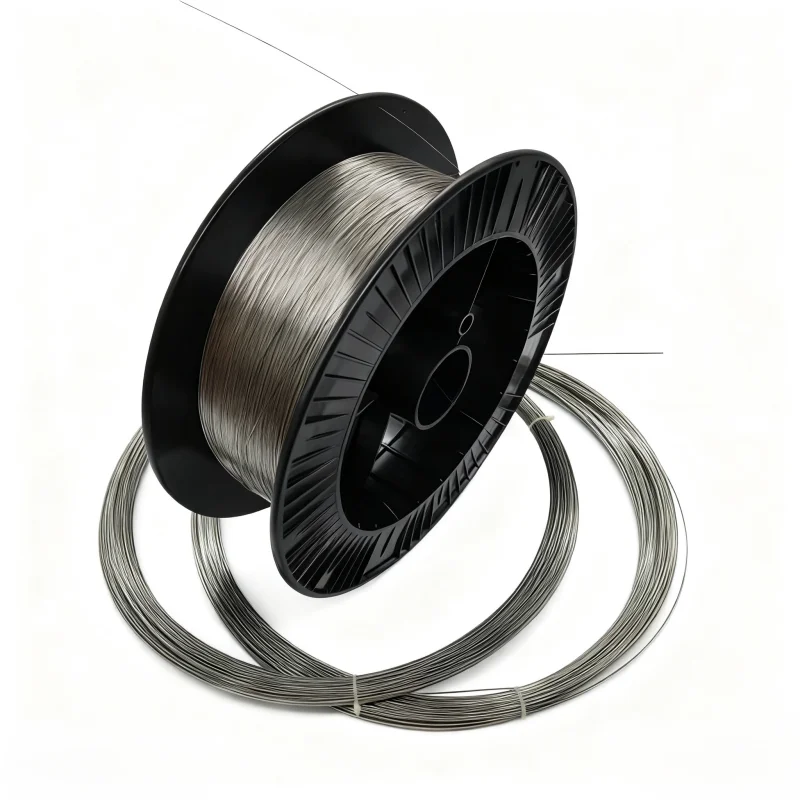
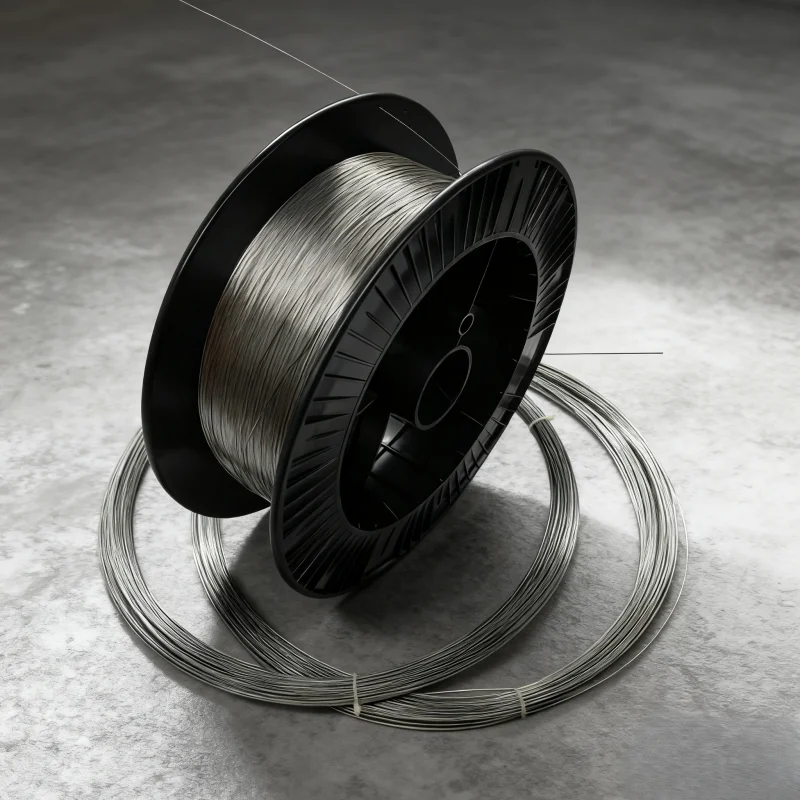
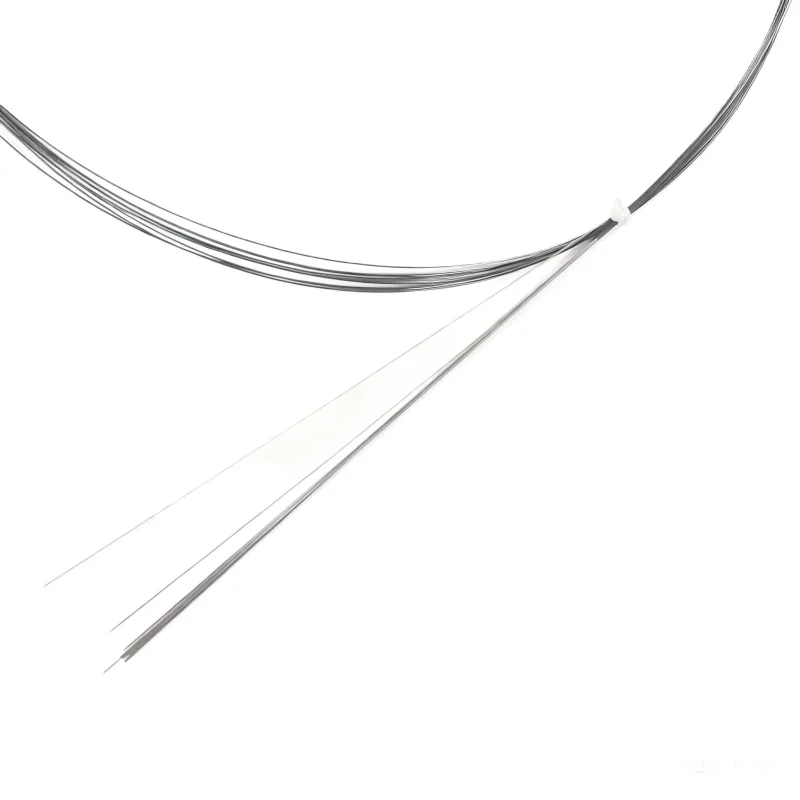
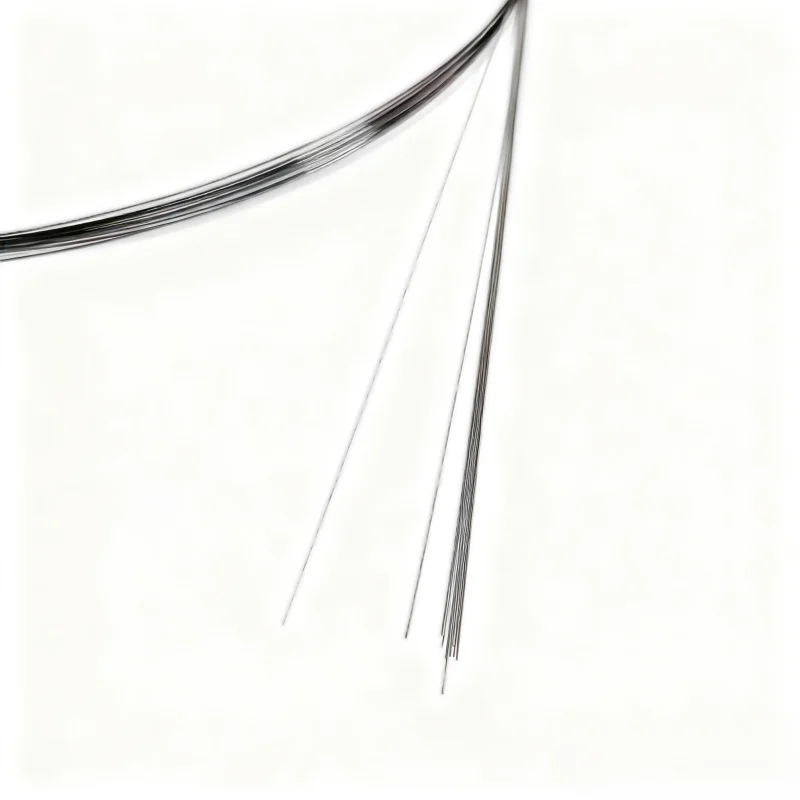
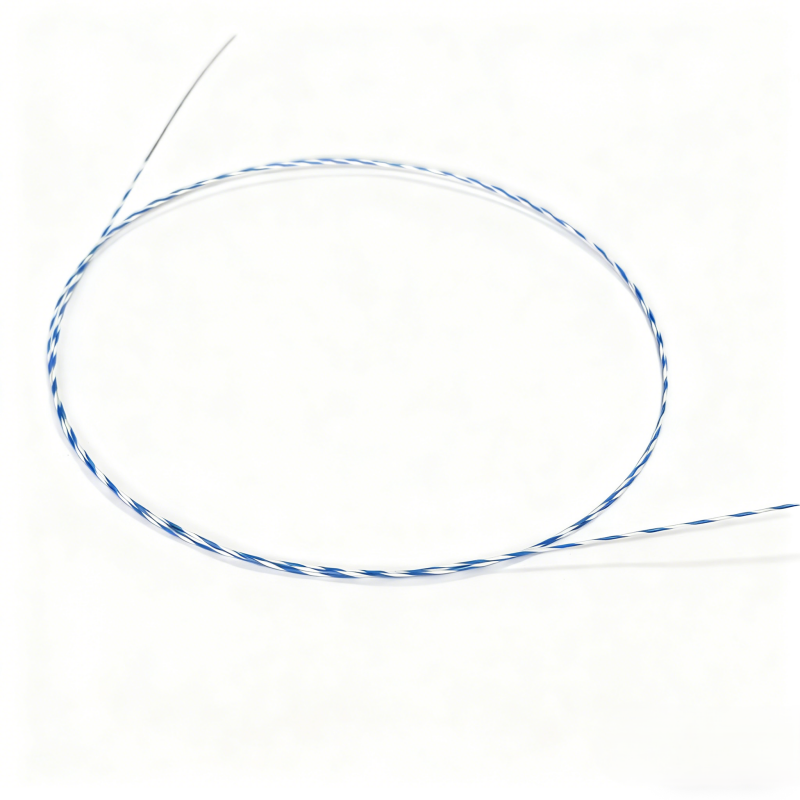
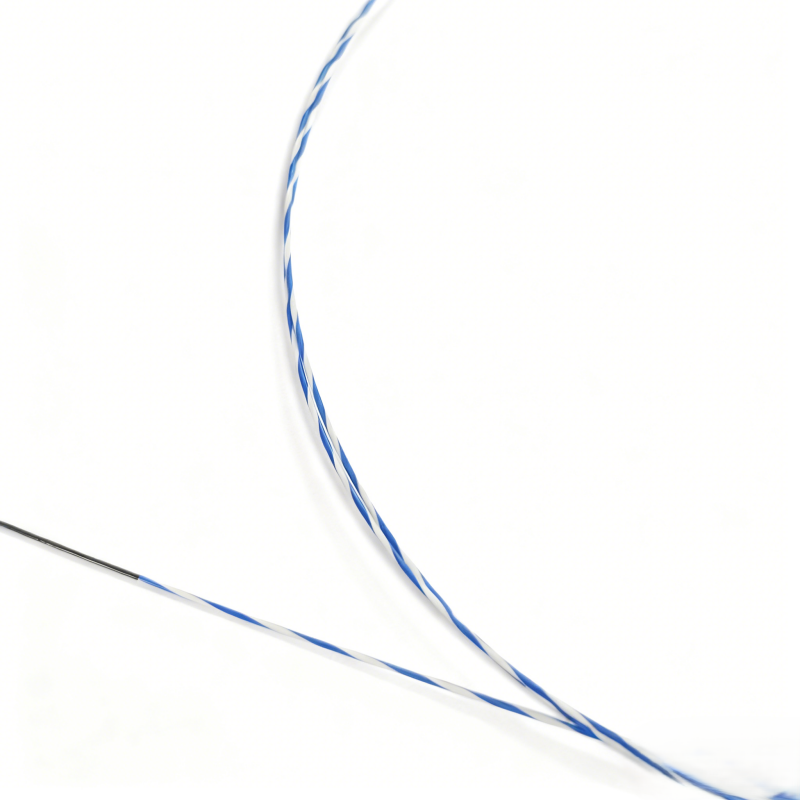
Bespoke Nitinol Guide Wire | Custom Design, Superior Performance

Get a Free Quote

Our representative will contact you soon.
Email
Name
Company Name
Message
0/1000

bespoke nitinol guide wire

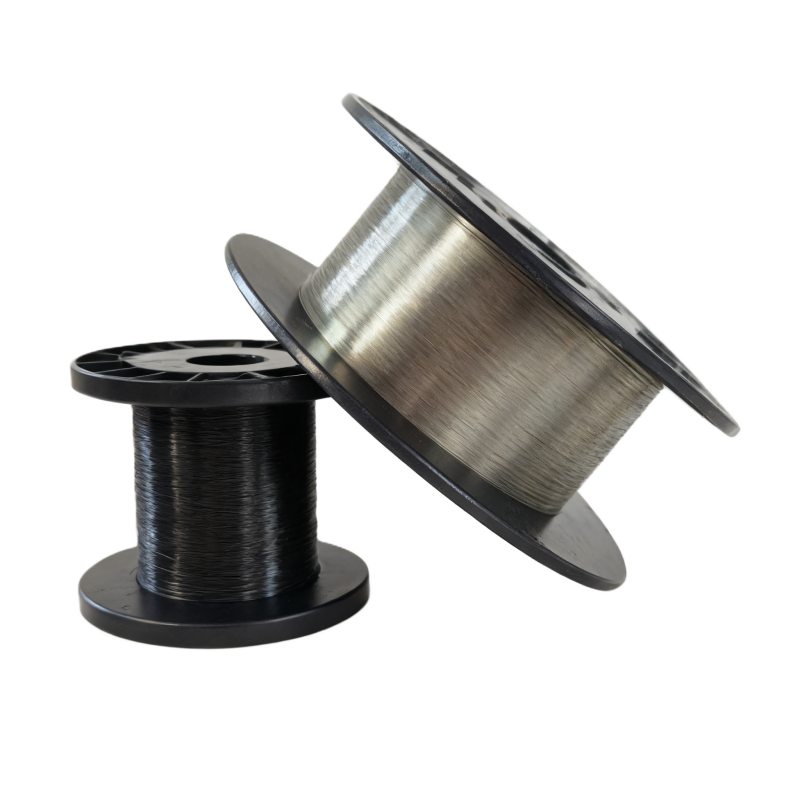
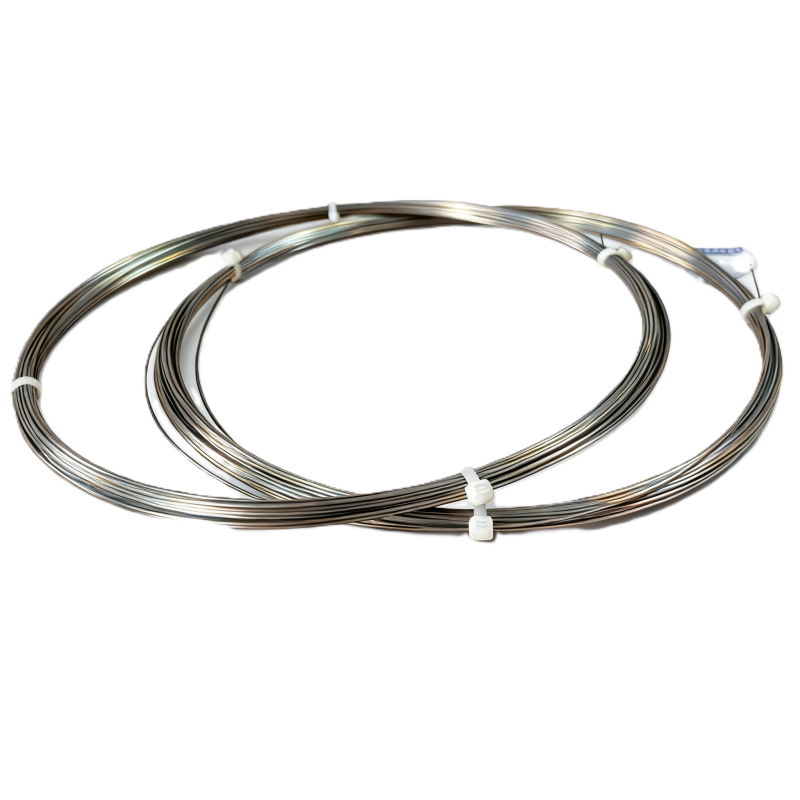
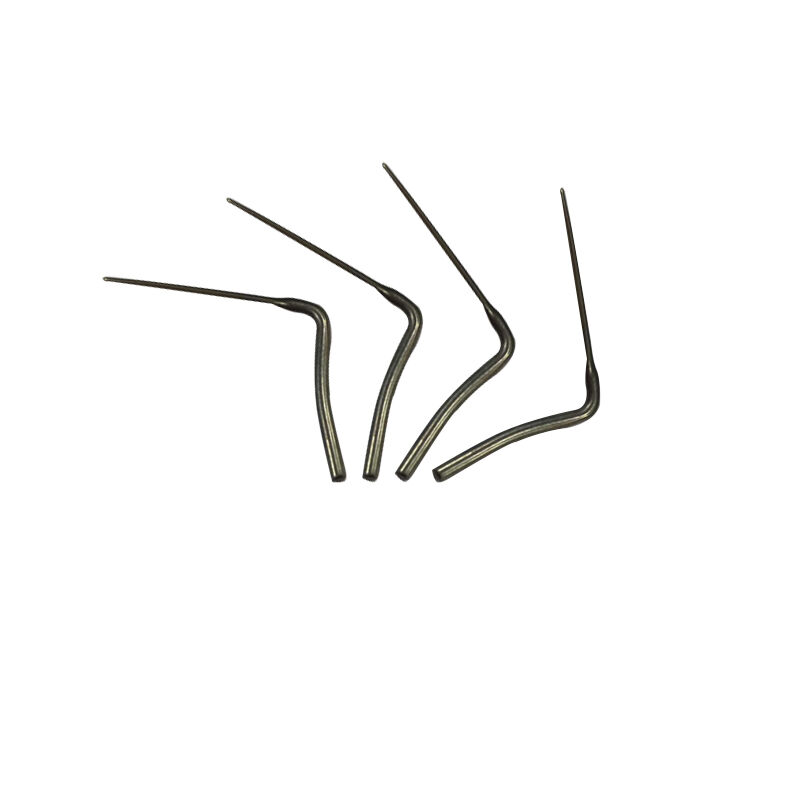
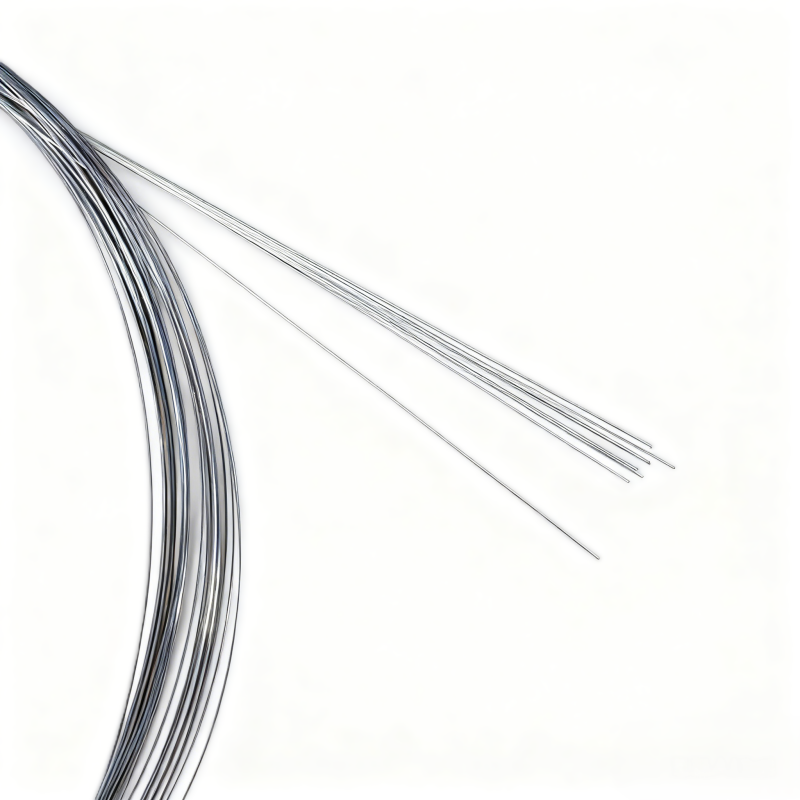
The bespoke nitinol guide wire represents a significant advancement in minimally invasive medical device technology. Engineered from a nickel-titanium alloy known as nitinol, this specialized guide wire is custom-designed to meet the precise clinical and procedural demands of individual medical applications. Unlike standard off-the-shelf guide wires, a bespoke nitinol guide wire is tailored in terms of diameter, length, tip configuration, stiffness gradient, and surface coating to align perfectly with the anatomical and procedural requirements of each unique case or product specification. At its core, the bespoke nitinol guide wire serves as a navigational tool used by clinicians to access, traverse, and position medical devices within the human body. It guides catheters, stents, balloons, and other interventional instruments through complex vascular and non-vascular pathways with precision and control. The superelastic properties of nitinol allow the wire to bend and flex through tortuous anatomy without permanent deformation, returning to its original shape once the applied stress is removed. This characteristic is critical in procedures involving highly curved or narrow vessels. From a technological standpoint, the bespoke nitinol guide wire incorporates several advanced features. The nitinol core provides superelasticity and shape memory, enabling consistent performance across a wide range of body temperatures. Hydrophilic or hydrophobic coatings can be applied to reduce friction and improve trackability through tight anatomical spaces. Radiopaque markers or coatings are often integrated to enhance fluoroscopic visibility during procedures. The tip design, whether straight, angled, or J-shaped, is customized to facilitate atraumatic navigation and reduce the risk of vessel perforation. Applications of the bespoke nitinol guide wire span a broad range of medical specialties. In interventional cardiology, it supports coronary and peripheral vascular procedures. In gastroenterology, it assists in biliary and pancreatic duct access. Urology, neurovascular intervention, and pulmonology also rely on these precision instruments. The ability to customize every parameter of the bespoke nitinol guide wire makes it an indispensable tool for medical device manufacturers, contract manufacturers, and clinical teams seeking reliable, high-performance solutions tailored to their exact specifications.


New Products

Choosing a bespoke nitinol guide wire over a standard product gives you a clear edge in performance, safety, and procedural efficiency. Here is a straightforward look at the practical benefits that matter most to the people who use and specify these devices. First, you get a wire built exactly for your needs. When you order a bespoke nitinol guide wire, every dimension and feature is designed around your specific application. You choose the diameter, the length, the tip shape, the stiffness profile, and the surface coating. This means the wire fits your procedure from the start, rather than forcing you to work around the limitations of a generic product. That saves time during procedures and reduces the risk of complications caused by a poor fit between the device and the anatomy. Second, the superelastic nature of nitinol means the wire performs consistently even in the most challenging anatomical environments. Standard stainless steel wires can kink or deform when pushed through tight curves or tortuous vessels. A bespoke nitinol guide wire springs back to its original shape after bending, so you maintain control and trackability throughout the entire procedure. Clinicians can navigate complex pathways with confidence, knowing the wire will not lose its shape or become unpredictable under stress. Third, custom surface coatings make a real difference in how smoothly the wire moves through the body. A hydrophilic coating dramatically reduces friction, allowing the bespoke nitinol guide wire to glide through narrow or winding channels with minimal resistance. This reduces the force needed to advance the wire, which in turn lowers the risk of trauma to delicate tissue. Patients benefit from shorter procedure times and a more comfortable recovery, while clinicians benefit from better tactile feedback and easier device exchanges. Fourth, radiopaque features built into the bespoke nitinol guide wire give clinicians clear, real-time visibility under fluoroscopy. Knowing exactly where the tip of the wire is at all times reduces guesswork and improves decision-making during critical moments in a procedure. This level of visibility is especially valuable in complex interventions where precise positioning is essential for a successful outcome. Fifth, working with a manufacturer who specializes in bespoke nitinol guide wire production means you gain access to engineering expertise and regulatory support. Experienced manufacturers understand the material science behind nitinol, the manufacturing tolerances required for medical-grade performance, and the documentation needed for regulatory submissions. This partnership accelerates your product development timeline and reduces the risk of costly redesigns later in the process. Sixth, a bespoke approach supports scalability. Whether you need a small batch for clinical evaluation or a high-volume production run for a commercial launch, a dedicated bespoke nitinol guide wire supplier can scale manufacturing to match your demand without compromising quality. This flexibility is a practical advantage for both startups developing new devices and established companies expanding their product lines. In summary, the bespoke nitinol guide wire delivers measurable value at every stage, from design and development through clinical use and commercial distribution. It is a smarter investment that pays off in better outcomes, faster procedures, and stronger product performance.

Tips And Tricks

Why is high-stability Nitinol the first choice for equipment in extreme conditions?

12

May

Why is high-stability Nitinol the first choice for equipment in extreme conditions?

When equipment must perform reliably under mechanical stress, thermal cycling, and repeated deformation, material selection becomes a critical engineering decision. Nitinol, the nickel-titanium shape memory alloy, has earned a dominant position in de...
View More
Why do full-chain manufacturers provide a more stable supply of SMA wire?

14

May

Why do full-chain manufacturers provide a more stable supply of SMA wire?

In industrial and medical procurement, supply chain reliability is not a luxury — it is a fundamental requirement. When sourcing SMA wire, the type of manufacturer you partner with has a direct and measurable impact on delivery consistency, material ...
View More
Why do full-process manufacturers provide higher performance Nitinol SMA?

20

May

Why do full-process manufacturers provide higher performance Nitinol SMA?

When engineers and procurement specialists evaluate materials for high-precision medical devices, aerospace components, or advanced actuator systems, the source of the material matters as much as the material itself. Nitinol SMA — the nickel-titanium...
View More
How to utilize one-way and two-way memory in precision medical components?

21

May

How to utilize one-way and two-way memory in precision medical components?

In the development of precision medical components, material intelligence is no longer a concept reserved for science fiction. nitinol wire has fundamentally changed how engineers and medical device designers approach the challenge of building compon...
View More

Get a Free Quote

Our representative will contact you soon.
Email
Name
Company Name
Message
0/1000

bespoke nitinol guide wire

Precision Customization for Every Clinical Application

Precision Customization for Every Clinical Application

One of the most compelling reasons to choose a bespoke nitinol guide wire is the ability to tailor every single parameter of the device to your exact clinical or product requirements. In the world of minimally invasive procedures, a one-size-fits-all approach simply does not deliver the level of performance that modern medicine demands. Anatomy varies between patients, procedural techniques differ between specialties, and device compatibility requirements change from one product platform to the next. A bespoke nitinol guide wire addresses all of these variables by putting customization at the center of the design process. When you engage a specialist manufacturer to produce a bespoke nitinol guide wire, the process begins with a detailed technical consultation. Engineers work with you to define the wire diameter, which typically ranges from 0.010 inches to 0.038 inches depending on the target anatomy and the instruments it needs to support. Length is specified to match the procedural access route, ensuring the wire reaches the target site without unnecessary excess that could complicate handling. The stiffness profile is one of the most critical customization points. A bespoke nitinol guide wire can be engineered with a soft, flexible distal tip that navigates delicate anatomy atraumatically, transitioning to a stiffer proximal body that provides the pushability and torque response needed to advance catheters and other devices over the wire. This graduated stiffness is not something you can achieve with a standard product, and it makes a significant difference in procedural control and patient safety. Tip geometry is another area where customization delivers real clinical value. Straight tips, angled tips, and J-tips each serve different navigational purposes, and the ability to specify the exact tip shape for your application means the bespoke nitinol guide wire is ready to perform from the moment it enters the body. Surface coatings, including hydrophilic, hydrophobic, and PTFE options, are selected based on the specific friction and lubricity requirements of the procedure. The result is a device that feels right in the clinician's hands, moves predictably through the anatomy, and supports the best possible patient outcome. For medical device companies, this level of precision customization also simplifies regulatory documentation, because every specification is defined, controlled, and traceable from the outset of the design process.
Superior Material Performance Rooted in Nitinol Science

Superior Material Performance Rooted in Nitinol Science

The performance advantages of a bespoke nitinol guide wire begin at the material level. Nitinol, the nickel-titanium alloy that gives this wire its name and its exceptional properties, behaves in ways that no other medical-grade metal can replicate. Understanding why nitinol is the material of choice for high-performance guide wires helps explain why a bespoke nitinol guide wire consistently outperforms alternatives in demanding clinical environments. Nitinol exhibits two defining characteristics that set it apart: superelasticity and shape memory. Superelasticity means the material can undergo large elastic deformations, far beyond what stainless steel or cobalt-chromium alloys can tolerate, and return to its original shape without any permanent change. In practical terms, this means a bespoke nitinol guide wire can be bent, compressed, and twisted as it navigates through the body's most tortuous pathways, and it will recover its intended geometry every time. This is not just a theoretical advantage. In procedures involving the coronary arteries, the biliary tree, the renal vasculature, or the peripheral vessels, the anatomy frequently demands that a guide wire negotiate sharp angles and tight curves. A wire that kinks or deforms under these conditions becomes a liability. A bespoke nitinol guide wire maintains its integrity and its performance characteristics throughout the entire procedure, giving clinicians the consistent tactile feedback they need to work safely and efficiently. Shape memory adds another dimension to the material's clinical utility. The bespoke nitinol guide wire can be manufactured with a specific shape encoded into the alloy at the atomic level. When the wire is warmed to body temperature after being straightened for insertion, it returns to its programmed shape. This property is particularly useful for tip configurations that need to adopt a specific geometry once inside the body to facilitate access to a target anatomy. The biocompatibility of nitinol is well established in the medical device literature. The stable titanium oxide layer that forms on the surface of nitinol provides excellent corrosion resistance and minimizes the risk of adverse tissue reactions. When combined with appropriate surface treatments and coatings, a bespoke nitinol guide wire meets the stringent biocompatibility requirements of international standards such as ISO 10993. For manufacturers and clinicians alike, this means confidence in the long-term safety profile of the device across a wide range of patient populations and procedural environments.
Streamlined Development and Reliable Supply Chain Partnership

Streamlined Development and Reliable Supply Chain Partnership

Beyond the clinical and technical performance of the device itself, choosing a specialist supplier for your bespoke nitinol guide wire brings substantial operational and commercial advantages that directly impact your product development timeline and your ability to bring a competitive device to market. Developing a medical device is a complex, resource-intensive process. Every delay in the supply chain, every design iteration caused by a component that does not meet specification, and every regulatory setback adds cost and extends the time before your product reaches the patients who need it. A dedicated bespoke nitinol guide wire manufacturer eliminates many of these risks by combining deep material expertise, precision manufacturing capability, and regulatory knowledge under one roof. From the earliest stages of development, a specialist supplier contributes engineering insight that helps you make better design decisions. They understand the processing characteristics of nitinol, the tolerances achievable at different wire diameters, and the coating technologies that will perform reliably in your specific application. This knowledge prevents common design mistakes that only become apparent late in the development cycle, saving you significant time and money. Prototyping and iterative testing are faster when your supplier has dedicated nitinol processing equipment and experienced technicians. A bespoke nitinol guide wire can be produced in small quantities for bench testing and animal studies, with full traceability and documentation that supports your design history file. As your project progresses toward clinical trials and commercial launch, the same supplier scales production to meet your volume requirements while maintaining the tight tolerances and consistent quality that your regulatory submission is based on. Quality management is another area where a specialist bespoke nitinol guide wire supplier adds measurable value. ISO 13485 certified manufacturers operate quality systems designed specifically for medical device production, with process controls, inspection protocols, and nonconformance management procedures that align with FDA and CE marking requirements. This means the documentation you receive with your components is audit-ready and supports a smoother regulatory review process. Long-term supply security is also a practical consideration. A committed partnership with a bespoke nitinol guide wire manufacturer gives you priority access to production capacity, stable pricing, and a supplier who understands your product well enough to respond quickly when you need design modifications or volume adjustments. This kind of reliable, knowledgeable supply chain partnership is a genuine competitive advantage in the fast-moving medical device market.
Bespoke Nitinol Guide Wire | Custom Design, Superior Performance

Get a Free Quote

Our representative will contact you soon.
Email
Name
Company Name
Message
0/1000
Newsletter
Please Leave A Message With Us