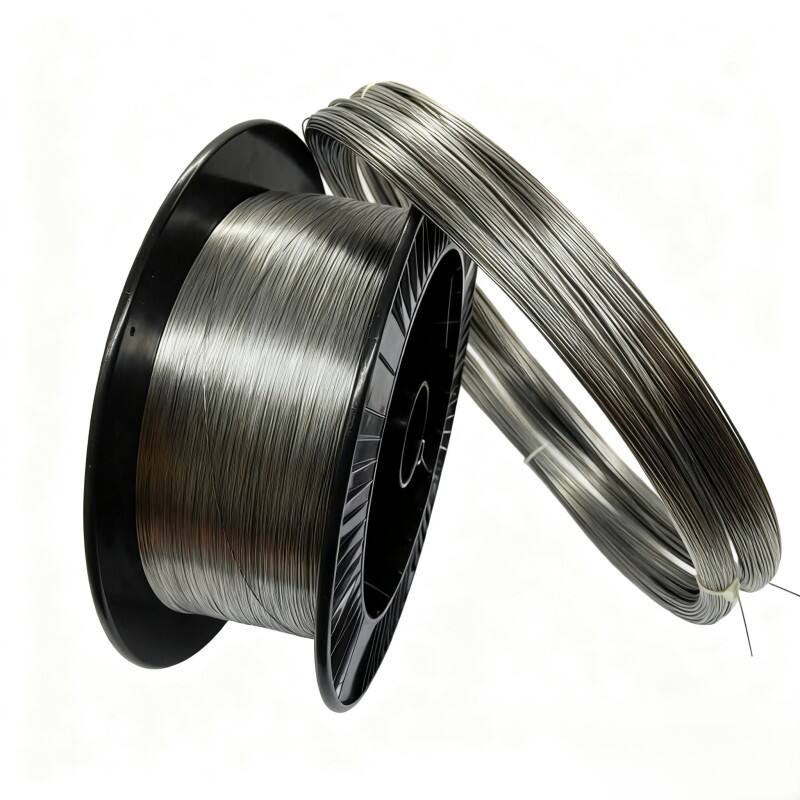
Top Nitinol Guide Wire Companies: Products, Technology, and Global Supply Solutions

Get a Free Quote

Our representative will contact you soon.
Email
Name
Company Name
Message
0/1000

nitinol guide wire companies

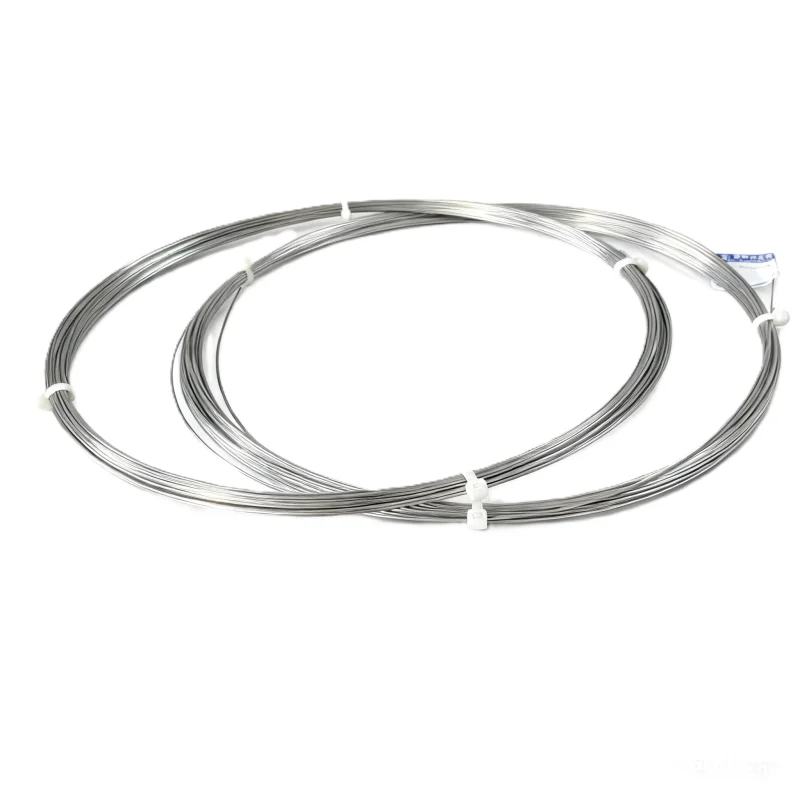
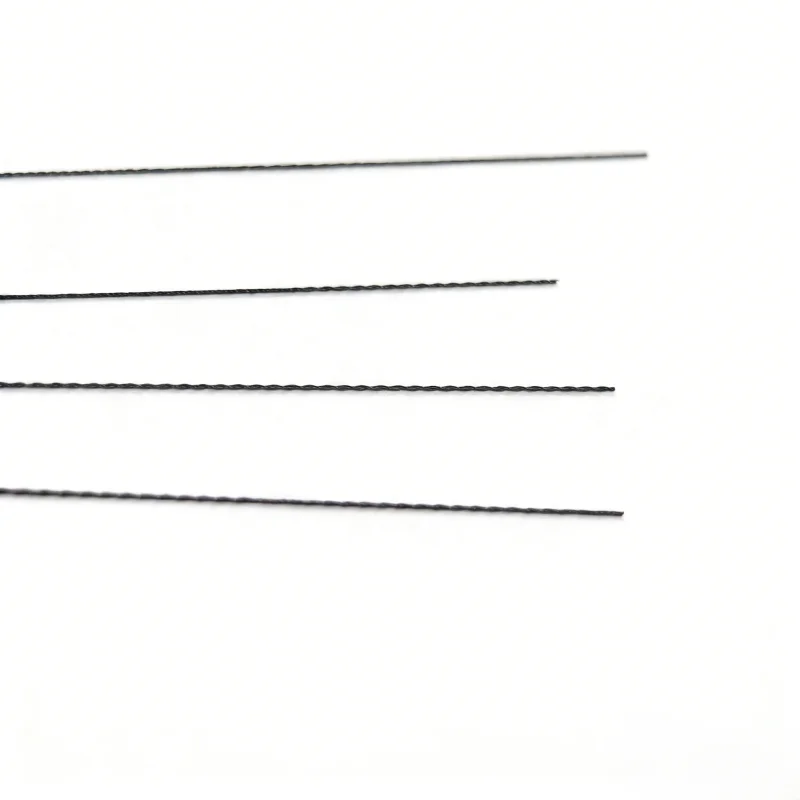
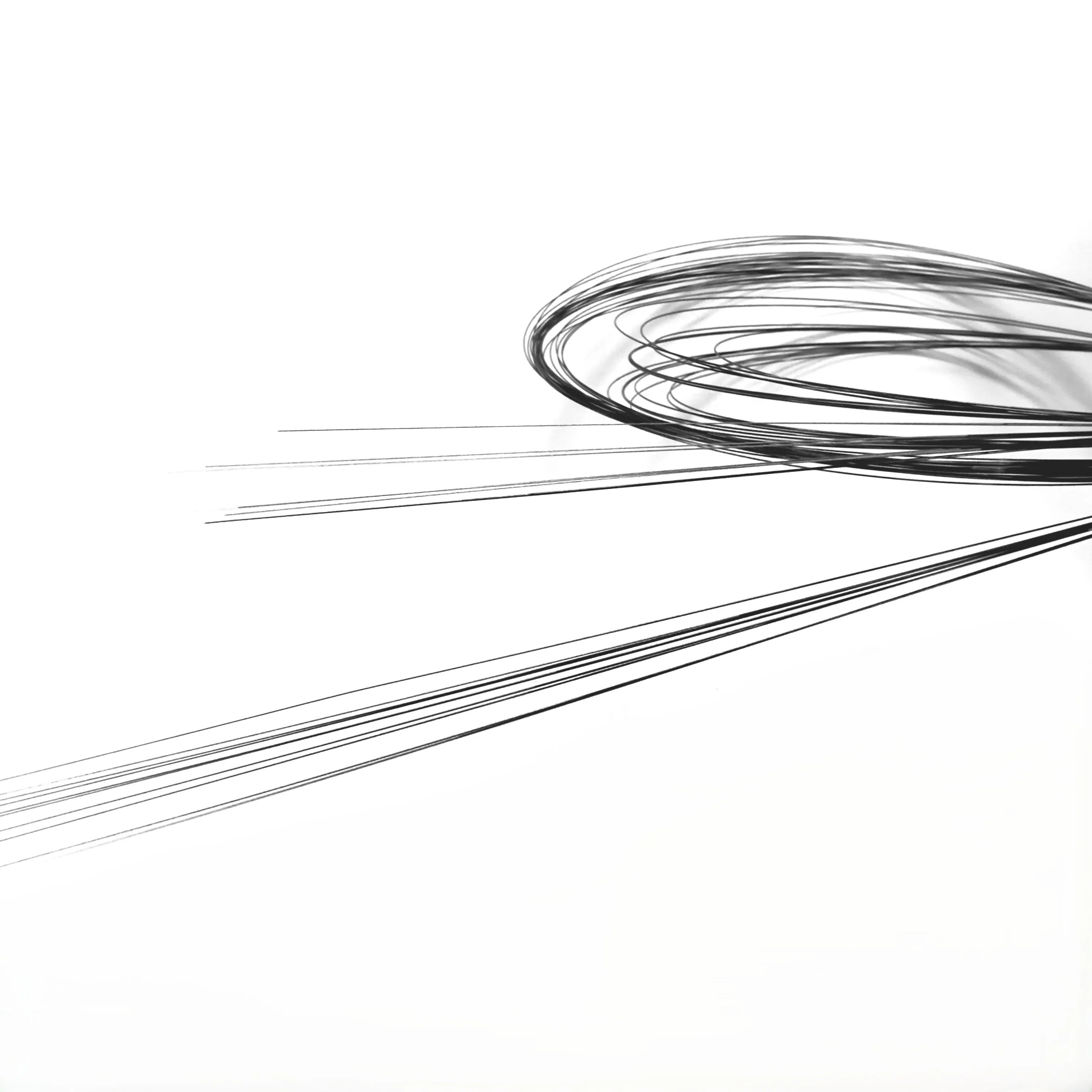
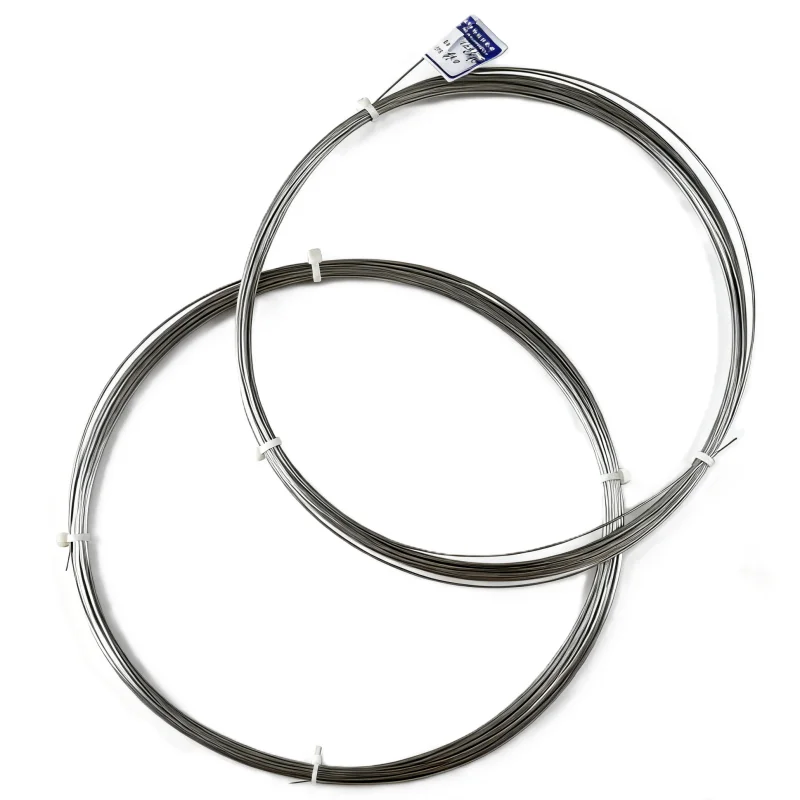
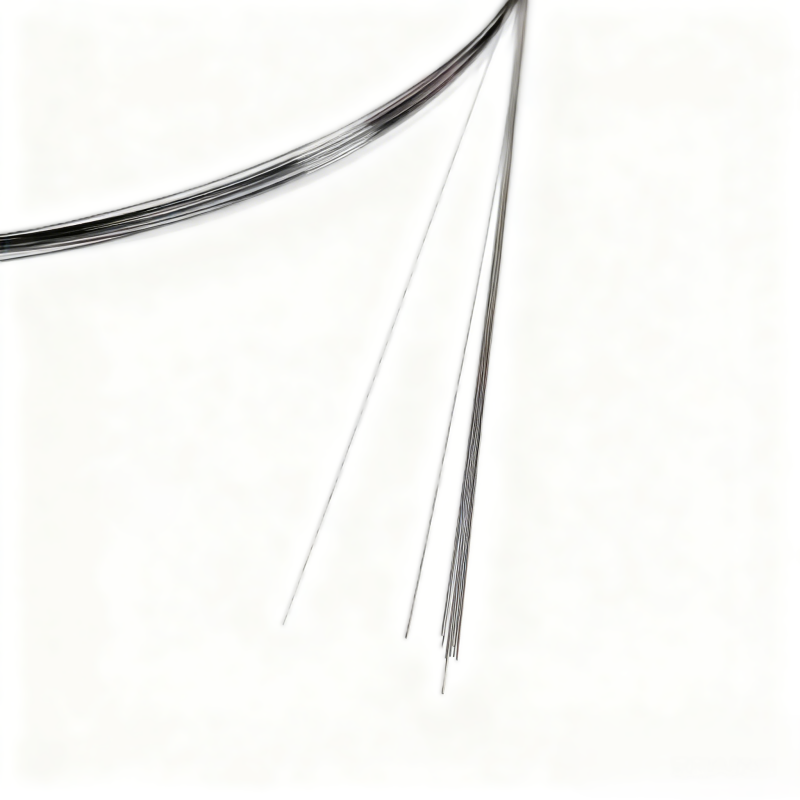
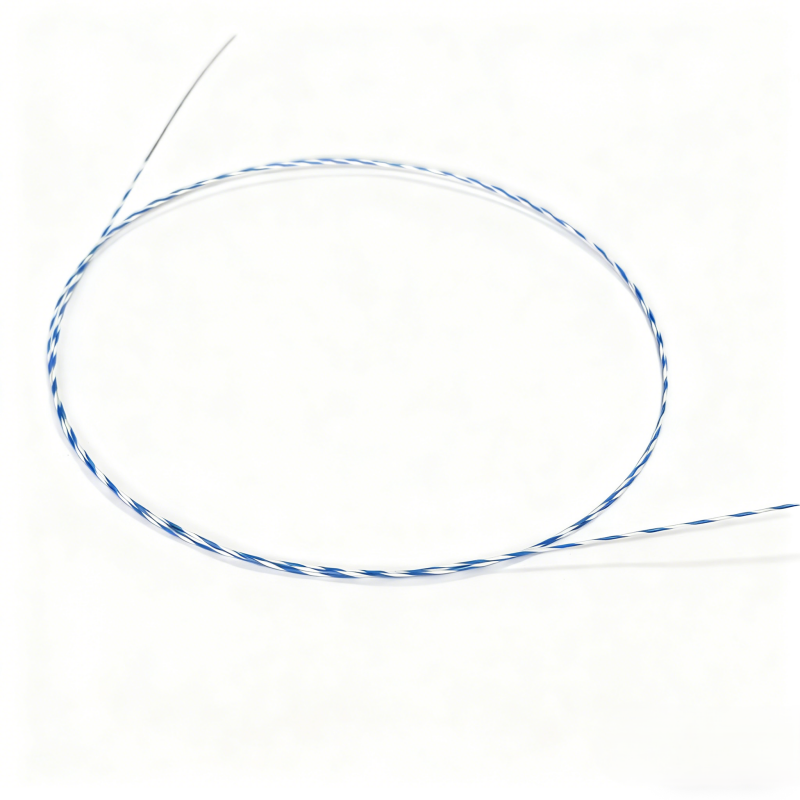
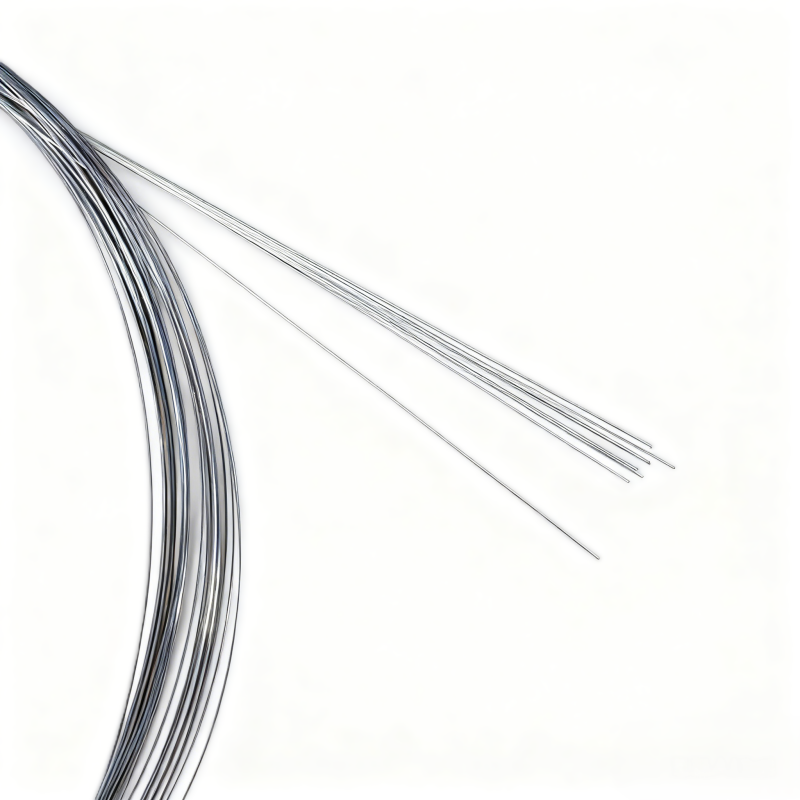
Nitinol guide wire companies occupy a critical position in the modern medical device industry, delivering precision-engineered tools that have transformed minimally invasive procedures across cardiology, neurology, urology, and peripheral vascular medicine. These companies design, manufacture, and supply guide wires made from nitinol, a nickel-titanium alloy celebrated for its extraordinary superelasticity and shape memory properties. When a nitinol guide wire is deformed under stress, it returns to its original shape once the load is removed, a characteristic that makes it uniquely suited for navigating the complex, tortuous anatomy of the human body. Nitinol guide wire companies invest heavily in metallurgical research, precision drawing technology, and surface treatment processes to produce wires that meet the exacting demands of interventional specialists worldwide. The main function of a nitinol guide wire is to serve as a rail over which catheters, stents, balloons, and other interventional devices are advanced to a target site inside the body. Without a reliable guide wire, many life-saving procedures simply could not be performed safely or efficiently. Nitinol guide wire companies engineer their products to deliver optimal torque response, meaning the physician can rotate the wire at the proximal end and expect a predictable, one-to-one response at the distal tip, even deep inside a patient. Technological features offered by leading nitinol guide wire companies include hydrophilic and hydrophobic coatings that reduce friction and improve trackability, radiopaque tip designs that enhance visibility under fluoroscopy, variable stiffness cores that balance pushability with flexibility, and polymer jackets that protect vessel walls from trauma. Applications span coronary artery interventions, peripheral artery disease treatment, transcatheter valve procedures, neurointerventional surgery, biliary and urological access, and complex chronic total occlusion crossing. As global demand for minimally invasive surgery grows, nitinol guide wire companies continue to expand their product portfolios, invest in next-generation alloy formulations, and pursue regulatory approvals across international markets, cementing their role as indispensable partners to hospitals, clinics, and surgical centers around the world.


New Product Releases

Choosing the right supplier from among the leading nitinol guide wire companies gives healthcare providers and medical device distributors a set of practical benefits that directly improve patient outcomes and operational efficiency. Here is a straightforward look at what these companies bring to the table and why those benefits matter to you. First, nitinol guide wire companies give you access to wires that simply bend without breaking. Traditional stainless steel guide wires can kink when pushed through tight curves in blood vessels, forcing physicians to stop a procedure and swap tools. Nitinol guide wire companies solve this problem by supplying wires that flex through extreme angles and spring back to their original shape, keeping procedures moving forward without interruption. This reduces procedure time, lowers the risk of vessel injury, and cuts down on the number of tools a physician needs to open during a single case. Second, nitinol guide wire companies offer a broad catalog of tip shapes, stiffness profiles, and coating options, which means you can match the exact wire to the exact procedure rather than forcing a compromise. A soft, floppy tip works well for delicate coronary navigation, while a stiffer shaft helps push through calcified lesions in peripheral arteries. When you work with experienced nitinol guide wire companies, their application engineers help you select the right configuration from the start, reducing trial-and-error costs in the cath lab or operating room. Third, reputable nitinol guide wire companies maintain rigorous quality management systems certified to ISO 13485 and comply with FDA and CE regulatory standards. This means every wire that leaves their facility has been tested for tensile strength, fatigue resistance, coating adhesion, and dimensional accuracy. For hospital procurement teams, buying from certified nitinol guide wire companies simplifies the vendor qualification process and reduces the compliance burden on your own quality department. Fourth, nitinol guide wire companies that operate at scale can offer competitive pricing through efficient manufacturing, consistent raw material sourcing, and streamlined logistics. Volume agreements with established nitinol guide wire companies translate into predictable supply chains, fewer back-order situations, and better budget control for purchasing managers. Fifth, many nitinol guide wire companies provide custom development services, working directly with device manufacturers to create proprietary guide wire designs that meet specific clinical or commercial requirements. This partnership model accelerates product development timelines and gives OEM customers a competitive edge in their own markets. Sixth, the technical support provided by leading nitinol guide wire companies extends beyond the sale. Training programs, clinical case support, and post-market surveillance collaboration help end users get the most out of every product and contribute to continuous improvement cycles that benefit the entire user community. In summary, partnering with established nitinol guide wire companies means gaining reliable products, regulatory confidence, supply chain stability, and expert support, all of which translate into better care for patients and stronger performance for your business.

Tips And Tricks

How to ensure dimensional tolerances for precision Nitinol metal parts?

18

May

How to ensure dimensional tolerances for precision Nitinol metal parts?

Achieving tight dimensional tolerances in Nitinol metal components is one of the most demanding challenges in precision manufacturing. Unlike conventional metals, Nitinol — a nickel-titanium shape memory alloy — exhibits superelastic recovery and pha...
View More
Why is Starspring's Nitinol metal at the forefront of the smart drive industry?

19

May

Why is Starspring's Nitinol metal at the forefront of the smart drive industry?

The smart drive industry is defined by its relentless demand for materials that can do more with less — components that respond intelligently to their environment, endure repeated mechanical cycles, and perform with precision in applications ranging ...
View More
What breakthroughs can Nitinol material bring to future flexible robot joints?

25

May

What breakthroughs can Nitinol material bring to future flexible robot joints?

The evolution of robotics is deeply tied to the materials that power movement, flexibility, and responsiveness. Among the most promising advances in this space, Nitinol material stands out as a transformative force in the design of flexible robot joi...
View More
Why should you prioritize the manufacturer's R&D center when choosing partners?

02

Jun

Why should you prioritize the manufacturer's R&D center when choosing partners?

When evaluating potential manufacturing partners, most procurement teams focus on price, lead time, and production capacity. These are legitimate criteria, but they often overlook one of the most telling indicators of long-term value: the strength an...
View More

Get a Free Quote

Our representative will contact you soon.
Email
Name
Company Name
Message
0/1000

nitinol guide wire companies

Unmatched Superelasticity for Complex Vascular Navigation

Unmatched Superelasticity for Complex Vascular Navigation

One of the most compelling reasons healthcare providers and device manufacturers turn to nitinol guide wire companies is the superelastic behavior of nitinol itself, and the way leading manufacturers have learned to harness that behavior in clinically meaningful ways. Superelasticity means that a nitinol guide wire can be bent to angles that would permanently deform or kink a conventional stainless steel wire, and then return to its original straight configuration the moment the bending force is released. This is not a minor engineering footnote. In real clinical practice, guide wires must travel through vessels that curve, branch, and narrow in unpredictable ways. A wire that kinks mid-procedure forces the physician to withdraw it, potentially losing access to a target site that took considerable time and skill to reach. Nitinol guide wire companies engineer their products so that this scenario becomes extremely rare. The superelastic plateau in the stress-strain curve of nitinol alloy means the wire absorbs deformation energy and releases it smoothly rather than yielding plastically. Top nitinol guide wire companies control the nickel-to-titanium ratio and the thermomechanical processing of each wire with extraordinary precision, because small variations in alloy composition or heat treatment temperature can shift the transformation temperature range and alter the superelastic window. By maintaining tight process controls, these companies deliver wires that perform consistently at body temperature, which is the environment that matters most. For interventional cardiologists navigating tortuous coronary anatomy, for neurointerventionalists threading through cerebral vasculature, and for peripheral vascular specialists crossing long occlusions in the superficial femoral artery, the superelastic performance delivered by skilled nitinol guide wire companies is not a luxury but a clinical necessity. Customers who switch from conventional wire suppliers to specialized nitinol guide wire companies frequently report reductions in procedure time, fewer wire exchanges per case, and improved physician confidence during complex interventions. The value of superelasticity, properly engineered and reliably delivered, is measurable in both clinical outcomes and procedural economics, making it the foundational selling point of every serious nitinol guide wire company in the market today.
Advanced Surface Coatings That Improve Trackability and Patient Safety

Advanced Surface Coatings That Improve Trackability and Patient Safety

Beyond the base alloy properties, nitinol guide wire companies differentiate their products through sophisticated surface coating technologies that directly affect how a wire moves through the body and how safe that movement is for the patient. The two dominant coating categories offered by leading nitinol guide wire companies are hydrophilic coatings and hydrophobic polymer jackets, and each serves a distinct clinical purpose. Hydrophilic coatings, when activated by contact with saline or blood, create an extremely slippery surface that dramatically reduces the friction between the wire and the inner wall of a catheter or vessel. This low-friction interface allows the physician to advance and retract the wire with minimal force, which is especially important in long, tortuous pathways where friction accumulates over the entire length of the wire. Nitinol guide wire companies that invest in high-quality hydrophilic coating chemistry produce wires that glide smoothly even through multiple bends, reducing the pushing force required and lowering the risk of vessel wall trauma caused by excessive forward pressure. Hydrophobic polymer jackets, on the other hand, provide a controlled level of tactile feedback that some physicians prefer for precise tip positioning. These coatings also protect the nitinol core from direct contact with blood and tissue, reducing the risk of nickel ion release and contributing to the long-term biocompatibility of the device. Nitinol guide wire companies that offer both coating options give their customers the flexibility to choose the surface characteristic that best matches the clinical scenario and physician preference. Beyond friction management, leading nitinol guide wire companies incorporate radiopaque materials into the distal tip section of their wires, either through platinum coil construction, tungsten-loaded polymer tips, or gold marker bands. These features make the tip clearly visible under fluoroscopic imaging, allowing the physician to confirm wire position in real time without ambiguity. Accurate tip visualization reduces the risk of inadvertent vessel perforation and gives the entire procedural team confidence that the wire is exactly where it needs to be. For hospital value analysis committees evaluating suppliers, the coating and visualization technologies offered by nitinol guide wire companies represent a direct investment in procedural safety and efficiency, with downstream benefits that include shorter procedure times, lower complication rates, and reduced overall cost per case.
Scalable Manufacturing and Regulatory Compliance for Global Supply Chains

Scalable Manufacturing and Regulatory Compliance for Global Supply Chains

For medical device distributors, hospital group purchasing organizations, and OEM manufacturers, the operational and regulatory capabilities of nitinol guide wire companies are just as important as the clinical performance of the wires themselves. The best nitinol guide wire companies combine world-class manufacturing infrastructure with comprehensive quality systems that satisfy the requirements of multiple international regulatory bodies simultaneously. Manufacturing nitinol guide wires at commercial scale requires specialized equipment and deep process expertise. The raw nitinol rod must be drawn down through a series of dies to achieve the precise final diameter, with intermediate annealing steps to restore ductility between drawing passes. Nitinol guide wire companies that own and operate their own drawing facilities have direct control over dimensional tolerances, surface finish, and mechanical properties at every stage of production. This vertical integration reduces variability, shortens lead times, and gives quality engineers immediate visibility into any process deviation before it reaches finished product. Leading nitinol guide wire companies hold ISO 13485 certification for their quality management systems, which provides a structured framework for design control, risk management, supplier qualification, and post-market surveillance. Products destined for the United States market carry 510k clearance or PMA approval from the FDA, while those sold in Europe bear the CE mark under the Medical Device Regulation. Nitinol guide wire companies that have already navigated these regulatory pathways can offer their OEM customers finished devices or semi-finished components with existing regulatory status, dramatically reducing the time and cost required to bring a new product to market. Supply chain reliability is another area where established nitinol guide wire companies deliver measurable value. Consistent raw material sourcing agreements, redundant production capacity, and global distribution networks mean that hospitals and distributors can count on steady product availability even during periods of supply chain disruption. For procurement professionals who have experienced the operational chaos of a back-order situation in a busy cath lab, the supply chain discipline maintained by top nitinol guide wire companies represents a concrete, quantifiable benefit that goes straight to the bottom line and, more importantly, ensures that patients receive the care they need without delay.
Top Nitinol Guide Wire Companies: Products, Technology, and Global Supply Solutions

Get a Free Quote

Our representative will contact you soon.
Email
Name
Company Name
Message
0/1000
Newsletter
Please Leave A Message With Us