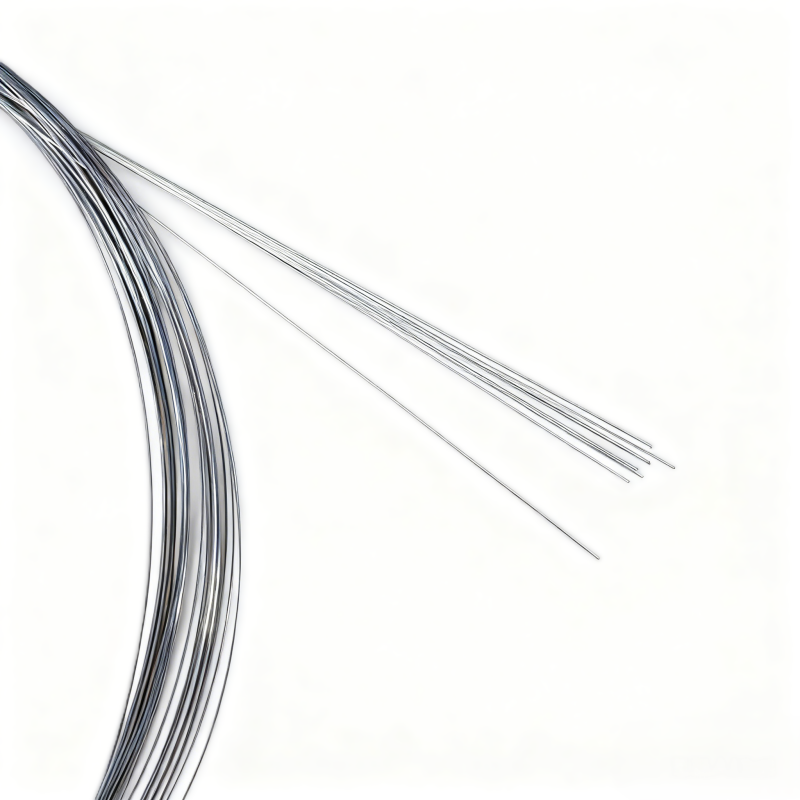
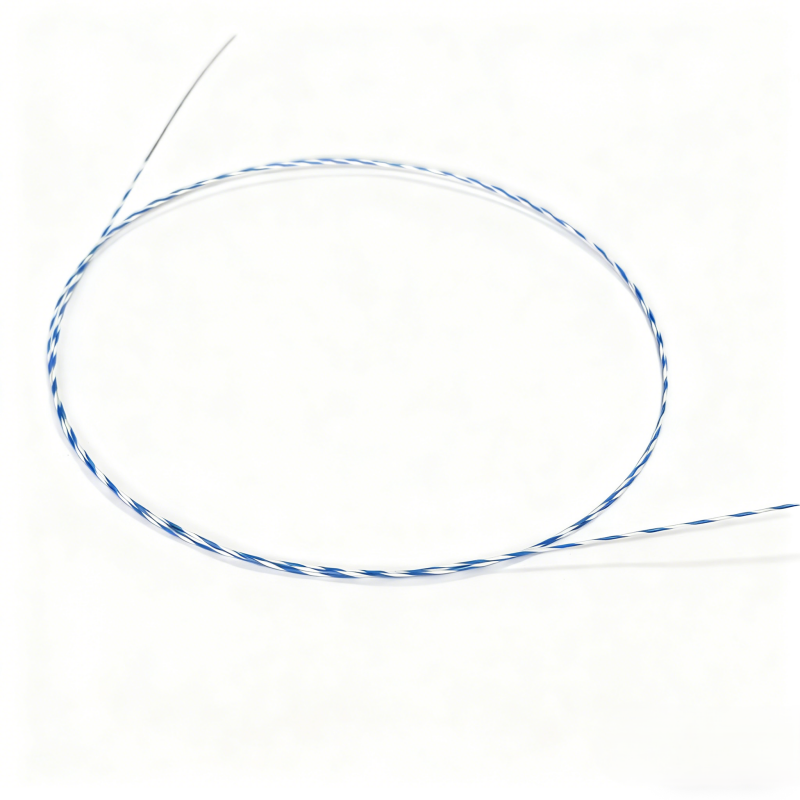
nitinol guide wire fabrication
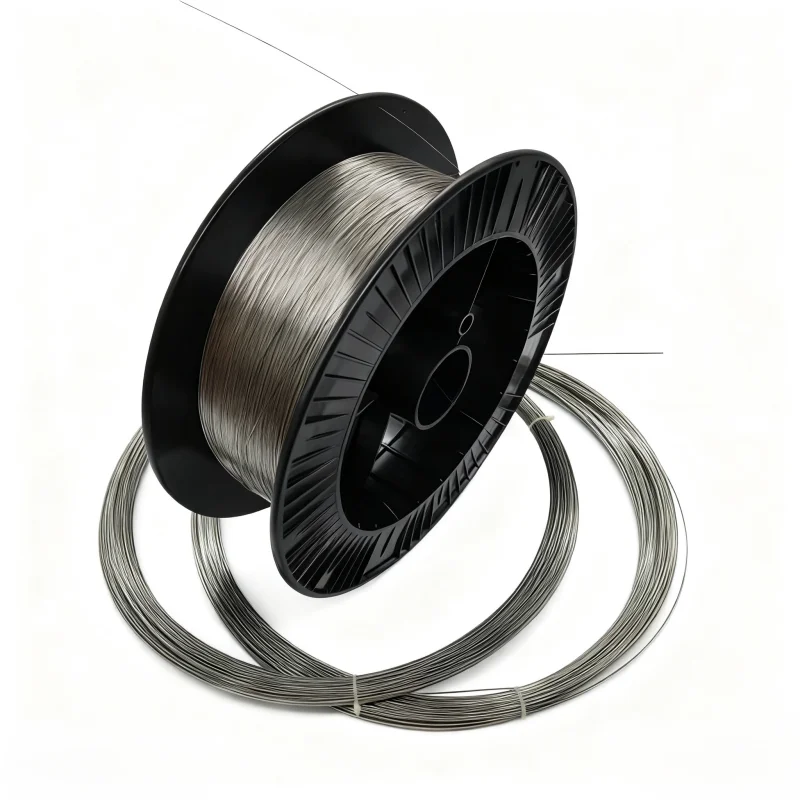
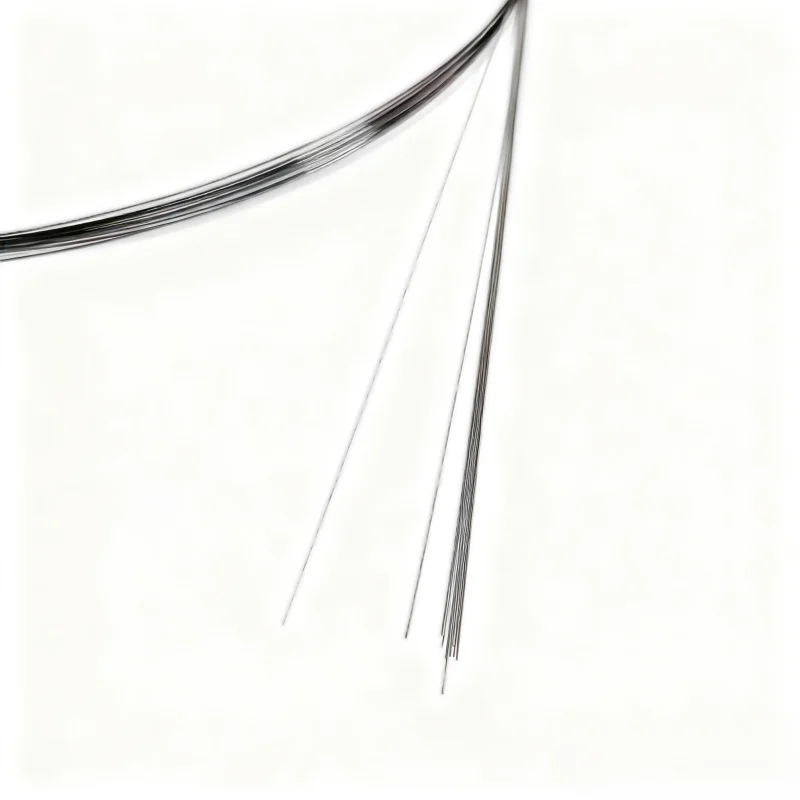
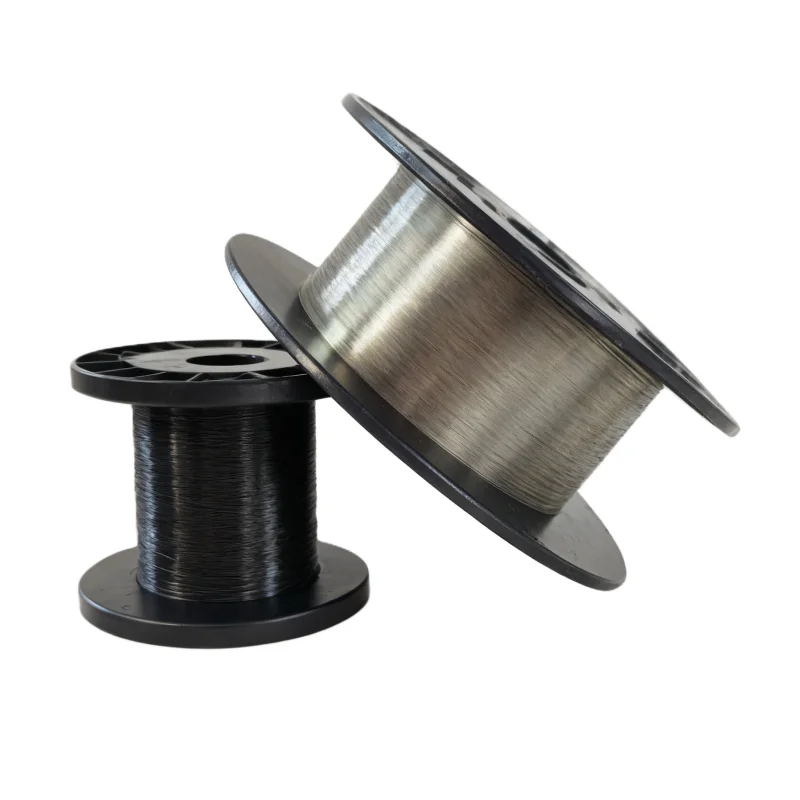
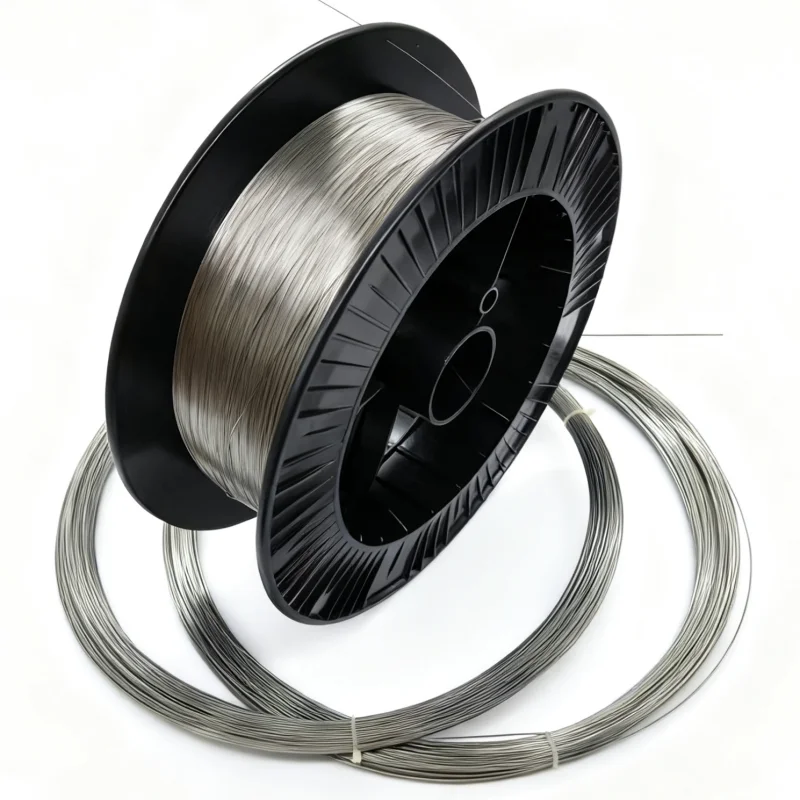
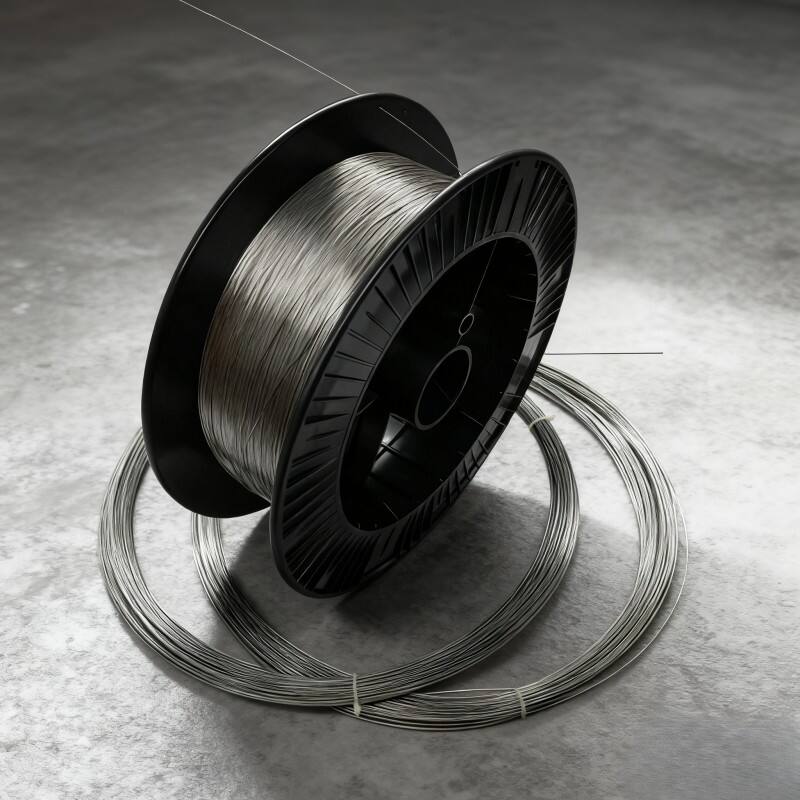
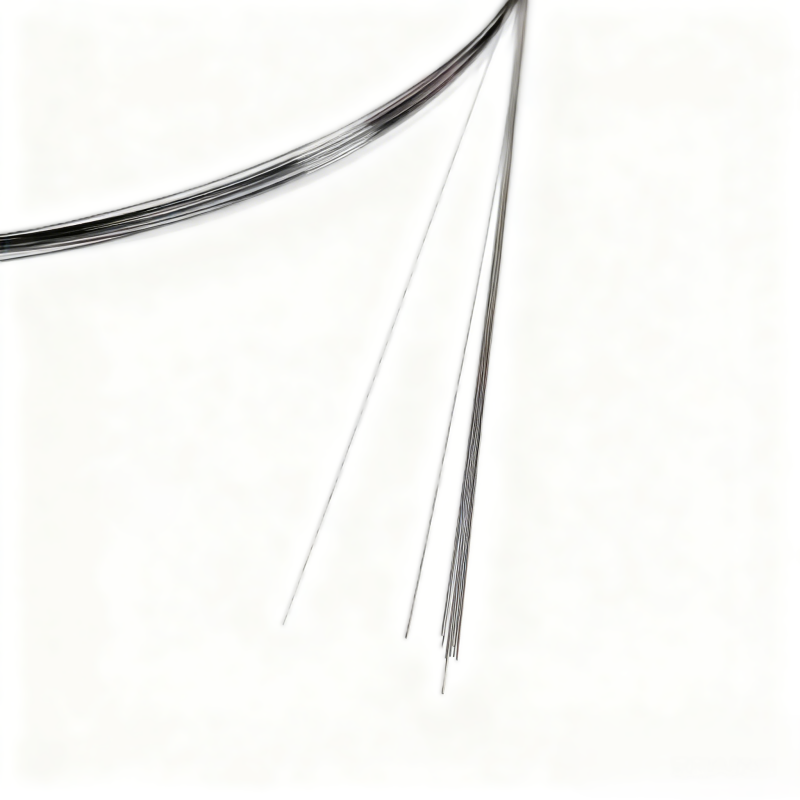
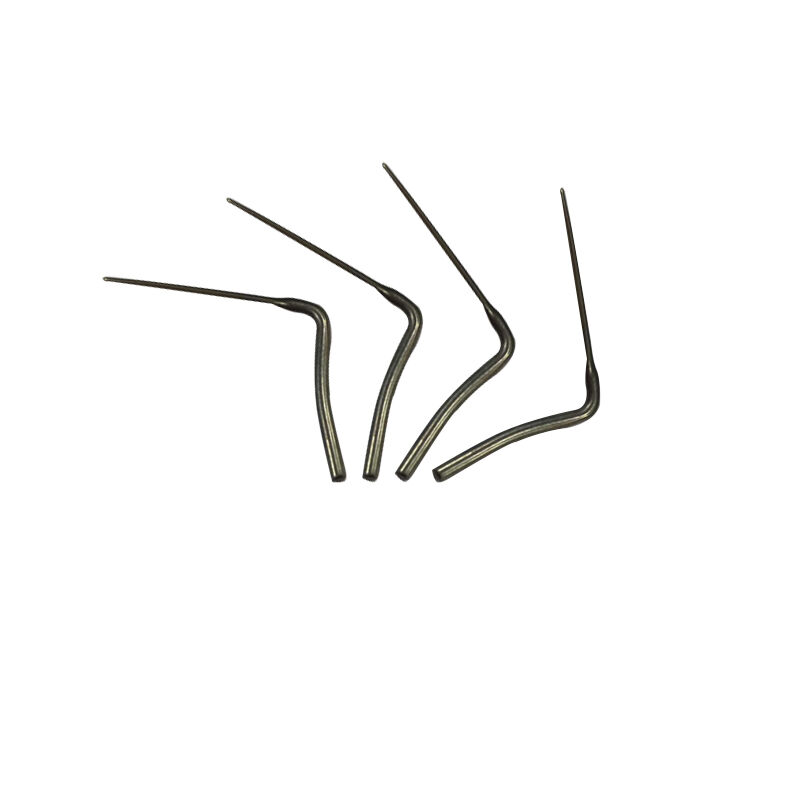
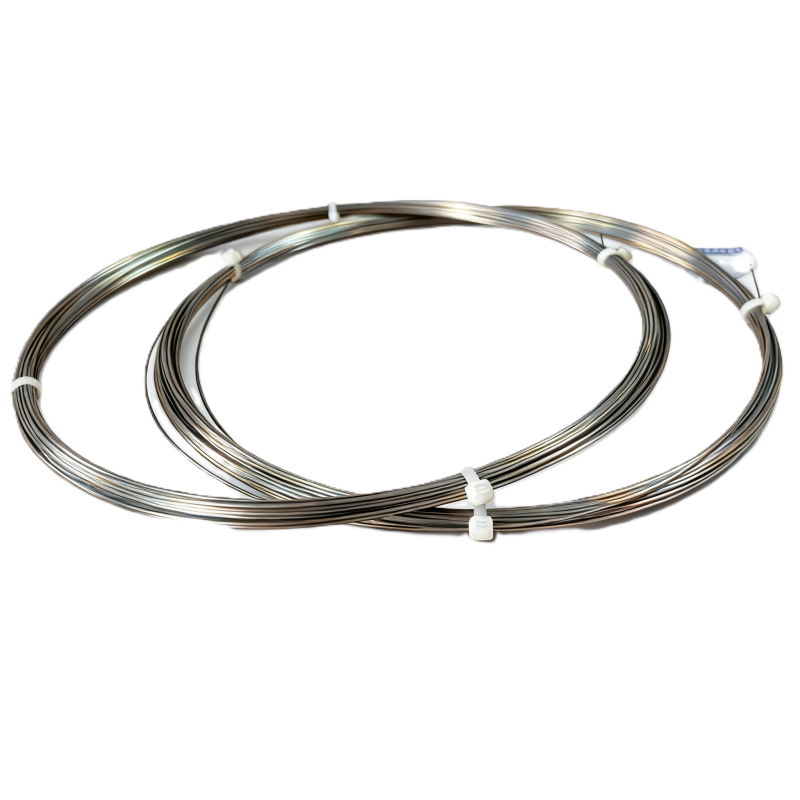
Nitinol guide wire fabrication is a highly specialized manufacturing process that produces flexible, shape-memory medical wires used to navigate complex anatomical pathways during minimally invasive procedures. Nitinol, an alloy composed of approximately 55 percent nickel and 45 percent titanium, exhibits two extraordinary properties: superelasticity and shape memory. These characteristics make it the material of choice for guide wires used in cardiovascular, neurovascular, urological, and gastrointestinal interventions. The fabrication process begins with precise alloy composition control, followed by cold drawing, heat treatment, and surface finishing stages that collectively define the wire's mechanical behavior and biocompatibility. During cold drawing, the wire is progressively reduced in diameter through a series of dies, refining its grain structure and enhancing tensile strength. Heat treatment cycles are then applied to set the austenite finish temperature, which determines at what body temperature the wire transitions from a flexible martensitic state to a stiffer austenitic state. This transition is critical for clinical performance, as it allows the wire to remain pliable during insertion and recover its preset shape once deployed inside the body. Surface treatments such as electropolishing, polymer coating, and hydrophilic coating application further improve corrosion resistance, reduce friction, and enhance trackability through tortuous vessels. Tight dimensional tolerances, often within a few micrometers, are maintained throughout nitinol guide wire fabrication to ensure consistent performance across every unit produced. Quality control protocols include tensile testing, fatigue cycling, kink resistance evaluation, and biocompatibility assessments in accordance with ISO 10993 standards. The result is a precision-engineered medical device component that enables physicians to access difficult anatomical locations with confidence, reducing procedural time and improving patient outcomes. As demand for minimally invasive surgery continues to grow globally, nitinol guide wire fabrication remains a cornerstone technology driving innovation in interventional medicine and next-generation catheter-based therapies.

 EN
EN