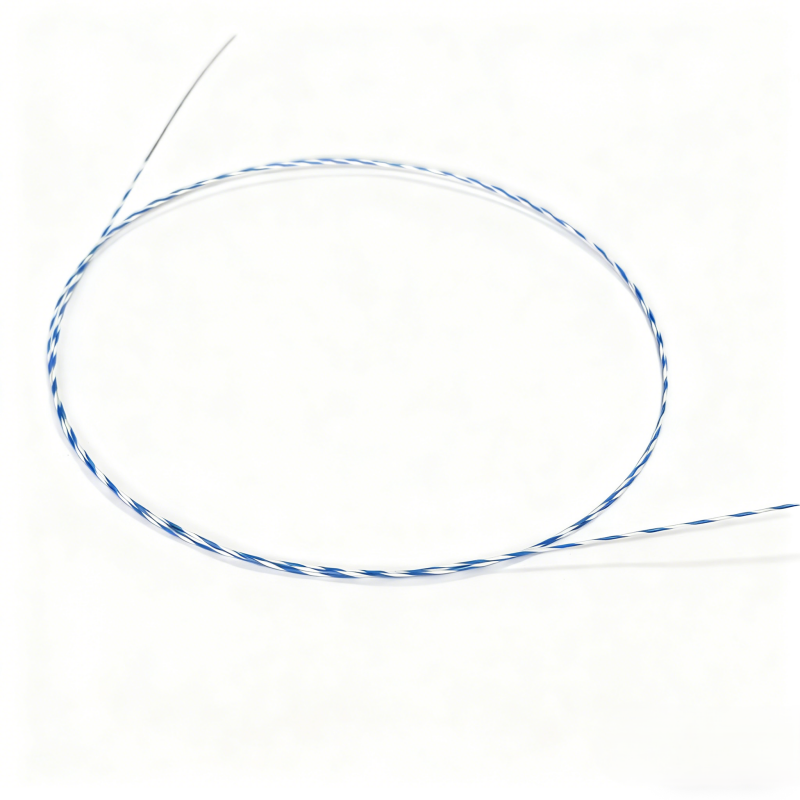
Economic Value and Supply Chain Reliability
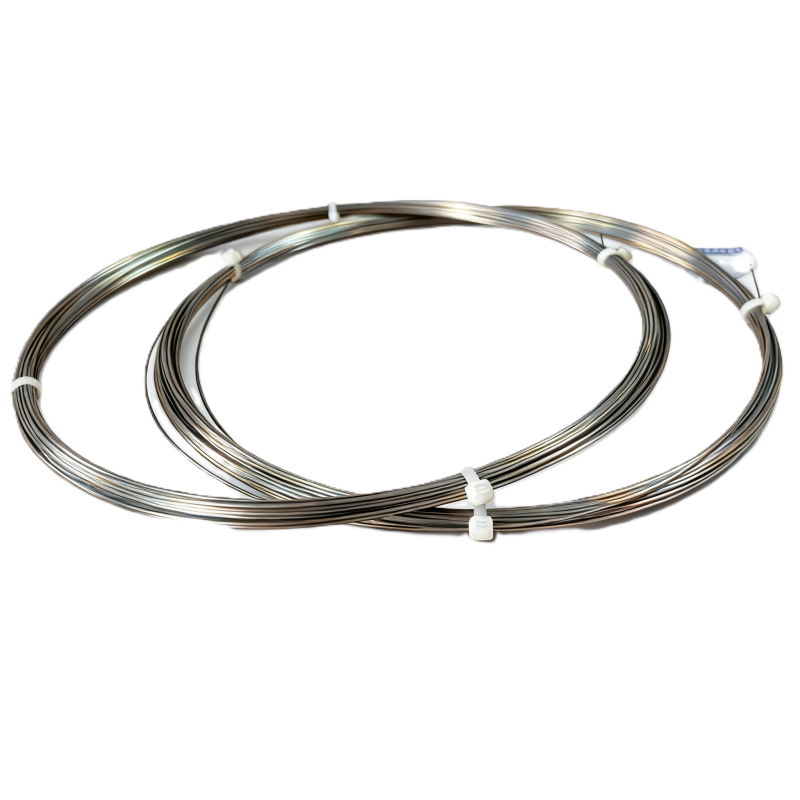
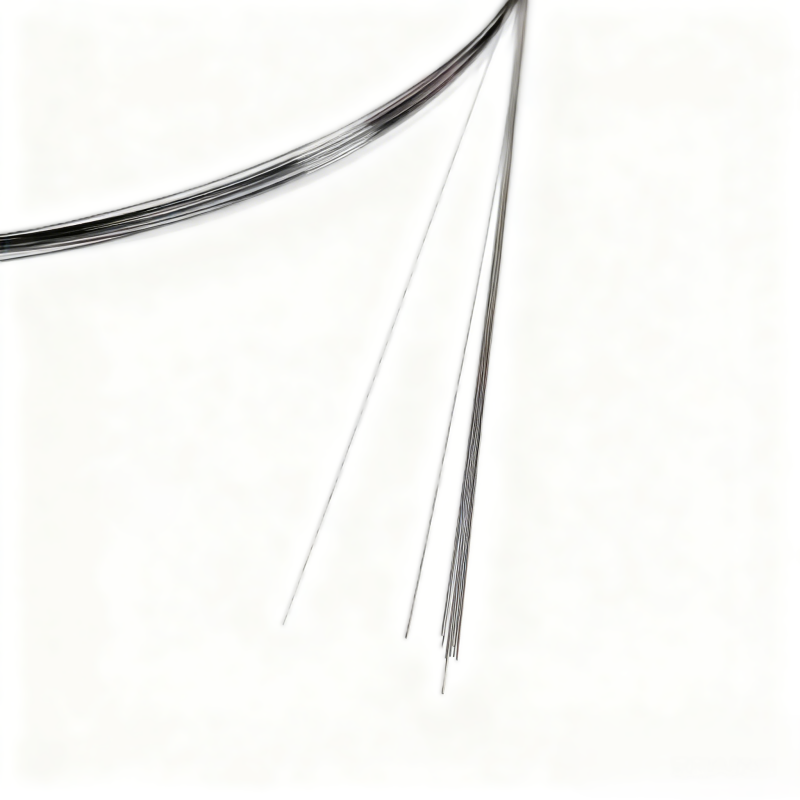
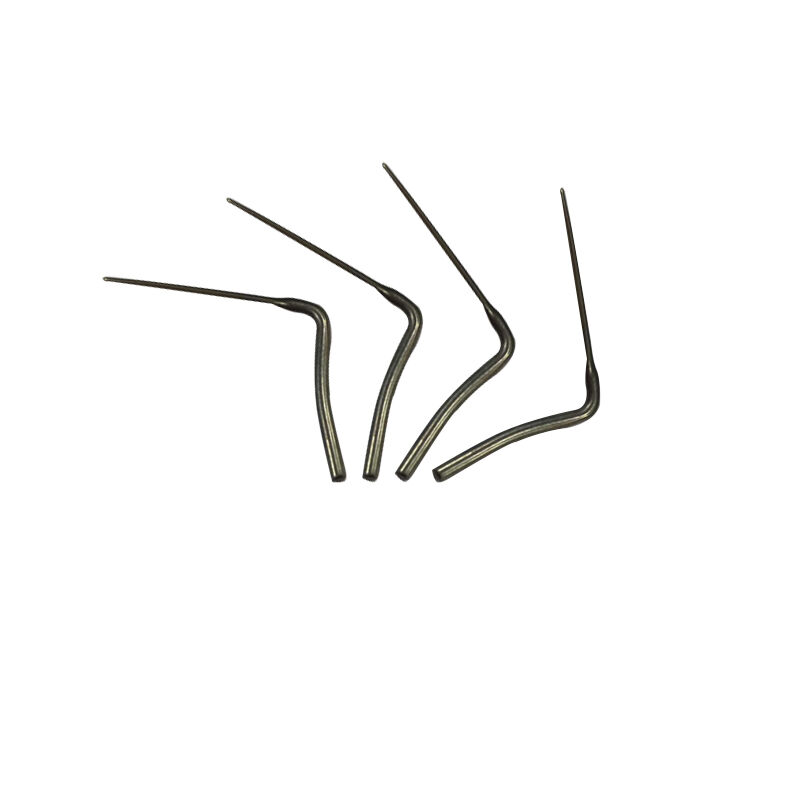
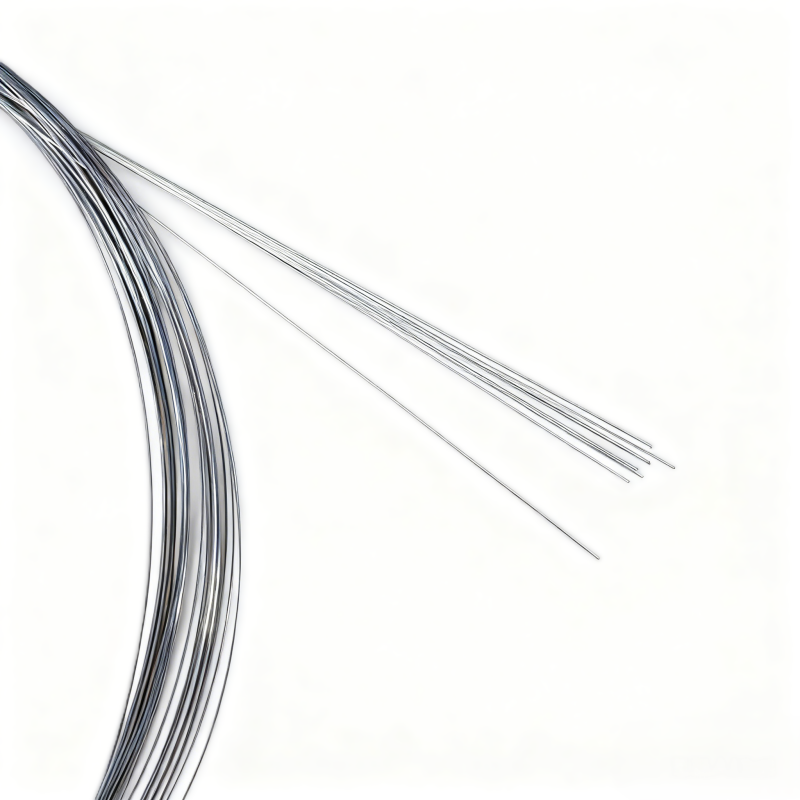
The chinese nitinol guide wire offers compelling economic advantages that resonate throughout healthcare systems, from individual practitioners to large hospital networks seeking to optimize their interventional device expenditures without sacrificing the quality standards necessary for patient safety and procedural success. The manufacturing cost structures in China, benefiting from economies of scale, established supply chains for raw materials, and efficient production facilities, enable suppliers to offer chinese nitinol guide wire products at price points that typically represent thirty to fifty percent savings compared to equivalent devices from North American or European manufacturers. These cost reductions translate directly to improved financial performance for healthcare facilities operating under increasingly stringent reimbursement models and budget constraints, allowing interventional programs to treat more patients within allocated resources or redirect savings toward other critical medical equipment and services. The reliability of Chinese supply chains has strengthened considerably as manufacturers have matured their operations, implementing inventory management systems, quality control checkpoints, and logistics partnerships that ensure consistent product availability and timely delivery to international markets. Many Chinese producers of nitinol guide wires have established regional distribution centers in key markets, reducing shipping times and providing local customer support that addresses technical questions, product selection guidance, and rapid replacement of defective units when quality issues arise. The regulatory compliance achievements of leading Chinese manufacturers, including CE marking for European markets, FDA 510(k) clearances for United States distribution, and various national registrations across Asia, Latin America, and Africa, demonstrate that chinese nitinol guide wire products meet internationally recognized safety and performance standards. The scalability of Chinese manufacturing capacity provides assurance that supply can expand to meet growing demand as interventional procedures become more prevalent globally, particularly in emerging markets where healthcare infrastructure development drives increasing adoption of minimally invasive treatment approaches. The willingness of Chinese suppliers to customize chinese nitinol guide wire specifications for specific customer requirements, including private labeling arrangements, unique dimensional parameters, and specialized coating formulations, creates flexibility that large purchasing organizations value when standardizing their interventional device portfolios. The total cost of ownership calculations for chinese nitinol guide wires become even more favorable when considering factors beyond initial purchase price, including reduced inventory carrying costs due to lower unit values, decreased procedural expenses resulting from reliable performance that minimizes device exchanges, and improved resource utilization when cost savings enable expansion of interventional service lines that generate positive clinical outcomes and institutional revenue streams.

 EN
EN