nitinol in orthodontics
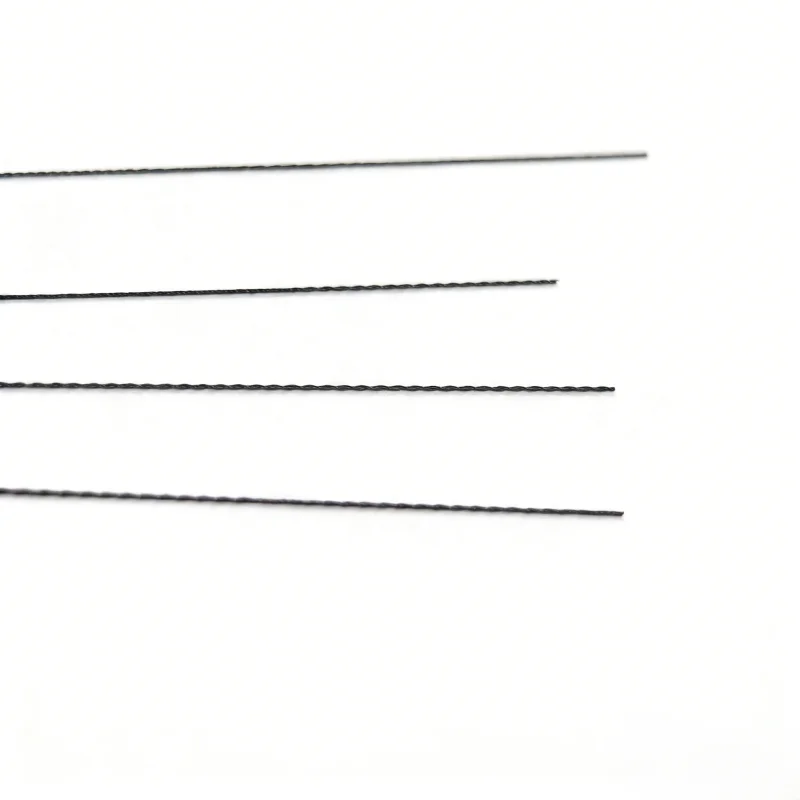
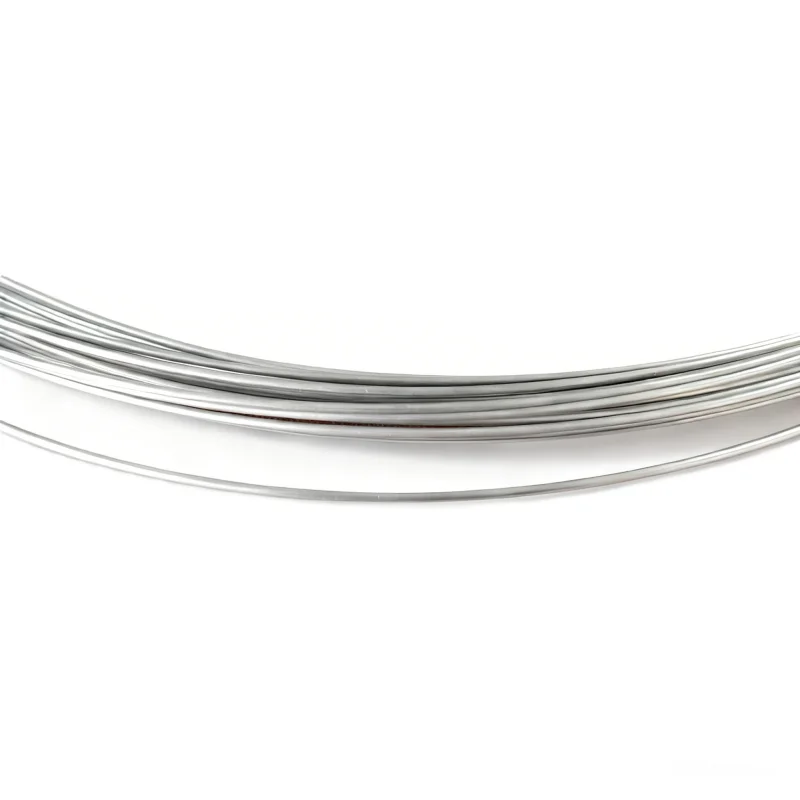
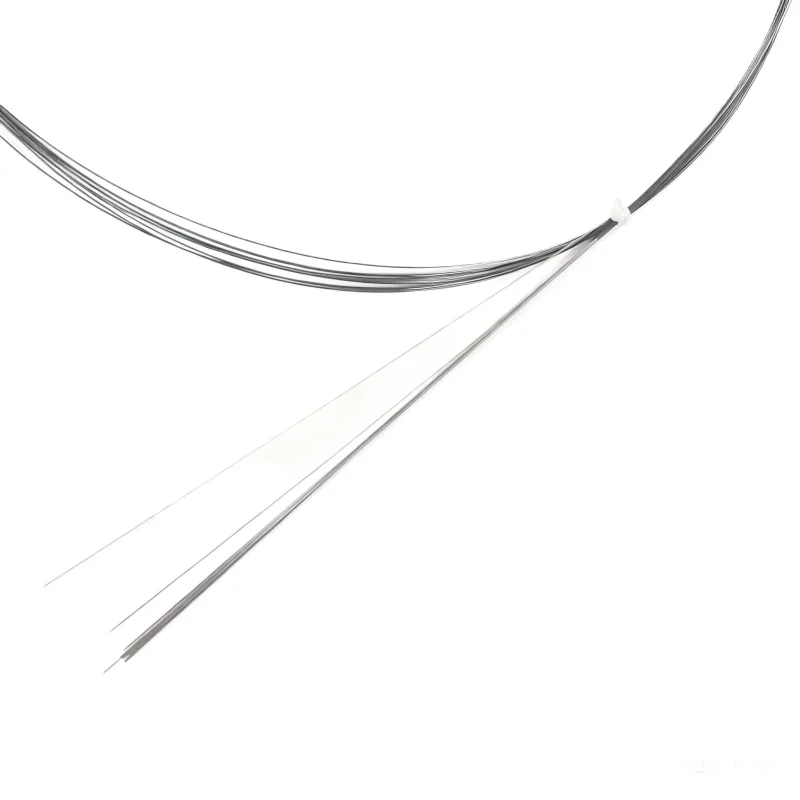
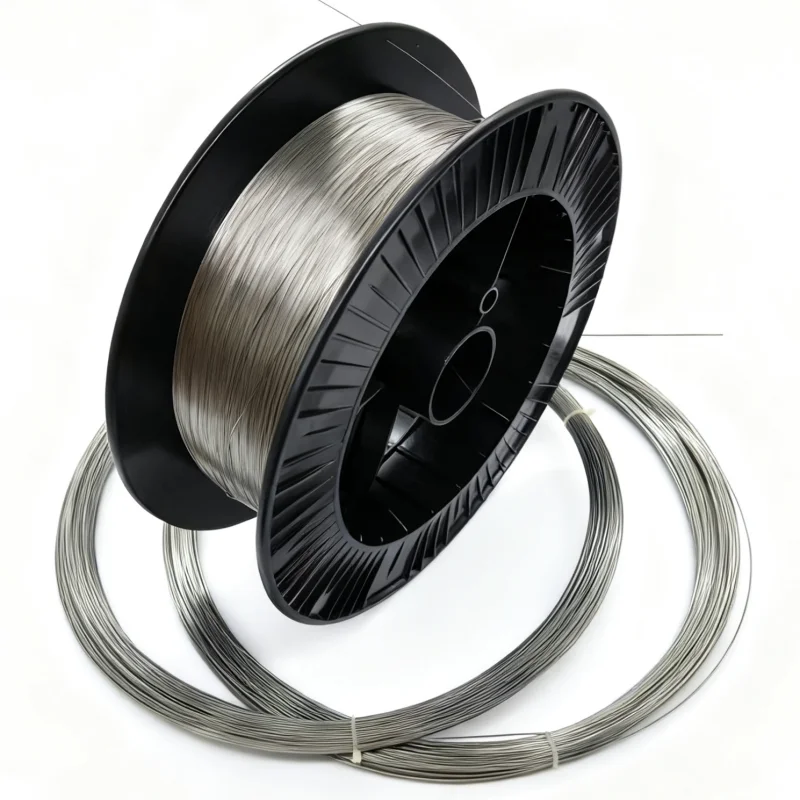
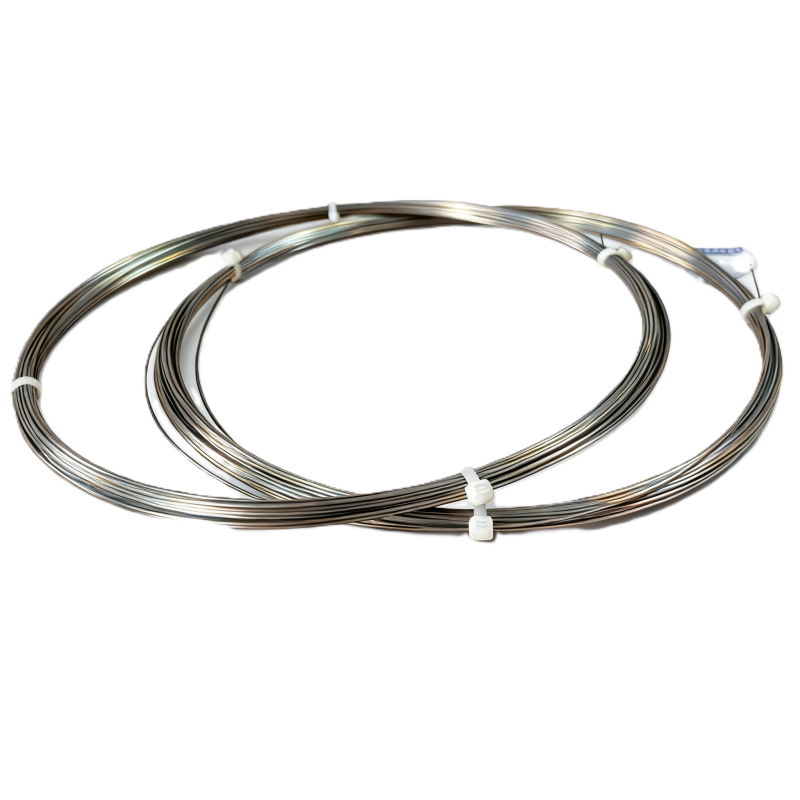
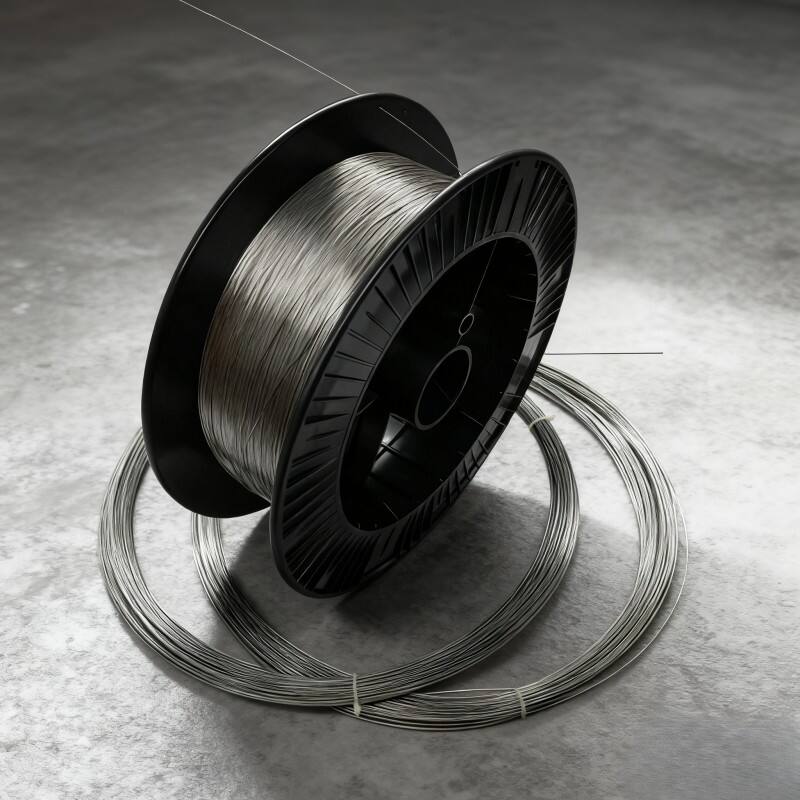
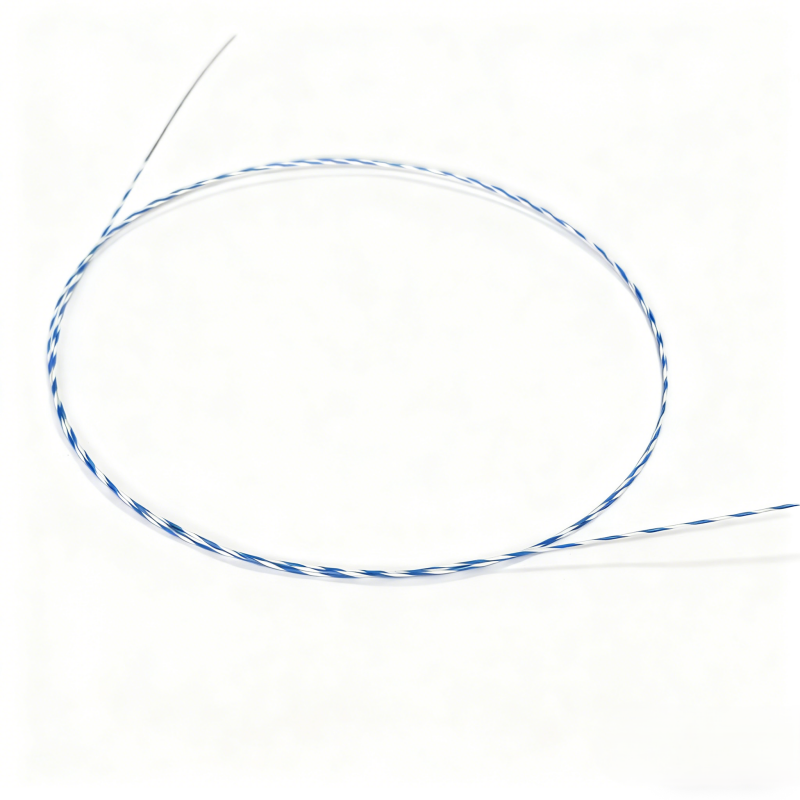
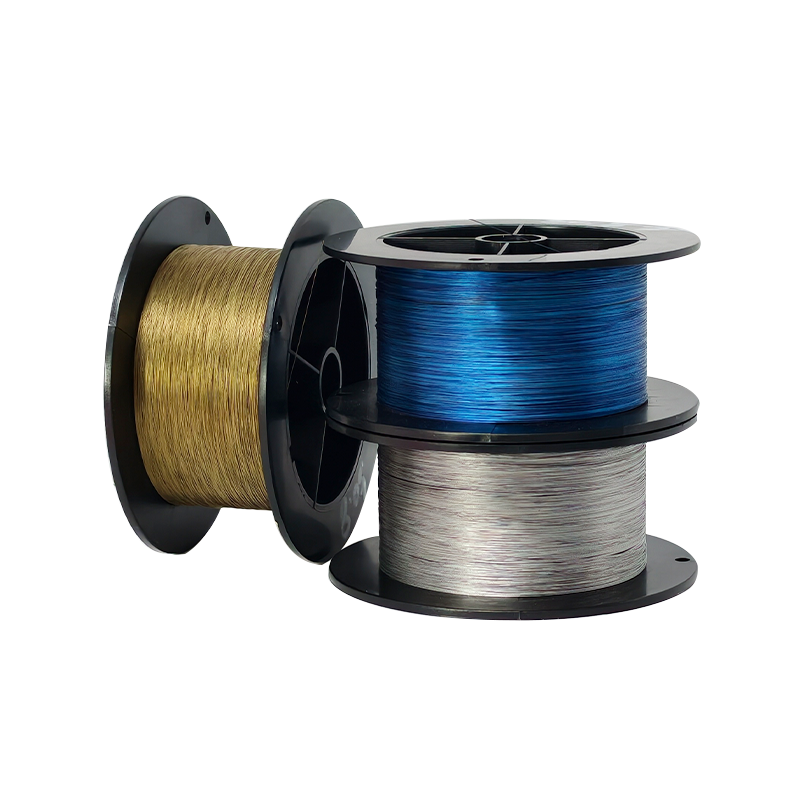
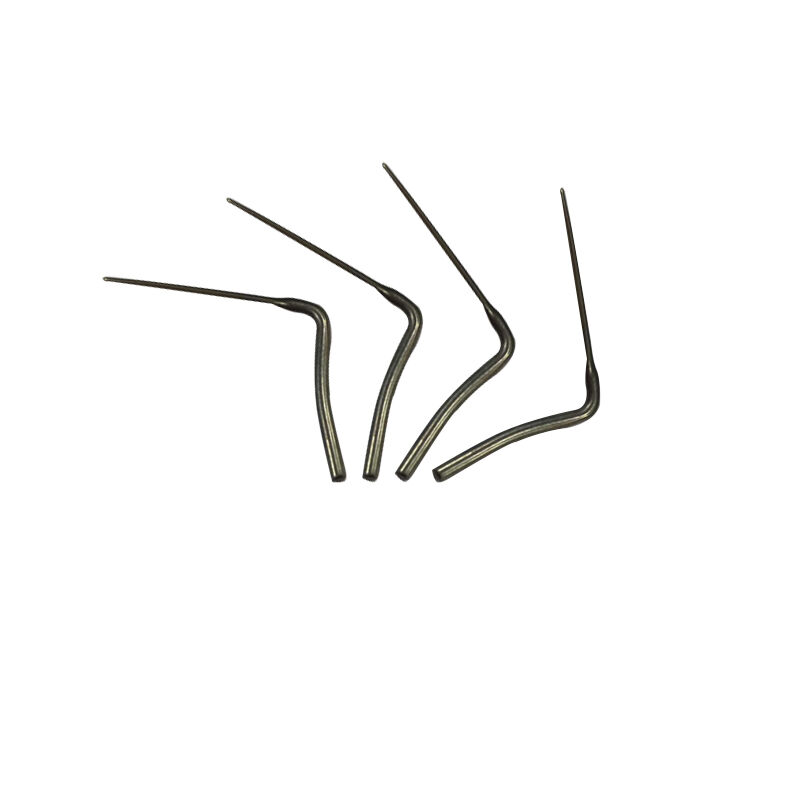
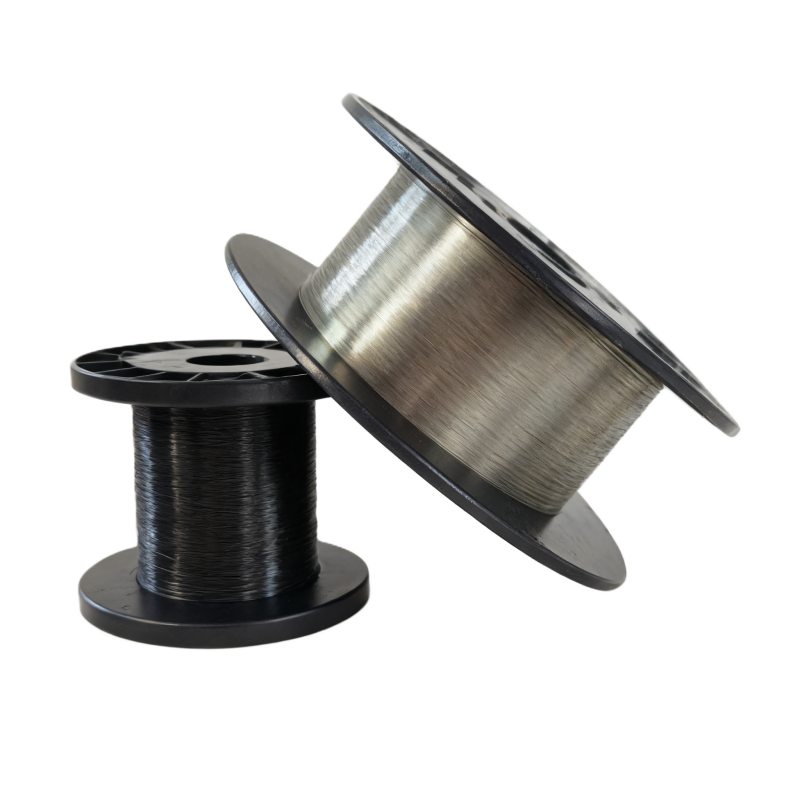
Nitinol in orthodontics represents a groundbreaking advancement in dental treatment materials that has transformed how orthodontists approach teeth alignment and bite correction. This remarkable nickel-titanium alloy possesses unique properties that make it exceptionally suited for orthodontic applications, offering significant improvements over traditional stainless steel wires. The primary functions of nitinol in orthodontics include providing consistent, gentle forces for tooth movement, maintaining shape memory capabilities that allow wires to return to their predetermined configurations, and delivering superelastic behavior that ensures continuous force application throughout treatment. Technologically, nitinol exhibits extraordinary characteristics such as shape memory effect, where the material remembers its original shape and returns to it when heated to body temperature, and superelasticity, which allows the wire to undergo significant deformation while maintaining constant force levels. These technological features enable orthodontists to achieve more predictable and efficient tooth movement patterns. The material demonstrates excellent biocompatibility, reducing the risk of allergic reactions and ensuring patient safety throughout extended treatment periods. In clinical applications, nitinol serves as the foundation for archwires used in various stages of orthodontic treatment, from initial alignment through final detailing phases. The alloy functions effectively in both fixed appliances and removable orthodontic devices, providing versatility across different treatment modalities. Orthodontists utilize nitinol in orthodontics for creating customized treatment plans that accommodate individual patient needs, including cases involving severe crowding, spacing issues, and complex malocclusions. The material's ability to deliver light, continuous forces makes it particularly valuable during early treatment stages when teeth are most responsive to gentle pressure. Furthermore, nitinol in orthodontics supports reduced appointment frequencies due to its sustained force delivery, improving treatment efficiency and patient convenience throughout the orthodontic journey.

 EN
EN