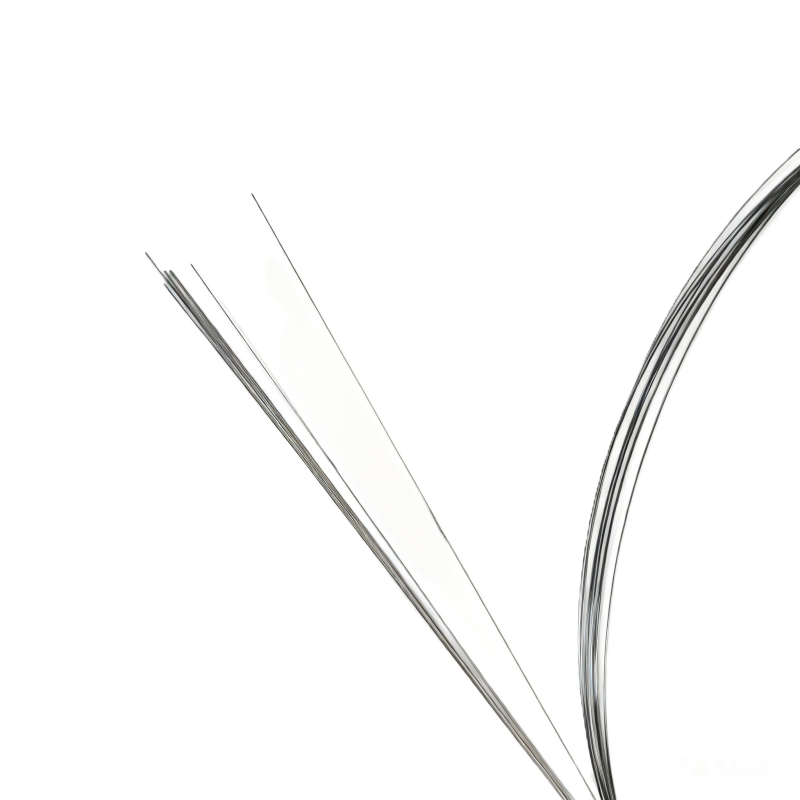
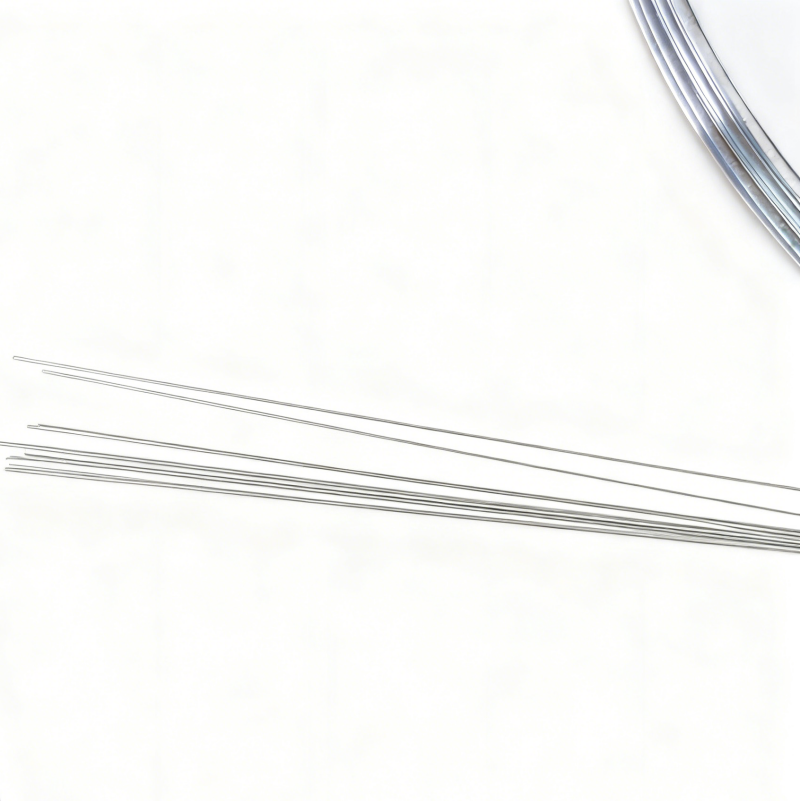
Enhanced Patient Comfort and Treatment Efficiency
The combination of material properties inherent in nitinol wire in orthodontics creates an unparalleled patient experience that addresses the primary concerns individuals express when considering orthodontic treatment: pain, inconvenience, and treatment duration. The low force delivery characteristic of this advanced material fundamentally changes how teeth respond to orthodontic movement, engaging biological processes that promote healthy bone remodeling without triggering excessive inflammatory responses. Patients consistently report significantly reduced discomfort during the initial days following wire placement or adjustment, as nitinol wire in orthodontics applies forces that remain within comfortable thresholds throughout the activation period. This comfort advantage proves particularly important for younger patients and individuals with low pain tolerance, making orthodontic treatment more accessible to populations that might otherwise avoid or discontinue care due to discomfort concerns. The continuous force application eliminates the decay pattern seen with conventional wires, where force levels start high and diminish rapidly, requiring frequent reactivation to maintain treatment progress. With nitinol wire in orthodontics, the superelastic plateau ensures relatively constant force delivery across extended activation periods, meaning teeth move steadily without the stop-and-start pattern that prolongs treatment timelines. Orthodontists can confidently schedule longer intervals between appointments, typically extending visit frequencies from four weeks to six or even eight weeks in appropriate cases, dramatically reducing the time commitment required from patients and families. This efficiency benefit carries substantial economic implications, as fewer appointments translate to reduced travel costs, less time away from work or school, and lower cumulative treatment expenses when considering the full course of care. The predictability of treatment outcomes improves markedly with nitinol wire in orthodontics, as the consistent material performance allows orthodontists to develop accurate treatment plans with reliable completion projections. Patients appreciate knowing realistic timelines and can plan accordingly for important life events, graduations, weddings, or professional milestones. The reduced wire breakage rate associated with nitinol wire in orthodontics minimizes unexpected emergencies that disrupt daily schedules and create stress for patients managing busy lives. The biocompatibility profile ensures minimal adverse reactions, with clinical studies documenting excellent tissue tolerance and rare instances of allergic responses or irritation. For comprehensive treatment cases involving multiple phases, nitinol wire in orthodontics streamlines progression through various stages, often consolidating steps that would require separate wires with traditional materials, further accelerating the path to treatment completion and final results that meet or exceed initial expectations.

 EN
EN