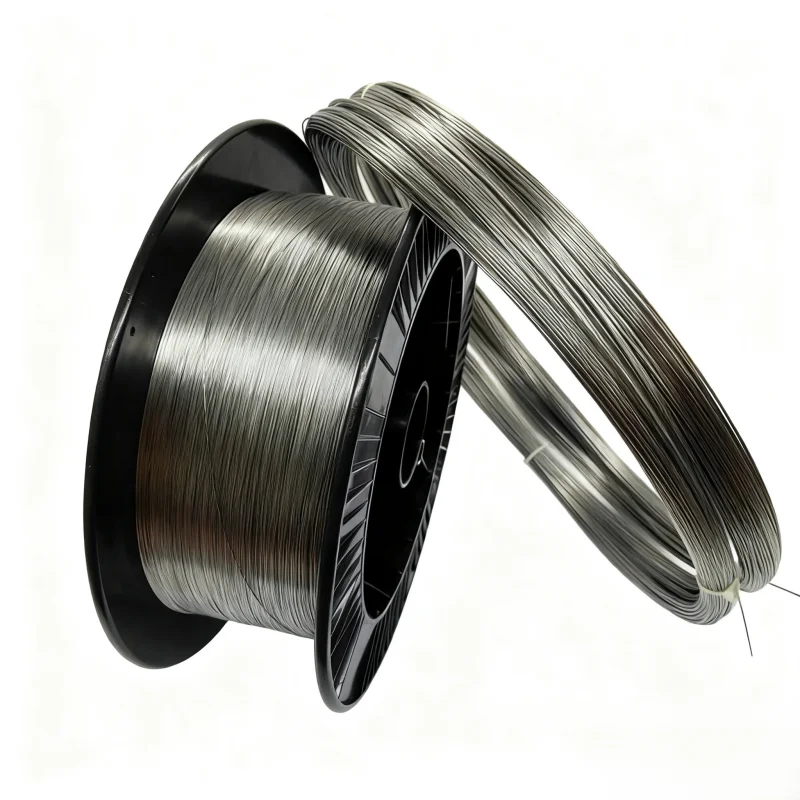
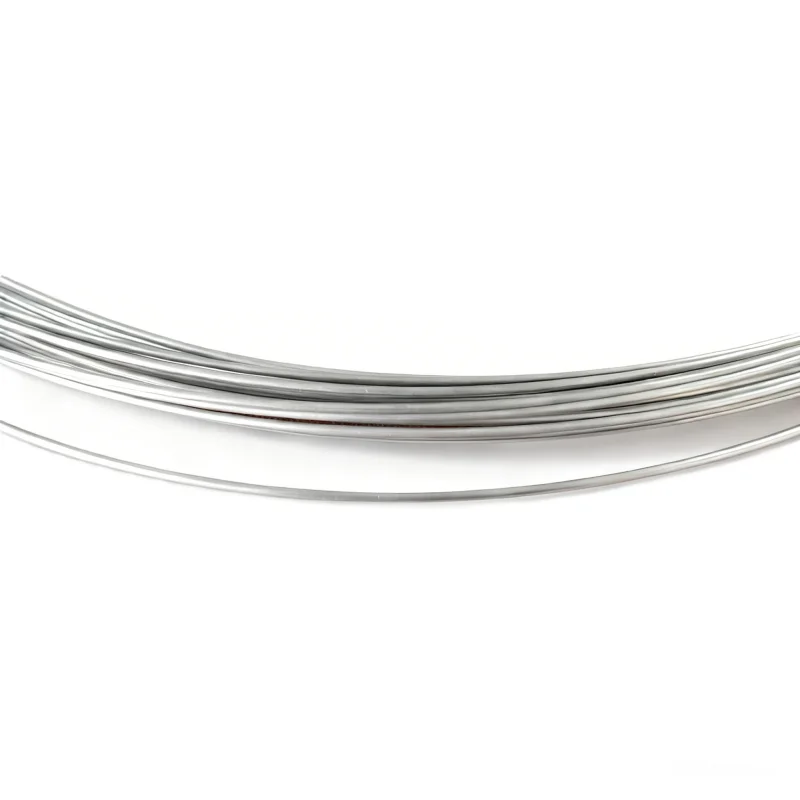
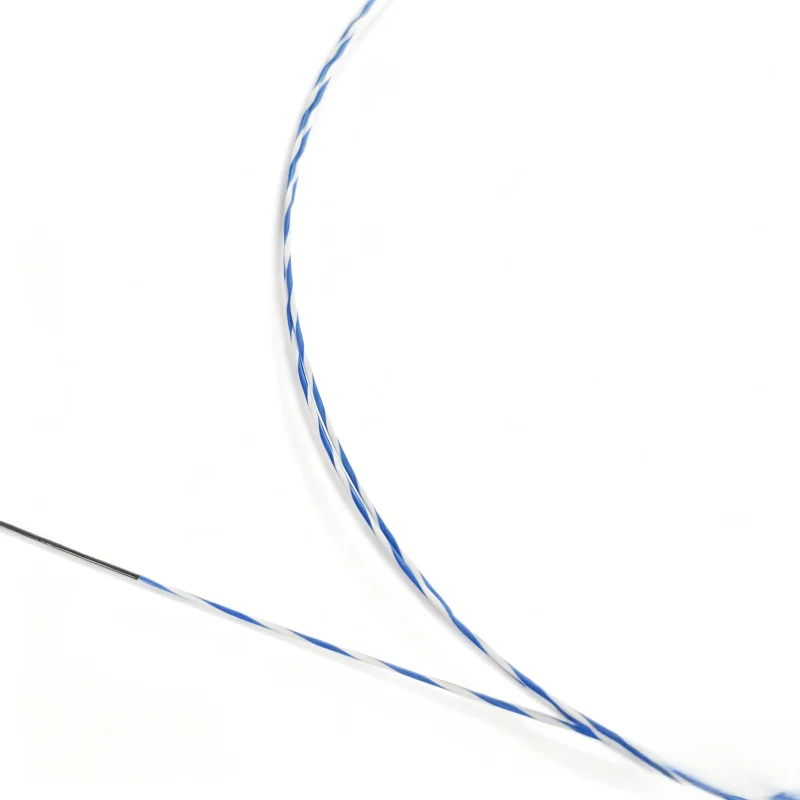
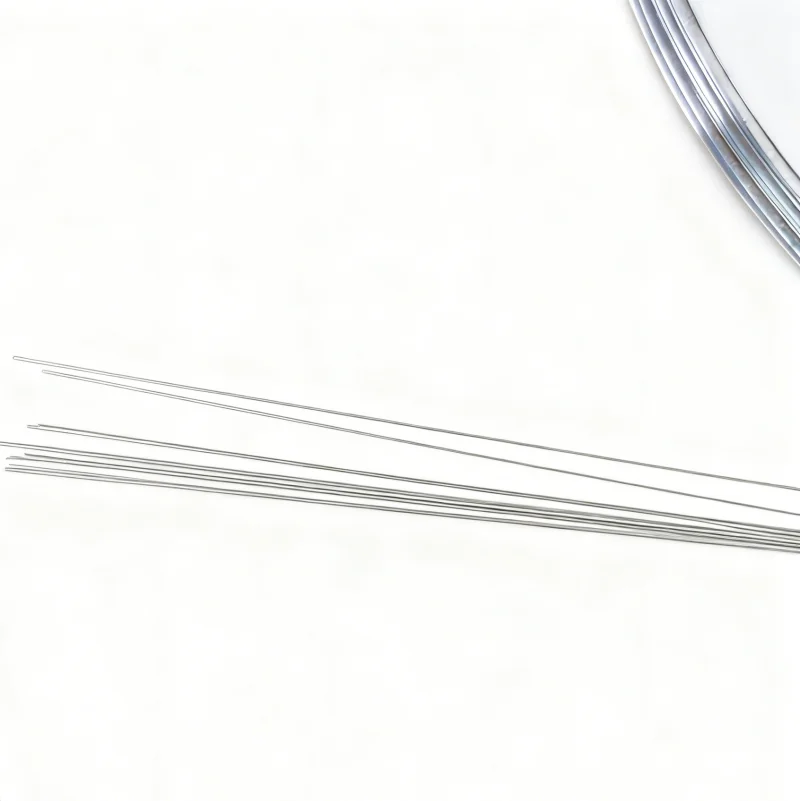
Niti Orthodontic Wires: Superelastic, Thermal & Versatile Solutions for Precise Alignment

Get a Free Quote

Our representative will contact you soon.
Email
Name
Company Name
Message
0/1000

niti orthodontic wires

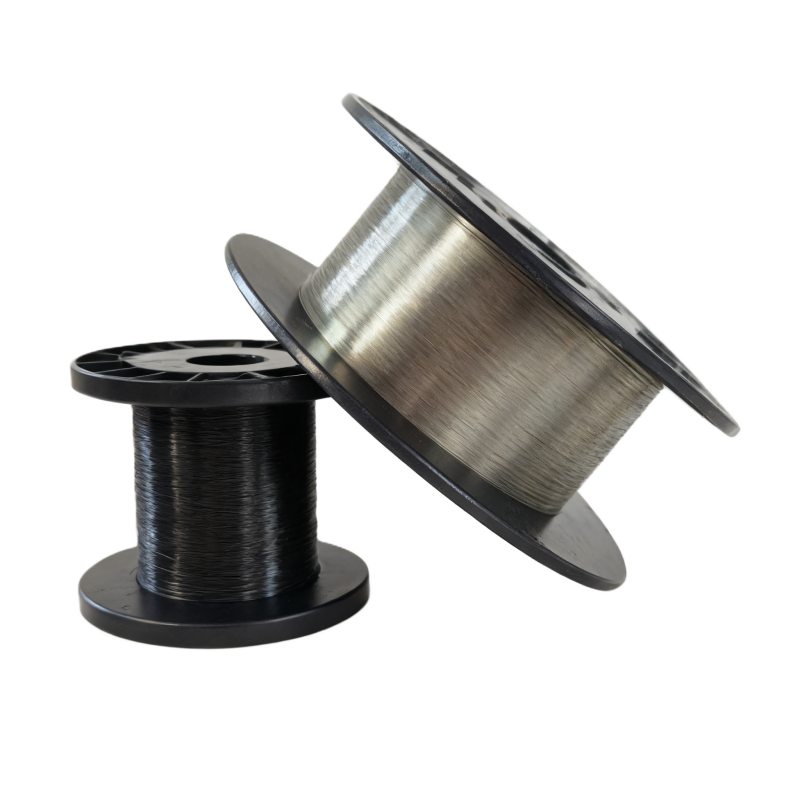
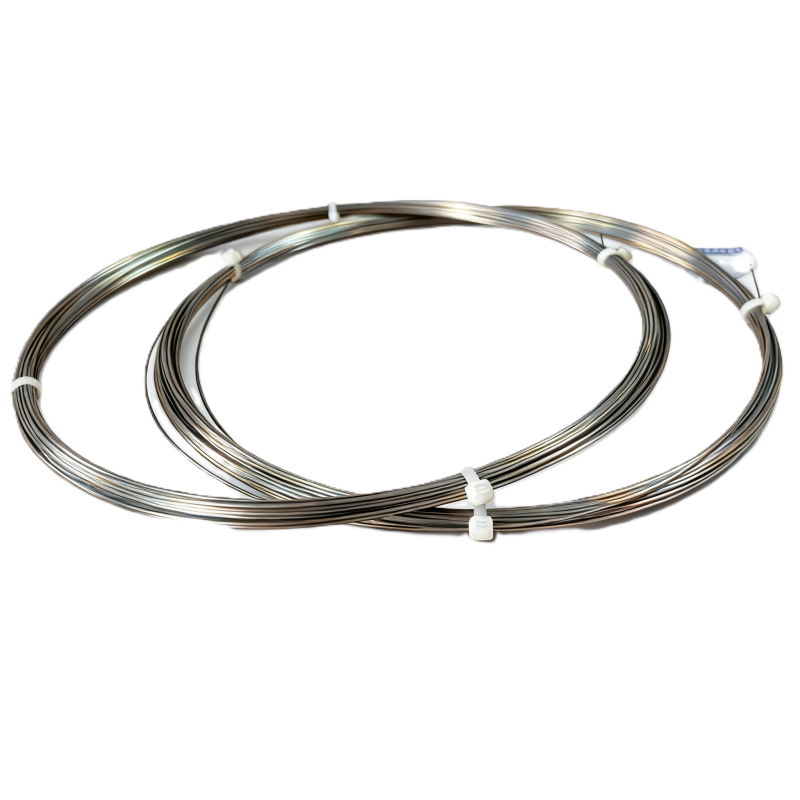
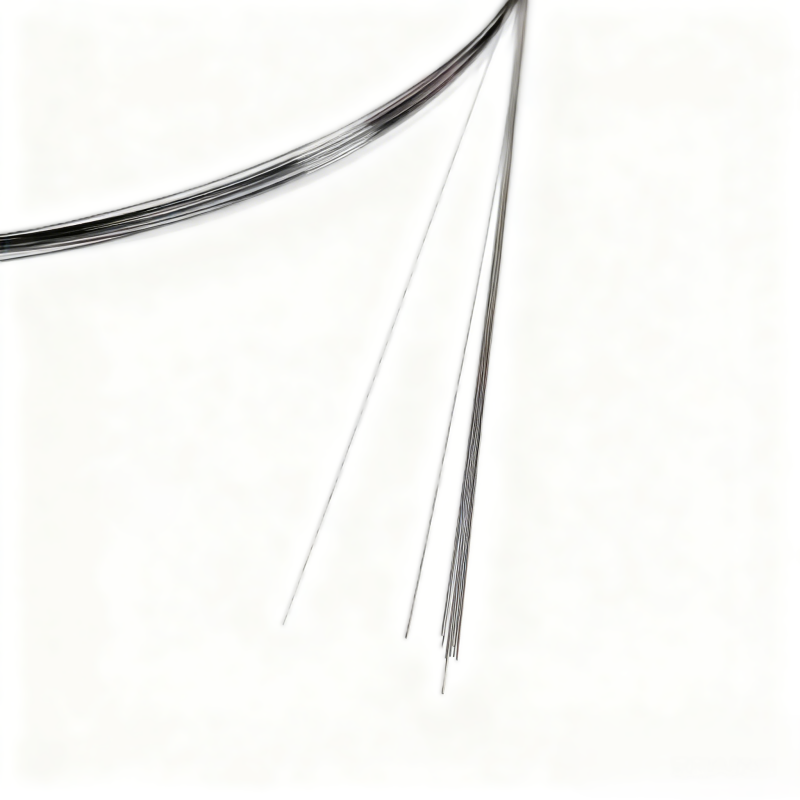
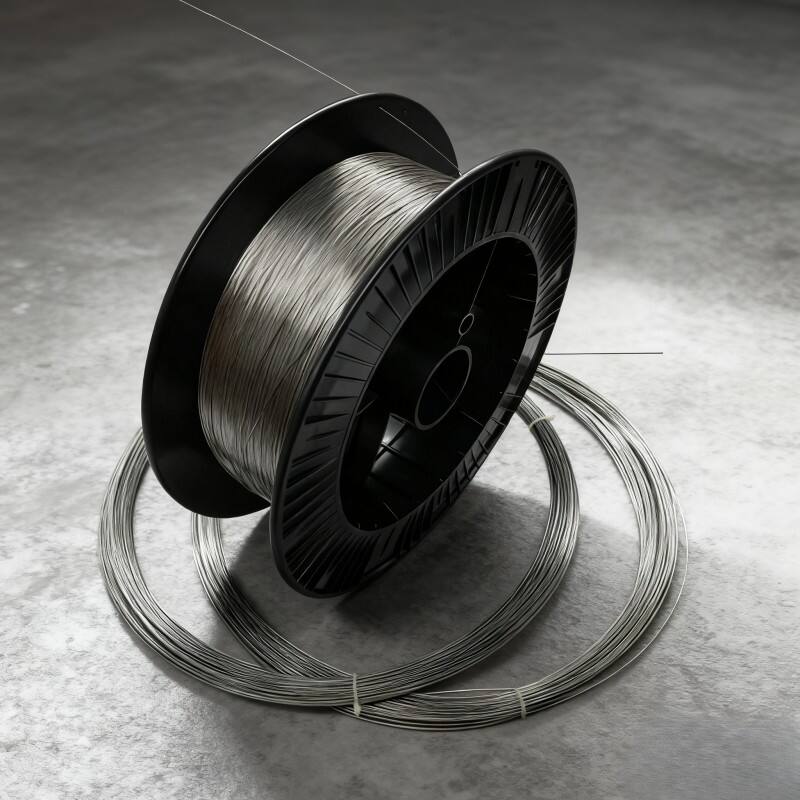
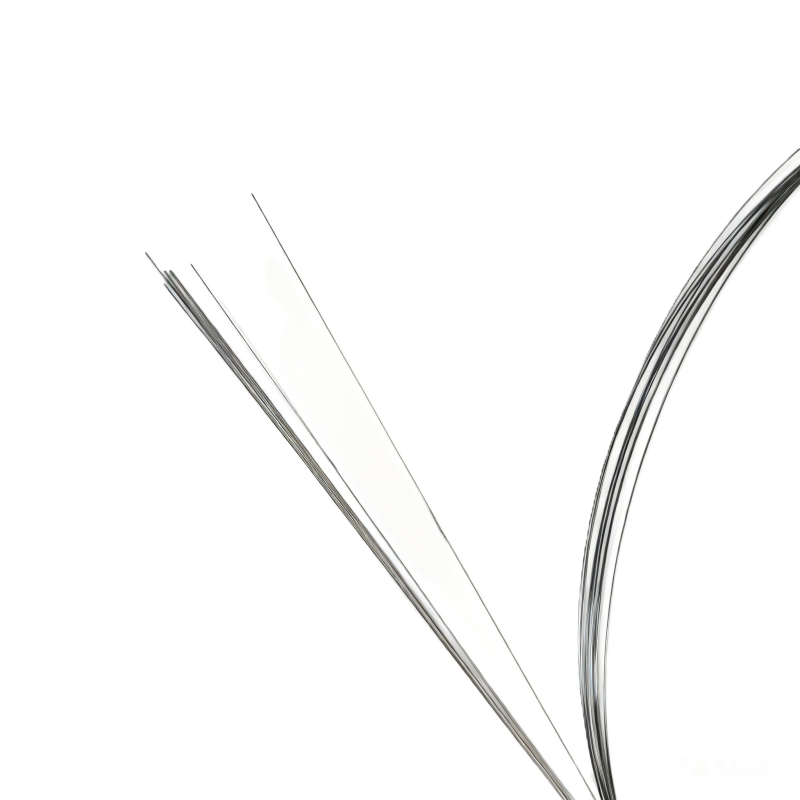
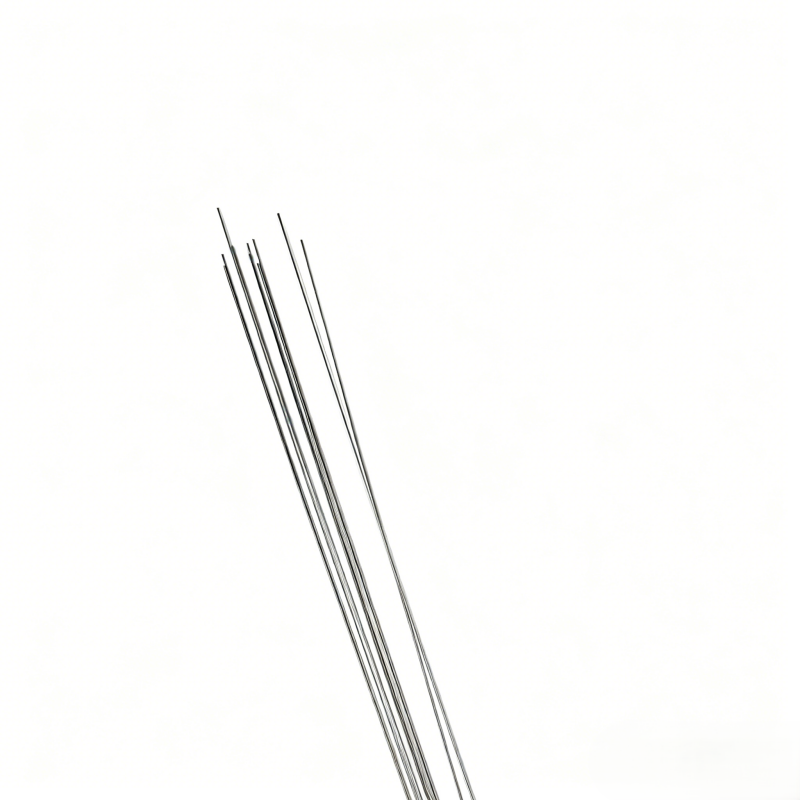
Niti orthodontic wires, made from nickel-titanium alloy, represent one of the most significant advancements in modern orthodontic treatment. These wires are engineered to deliver consistent, gentle forces across a wide range of tooth movements, making them a foundational tool in both traditional braces and clear aligner combination therapies. The core material, a nickel-titanium alloy originally developed for aerospace applications, brings a unique set of mechanical properties that set niti orthodontic wires apart from conventional stainless steel alternatives. At the heart of their performance is the shape memory effect and superelastic behavior. Shape memory allows the wire to return to its pre-programmed arch form even after significant deformation, while superelasticity enables the wire to exert a nearly constant force over a large range of deflection. This means that as teeth gradually shift, the wire continues to apply optimal pressure without requiring frequent adjustments or replacements. Clinically, niti orthodontic wires are used during the initial and early stages of orthodontic treatment, where the primary goal is alignment and leveling of the dental arch. Their ability to engage severely misaligned teeth without causing patient discomfort or tissue damage makes them the preferred starting wire for most orthodontists worldwide. The wires are available in a variety of cross-sectional shapes, including round and rectangular profiles, as well as different diameters and stiffness levels, allowing clinicians to customize treatment plans for each patient. Thermal niti orthodontic wires add another layer of sophistication by activating at body temperature, transitioning from a flexible state at room temperature to a stiffer, force-delivering state once placed in the mouth. This thermal activation feature simplifies wire placement and enhances patient comfort during the initial insertion phase. From a manufacturing standpoint, niti orthodontic wires undergo rigorous quality control processes to ensure dimensional accuracy, surface smoothness, and consistent mechanical performance. These standards are critical because even minor variations in wire properties can affect treatment outcomes. Overall, niti orthodontic wires combine advanced material science with practical clinical utility, offering orthodontists a reliable, efficient, and patient-friendly solution for achieving precise tooth alignment.


New Product Recommendations

Niti orthodontic wires offer a range of practical benefits that make them a smart choice for both orthodontists and patients. Understanding these advantages helps explain why they have become the standard starting point in most orthodontic treatment plans around the world. First, niti orthodontic wires apply gentle, continuous force to teeth. Unlike stiffer wires that deliver sharp, intermittent pressure, niti orthodontic wires maintain a steady, low-level force throughout the treatment cycle. This steady pressure moves teeth more efficiently and with less discomfort, which means patients experience fewer painful adjustment appointments and can go about their daily lives with greater ease. Second, niti orthodontic wires are highly flexible. They can be bent, twisted, and deflected significantly without permanently deforming. This flexibility is especially valuable at the start of treatment when teeth are most misaligned. A stiffer wire would struggle to engage severely crooked teeth, but niti orthodontic wires slide into brackets easily, even when the arch is far from its ideal shape. This saves chair time and reduces the physical effort required during appointments. Third, the shape memory property of niti orthodontic wires means the wire always tries to return to its original arch form. This built-in drive toward the ideal arch shape is what moves teeth into alignment. Orthodontists do not need to manually bend or adjust the wire repeatedly because the wire itself does the work, consistently guiding teeth toward the correct position over time. Fourth, thermal niti orthodontic wires activate with body heat. At room temperature, these wires are soft and easy to insert into brackets. Once placed in the mouth, body temperature triggers the wire to stiffen and begin delivering its corrective force. This makes the insertion process faster and more comfortable for patients, particularly those with sensitive teeth or significant crowding. Fifth, niti orthodontic wires reduce the number of required appointments. Because the wire delivers consistent force over a longer period without losing its effectiveness, patients do not need to visit the clinic as frequently for wire changes. This is a significant practical benefit for busy patients and helps orthodontic practices manage their schedules more efficiently. Sixth, niti orthodontic wires are biocompatible. The nickel-titanium alloy used in their construction is well-tolerated by oral tissues, reducing the risk of allergic reactions or irritation. This makes them suitable for a wide range of patients, including those with sensitivities to other metals. Seventh, niti orthodontic wires are available in a wide variety of sizes and configurations. Whether a clinician needs a thin round wire for initial alignment or a thicker rectangular wire for torque control, there is a niti orthodontic wire option to match the specific stage and goal of treatment. This versatility means orthodontists can rely on niti orthodontic wires throughout multiple phases of a treatment plan, streamlining their inventory and simplifying clinical decision-making. In summary, niti orthodontic wires deliver consistent results, improve patient comfort, reduce treatment time, and give orthodontists the flexibility they need to handle a wide range of clinical situations effectively.

Tips And Tricks

Why is high-stability Nitinol the first choice for equipment in extreme conditions?

12

May

Why is high-stability Nitinol the first choice for equipment in extreme conditions?

When equipment must perform reliably under mechanical stress, thermal cycling, and repeated deformation, material selection becomes a critical engineering decision. Nitinol, the nickel-titanium shape memory alloy, has earned a dominant position in de...
View More
Why do full-chain manufacturers provide a more stable supply of SMA wire?

14

May

Why do full-chain manufacturers provide a more stable supply of SMA wire?

In industrial and medical procurement, supply chain reliability is not a luxury — it is a fundamental requirement. When sourcing SMA wire, the type of manufacturer you partner with has a direct and measurable impact on delivery consistency, material ...
View More
How to ensure dimensional tolerances for precision Nitinol metal parts?

18

May

How to ensure dimensional tolerances for precision Nitinol metal parts?

Achieving tight dimensional tolerances in Nitinol metal components is one of the most demanding challenges in precision manufacturing. Unlike conventional metals, Nitinol — a nickel-titanium shape memory alloy — exhibits superelastic recovery and pha...
View More
Why is a brand with a 5,000m² factory more professional in Nitinol customization?

22

May

Why is a brand with a 5,000m² factory more professional in Nitinol customization?

When sourcing advanced shape memory alloys for medical devices, aerospace components, or industrial actuators, the manufacturing environment behind a supplier tells you far more than a product catalog ever could. Nitinol customization is a precision-...
View More

Get a Free Quote

Our representative will contact you soon.
Email
Name
Company Name
Message
0/1000

niti orthodontic wires

Superelastic Performance for Consistent Tooth Movement

Superelastic Performance for Consistent Tooth Movement

One of the most important features of niti orthodontic wires is their superelastic behavior, and understanding this property helps explain why these wires produce such reliable clinical results. Superelasticity refers to the ability of a material to undergo large elastic deformations and then return to its original shape without permanent distortion. In the context of orthodontic treatment, this means that niti orthodontic wires can be deflected significantly when engaging misaligned teeth and will still exert a consistent, controlled force as they attempt to return to their programmed arch form. Traditional stainless steel wires follow a linear force-deflection relationship, meaning the force they deliver drops off quickly as the wire straightens. This creates a situation where the wire is either too forceful at the start or too weak to be effective as teeth begin to move. Niti orthodontic wires solve this problem by maintaining a plateau of force delivery across a wide range of deflection. This plateau behavior is what clinicians refer to when they describe the wire as delivering a constant force, and it is the key reason why niti orthodontic wires produce smoother, more predictable tooth movement compared to conventional alternatives. From a patient perspective, superelastic niti orthodontic wires translate directly into a more comfortable treatment experience. Because the force delivered is gentle and consistent rather than sharp and variable, patients report less soreness after adjustment appointments. This is particularly meaningful during the early stages of treatment when teeth are most sensitive and the degree of wire deflection is greatest. The reduced discomfort encourages better patient compliance, as individuals are more likely to maintain their treatment schedule when appointments are not associated with significant pain. From a clinical efficiency standpoint, the superelastic properties of niti orthodontic wires mean that orthodontists can achieve meaningful tooth movement with fewer wire changes. The wire continues to work effectively over a longer period, reducing the frequency of appointments and the overall cost of treatment for patients. For orthodontic practices, this efficiency translates into better use of chair time and the ability to serve more patients without compromising the quality of care. The superelastic performance of niti orthodontic wires also supports treatment in complex cases involving severe crowding or significant arch discrepancies. In these situations, the wire's ability to engage difficult bracket positions without losing its corrective force is invaluable. Orthodontists can confidently begin treatment knowing that the wire will adapt to the current state of the arch while continuously working to improve it. This combination of adaptability and consistent force delivery makes superelastic niti orthodontic wires an essential tool in modern orthodontic practice.
Thermal Activation for Enhanced Patient Comfort and Clinical Convenience

Thermal Activation for Enhanced Patient Comfort and Clinical Convenience

Thermal niti orthodontic wires represent a significant refinement of standard superelastic wire technology, and their unique activation mechanism offers meaningful benefits for both patients and clinicians. These wires are engineered to change their mechanical properties in response to temperature, specifically the transition between room temperature and oral body temperature. At room temperature, thermal niti orthodontic wires are in a martensitic phase, which makes them soft, flexible, and easy to manipulate. This low-stiffness state allows the clinician to insert the wire into brackets with minimal force, even when the dental arch is severely misaligned. Once the wire is seated in the mouth and exposed to body temperature, it undergoes a phase transformation into the austenitic state, becoming stiffer and beginning to deliver its corrective force. This temperature-driven activation is what makes thermal niti orthodontic wires particularly valuable in clinical practice. The insertion process is dramatically simplified because the wire does not resist placement the way a room-temperature-active superelastic wire might. For patients with significant crowding or rotations, this means the initial wire can be placed without the discomfort and difficulty that sometimes accompanies the start of treatment. Clinicians appreciate the reduced chair time and the ability to engage even the most challenging bracket positions without resorting to tie-backs or other workarounds. Patient comfort is another major advantage of thermal niti orthodontic wires. Because the wire is soft during insertion, patients do not experience the immediate pressure and soreness that can occur when a stiffer wire is placed. The gradual activation as the wire warms to body temperature means the onset of corrective force is smooth and progressive rather than sudden. This gentler introduction to treatment force is especially appreciated by younger patients and those who are particularly sensitive to discomfort. The clinical versatility of thermal niti orthodontic wires extends to their use in a range of treatment scenarios. They are particularly effective in the early leveling and alignment phase, where the combination of easy insertion and reliable force delivery accelerates progress without compromising patient experience. Orthodontists can select from a range of activation temperatures and wire dimensions to match the specific needs of each patient, giving them precise control over the treatment process. The durability and consistency of thermal niti orthodontic wires also contribute to their value. Because the phase transformation is a fundamental property of the nickel-titanium alloy, the activation behavior remains stable throughout the wire's clinical lifespan. Orthodontists can rely on predictable performance from appointment to appointment, which supports accurate treatment planning and consistent outcomes. Overall, thermal niti orthodontic wires combine the proven benefits of niti technology with an intelligent activation mechanism that makes treatment easier, faster, and more comfortable for everyone involved.
Versatile Wire Configurations to Support Every Stage of Treatment

Versatile Wire Configurations to Support Every Stage of Treatment

One of the practical strengths of niti orthodontic wires is the breadth of configurations available, which allows orthodontists to use them across multiple stages of treatment rather than relying on a single wire type for a narrow range of applications. This versatility is a direct result of the adaptable nature of nickel-titanium alloy and the manufacturing precision that modern wire producers bring to the production process. Niti orthodontic wires are available in round and rectangular cross-sectional profiles, each serving a distinct clinical purpose. Round niti orthodontic wires are typically used in the early stages of treatment, where the primary objective is to level and align the dental arch. Their circular cross-section allows them to slide freely within the bracket slot, enabling tipping and rotation movements without generating unwanted torque. This freedom of movement is exactly what is needed when teeth are being guided from severely misaligned positions into a more organized arch form. Rectangular niti orthodontic wires, on the other hand, engage the full dimensions of the bracket slot and are used when three-dimensional control of tooth position becomes important. By filling the slot more completely, rectangular niti orthodontic wires allow the clinician to express torque, which is the rotational force that controls the angulation of tooth roots. This level of control is essential for achieving the precise final positions that define a high-quality orthodontic result. The availability of rectangular niti orthodontic wires means that clinicians can continue to benefit from the superelastic and shape memory properties of niti technology even as treatment progresses into more demanding phases. Wire diameter and stiffness options further expand the clinical utility of niti orthodontic wires. Thinner, more flexible wires are ideal for patients with severe crowding or those who are particularly sensitive to force, while thicker, stiffer options provide greater control and faster movement in cases where the arch is already reasonably well-aligned. This range of options means that orthodontists can fine-tune their wire selection to match the specific needs of each patient at each stage of treatment, rather than accepting a one-size-fits-all approach. The consistency of niti orthodontic wires across different configurations is also worth noting. Regardless of the profile or diameter selected, the fundamental properties of the nickel-titanium alloy, including superelasticity, shape memory, and biocompatibility, remain intact. This consistency gives orthodontists confidence that switching between wire configurations will not introduce unpredictable variables into the treatment plan. For patients, the versatility of niti orthodontic wires means a smoother, more continuous treatment experience with fewer disruptions caused by wire-related complications. The ability to progress through treatment stages using wires that share the same core material and performance characteristics supports a coherent, well-managed path to a healthy, aligned smile.
Niti Orthodontic Wires: Superelastic, Thermal & Versatile Solutions for Precise Alignment

Get a Free Quote

Our representative will contact you soon.
Email
Name
Company Name
Message
0/1000
Newsletter
Please Leave A Message With Us