NiTi Reverse Curve Archwire: Advanced Deep Bite Correction for Modern Orthodontics

Get a Free Quote

Our representative will contact you soon.
Email
Name
Company Name
Message
0/1000

niti reverse curve

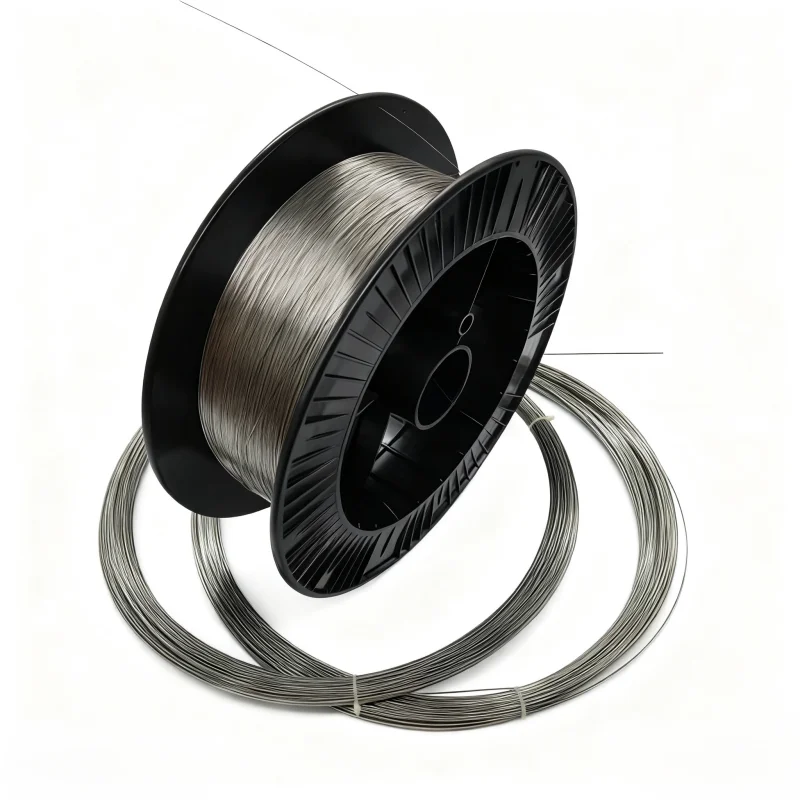
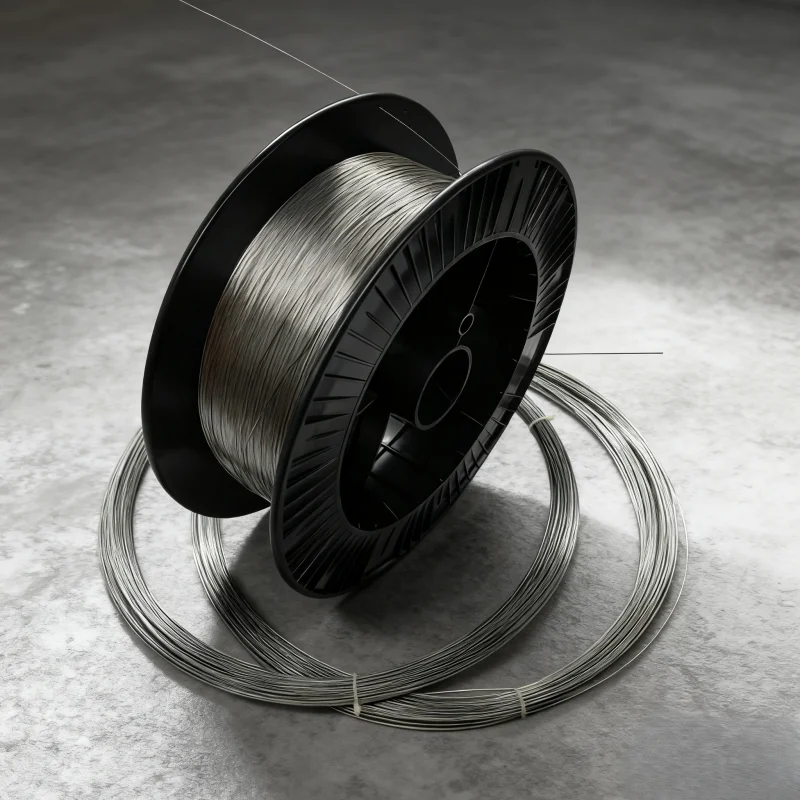
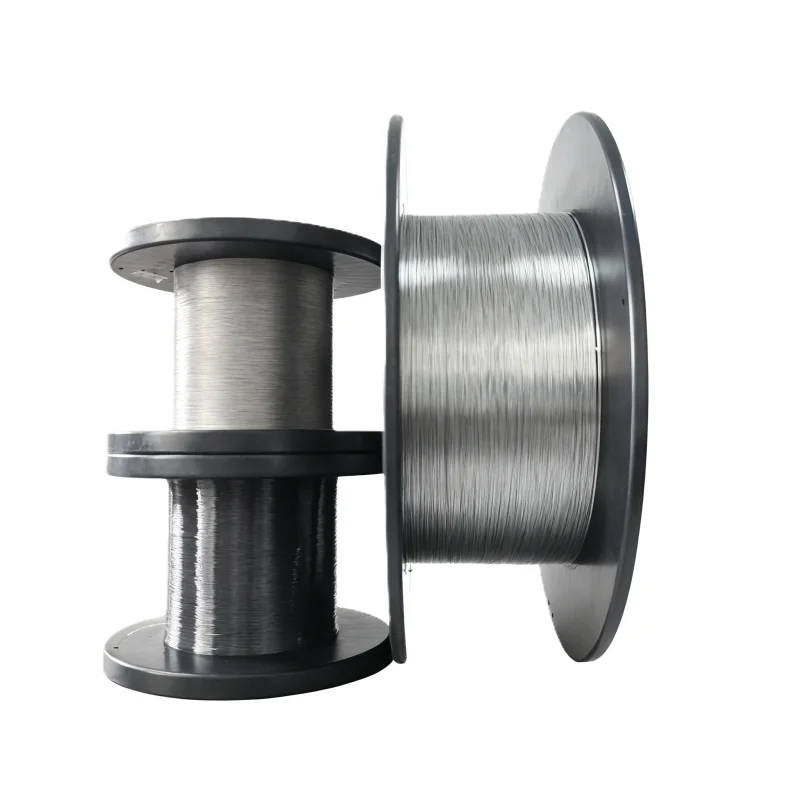
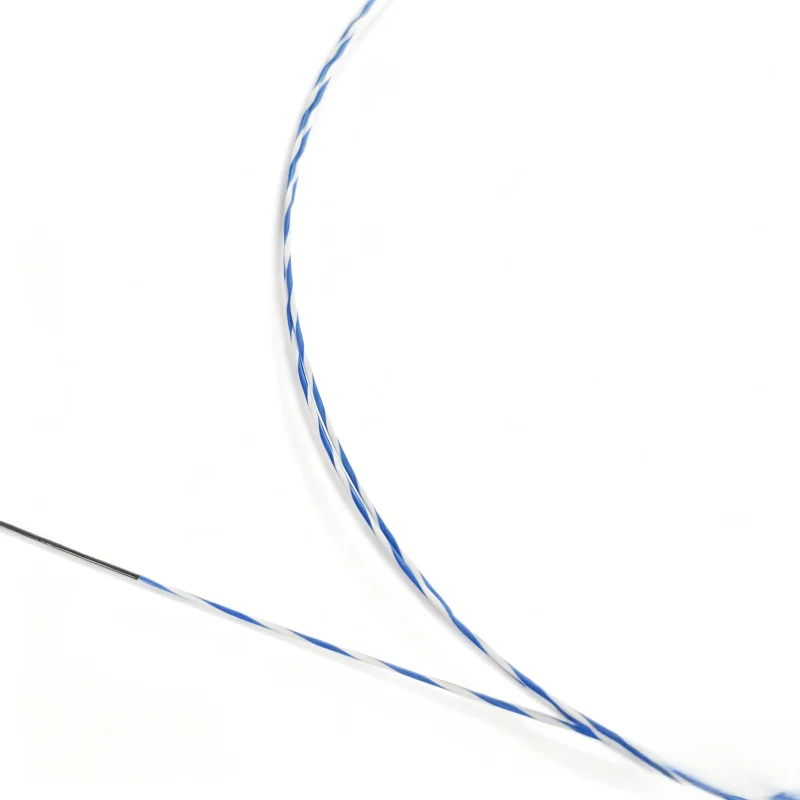
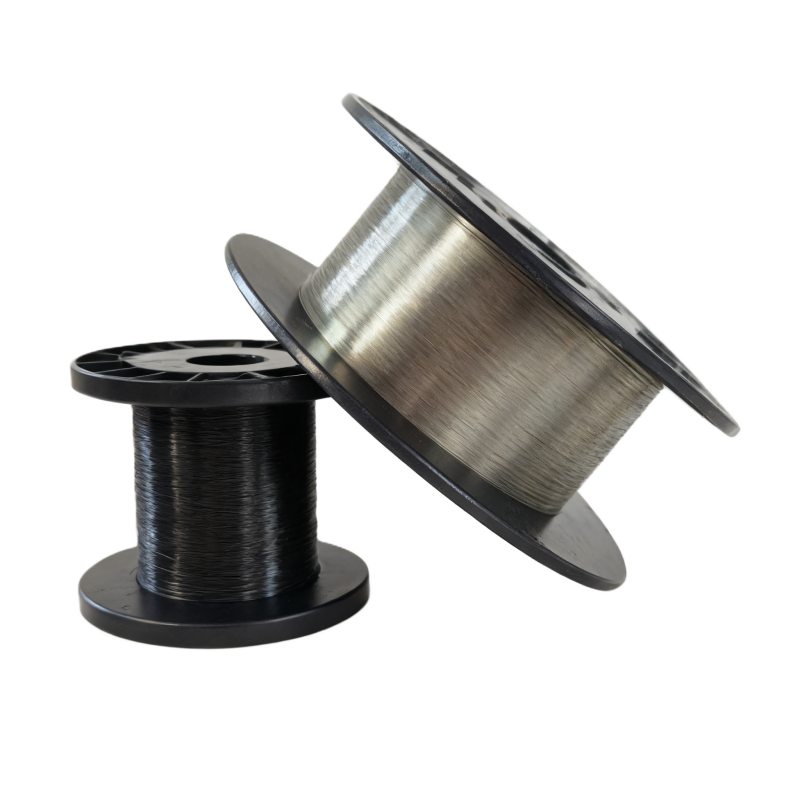
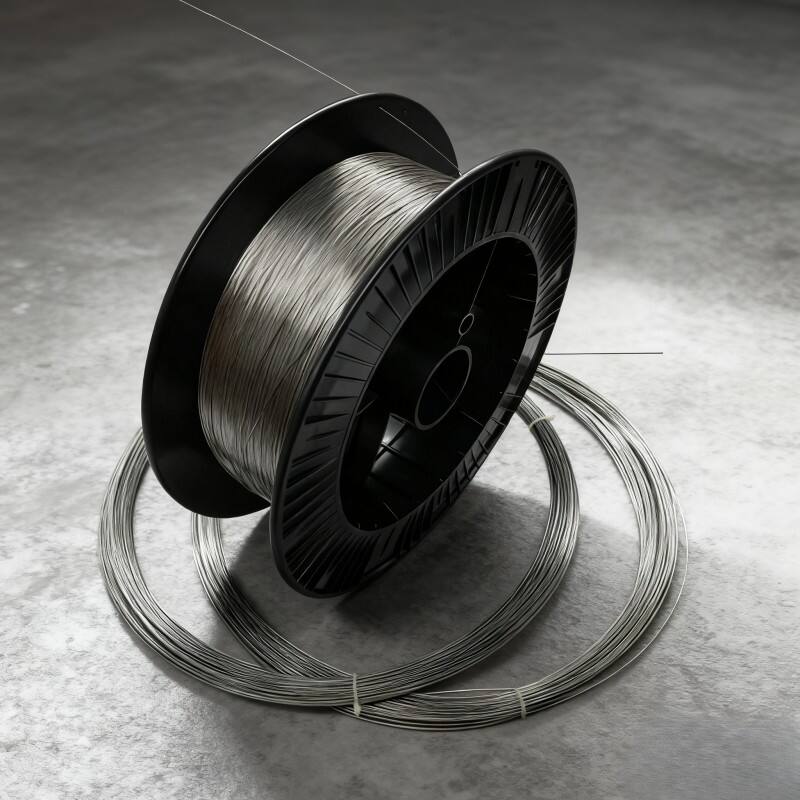
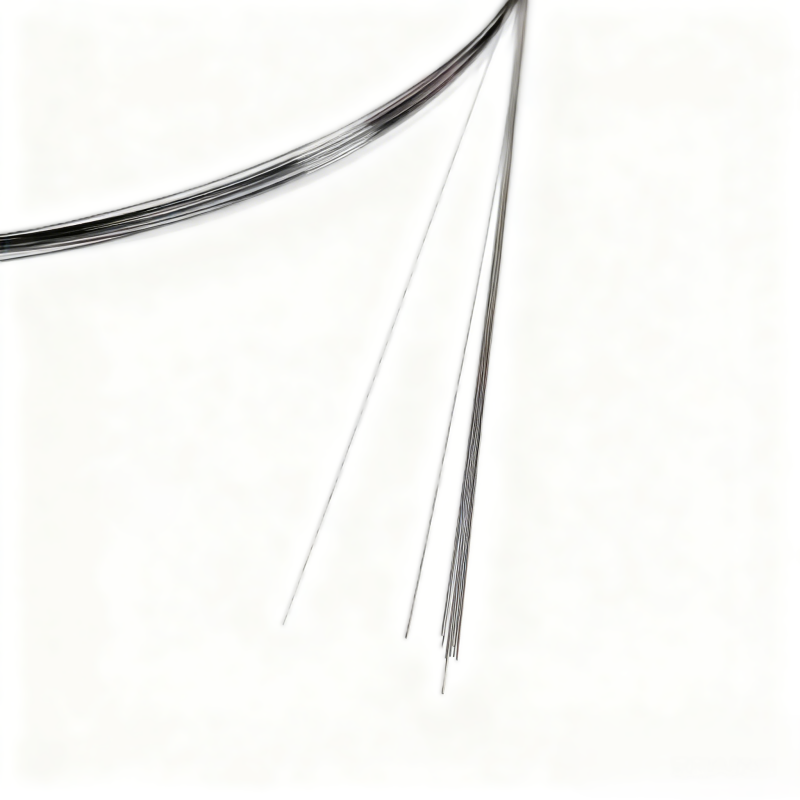
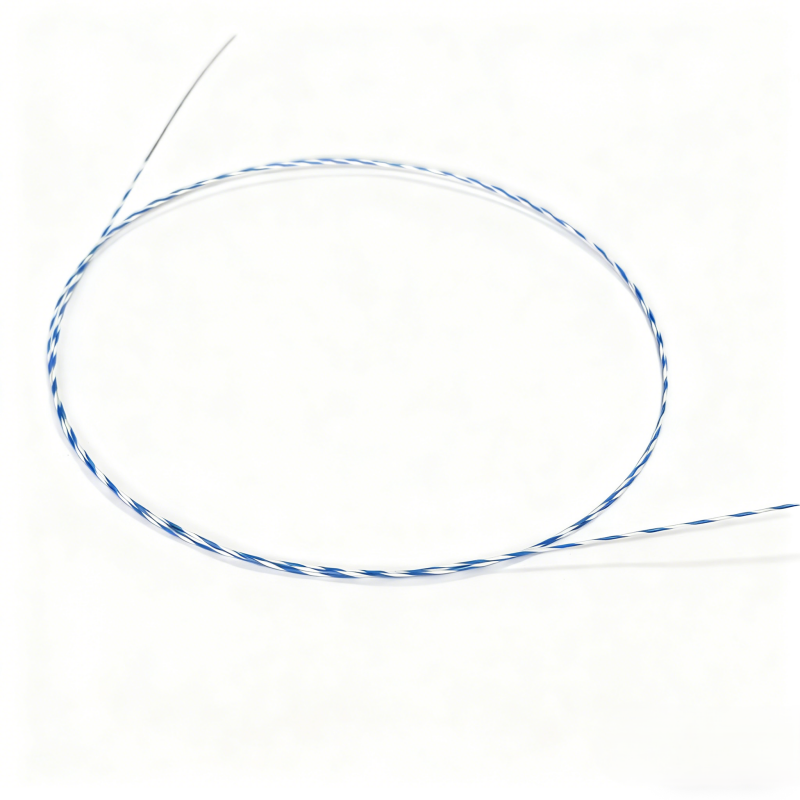
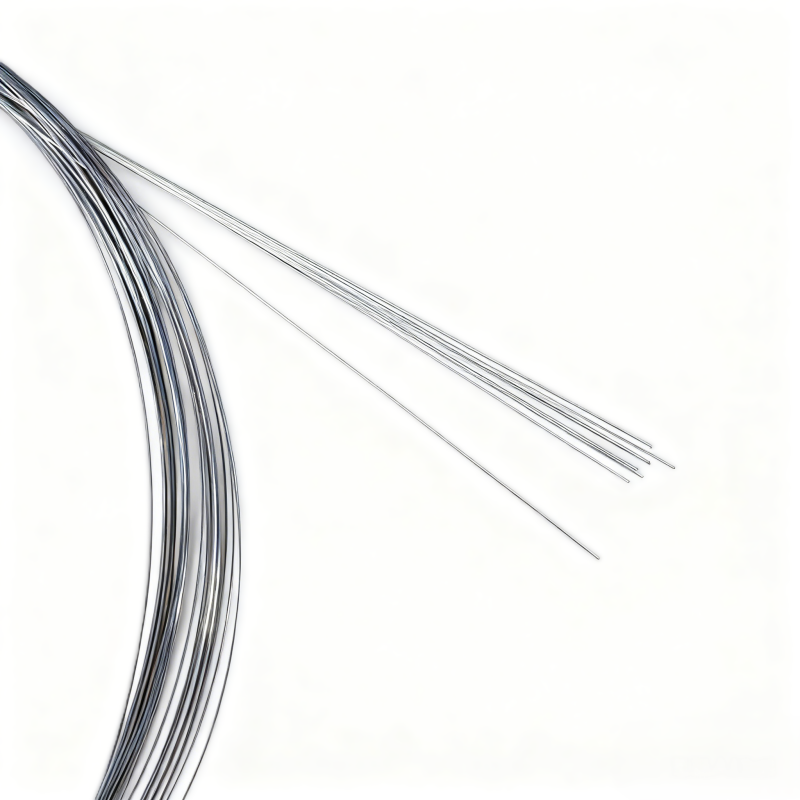
The niti reverse curve is a specialized orthodontic archwire designed to address specific tooth alignment challenges that standard archwires cannot effectively manage. Engineered from nickel-titanium alloy, this wire combines the superelastic properties of NiTi with a deliberately reversed curve of Spee, making it a powerful tool in modern orthodontic treatment planning. The primary function of the niti reverse curve is to level and align the dental arch by intruding posterior teeth and extruding anterior teeth simultaneously, correcting deep bites and creating a more balanced occlusal plane. This dual action sets it apart from conventional wires that can only address one movement at a time. From a technological standpoint, the niti reverse curve is manufactured using advanced shape-memory alloy technology. The nickel-titanium composition allows the wire to return to its programmed shape even after significant deformation, delivering consistent and gentle forces throughout the treatment cycle. This shape-memory characteristic means the wire continuously works to correct the arch form without requiring frequent adjustments, reducing chair time and improving patient comfort. The reverse curve geometry is precisely calibrated to generate the ideal biomechanical forces needed to flatten an exaggerated curve of Spee, which is a common finding in patients with deep overbite malocclusions. In clinical applications, the niti reverse curve is widely used in both adolescent and adult orthodontic cases. It is particularly effective during the leveling and aligning phase of fixed appliance therapy, where establishing a flat or slightly reverse curve of Spee is essential before progressing to finishing mechanics. Orthodontists integrate the niti reverse curve into comprehensive treatment plans for patients presenting with deep overbites, crowding associated with an accentuated curve of Spee, and cases requiring controlled vertical dimension management. Its compatibility with standard bracket systems makes it a versatile and accessible option across a broad range of clinical scenarios, cementing its role as an essential component in contemporary orthodontic practice.

New Product Releases

The niti reverse curve offers a range of practical benefits that make it a preferred choice for orthodontists and a more comfortable experience for patients. Understanding these advantages in plain terms helps clarify why this wire has become a go-to solution in everyday orthodontic practice. First, the niti reverse curve works continuously without needing constant attention. Because it is made from a shape-memory alloy, it remembers its intended shape and keeps applying gentle pressure to move teeth in the right direction. This means fewer visits to the orthodontist for wire adjustments, which saves time for both the patient and the clinician. Patients spend less time in the chair, and orthodontists can manage their schedules more efficiently. Second, the forces delivered by the niti reverse curve are light and steady. Unlike stiffer wires that can cause sharp discomfort after adjustments, the niti reverse curve applies a low, continuous force that teeth respond to more naturally. Patients typically report less soreness following appointments, which improves their overall treatment experience and encourages better compliance with wearing their appliances as directed. Third, the niti reverse curve tackles deep bite correction directly and effectively. A deep bite, where the upper front teeth overlap the lower front teeth too much, is one of the more challenging problems to fix in orthodontics. The niti reverse curve is specifically shaped to address this by gently pushing the back teeth down and pulling the front teeth up, flattening the bite over time. This targeted action shortens the overall treatment timeline compared to using multiple wires in sequence. Fourth, the niti reverse curve is easy to use with existing bracket systems. Orthodontists do not need to invest in new equipment or change their standard setup to incorporate this wire. It fits into conventional brackets just like any other archwire, making the transition seamless and cost-effective for practices of all sizes. Fifth, the niti reverse curve supports better long-term outcomes. By correcting the curve of Spee early in treatment, it creates a stable foundation for the finishing stages of orthodontic care. Teeth that are properly leveled and aligned are easier to detail and finish, reducing the risk of relapse after treatment ends. Patients benefit from results that are not only aesthetically pleasing but also functionally sound, with a bite that distributes chewing forces evenly across all teeth. Sixth, the niti reverse curve is suitable for a wide range of patients. Whether treating a teenager in the early stages of orthodontic care or an adult seeking corrective treatment, this wire adapts to different arch sizes and clinical needs. Its versatility means orthodontists can rely on it across their patient base without needing to stock multiple specialized wires for different cases. In summary, the niti reverse curve delivers real, measurable value by reducing treatment time, improving patient comfort, simplifying clinical workflows, and producing stable, high-quality results. It is a practical investment that benefits everyone involved in the orthodontic treatment process.

Practical Tips

Why is high-stability Nitinol the first choice for equipment in extreme conditions?

12

May

Why is high-stability Nitinol the first choice for equipment in extreme conditions?

When equipment must perform reliably under mechanical stress, thermal cycling, and repeated deformation, material selection becomes a critical engineering decision. Nitinol, the nickel-titanium shape memory alloy, has earned a dominant position in de...
View More
Why do orthodontists prefer using orthodontic wire with shape memory?

15

May

Why do orthodontists prefer using orthodontic wire with shape memory?

In modern orthodontic practice, the materials used to move teeth are just as important as the clinical techniques applied. Among the many innovations that have transformed the field, orthodontic wire with shape memory stands out as one of the most cl...
View More
How to ensure dimensional tolerances for precision Nitinol metal parts?

18

May

How to ensure dimensional tolerances for precision Nitinol metal parts?

Achieving tight dimensional tolerances in Nitinol metal components is one of the most demanding challenges in precision manufacturing. Unlike conventional metals, Nitinol — a nickel-titanium shape memory alloy — exhibits superelastic recovery and pha...
View More
Why is Starspring's Nitinol metal at the forefront of the smart drive industry?

19

May

Why is Starspring's Nitinol metal at the forefront of the smart drive industry?

The smart drive industry is defined by its relentless demand for materials that can do more with less — components that respond intelligently to their environment, endure repeated mechanical cycles, and perform with precision in applications ranging ...
View More

Get a Free Quote

Our representative will contact you soon.
Email
Name
Company Name
Message
0/1000

niti reverse curve

Continuous Shape-Memory Action for Effortless Tooth Movement

Continuous Shape-Memory Action for Effortless Tooth Movement

One of the most significant advantages of the niti reverse curve lies in its shape-memory capability, a property that fundamentally changes how orthodontic force is delivered during treatment. Traditional stainless steel archwires require manual bending and frequent replacement to maintain the correct force levels as teeth shift. The niti reverse curve eliminates much of this manual intervention by using nickel-titanium alloy, a material that has been engineered at a molecular level to return to a pre-set shape after being deformed. When the niti reverse curve is placed into the brackets and ligated, it is temporarily deflected from its natural form. As the wire works to return to its programmed shape, it transmits a steady, low-level force to the teeth and supporting bone. This force is not a one-time push but a continuous, sustained pressure that persists throughout the entire period between appointments. The result is a more consistent rate of tooth movement that does not spike and drop the way forces from conventional wires tend to do. For patients, this translates directly into a more comfortable experience. The gentle, ongoing nature of the force means there are fewer episodes of acute soreness following adjustments. Many patients who have experienced treatment with both traditional wires and the niti reverse curve report a noticeable difference in post-adjustment discomfort, with the niti reverse curve producing a much milder response. For orthodontists, the shape-memory property of the niti reverse curve means that the wire continues to do its job even as teeth move and the clinical situation evolves. The wire self-adjusts to the changing arch form, maintaining therapeutic force levels without requiring the clinician to intervene at every appointment. This reduces the number of wire changes needed during the leveling and aligning phase, streamlining the treatment process and freeing up appointment time for more complex clinical tasks. The precision of the shape-memory effect in the niti reverse curve also contributes to more predictable treatment outcomes. Because the wire consistently delivers the intended biomechanical force, orthodontists can plan treatment timelines with greater confidence, knowing that the niti reverse curve will perform reliably from one appointment to the next. This predictability is especially valuable in busy clinical environments where efficiency and consistency are essential to delivering high-quality care across a large patient base.
Targeted Deep Bite Correction with Biomechanically Optimized Design

Targeted Deep Bite Correction with Biomechanically Optimized Design

Deep bite malocclusion is one of the most common and clinically demanding problems that orthodontists encounter. When the upper front teeth overlap the lower front teeth excessively, it creates functional problems, accelerates tooth wear, and can cause discomfort in the jaw joints over time. Correcting a deep bite requires precise control of vertical tooth movement, and this is exactly where the niti reverse curve excels. The geometry of the niti reverse curve is not arbitrary. It is specifically designed with a reversed curve of Spee, which is the opposite of the natural downward curve that exists in most dental arches. When this wire is placed into the brackets, the reversed geometry creates differential forces along the arch. The posterior segments experience an intrusive force that pushes the back teeth slightly downward, while the anterior segment experiences an extrusive force that encourages the front teeth to move upward. Together, these forces work to flatten the overall curve of the arch, directly addressing the root cause of the deep bite. What makes the niti reverse curve particularly effective for deep bite correction is that it achieves this complex three-dimensional tooth movement passively, without requiring the orthodontist to place additional bends or use auxiliary appliances in most cases. The corrective action is built into the wire itself, which simplifies the clinical protocol and reduces the potential for errors that can occur when multiple mechanics are used simultaneously. The niti reverse curve also works in harmony with the natural biology of tooth movement. Because the forces it generates are light and continuous, the bone remodeling process that allows teeth to move occurs at a healthy, sustainable rate. Aggressive forces can cause root resorption and other adverse effects, but the calibrated force delivery of the niti reverse curve minimizes these risks while still achieving meaningful clinical progress. For patients with deep bites, the niti reverse curve often shortens the overall treatment duration by addressing the vertical discrepancy early and efficiently. By resolving the deep bite during the initial leveling and aligning phase, the orthodontist can move into the space closure and finishing stages of treatment sooner, without needing to dedicate additional time to bite correction later. This efficiency benefits patients by reducing the total time they spend in fixed appliances, and it benefits orthodontists by allowing them to progress cases more smoothly and predictably.
Universal Compatibility and Clinical Versatility Across Patient Populations

Universal Compatibility and Clinical Versatility Across Patient Populations

A key practical strength of the niti reverse curve is its ability to integrate seamlessly into existing orthodontic setups without requiring any changes to equipment, bracket systems, or clinical protocols. This compatibility is not a minor convenience but a significant factor in why the niti reverse curve has been adopted so widely across orthodontic practices of all types and sizes. The niti reverse curve is available in standard dimensions that fit conventional bracket slot sizes, including both 0.018-inch and 0.022-inch slot systems. This means that regardless of the bracket system an orthodontist prefers, whether it is a traditional twin bracket, a self-ligating system, or a ceramic bracket, the niti reverse curve can be incorporated without modification. Orthodontists do not need to retrain their teams, purchase new instruments, or alter their standard workflows to use this wire effectively. Beyond equipment compatibility, the niti reverse curve is also clinically versatile in terms of the patient populations it serves. It is equally effective in adolescent patients, whose bone is still developing and responds quickly to orthodontic forces, and in adult patients, where bone density is higher and tooth movement tends to be slower. The consistent force delivery of the niti reverse curve accommodates these biological differences naturally, applying the appropriate level of pressure for each individual case without requiring the clinician to select different wire types for different age groups. The niti reverse curve is also available in a range of arch forms and sizes, allowing orthodontists to match the wire to the patient's natural arch shape. This customization ensures that the corrective forces are applied in the most anatomically appropriate way, reducing the risk of unwanted tooth movements and improving the overall quality of the result. For orthodontic practices looking to streamline their inventory and simplify their clinical decision-making, the niti reverse curve represents an efficient solution. A single wire type can address a broad spectrum of clinical needs, from mild curve of Spee correction in straightforward cases to significant deep bite management in more complex presentations. This versatility reduces the need to stock a wide variety of specialty wires, lowering costs and simplifying supply chain management without compromising the quality of care delivered to patients.
NiTi Reverse Curve Archwire: Advanced Deep Bite Correction for Modern Orthodontics

Get a Free Quote

Our representative will contact you soon.
Email
Name
Company Name
Message
0/1000
Newsletter
Please Leave A Message With Us