Thermally Activated Precision: How Copper Niti Wire Orthodontics Works With Your Body
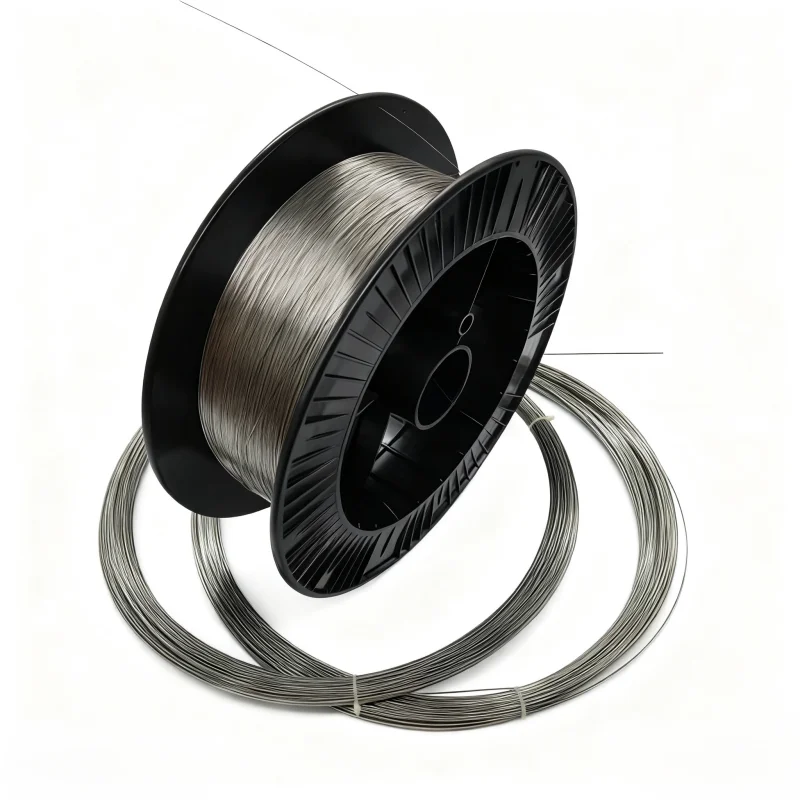
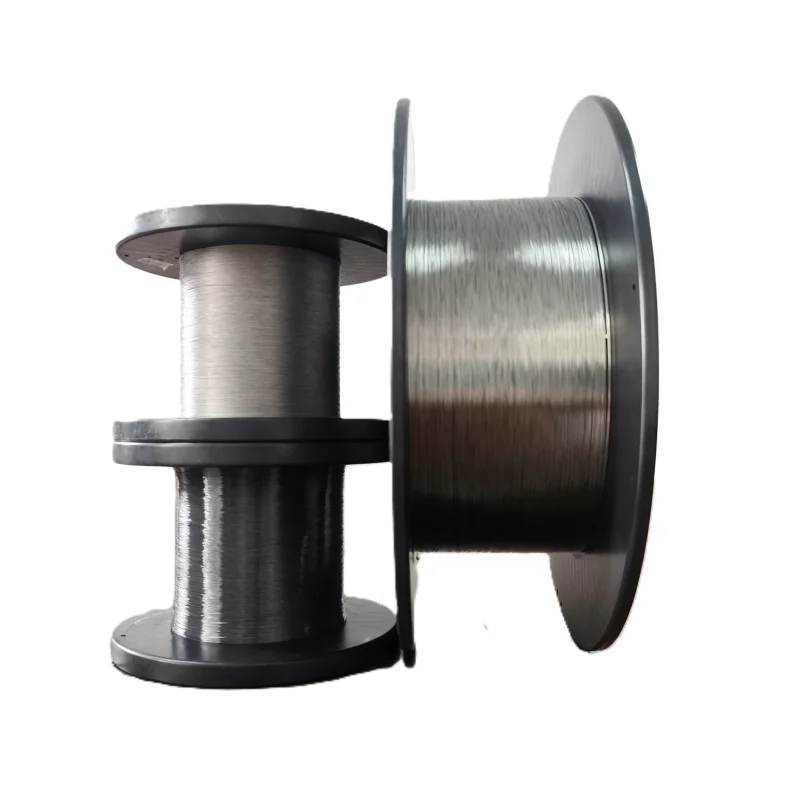
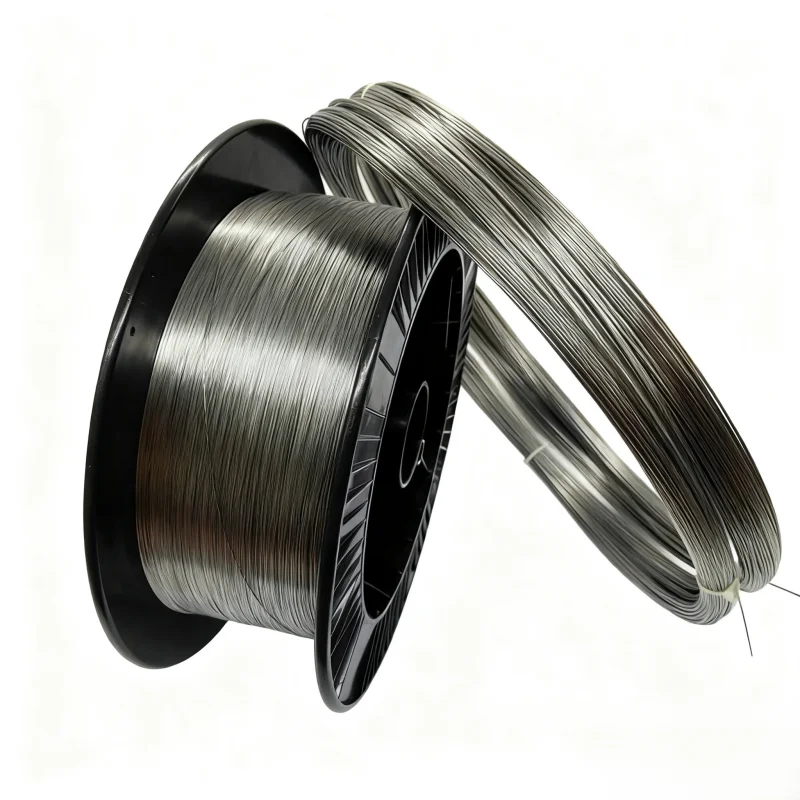
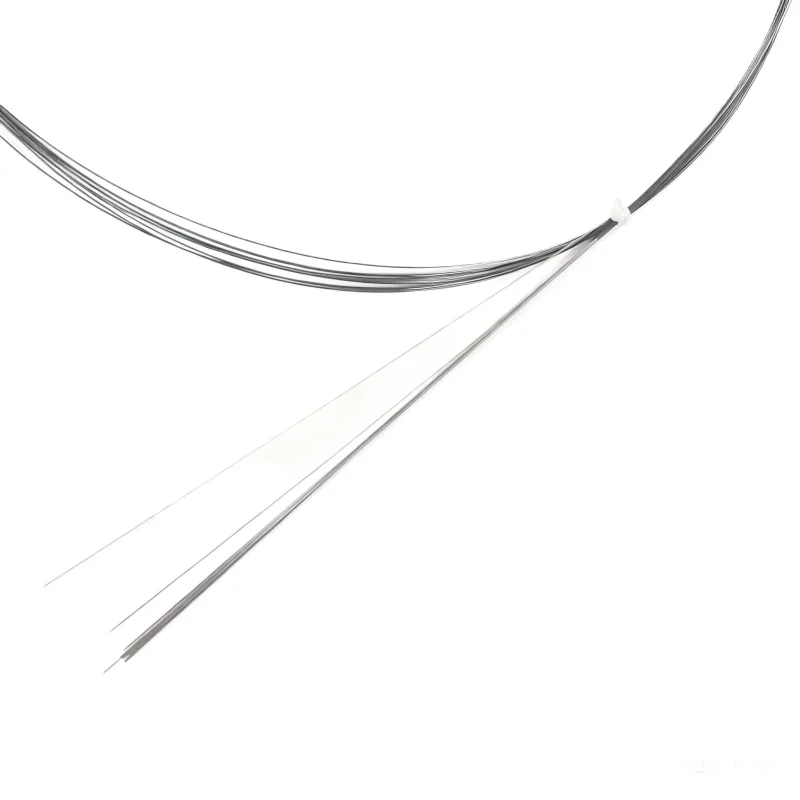
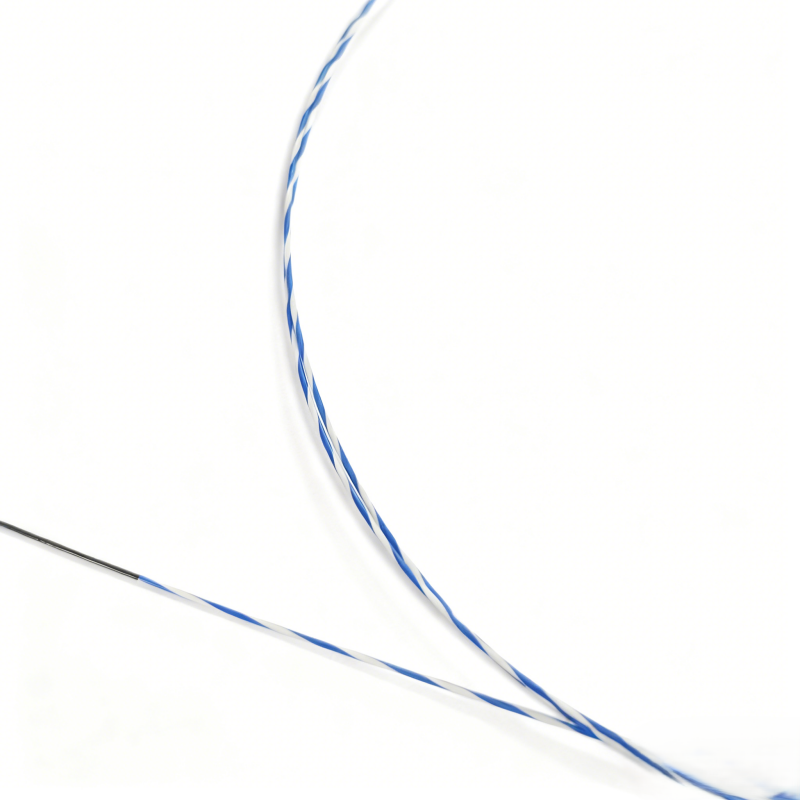
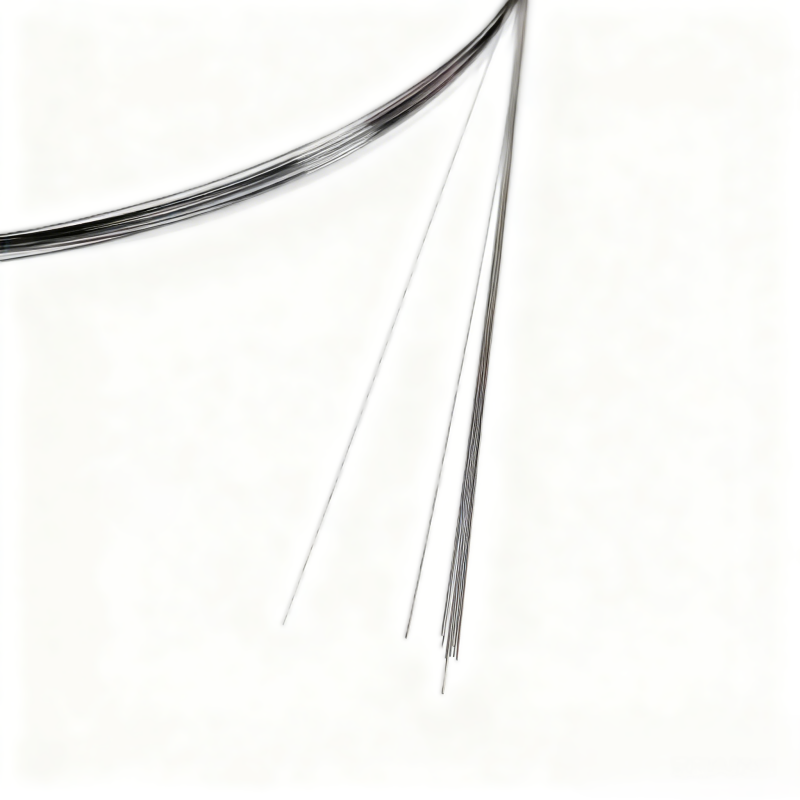
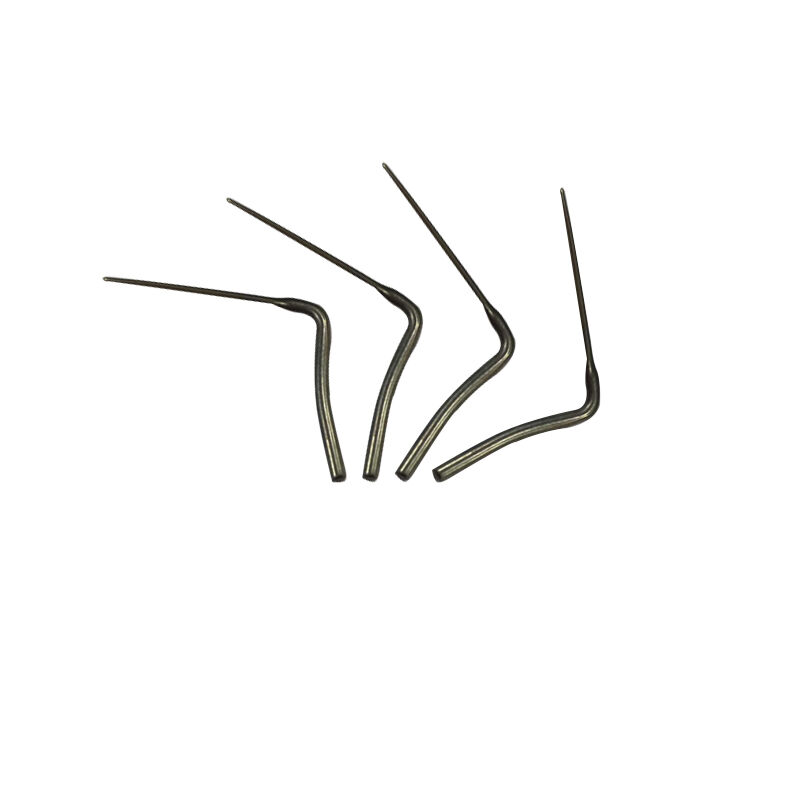
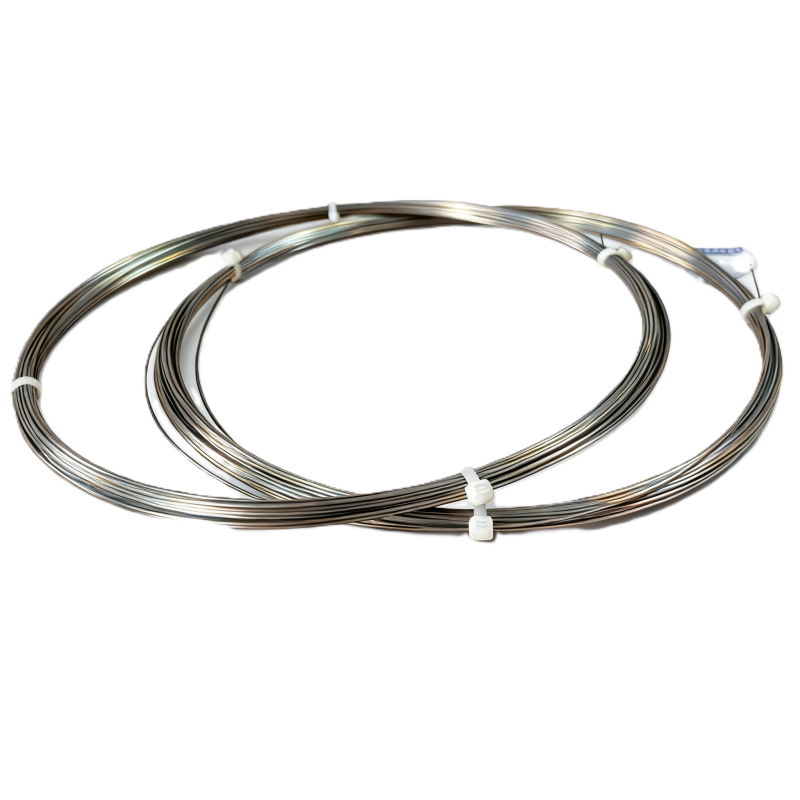
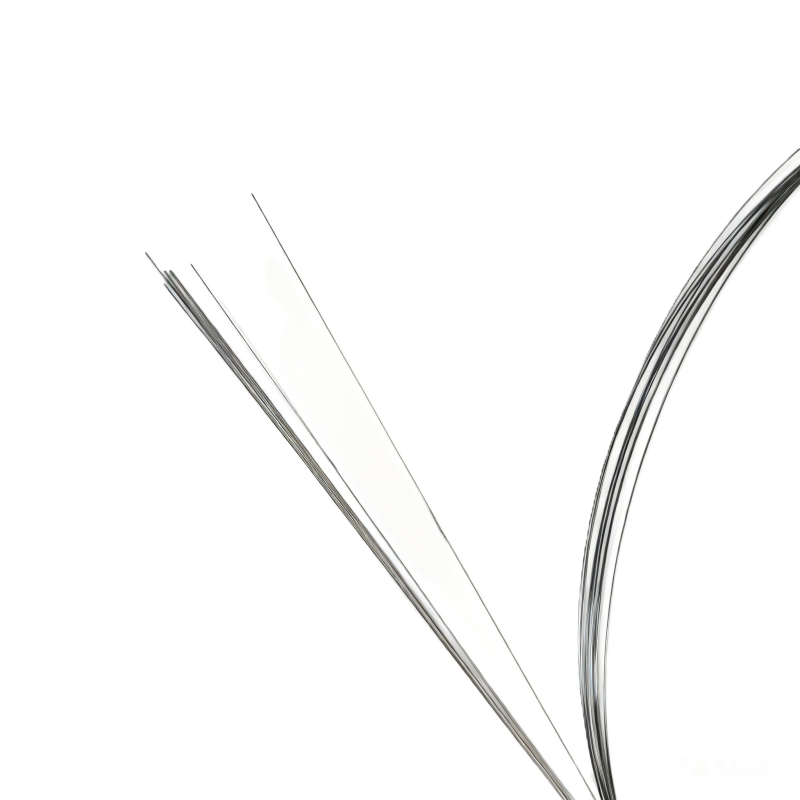
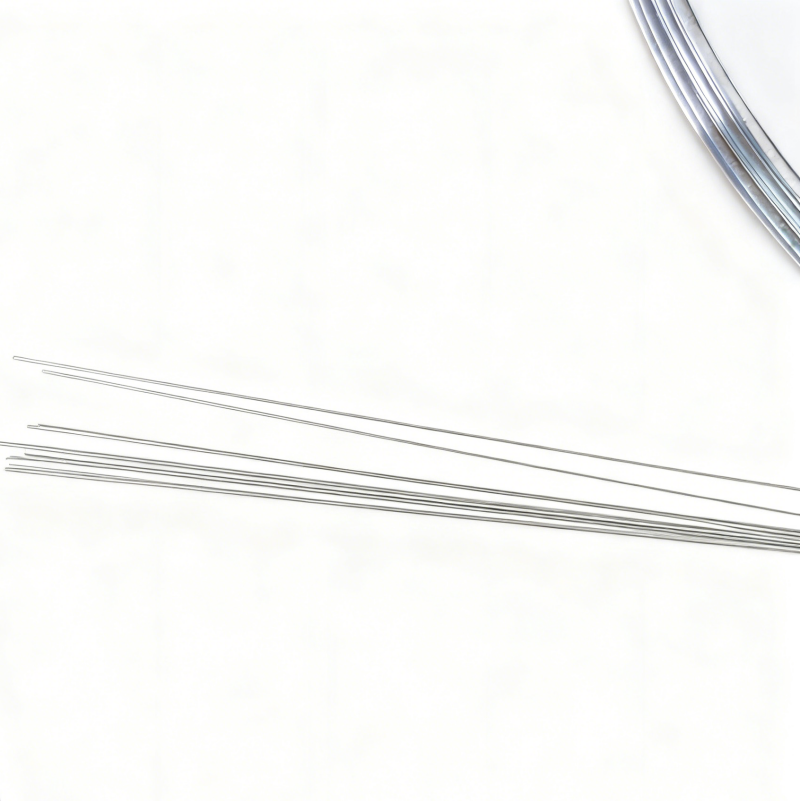
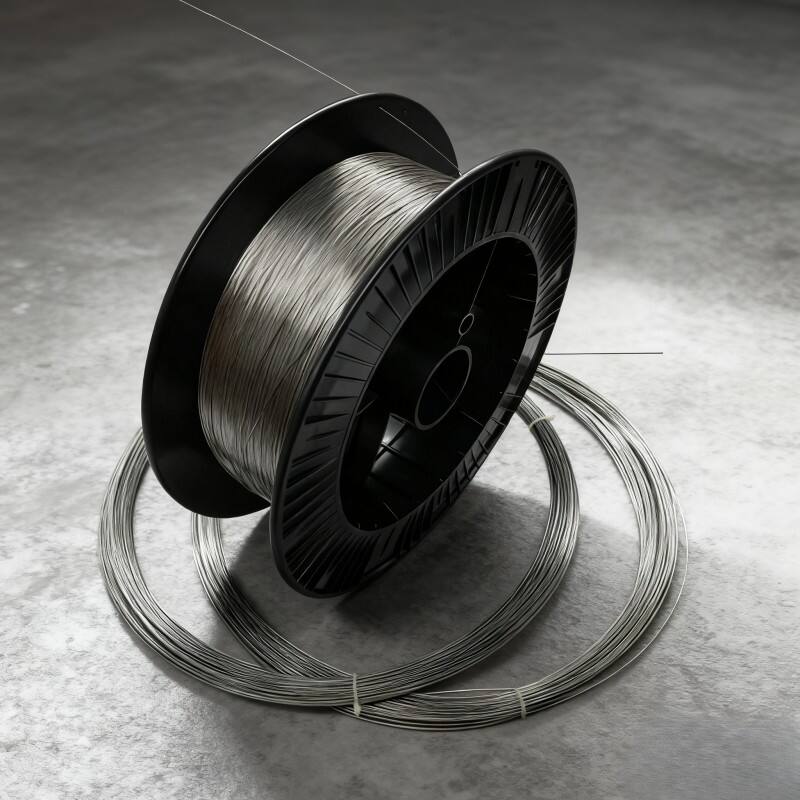
One of the most compelling features of copper niti wire orthodontics is its thermally activated behavior, a property that sets it apart from conventional orthodontic wires in a fundamental way. The science behind this feature is rooted in the phase transformation characteristics of the nickel-titanium alloy, which are precisely tuned by the addition of copper to the alloy composition. When copper is incorporated into the nickel-titanium matrix, it narrows the temperature range over which the wire transitions between its martensitic and austenitic phases. In practical terms, this means the wire can be engineered to activate at a temperature very close to normal oral body temperature, typically around 35 to 37 degrees Celsius. During the clinical appointment, the orthodontist handles the wire at room temperature, where it remains in its softer, more flexible martensitic state. This flexibility makes it much easier to thread the wire through bracket slots, even in cases where the teeth are significantly misaligned and the wire must be bent considerably to engage all the brackets. Once the wire is placed and the patient closes their mouth, the warmth of the oral environment triggers the phase transformation, and the wire transitions into its stiffer austenitic state. In this state, copper niti wire orthodontics exerts a controlled, continuous force on the teeth, gently urging them toward their target positions. The beauty of this mechanism is that the force is self-regulating. As teeth move and the wire straightens, the force delivery adjusts naturally, staying within the optimal biological range for tooth movement. This prevents the application of excessive force, which can cause root resorption and other adverse effects, while also ensuring that the force never drops so low that tooth movement stalls. For patients, the thermally activated nature of copper niti wire orthodontics means a noticeably more comfortable experience. The gentle, continuous force feels less abrupt than the sharp, high forces associated with periodic manual adjustments of stiffer wires. Many patients describe the sensation as a steady, manageable pressure rather than the acute soreness that can follow traditional wire changes. This improved comfort profile encourages better patient compliance, as individuals are more likely to attend their scheduled appointments and follow their orthodontist's instructions when treatment is not associated with significant pain. From a clinical perspective, the thermal activation feature of copper niti wire orthodontics also simplifies the workflow. Orthodontists spend less time forcing wires into place and less time managing patient discomfort, allowing appointments to run more smoothly and efficiently. The predictable activation behavior also makes treatment planning more straightforward, as clinicians can rely on the wire to perform consistently from one patient to the next.

 EN
EN