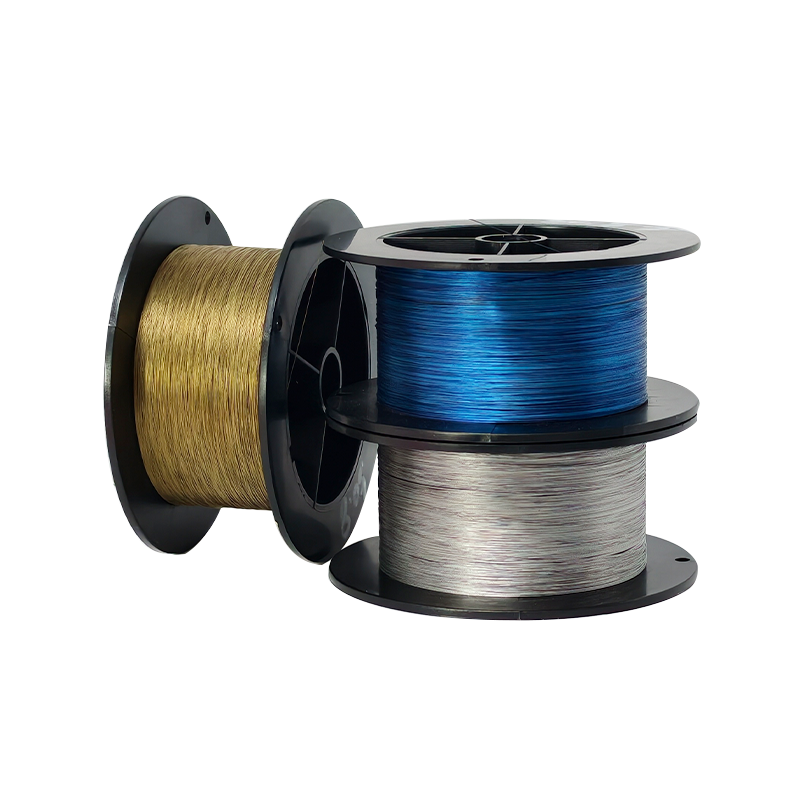
Temperature-Responsive Activation for Effortless Clinical Performance
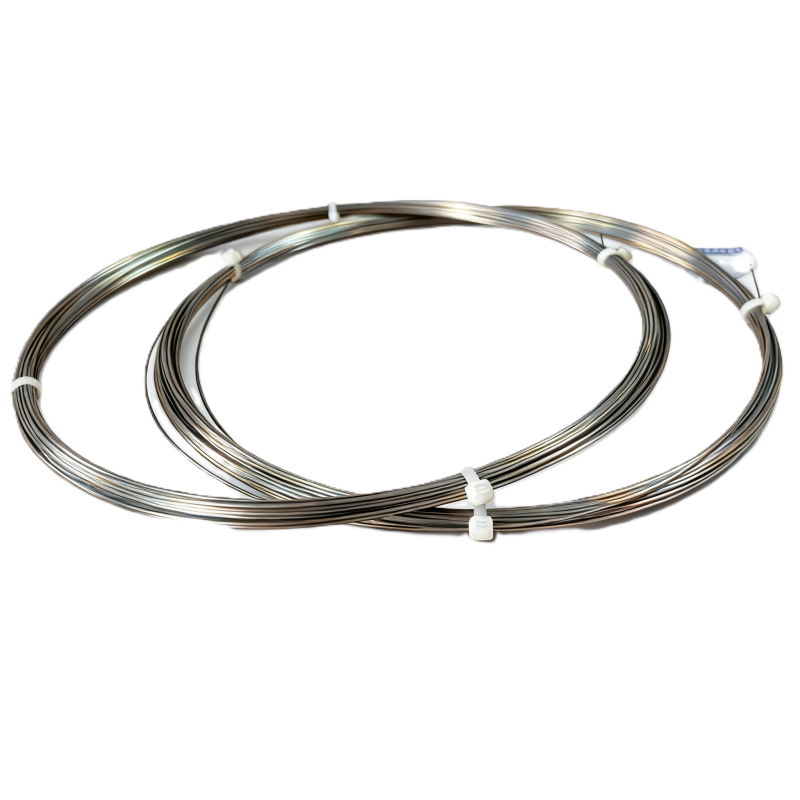
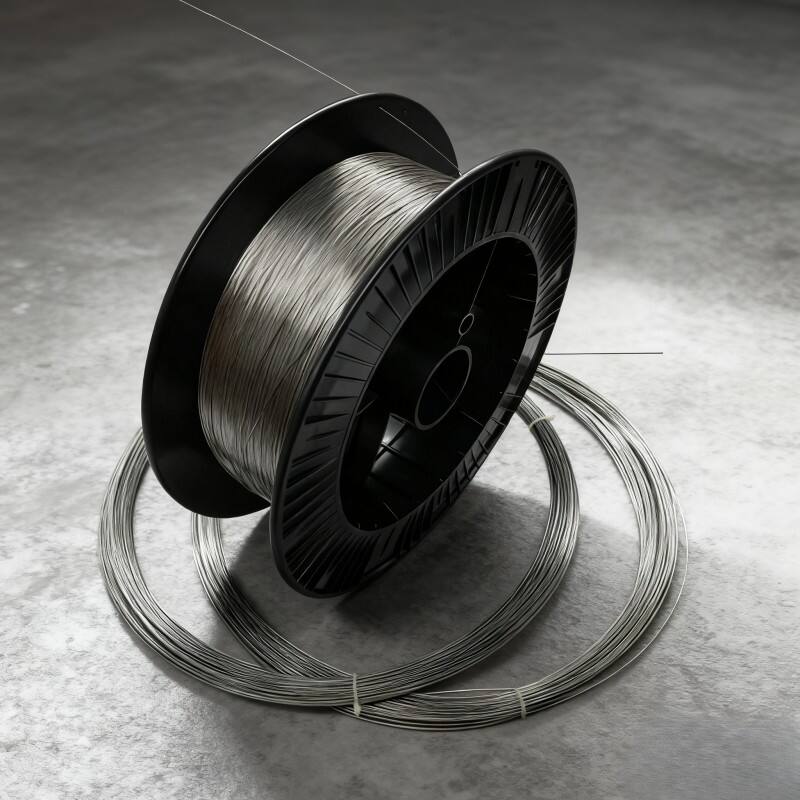
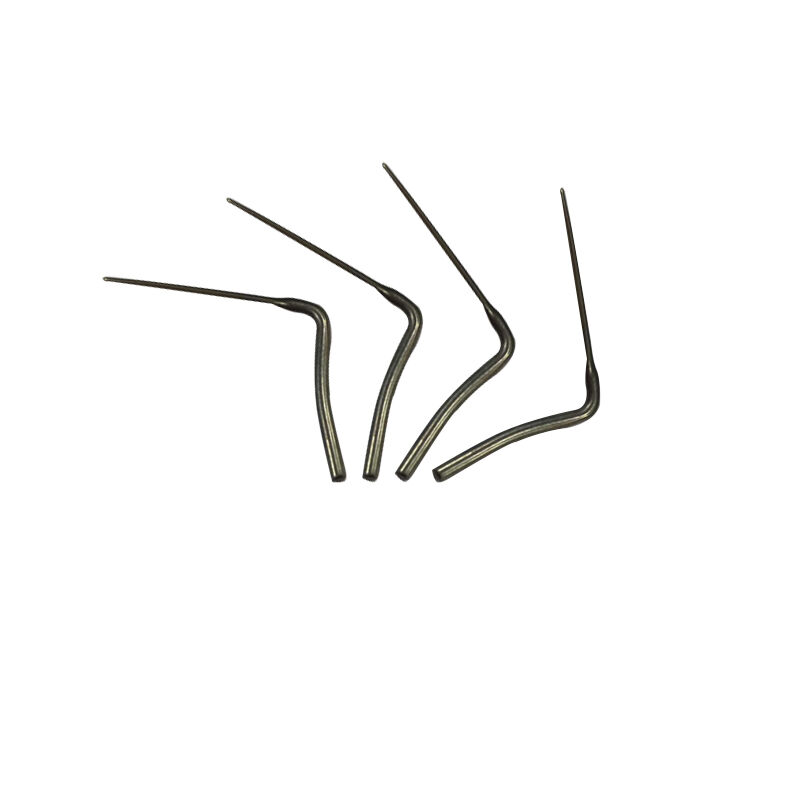
One of the defining features of heat activated NiTi is its ability to change mechanical behavior in direct response to temperature, and this single characteristic transforms the clinical experience in ways that few other materials can match. When heat activated NiTi is stored or handled at room temperature or cooled slightly, it enters a martensitic phase. In this state, the wire is remarkably soft and easy to manipulate. An orthodontist can curve it, thread it through misaligned brackets, and seat it without applying excessive force. For patients with severe crowding or significant rotations, this flexibility is not just convenient, it is essential. Attempting to place a rigid wire in a highly irregular arch can cause patient discomfort, bracket debonding, and extended chair time. Heat activated NiTi eliminates these problems at the source. Once the wire is placed and the patient closes their mouth, oral temperature, which typically ranges between 35 and 37 degrees Celsius, begins to warm the wire. This warming triggers a phase transformation from martensite to austenite. As the crystalline structure shifts, the wire attempts to return to its pre-programmed ideal shape, generating a light, continuous force against the brackets and teeth. This force is not a sudden jolt but a smooth, sustained pressure that the surrounding periodontal tissues can respond to efficiently. The biological process of bone resorption and deposition that underlies tooth movement works best under low, continuous forces, and heat activated NiTi is uniquely suited to provide exactly that. Clinicians can also select heat activated NiTi wires with specific transition temperature ranges, allowing them to fine-tune activation timing based on individual patient needs or clinical preferences. Some patients run warmer oral temperatures, and others cooler, so having this level of control adds a meaningful layer of precision to treatment planning. The temperature-responsive nature of heat activated NiTi also means the wire self-adjusts throughout the day as the patient eats, drinks cold beverages, or breathes through their mouth. This dynamic behavior keeps the applied force within a therapeutic range consistently, rather than spiking and dropping as fixed-force wires tend to do. For clinicians, this translates into more predictable outcomes and fewer emergency visits caused by excessive wire pressure. For patients, it means a more comfortable daily experience from the very first week of treatment. The practical value of this feature extends beyond comfort. Because the wire is easy to place and begins working immediately upon warming, the overall efficiency of the initial alignment phase improves. Cases that might have required multiple preliminary wires with conventional materials can often be managed with fewer wire changes using heat activated NiTi, saving time and resources for both the practice and the patient.

 EN
EN