ni ti wire in orthodontics
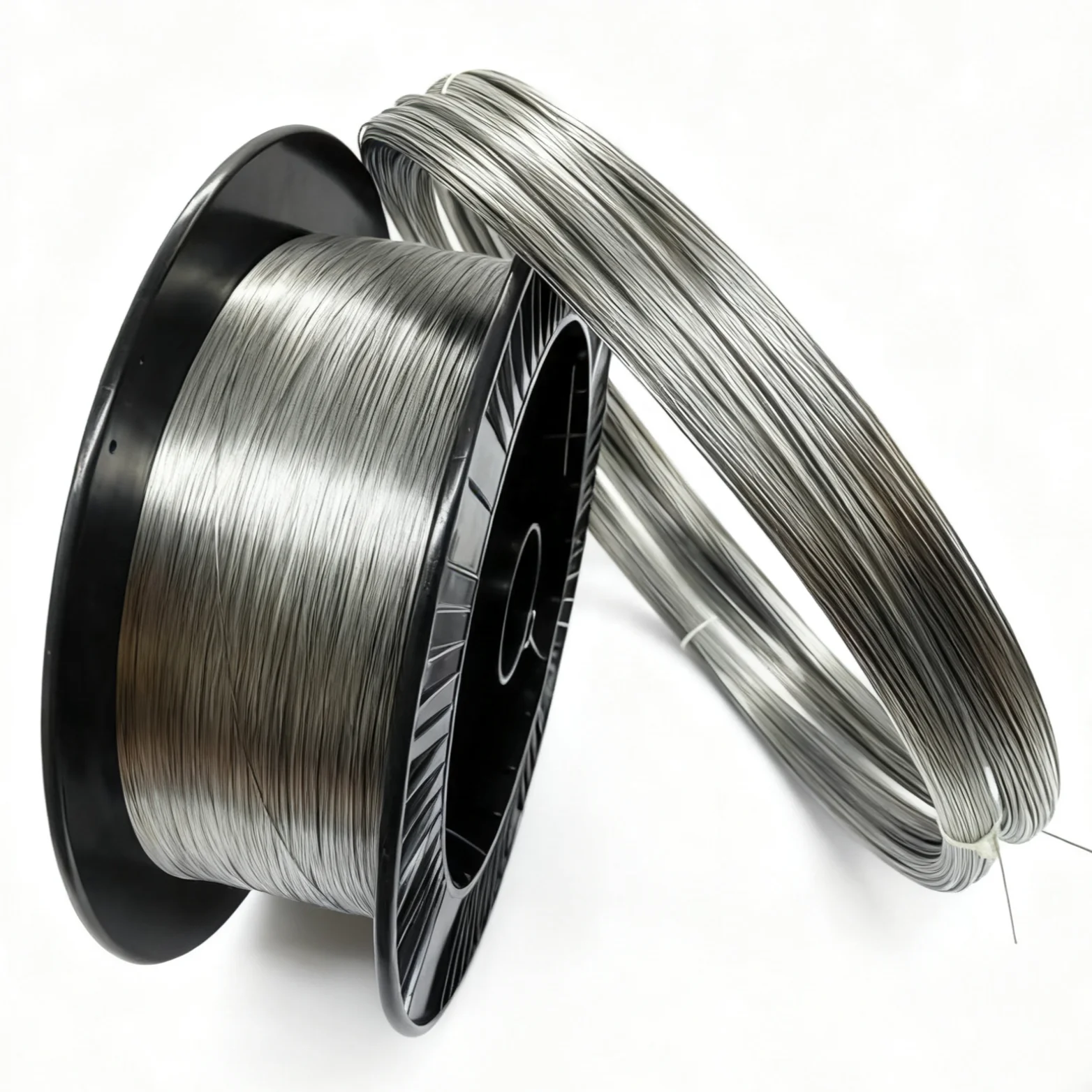
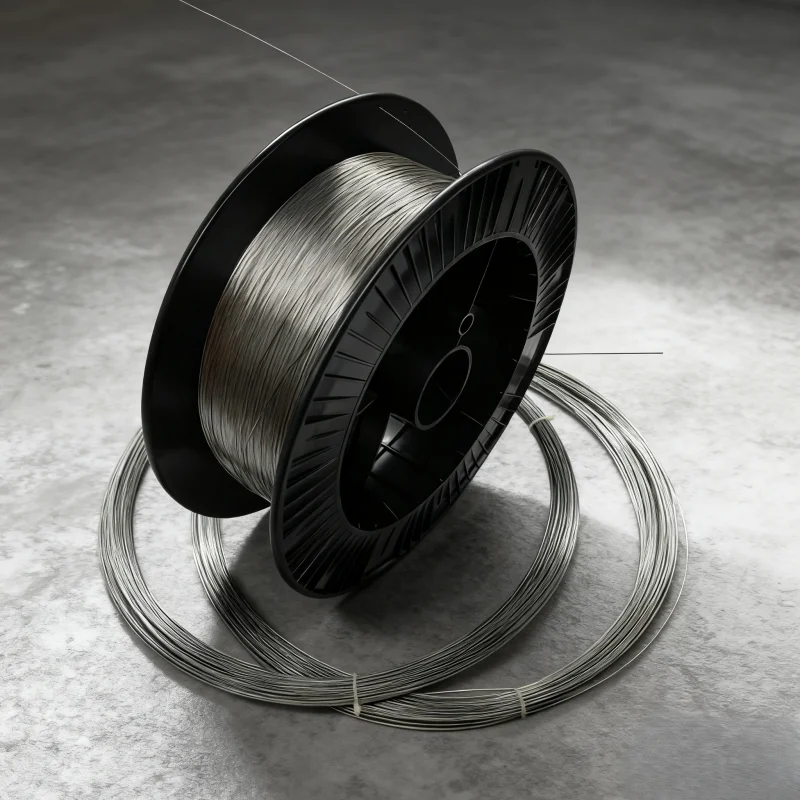
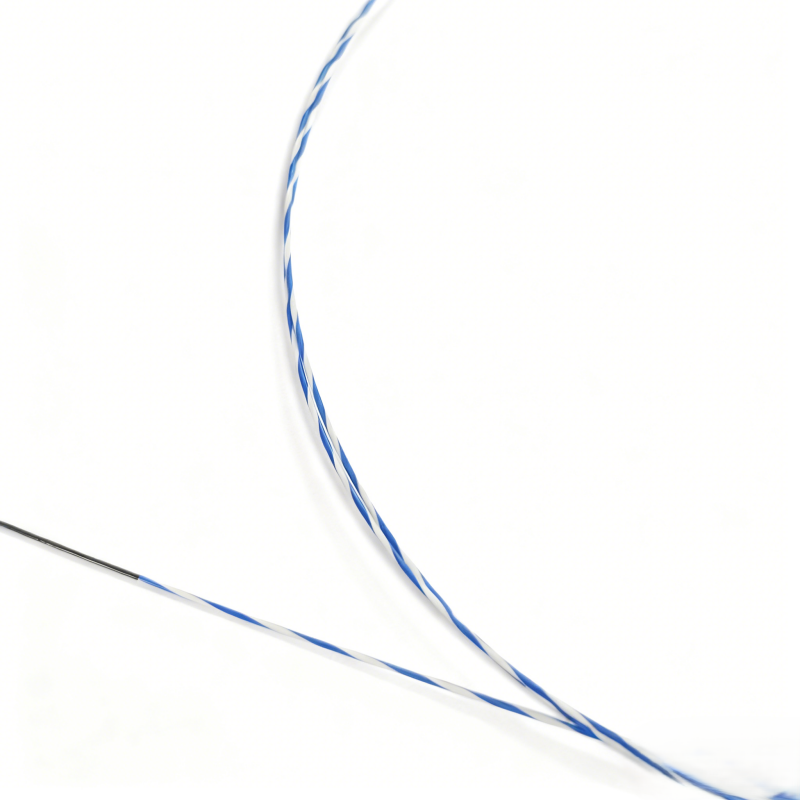
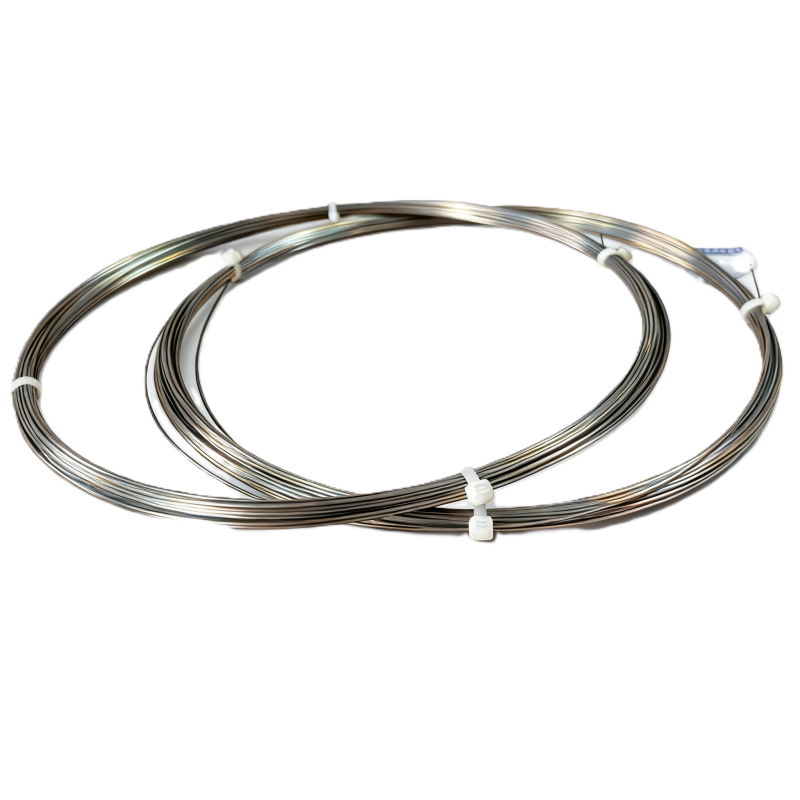
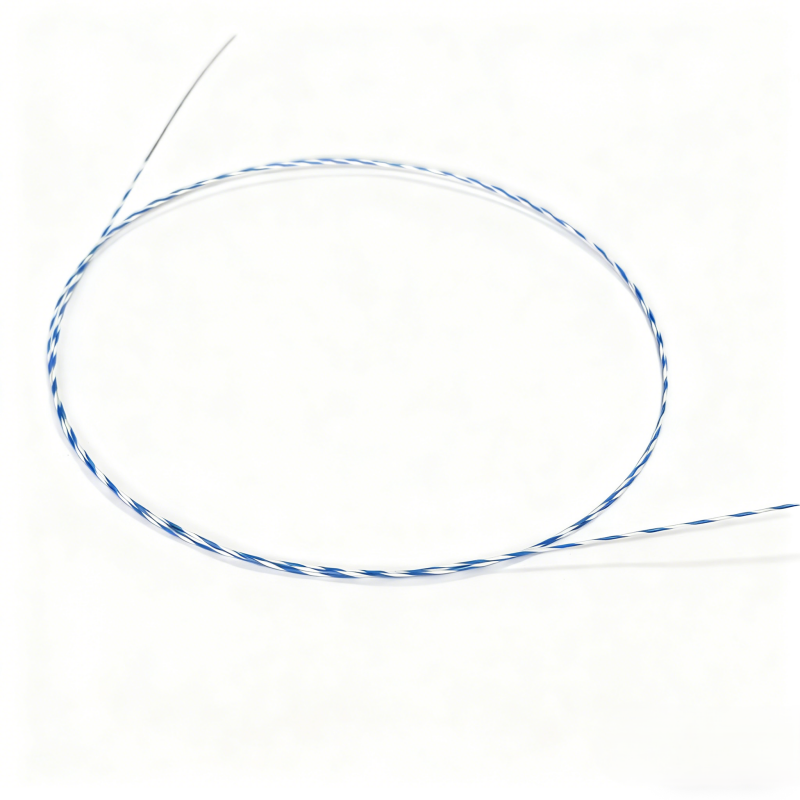
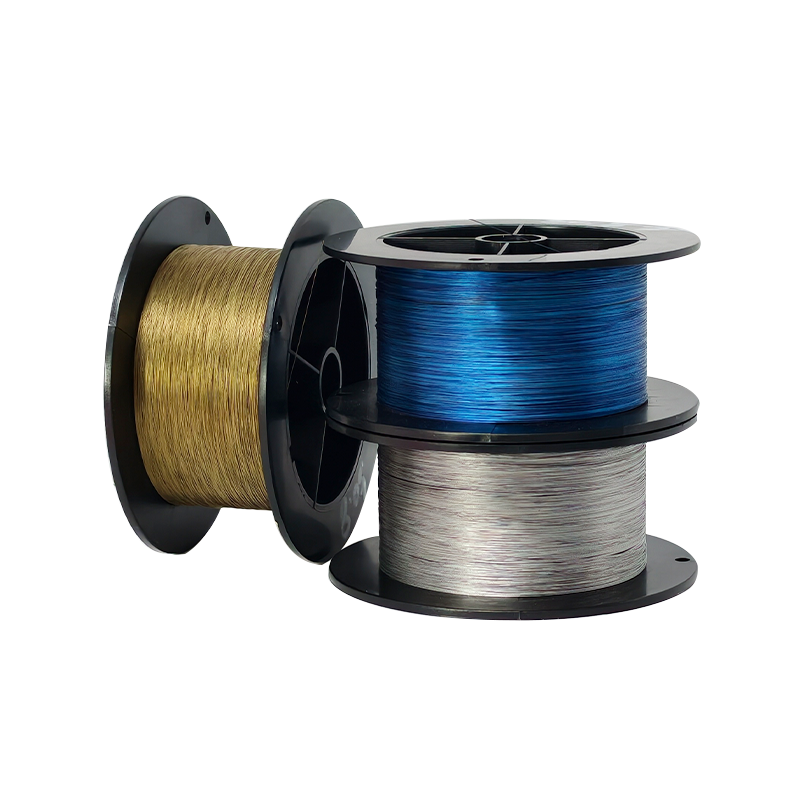
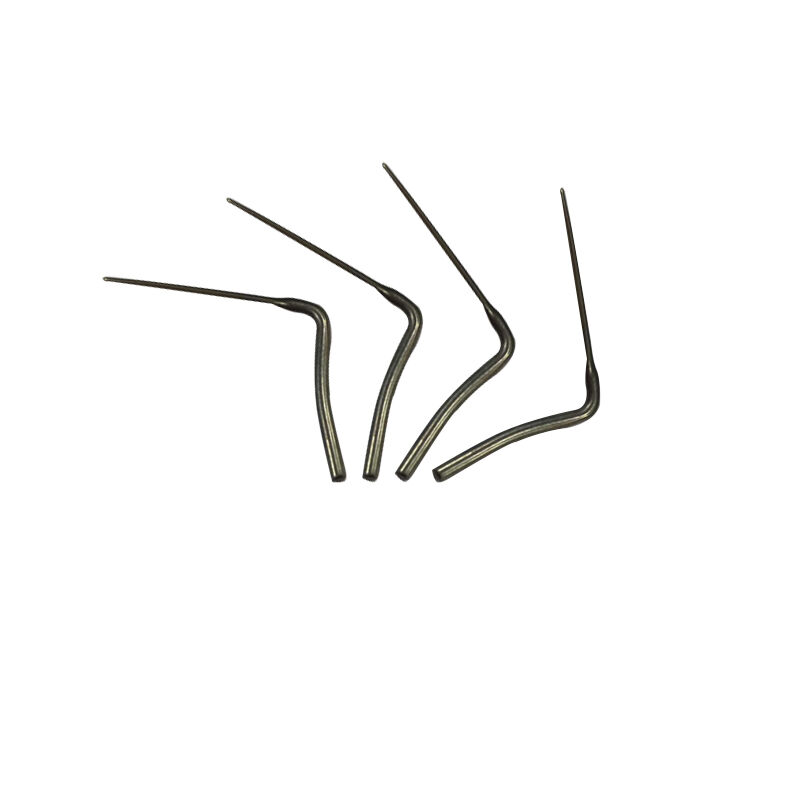
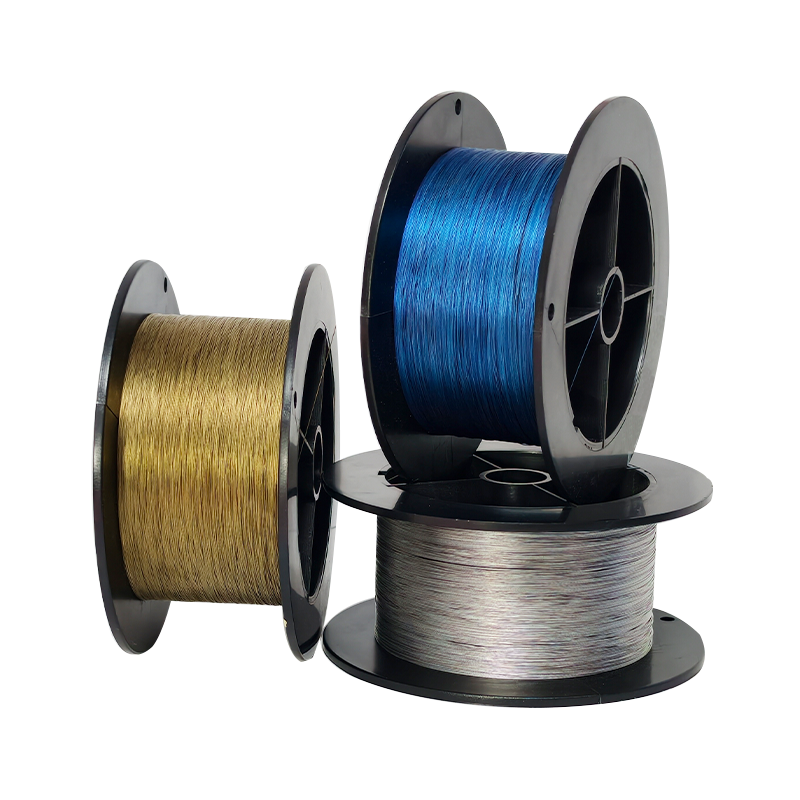
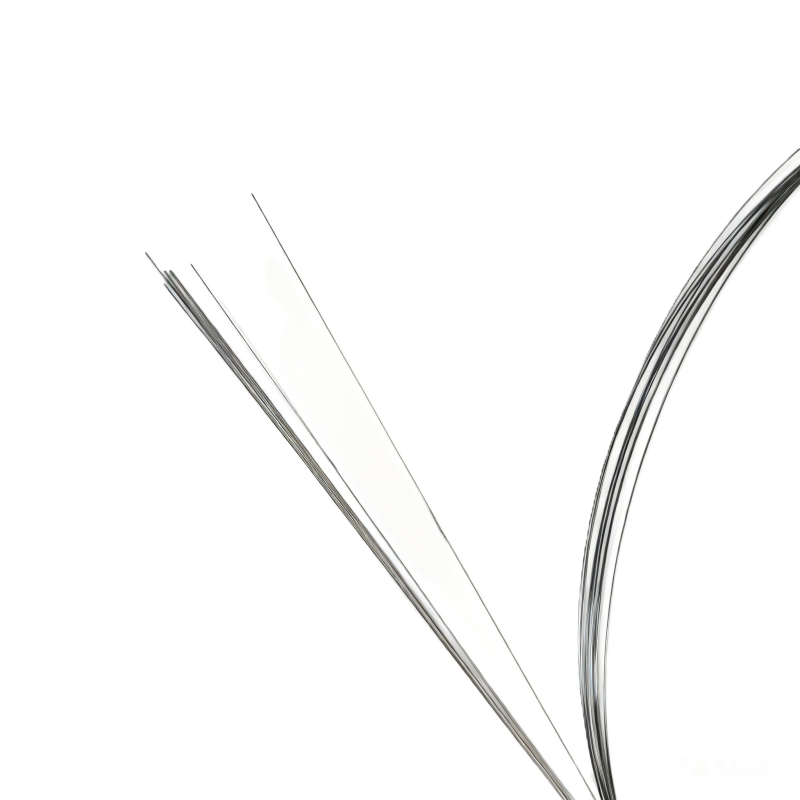
Ni ti wire in orthodontics represents one of the most significant advancements in modern dental treatment. Short for nickel-titanium wire, this specialized archwire has transformed the way orthodontists approach tooth movement and alignment. Originally developed from a shape memory alloy created by NASA in the 1960s, ni ti wire in orthodontics has since become a cornerstone material in both traditional braces and contemporary aligner-assisted treatments. Its unique metallurgical composition gives it properties that no other orthodontic wire can replicate, making it the preferred choice for the initial and intermediate stages of orthodontic therapy. The primary function of ni ti wire in orthodontics is to deliver continuous, light forces to misaligned teeth over an extended period. Unlike stainless steel wires, which require frequent adjustments and deliver heavier, more intermittent forces, nickel-titanium wires maintain a consistent level of pressure throughout the treatment arc. This sustained force application encourages more biologically favorable tooth movement, reducing patient discomfort and minimizing the risk of root resorption. From a technological standpoint, ni ti wire in orthodontics is engineered with two defining characteristics: superelasticity and shape memory. Superelasticity allows the wire to be deflected significantly during placement and then return to its original arch form, continuously guiding teeth toward their target positions. Shape memory, on the other hand, enables the wire to recover its pre-programmed shape when exposed to body temperature, making it especially effective in cases involving severely crowded or rotated teeth. These wires are available in a range of cross-sectional dimensions, from round to rectangular profiles, allowing clinicians to select the appropriate wire for each phase of treatment. Thermally activated variants further expand the clinical toolkit, offering even gentler forces at room temperature that intensify upon contact with the warmth of the oral environment. In clinical applications, ni ti wire in orthodontics is routinely used during the leveling and aligning phase, where the primary goal is to bring all teeth into a common plane before more precise detailing work begins. Its versatility, biocompatibility, and mechanical reliability make it an indispensable tool in every orthodontic practice worldwide.

 EN
EN