Reverse Curve NiTi Archwire: Advanced Deep Bite Correction and Arch Leveling Solution

Get a Free Quote

Our representative will contact you soon.
Email
Name
Company Name
Message
0/1000

reverse curve niti

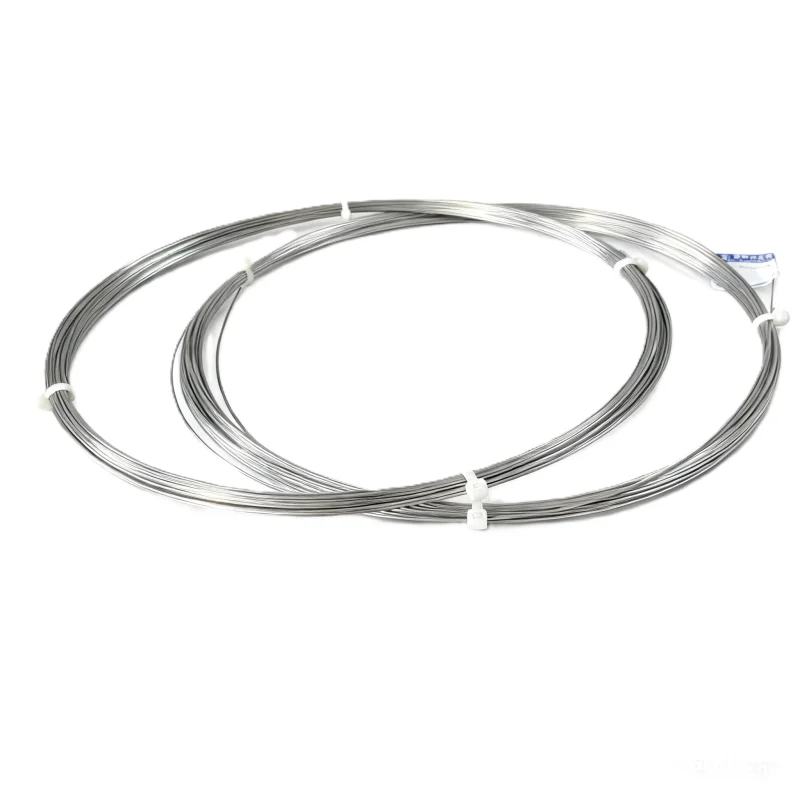
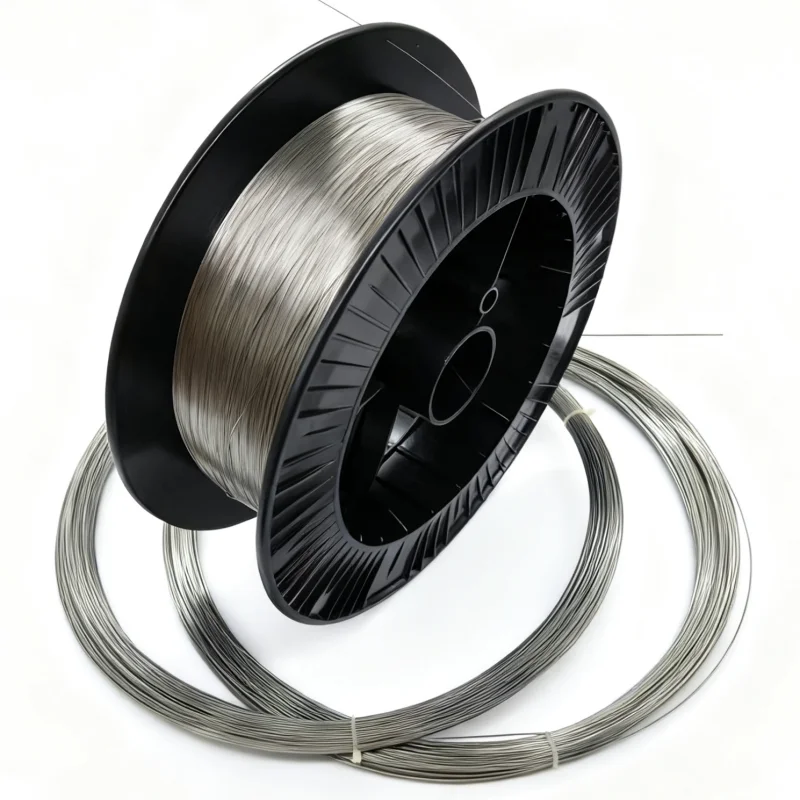
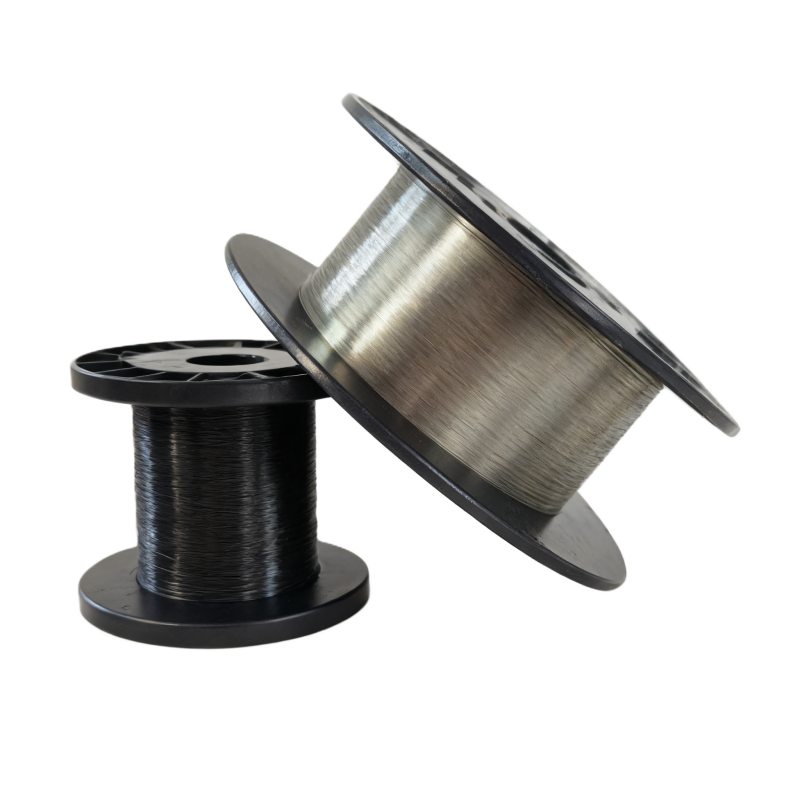
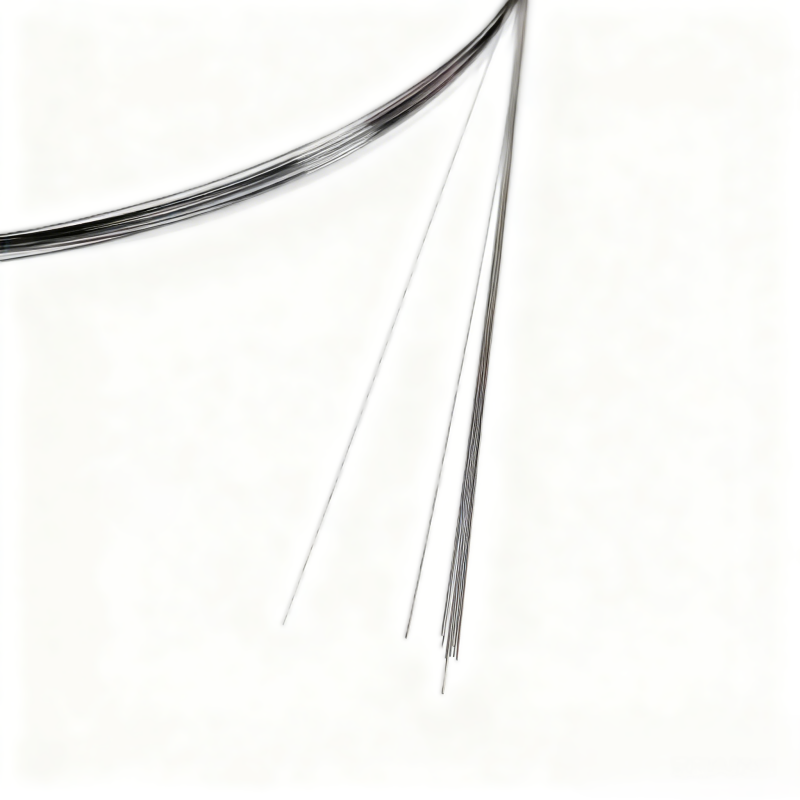
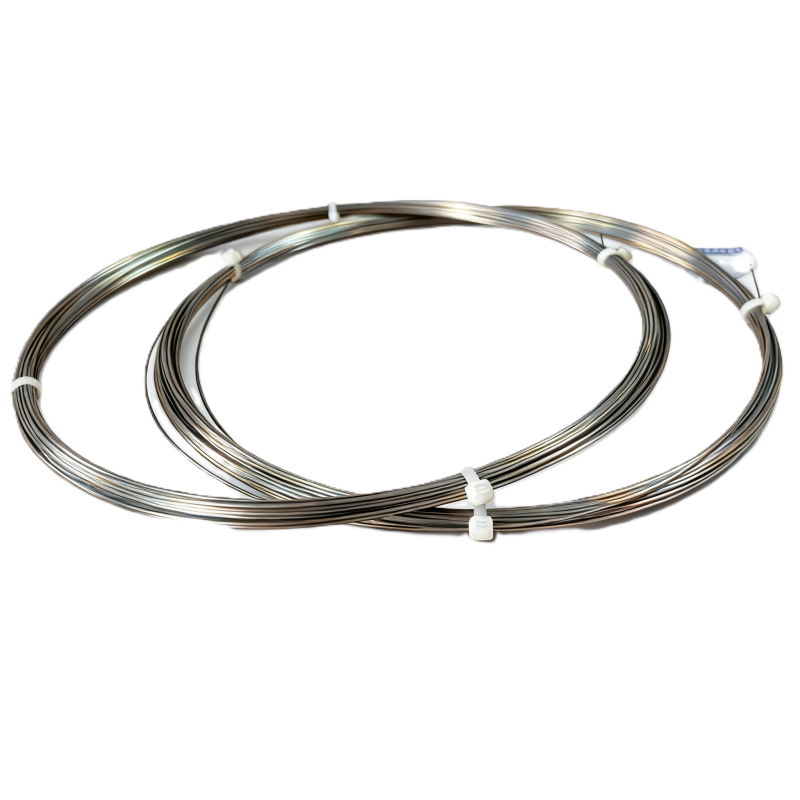
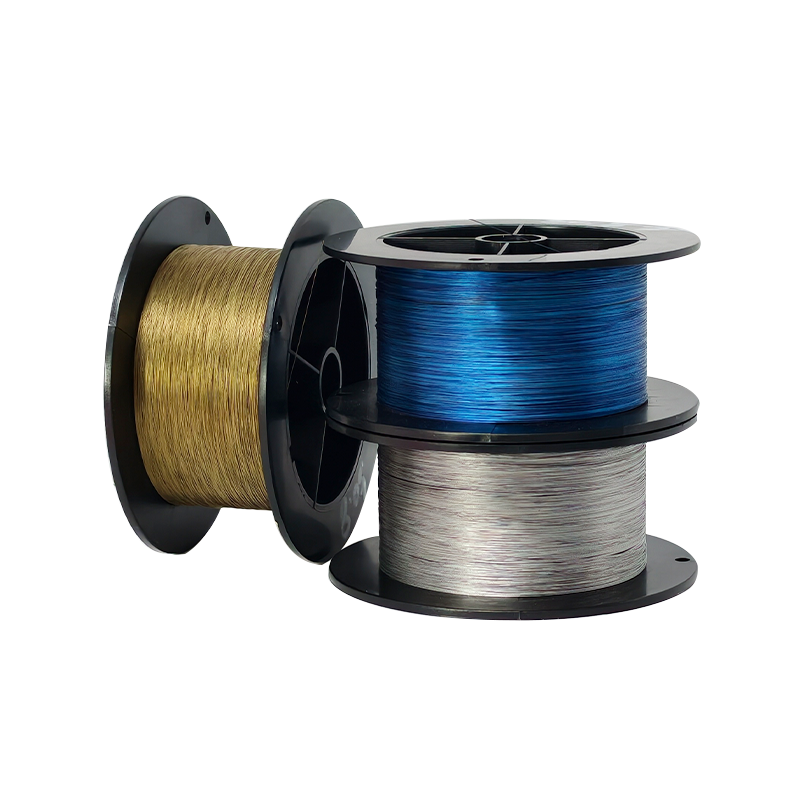
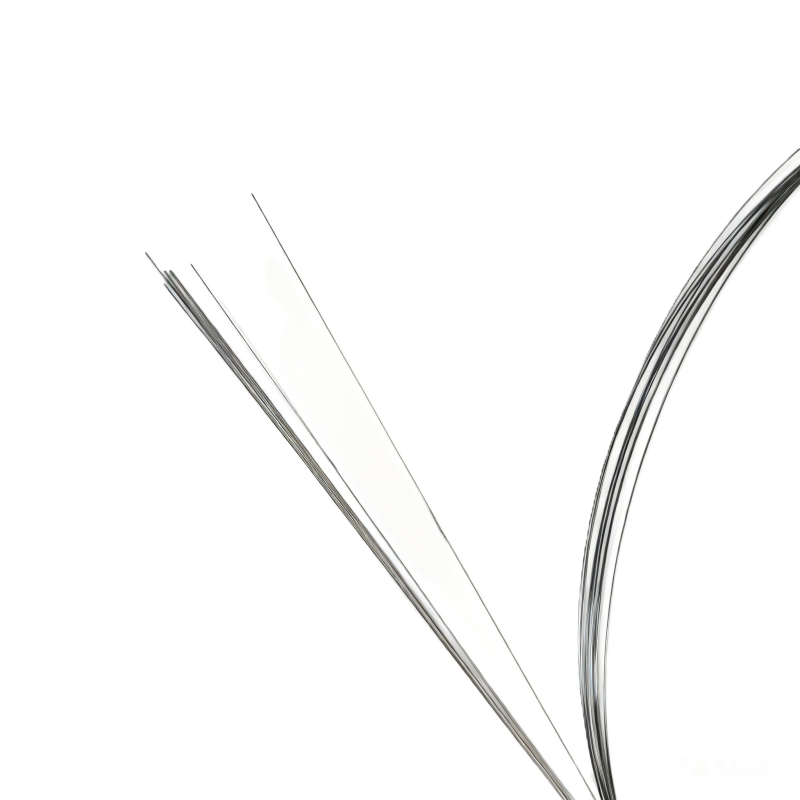
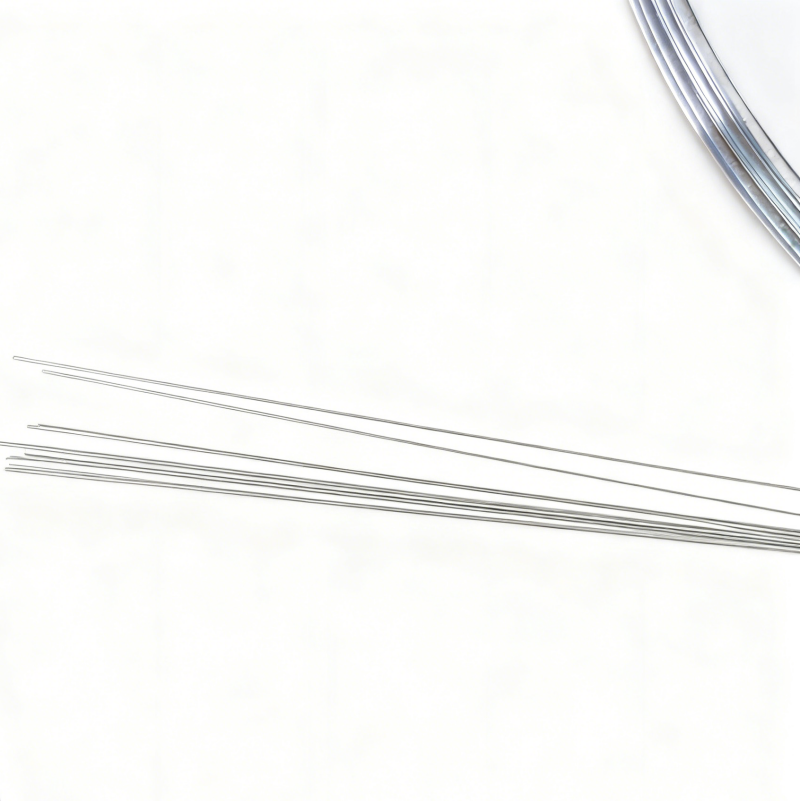
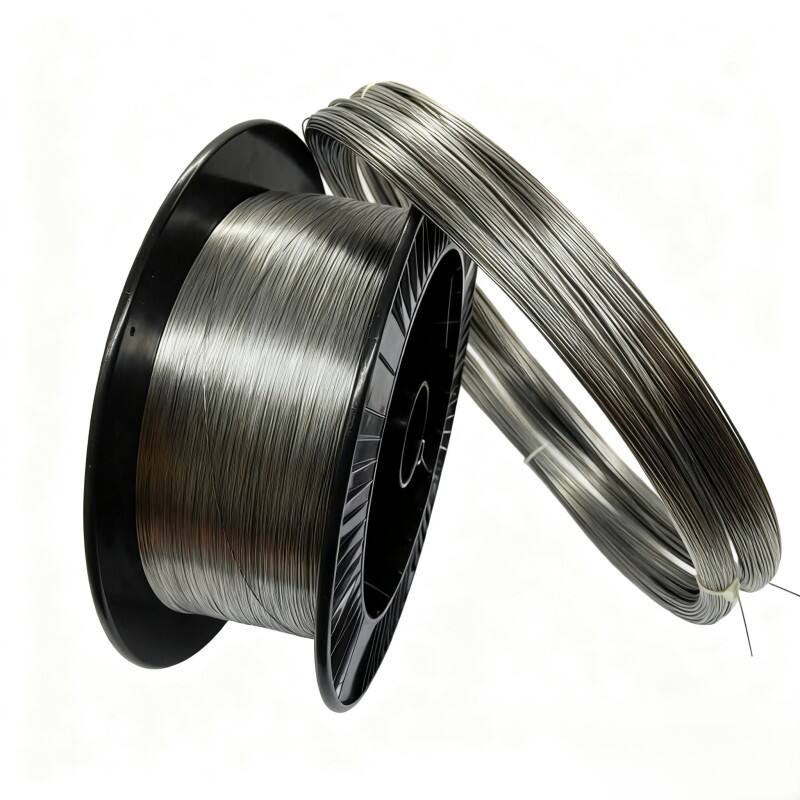
Reverse curve niti is a specialized orthodontic archwire designed to address specific tooth movement challenges that standard archwires cannot efficiently manage. Built from nickel-titanium alloy, reverse curve niti combines the superelastic properties of niti wire with a deliberately engineered reverse curvature that works against the natural curve of Spee. This design makes it a go-to solution for orthodontists who need to level and align dental arches while simultaneously managing deep bites and vertical discrepancies in a single clinical step. The core function of reverse curve niti is to intrude posterior teeth and extrude anterior teeth, effectively flattening an exaggerated curve of Spee. This biomechanical action redistributes occlusal forces across the arch, creating a more balanced bite relationship. Unlike traditional stainless steel wires that require precise bending and frequent adjustments, reverse curve niti delivers continuous, gentle force over an extended period, reducing the number of appointments a patient needs and improving overall treatment efficiency. From a technological standpoint, reverse curve niti is manufactured using advanced shape-memory and superelastic niti technology. The wire returns to its programmed reverse curve shape after deflection, meaning it consistently applies the correct force vector throughout the treatment phase without losing its intended geometry. This shape memory characteristic ensures predictable outcomes and reduces the risk of over-correction or under-correction. Reverse curve niti is available in a range of cross-sectional dimensions, including round and rectangular profiles, allowing clinicians to select the appropriate wire size based on the stage of treatment and the specific biomechanical demands of each case. It is compatible with both standard and self-ligating bracket systems, making it a versatile addition to any orthodontic practice. Clinical applications of reverse curve niti span across comprehensive orthodontic treatment plans, including cases involving deep overbite correction, arch leveling in growing and adult patients, and preparation for orthognathic surgery. Its ability to work passively yet effectively makes reverse curve niti an indispensable tool in modern orthodontics.


New Product Releases

Reverse curve niti gives orthodontists and patients a clear edge over conventional wire options, and the reasons are practical, measurable, and easy to understand. Here is a straightforward look at what makes reverse curve niti stand out in everyday clinical use. First, reverse curve niti saves time in the chair. Because the wire is superelastic, it keeps working between appointments without needing to be replaced or adjusted as frequently as stainless steel alternatives. Patients spend less time in the dental office, and orthodontists can manage more cases with greater confidence. This efficiency translates directly into cost savings for the practice and a more comfortable experience for the patient. Second, reverse curve niti handles deep bite correction and arch leveling at the same time. Traditional treatment approaches often require separate wires or additional appliances to address these two issues independently. Reverse curve niti combines both functions into one wire, cutting down on the number of treatment phases and reducing the overall duration of orthodontic care. For patients who want results faster, this is a significant advantage. Third, the gentle continuous force that reverse curve niti delivers is far more comfortable than the heavy intermittent forces associated with rigid wires. Patients report less soreness after adjustments, and the reduced force levels are less likely to cause unwanted side effects such as root resorption. This makes reverse curve niti a safer long-term choice for patients of all ages, including those with more sensitive periodontal conditions. Fourth, reverse curve niti is consistent. Every wire is manufactured to the same precise curvature and force specifications, so clinicians know exactly what to expect when they place it. There is no guesswork involved, and the predictability of the wire means treatment planning becomes more reliable. Orthodontists can set realistic timelines and communicate them clearly to patients, which builds trust and improves satisfaction. Fifth, reverse curve niti works with the bracket systems that most orthodontic practices already use. There is no need to invest in new equipment or retrain staff. Whether a practice uses traditional metal brackets or self-ligating systems, reverse curve niti integrates seamlessly into existing workflows. This compatibility makes adoption straightforward and cost-effective. Sixth, reverse curve niti reduces the physical demand on the clinician. Because the wire does the work passively, the orthodontist does not need to apply manual bends or make complex wire adjustments at every visit. This lowers the risk of technique-sensitive errors and allows the clinician to focus on higher-level treatment decisions. Seventh, reverse curve niti supports better long-term outcomes. By correcting the curve of Spee and establishing a proper occlusal plane early in treatment, it creates a stable foundation for subsequent finishing and detailing stages. Cases that start with reverse curve niti tend to finish more cleanly and require less correction in the later phases of treatment. In summary, reverse curve niti delivers practical, patient-centered benefits that improve the quality, speed, and comfort of orthodontic treatment without adding complexity or cost to the practice.

Tips And Tricks

Why is high-stability Nitinol the first choice for equipment in extreme conditions?

12

May

Why is high-stability Nitinol the first choice for equipment in extreme conditions?

When equipment must perform reliably under mechanical stress, thermal cycling, and repeated deformation, material selection becomes a critical engineering decision. Nitinol, the nickel-titanium shape memory alloy, has earned a dominant position in de...
View More
How to ensure dimensional tolerances for precision Nitinol metal parts?

18

May

How to ensure dimensional tolerances for precision Nitinol metal parts?

Achieving tight dimensional tolerances in Nitinol metal components is one of the most demanding challenges in precision manufacturing. Unlike conventional metals, Nitinol — a nickel-titanium shape memory alloy — exhibits superelastic recovery and pha...
View More
What breakthroughs can Nitinol material bring to future flexible robot joints?

25

May

What breakthroughs can Nitinol material bring to future flexible robot joints?

The evolution of robotics is deeply tied to the materials that power movement, flexibility, and responsiveness. Among the most promising advances in this space, Nitinol material stands out as a transformative force in the design of flexible robot joi...
View More
How to identify high-quality Nitinol sources with a 21-year background?

01

Jun

How to identify high-quality Nitinol sources with a 21-year background?

Sourcing Nitinol for industrial, medical, or specialty applications is not a decision that should be made lightly. Nitinol, the nickel-titanium shape memory alloy renowned for its superelastic behavior and thermal responsiveness, demands a level of m...
View More

Get a Free Quote

Our representative will contact you soon.
Email
Name
Company Name
Message
0/1000

reverse curve niti

Superelastic Shape Memory for Consistent, Predictable Force Delivery

Superelastic Shape Memory for Consistent, Predictable Force Delivery

One of the most important features of reverse curve niti is its superelastic shape memory, and understanding why this matters can help both clinicians and patients appreciate the real value this wire brings to orthodontic treatment. Superelasticity in reverse curve niti means the wire can be deflected significantly from its original shape during placement into the bracket slots, yet it will continuously and gently try to return to its programmed reverse curve geometry. This recovery force is what drives tooth movement, and because it is built into the material itself, it works around the clock without any manual intervention between appointments. What makes this particularly valuable is the consistency of the force level. Conventional stainless steel wires deliver high initial forces that drop off quickly as the wire deforms, leading to uneven tooth movement and the need for frequent wire changes. Reverse curve niti, by contrast, maintains a relatively constant force over a wide range of deflection, which is known as a flat load-deflection curve. This means the wire is just as effective at the beginning of a treatment phase as it is weeks later, ensuring that every tooth in the arch receives the appropriate biomechanical stimulus throughout the entire period the wire is in place. For patients, this translates into a smoother treatment experience with fewer sharp spikes in discomfort. For clinicians, it means fewer emergency visits related to wire fatigue or loss of activation. The shape memory of reverse curve niti also ensures that the reverse curvature itself is never lost during treatment. Even when the wire is tied into a severely misaligned arch, it retains its programmed geometry and works steadily to impose that geometry onto the dental arch. This reliability is critical in cases where the curve of Spee is pronounced, because it guarantees that the corrective force is always directed in the right vector. Practices that use reverse curve niti consistently report more predictable leveling outcomes and shorter overall treatment times compared to approaches that rely on manually bent wires or sequential wire changes to achieve the same result.
Simultaneous Deep Bite Correction and Arch Leveling in a Single Wire

Simultaneous Deep Bite Correction and Arch Leveling in a Single Wire

Reverse curve niti is uniquely engineered to accomplish two of the most common and challenging objectives in orthodontic treatment at the same time: correcting a deep overbite and leveling the dental arch. This dual-action capability is what sets reverse curve niti apart from standard archwires and makes it a preferred choice for orthodontists managing complex cases. A deep bite occurs when the upper front teeth overlap the lower front teeth excessively in the vertical dimension. This condition is often accompanied by an exaggerated curve of Spee, which is the natural front-to-back curvature of the lower dental arch. Left uncorrected, a deep bite can cause wear on the front teeth, jaw discomfort, and complications in the finishing stages of orthodontic treatment. Addressing it requires a specific biomechanical approach that standard flat archwires simply cannot provide. Reverse curve niti is designed with a curvature that runs opposite to the curve of Spee. When placed in the mouth, this reverse curvature creates intrusive forces on the posterior teeth and extrusive forces on the anterior teeth, effectively working to flatten the arch and reduce the vertical overlap of the front teeth. This happens passively and continuously, without the need for additional appliances such as bite plates, utility arches, or intermaxillary elastics in many cases. The ability to level the arch and correct the deep bite simultaneously means that treatment can progress more efficiently. Orthodontists do not need to dedicate separate treatment phases to each problem, which reduces the total number of wire changes and shortens the overall treatment timeline. Patients benefit from a faster path to a well-aligned, functional bite, and the reduced complexity of the treatment plan makes it easier to stay on schedule. For practices that treat a high volume of deep bite cases, reverse curve niti is a practical and reliable solution that delivers consistent results without adding procedural complexity.
Broad Compatibility and Versatility Across Treatment Protocols

Broad Compatibility and Versatility Across Treatment Protocols

Reverse curve niti is designed to fit seamlessly into a wide variety of orthodontic treatment protocols, making it one of the most versatile wires available to modern orthodontic practices. Its compatibility with different bracket systems, its availability in multiple cross-sectional dimensions, and its applicability across different patient populations all contribute to its status as a reliable clinical workhorse. Starting with bracket compatibility, reverse curve niti works effectively with both conventional ligating brackets and self-ligating bracket systems. This means that orthodontists do not need to change their preferred bracket system or invest in new equipment to take advantage of what reverse curve niti offers. The wire simply slots into existing setups and begins working immediately, which makes it easy to incorporate into any practice without disruption to established workflows. In terms of dimensions, reverse curve niti is available in a range of round and rectangular cross-sections. Round wires are typically used in the early stages of treatment when the primary goal is alignment and initial leveling. Rectangular wires come into play in the intermediate and finishing stages when torque control and three-dimensional tooth positioning become important. Having reverse curve niti available in both formats means clinicians can use it throughout multiple phases of treatment rather than switching to a different wire type as the case progresses. Patient population versatility is another key strength of reverse curve niti. It is appropriate for use in adolescent patients whose arches are still developing, as well as in adult patients who may have more rigid periodontal structures. The gentle, continuous force levels that reverse curve niti delivers are well-tolerated across age groups, and the wire can be adapted to cases of varying complexity, from mild curve of Spee discrepancies to more pronounced deep bite presentations. This broad applicability makes reverse curve niti a smart investment for any orthodontic practice looking to standardize its wire inventory while maintaining the flexibility to handle diverse case types with confidence and precision.
Reverse Curve NiTi Archwire: Advanced Deep Bite Correction and Arch Leveling Solution

Get a Free Quote

Our representative will contact you soon.
Email
Name
Company Name
Message
0/1000
Newsletter
Please Leave A Message With Us