Advanced Biocompatibility and Corrosion Resistance for Safe Long-Term Use
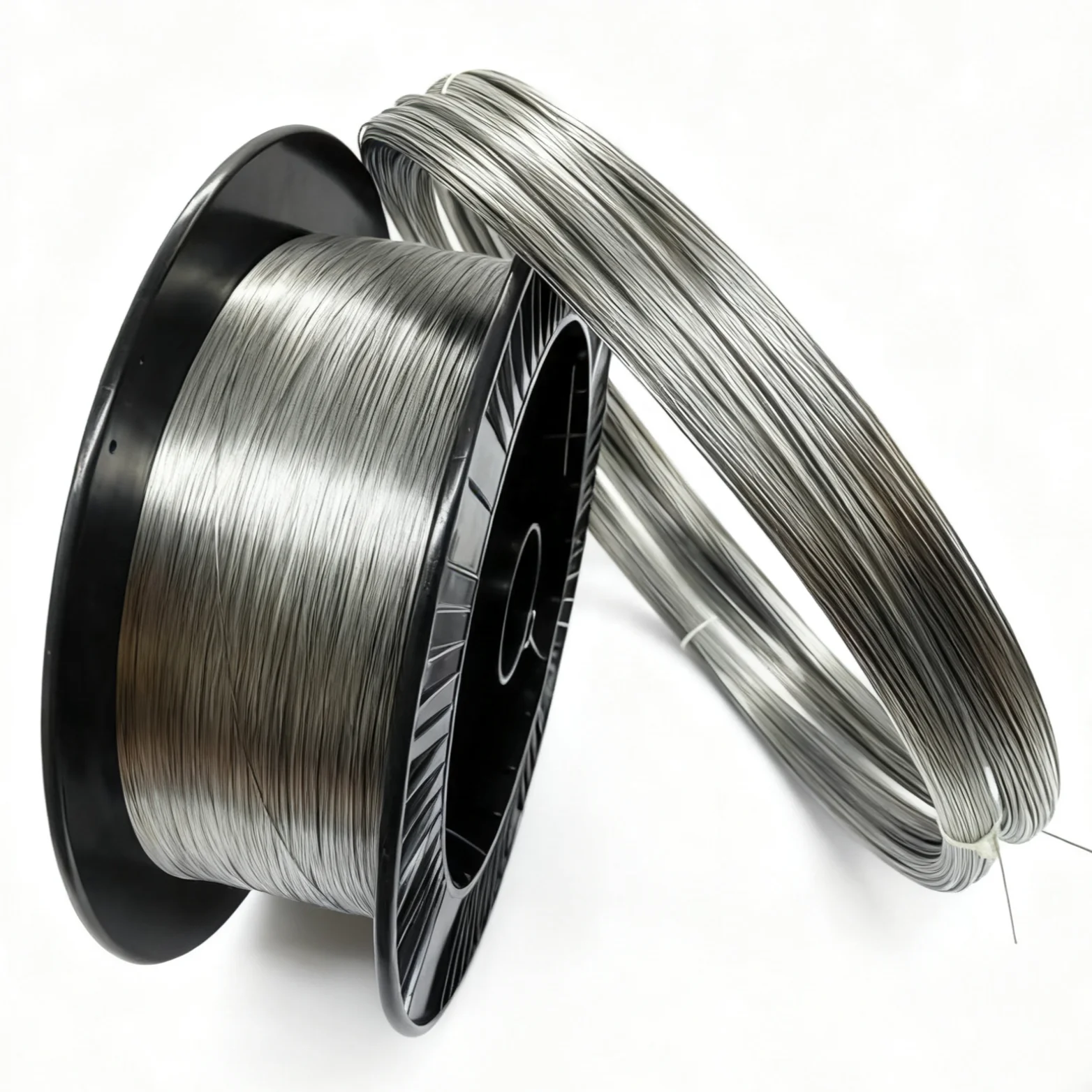
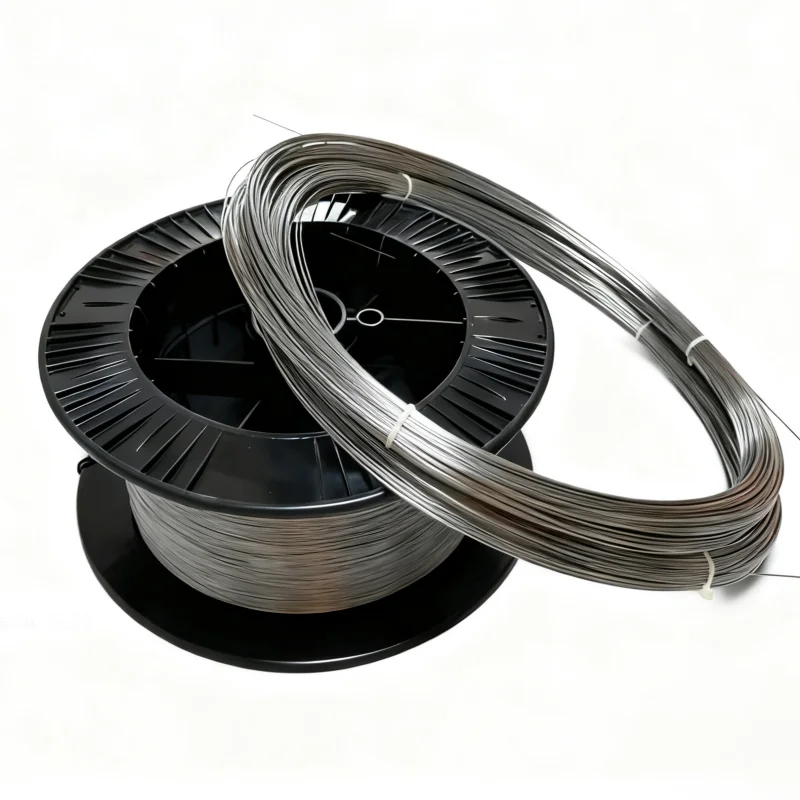
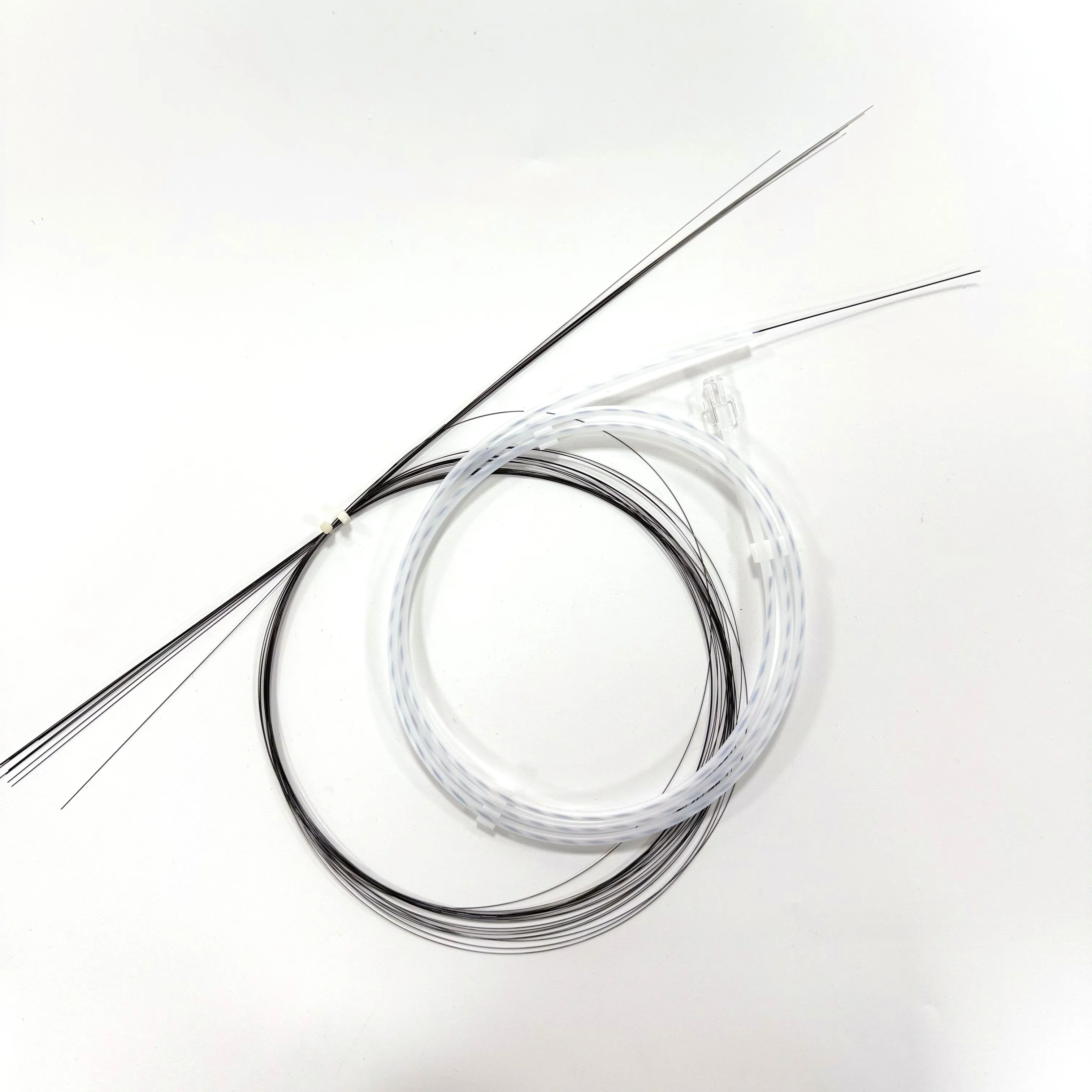
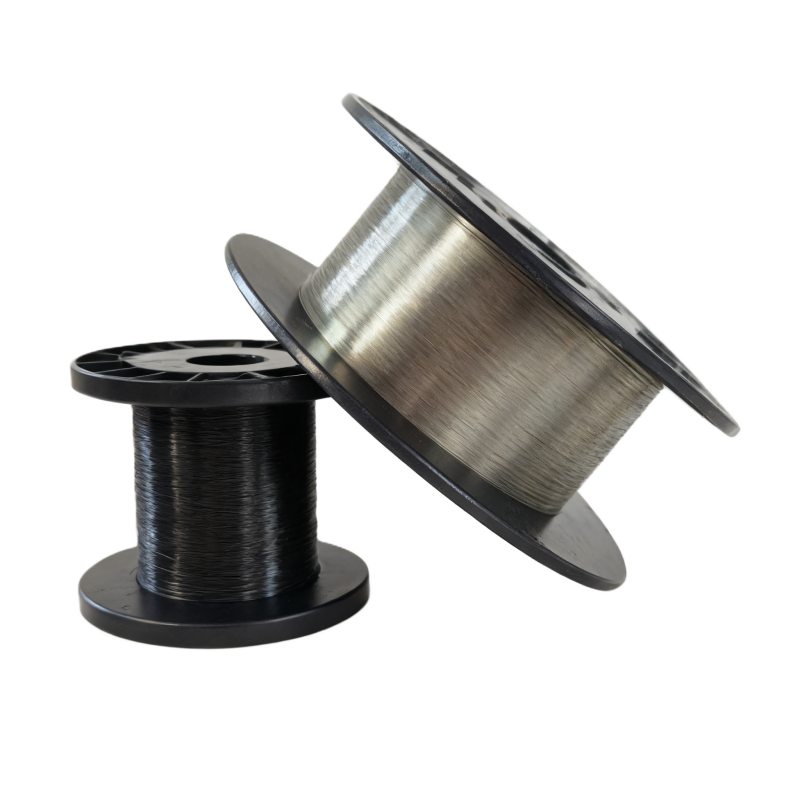
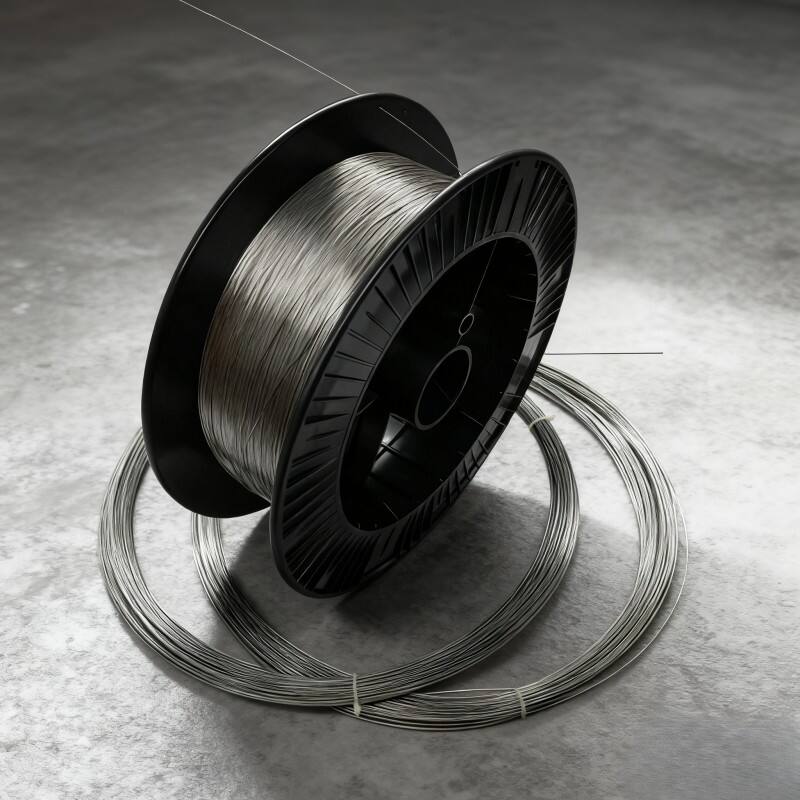
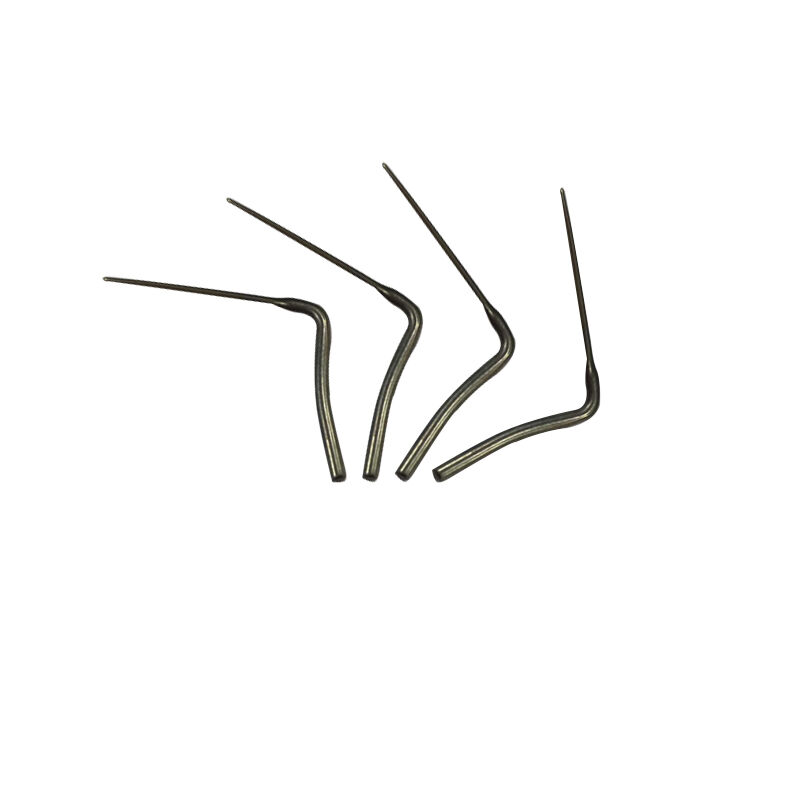
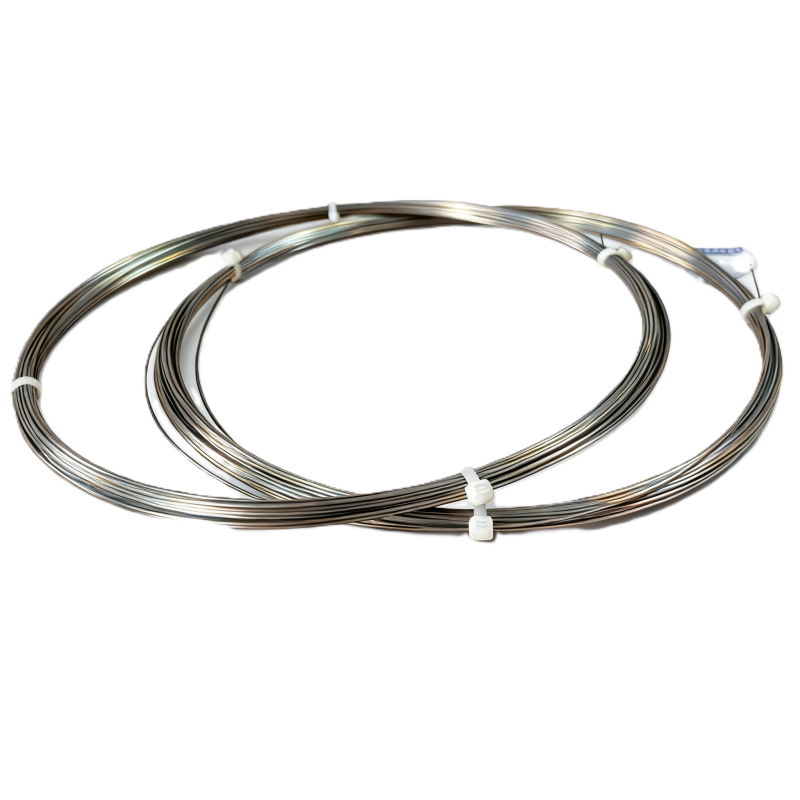
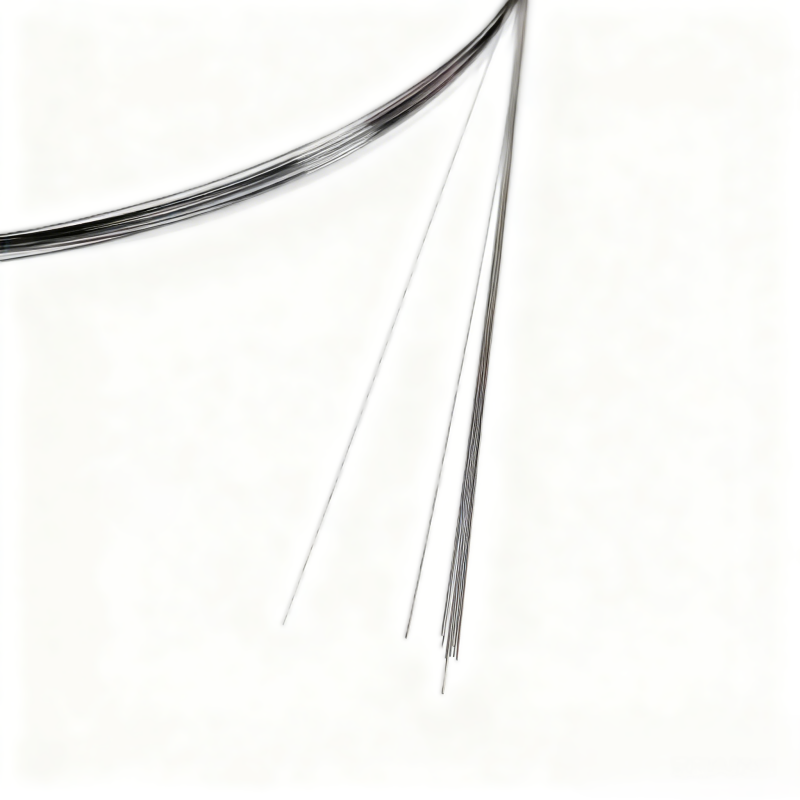
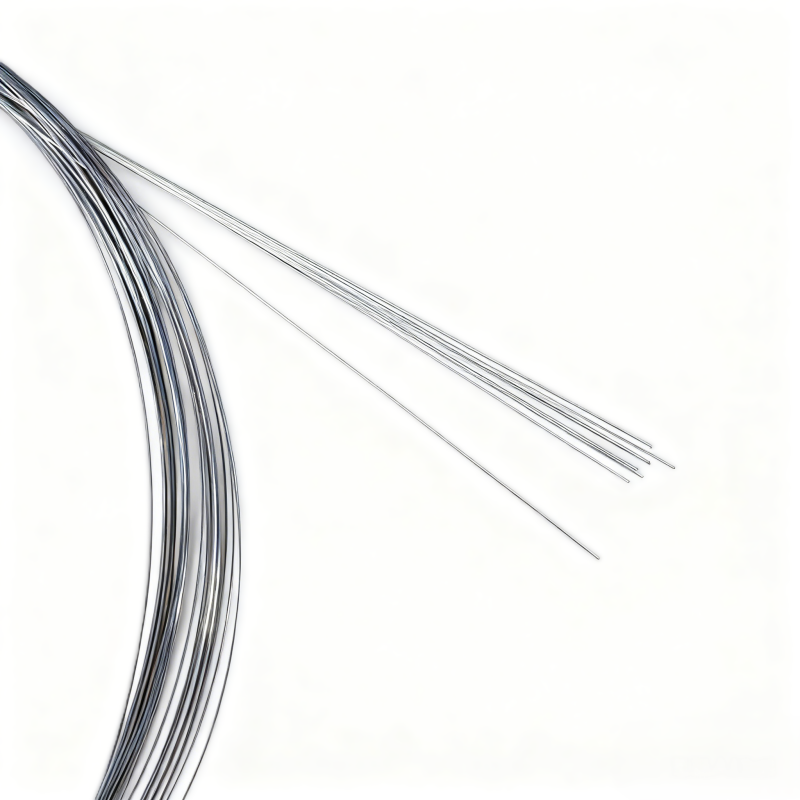
The biocompatibility and corrosion resistance of ortho niti wire establish it as a premium choice for safe, effective orthodontic treatment over extended periods. Biocompatibility refers to the material's ability to exist in the oral environment without triggering adverse biological responses such as allergic reactions, tissue irritation, or toxic effects. The nickel-titanium alloy used in ortho niti wire has been extensively tested and proven safe for intraoral use, with the titanium component providing a protective oxide layer that minimizes nickel ion release. This is particularly important given that the wire remains in constant contact with oral soft tissues and saliva for months or even years during treatment. Patients with known nickel sensitivities should discuss alternatives with their orthodontists, but for the vast majority of individuals, ortho niti wire presents no biocompatibility concerns and performs safely throughout the treatment duration. The material undergoes rigorous quality testing and meets strict regulatory standards established by dental and medical device authorities worldwide, ensuring that every wire meets high safety benchmarks before clinical use. The corrosion resistance of ortho niti wire is equally crucial for maintaining both safety and effectiveness throughout orthodontic treatment. The oral environment presents numerous corrosive challenges, including fluctuating pH levels from foods and beverages, bacterial acids, temperature variations, and constant moisture exposure. Traditional orthodontic materials can corrode over time, leading to surface degradation that compromises both the mechanical properties needed for tooth movement and the biocompatibility essential for patient safety. Ortho niti wire resists these corrosive factors exceptionally well, maintaining its surface integrity and mechanical performance even after months of exposure to harsh oral conditions. This resistance means the wire continues to deliver consistent corrective forces without weakening or releasing potentially harmful degradation products into the oral cavity. The stable surface of ortho niti wire also resists bacterial colonization better than rougher, corroded surfaces, contributing to improved oral hygiene during orthodontic treatment. From a practical perspective, the corrosion resistance of ortho niti wire translates to fewer complications and replacements during treatment. Patients experience greater reliability and can trust that their orthodontic appliances will perform as intended throughout the prescribed wearing period. The durability provided by corrosion resistance also makes ortho niti wire more cost-effective over the long term, as the reduced need for wire replacements due to degradation saves both time and money. Orthodontists appreciate the predictable performance that corrosion-resistant wire provides, allowing for more accurate treatment planning and better patient outcomes.

 EN
EN