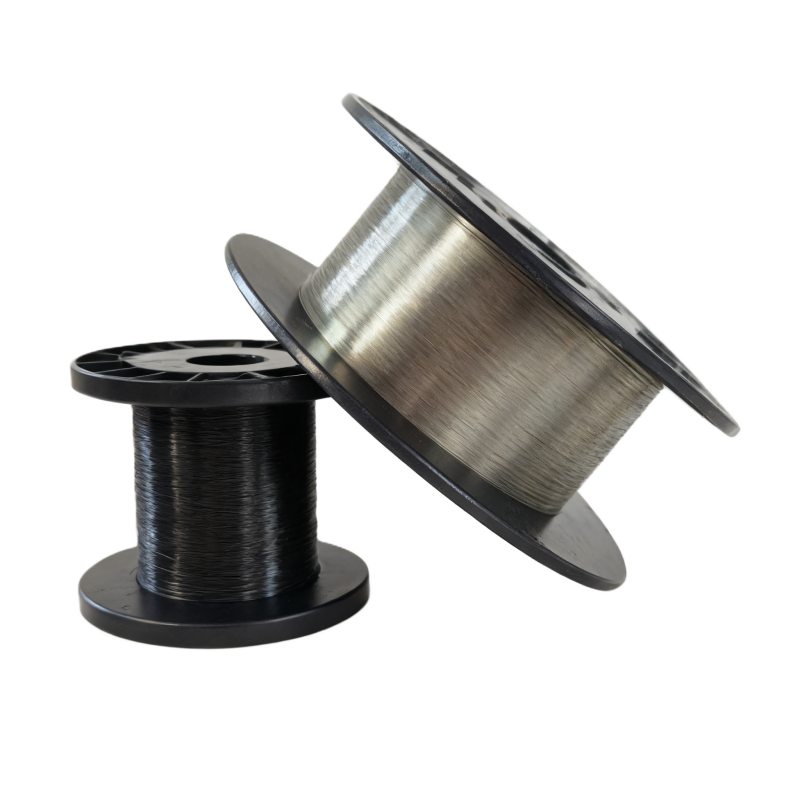
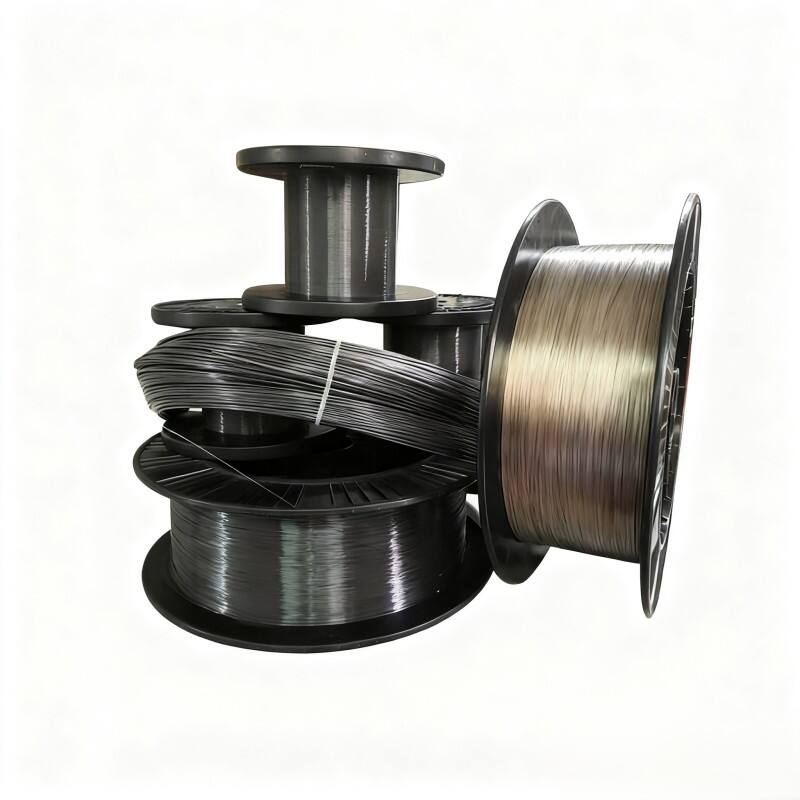
Superior Biocompatibility and Patient Comfort Throughout Treatment
The reverse curve niti wire offers exceptional biocompatibility that directly translates to enhanced patient comfort and reduced complications throughout the orthodontic treatment journey. The nickel-titanium alloy used in manufacturing these wires has been extensively tested and proven to be highly compatible with oral tissues, exhibiting minimal cytotoxic effects and rarely triggering allergic responses even in patients with metal sensitivities. This biocompatibility advantage stems from the stable oxide layer that forms on the wire surface, creating a barrier that prevents nickel ion release into the oral environment while maintaining the material's beneficial mechanical properties. For patients, this means they can undergo treatment with confidence, knowing the materials working in their mouth are safe, tested, and unlikely to cause adverse reactions or tissue irritation. The smooth surface finish of the reverse curve niti wire further enhances comfort by minimizing friction against soft tissues like cheeks, lips, and tongue, reducing the incidence of ulcers or sore spots that commonly plague orthodontic patients using rougher wire materials. Beyond tissue compatibility, the reverse curve niti wire delivers superior comfort through its unique force delivery characteristics, applying gentle, continuous pressure that works with the body's natural bone remodeling processes rather than against them. This physiologically appropriate force system means patients experience significantly less soreness and tenderness compared to the intense discomfort associated with heavier forces from conventional stainless steel wires. Many patients report being able to eat normally within just a few days of having the reverse curve niti wire placed, whereas traditional wires often necessitate soft food diets for a week or longer during adjustment periods. The wire's flexibility also contributes to comfort during the initial bonding appointment, as it can be easily ligated into brackets even when teeth are severely misaligned, avoiding the painful pressure points that rigid wires sometimes create. Temperature stability represents another comfort advantage, as the reverse curve niti wire maintains consistent mechanical properties across the range of temperatures experienced in the mouth, from cold beverages to hot foods, ensuring patients do not experience unexpected force changes that could cause discomfort or treatment delays. The long wear intervals possible with the reverse curve niti wire mean patients endure fewer wire change appointments, which are often the most uncomfortable aspects of orthodontic treatment, as each new wire activation requires an adjustment period. This reduced appointment frequency also means less overall time with sore teeth and gums, contributing to a more positive treatment experience. Parents of younger patients particularly appreciate how the comfortable nature of the reverse curve niti wire helps maintain treatment compliance, as children experiencing less pain are more cooperative with wearing elastics, maintaining good oral hygiene, and attending scheduled appointments. The psychological benefit of reduced discomfort should not be underestimated, as patients who experience comfortable treatment are more likely to complete their orthodontic journey successfully and maintain their results through proper retainer wear, ultimately achieving the beautiful, healthy smiles that motivated them to seek treatment in the first place.

 EN
EN