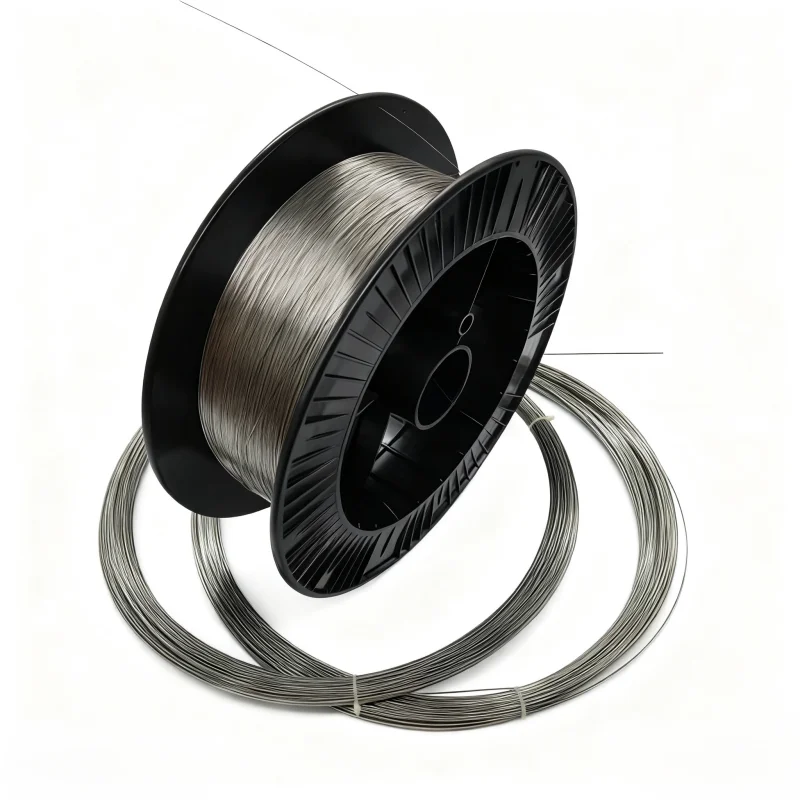
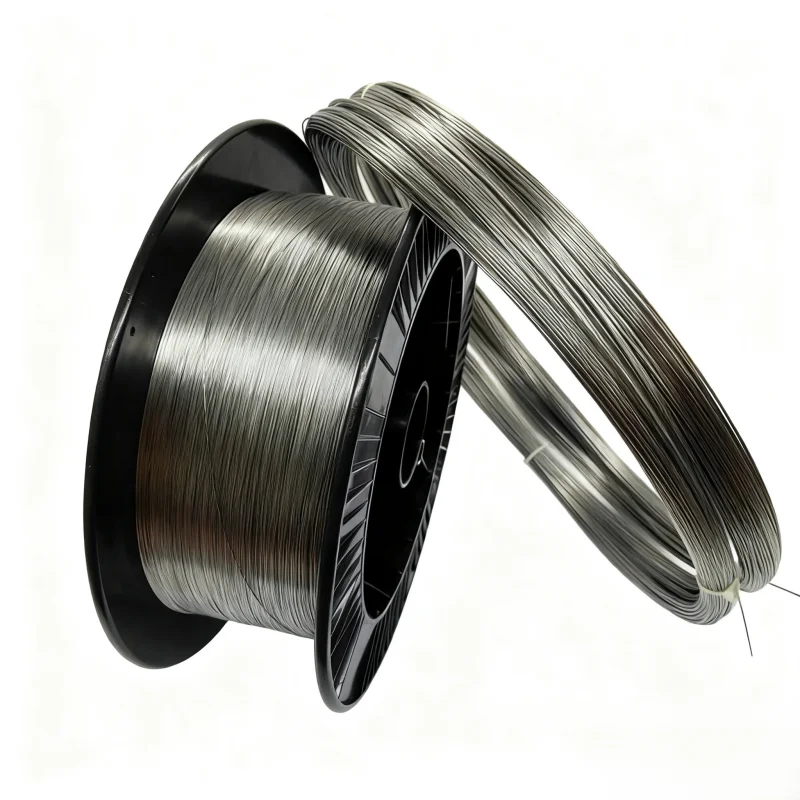
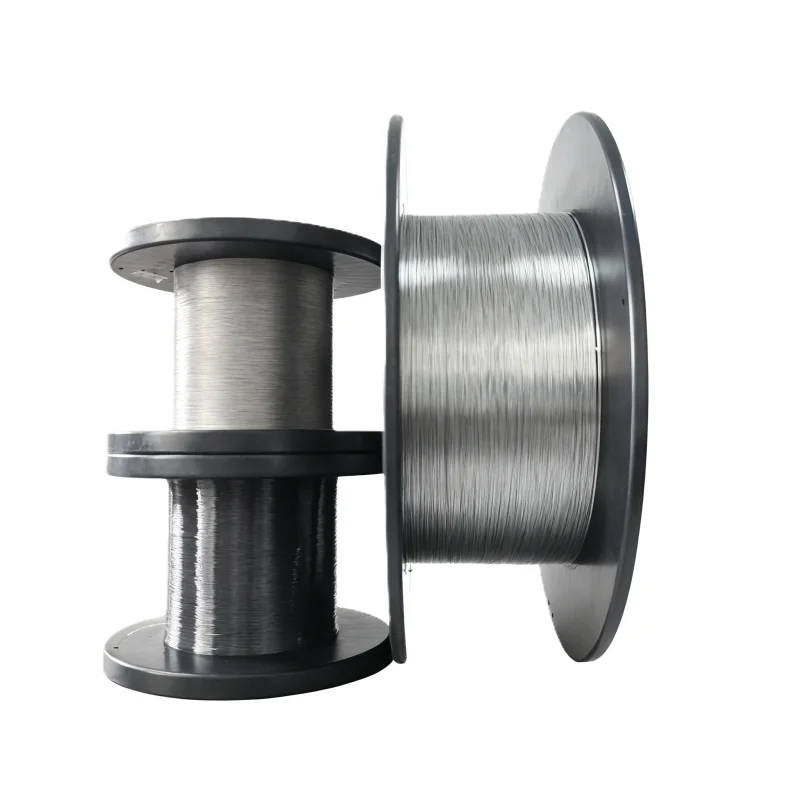
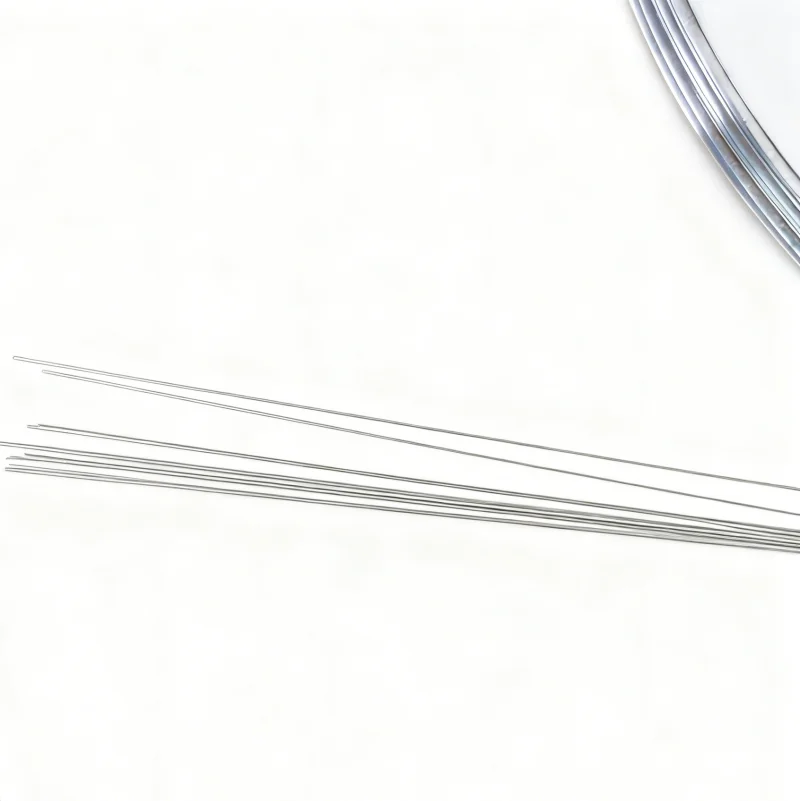
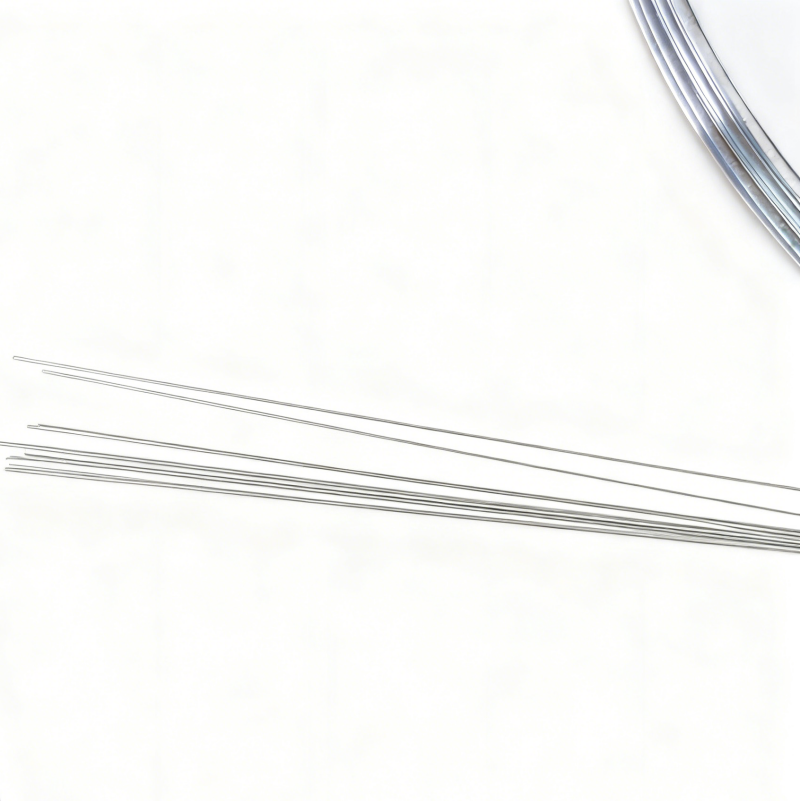
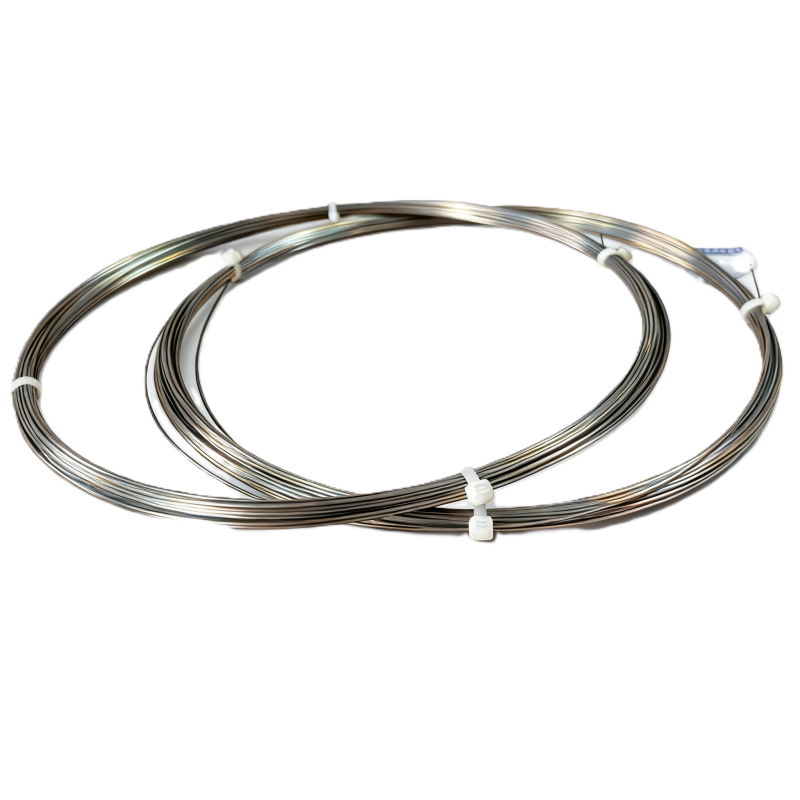
reverse niti wire
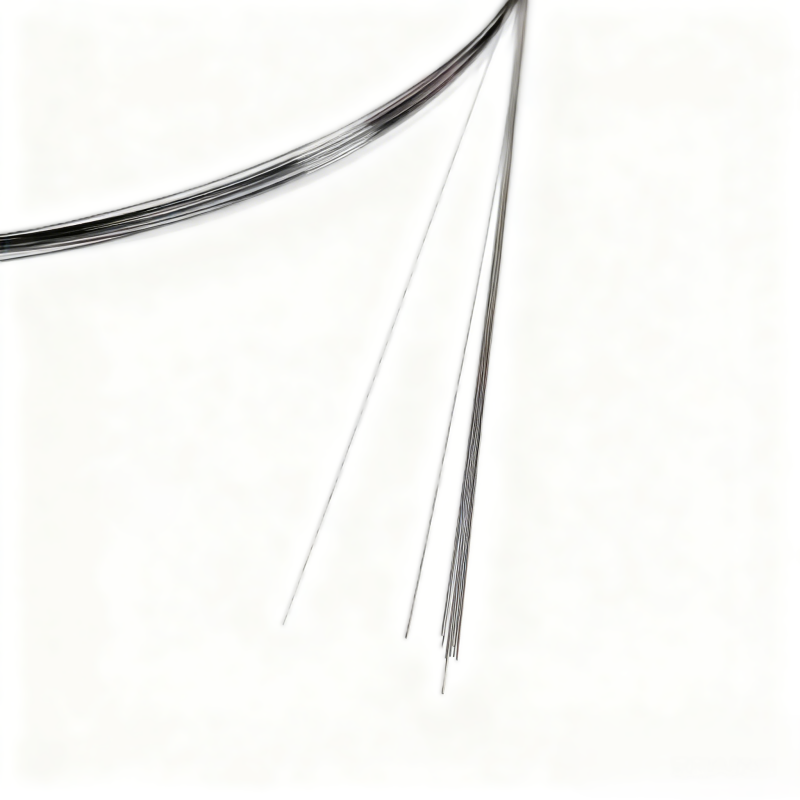
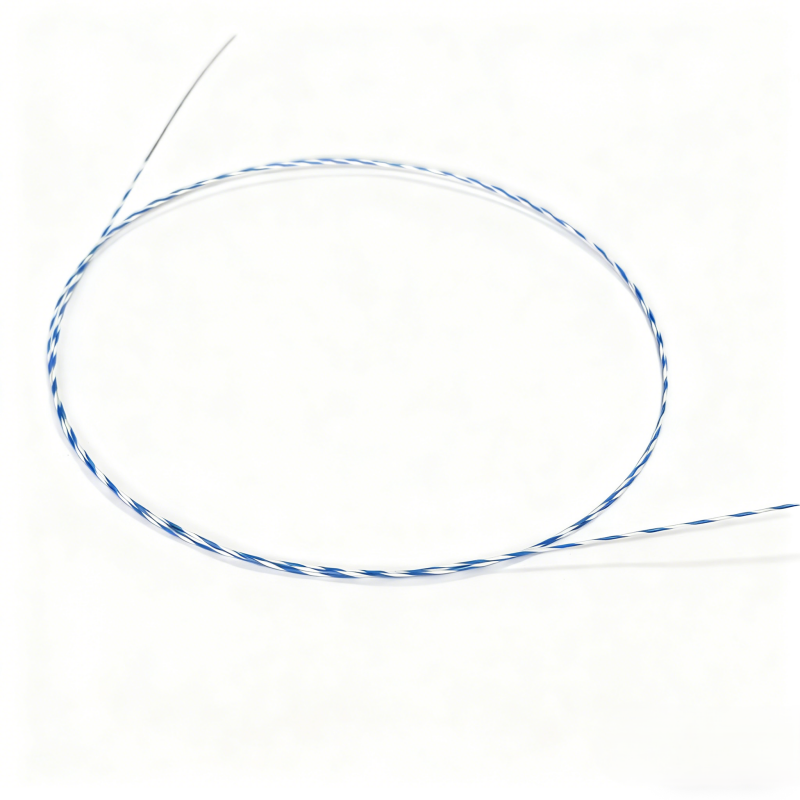
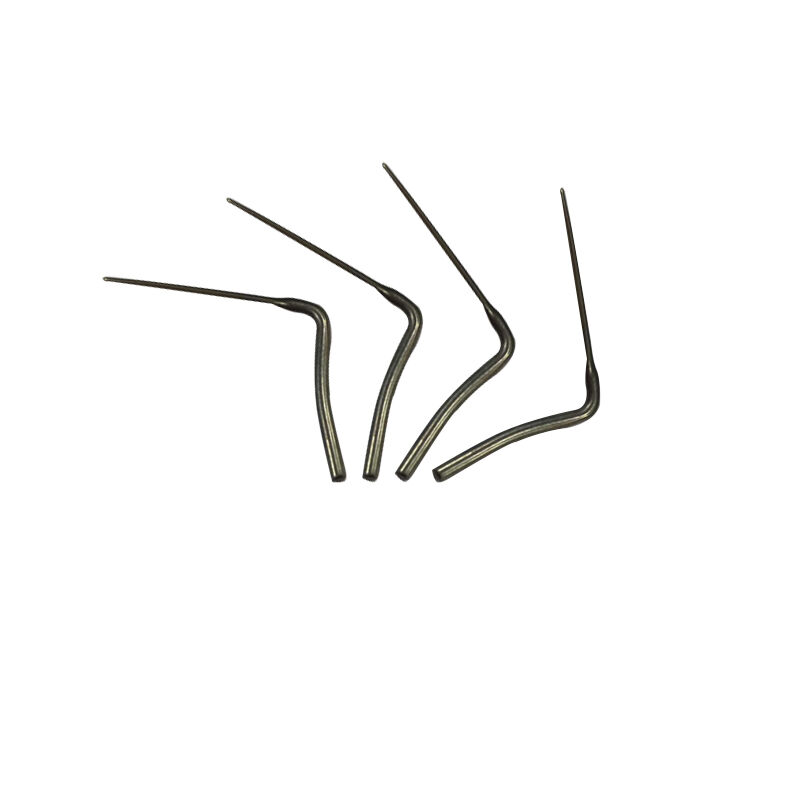
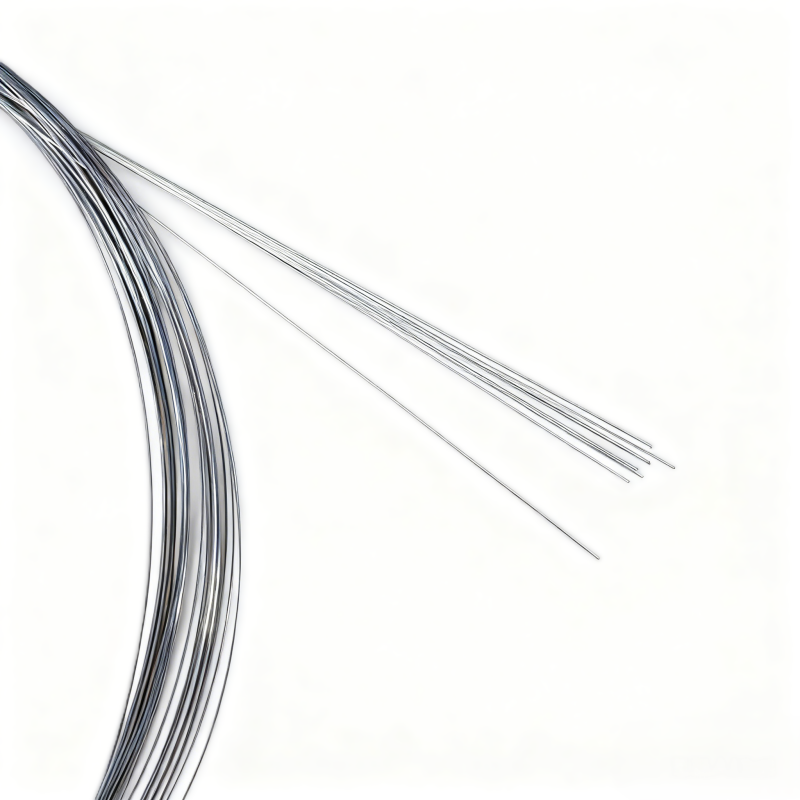
Reverse NiTi wire is a specialized orthodontic archwire engineered from nickel-titanium alloy, designed to deliver a unique force profile that sets it apart from conventional NiTi wires. Unlike standard nickel-titanium wires that apply continuous light forces in a single direction, reverse NiTi wire is manufactured with a built-in reverse curve of Spee, allowing it to simultaneously address multiple tooth movement challenges within a single archwire. This innovative design makes it an essential tool in modern orthodontic treatment planning, particularly for cases requiring arch development, curve of Spee correction, and incisor torque management at the same time. The core technology behind reverse NiTi wire lies in its superelastic properties combined with its pre-formed reverse curvature. Nickel-titanium alloys exhibit shape memory and superelasticity, meaning the wire returns to its original shape after deflection, delivering consistent and gentle forces over an extended period. When this material science is applied to a reverse curve configuration, the wire exerts intrusive forces on posterior teeth while simultaneously applying extrusive and labial forces to anterior teeth. This biomechanical behavior helps level the dental arch, correct deep bites, and improve overall arch form without requiring frequent wire changes. Reverse NiTi wire is available in a range of cross-sectional dimensions, including round and rectangular profiles, to suit different stages of orthodontic treatment. It is compatible with both standard and self-ligating bracket systems, making it a versatile choice across various clinical setups. Clinicians use reverse NiTi wire during the leveling and aligning phase as well as during space closure and finishing stages, depending on the specific treatment goals. Its ability to work passively yet effectively reduces patient discomfort while maintaining steady progress. From a clinical perspective, reverse NiTi wire simplifies complex treatment mechanics by consolidating multiple corrective functions into one wire, reducing chair time and improving treatment efficiency. It is widely used in both adult and adolescent orthodontic cases, making it a reliable and adaptable solution for orthodontists seeking predictable outcomes with minimal patient burden.

 EN
EN