thermal niti wire
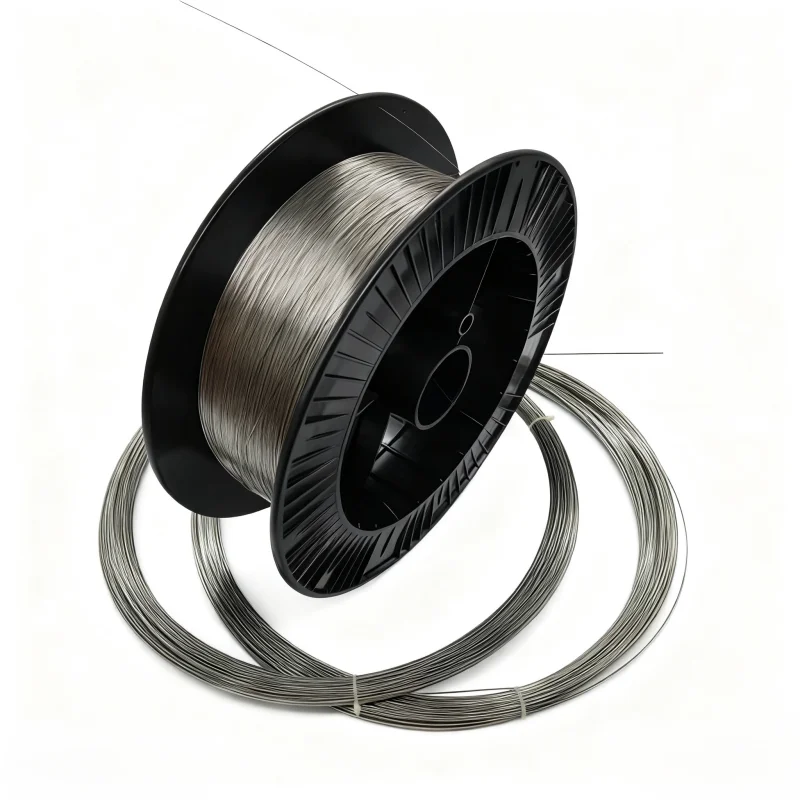
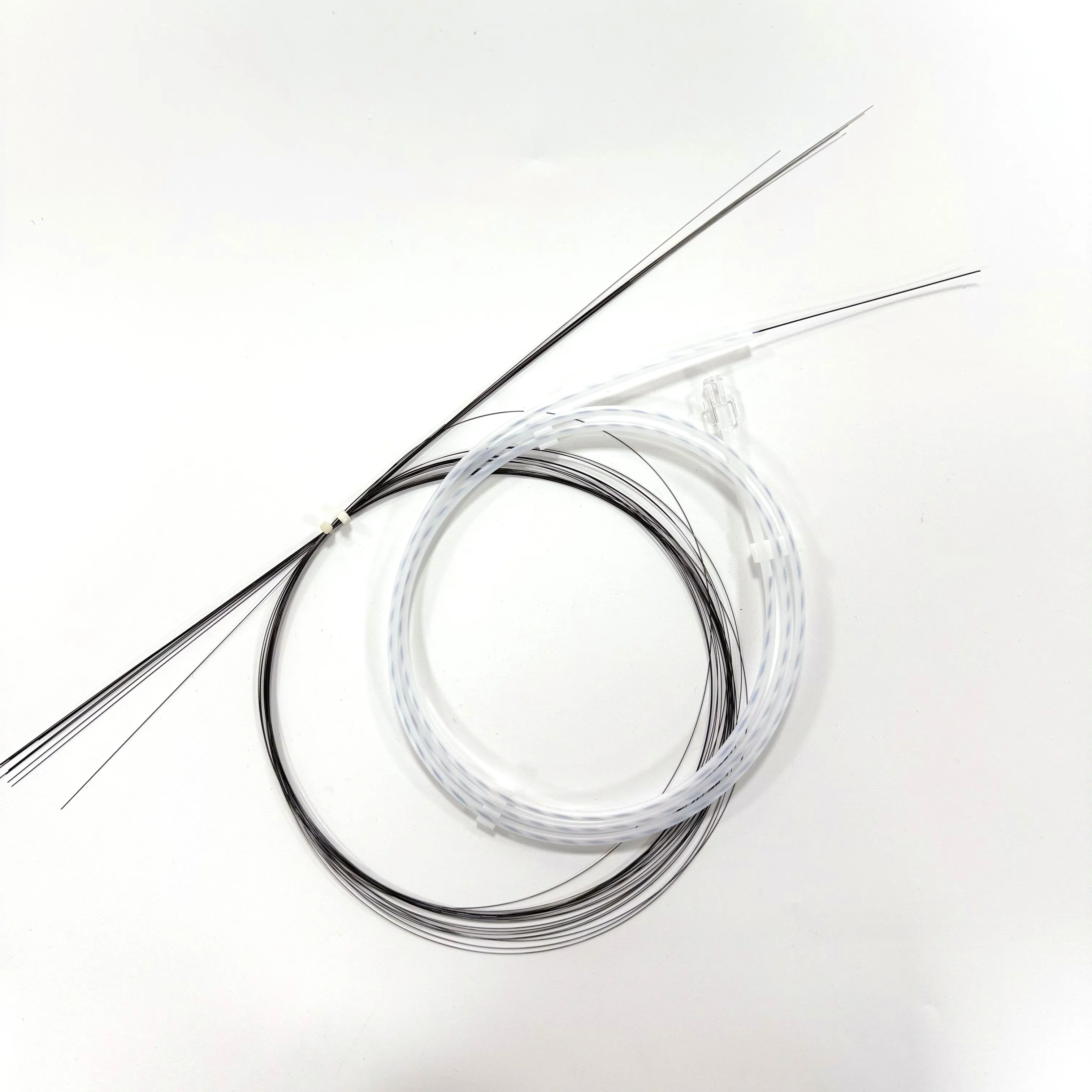
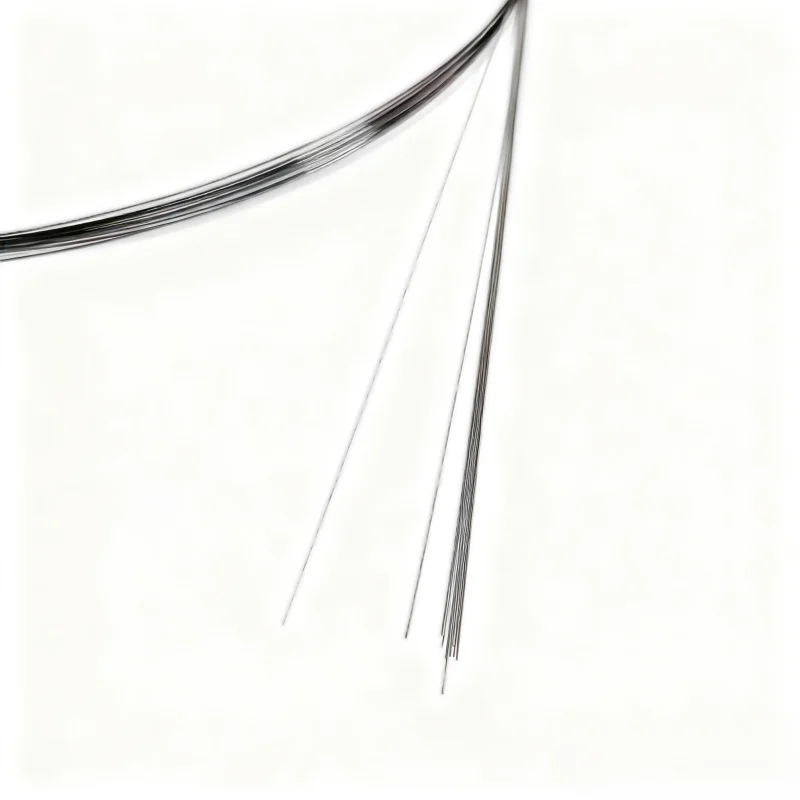
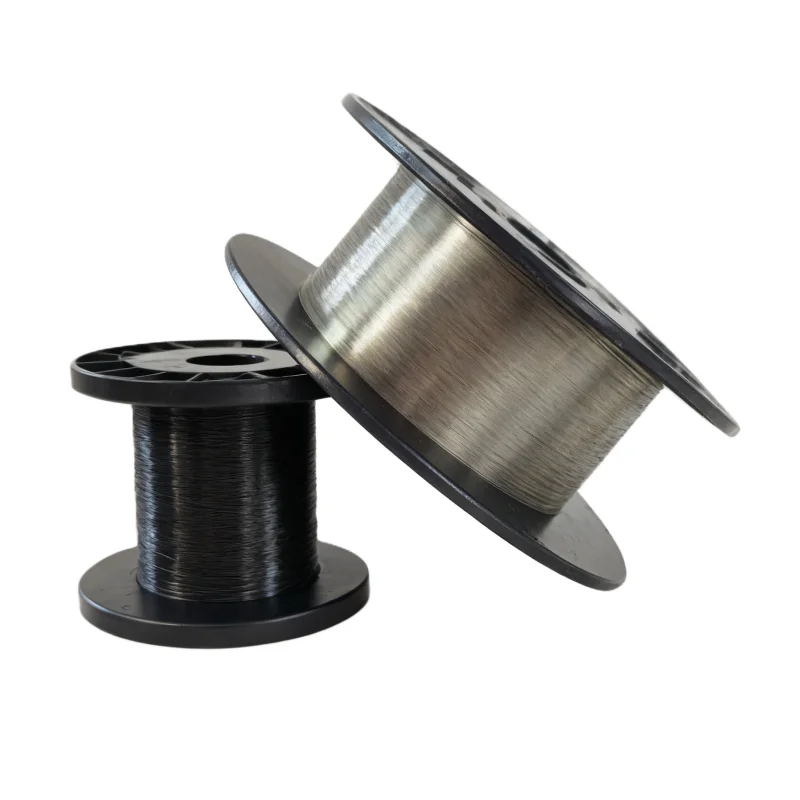
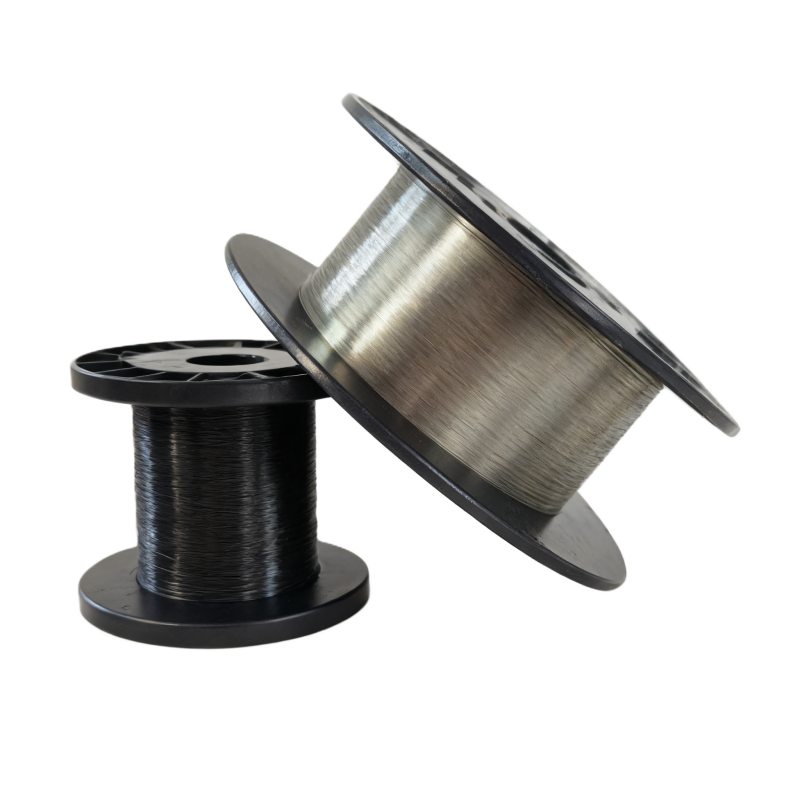
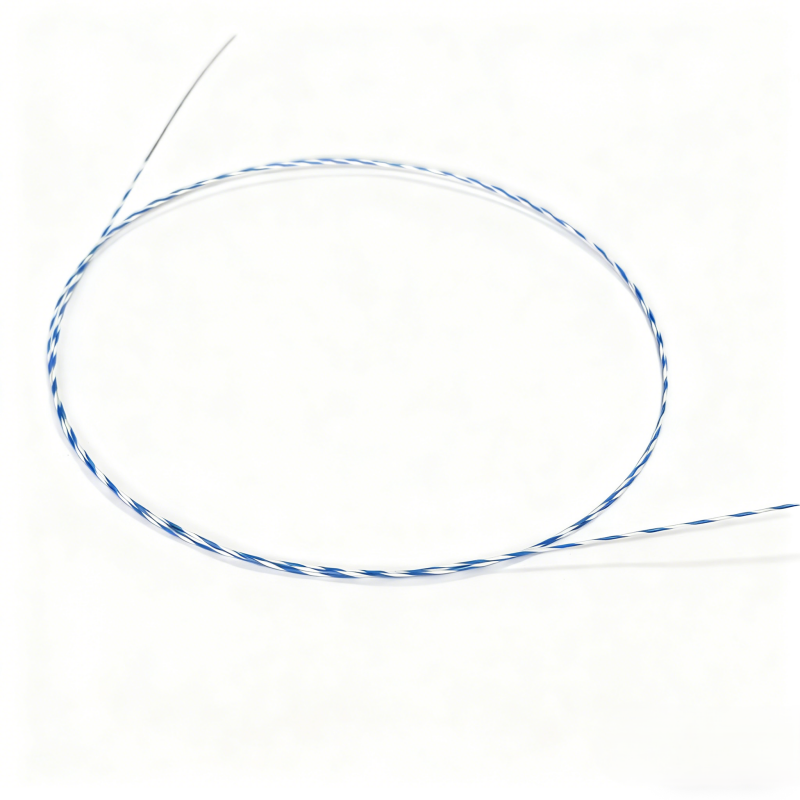
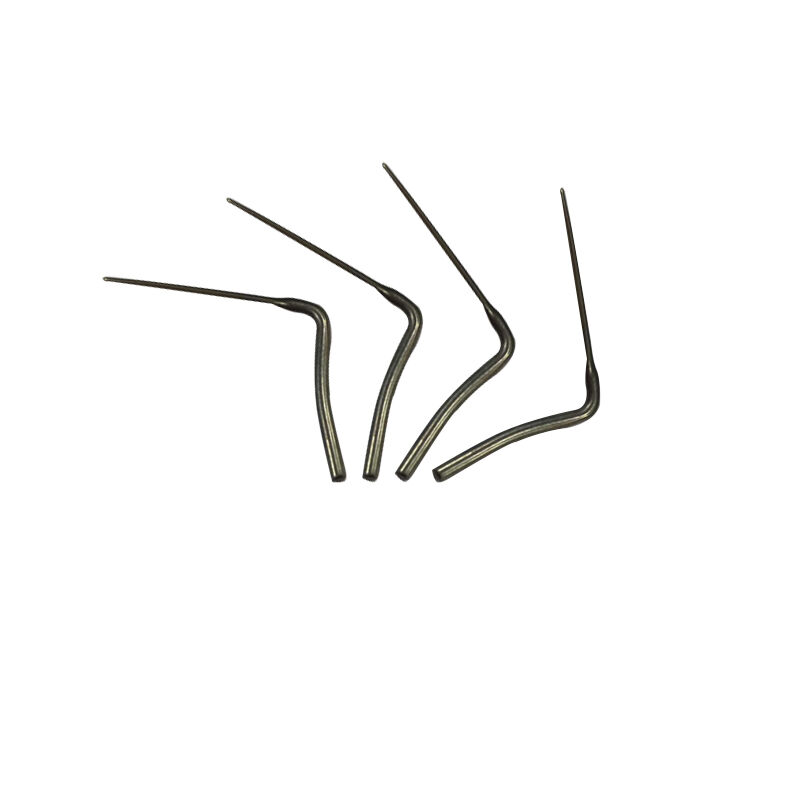
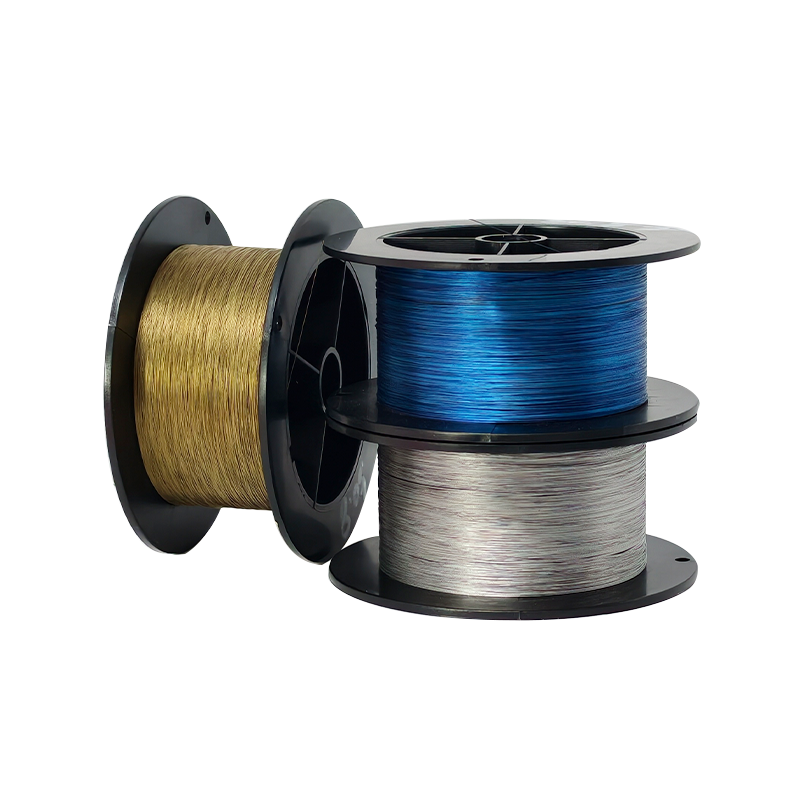
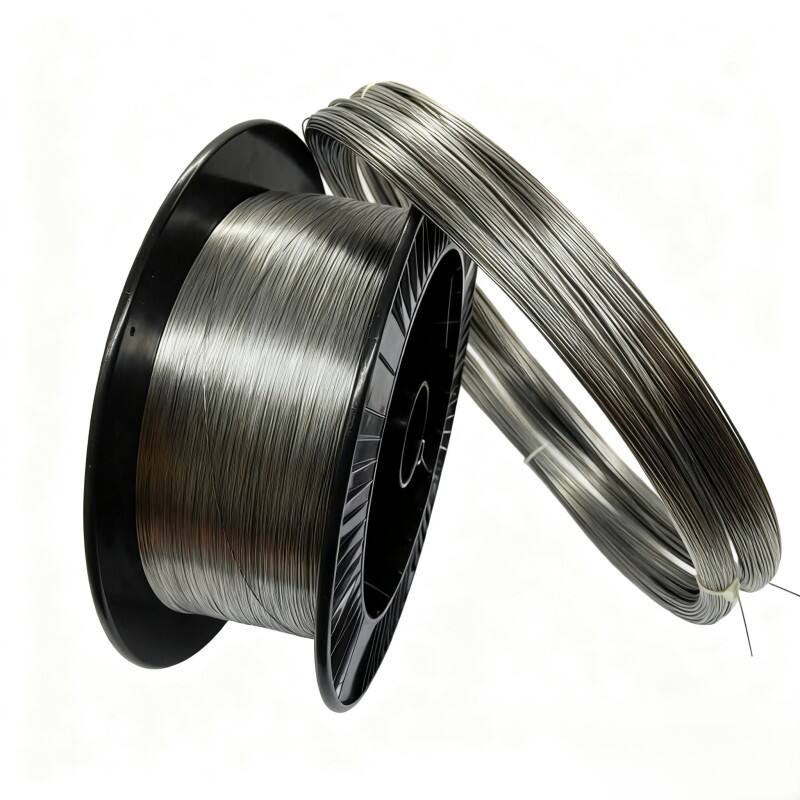
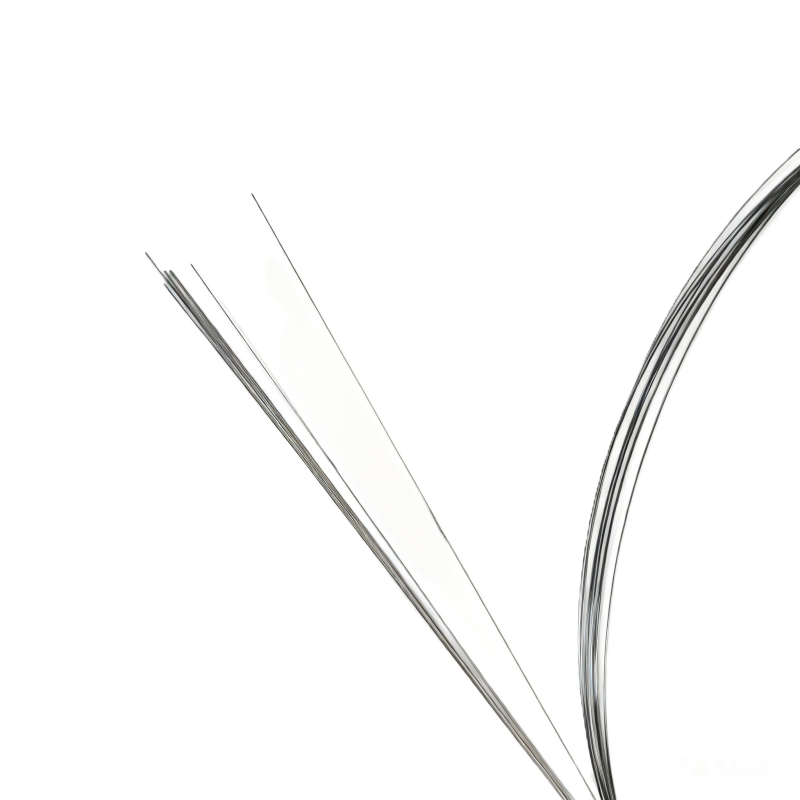
Thermal niti wire is a specialized shape memory alloy wire engineered from a precise nickel-titanium composition that responds predictably to temperature changes. At its core, thermal niti wire leverages the unique crystalline transformation between two distinct phases, austenite and martensite, to deliver controlled mechanical movement without any external motor or power-driven actuator. When the wire is cooled below its transformation temperature, it enters a soft, malleable martensitic state that can be easily deformed or stretched. Once heat is applied and the wire crosses its programmed transition threshold, it snaps back to its original memorized shape with remarkable force and precision. This thermally activated behavior makes thermal niti wire one of the most versatile and reliable smart materials available in modern engineering. The wire is manufactured through a carefully controlled drawing and annealing process that sets the transformation temperature to a specific range, allowing engineers to customize the actuation point for a wide variety of operating environments. Transformation temperatures can be tuned anywhere from well below freezing to above body temperature or even higher industrial ranges, depending on the exact nickel-to-titanium ratio and post-processing treatment applied. Beyond its shape memory capability, thermal niti wire also exhibits superelastic behavior at certain temperature ranges, meaning it can absorb and recover from significant mechanical strain without permanent deformation. This dual functionality makes it exceptionally valuable across multiple industries. In the medical field, thermal niti wire is used in guidewires, stents, orthodontic archwires, and minimally invasive surgical tools where biocompatibility and precise movement are critical. In aerospace and automotive engineering, it serves as a lightweight actuator for valves, vents, and adaptive structures. Consumer electronics, robotics, and smart textile applications also rely on thermal niti wire to create compact, silent, and energy-efficient motion systems. Its corrosion resistance, fatigue durability, and biocompatibility further extend its usability into demanding environments where conventional metals would fail. Thermal niti wire represents a convergence of material science and mechanical engineering, offering a compact solution that replaces bulky mechanical components with a single, elegant wire.

 EN
EN