Wire Niti: Superelastic Nickel-Titanium Wire for Orthodontic and Medical Applications

Get a Free Quote

Our representative will contact you soon.
Email
Name
Company Name
Message
0/1000

wire niti

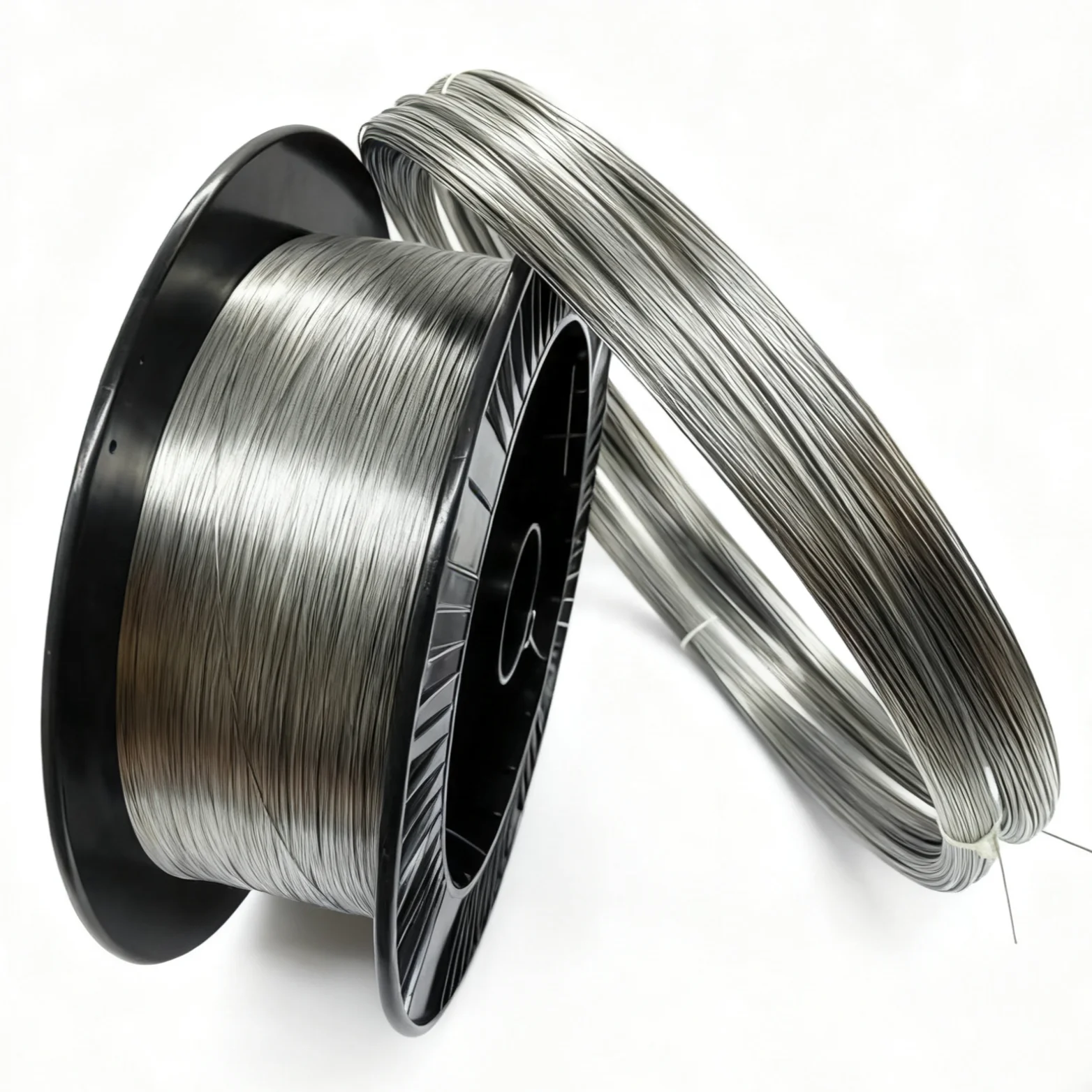
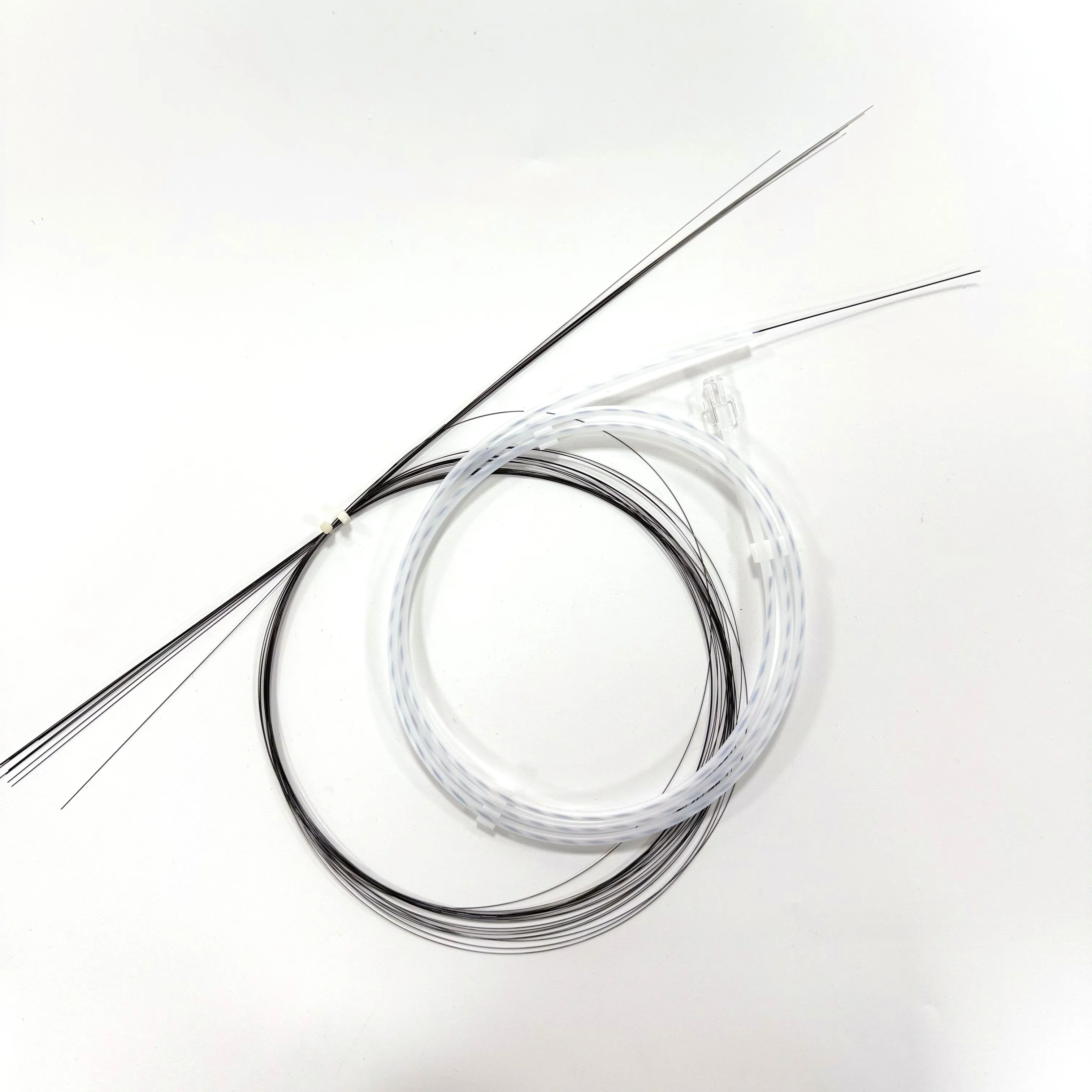
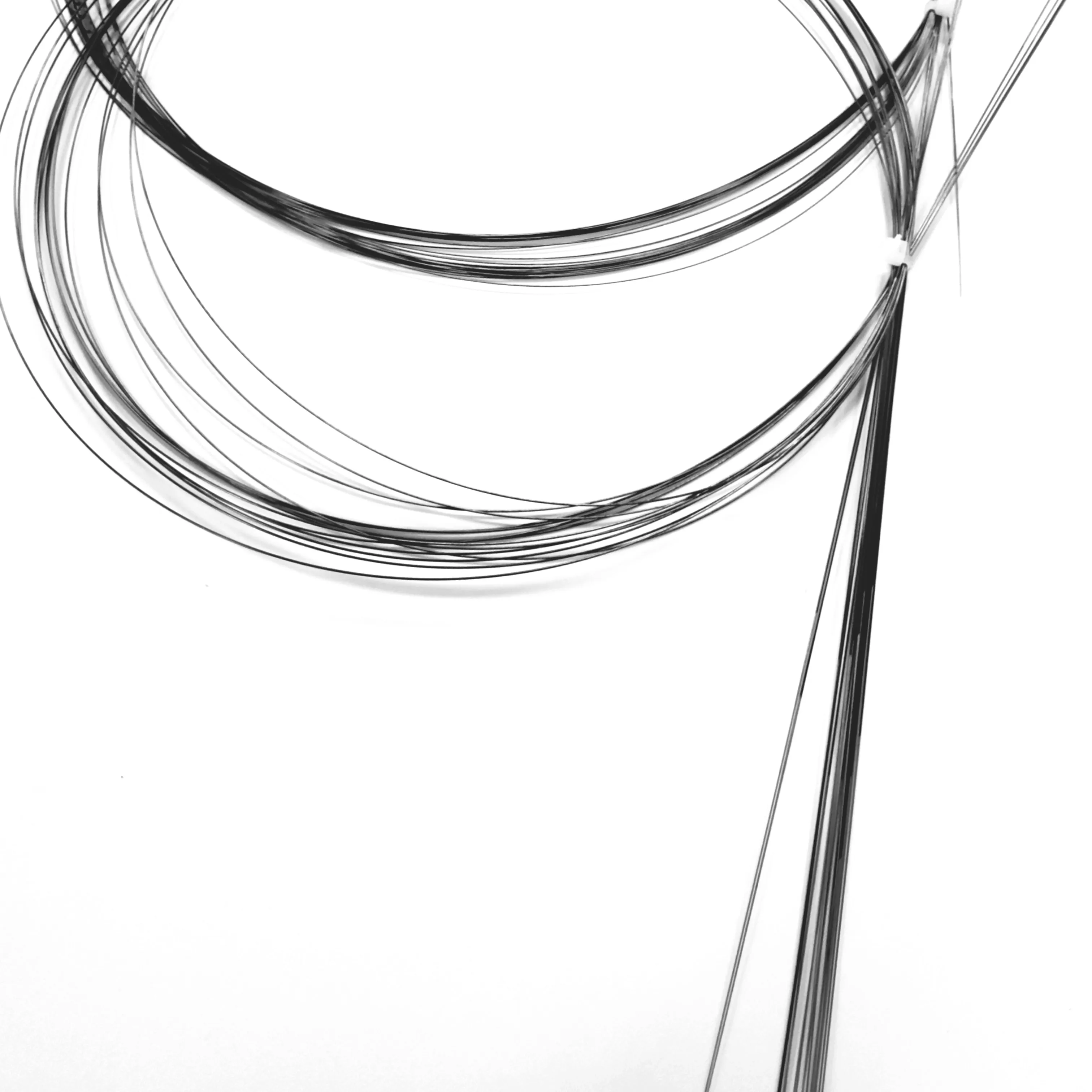
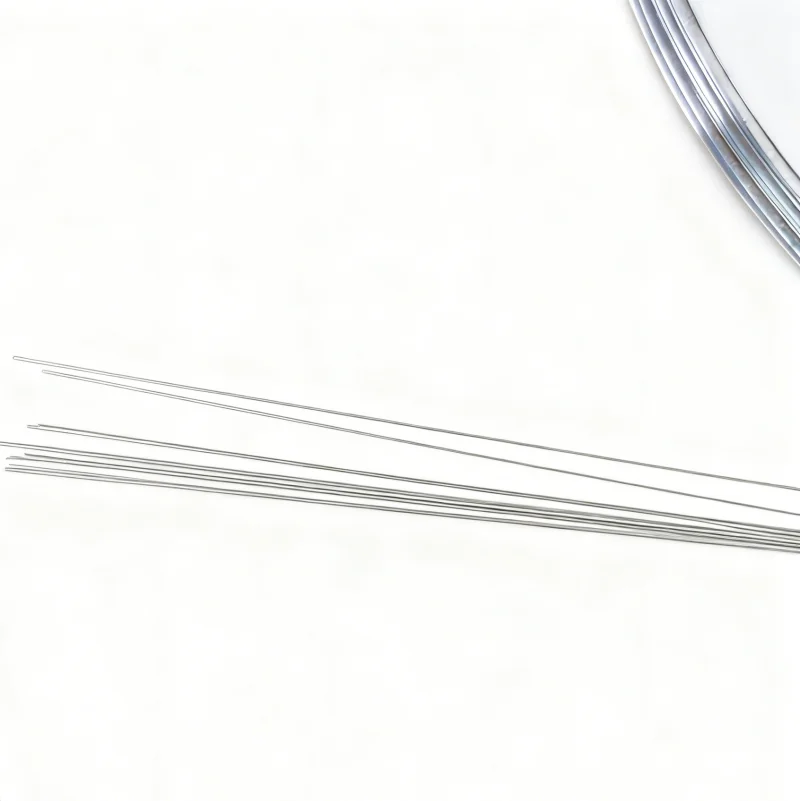
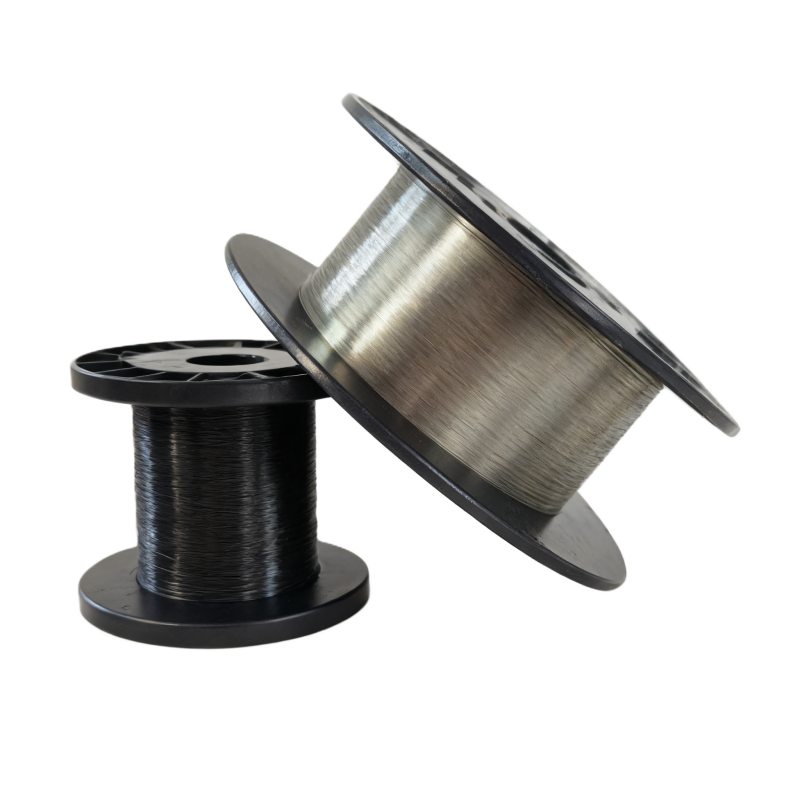
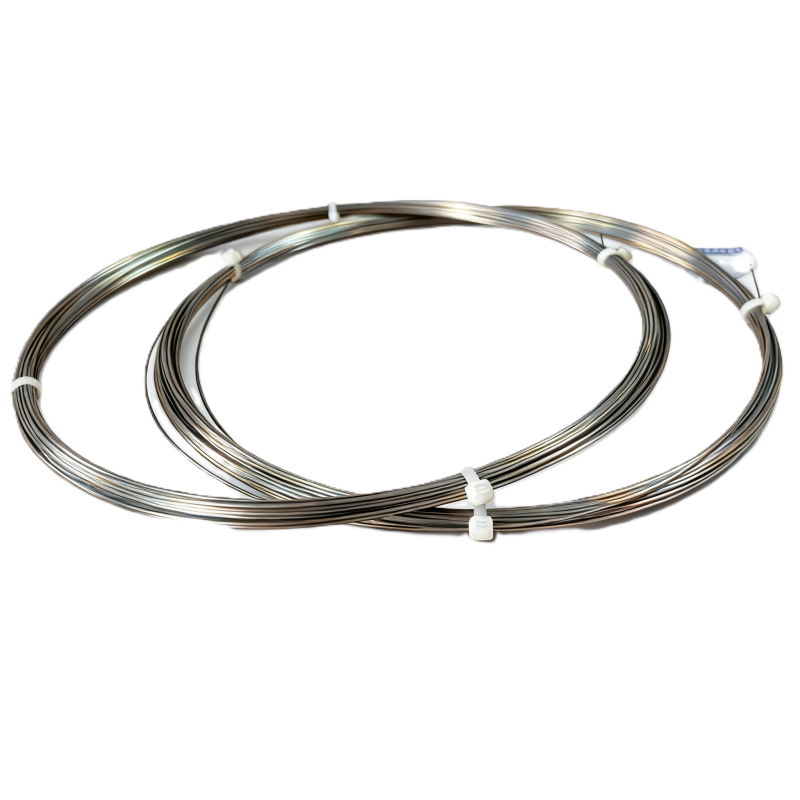
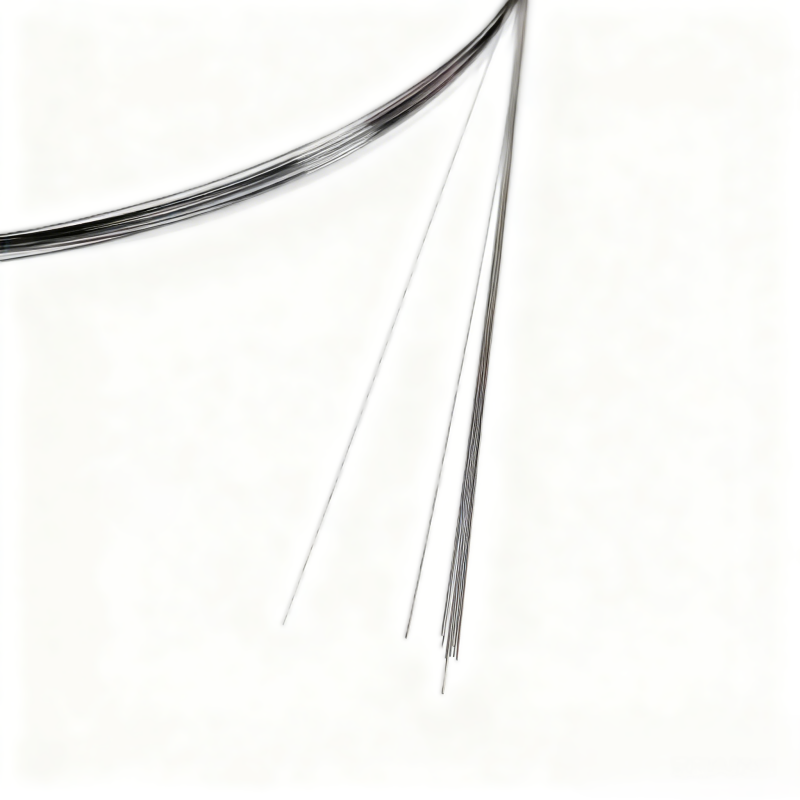
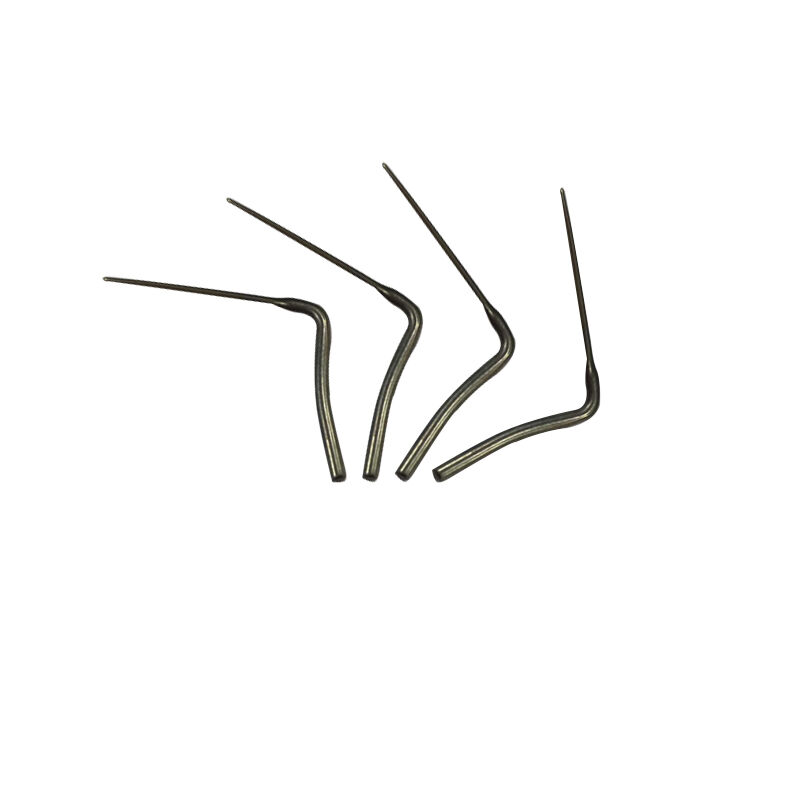
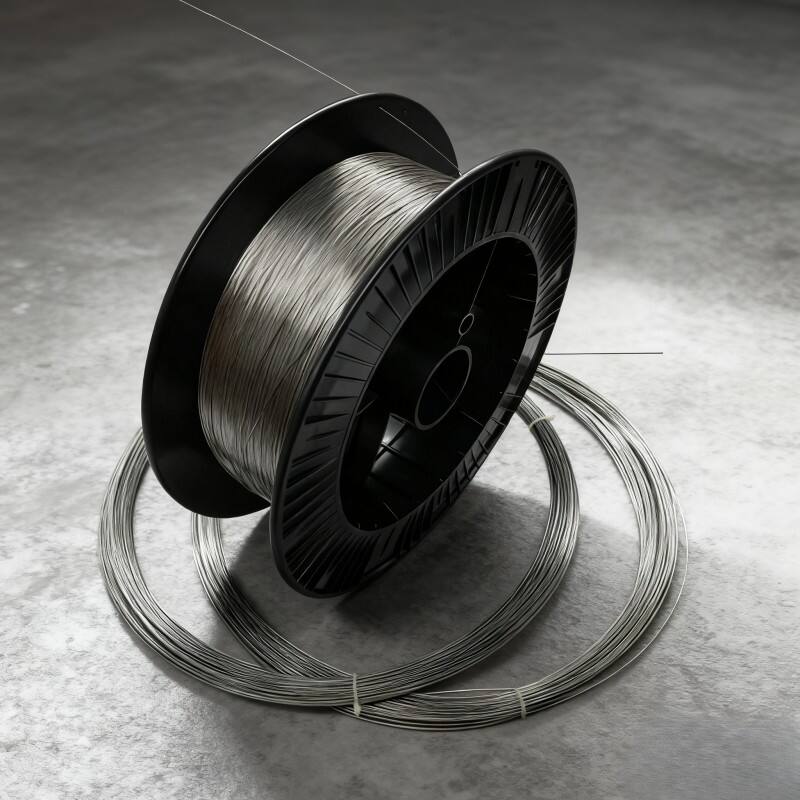
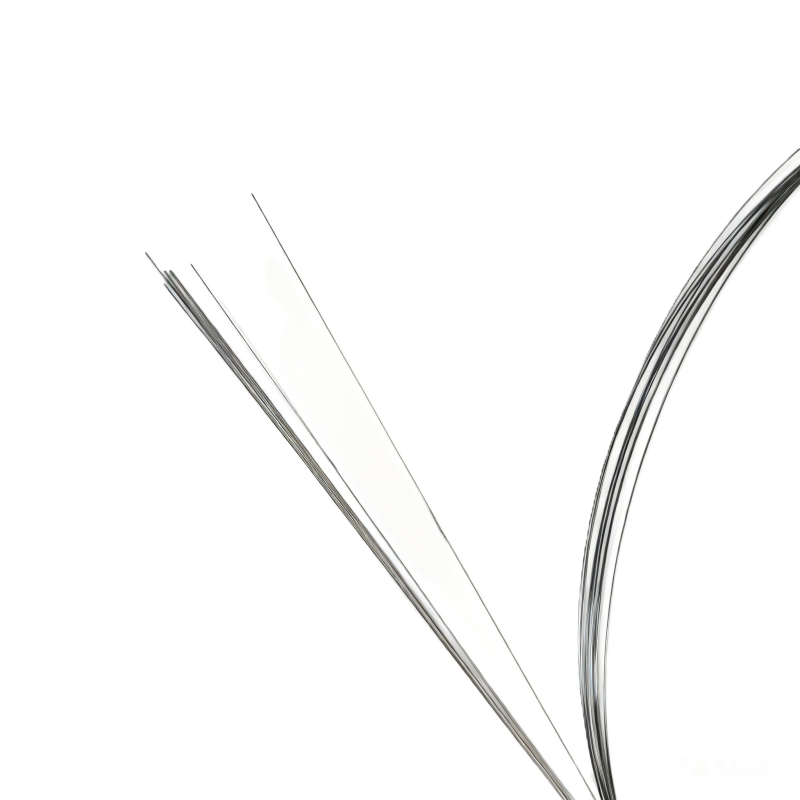
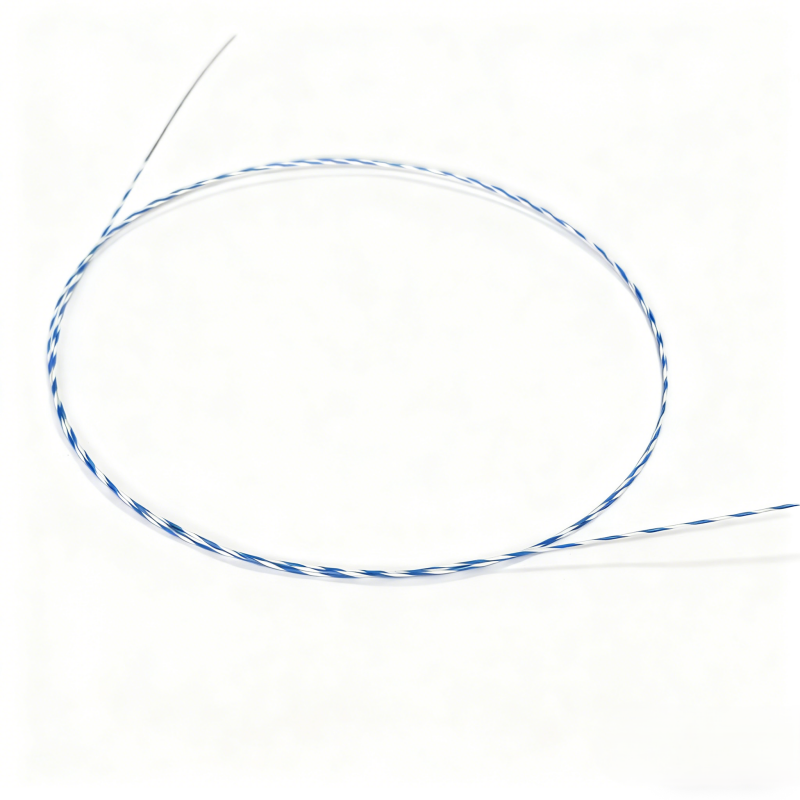
Wire niti represents a significant advancement in modern orthodontic and medical device technology. Derived from nickel-titanium alloy, wire niti is engineered to deliver consistent, controlled force across a wide range of clinical and industrial applications. Its unique metallurgical composition gives it properties that conventional stainless steel wires simply cannot match, making wire niti a preferred choice among orthodontists, surgeons, and engineers worldwide. At its core, wire niti functions by leveraging two extraordinary physical phenomena: superelasticity and shape memory. Superelasticity allows wire niti to undergo significant deformation and then return to its original shape once the applied stress is removed. Shape memory, on the other hand, enables the wire to recover its pre-set form when exposed to body temperature or a specific thermal threshold. These two properties work in tandem to make wire niti exceptionally reliable in dynamic environments where consistent performance is non-negotiable. From a technological standpoint, wire niti is manufactured through a precise alloying process that combines nickel and titanium in near-equal atomic proportions. This ratio is carefully controlled during production to achieve the desired transformation temperature and mechanical behavior. Advanced cold-drawing and heat-treatment techniques are then applied to refine the wire's diameter, surface finish, and functional characteristics. The result is a product that meets stringent quality standards for biocompatibility, corrosion resistance, and fatigue life. In orthodontics, wire niti is used to align teeth gradually and comfortably, applying gentle yet effective forces over extended treatment periods. In minimally invasive surgery, wire niti forms the backbone of guidewires, stents, and retrieval devices. Beyond medicine, wire niti finds application in aerospace actuators, robotics, and precision engineering components. Its versatility, combined with its outstanding mechanical properties, positions wire niti as an indispensable material across multiple high-demand industries. As research continues to expand the boundaries of what nickel-titanium alloys can achieve, wire niti remains at the forefront of innovation, consistently delivering performance that meets the evolving needs of professionals and patients alike.

New Product Recommendations

Wire niti gives you a clear edge in performance, and understanding why starts with looking at what it actually does for you in real-world use. Whether you are an orthodontist fitting a patient for braces, a surgeon navigating a complex procedure, or an engineer designing a precision actuator, wire niti delivers practical benefits that make your work easier, more effective, and more reliable. First, wire niti applies gentle, continuous force. Unlike rigid wires that deliver a sharp initial load and then lose effectiveness quickly, wire niti maintains a steady, low-level force over a long period. In orthodontics, this means patients experience less discomfort while their teeth move more predictably. You do not need to schedule frequent adjustments because the wire keeps working between visits. This saves time for both the clinician and the patient, and it reduces the overall cost of treatment. Second, wire niti bounces back every time. Its superelastic nature means you can bend it, compress it, or stretch it significantly, and it will return to its original shape without permanent deformation. This resilience makes wire niti far more durable than conventional alternatives. You replace it less often, which cuts down on material costs and reduces procedural interruptions. In surgical tools and industrial components, this reliability translates directly into longer service life and fewer failures in the field. Third, wire niti works with the human body. Its biocompatibility means it does not trigger adverse reactions when used in medical applications. Patients tolerate it well, and clinicians can use it confidently without worrying about material-related complications. This is a practical advantage that directly affects patient outcomes and clinical confidence. Fourth, wire niti adapts to temperature changes. Its shape memory effect activates at or near body temperature, which means it can be inserted in a cooled, flexible state and then firm up precisely once it reaches the target environment. This makes placement easier and more accurate, reducing procedural complexity and the risk of errors. Fifth, wire niti is corrosion resistant. It holds up well in moist, chemically active environments, including the oral cavity and the human body. You do not have to worry about degradation over time, which means the wire performs consistently from the first day of use to the last. Sixth, wire niti is available in a wide range of diameters and configurations. Whether you need a fine wire for delicate orthodontic work or a heavier gauge for structural applications, wire niti can be tailored to your specific requirements. This flexibility makes it a practical solution across a broad spectrum of use cases without requiring you to source multiple different materials. Taken together, these advantages make wire niti a smart investment. It reduces treatment time, lowers material costs, improves patient comfort, and delivers consistent results across demanding applications. When you choose wire niti, you are choosing a material that works harder so you do not have to.

Latest News

Why is high-stability Nitinol the first choice for equipment in extreme conditions?

12

May

Why is high-stability Nitinol the first choice for equipment in extreme conditions?

When equipment must perform reliably under mechanical stress, thermal cycling, and repeated deformation, material selection becomes a critical engineering decision. Nitinol, the nickel-titanium shape memory alloy, has earned a dominant position in de...
View More
Why do full-chain manufacturers provide a more stable supply of SMA wire?

14

May

Why do full-chain manufacturers provide a more stable supply of SMA wire?

In industrial and medical procurement, supply chain reliability is not a luxury — it is a fundamental requirement. When sourcing SMA wire, the type of manufacturer you partner with has a direct and measurable impact on delivery consistency, material ...
View More
How to ensure dimensional tolerances for precision Nitinol metal parts?

18

May

How to ensure dimensional tolerances for precision Nitinol metal parts?

Achieving tight dimensional tolerances in Nitinol metal components is one of the most demanding challenges in precision manufacturing. Unlike conventional metals, Nitinol — a nickel-titanium shape memory alloy — exhibits superelastic recovery and pha...
View More
Why do full-process manufacturers provide higher performance Nitinol SMA?

20

May

Why do full-process manufacturers provide higher performance Nitinol SMA?

When engineers and procurement specialists evaluate materials for high-precision medical devices, aerospace components, or advanced actuator systems, the source of the material matters as much as the material itself. Nitinol SMA — the nickel-titanium...
View More

Get a Free Quote

Our representative will contact you soon.
Email
Name
Company Name
Message
0/1000

wire niti

Superelastic Performance That Works Continuously

Superelastic Performance That Works Continuously

One of the most compelling reasons professionals choose wire niti is its superelastic behavior, a property that sets it apart from virtually every other wire material available today. Superelasticity in wire niti is not a marketing term. It is a measurable, reproducible mechanical phenomenon rooted in the reversible phase transformation between two crystalline structures within the nickel-titanium alloy: austenite and martensite. When you apply stress to wire niti, it transitions from the austenite phase to the stress-induced martensite phase. This transition allows the wire to accommodate large strains, far beyond what stainless steel or beta-titanium wires can handle, without taking on permanent deformation. Once you remove the stress, the wire reverts to austenite and returns to its original shape. What makes this especially valuable in practice is the flat force-deflection plateau that wire niti exhibits during this transformation. In orthodontics, this plateau means the wire delivers a nearly constant force across a wide range of tooth positions. Whether a tooth is severely displaced or nearly aligned, wire niti applies a consistent, biologically appropriate force that promotes steady, predictable movement. You do not get the sharp force spikes associated with stiffer wires, which means less patient discomfort and a lower risk of root resorption or tissue damage. In surgical applications, the same superelastic behavior allows wire niti guidewires and retrieval devices to navigate tortuous anatomical pathways without kinking or losing their functional shape. A guidewire that kinks mid-procedure creates serious complications. Wire niti eliminates that risk by flexing through tight curves and then recovering fully once the obstruction is cleared. In industrial settings, superelastic wire niti components absorb vibration and mechanical shock without fatigue, extending the operational life of assemblies that would otherwise require frequent maintenance or replacement. The practical value of this feature compounds over time. Fewer replacements, fewer adjustments, fewer complications, and more consistent outcomes all trace back to the superelastic foundation that wire niti is built on. For any professional who demands reliable, continuous performance from their materials, the superelastic properties of wire niti represent a genuine and measurable advantage that directly improves the quality of their work.
Shape Memory Effect That Simplifies Complex Procedures

Shape Memory Effect That Simplifies Complex Procedures

The shape memory effect of wire niti is one of the most remarkable functional properties found in any engineering material, and it has transformative implications for both medical and industrial applications. At its core, the shape memory effect means that wire niti can be deformed at a low temperature, held in that deformed state, and then recover its original pre-programmed shape when heated to a specific transition temperature. In medical-grade wire niti, this transition temperature is carefully engineered to fall at or just below body temperature, which means the recovery process happens automatically and precisely once the device is deployed inside the body. Consider what this means in a clinical context. A surgeon can cool a wire niti stent or retrieval basket, compress it into a low-profile delivery catheter, and navigate it to the target site with minimal trauma to surrounding tissue. Once released, the device warms to body temperature and expands back to its designed shape, conforming accurately to the anatomy without any additional manipulation. This eliminates the need for mechanical expansion tools, reduces procedural steps, and lowers the risk of deployment errors. The same principle applies in orthodontics. Wire niti archwires can be placed in a relatively straight, easy-to-insert configuration at room temperature and then engage the bracket slots more actively as they warm to oral temperature. This makes initial placement more comfortable for the patient and more manageable for the clinician, particularly in cases with severe crowding or misalignment where engaging a stiff wire from the outset would be painful and technically difficult. Beyond medicine, the shape memory effect of wire niti is exploited in actuators, connectors, and fasteners that need to change shape or apply force in response to a temperature trigger. These applications benefit from the fact that wire niti can replace complex electromechanical systems with a single, compact, passive component. The result is simpler designs, lower part counts, and improved system reliability. The shape memory effect is not just a scientific curiosity. In wire niti, it is a practical engineering tool that simplifies procedures, improves outcomes, and opens up design possibilities that are simply not achievable with conventional materials.
Biocompatibility and Corrosion Resistance for Long-Term Reliability

Biocompatibility and Corrosion Resistance for Long-Term Reliability

When a material is used inside the human body or in environments where chemical exposure is constant, biocompatibility and corrosion resistance are not optional features. They are fundamental requirements. Wire niti meets both of these requirements at a level that makes it one of the most trusted materials in medical device manufacturing and one of the most durable options in demanding industrial environments. Biocompatibility refers to a material's ability to perform its intended function without causing harm to living tissue. Wire niti has been extensively tested and validated for use in direct contact with human tissue and bodily fluids. The nickel-titanium alloy forms a stable, passive titanium oxide layer on its surface that acts as a barrier between the bulk material and the surrounding biological environment. This oxide layer is chemically inert, meaning it does not react with proteins, cells, or fluids in ways that would trigger inflammation, allergic responses, or toxic effects. For patients, this translates to a comfortable, complication-free experience. For clinicians, it means confidence in the material's safety profile and predictable long-term behavior. Corrosion resistance is equally important. The oral cavity, for example, is a chemically aggressive environment. It contains saliva, food acids, bacteria, and fluctuating pH levels that can degrade lesser materials over time. Wire niti resists this environment effectively, maintaining its mechanical properties and surface integrity throughout the treatment period. In surgical implants and endovascular devices, wire niti must withstand continuous exposure to blood and interstitial fluids without pitting, cracking, or releasing harmful ions. Its corrosion resistance ensures that it does the job it was designed to do for as long as it is needed. In industrial applications, wire niti components used in marine, chemical processing, or high-humidity environments benefit from the same corrosion-resistant characteristics. Equipment lasts longer, maintenance intervals are extended, and the total cost of ownership decreases. The combination of biocompatibility and corrosion resistance makes wire niti a material you can deploy with confidence, knowing it will perform reliably from the moment of placement through the full duration of its service life. This reliability is not incidental. It is engineered into every wire niti product through precise alloy composition control, surface treatment protocols, and rigorous quality testing that ensures every batch meets the highest standards.
Wire Niti: Superelastic Nickel-Titanium Wire for Orthodontic and Medical Applications

Get a Free Quote

Our representative will contact you soon.
Email
Name
Company Name
Message
0/1000
Newsletter
Please Leave A Message With Us