Thermal Activation Capability Providing Dynamic Treatment Control
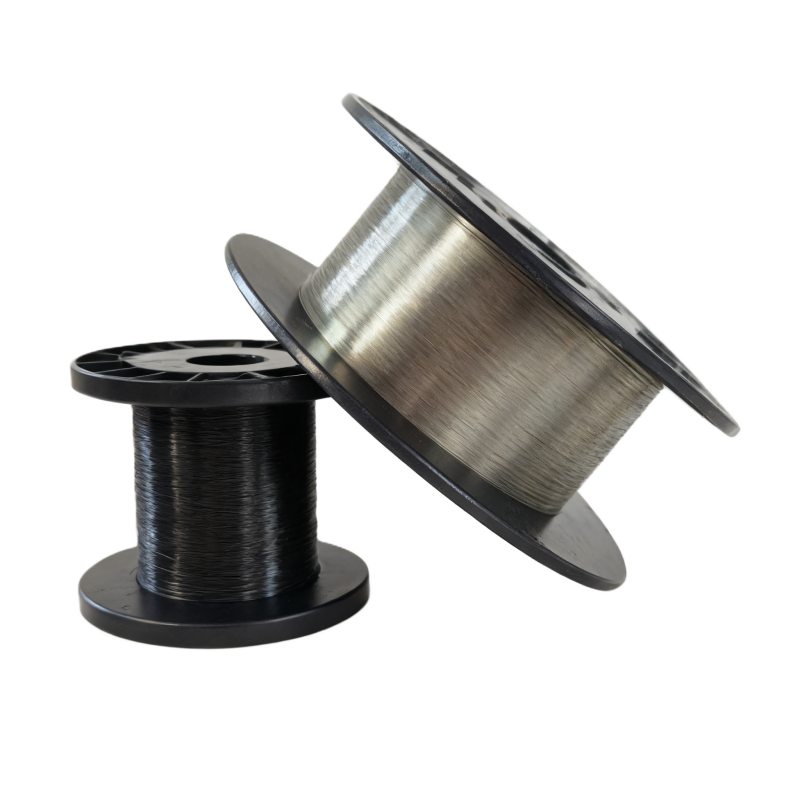
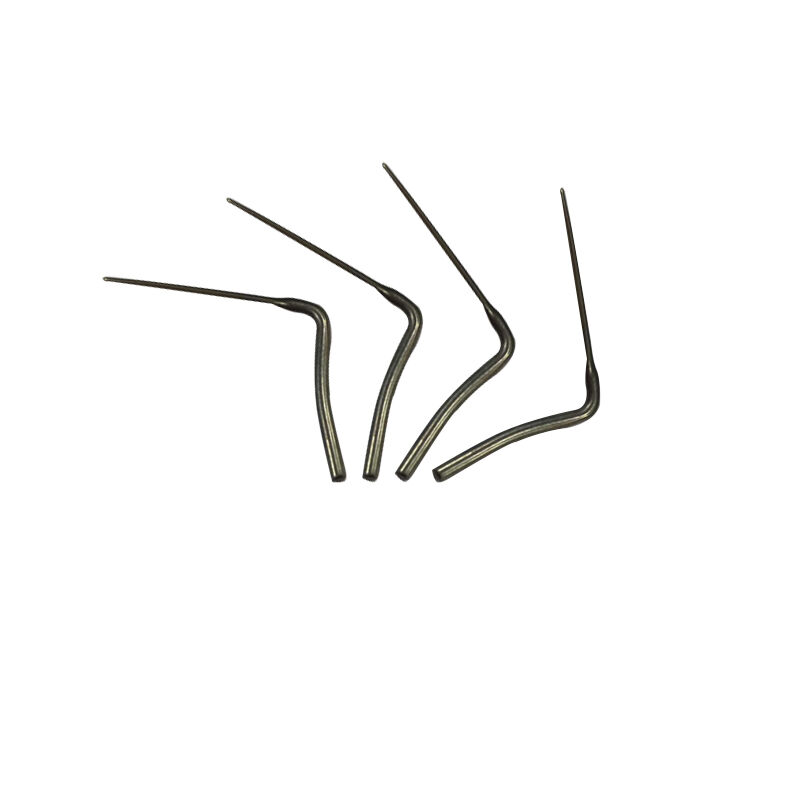
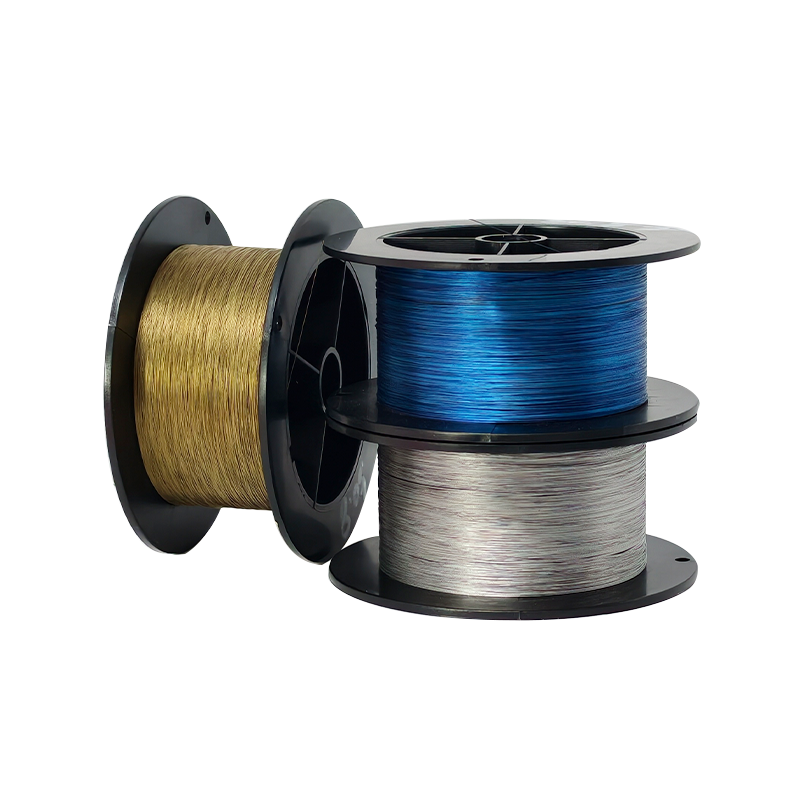
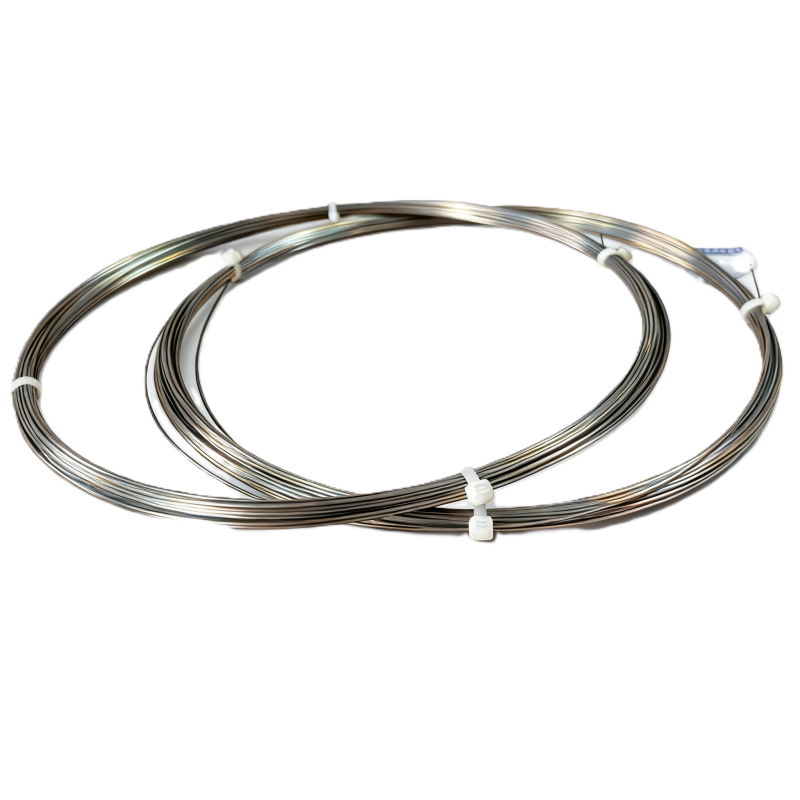
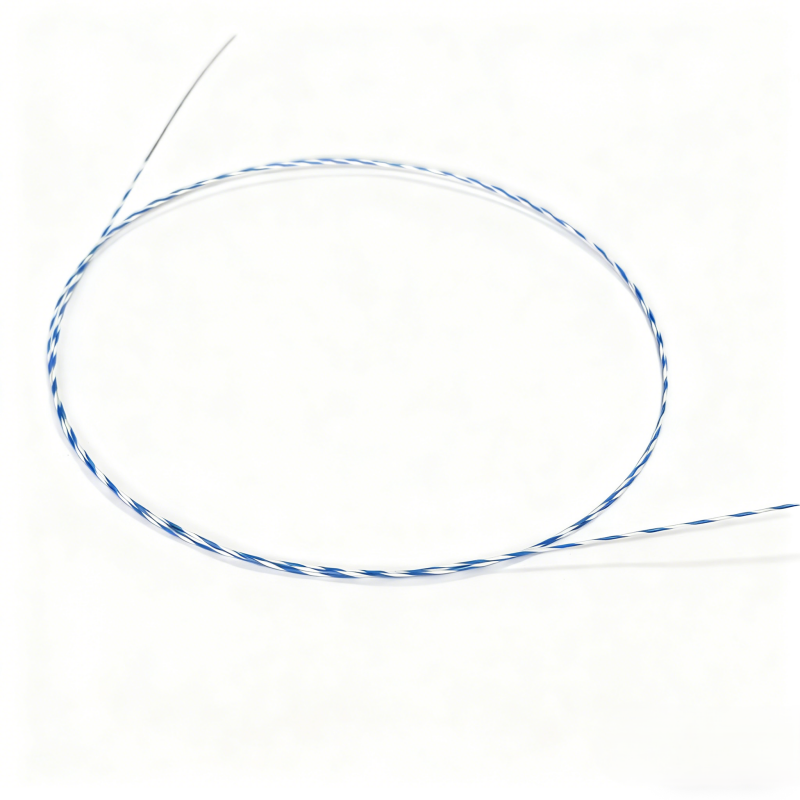
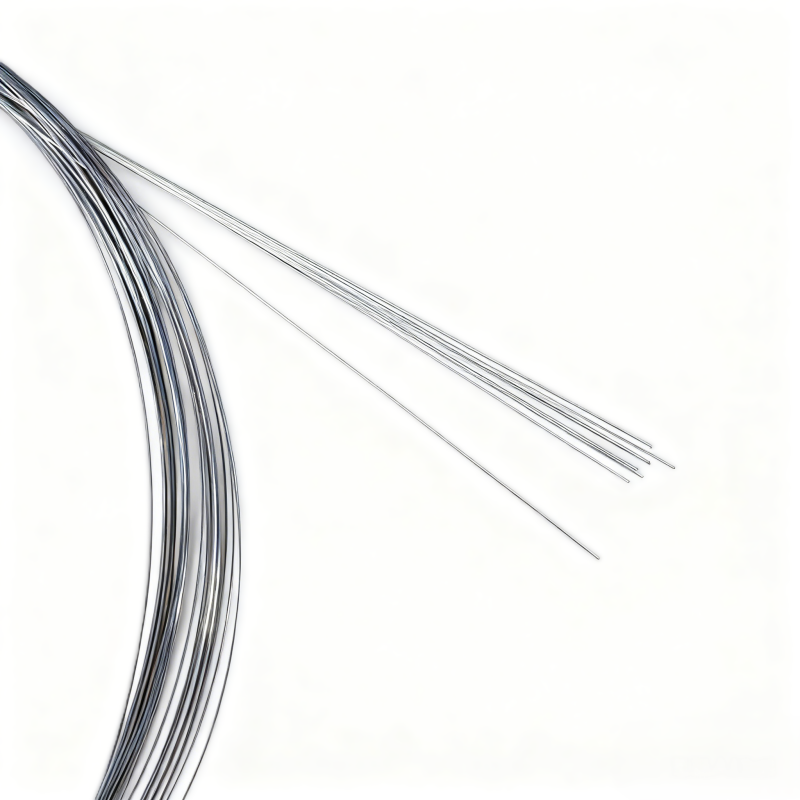
The thermal activation capability available in advanced ortho niti formulations provides orthodontists with unprecedented dynamic control over force delivery throughout treatment. Certain ortho niti wires are engineered with specific transformation temperatures that allow them to change their mechanical properties in response to temperature variations within the oral environment. These thermally responsive wires exist in a softer, more flexible state at cooler temperatures and transition to a stiffer, more active configuration as temperature increases toward body heat. This temperature sensitivity creates opportunities for sophisticated treatment modulation that adapts to patient needs and clinical situations. When a patient consumes cold beverages or ice cream, the ortho niti wire temporarily becomes more flexible, reducing the forces applied to teeth. This automatic force reduction provides comfort during eating and drinking while still maintaining some corrective action. Conversely, warm foods and drinks activate the wire more fully, enhancing force delivery when the oral tissues are naturally more receptive due to increased blood flow from warmth. The clinical applications of thermal activation extend to initial wire placement procedures. Orthodontists can chill thermally responsive ortho niti before insertion, making the wire more pliable and easier to engage into brackets on severely malpositioned teeth. Once in the mouth, the wire gradually warms to body temperature and activates, beginning the tooth movement process gently and progressively. This staged activation reduces immediate post-placement discomfort that patients sometimes experience with conventional systems. The transformation temperature of different ortho niti formulations can be specifically selected to match treatment objectives and patient comfort preferences. Some variants activate at temperatures slightly below normal body temperature, providing immediate force upon placement, while others require warming above typical oral temperatures for full activation. This variety allows orthodontists to customize their approach based on individual patient sensitivity and specific tooth movement requirements. The thermal properties also contribute to treatment safety by providing a natural force modulation mechanism. If inflammation occurs in periodontal tissues, the increased blood flow raises local temperature, which could theoretically enhance wire activation. However, the body's natural cooling mechanisms and the patient's tendency to consume cold items when experiencing discomfort create a balanced system. Research into thermal ortho niti continues to expand understanding of optimal transformation temperatures and their effects on treatment outcomes. Clinical studies demonstrate that thermally activated wires can reduce treatment time in certain cases by optimizing force delivery patterns. The technology also opens possibilities for patient participation in their treatment, as they can consciously modulate wire activity through dietary choices. Orthodontists appreciate the additional control dimension that thermal activation provides, allowing fine-tuning of mechanical therapy without wire changes or adjustments. The innovation represents the evolution of ortho niti from a passive to an interactive treatment component that responds intelligently to the oral environment.

 EN
EN