Copper NiTi Wires in Orthodontics: Advanced Temperature-Activated Technology for Comfortable Tooth Alignment

Get a Free Quote

Our representative will contact you soon.
Email
Name
Company Name
Message
0/1000

copper niti wires in orthodontics

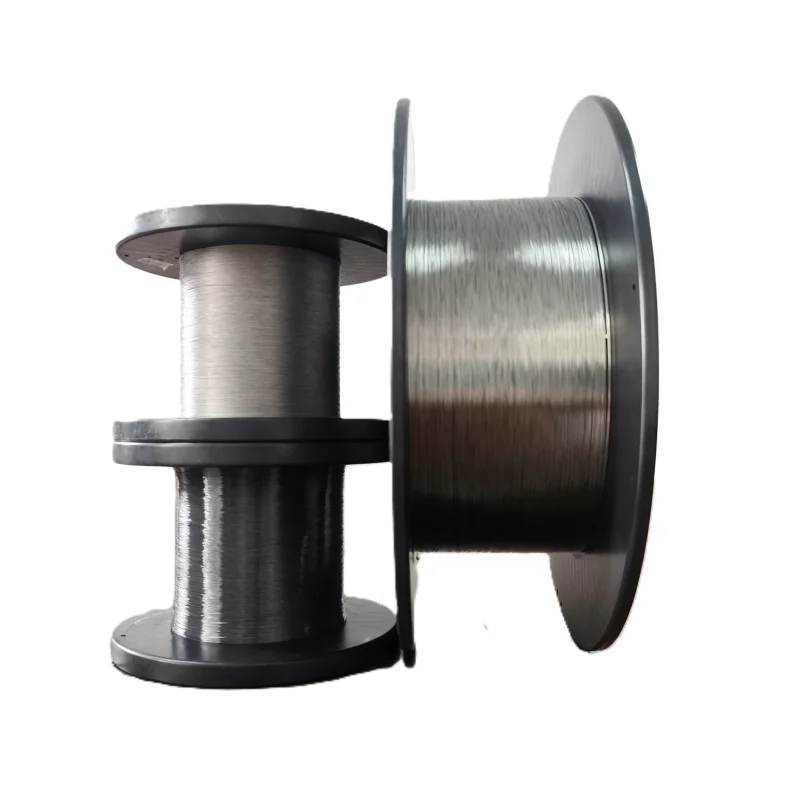
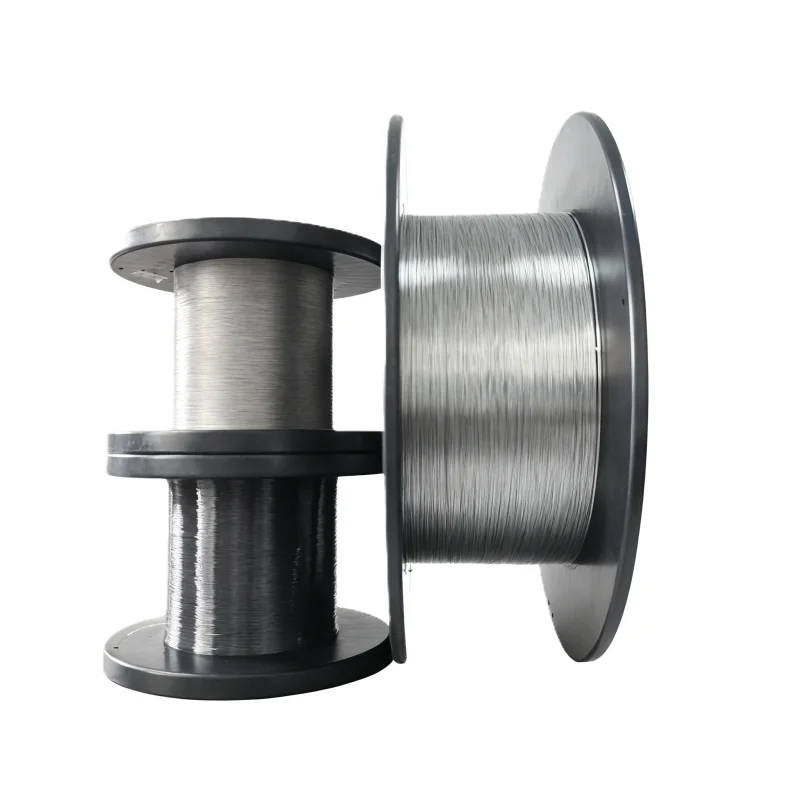
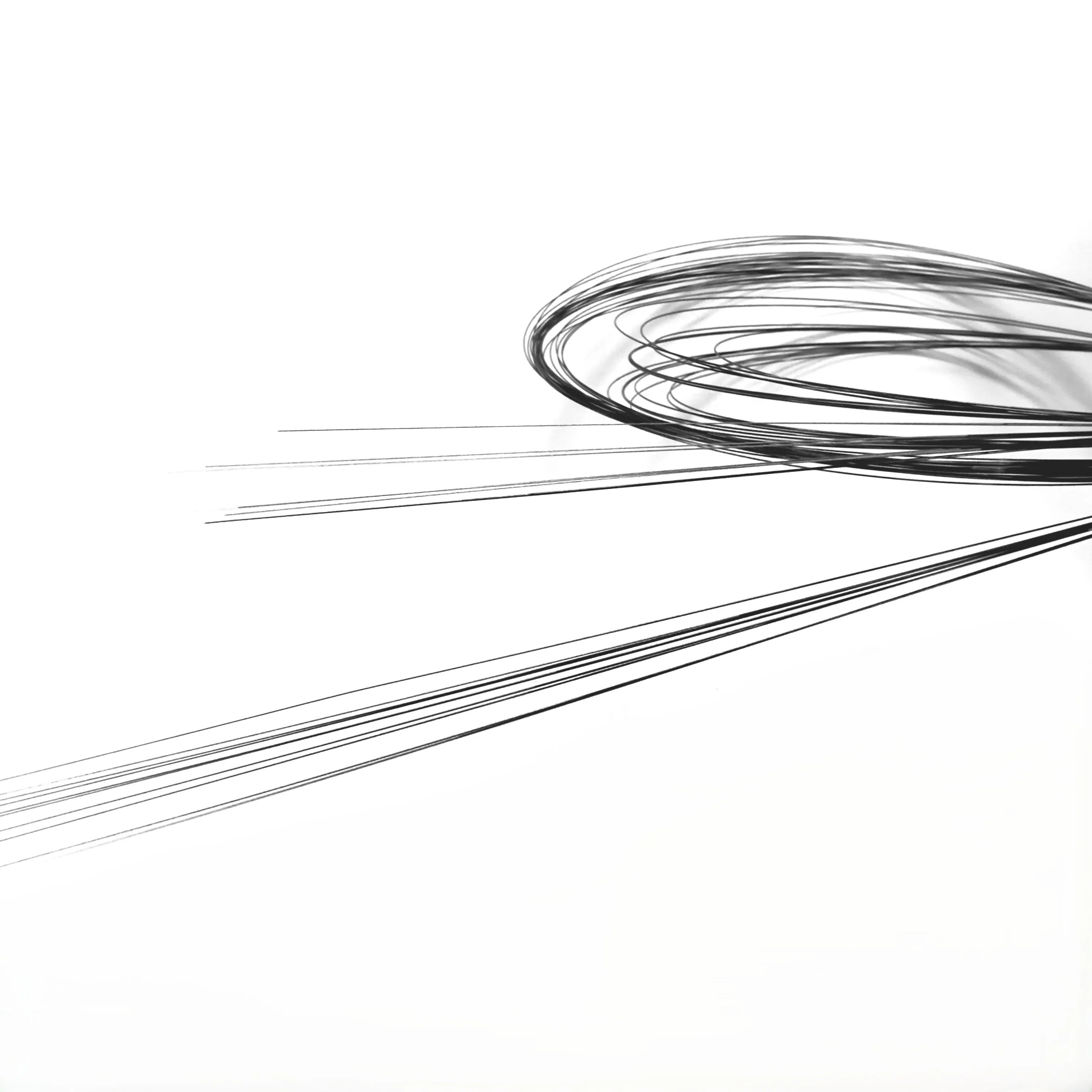
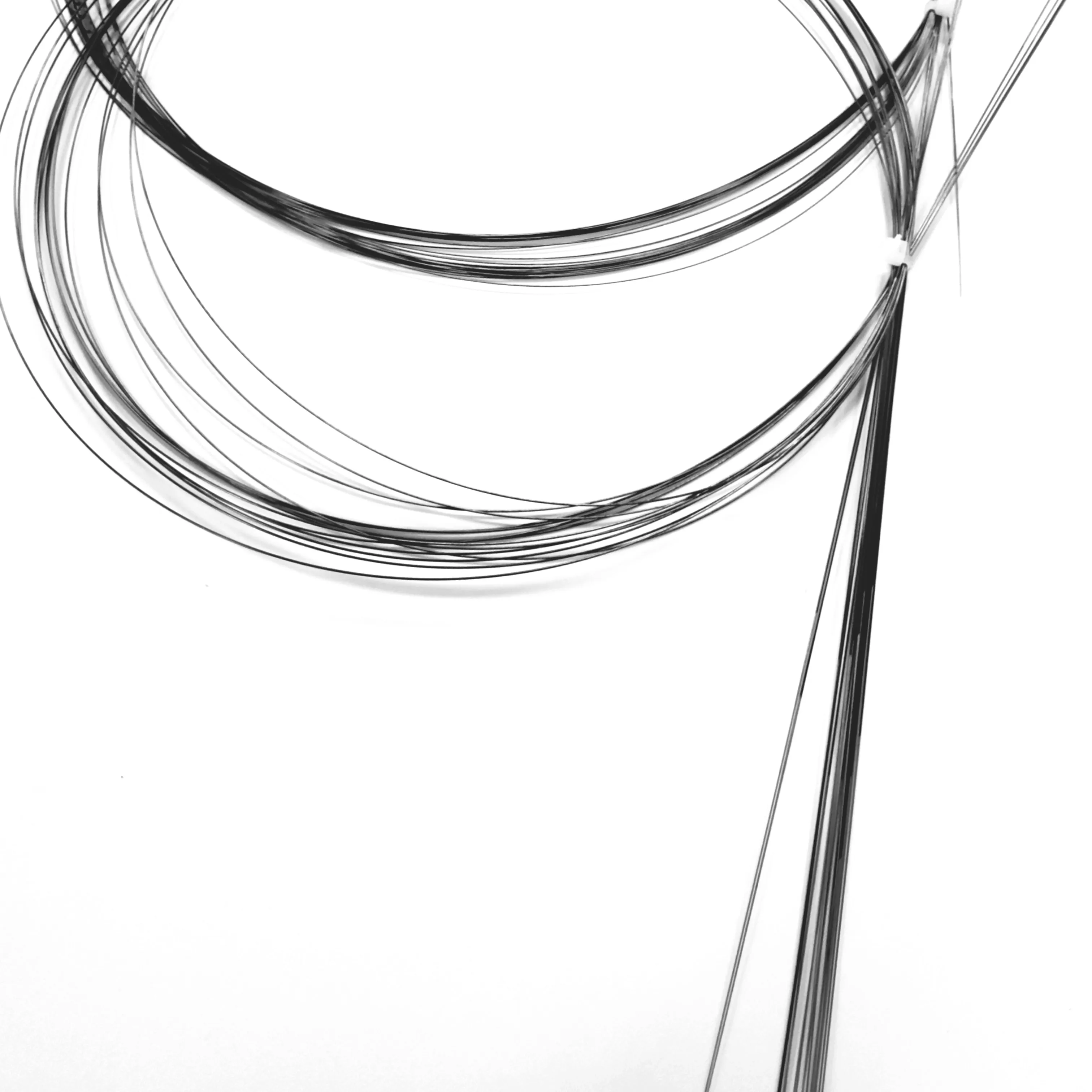
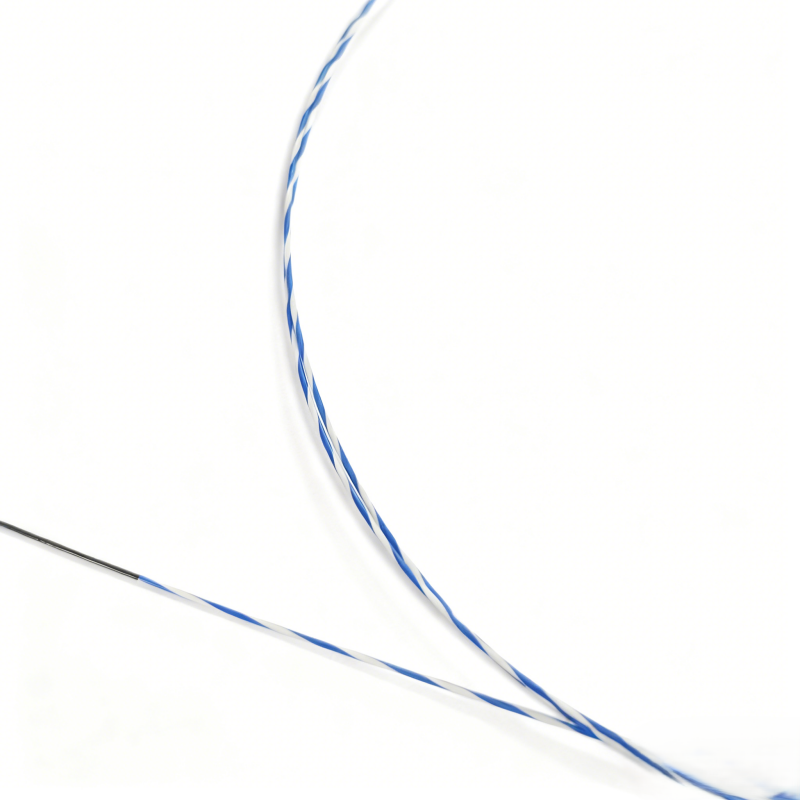
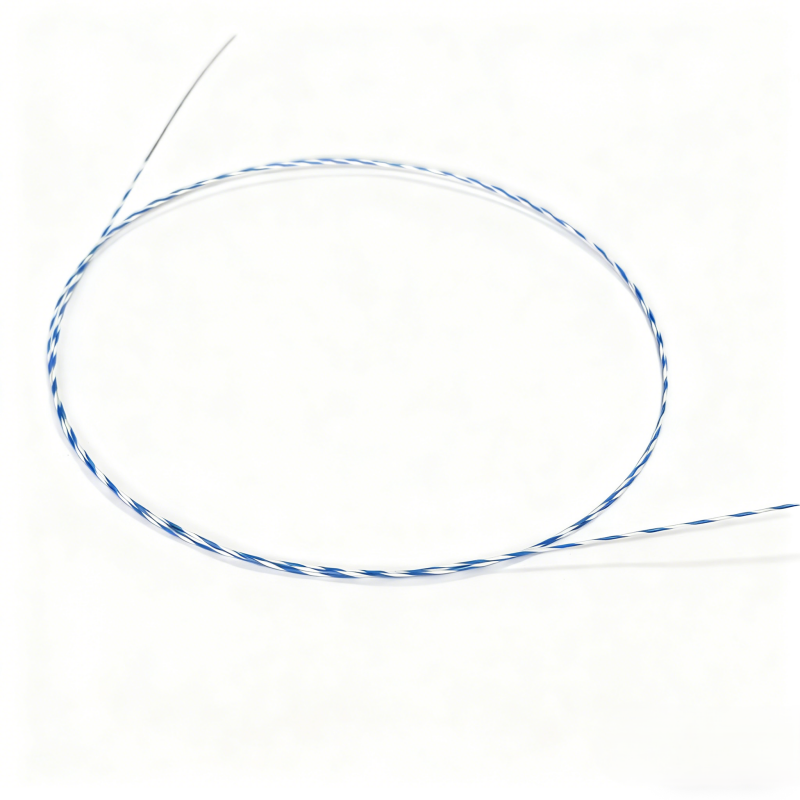
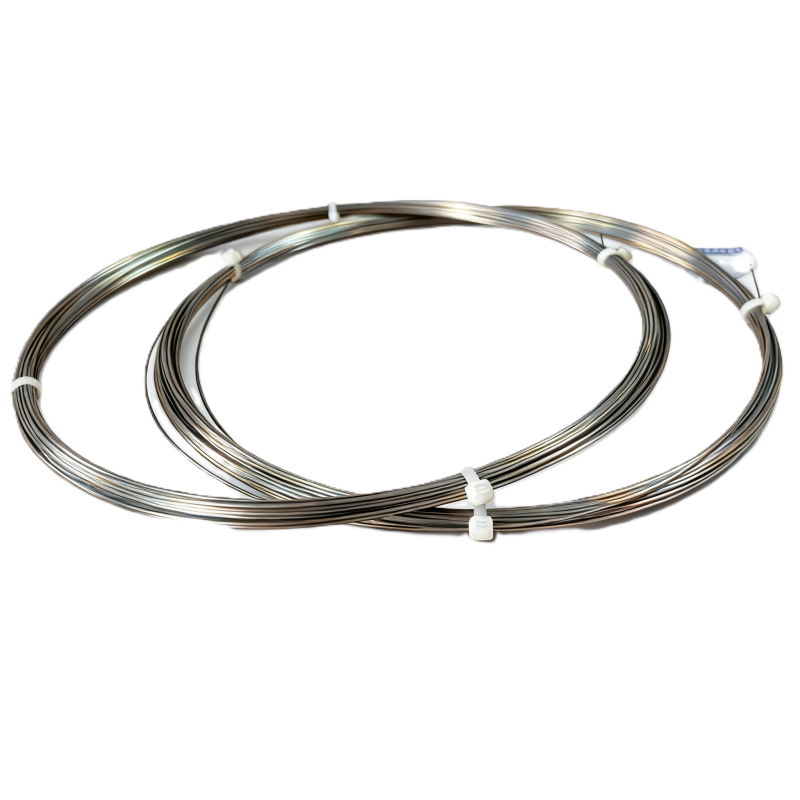
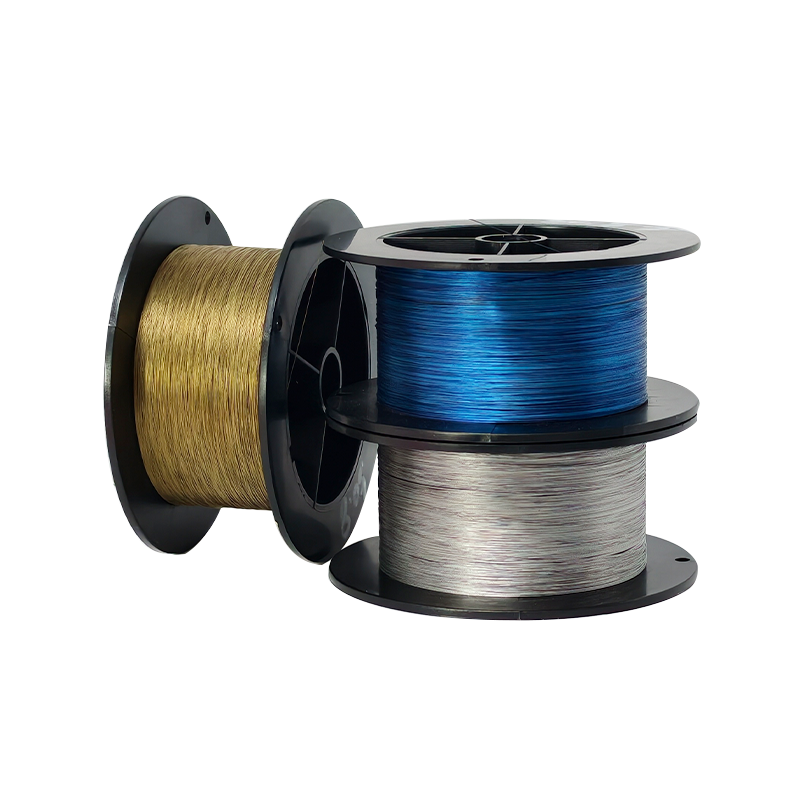
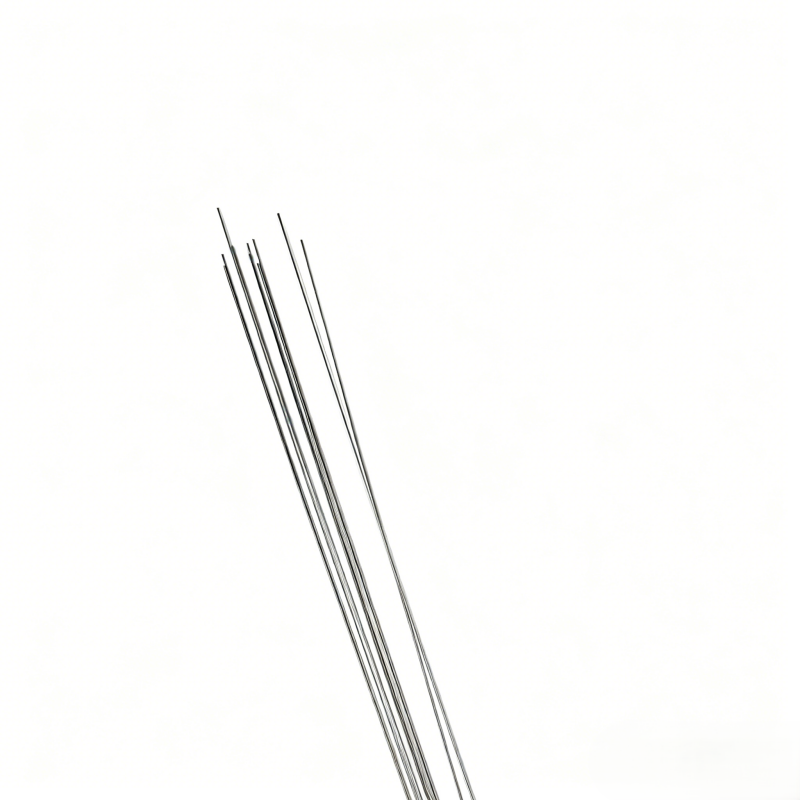
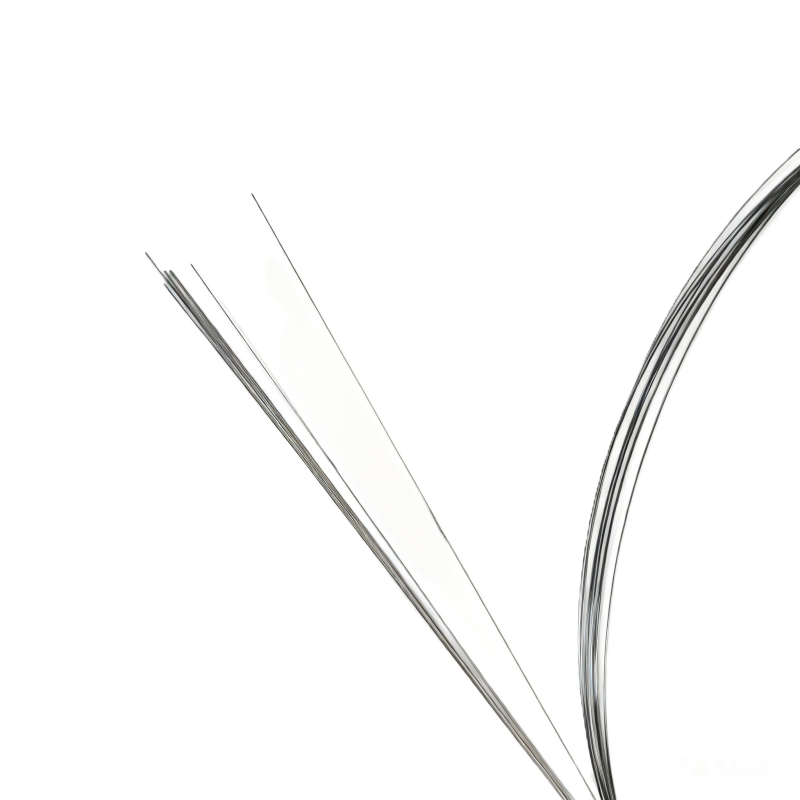
Copper niti wires in orthodontics represent a significant advancement in contemporary dental treatment, combining the shape memory properties of nickel-titanium alloys with the therapeutic benefits of copper incorporation. These specialized orthodontic wires have revolutionized tooth movement strategies by offering enhanced biological responses and improved clinical outcomes. The main functions of copper niti wires in orthodontics include delivering consistent, light forces throughout the alignment process, providing thermoelastic properties that respond to oral temperature changes, and facilitating controlled tooth movement with reduced patient discomfort. The technological features of copper niti wires in orthodontics stem from their unique metallurgical composition, where copper additions ranging from three to five percent create distinct transition temperature ranges. This copper integration generates superelastic behavior at body temperature, allowing the wires to maintain constant force levels despite significant activation. The phase transformation characteristics enable these wires to exhibit excellent springback properties, returning to their predetermined shapes after deformation. Manufacturing processes involve precise heat treatment protocols that establish specific austenite finish temperatures, ensuring optimal performance in the oral environment. Applications of copper niti wires in orthodontics span various treatment phases, from initial leveling and alignment to space closure and root positioning. Orthodontists utilize these wires in both conventional bracket systems and self-ligating appliances, addressing diverse malocclusions including crowding, spacing, and bite discrepancies. The wires demonstrate particular effectiveness in managing complex cases requiring gradual, physiological tooth movement. Their versatility extends to mixed dentition treatments and adult orthodontics, where gentle force application proves essential for periodontal health maintenance. The temperature-activated nature of copper niti wires in orthodontics allows practitioners to insert wires at cooler temperatures for easier placement, with subsequent activation occurring naturally at oral temperature, enhancing patient comfort during initial engagement while maximizing treatment efficiency throughout the wearing period.

New Products

The advantages of copper niti wires in orthodontics provide compelling reasons for both dental professionals and patients to embrace this innovative technology. First and foremost, these wires deliver more comfortable treatment experiences compared to traditional stainless steel alternatives. The flexible nature of copper niti wires in orthodontics means they apply gentler, more consistent pressure on teeth, significantly reducing the soreness and discomfort patients often associate with orthodontic adjustments. This comfort factor encourages better treatment compliance, as patients feel less reluctant about continuing their orthodontic journey. Another substantial benefit involves treatment efficiency and reduced appointment frequency. Because copper niti wires in orthodontics maintain their active force over extended periods without requiring frequent adjustments, patients can enjoy longer intervals between office visits. This time-saving advantage proves especially valuable for busy individuals, students, or those living far from their orthodontic provider. The wires continue working effectively week after week, progressively moving teeth toward their ideal positions without constant professional intervention. The predictable force delivery system represents another practical advantage. Copper niti wires in orthodontics eliminate the dramatic force decay seen with conventional wires, providing steady, physiological forces that promote healthier tooth movement. This consistency means teeth shift more predictably, potentially shortening overall treatment duration while minimizing risks of root resorption or other complications associated with excessive force application. The biological response enhancement offers significant value. The copper content in these orthodontic wires has demonstrated antimicrobial properties, helping maintain better oral hygiene throughout treatment. This infection-resistance characteristic protects against bacterial colonization on wire surfaces, reducing inflammation risks around brackets and supporting healthier gingival tissues during alignment procedures. Durability constitutes yet another practical benefit. Copper niti wires in orthodontics resist permanent deformation better than many alternatives, maintaining their prescribed shape and force characteristics throughout their service life. This resilience means fewer emergency appointments for broken or distorted wires, providing reliability that patients and orthodontists appreciate. The aesthetic consideration also matters for many patients. These wires can be manufactured in tooth-colored or frosted finishes, making orthodontic appliances less noticeable during social interactions and professional settings. This discretion helps patients maintain confidence throughout their treatment journey. Finally, the versatility of copper niti wires in orthodontics allows customized treatment approaches. Orthodontists can select from various wire dimensions, stiffness levels, and transition temperatures to match individual patient needs, ensuring personalized care that addresses specific anatomical considerations and treatment objectives while optimizing outcomes for diverse age groups and malocclusion types.

Tips And Tricks

Why is phase transition stability of nickel titanium wire key to actuator success?

13

May

Why is phase transition stability of nickel titanium wire key to actuator success?

In the world of precision actuators, the materials used to generate motion are not merely components — they are the foundation of reliability. nickel titanium wire has emerged as one of the most compelling active materials in modern actuator engineer...
View More
Why is Starspring's Nitinol metal at the forefront of the smart drive industry?

19

May

Why is Starspring's Nitinol metal at the forefront of the smart drive industry?

The smart drive industry is defined by its relentless demand for materials that can do more with less — components that respond intelligently to their environment, endure repeated mechanical cycles, and perform with precision in applications ranging ...
View More
What breakthroughs can Nitinol material bring to future flexible robot joints?

25

May

What breakthroughs can Nitinol material bring to future flexible robot joints?

The evolution of robotics is deeply tied to the materials that power movement, flexibility, and responsiveness. Among the most promising advances in this space, Nitinol material stands out as a transformative force in the design of flexible robot joi...
View More
How to identify high-quality Nitinol sources with a 21-year background?

01

Jun

How to identify high-quality Nitinol sources with a 21-year background?

Sourcing Nitinol for industrial, medical, or specialty applications is not a decision that should be made lightly. Nitinol, the nickel-titanium shape memory alloy renowned for its superelastic behavior and thermal responsiveness, demands a level of m...
View More

Get a Free Quote

Our representative will contact you soon.
Email
Name
Company Name
Message
0/1000

copper niti wires in orthodontics

Temperature-Activated Shape Memory Technology for Enhanced Patient Comfort

Temperature-Activated Shape Memory Technology for Enhanced Patient Comfort

The temperature-activated shape memory technology incorporated into copper niti wires in orthodontics represents a breakthrough innovation that fundamentally transforms the patient experience during orthodontic treatment. This sophisticated feature exploits the unique thermomechanical properties of copper-enhanced nickel-titanium alloys, creating wires that behave differently at varying temperatures. When orthodontists remove copper niti wires in orthodontics from refrigerated storage or rinse them with cool water, the wires become softer and more pliable, existing in their martensitic phase. This temporary flexibility allows practitioners to easily thread wires through brackets and engage them without applying excessive force or causing patient discomfort. The insertion process becomes remarkably smoother compared to rigid stainless steel wires that resist manipulation. Once positioned in the oral cavity, copper niti wires in orthodontics encounter the warm environment of the mouth, typically maintained around thirty-seven degrees Celsius. This temperature exposure triggers a dramatic phase transformation as the wire transitions from its martensitic state to its austenitic configuration. During this conversion, the wire activates its programmed shape memory, gradually returning to its predetermined ideal arch form. This activation occurs progressively rather than instantaneously, delivering gentle, continuous forces that guide teeth toward their corrected positions. The brilliance of this temperature-sensitive mechanism lies in its biological compatibility with natural tooth movement physiology. Rather than overwhelming periodontal structures with heavy immediate forces, copper niti wires in orthodontics apply light, sustained pressure that stimulates optimal cellular responses within the periodontal ligament. This gradual force application encourages healthy bone remodeling without triggering inflammatory responses or causing the acute pain commonly associated with conventional orthodontic adjustments. Patients report significantly reduced post-appointment discomfort, often requiring minimal or no analgesic medication following wire changes. The psychological benefit cannot be overstated; when patients experience less pain, they develop more positive attitudes toward their treatment, maintain better oral hygiene practices, and demonstrate superior compliance with orthodontic instructions. Furthermore, the temperature-activated nature of copper niti wires in orthodontics provides built-in safety mechanisms. If excessive force would be generated during activation, the gradual temperature-driven transformation allows biological adaptation rather than sudden traumatic pressure. This intelligent response system essentially makes the wire self-regulating, adjusting its force delivery based on the resistance encountered from tooth positions and surrounding tissues, thereby minimizing risks while maximizing treatment effectiveness throughout the entire alignment process.
Consistent Force Delivery System for Predictable Tooth Movement

Consistent Force Delivery System for Predictable Tooth Movement

The consistent force delivery system inherent in copper niti wires in orthodontics establishes a new standard for predictable and efficient tooth movement throughout orthodontic treatment. Unlike conventional stainless steel wires that exhibit significant force decay over time, requiring frequent adjustments to maintain treatment progress, copper niti wires in orthodontics demonstrate remarkable force consistency across extended activation periods. This stability derives from the superelastic properties of the copper-enhanced nickel-titanium alloy, which maintains nearly constant stress levels despite substantial strain variations as teeth gradually shift position. When orthodontists initially activate copper niti wires in orthodontics by engaging them with malpositioned teeth, the wires deflect considerably from their ideal arch form. Traditional wire materials would deliver maximum force at this initial deflection, then rapidly lose effectiveness as teeth begin moving and wire strain decreases. Conversely, copper niti wires in orthodontics exploit their unique stress plateau characteristic, delivering relatively uniform forces whether deflected significantly or minimally. This plateau behavior means teeth experience optimal pressure continuously rather than cycling between excessive and insufficient force levels. The biological implications prove profound. Periodontal tissues respond most favorably to light, continuous forces within an optimal range typically between fifty and one hundred fifty grams. Copper niti wires in orthodontics maintain forces within this therapeutic window throughout their active period, promoting healthy tooth movement characterized by organized bone remodeling rather than destructive tissue responses. Research demonstrates that consistent force application reduces treatment time by maintaining constant cellular activity in the periodontal ligament, avoiding the interruptions in tooth movement that occur when forces fall below biologically effective thresholds. The practical advantages extend to treatment planning precision. When orthodontists can rely on copper niti wires in orthodontics to deliver predictable forces over known timeframes, they can more accurately estimate treatment duration and progression rates. This predictability enables better communication with patients regarding expected outcomes and appointment schedules, building trust through realistic expectations and demonstrated progress. Additionally, the consistent performance of copper niti wires in orthodontics reduces the need for frequent wire changes and adjustments. Patients benefit from extended intervals between appointments, often stretching from traditional four-week cycles to six or even eight-week intervals without compromising treatment efficiency. This extended service life translates to fewer missed school or work days for patients and improved practice efficiency for orthodontists. The force consistency also minimizes the risk of adverse effects such as root resorption, which correlates with excessive or irregular force application. By maintaining forces within safe, therapeutic ranges throughout treatment, copper niti wires in orthodontics protect dental structures while achieving desired tooth positions, ultimately delivering superior clinical outcomes with enhanced safety profiles compared to conventional orthodontic wire materials.
Enhanced Biological Compatibility with Antimicrobial Copper Properties

Enhanced Biological Compatibility with Antimicrobial Copper Properties

Enhanced biological compatibility represents one of the most valuable yet often overlooked advantages of copper niti wires in orthodontics, stemming from the antimicrobial properties that copper ions naturally provide within the oral environment. The incorporation of copper into the nickel-titanium alloy matrix creates orthodontic wires that actively contribute to maintaining healthier oral conditions throughout treatment duration. Scientific research has extensively documented copper's inherent ability to inhibit bacterial growth and biofilm formation on material surfaces. When copper niti wires in orthodontics release trace amounts of copper ions through normal wear and exposure to saliva, these ions create an antimicrobial microenvironment around brackets and wire surfaces. This protective effect proves particularly significant given that orthodontic appliances create numerous retention sites where bacterial colonies typically flourish, complicating oral hygiene maintenance and increasing risks of white spot lesions, gingivitis, and periodontal inflammation. The antimicrobial action of copper niti wires in orthodontics operates through multiple mechanisms. Copper ions interfere with bacterial cell membrane integrity, disrupt essential enzymatic processes, and generate reactive oxygen species that damage microbial DNA and proteins. These combined effects significantly reduce bacterial colonization on wire surfaces compared to stainless steel alternatives, helping patients maintain better oral health despite the challenges posed by fixed orthodontic appliances. Clinical observations suggest that patients using copper niti wires in orthodontics experience reduced gingival inflammation and decreased plaque accumulation around brackets, potentially lowering the incidence of demineralization and cavity formation during treatment. Beyond antimicrobial benefits, the biological compatibility of copper niti wires in orthodontics extends to reduced allergic potential compared to conventional orthodontic materials. While nickel sensitivity concerns exist with any nickel-containing alloy, the specific composition and surface characteristics of copper niti wires in orthodontics appear to minimize nickel ion release, reducing risks of hypersensitivity reactions in susceptible patients. The copper addition may actually stabilize the alloy structure, limiting nickel leaching while contributing its own beneficial antimicrobial properties. The tissue response to copper niti wires in orthodontics demonstrates excellent compatibility with oral mucosa and periodontal structures. The wires do not provoke excessive inflammatory responses or foreign body reactions, allowing comfortable long-term wear without soft tissue irritation. This biocompatibility becomes especially important during extended treatment periods, ensuring patient comfort and supporting adherence to treatment protocols. Furthermore, emerging research suggests copper may play beneficial roles in wound healing and tissue regeneration processes. As teeth move through bone during orthodontic treatment, continuous remodeling occurs within periodontal tissues. The presence of copper from copper niti wires in orthodontics may potentially support these natural healing processes, promoting healthier tissue responses throughout tooth movement phases. This biological enhancement distinguishes copper niti wires in orthodontics from inert materials that simply avoid causing harm, instead offering active contributions to oral health maintenance. For orthodontic practices emphasizing comprehensive patient care, the biological advantages of copper niti wires in orthodontics align perfectly with preventive dentistry principles, supporting successful aesthetic and functional outcomes while simultaneously protecting patients' overall oral health throughout their orthodontic journey.
Copper NiTi Wires in Orthodontics: Advanced Temperature-Activated Technology for Comfortable Tooth Alignment

Get a Free Quote

Our representative will contact you soon.
Email
Name
Company Name
Message
0/1000
Newsletter
Please Leave A Message With Us