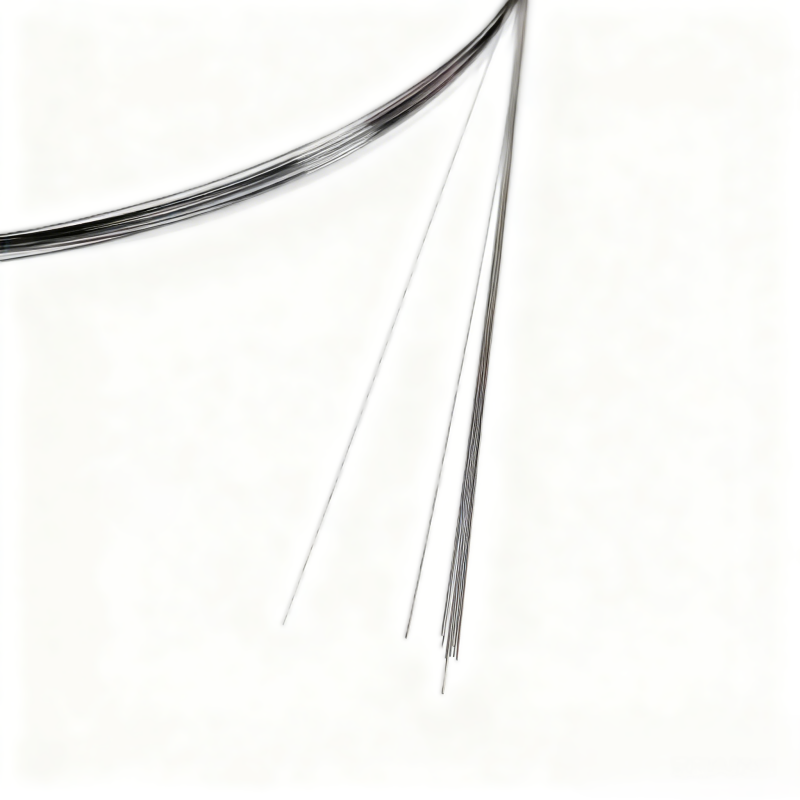
nitinol wire medical
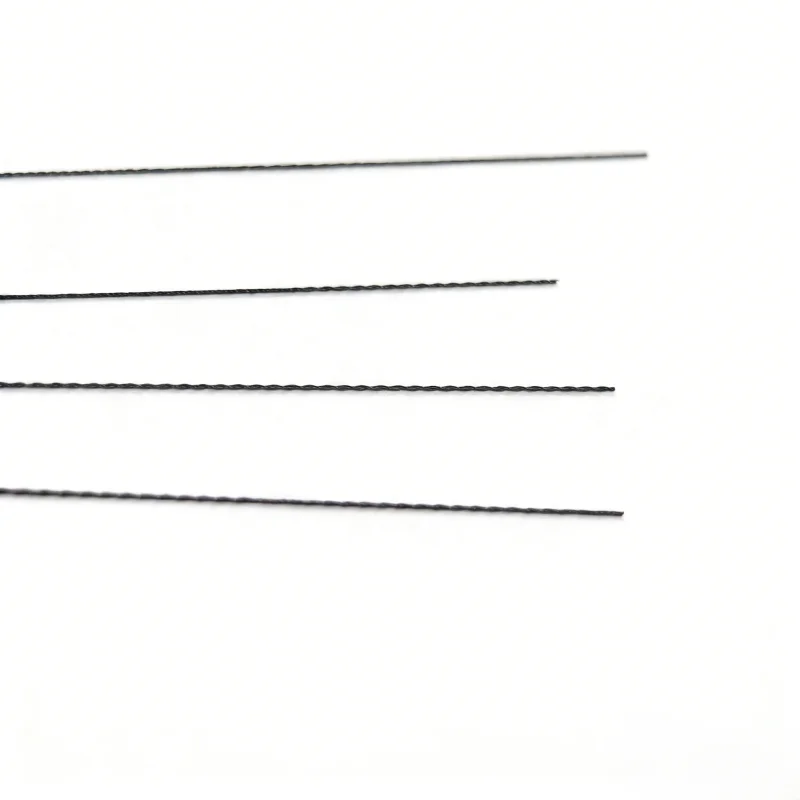
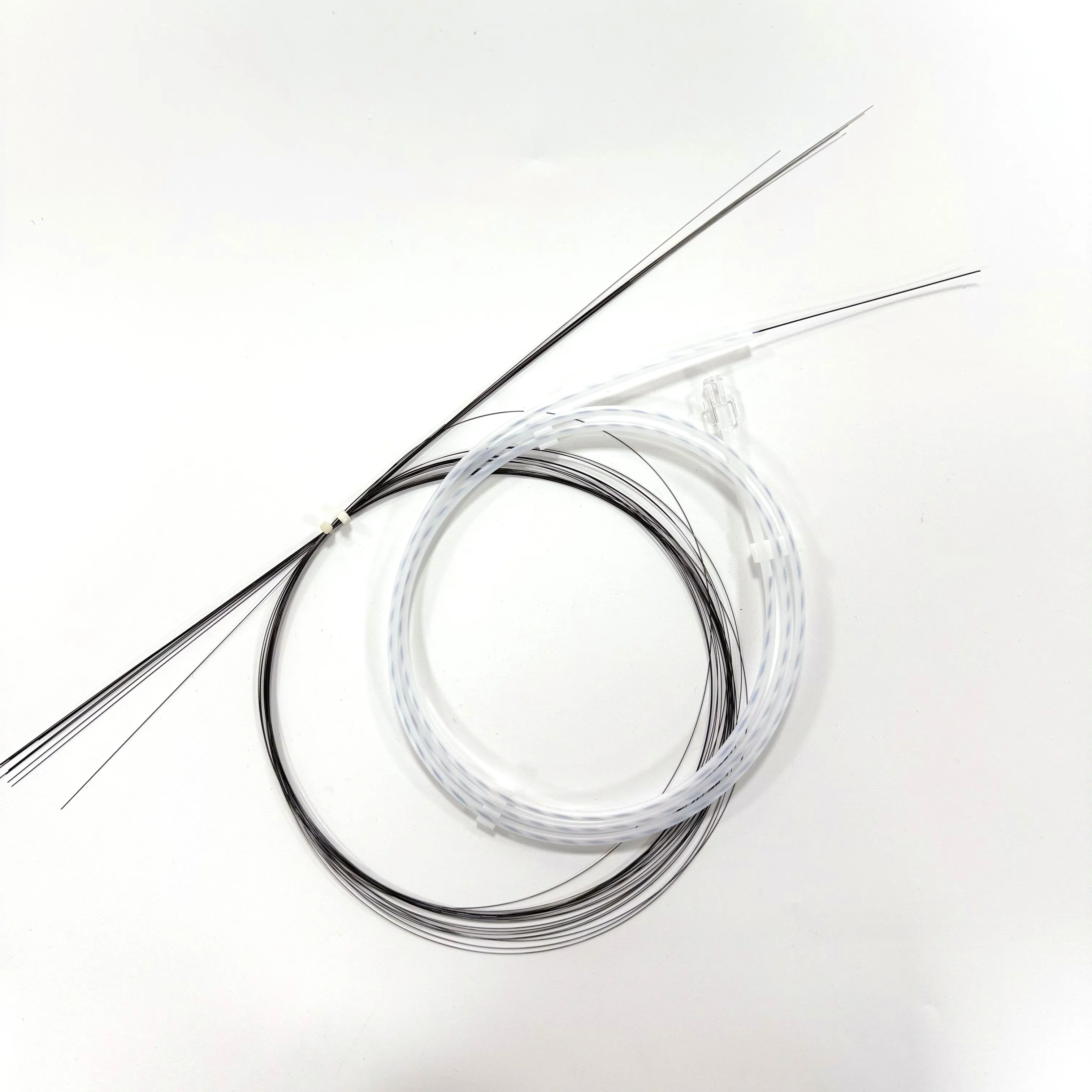
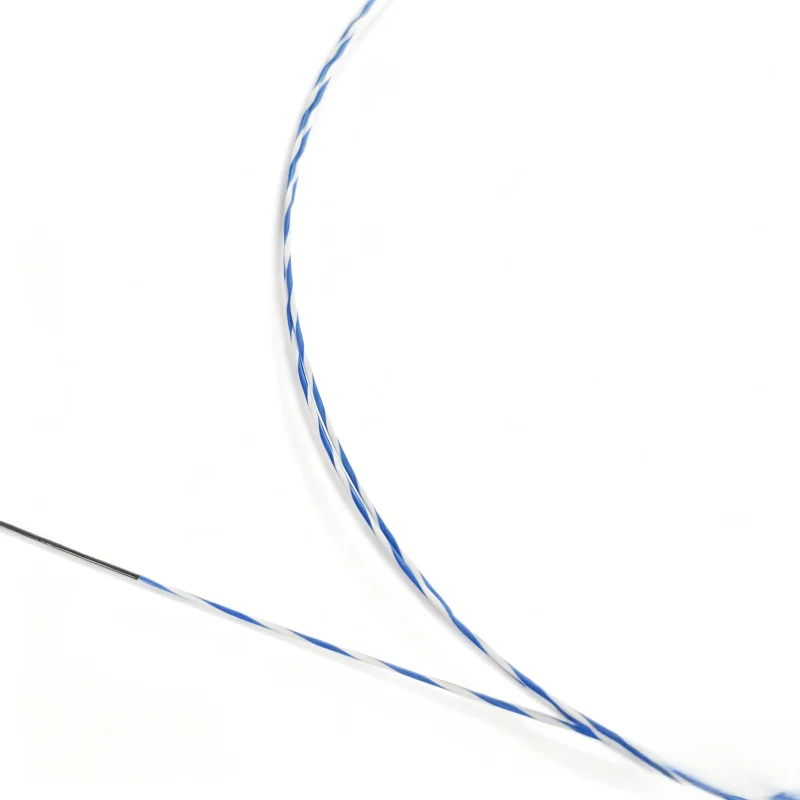
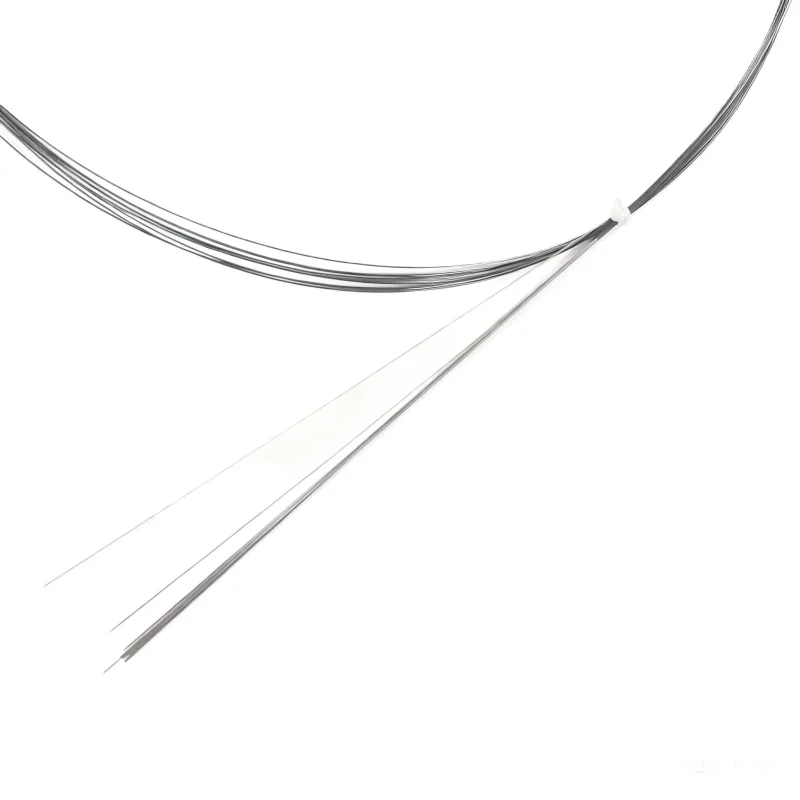
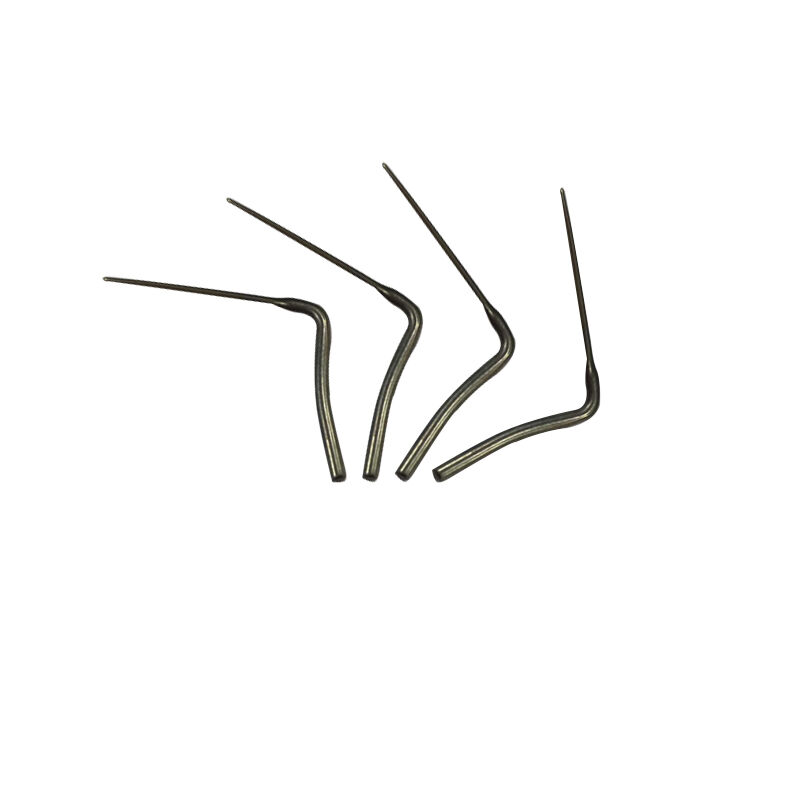
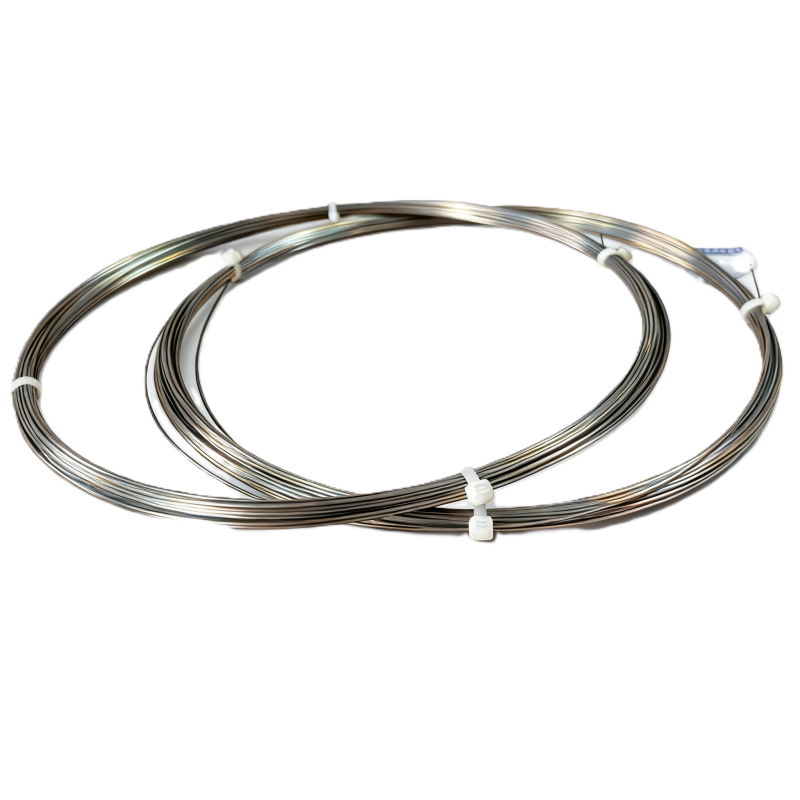
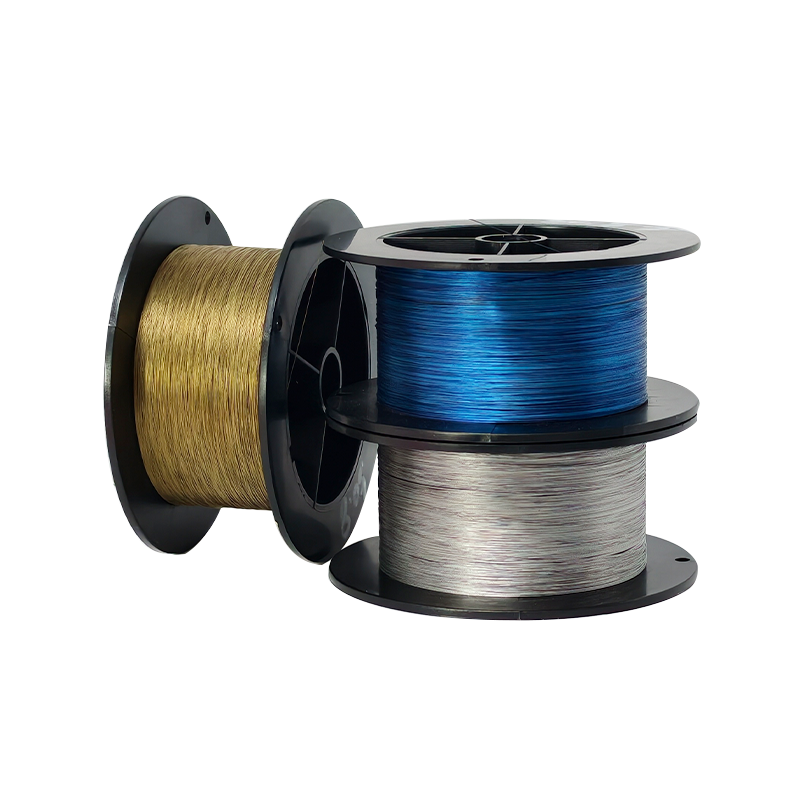
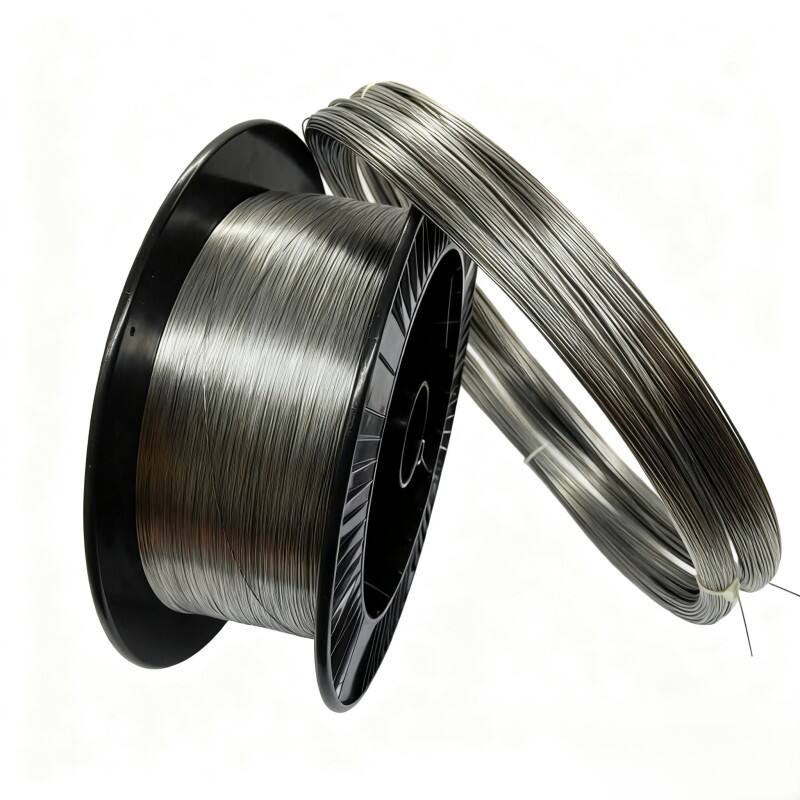
Nitinol wire medical represents one of the most significant material innovations in modern healthcare. Composed of a near-equal atomic ratio of nickel and titanium, this remarkable alloy delivers two extraordinary properties that set it apart from conventional medical-grade metals: superelasticity and shape memory. These characteristics make nitinol wire medical an indispensable component across a wide range of clinical disciplines, from cardiovascular intervention to orthopedic surgery and minimally invasive diagnostics. The shape memory effect allows nitinol wire medical to return to a pre-programmed configuration after being deformed, simply by exposure to body temperature. This behavior is driven by a reversible phase transformation between two solid-state crystal structures, known as martensite and austenite. When the wire is cooled, it becomes pliable and easy to manipulate. Once it warms to physiological temperature inside the human body, it recovers its original shape with precision and consistency. Superelasticity, the second defining feature of nitinol wire medical, enables the material to undergo significant deformation and spring back to its original form without permanent damage. This property is critical in applications where the wire must navigate complex anatomical pathways, such as tortuous blood vessels or narrow surgical corridors, without kinking or fracturing. From a technological standpoint, nitinol wire medical is manufactured through carefully controlled processes including vacuum induction melting, cold drawing, and heat treatment. These steps allow engineers to fine-tune the transformation temperature and mechanical behavior of the wire to match specific clinical requirements. Surface treatments such as electropolishing and oxide passivation further enhance biocompatibility and corrosion resistance, ensuring safe long-term implantation. Applications of nitinol wire medical span guidewires for catheter navigation, stent frameworks, orthodontic archwires, surgical retrieval tools, embolic protection devices, and neurovascular access systems. Its unique combination of flexibility, strength, and biological compatibility continues to drive adoption across new therapeutic areas, making nitinol wire medical a cornerstone material in the advancement of modern medical device engineering.

 EN
EN