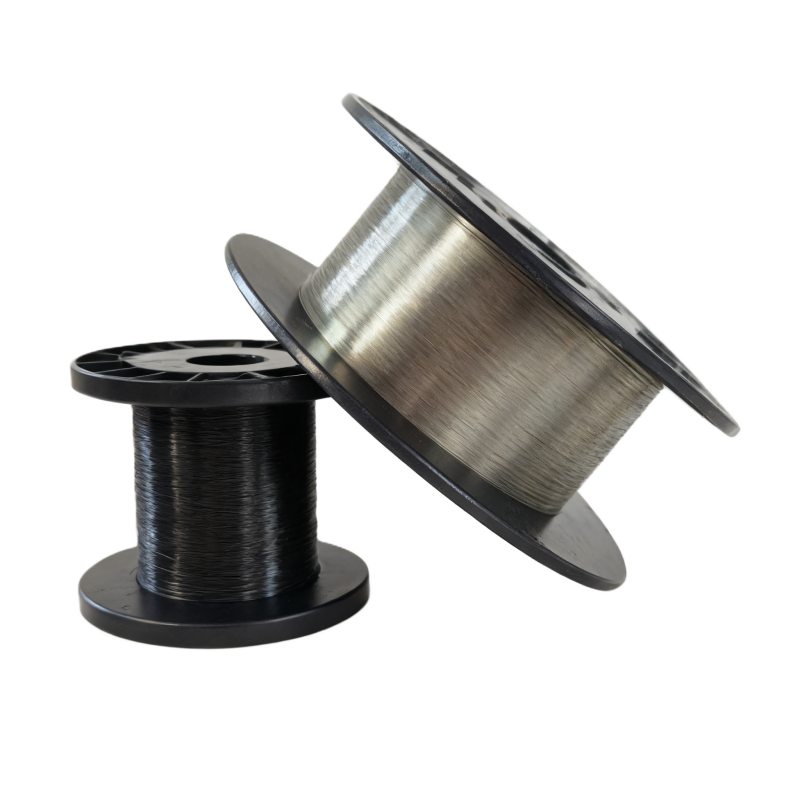
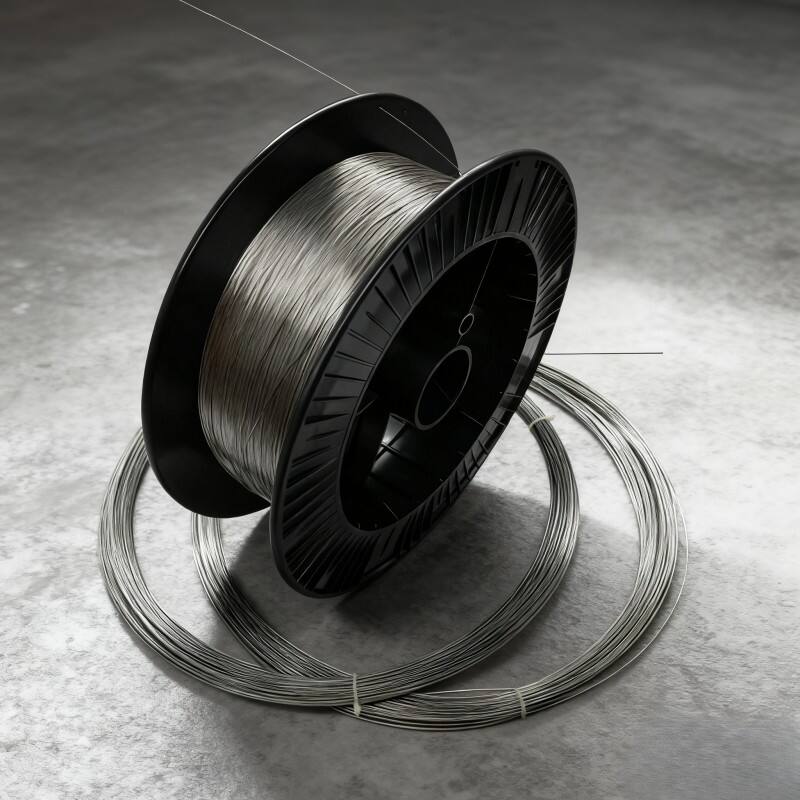
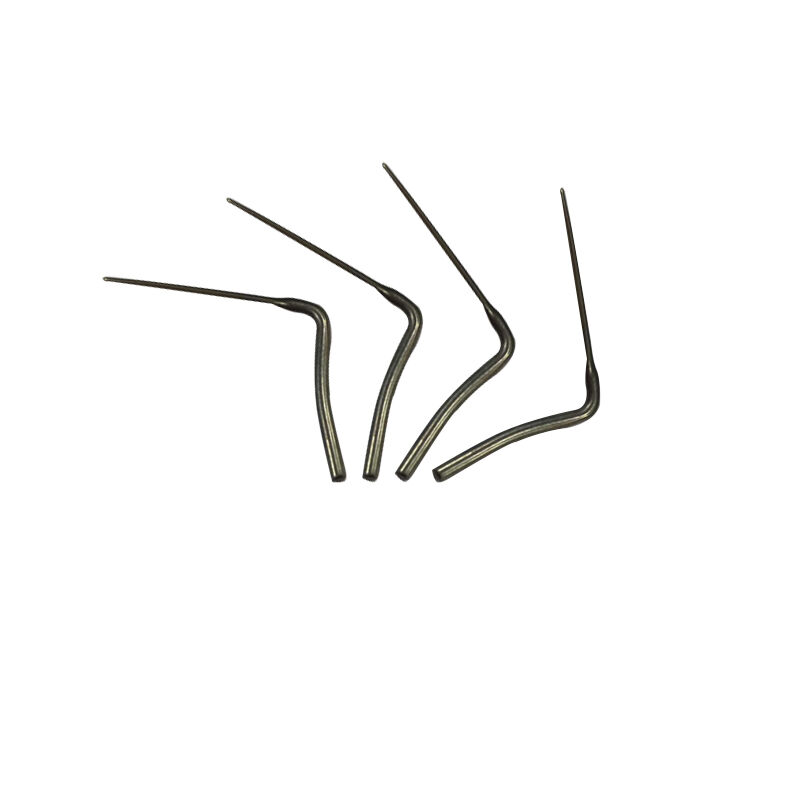
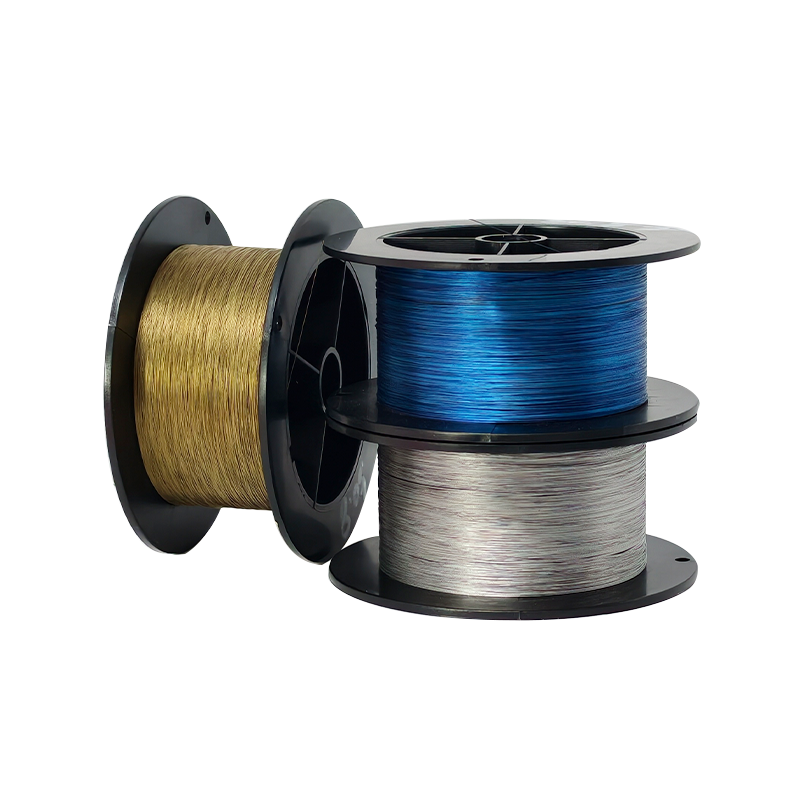
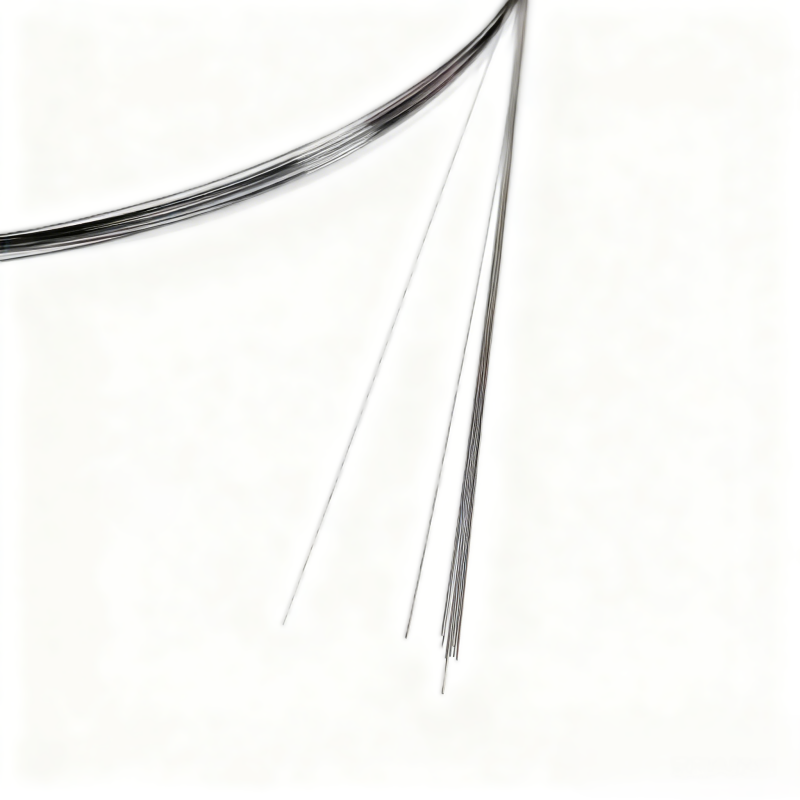
Nickel Titanium Alloy: Advanced Shape Memory Material for Medical, Aerospace and Industrial Applications

Get a Free Quote

Our representative will contact you soon.
Email
Name
Company Name
Message
0/1000

nickel titanium alloy

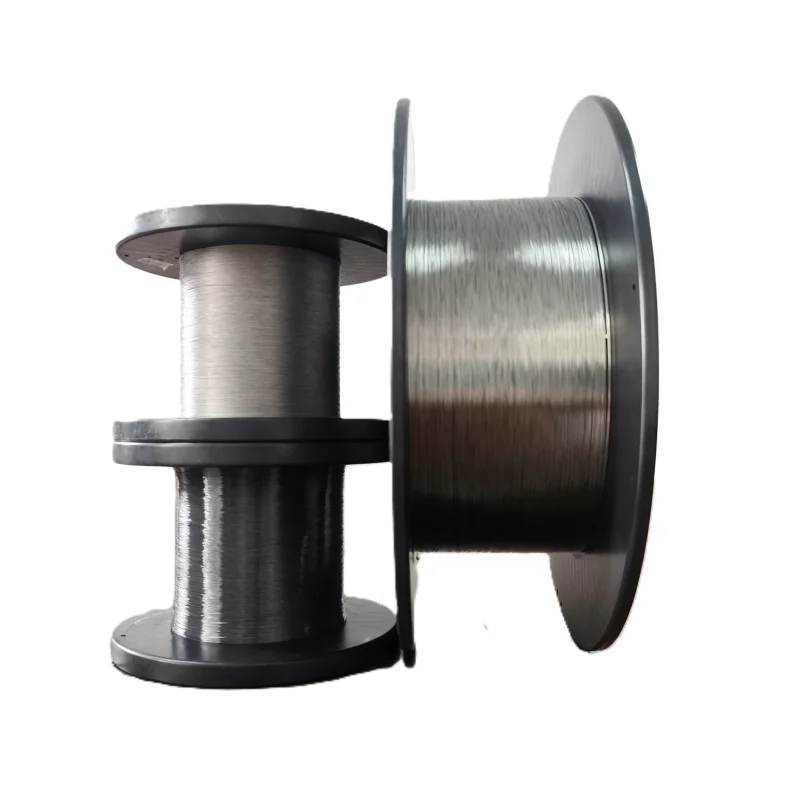
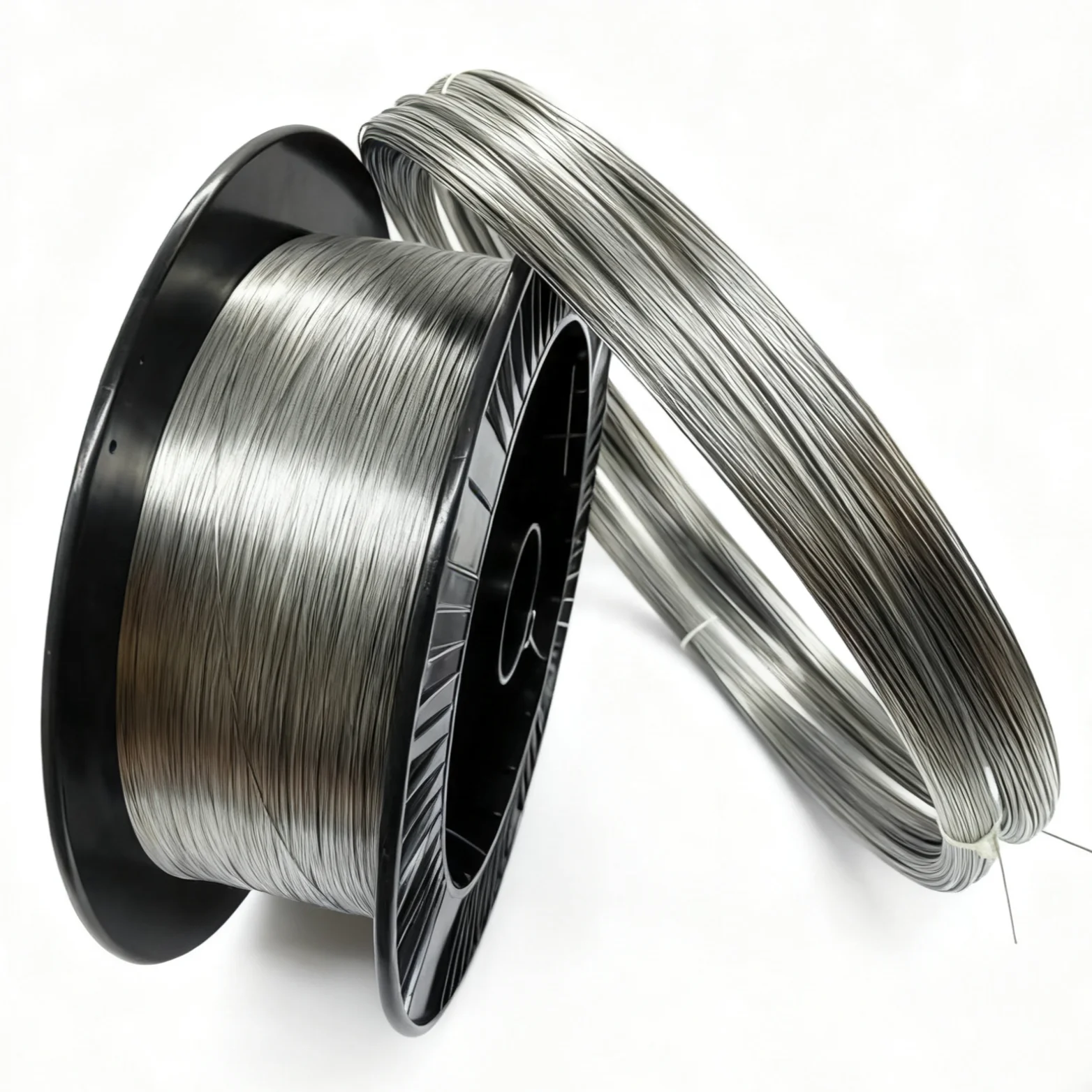
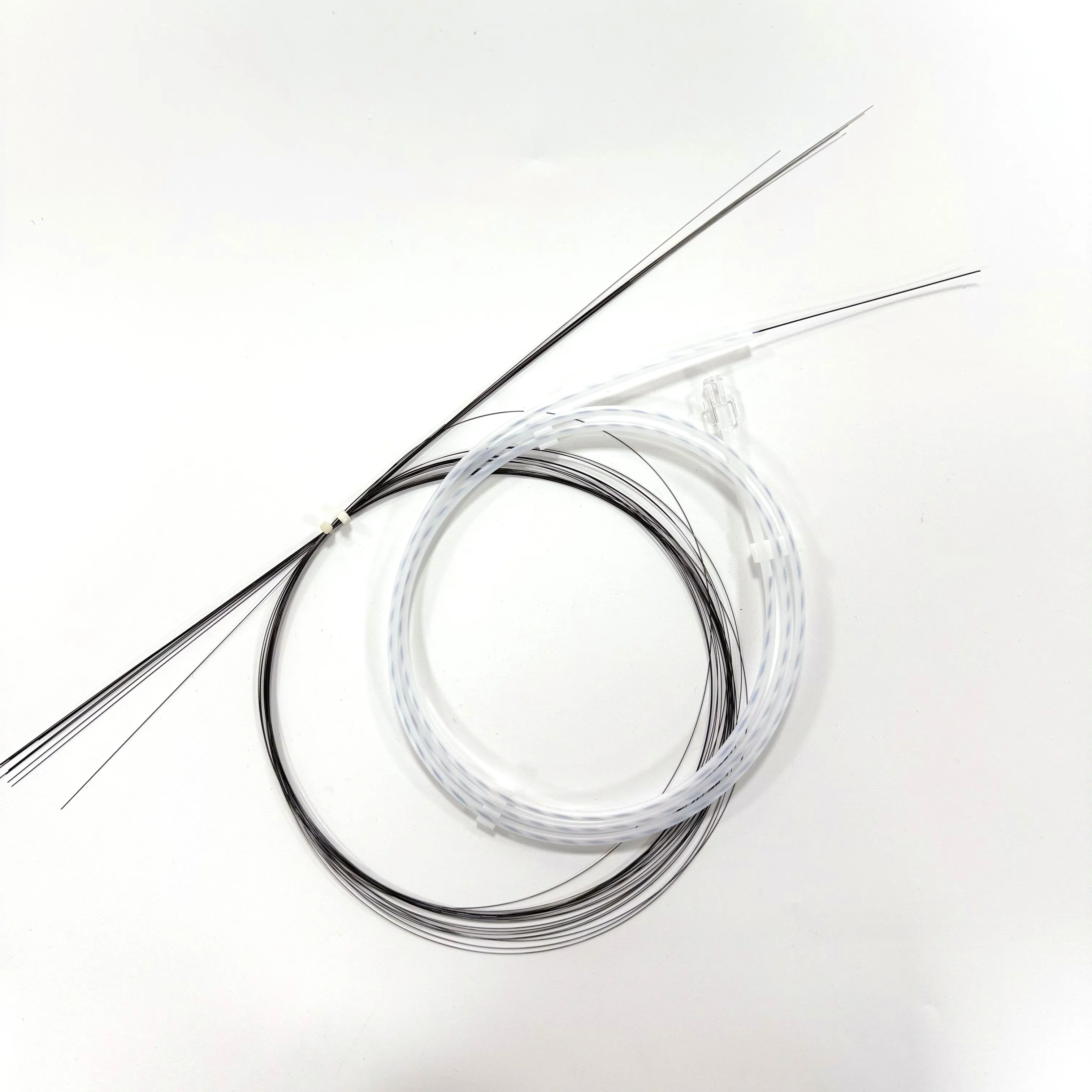
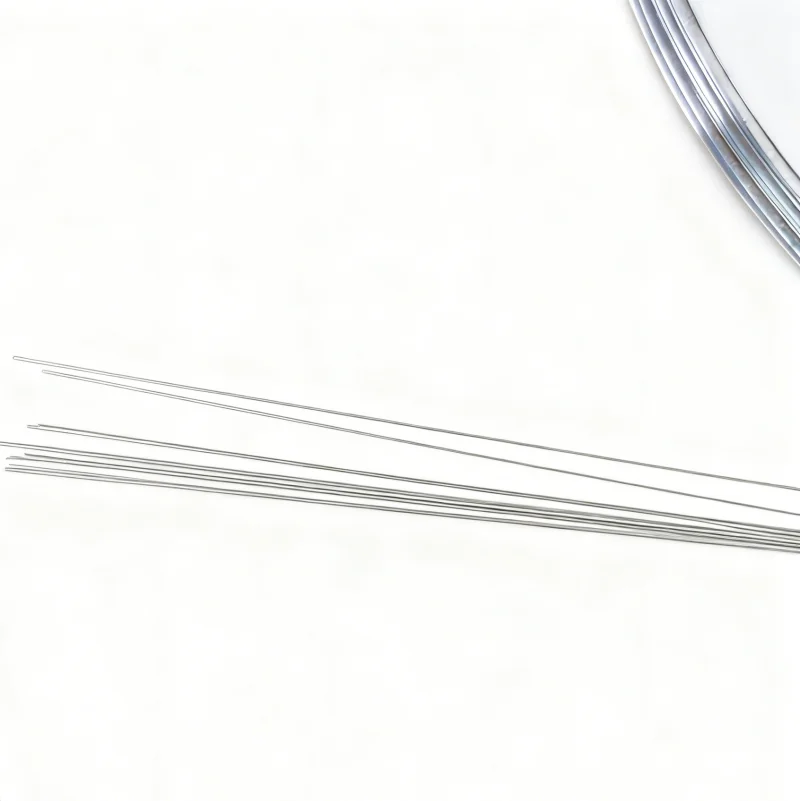
Nickel titanium alloy, commonly known as Nitinol, represents a groundbreaking material that has transformed multiple industries through its exceptional properties. This remarkable metal compound consists of nearly equal atomic percentages of nickel and titanium, creating a substance with extraordinary characteristics that set it apart from conventional materials. The nickel titanium alloy possesses two distinctive features that make it invaluable across various applications: shape memory effect and superelasticity. The shape memory effect enables the material to return to its predetermined shape when heated above a specific transformation temperature, while superelasticity allows it to undergo significant deformation and recover completely upon stress removal. These technological features stem from a reversible solid-state phase transformation between austenite and martensite crystalline structures. In medical applications, nickel titanium alloy serves as the foundation for stents, guidewires, orthodontic archwires, and surgical instruments due to its biocompatibility and flexibility. The aerospace sector utilizes this material for actuators, couplings, and adaptive structures that respond to temperature changes. Consumer electronics benefit from nickel titanium alloy in smartphone components, eyeglass frames, and laptop hinges that require durability and flexibility. The automotive industry employs this material in thermal actuators, safety systems, and engine components. Industrial applications include robotics, seismic protection devices, and temperature-sensitive valves. The material's resistance to corrosion and fatigue makes it suitable for demanding environments where traditional metals would fail. Manufacturing processes for nickel titanium alloy involve vacuum induction melting, careful heat treatment, and precise composition control to achieve desired transformation temperatures and mechanical properties. The versatility of this material continues to expand as researchers discover new applications and refine processing techniques to optimize performance characteristics for specific uses.

New Product Releases

The nickel titanium alloy delivers substantial practical benefits that directly impact your operations and product performance. First, this material demonstrates exceptional durability that translates into longer product lifespans and reduced replacement costs. Unlike conventional metals that permanently deform under stress, nickel titanium alloy bounces back to its original shape, maintaining structural integrity through countless cycles of use. This resilience means fewer failures in critical applications and lower maintenance expenses over time. The biocompatibility of nickel titanium alloy makes it safe for medical devices that contact human tissue, eliminating concerns about adverse reactions while ensuring patient safety. You can rely on this material for implants and surgical tools without compromising on performance or safety standards. The flexibility of nickel titanium alloy surpasses traditional materials by a significant margin, allowing designers to create compact, efficient devices that would be impossible with rigid alternatives. This bendability enables minimally invasive medical procedures, reducing patient recovery times and improving outcomes. Temperature responsiveness provides automatic actuation without complex electronics or power sources, simplifying designs and reducing energy consumption. Your products can respond intelligently to environmental changes without batteries or external controls. The corrosion resistance of nickel titanium alloy ensures reliable performance in harsh environments, from ocean applications to chemical processing facilities. You avoid the deterioration problems that plague standard metals in aggressive conditions. Weight savings compared to steel components reduce transportation costs and improve energy efficiency in vehicles and aircraft. The material's ability to absorb vibration protects sensitive equipment and enhances user comfort in consumer products. Manufacturing with nickel titanium alloy opens opportunities for innovative designs that combine multiple functions into single components, streamlining assembly and reducing part counts. Your production processes become more efficient while product complexity decreases. The predictable behavior of this material across temperature ranges ensures consistent performance whether in arctic cold or desert heat. Quality control becomes easier as the material properties remain stable and reproducible batch after batch. Cost savings accumulate through extended service life, reduced maintenance, simplified designs, and eliminated secondary operations. While initial material costs may exceed conventional options, the total lifecycle value strongly favors nickel titanium alloy for demanding applications where performance matters most.

Practical Tips

Why is high-stability Nitinol the first choice for equipment in extreme conditions?

12

May

Why is high-stability Nitinol the first choice for equipment in extreme conditions?

When equipment must perform reliably under mechanical stress, thermal cycling, and repeated deformation, material selection becomes a critical engineering decision. Nitinol, the nickel-titanium shape memory alloy, has earned a dominant position in de...
View More
Why do orthodontists prefer using orthodontic wire with shape memory?

15

May

Why do orthodontists prefer using orthodontic wire with shape memory?

In modern orthodontic practice, the materials used to move teeth are just as important as the clinical techniques applied. Among the many innovations that have transformed the field, orthodontic wire with shape memory stands out as one of the most cl...
View More
Why do full-process manufacturers provide higher performance Nitinol SMA?

20

May

Why do full-process manufacturers provide higher performance Nitinol SMA?

When engineers and procurement specialists evaluate materials for high-precision medical devices, aerospace components, or advanced actuator systems, the source of the material matters as much as the material itself. Nitinol SMA — the nickel-titanium...
View More
How to identify high-quality Nitinol sources with a 21-year background?

01

Jun

How to identify high-quality Nitinol sources with a 21-year background?

Sourcing Nitinol for industrial, medical, or specialty applications is not a decision that should be made lightly. Nitinol, the nickel-titanium shape memory alloy renowned for its superelastic behavior and thermal responsiveness, demands a level of m...
View More

Get a Free Quote

Our representative will contact you soon.
Email
Name
Company Name
Message
0/1000

nickel titanium alloy

Revolutionary Shape Memory Performance

Revolutionary Shape Memory Performance

The shape memory capability of nickel titanium alloy represents one of the most fascinating and commercially valuable properties in modern materials science. This remarkable characteristic allows components made from this material to remember and return to a predetermined shape when exposed to specific temperature triggers. The practical implications of this feature extend far beyond laboratory curiosities into real-world applications that solve complex engineering challenges. When nickel titanium alloy undergoes deformation at lower temperatures, it retains the distorted shape until heated above its transformation temperature, at which point it automatically recovers its original configuration. This behavior results from crystallographic phase changes occurring within the material's atomic structure, shifting between martensite and austenite phases. Engineers can program specific recovery temperatures during manufacturing, tailoring the material response to application requirements. In medical stent deployment, surgeons compress nickel titanium alloy devices to small diameters for catheter delivery, then rely on body heat to trigger expansion at the treatment site, eliminating the need for mechanical inflation systems. Aerospace applications utilize this property for self-deploying antennas and structures that compact for launch and automatically unfold in space. The automotive industry employs shape memory actuators in climate control systems, where nickel titanium alloy elements respond to temperature changes to regulate airflow without electrical motors. Consumer products benefit from eyeglass frames that return to proper shape after bending or crushing, providing durability and convenience. Industrial thermostats and safety valves use this material to provide reliable, fail-safe operation based purely on temperature sensing. The repeatability of shape memory cycles in nickel titanium alloy exceeds millions of operations, ensuring long-term reliability in critical applications. Manufacturing flexibility allows creation of complex recovery motions, from simple linear contraction to intricate three-dimensional transformations. The force generation during shape recovery provides substantial actuation power, moving loads that would challenge conventional actuators of similar size. Design engineers appreciate how nickel titanium alloy eliminates control electronics, power supplies, and mechanical linkages in temperature-responsive applications, reducing system complexity and potential failure points.
Exceptional Superelastic Flexibility

Exceptional Superelastic Flexibility

Superelasticity distinguishes nickel titanium alloy as the premier choice for applications requiring extreme flexibility without permanent deformation. This property enables the material to withstand strains up to eight percent and recover completely upon stress removal, far exceeding the elastic limits of conventional metals that typically fail beyond one percent strain. The superelastic behavior occurs at temperatures above the material transformation point, where stress-induced phase changes allow enormous reversible deformation. Medical professionals particularly value this characteristic in guidewires and catheters that must navigate through complex vascular pathways without kinking or losing their ability to transmit torque from the operator's hand to the distal tip. Orthodontists rely on nickel titanium alloy archwires that apply constant, gentle pressure on teeth throughout the alignment process, unlike stainless steel wires that require frequent adjustments as they lose tension. The consistent force delivery accelerates treatment while improving patient comfort. In consumer electronics, hinges manufactured from nickel titanium alloy withstand tens of thousands of opening and closing cycles without fatigue failure, essential for laptop computers and foldable smartphone designs. Eyewear frames benefit from superelasticity through enhanced durability and comfort, flexing to fit various head shapes while resisting permanent bending from accidental damage. The material absorbs impact energy effectively, protecting both the component and surrounding structures from shock loads. Sports equipment incorporates nickel titanium alloy in golf club shafts and tennis racket frames where energy storage and release enhance performance. Robotic applications utilize the flexibility for grippers and manipulators that safely interact with delicate objects or adapt to irregular shapes. Seismic damping systems employ nickel titanium alloy elements that deform during earthquakes and automatically recover, protecting building structures through multiple events without replacement. The fatigue resistance of superelastic nickel titanium alloy surpasses other materials in cyclic loading conditions, essential for components experiencing repeated stress. Designers create smaller, lighter devices by exploiting the extreme deflection capability, achieving performance impossible with rigid materials. The non-linear stress-strain relationship provides progressive resistance, beneficial in applications requiring variable stiffness characteristics.
Outstanding Biocompatibility and Corrosion Resistance

Outstanding Biocompatibility and Corrosion Resistance

The biocompatibility of nickel titanium alloy makes it indispensable in modern medical device manufacturing, where material interaction with human tissue determines success or failure of implanted devices. Despite containing nickel, a known allergen in some forms, the tightly bound atomic structure of nickel titanium alloy prevents significant ion release under physiological conditions, resulting in excellent tissue compatibility. Extensive clinical experience spanning decades demonstrates minimal adverse reactions compared to other implant materials, establishing nickel titanium alloy as a standard for cardiovascular stents, orthodontic appliances, and surgical instruments. The passive oxide layer that forms naturally on the surface provides a stable barrier between the base metal and biological environment, enhancing corrosion resistance and reducing the potential for metal sensitivity reactions. Medical device manufacturers appreciate how nickel titanium alloy maintains mechanical properties and dimensional stability throughout years of implantation, avoiding the degradation concerns associated with biodegradable materials or the stress shielding problems of overly rigid implants. The material's mechanical properties closely match human tissue and bone, promoting better integration and reducing complications from modulus mismatch. Surgical tool designers utilize nickel titanium alloy for flexible instruments that access difficult anatomical locations through minimally invasive approaches, improving patient outcomes while reducing procedure times. The corrosion resistance extends beyond medical applications into marine hardware, chemical processing equipment, and oil field components where aggressive environments rapidly deteriorate conventional metals. Salt water, acids, and alkaline solutions have minimal effect on nickel titanium alloy performance, eliminating the need for protective coatings that might crack or wear away during service. Industrial users reduce maintenance costs and avoid unexpected failures by selecting this material for harsh service conditions. Food processing and pharmaceutical manufacturing benefit from the non-reactive surface that maintains purity and cleanliness standards. The combination of corrosion resistance and mechanical performance allows nickel titanium alloy components to operate reliably in conditions where other materials require frequent inspection and replacement. Environmental stability ensures consistent behavior regardless of humidity, temperature fluctuations, or chemical exposure, simplifying quality assurance and regulatory compliance for manufacturers serving regulated industries.
Nickel Titanium Alloy: Advanced Shape Memory Material for Medical, Aerospace and Industrial Applications

Get a Free Quote

Our representative will contact you soon.
Email
Name
Company Name
Message
0/1000
Newsletter
Please Leave A Message With Us