Precision Actuation Without Complexity: How Shape Memory Alloy Simplifies System Design
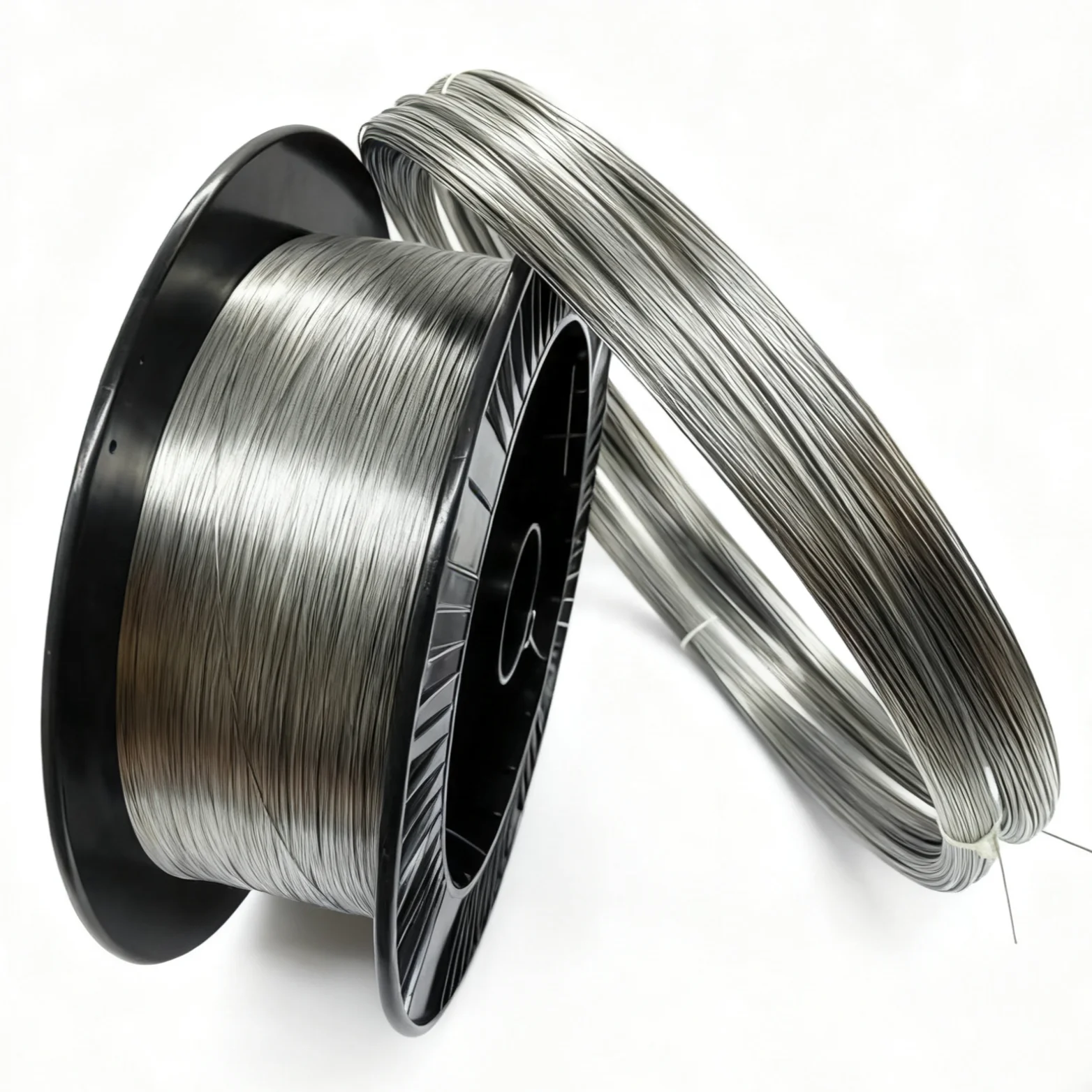
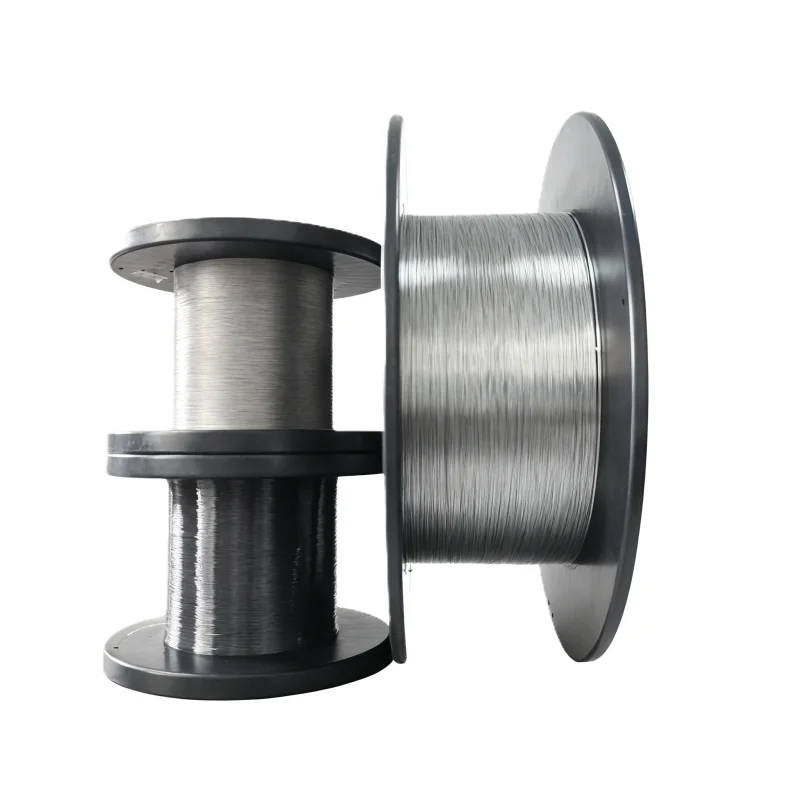
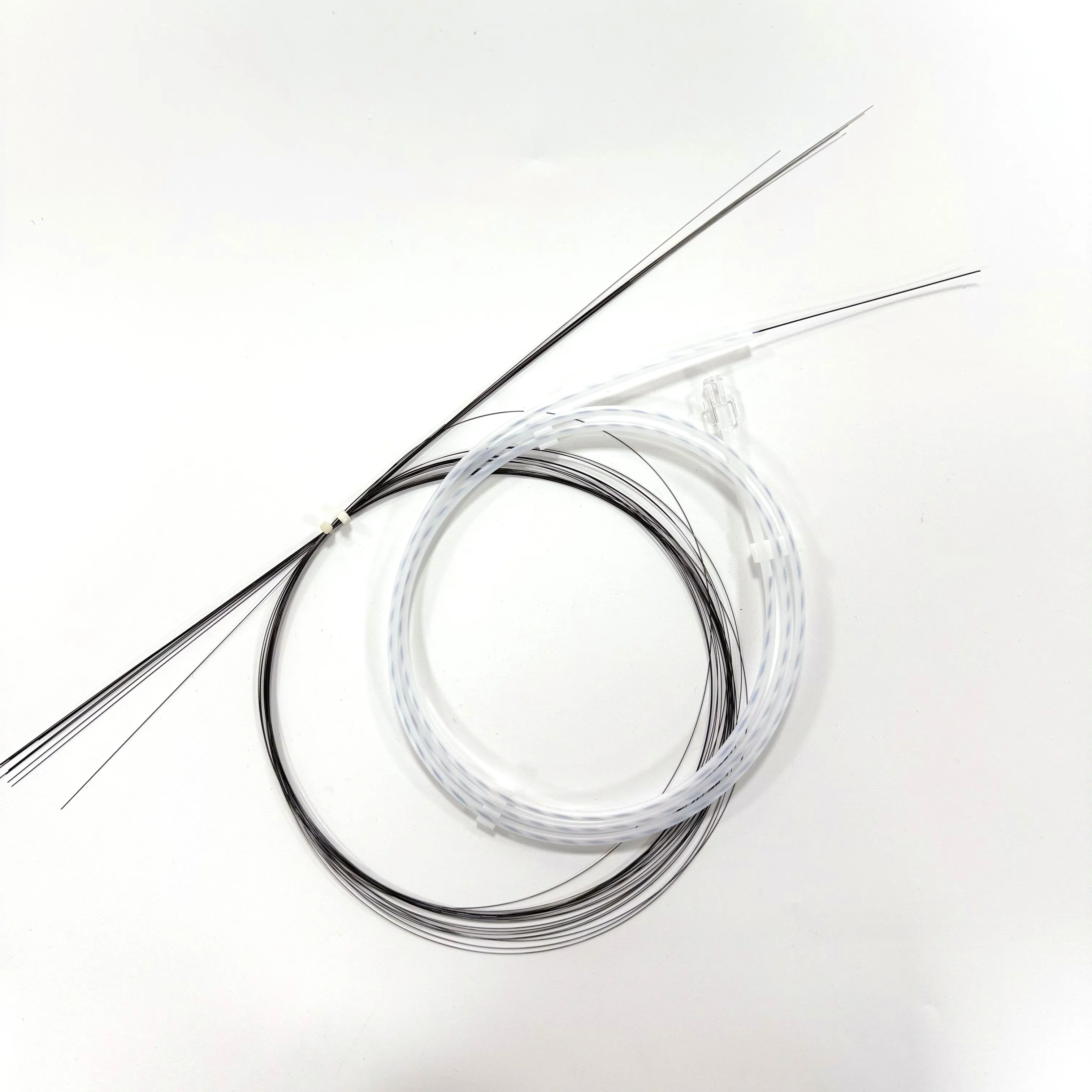
One of the most compelling reasons engineers choose shape memory alloy is its ability to deliver precise, repeatable actuation without the mechanical complexity that traditional systems demand. In conventional engineering, achieving controlled movement typically requires a combination of motors, gears, linkages, sensors, and control electronics. Each additional component introduces potential failure points, adds weight, increases cost, and consumes space. Shape memory alloy eliminates much of this complexity by combining the functions of sensor, actuator, and structural element into a single material. When a shape memory alloy component is heated above its transformation temperature, it contracts or bends with a force and displacement that can be precisely engineered during the design phase. This means the actuation behavior is built into the material itself, not programmed into external control systems. For product designers, this translates directly into faster development cycles, fewer components to source and assemble, and a more robust final product. The precision of shape memory alloy actuation is not just a theoretical advantage. In medical device applications, shape memory alloy stents expand to exact diameters when warmed by body heat, ensuring consistent deployment without manual adjustment by the surgeon. In aerospace, shape memory alloy actuators adjust control surfaces or release mechanisms with millimeter-level accuracy, responding to temperature changes in the operating environment. In consumer electronics, shape memory alloy wires drive autofocus mechanisms in smartphone cameras, delivering smooth and silent lens movement that outperforms traditional voice coil motors in compactness and energy efficiency. The superelastic variant of shape memory alloy adds another dimension to this precision story. Superelastic shape memory alloy can absorb large deformations and return to its original shape without any heat input, purely through the mechanical unloading of stress. This makes it ideal for applications like eyeglass frames, flexible medical guidewires, and vibration-damping structures, where the material must accommodate repeated large strains without fatigue or permanent set. Designing with shape memory alloy does require careful attention to transformation temperature selection, strain limits, and thermal management, but modern shape memory alloy suppliers provide extensive engineering support and simulation tools that make this process accessible even to teams without prior experience with smart materials. The result is a design pathway that leads to simpler, lighter, and more reliable products, giving companies a meaningful competitive advantage in markets where performance and miniaturization are paramount.

 EN
EN