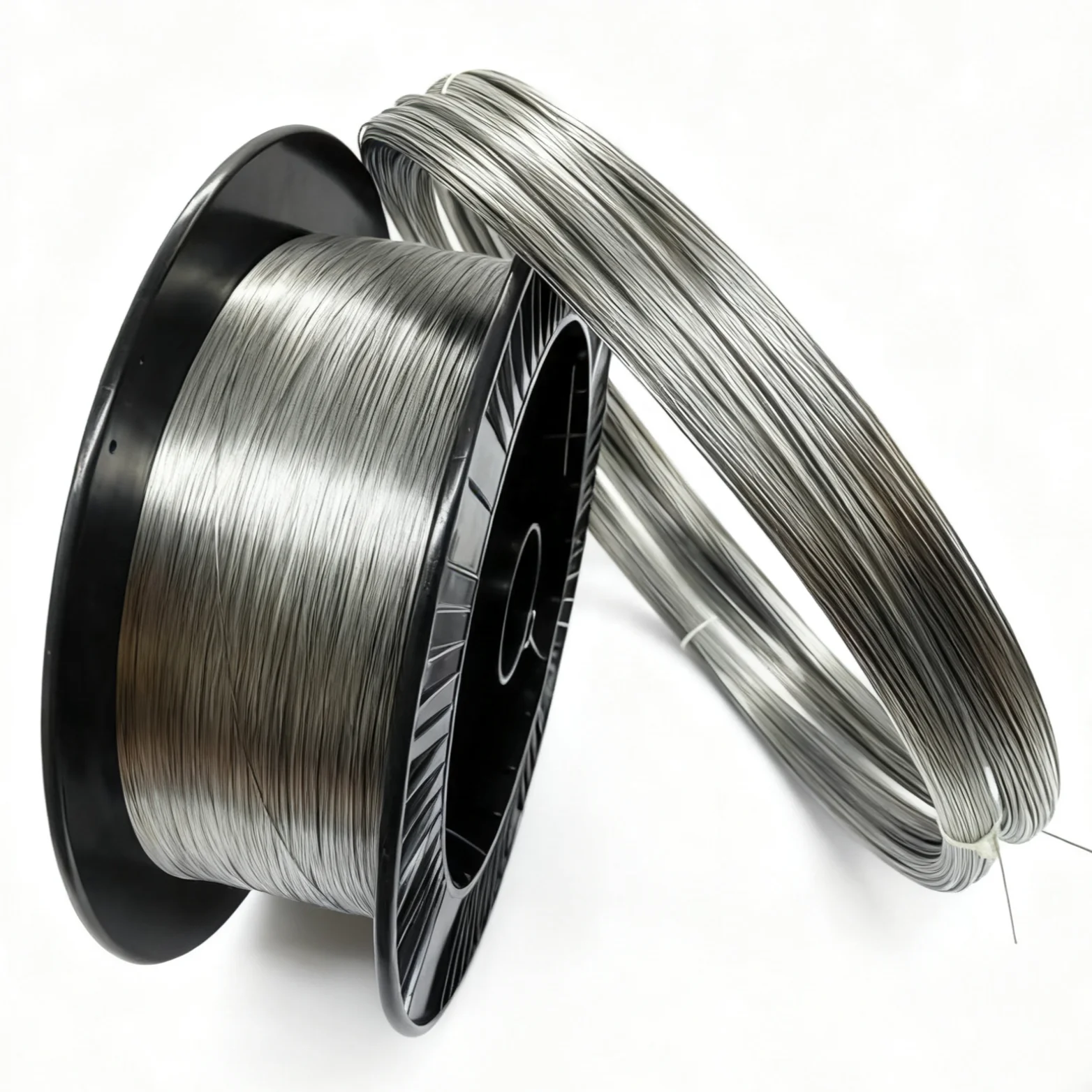
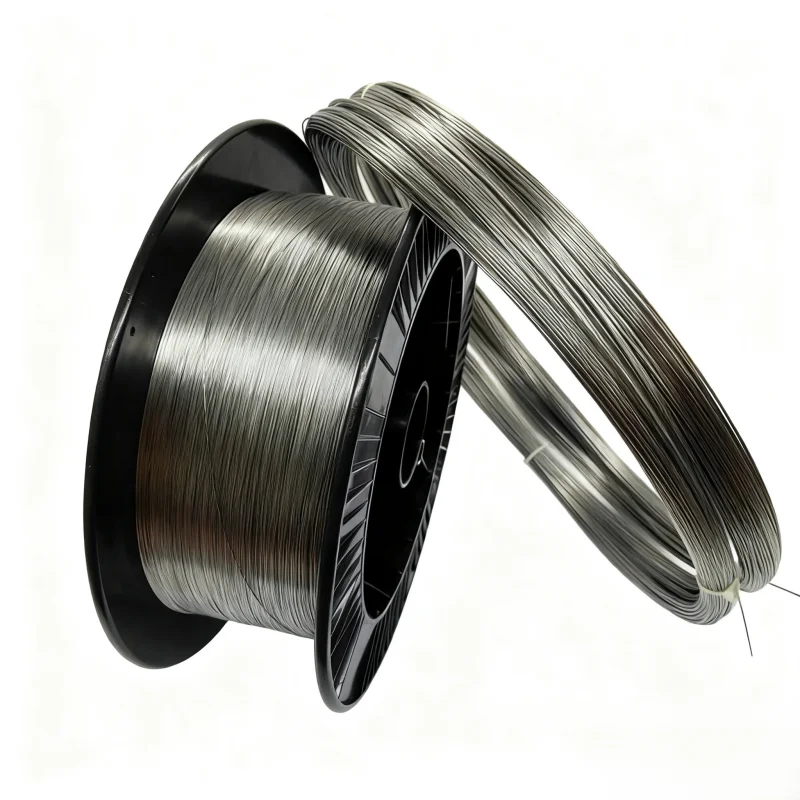
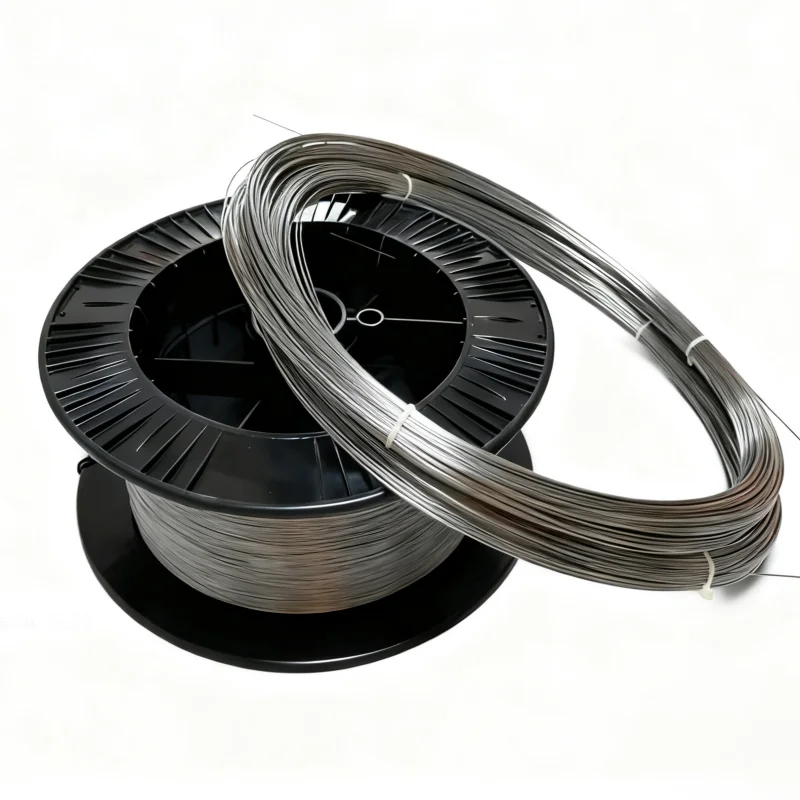
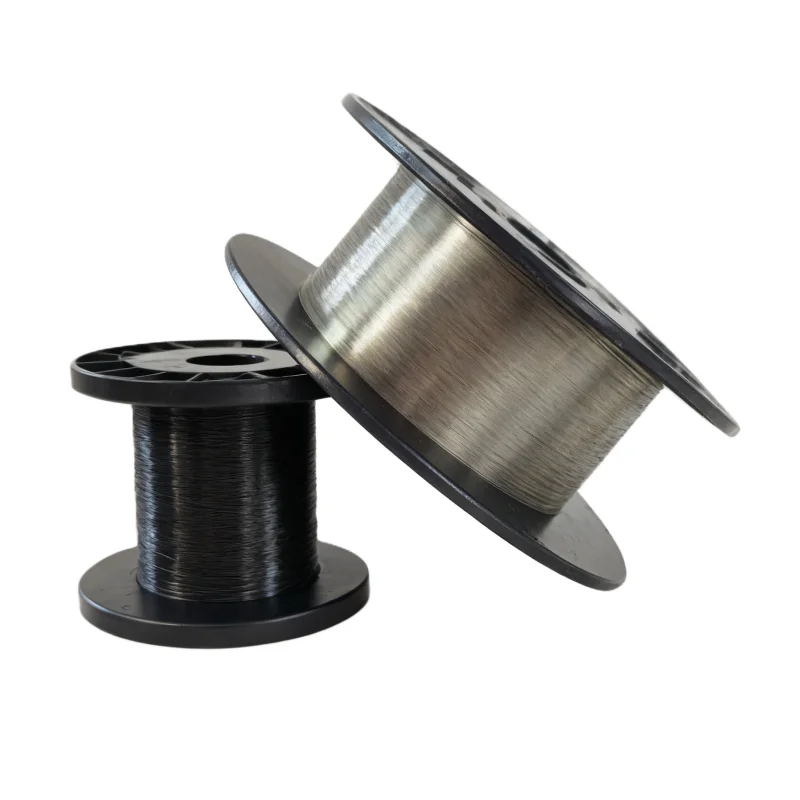
NiTi Nitinol Alloys: Advanced Shape Memory Materials for Medical, Aerospace and Industrial Applications

Get a Free Quote

Our representative will contact you soon.
Email
Name
Company Name
Message
0/1000

niti nitinol

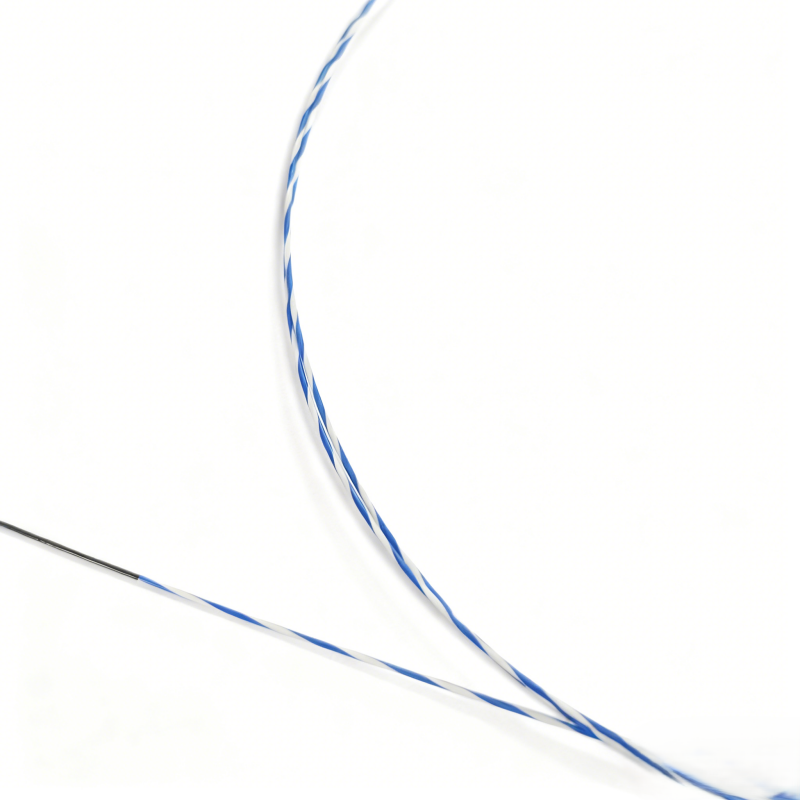
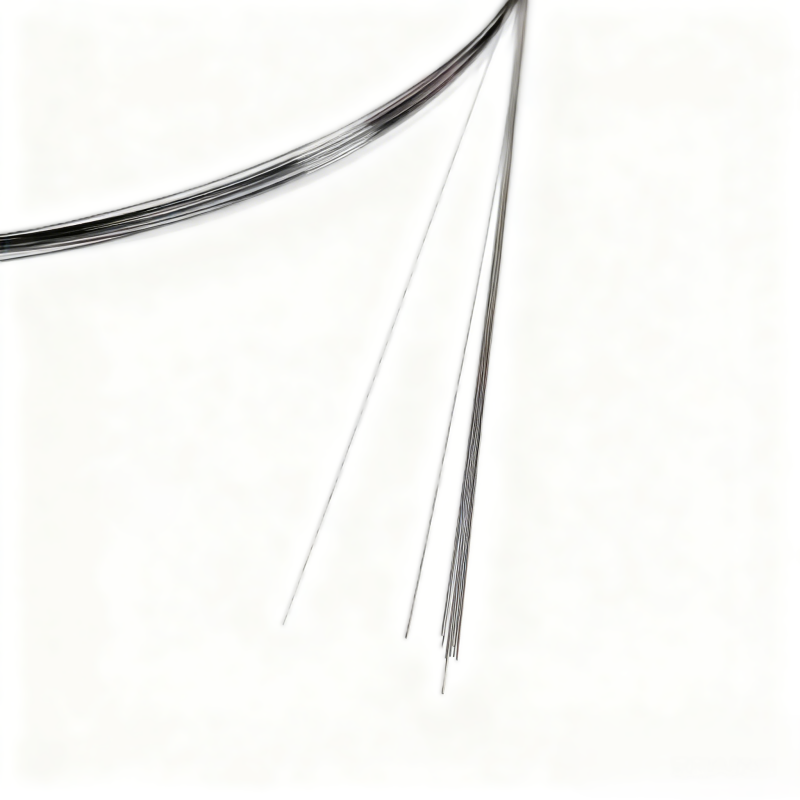
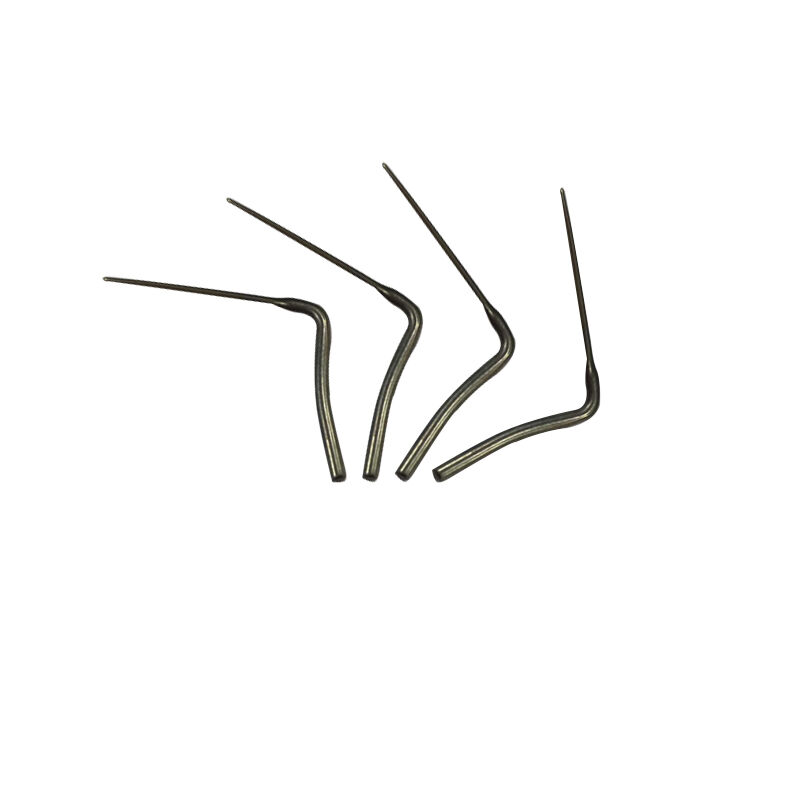
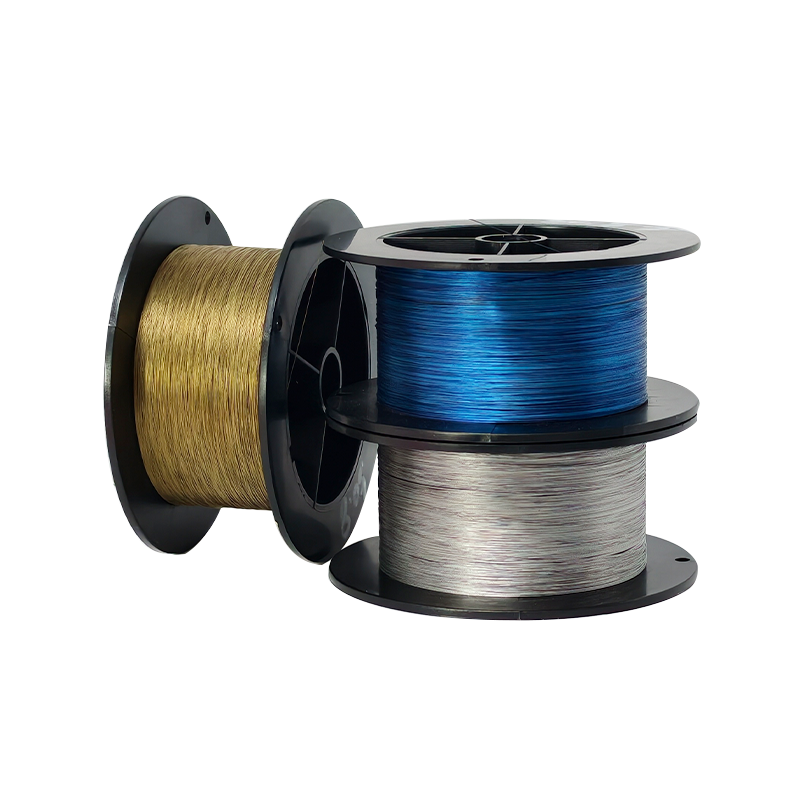
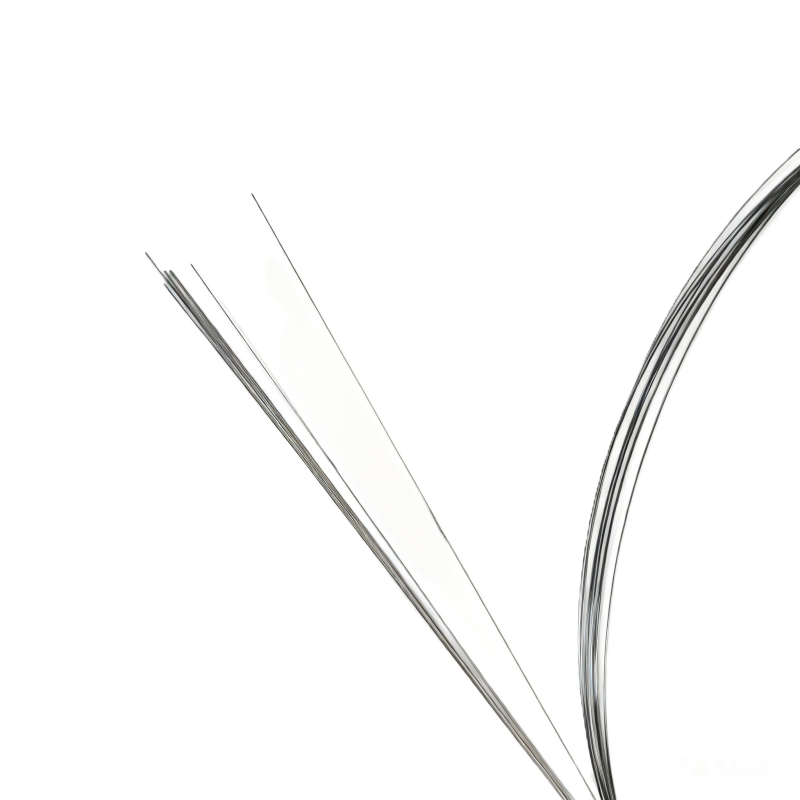
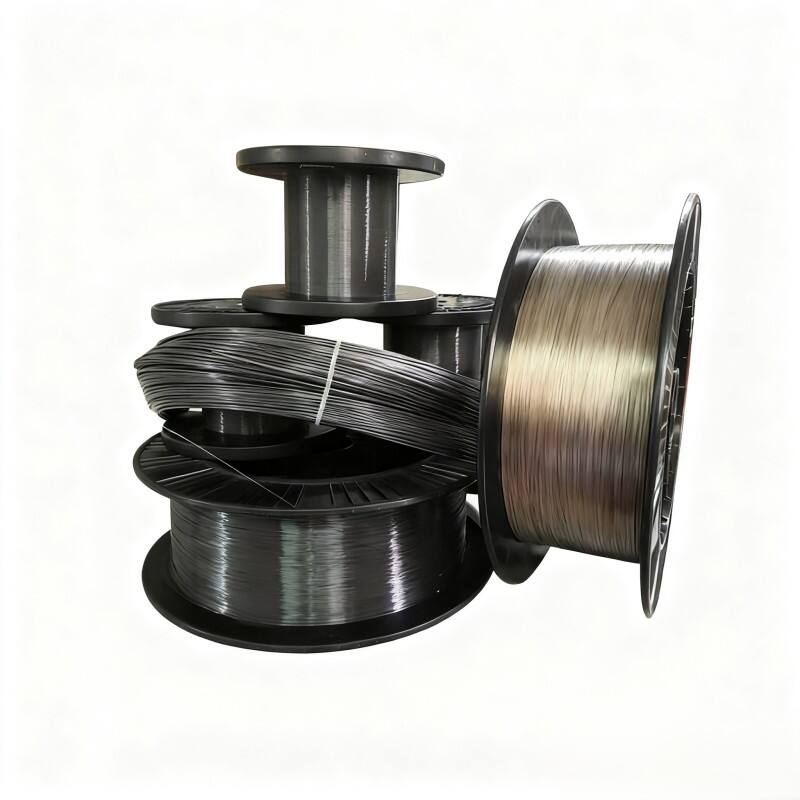
NiTi nitinol represents a groundbreaking category of shape memory alloys composed primarily of nickel and titanium in nearly equal atomic percentages. This remarkable material has revolutionized multiple industries through its extraordinary ability to remember and return to a predetermined shape when subjected to specific temperature changes or stress relief. The niti nitinol alloy exhibits two distinct crystal structures that enable its unique characteristics: austenite at higher temperatures and martensite at lower temperatures. This phase transformation capability allows niti nitinol to demonstrate superelasticity and shape memory effects that conventional metals simply cannot match. The main functions of niti nitinol include mechanical actuation, energy absorption, vibration damping, and providing flexible yet resilient structural support in demanding environments. Technologically, this alloy offers exceptional biocompatibility, making it ideal for medical implants and devices that must integrate seamlessly with human tissue. The material can withstand significant deformation without permanent damage, returning to its original configuration repeatedly through millions of cycles. This fatigue resistance surpasses traditional spring materials by substantial margins. NiTi nitinol applications span across medical devices such as stents, guidewires, orthodontic archwires, and surgical instruments, where its flexibility and recovery properties prove invaluable. In aerospace engineering, the material serves in actuators, couplings, and temperature-sensitive components. The automotive sector utilizes niti nitinol for safety systems and adaptive components. Consumer electronics benefit from its use in flexible frames for eyeglasses and mobile device antennas. The robotics industry leverages its actuation capabilities for artificial muscles and grippers. With working temperatures ranging from negative forty to over one hundred degrees Celsius, niti nitinol accommodates diverse environmental conditions while maintaining performance integrity, establishing itself as an indispensable material for modern engineering challenges.

New Product Releases

The advantages of niti nitinol extend far beyond conventional material capabilities, offering tangible benefits that directly impact product performance and customer satisfaction. First and foremost, the superelastic property allows niti nitinol to bend and flex dramatically without breaking or losing its original shape. Imagine a material that can be bent to extreme angles yet springs back perfectly every single time. This means products last longer, require less frequent replacement, and provide consistent performance throughout their service life. For customers, this translates to reduced maintenance costs and fewer interruptions in daily operations. The shape memory effect provides another practical advantage where the material can be programmed to change shape at specific temperatures. This enables automatic responses without requiring electronic controls or external power sources, simplifying designs while improving reliability. Medical patients benefit tremendously from niti nitinol implants because the material naturally integrates with body tissues without triggering adverse immune responses. The biocompatibility ensures safer procedures with faster healing times and reduced complications compared to traditional implant materials. From a durability standpoint, niti nitinol withstands corrosion exceptionally well in harsh chemical environments, saltwater exposure, and bodily fluids. Products maintain their integrity and appearance over extended periods without degradation. The material also exhibits outstanding fatigue resistance, enduring millions of stress cycles without failure. This reliability means devices perform consistently whether used ten times or ten million times. Temperature adaptability represents another significant advantage, as niti nitinol functions effectively across wide temperature ranges without brittleness in cold conditions or softening in heat. Manufacturers appreciate how niti nitinol enables innovative designs previously impossible with conventional materials. The combination of flexibility and strength allows for compact, lightweight solutions that save space and reduce overall system weight. Energy efficiency improves because niti nitinol actuators often require minimal power compared to traditional motors and hydraulic systems. The material naturally dampens vibrations, reducing noise and protecting surrounding components from shock damage. For end users, products incorporating niti nitinol deliver enhanced comfort, whether in flexible eyeglass frames that adjust to face shapes or medical devices that move naturally within the body. The economic benefits accumulate through extended product lifespans, reduced warranty claims, lower energy consumption, and decreased material waste. Safety improves across applications because niti nitinol components fail gracefully rather than catastrophically, providing warning signs before complete failure occurs. These combined advantages make niti nitinol an investment that pays dividends through superior performance, longevity, and user satisfaction.

Tips And Tricks

Why is phase transition stability of nickel titanium wire key to actuator success?

13

May

Why is phase transition stability of nickel titanium wire key to actuator success?

In the world of precision actuators, the materials used to generate motion are not merely components — they are the foundation of reliability. nickel titanium wire has emerged as one of the most compelling active materials in modern actuator engineer...
View More
How to ensure dimensional tolerances for precision Nitinol metal parts?

18

May

How to ensure dimensional tolerances for precision Nitinol metal parts?

Achieving tight dimensional tolerances in Nitinol metal components is one of the most demanding challenges in precision manufacturing. Unlike conventional metals, Nitinol — a nickel-titanium shape memory alloy — exhibits superelastic recovery and pha...
View More
How to utilize one-way and two-way memory in precision medical components?

21

May

How to utilize one-way and two-way memory in precision medical components?

In the development of precision medical components, material intelligence is no longer a concept reserved for science fiction. nitinol wire has fundamentally changed how engineers and medical device designers approach the challenge of building compon...
View More
How to identify high-quality Nitinol sources with a 21-year background?

01

Jun

How to identify high-quality Nitinol sources with a 21-year background?

Sourcing Nitinol for industrial, medical, or specialty applications is not a decision that should be made lightly. Nitinol, the nickel-titanium shape memory alloy renowned for its superelastic behavior and thermal responsiveness, demands a level of m...
View More

Get a Free Quote

Our representative will contact you soon.
Email
Name
Company Name
Message
0/1000

niti nitinol

Revolutionary Shape Memory Technology

Revolutionary Shape Memory Technology

The shape memory effect inherent in niti nitinol represents one of the most fascinating and practically valuable material properties discovered in modern metallurgy. This phenomenon enables the alloy to be deformed into a temporary shape at lower temperatures and then return completely to its original programmed configuration when heated above a specific transformation temperature. The mechanism behind this capability involves a reversible solid-state phase transformation between two crystal structures within the niti nitinol matrix. At lower temperatures, the martensite phase allows easy deformation because the crystal structure can accommodate stress through twinning and detwinning mechanisms. When temperature increases past the transformation point, the material converts to the austenite phase, which possesses only one stable configuration, the memorized shape. This transformation releases stored mechanical energy and generates substantial recovery forces capable of performing useful work. Applications leveraging this shape memory capability include self-deploying medical stents that compress for catheter insertion and expand to full diameter at body temperature, eliminating the need for balloon expansion. Temperature-activated actuators in automotive systems adjust airflow or engage safety mechanisms automatically based on engine heat. In aerospace applications, deployable structures utilize niti nitinol components that unfold from compact storage configurations once reaching orbital temperatures. The material can be trained to remember complex three-dimensional shapes through careful heat treatment protocols, enabling sophisticated motion sequences from simple temperature changes. Manufacturing advantages include the ability to install components in a temporary shape convenient for assembly, then activate final geometry through controlled heating during production. Consumer products benefit from self-adjusting features that respond to environmental conditions without electronic sensors or controllers. The shape memory effect also enables repeated cycling between shapes through temperature variation, creating dynamic components for robotics and automation. Recovery forces generated during transformation can exceed five hundred megapascals, providing powerful actuation in compact form factors. The transformation temperatures can be precisely tailored through composition adjustments and processing techniques, accommodating application requirements from refrigeration temperatures to high-heat industrial environments. This versatility makes niti nitinol shape memory technology adaptable to diverse challenges across industries, delivering elegant solutions that combine mechanical simplicity with sophisticated functionality.
Exceptional Superelasticity Performance

Exceptional Superelasticity Performance

Superelasticity stands as perhaps the most immediately impressive characteristic of niti nitinol, offering mechanical performance that defies expectations based on conventional material behavior. This property allows the alloy to undergo enormous elastic strains, up to eight percent or more, compared to typical metals that yield permanently at strains below one percent. The superelastic effect occurs when niti nitinol in the austenite phase experiences mechanical stress that induces transformation to stress-oriented martensite. Unlike permanent deformation, this stress-induced martensite instantly reverts to austenite upon stress removal, returning the material to its exact original shape. The loading and unloading cycle creates a characteristic hysteresis loop that absorbs energy while maintaining shape integrity. For practical applications, this means niti nitinol components can bend, twist, and compress to extraordinary degrees without taking a permanent set or losing dimensional accuracy. Medical guidewires made from niti nitinol navigate tortuous blood vessel pathways, flexing through sharp turns that would kink or permanently bend stainless steel alternatives. The wire springs back straight immediately after exiting curved anatomy, ready for reuse without reshaping. Orthodontic archwires apply consistent corrective forces despite dramatic deflections around misaligned teeth, maintaining treatment effectiveness as teeth gradually move into position. Eyeglass frames manufactured from niti nitinol tolerate accidental sitting, stepping, or twisting incidents that would destroy conventional frames, simply flexing back to proper shape without adjustment. In industrial applications, vibration isolation mounts exploit the energy dissipation characteristics of the superelastic hysteresis, protecting sensitive equipment from shock and oscillation damage. Springs and fasteners maintain constant force across wide displacement ranges, compensating for thermal expansion, wear, or assembly tolerances automatically. The fatigue life under cyclic loading exceeds traditional spring materials by orders of magnitude because the deformation mechanism involves crystallographic transformation rather than dislocation movement that causes cumulative damage. Components reliably perform through tens of millions of cycles without degradation. Temperature stability of the superelastic effect ensures consistent performance across operational temperature ranges relevant to most applications. The plateau stress during transformation remains relatively constant across large strains, providing nearly ideal constant-force characteristics valuable for applications requiring consistent loading. Design flexibility increases dramatically because engineers can specify extreme deflections without compromising reliability or requiring frequent replacement. Manufacturing costs decrease over product lifecycles as niti nitinol components outlast multiple generations of conventional alternatives. User experience improves through enhanced durability, comfort, and functionality that superelastic materials enable across consumer, medical, and industrial products.
Outstanding Biocompatibility And Corrosion Resistance

Outstanding Biocompatibility And Corrosion Resistance

The exceptional biocompatibility of niti nitinol has transformed medical device design, enabling minimally invasive procedures and long-term implants that integrate harmoniously with human physiology. This critical property stems from the formation of a stable titanium oxide layer on the niti nitinol surface that prevents nickel ion release while presenting a biologically inert interface to surrounding tissues. Extensive testing confirms that properly processed niti nitinol produces minimal immune response, negligible inflammation, and excellent tissue integration compared to alternative implant materials. The oxide layer naturally regenerates if scratched or abraded, maintaining protective characteristics throughout implant service life. This self-healing surface chemistry proves particularly valuable for devices experiencing wear or friction within the body. Blood compatibility testing demonstrates minimal platelet activation and thrombosis risk, making niti nitinol ideal for cardiovascular applications where blood contact occurs continuously. Stents fabricated from this alloy remain patent longer with reduced restenosis rates compared to earlier generation devices. The material neither corrodes nor degrades in bodily fluids containing chlorides, proteins, and varying pH levels that challenge lesser materials. Long-term implant studies spanning decades confirm stable mechanical properties and chemical composition without material breakdown or adverse tissue reactions. Beyond biological environments, niti nitinol exhibits remarkable corrosion resistance in industrial applications involving saltwater, chemicals, and extreme temperatures. Marine components withstand years of seawater exposure without pitting or stress corrosion cracking that afflicts stainless steels. Chemical processing equipment utilizes niti nitinol valves and actuators in aggressive media where conventional materials fail rapidly. The combination of corrosion resistance and mechanical properties enables reliable operation in environments simultaneously demanding chemical inertness and dynamic mechanical performance. Surface treatments and coatings further enhance biocompatibility for specialized applications, though the base material already exceeds requirements for most medical uses. Regulatory approvals from health authorities worldwide confirm the safety profile established through decades of clinical experience and millions of successful implants. Manufacturers benefit from streamlined approval processes for new devices leveraging this well-characterized material. Patients experience fewer complications, reduced rejection risks, and longer-lasting implants that maintain functionality throughout extended service periods. The environmental stability ensures consistent device performance regardless of exposure to medications, radiation sterilization, or physiological variations between patients. Dental applications exploit both biocompatibility and superelasticity simultaneously, providing orthodontic corrections that proceed efficiently with minimal patient discomfort. Surgical instruments manufactured from niti nitinol offer flexibility for navigating complex anatomy while maintaining strength for tissue manipulation, all without introducing toxic elements. The proven track record across diverse medical specialties establishes niti nitinol as a trusted material choice where biological compatibility and mechanical performance both demand uncompromising excellence.
NiTi Nitinol Alloys: Advanced Shape Memory Materials for Medical, Aerospace and Industrial Applications

Get a Free Quote

Our representative will contact you soon.
Email
Name
Company Name
Message
0/1000
Newsletter
Please Leave A Message With Us