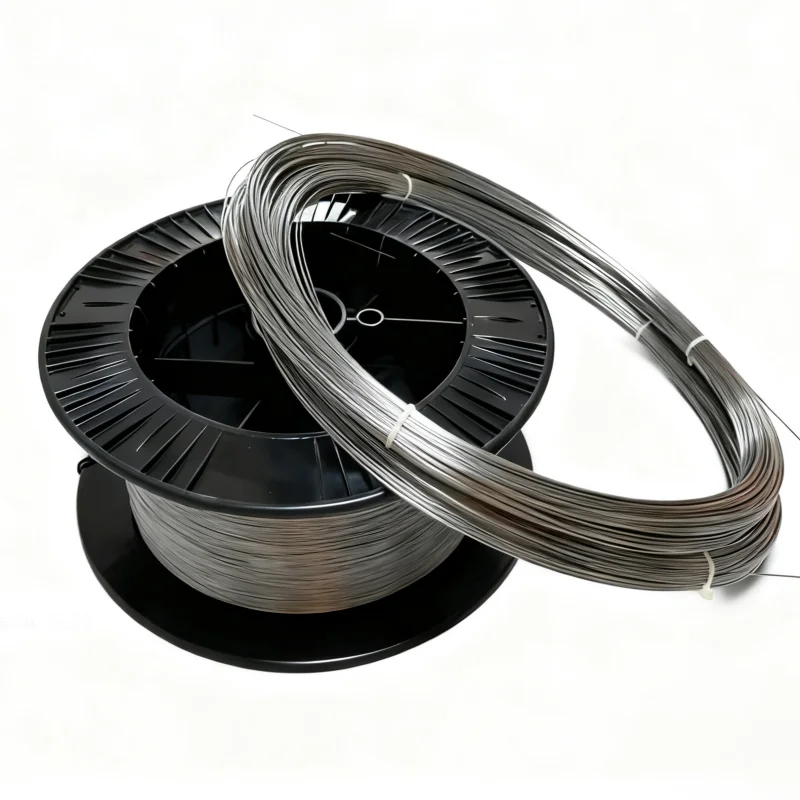
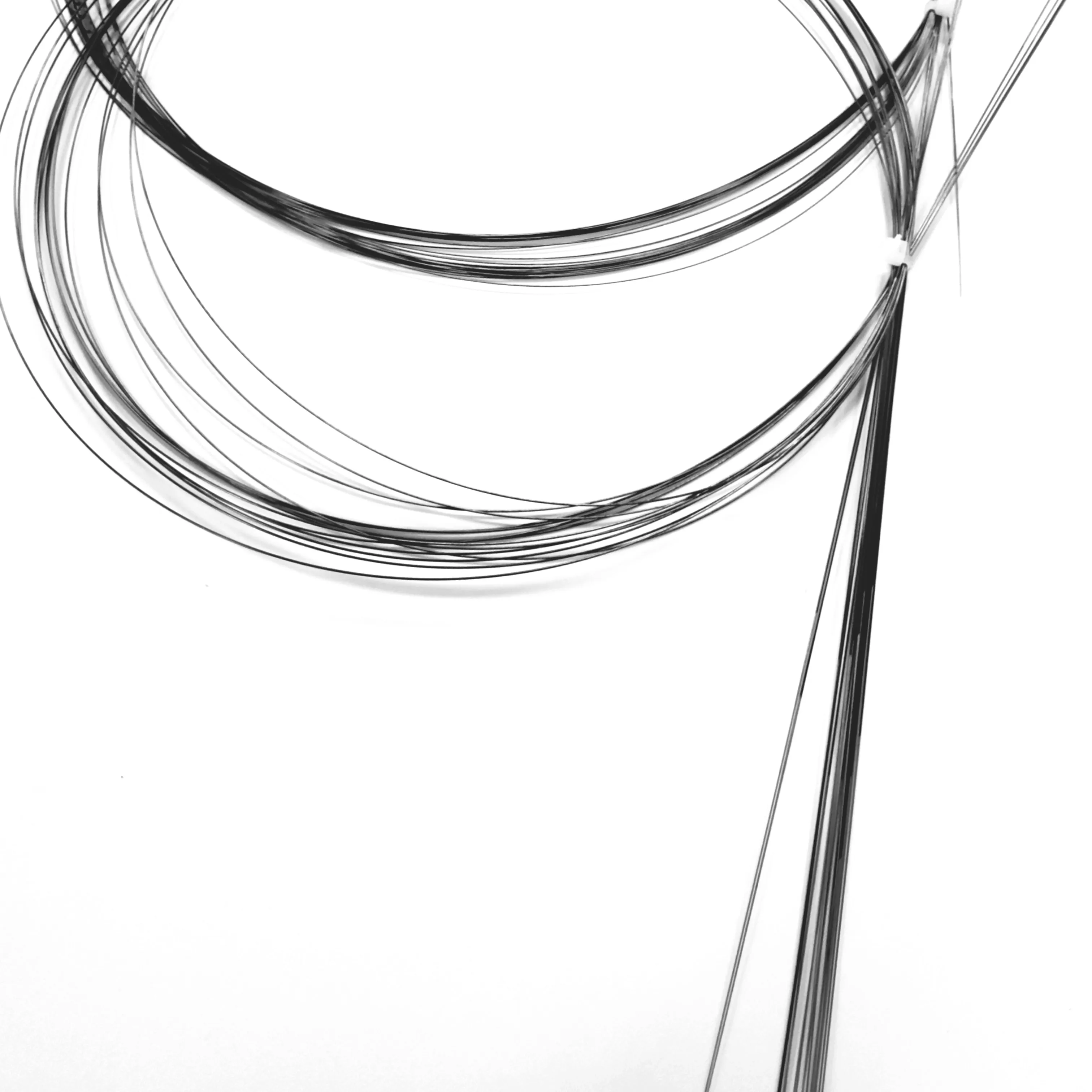
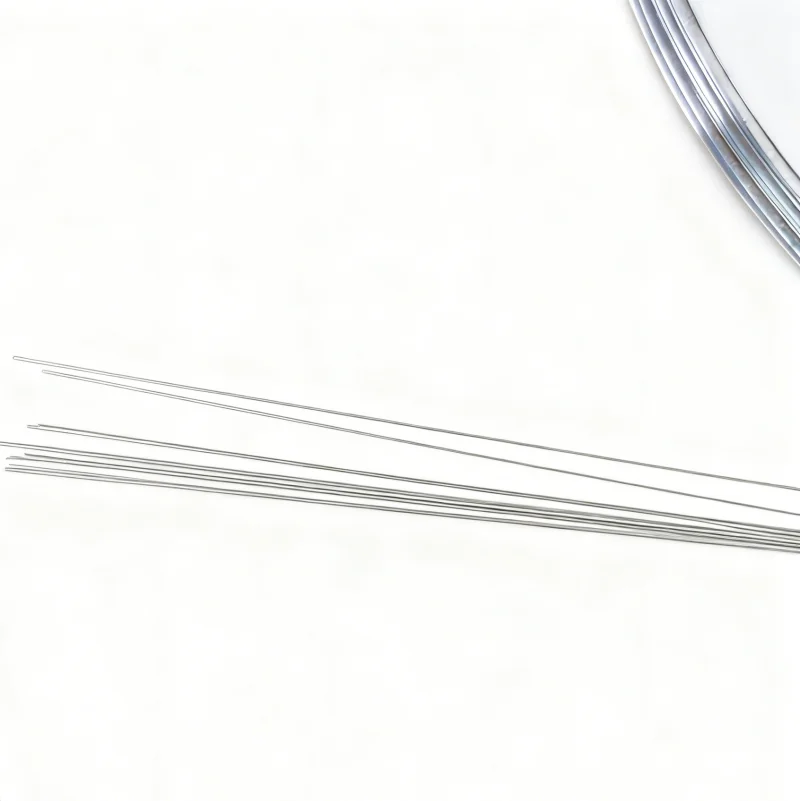
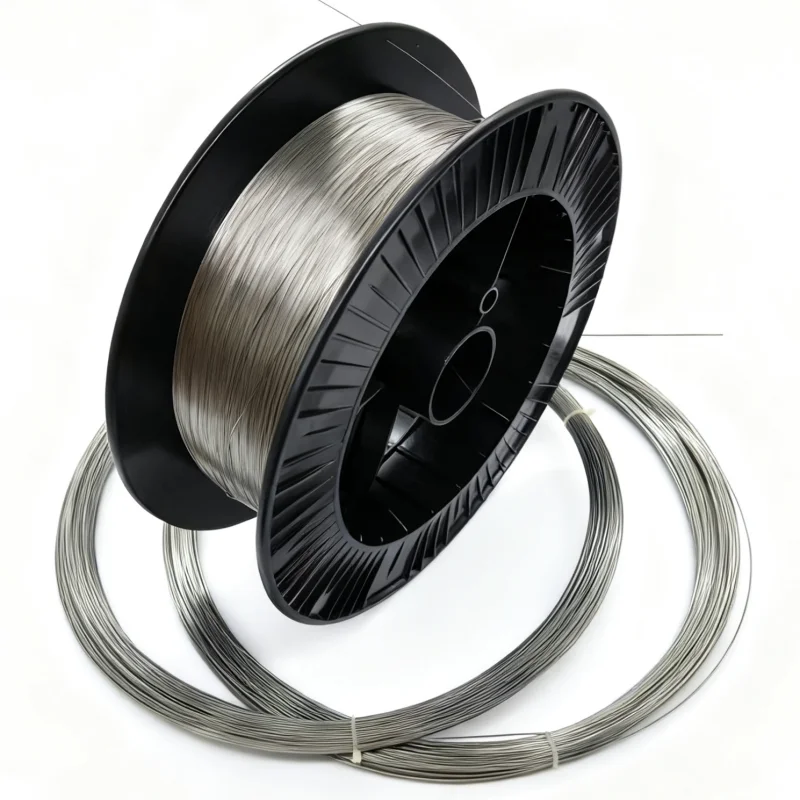
Outstanding Biocompatibility and Corrosion Resistance for Medical Excellence
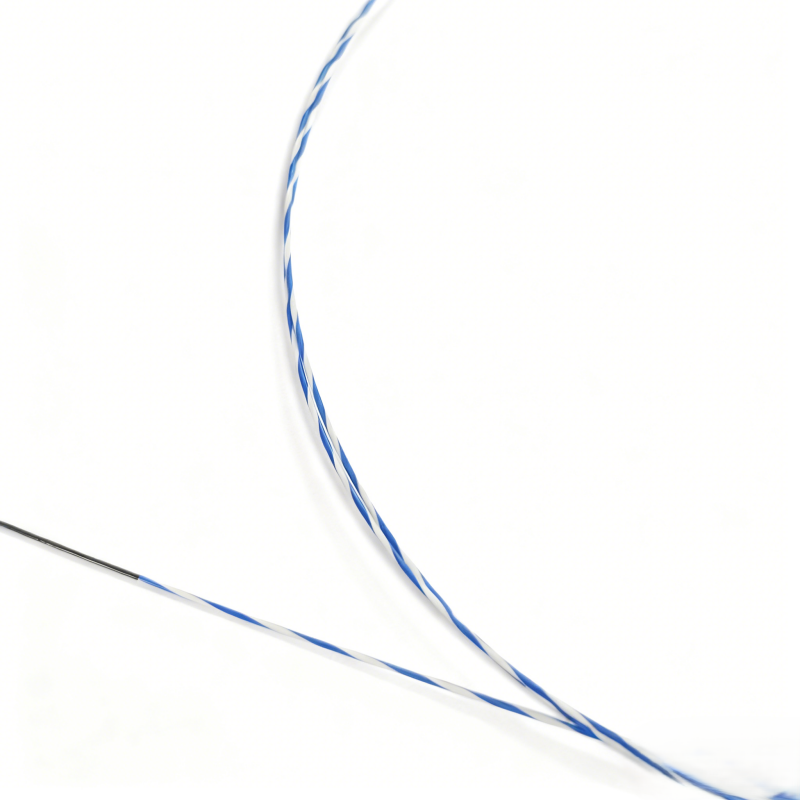
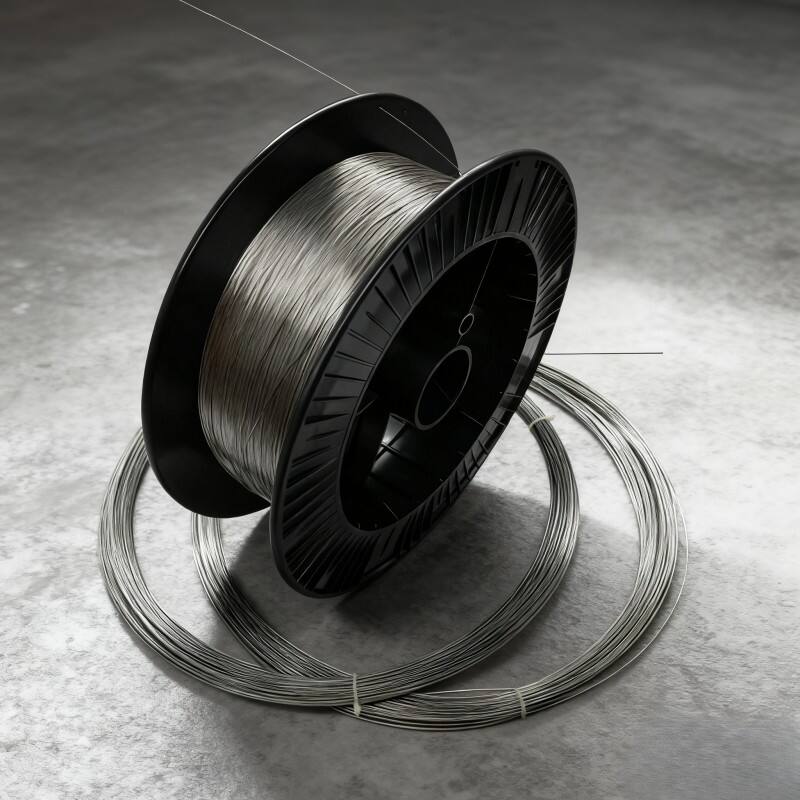
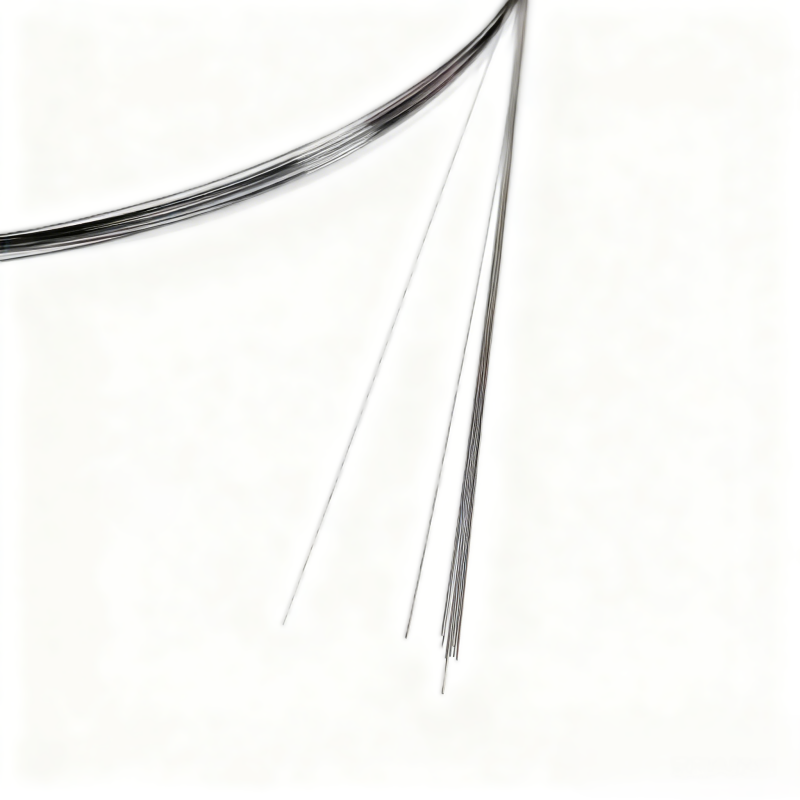
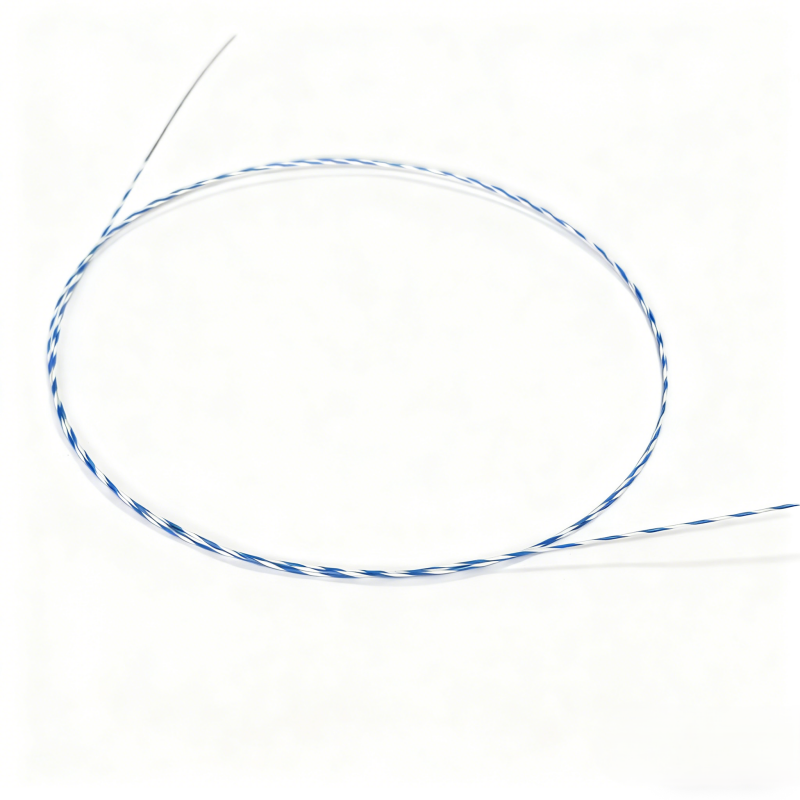
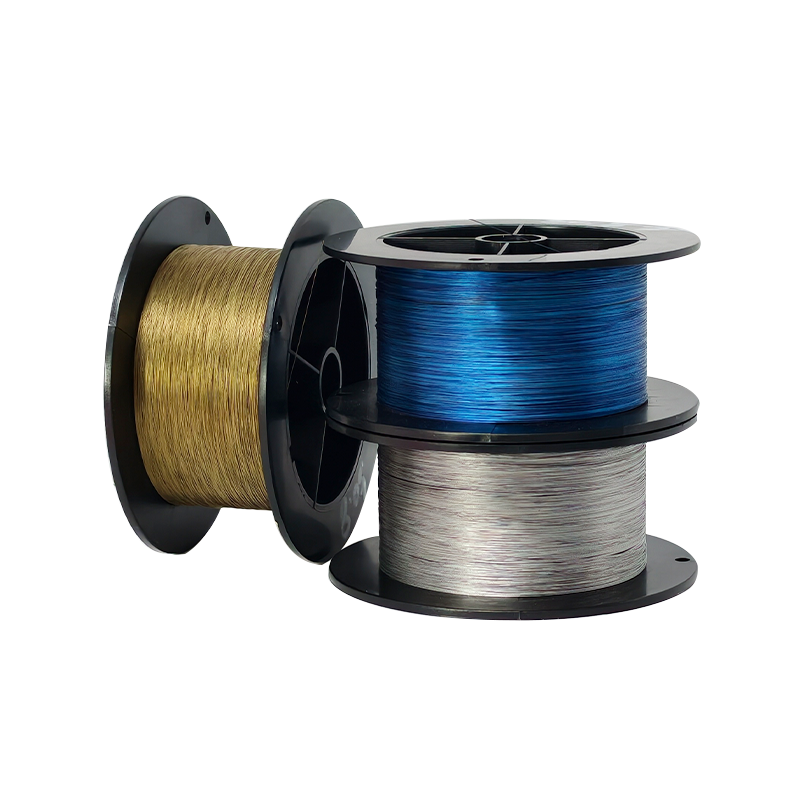
The exceptional biocompatibility and corrosion resistance of nitinol draad establish it as the material of choice for medical devices requiring long-term implantation or contact with bodily tissues and fluids. These critical properties ensure patient safety while enabling groundbreaking medical interventions that improve health outcomes and quality of life. Biocompatibility refers to a material's ability to perform its intended function within a biological environment without triggering adverse reactions such as inflammation, toxicity, immunological rejection, or thrombosis. Nitinol draad achieves outstanding biocompatibility through several mechanisms. The protective titanium oxide layer that forms naturally on the wire's surface creates a stable, inert barrier between the nickel-titanium alloy and surrounding tissues. This passive film prevents nickel ion release that could otherwise cause sensitization or allergic responses in susceptible individuals. Extensive clinical evidence spanning decades demonstrates that properly manufactured nitinol draad implants exhibit minimal tissue reaction and excellent integration with biological structures. The material neither provokes chronic inflammation nor stimulates excessive fibrous encapsulation that could compromise device function. Hemocompatibility, the specific compatibility with blood, proves particularly important for cardiovascular applications. Nitinol draad surfaces resist platelet adhesion and thrombus formation better than many alternative materials, reducing the risk of potentially dangerous blood clots forming on implanted devices. This characteristic enables safer stents, filters, and other blood-contacting devices. Regulatory agencies worldwide, including the FDA and European medical device authorities, recognize nitinol draad as acceptable for implantable applications when manufactured according to proper specifications and quality standards. This regulatory acceptance streamlines device development and market approval processes. Corrosion resistance complements biocompatibility by ensuring long-term stability within the aggressive chemical environment of the human body. Bodily fluids contain salts, proteins, enzymes, and varying pH levels that attack many metals, causing degradation, ion release, and mechanical weakening. The passive titanium oxide layer on nitinol draad provides exceptional protection against these corrosive influences. Unlike stainless steel or cobalt-chromium alloys that may corrode under certain physiological conditions, properly processed nitinol draad maintains structural integrity and surface stability throughout extended implantation periods. This durability ensures devices continue functioning as intended without degradation that could compromise patient safety or necessitate revision procedures. The combination of biocompatibility and corrosion resistance enables minimally invasive procedures that reduce patient trauma, recovery time, and healthcare costs. Self-expanding stents delivered through small catheters restore blood flow in occluded vessels without open surgery. Orthopedic staples and bone anchors made from nitinol draad provide secure fixation with reduced surgical exposure. Dental appliances correct malocclusions comfortably and effectively. Beyond implantable devices, surgical instruments manufactured from nitinol draad offer sterilization resistance and repeated use capability. The material withstands autoclaving and chemical disinfection without degradation, maintaining performance through thousands of procedure cycles. Medical device manufacturers increasingly specify nitinol draad for applications requiring the optimal combination of biocompatibility, corrosion resistance, mechanical properties, and functional performance. Ongoing research continues refining surface treatments and processing techniques that further enhance biological acceptance. These advances expand the range of medical applications where nitinol draad delivers superior patient outcomes, establishing it as an indispensable material in modern healthcare technology that saves lives and improves patient experiences across diverse medical specialties and treatment modalities.

 EN
EN