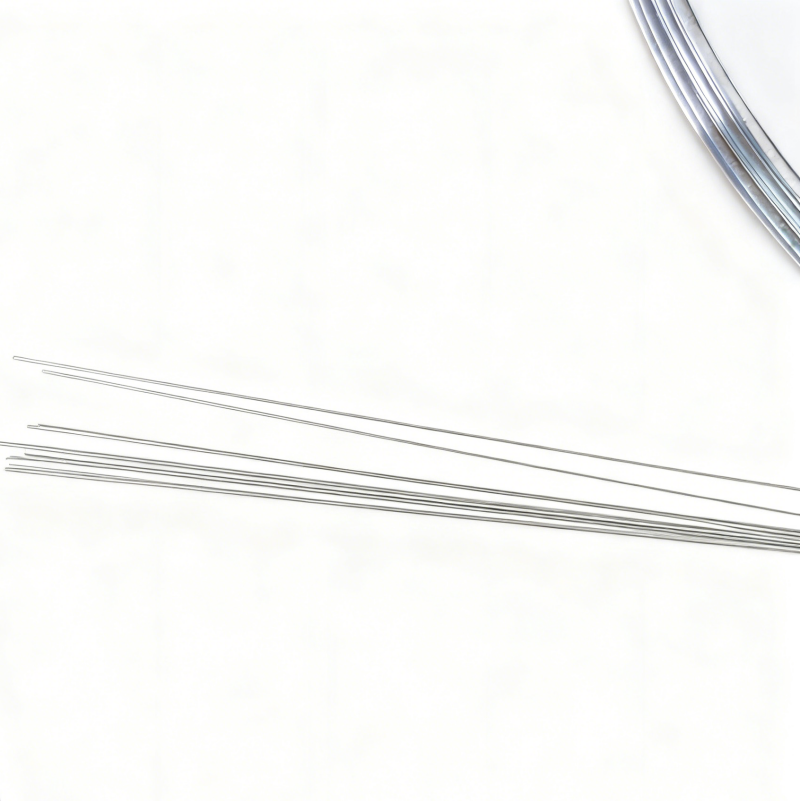
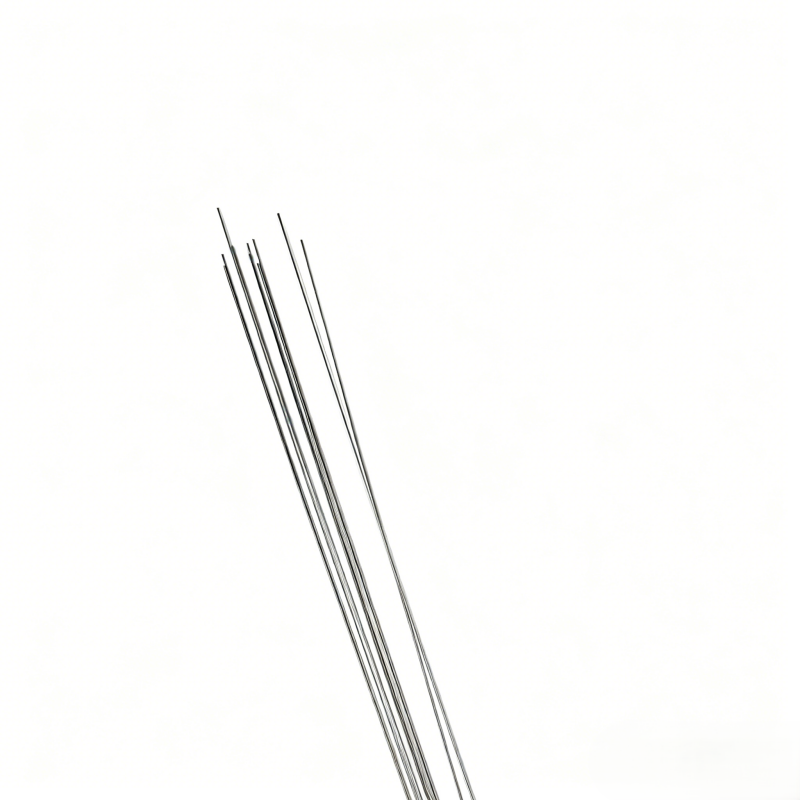
Training Nitinol: High-Fidelity Superelastic Material for Medical Simulation and Device Development

Get a Free Quote

Our representative will contact you soon.
Email
Name
Company Name
Message
0/1000

training nitinol

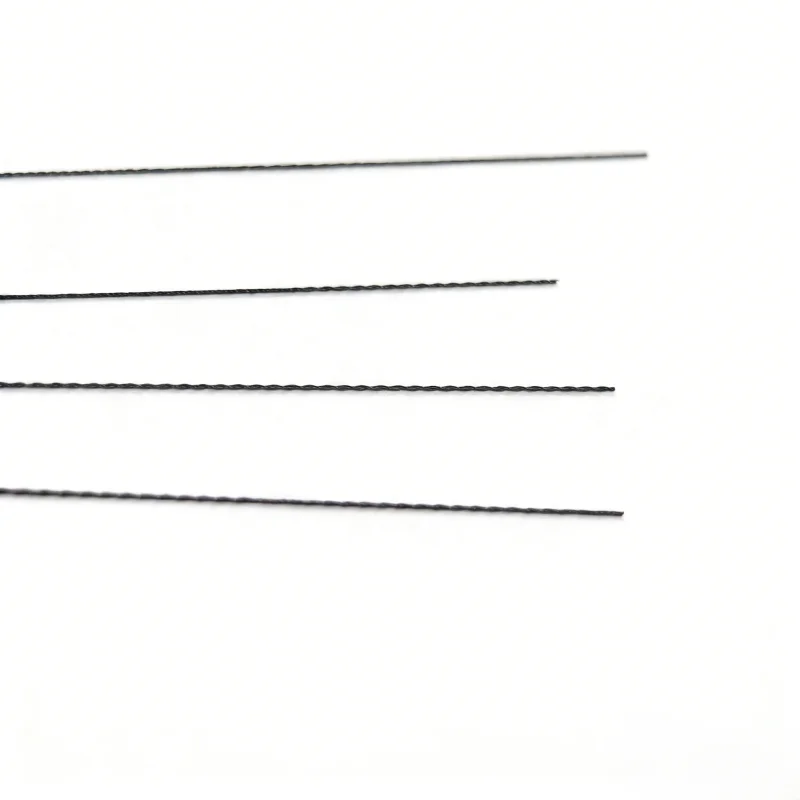
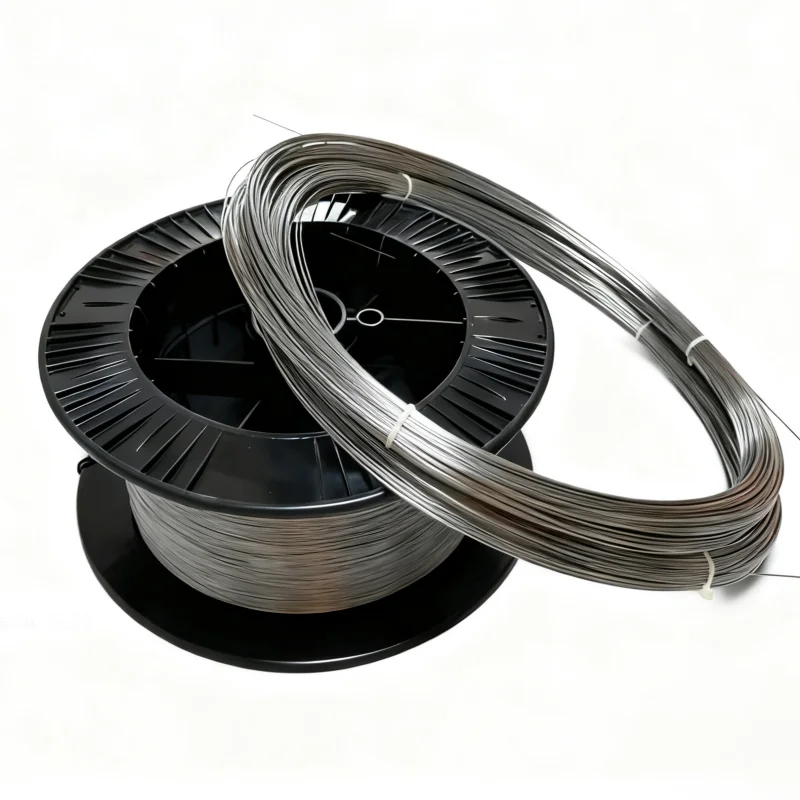
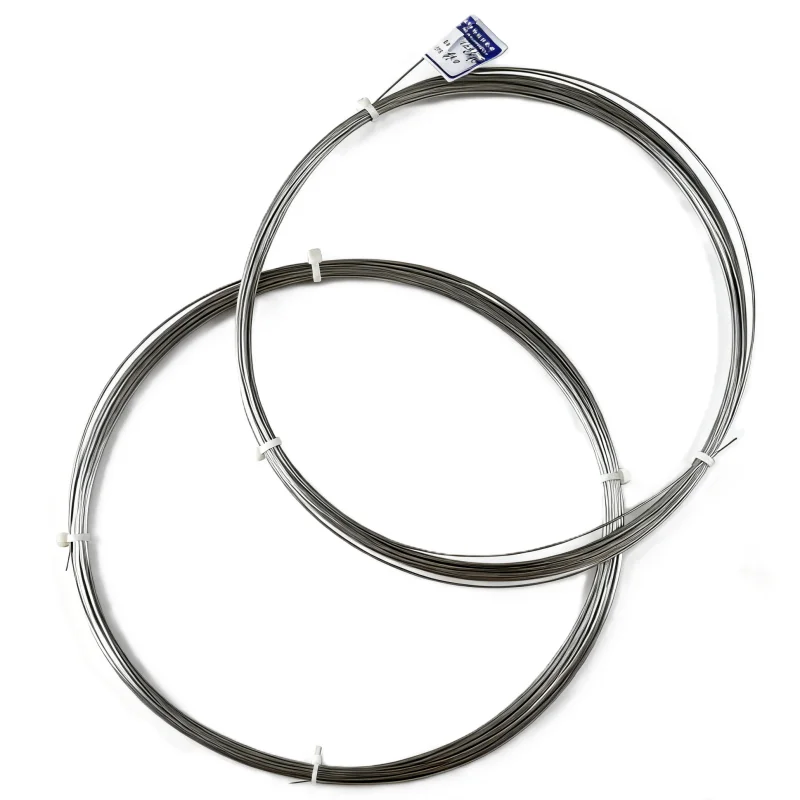
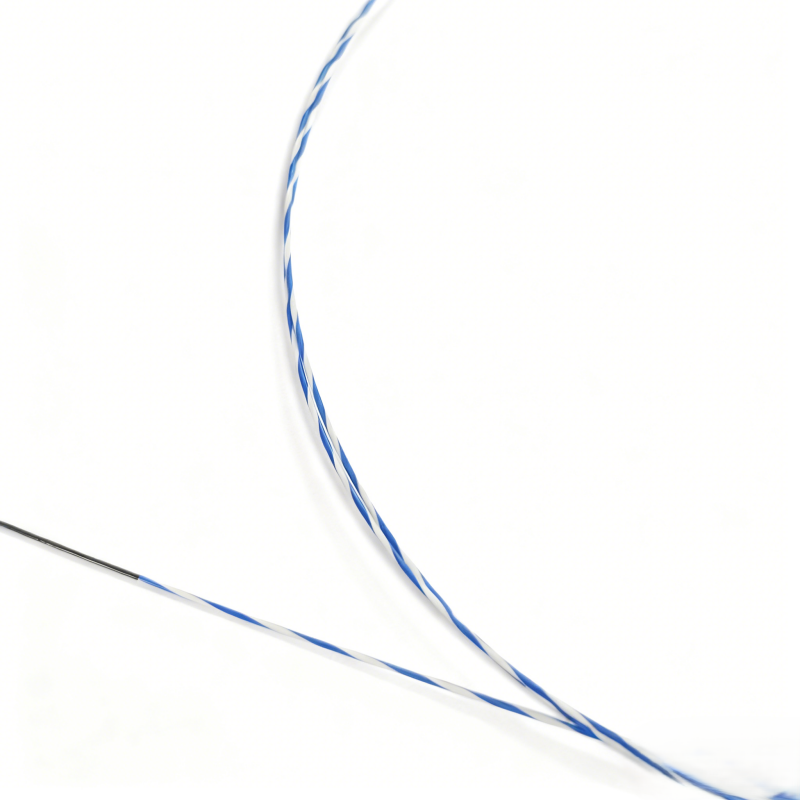
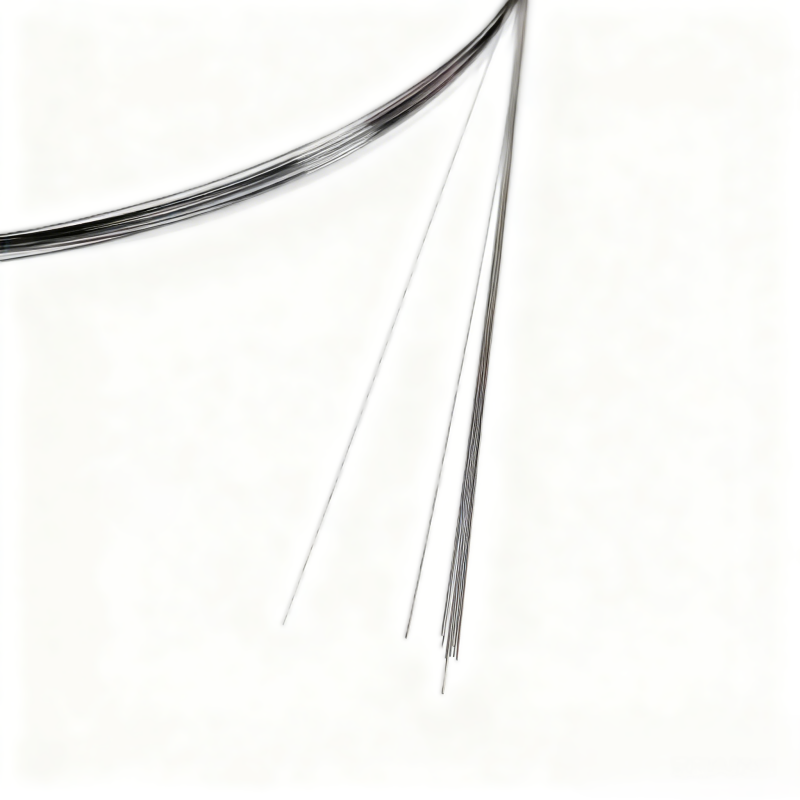
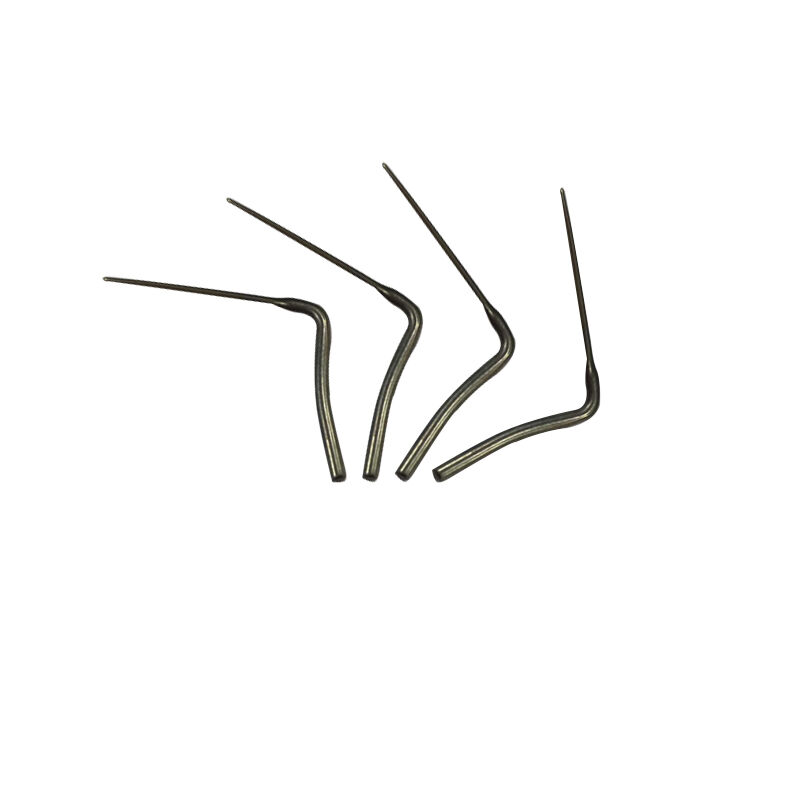
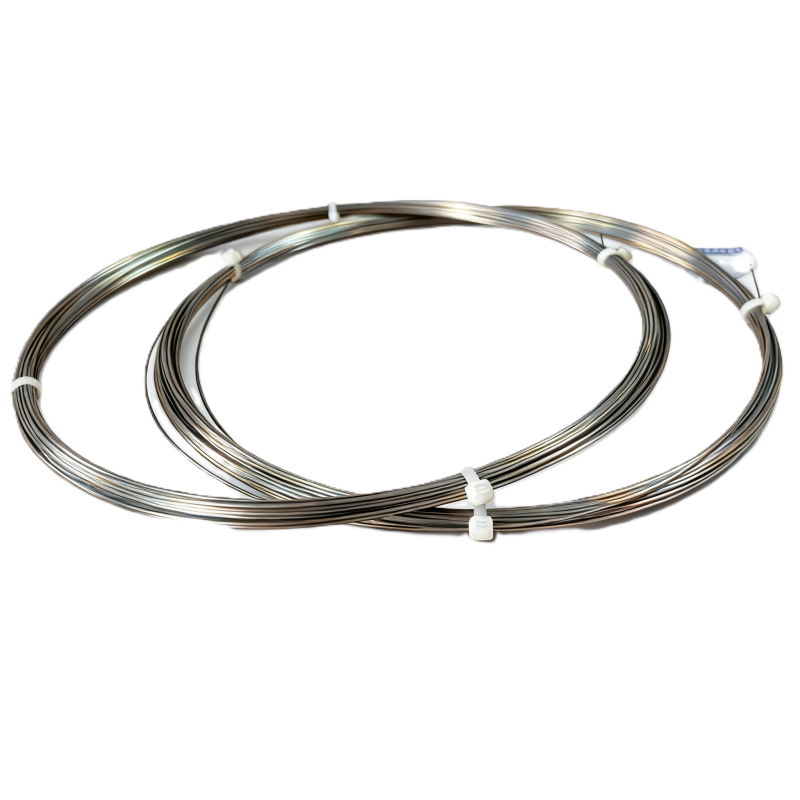
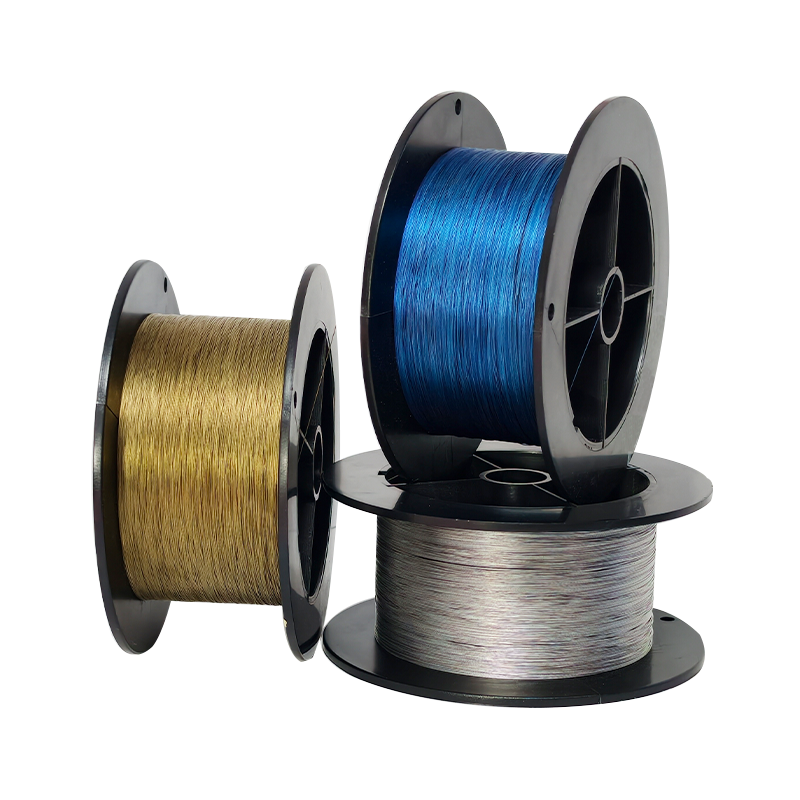
Training nitinol is a specialized form of nickel-titanium alloy engineered specifically for educational, research, and skill-development applications in the medical device and interventional procedure industries. Unlike standard nitinol used in finished implants or clinical tools, training nitinol is formulated and processed to replicate the mechanical behavior, flexibility, and shape memory characteristics of production-grade nitinol, giving practitioners, engineers, and students a realistic hands-on experience without the cost or regulatory constraints of using clinical-grade components. The material exhibits the same superelastic properties that make nitinol so valuable in medical applications, allowing it to bend, flex, and return to its original shape repeatedly under simulated procedural conditions. This makes training nitinol an ideal medium for catheter navigation drills, guidewire handling exercises, stent deployment simulations, and endoscopic tool manipulation practice. From a technological standpoint, training nitinol is produced through a carefully controlled thermomechanical processing sequence that sets its transformation temperatures and mechanical response curves to closely mirror those of clinical nitinol. The alloy composition, typically near the equiatomic ratio of nickel and titanium, is tuned so that the austenite finish temperature aligns with body temperature ranges, ensuring that trainees experience realistic force feedback and deflection behavior during practice sessions. Surface finishing on training nitinol components is also optimized to simulate the tactile feel of real devices, supporting muscle memory development in procedural training environments. Applications of training nitinol span a wide range of sectors. Medical simulation centers use it to build realistic vascular and anatomical models. Device manufacturers incorporate it into prototype testing rigs and engineering validation workflows. Universities and technical institutes rely on training nitinol for biomaterials coursework and materials science laboratories. Surgical training programs use it to develop proficiency in minimally invasive techniques. The versatility and durability of training nitinol make it a foundational material wherever realistic, repeatable, and cost-effective procedural practice is required.


New Product Recommendations

Training nitinol gives you a practical edge that standard training materials simply cannot match. When you practice with training nitinol, you are working with a material that behaves exactly like the nitinol found in real medical devices. That means the force you feel when you bend a guidewire, navigate a catheter through a curved vessel model, or deploy a simulated stent is authentic. You build real muscle memory, not a approximation of it. That authenticity translates directly into better performance when it counts most, whether you are a clinician preparing for a complex procedure, an engineer validating a new device design, or a student learning the fundamentals of interventional medicine. One of the biggest practical benefits of training nitinol is its durability. Real clinical nitinol devices are designed for single or limited use, which makes repeated practice expensive and wasteful. Training nitinol components are engineered to withstand hundreds of repetition cycles without losing their shape memory response or mechanical integrity. You can run the same drill over and over, reset the material, and go again. This dramatically reduces the cost per training session and allows programs to scale without constantly replacing consumables. Training nitinol also removes barriers to access. Because it does not carry the regulatory burden of a finished medical device, institutions can procure it more easily, store it without special handling requirements, and deploy it across multiple training stations simultaneously. Small simulation labs and large academic medical centers alike benefit from this streamlined supply chain. The material is also safe to handle in open training environments, which means instructors can focus on teaching technique rather than managing safety protocols. Another advantage is consistency. Every piece of training nitinol from a quality manufacturer delivers the same mechanical response. That consistency is critical in structured training programs where you need every participant to experience the same level of resistance, the same deflection arc, and the same tactile feedback. Inconsistent training materials create inconsistent skill development, and training nitinol eliminates that variable entirely. For device engineers, training nitinol accelerates the design iteration cycle. You can prototype new geometries, test bending profiles, and evaluate shape-setting outcomes without committing to full production runs of clinical-grade material. This saves time and money during early-stage development while still giving your team accurate data on how the final device will perform. Training nitinol supports smarter, faster, and more cost-effective development from concept through validation. Finally, training nitinol supports better learning outcomes. Studies in procedural skill acquisition consistently show that fidelity of training materials directly correlates with skill transfer to real-world performance. When trainees work with materials that feel and respond like the real thing, they learn faster, retain skills longer, and make fewer errors when they transition to actual procedures. Training nitinol delivers that fidelity in a format that is accessible, repeatable, and built for the demands of modern medical education and device development.

Tips And Tricks

Why is phase transition stability of nickel titanium wire key to actuator success?

13

May

Why is phase transition stability of nickel titanium wire key to actuator success?

In the world of precision actuators, the materials used to generate motion are not merely components — they are the foundation of reliability. nickel titanium wire has emerged as one of the most compelling active materials in modern actuator engineer...
View More
How to ensure dimensional tolerances for precision Nitinol metal parts?

18

May

How to ensure dimensional tolerances for precision Nitinol metal parts?

Achieving tight dimensional tolerances in Nitinol metal components is one of the most demanding challenges in precision manufacturing. Unlike conventional metals, Nitinol — a nickel-titanium shape memory alloy — exhibits superelastic recovery and pha...
View More
How to utilize one-way and two-way memory in precision medical components?

21

May

How to utilize one-way and two-way memory in precision medical components?

In the development of precision medical components, material intelligence is no longer a concept reserved for science fiction. nitinol wire has fundamentally changed how engineers and medical device designers approach the challenge of building compon...
View More
Why should you prioritize the manufacturer's R&D center when choosing partners?

02

Jun

Why should you prioritize the manufacturer's R&D center when choosing partners?

When evaluating potential manufacturing partners, most procurement teams focus on price, lead time, and production capacity. These are legitimate criteria, but they often overlook one of the most telling indicators of long-term value: the strength an...
View More

Get a Free Quote

Our representative will contact you soon.
Email
Name
Company Name
Message
0/1000

training nitinol

Authentic Superelastic Performance for True-to-Life Training

Authentic Superelastic Performance for True-to-Life Training

The defining characteristic of training nitinol is its superelastic behavior, and this is the feature that sets it apart from every other training material on the market. Superelasticity in nitinol arises from a stress-induced martensitic transformation, a reversible phase change at the crystallographic level that allows the material to undergo large elastic deformations and then recover completely when the stress is removed. In practical terms, this means a training nitinol guidewire or catheter component can be bent sharply, navigated through tight anatomical curves, and released, snapping back to its original straight configuration without any permanent deformation. For trainees, this behavior is not just impressive to observe. It is essential for developing the correct procedural instincts. When you train with a material that kinks, deforms, or breaks under the same forces that real nitinol handles effortlessly, you develop compensatory habits that can actually harm your performance with real devices. Training nitinol eliminates that problem by giving you a material whose mechanical response is calibrated to match clinical-grade nitinol across the full range of forces encountered in typical interventional procedures. The superelastic plateau, the region of the stress-strain curve where the material deforms at nearly constant stress, is reproduced faithfully in training nitinol, so the force feedback you experience during a simulated vessel navigation drill is the same force feedback you will encounter in a real procedure. This fidelity extends to temperature sensitivity as well. Training nitinol is processed so that its transformation temperatures align with the physiologically relevant range, meaning that when used in body-temperature simulation environments, the material behaves as it would inside a patient. Simulation labs that use heated saline baths or temperature-controlled anatomical phantoms get the most realistic training experience possible with training nitinol. For device engineers, the authentic superelastic performance of training nitinol means that prototype testing yields data that is directly applicable to clinical device performance predictions. You are not extrapolating from a surrogate material. You are working with the real mechanical behavior in a controlled, repeatable format. This accelerates design validation and reduces the risk of performance surprises during clinical trials or post-market surveillance. The value of authentic superelastic performance in training nitinol cannot be overstated. It is the foundation on which every other benefit of the material is built, and it is the reason that serious training programs and leading device developers consistently choose training nitinol over cheaper, less accurate alternatives.
Exceptional Cycle Durability That Maximizes Training Investment

Exceptional Cycle Durability That Maximizes Training Investment

One of the most compelling practical advantages of training nitinol is its ability to maintain consistent mechanical performance across an extraordinary number of use cycles. This durability is not accidental. It is the result of deliberate alloy engineering and thermomechanical processing designed to maximize fatigue resistance while preserving the superelastic response that makes training nitinol so valuable. In a typical training environment, a single piece of training nitinol may be bent, flexed, and reset dozens of times in a single session. Multiply that by daily use across weeks or months of a training program, and you are looking at thousands of deformation cycles. Lesser materials fail under this kind of repeated stress. They develop permanent set, lose their spring-back response, or fracture entirely. Training nitinol is engineered to resist all of these failure modes, maintaining its shape memory and superelastic characteristics session after session. This durability has a direct and measurable impact on the economics of training programs. When your training materials last longer, your cost per training session drops significantly. Programs that previously had to budget for frequent replacement of consumable training components find that training nitinol dramatically extends the useful life of their simulation inventory. For large-scale training programs serving dozens or hundreds of trainees per year, this cost reduction can be substantial, freeing up budget for additional simulation equipment, expanded curriculum development, or increased training frequency. Durability also supports program consistency. When training materials degrade over time, the training experience degrades with them. Trainees who go through a program early in the life of a training component have a different experience than those who train with a worn-out piece of material. Training nitinol eliminates this variability by maintaining its mechanical properties throughout its extended service life. Every trainee gets the same high-fidelity experience, which is essential for programs that need to certify consistent skill levels across large cohorts. For device development teams, the cycle durability of training nitinol means that prototype testing rigs can run extended fatigue studies without frequent material replacement, generating more reliable data on long-term device performance. This is particularly valuable in the development of implantable nitinol devices, where fatigue life is a critical safety parameter. Training nitinol gives engineers a cost-effective way to accumulate the cycle data they need to support regulatory submissions and design verification reports. The durability of training nitinol is not just a convenience feature. It is a core value driver that makes high-quality, high-fidelity nitinol training and development accessible to a broader range of institutions and teams than ever before.
Versatile Application Range Across Medical Training and Device Development

Versatile Application Range Across Medical Training and Device Development

Training nitinol is not a single-purpose material. Its combination of authentic mechanical behavior, robust durability, and accessible procurement profile makes it useful across a remarkably wide range of applications, from frontline clinical skills training to advanced device engineering workflows. This versatility is one of the most important reasons that training nitinol has become a standard resource in medical simulation centers, academic institutions, and device development laboratories around the world. In clinical training environments, training nitinol supports skill development across virtually every interventional specialty that relies on nitinol-based devices. Cardiologists in training use training nitinol components to practice guidewire navigation through complex coronary anatomy models. Vascular surgeons develop their endovascular technique using training nitinol stent delivery systems in simulated aortic and peripheral vessel phantoms. Gastroenterologists and pulmonologists use training nitinol in flexible endoscopy simulation rigs to build proficiency with steerable catheter systems. In each of these contexts, the authentic mechanical response of training nitinol ensures that the skills developed in simulation transfer effectively to real clinical practice. In academic and research settings, training nitinol serves as an invaluable teaching tool for biomaterials science, materials engineering, and biomedical device design courses. Students can directly observe and measure the superelastic behavior, shape memory effect, and thermomechanical properties of nitinol in a hands-on laboratory format. This experiential learning approach deepens understanding in ways that textbook descriptions and computer simulations cannot replicate. Training nitinol gives educators a safe, durable, and cost-effective way to bring the fascinating science of shape memory alloys to life in the classroom. For device manufacturers, training nitinol bridges the gap between conceptual design and clinical-grade production. Engineering teams use it to evaluate new geometries, test bending and shape-setting protocols, and assess the feasibility of novel device architectures before committing to expensive clinical-grade material runs. Quality assurance teams use training nitinol in test fixture development and measurement system validation. Regulatory affairs teams use training nitinol-based prototypes to generate preliminary performance data for pre-submission meetings with regulatory agencies. Across all of these applications, the consistent mechanical properties and reliable availability of training nitinol make it a dependable foundation for work that demands accuracy and repeatability. The breadth of applications supported by training nitinol reflects the fundamental importance of nitinol technology across modern medicine and medical device engineering, and it underscores why investing in quality training nitinol materials is a decision that pays dividends across the full lifecycle of clinical education and device development.
Training Nitinol: High-Fidelity Superelastic Material for Medical Simulation and Device Development

Get a Free Quote

Our representative will contact you soon.
Email
Name
Company Name
Message
0/1000
Newsletter
Please Leave A Message With Us