Fil Nitinol Wire: Advanced Shape Memory Alloy for Medical and Industrial Applications

Get a Free Quote

Our representative will contact you soon.
Email
Name
Company Name
Message
0/1000

fil nitinol

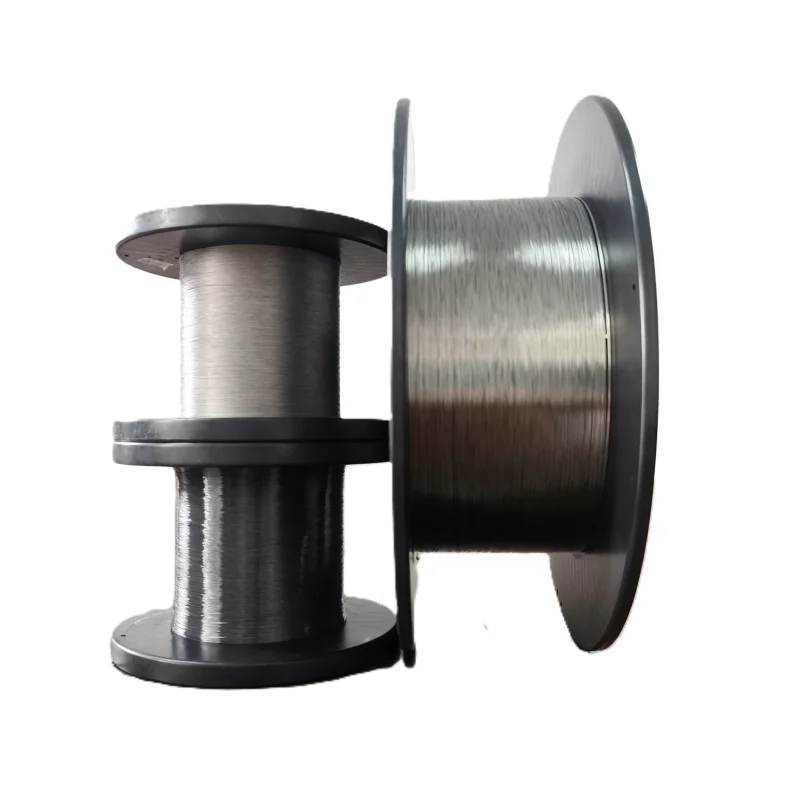
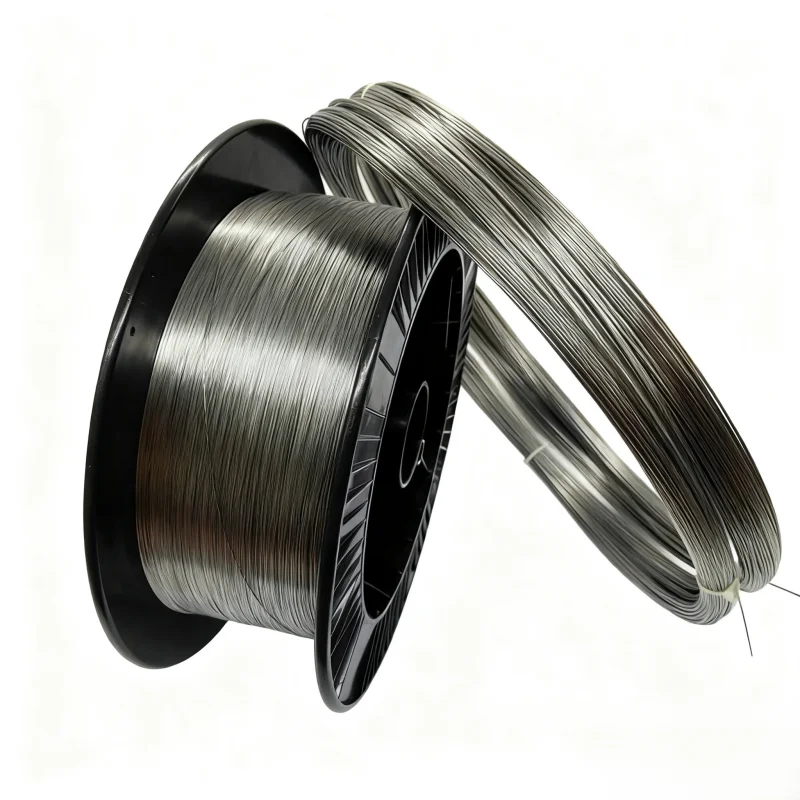
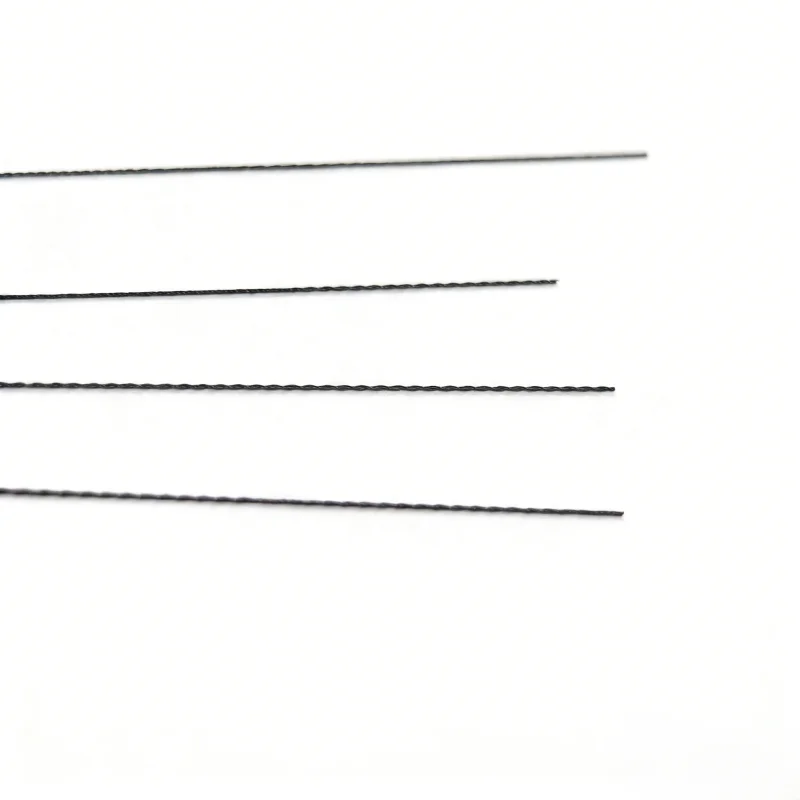
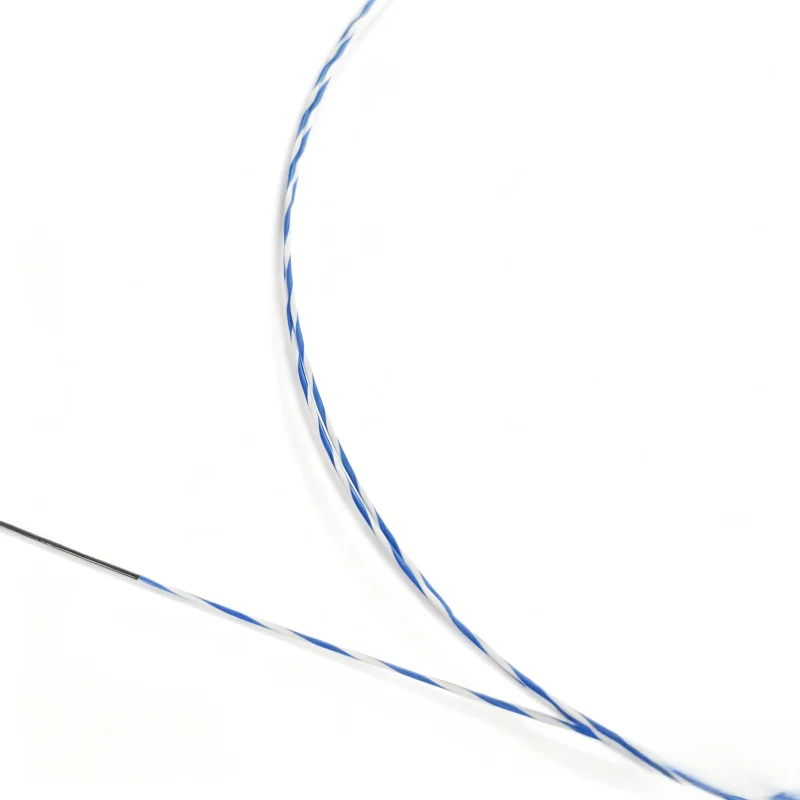
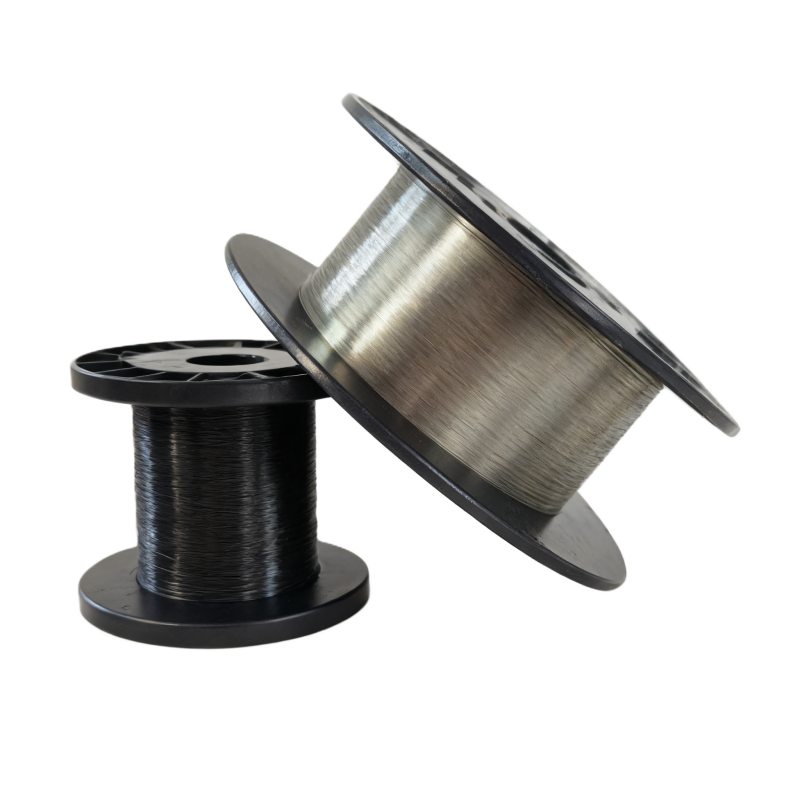
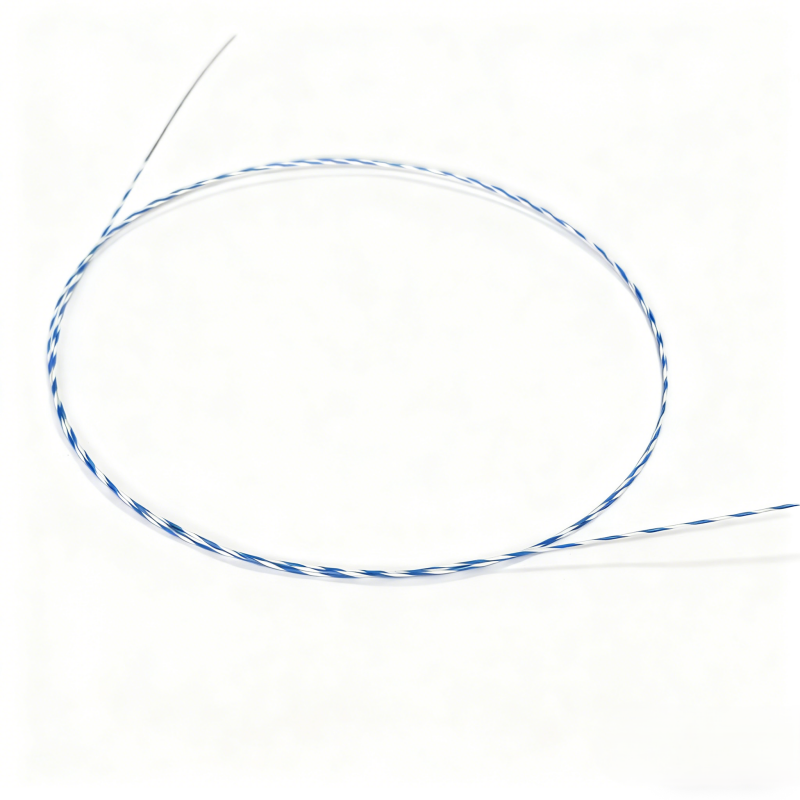
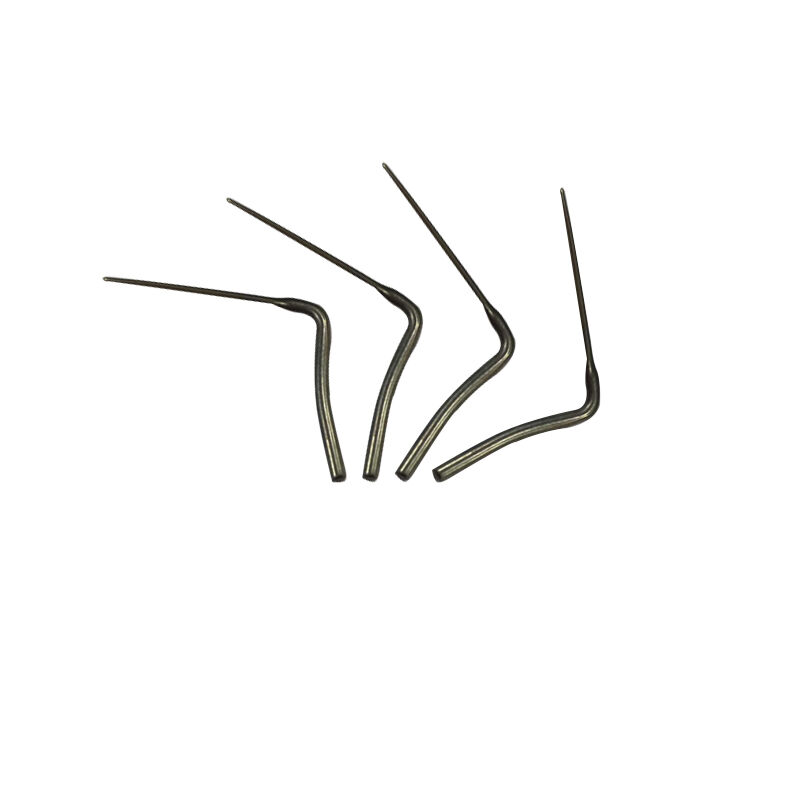
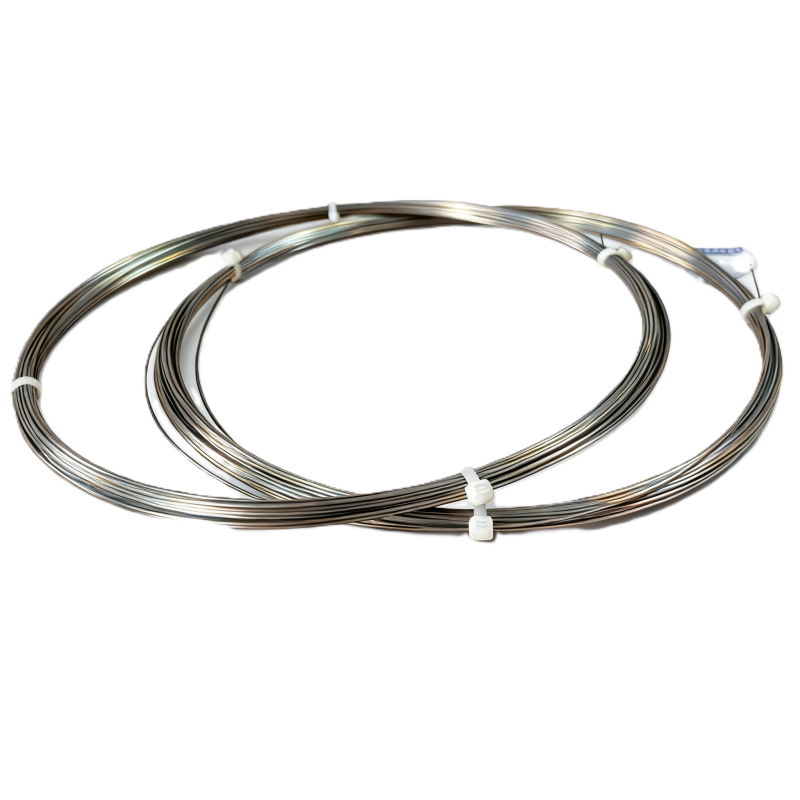
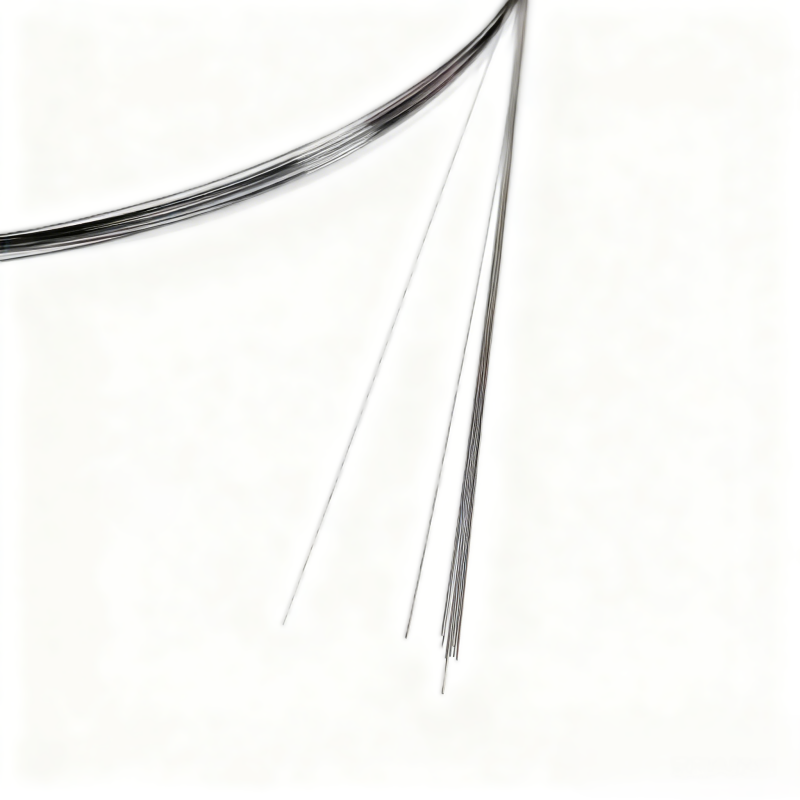
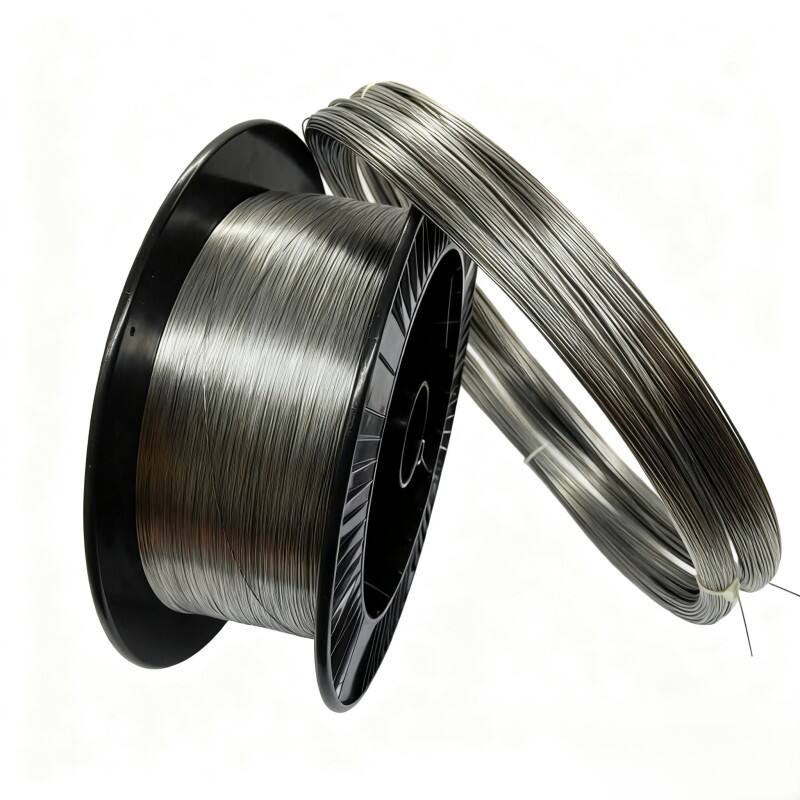
Fil nitinol represents a revolutionary advancement in shape memory alloy technology, offering exceptional properties that have transformed numerous industries. This specialized wire material combines nickel and titanium in precise proportions, typically featuring a near-equiatomic composition that creates remarkable characteristics. The fil nitinol exhibits extraordinary shape memory effects and superelasticity, allowing it to return to predetermined shapes when heated or to withstand significant deformation while recovering its original form. These unique metallurgical properties emerge from a reversible solid-state phase transformation between austenite and martensite crystal structures. The material demonstrates outstanding biocompatibility, making it suitable for medical applications where human tissue contact occurs regularly. Fil nitinol possesses impressive corrosion resistance, maintaining structural integrity even in harsh chemical environments. Its flexibility surpasses conventional metal wires while maintaining substantial strength, creating opportunities for applications requiring both durability and adaptability. The technological features include predictable transformation temperatures that can be precisely controlled during manufacturing, enabling customization for specific operational requirements. Engineers appreciate how fil nitinol combines multiple beneficial properties in a single material, eliminating the need for complex multi-component systems. Applications span diverse sectors including medical devices, automotive components, aerospace systems, robotics, and consumer electronics. In healthcare, fil nitinol enables minimally invasive procedures through guidewires, stents, and surgical instruments that navigate complex anatomical pathways. Industrial sectors utilize this material for actuators, couplings, and thermal control mechanisms. The wire format provides versatility for weaving, coiling, and forming into intricate configurations. Manufacturing techniques have advanced to produce fil nitinol with consistent quality and precise dimensional tolerances, ensuring reliable performance across applications.


Popular Products

Choosing fil nitinol delivers tangible benefits that directly impact product performance and customer satisfaction. The primary advantage lies in its shape memory capability, which allows devices to perform complex movements without requiring bulky motors or electronic controls. This feature reduces overall system weight and simplifies design architecture, leading to cost savings in manufacturing and maintenance. Users benefit from products that operate reliably with fewer mechanical components prone to wear and failure. The superelastic property means fil nitinol can bend repeatedly through large angles without permanent deformation or material fatigue, extending product lifespan considerably compared to traditional spring steels or other metal alloys. This durability translates directly into reduced replacement costs and improved customer confidence in product longevity. For medical applications, the biocompatibility ensures patient safety, minimizing adverse reactions and supporting faster healing processes. Healthcare providers can offer less traumatic treatment options, improving patient experiences and outcomes. The corrosion resistance proves especially valuable in environments exposed to moisture, chemicals, or bodily fluids, maintaining performance integrity where other materials would degrade. Fil nitinol operates effectively across wide temperature ranges, adapting to environmental conditions without compromising functionality. Its radiopacity facilitates medical imaging, allowing physicians to track device positions during procedures with standard X-ray equipment. The material requires minimal maintenance once installed, reducing operational costs over the product lifecycle. Energy efficiency represents another significant advantage, as shape memory activation requires relatively low power input compared to conventional actuator systems. This characteristic proves particularly beneficial for battery-operated devices where power conservation extends operational duration. The smooth surface finish achievable with fil nitinol reduces friction in moving applications, improving efficiency and reducing wear on adjacent components. Manufacturers appreciate the material's formability during production, enabling complex geometries that would prove challenging or impossible with conventional metals. The combination of strength and flexibility opens design possibilities previously unattainable, allowing engineers to create innovative solutions to longstanding technical challenges. Customer satisfaction increases when products perform reliably, last longer, and deliver superior functionality, all qualities that fil nitinol consistently provides across diverse applications.

Tips And Tricks

Why is high-stability Nitinol the first choice for equipment in extreme conditions?

12

May

Why is high-stability Nitinol the first choice for equipment in extreme conditions?

When equipment must perform reliably under mechanical stress, thermal cycling, and repeated deformation, material selection becomes a critical engineering decision. Nitinol, the nickel-titanium shape memory alloy, has earned a dominant position in de...
View More
Why is Starspring's Nitinol metal at the forefront of the smart drive industry?

19

May

Why is Starspring's Nitinol metal at the forefront of the smart drive industry?

The smart drive industry is defined by its relentless demand for materials that can do more with less — components that respond intelligently to their environment, endure repeated mechanical cycles, and perform with precision in applications ranging ...
View More
How to utilize one-way and two-way memory in precision medical components?

21

May

How to utilize one-way and two-way memory in precision medical components?

In the development of precision medical components, material intelligence is no longer a concept reserved for science fiction. nitinol wire has fundamentally changed how engineers and medical device designers approach the challenge of building compon...
View More
What breakthroughs can Nitinol material bring to future flexible robot joints?

25

May

What breakthroughs can Nitinol material bring to future flexible robot joints?

The evolution of robotics is deeply tied to the materials that power movement, flexibility, and responsiveness. Among the most promising advances in this space, Nitinol material stands out as a transformative force in the design of flexible robot joi...
View More

Get a Free Quote

Our representative will contact you soon.
Email
Name
Company Name
Message
0/1000

fil nitinol

Exceptional Shape Memory and Superelastic Performance

Exceptional Shape Memory and Superelastic Performance

The defining characteristic that sets fil nitinol apart from conventional wire materials is its remarkable shape memory effect and superelastic behavior, properties that emerge from its unique crystallographic structure. When fil nitinol is deformed at lower temperatures in its martensitic phase, it retains that deformed shape until heated above its transformation temperature. Upon heating, the material undergoes a phase change to austenite and spontaneously returns to its original predetermined shape with considerable force. This transformation can be engineered to occur at specific temperatures ranging from below freezing to above boiling point, depending on the precise alloy composition and thermomechanical processing. The superelastic property manifests when fil nitinol is used at temperatures above its transformation point, where it can sustain strains up to eight percent and still recover completely upon stress removal. Traditional metals typically yield permanently at strains exceeding one percent, making fil nitinol approximately eight times more elastic. This extraordinary flexibility enables applications requiring repeated large deformations without material degradation. The shape memory effect proves invaluable for actuators that convert thermal energy directly into mechanical motion, eliminating complex gearing systems and electronic controls. In medical devices, fil nitinol guidewires navigate tortuous blood vessels with ease, their superelasticity preventing kinking while maintaining pushability for precise positioning. Orthodontic archwires made from fil nitinol apply consistent gentle forces throughout treatment, reducing patient discomfort and the frequency of adjustment appointments. The material remembers its shape at the molecular level, with phase transformations occurring through coordinated atomic movements rather than diffusion-based processes. This mechanism ensures rapid response times and repeatable performance across millions of cycles. Engineers can design components that automatically adjust to temperature changes, creating self-regulating systems for thermal management. The combination of both shape memory and superelastic properties in a single material provides designers with versatile options for addressing complex engineering challenges across multiple industries.
Outstanding Biocompatibility and Corrosion Resistance

Outstanding Biocompatibility and Corrosion Resistance

Fil nitinol demonstrates exceptional biocompatibility that has revolutionized medical device development, making it the material of choice for implantable and interventional applications. The surface of fil nitinol naturally forms a stable titanium oxide layer that provides excellent corrosion protection and prevents nickel ion release, addressing concerns about potential allergic reactions. Clinical studies spanning decades have confirmed that properly processed fil nitinol exhibits tissue compatibility comparable to pure titanium, the gold standard for implantable materials. This biocompatibility extends across diverse bodily environments, from the acidic conditions of the digestive system to the protein-rich environment of blood vessels. Patients benefit from reduced inflammatory responses, faster healing times, and lower risk of device rejection compared to older metal alloys. The material maintains its mechanical properties and surface integrity even after years of implantation, ensuring long-term device functionality without degradation. Corrosion resistance proves equally impressive in industrial environments, where fil nitinol withstands exposure to saltwater, acids, bases, and organic solvents without significant material loss. This durability eliminates the need for protective coatings that might delaminate or wear away during service, simplifying manufacturing processes and reducing costs. Marine applications benefit from fil nitinol's resistance to saltwater corrosion, enabling reliable performance in offshore equipment and underwater systems. Chemical processing facilities utilize fil nitinol components in aggressive environments where stainless steel would corrode rapidly. The passive oxide layer self-heals if scratched or damaged, continuously protecting the underlying material without requiring maintenance interventions. For aerospace applications, fil nitinol maintains structural integrity despite exposure to extreme temperatures, pressure variations, and atmospheric conditions encountered during flight. The combination of biocompatibility and corrosion resistance creates opportunities for hybrid applications where devices transition between biological and industrial environments. Food processing equipment benefits from both characteristics, ensuring safety for human consumption while withstanding cleaning chemicals and thermal sterilization cycles. Medical instrument manufacturers can create reusable tools that endure repeated sterilization without degradation, improving sustainability and reducing healthcare costs. The longevity provided by superior corrosion resistance directly translates into lower total cost of ownership across all application sectors.
Versatile Design Flexibility and Manufacturing Adaptability

Versatile Design Flexibility and Manufacturing Adaptability

Fil nitinol offers unparalleled design flexibility that empowers engineers to create innovative solutions previously impossible with conventional materials. The wire format provides exceptional versatility for manufacturing processes including weaving, braiding, coiling, laser cutting, and forming into complex three-dimensional shapes. Designers can specify various diameters ranging from ultra-fine filaments measuring micrometers to robust wires several millimeters thick, each maintaining the characteristic properties of fil nitinol. This range accommodates applications from delicate medical catheters requiring minimal invasiveness to robust industrial actuators generating substantial forces. The material can be trained into virtually any shape through appropriate heat treatment protocols, allowing customization for specific application requirements without expensive tooling or molds. Engineers appreciate the ability to create components that combine multiple functions in a single piece, reducing assembly complexity and potential failure points. Fil nitinol springs can be designed with non-linear force-deflection characteristics, optimizing performance for specific loading conditions. The wire can be woven into mesh structures for stents that expand to support blood vessels while maintaining flexibility to accommodate natural body movements. Braided configurations create kink-resistant catheter shafts that track smoothly through anatomical pathways. Manufacturing processes have evolved to produce fil nitinol with consistent transformation temperatures and mechanical properties, ensuring batch-to-batch reliability critical for regulated industries. Advanced quality control techniques verify material specifications, providing confidence in component performance. The material machines well using appropriate techniques, allowing precision fabrication of complex geometries. Welding and joining methods have been developed specifically for fil nitinol, enabling assembly of multi-component devices. Surface treatments can modify characteristics such as electrical resistivity or biological response without compromising core mechanical properties. The adaptability of fil nitinol extends to hybrid designs combining it with other materials, creating composite structures that leverage the strengths of each component. Manufacturers can economically produce both high-volume standardized products and small batches of specialized custom components. The wire format facilitates inventory management and reduces material waste compared to bulk forms requiring extensive machining. This manufacturing flexibility accelerates product development cycles, allowing rapid prototyping and iterative design refinement.
Fil Nitinol Wire: Advanced Shape Memory Alloy for Medical and Industrial Applications

Get a Free Quote

Our representative will contact you soon.
Email
Name
Company Name
Message
0/1000
Newsletter
Please Leave A Message With Us