Nitinol Alloy Price: Value, Performance, and Applications Explained

Get a Free Quote

Our representative will contact you soon.
Email
Name
Company Name
Message
0/1000

nitinol alloy price

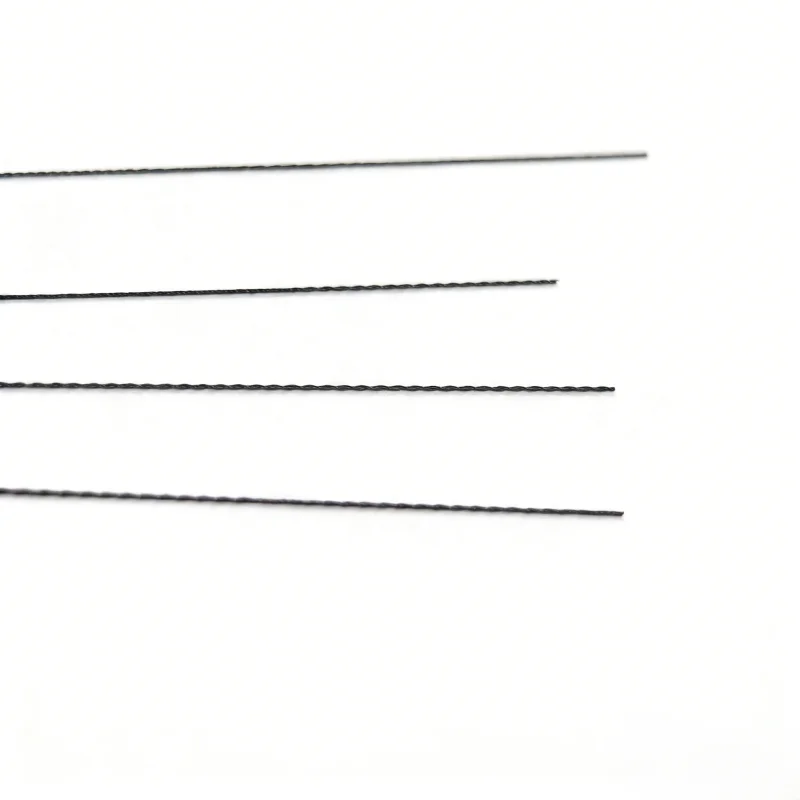
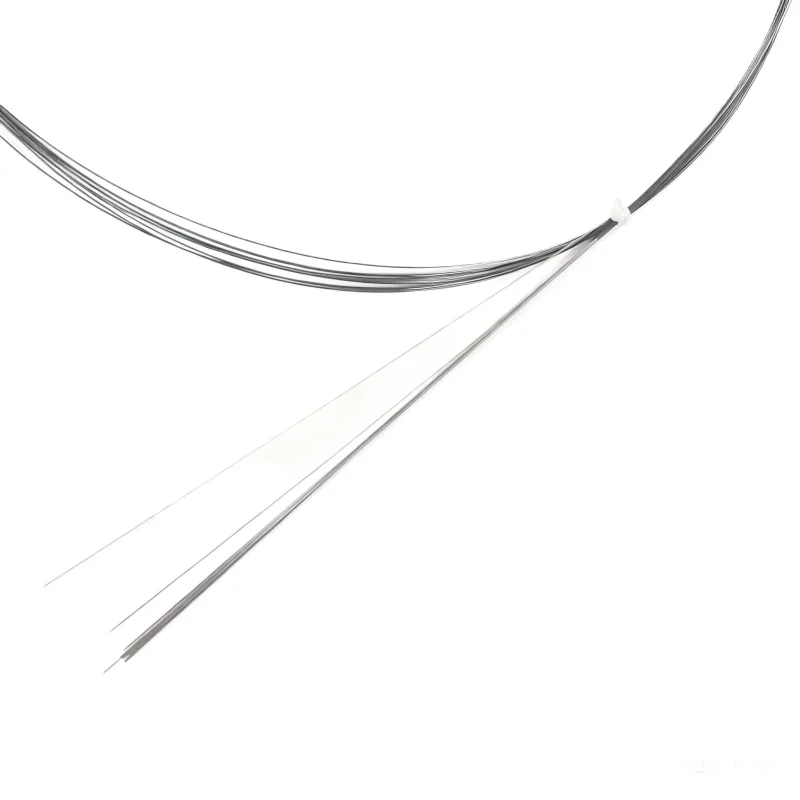
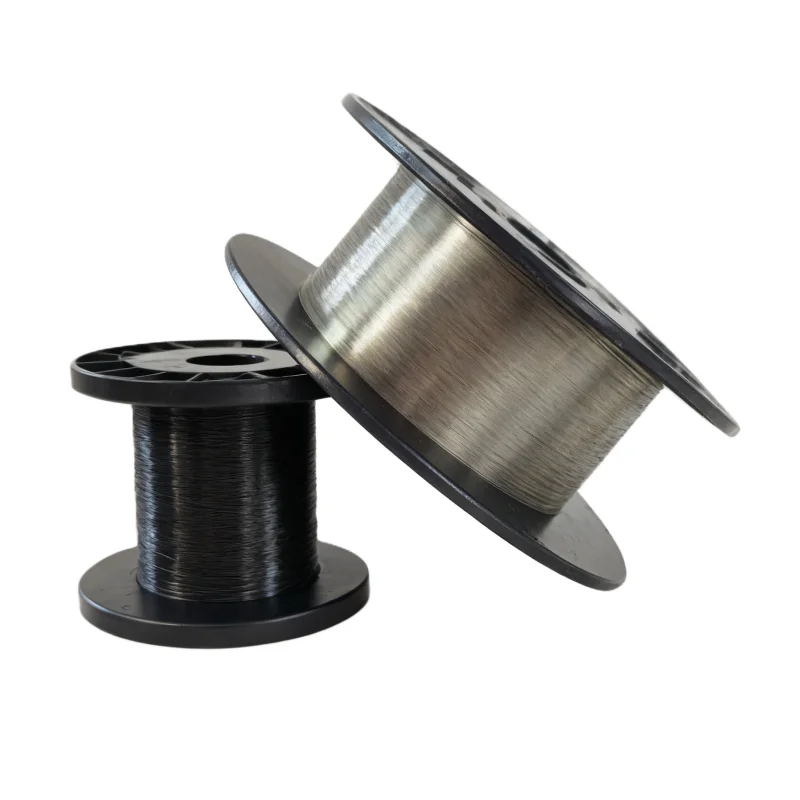
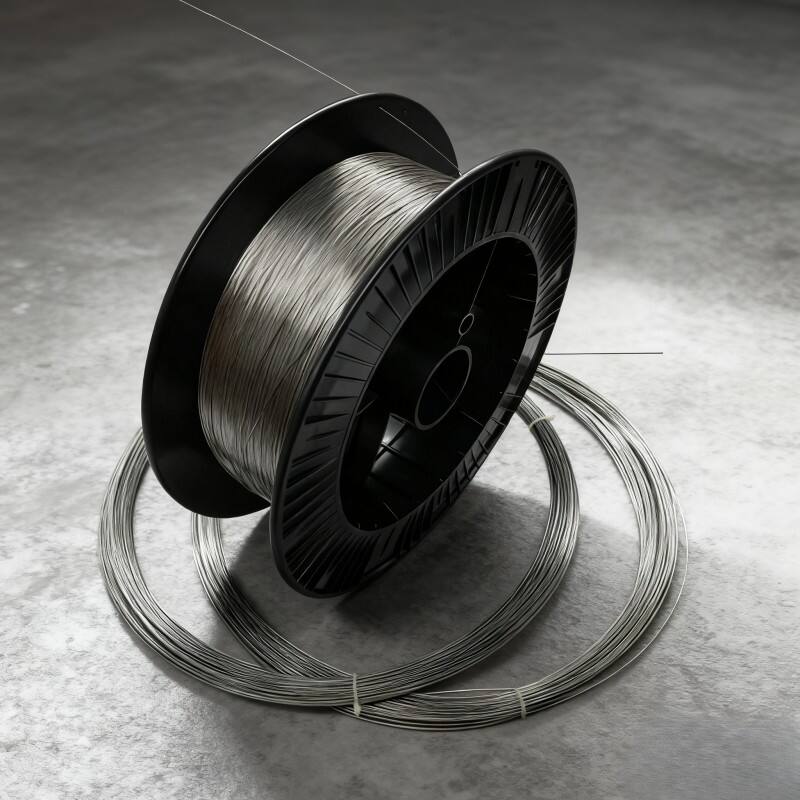
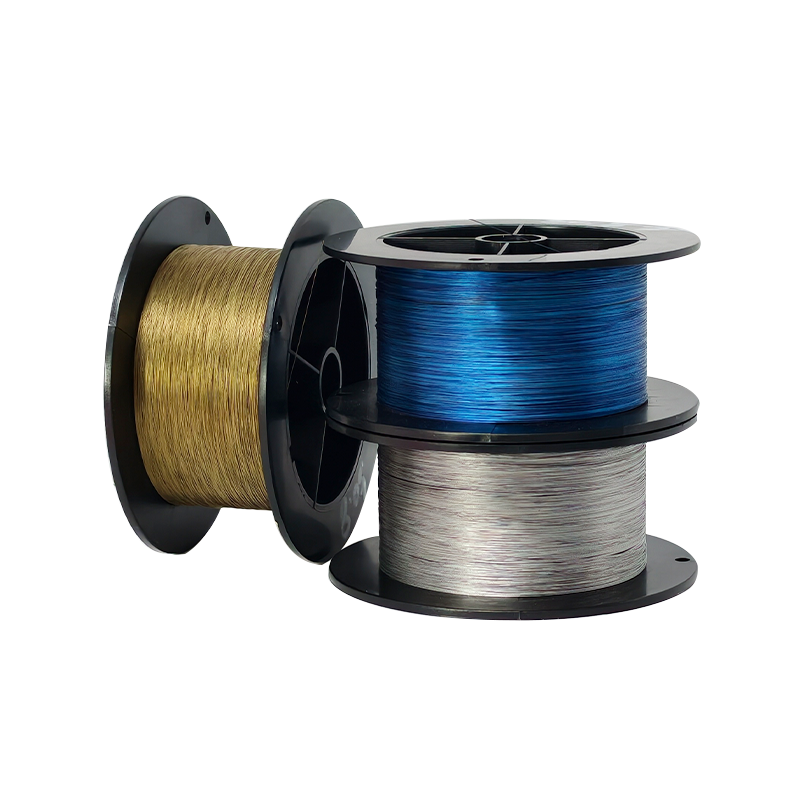
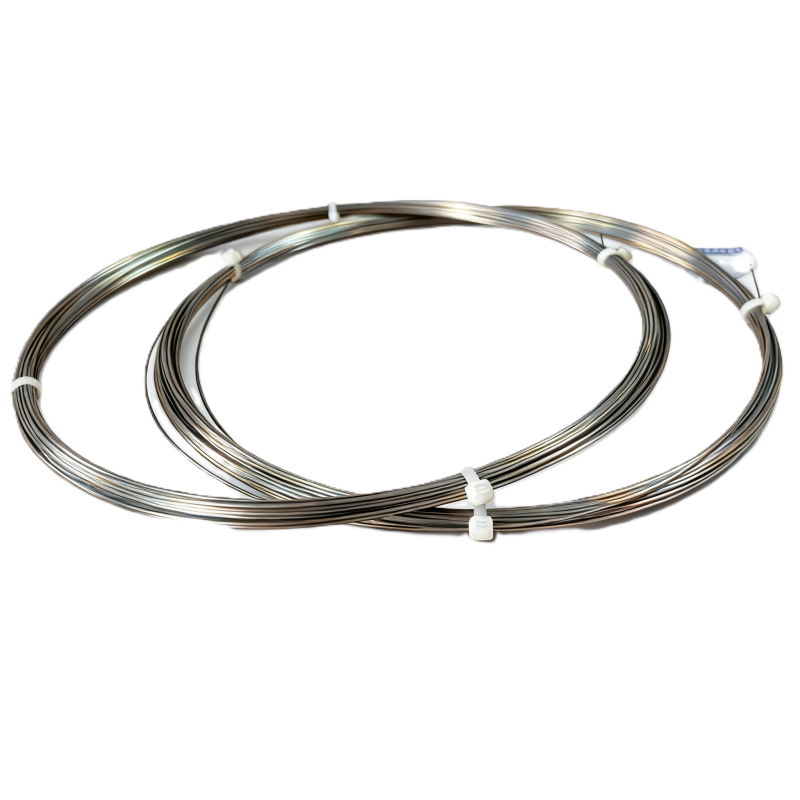
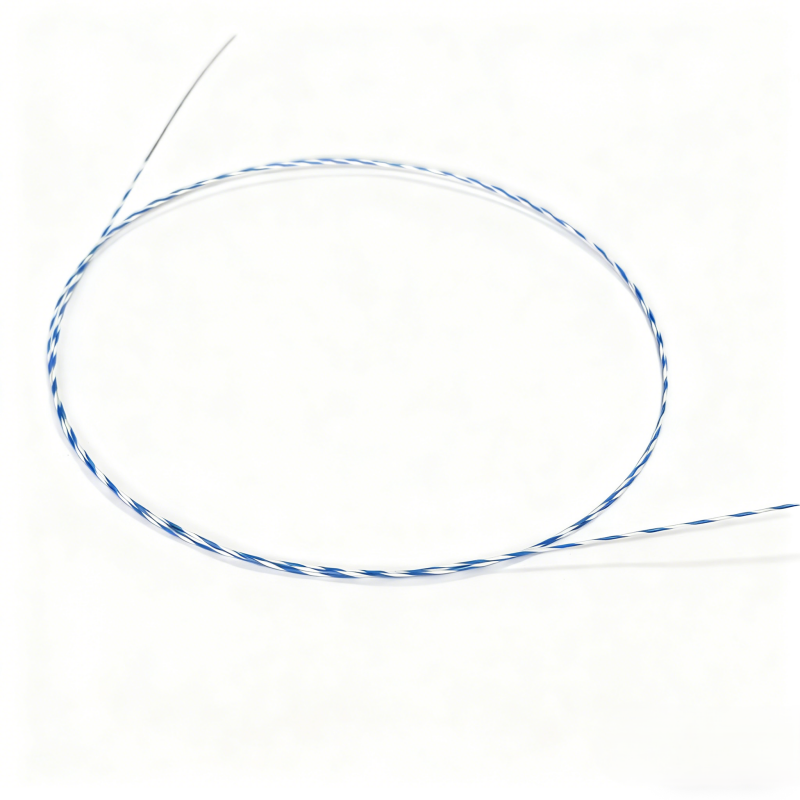
Nitinol alloy price is a topic that draws significant attention from engineers, procurement specialists, and manufacturers across multiple industries. Nitinol, a nickel-titanium shape memory alloy, stands out as one of the most remarkable engineering materials available today. Understanding the nitinol alloy price requires a clear look at what makes this material so valuable, how it performs under real-world conditions, and why demand for it continues to grow across global markets. At its core, nitinol is defined by two extraordinary properties: shape memory effect and superelasticity. The shape memory effect allows the alloy to return to a pre-programmed shape after being deformed, simply by applying heat. Superelasticity enables the material to undergo significant deformation and then recover its original form once the stress is removed, without any heat input. These two properties are not found together in conventional metals, which is precisely why nitinol commands a premium nitinol alloy price compared to standard engineering alloys. From a technological standpoint, nitinol is produced through vacuum induction melting or vacuum arc remelting processes to ensure compositional accuracy, since even minor variations in nickel-to-titanium ratio can shift the transformation temperature significantly. This precision manufacturing requirement directly influences the nitinol alloy price, as it demands specialized equipment, controlled environments, and rigorous quality testing at every production stage. The applications of nitinol span a wide range of industries. In the medical sector, it is used in stents, guidewires, orthodontic archwires, and surgical instruments. In aerospace and automotive engineering, nitinol actuators and fasteners provide reliable performance in extreme conditions. Consumer electronics, robotics, and civil engineering also benefit from its unique characteristics. The nitinol alloy price reflects the complexity of its production, the purity of raw materials required, and the high-performance standards it must meet. Buyers who understand the full value proposition of nitinol recognize that the nitinol alloy price is not simply a cost but an investment in material performance, reliability, and long-term application success.


New Products

When you look at what nitinol actually delivers in practice, the nitinol alloy price starts to make complete sense. This is not a material you buy because it is cheap. You buy it because it solves problems that no other material can solve as effectively, and that practical value is what drives purchasing decisions across industries worldwide. First, nitinol saves you money on system complexity. Because nitinol components can act as both a structural element and an actuator, you often eliminate the need for separate motors, springs, or mechanical linkages. A single nitinol wire or tube can do the work of multiple conventional components. That reduction in part count lowers assembly costs, reduces potential failure points, and simplifies maintenance. When you factor in these savings, the nitinol alloy price becomes far more competitive than it first appears. Second, nitinol delivers exceptional durability. Unlike conventional springs or actuators that fatigue and fail after repeated cycling, nitinol components maintain their performance over millions of cycles when properly designed. This longevity means fewer replacements, less downtime, and lower total cost of ownership over the life of your product or system. Customers who have switched to nitinol components consistently report that the nitinol alloy price pays for itself through reduced maintenance and replacement expenses. Third, nitinol is biocompatible. For medical device manufacturers, this is a critical advantage. Nitinol meets the strict biocompatibility requirements needed for implantable and body-contact devices. You do not need to add coatings or secondary treatments in many applications, which streamlines your manufacturing process and reduces additional material costs. The nitinol alloy price in medical-grade form reflects this built-in biocompatibility, saving you the expense of alternative surface treatments. Fourth, nitinol performs reliably in extreme environments. Whether your application involves high temperatures, corrosive fluids, or repeated mechanical stress, nitinol holds up where other materials fail. Its corrosion resistance is comparable to stainless steel, and its ability to function across a wide temperature range makes it suitable for demanding aerospace, automotive, and industrial applications. Choosing nitinol means you are selecting a material that will not let you down when conditions get tough. Fifth, nitinol gives you design flexibility. Because you can program its transformation temperature during manufacturing, you can tailor nitinol components to activate at precisely the temperature your application requires. This programmability opens up design possibilities that simply do not exist with conventional materials. Engineers who work with nitinol regularly describe it as a material that expands what is possible, not just what is practical. Sixth, sourcing nitinol from a reliable supplier gives you access to consistent quality and transparent nitinol alloy price structures. Reputable suppliers provide material certifications, traceability documentation, and technical support that help you integrate nitinol into your products with confidence. When you partner with an experienced nitinol supplier, you gain more than material. You gain expertise that accelerates your development timeline and reduces costly trial-and-error iterations. In summary, the nitinol alloy price reflects genuine, measurable value. Every dollar you invest in nitinol translates into performance advantages, design freedom, and long-term cost savings that conventional materials simply cannot match.

Tips And Tricks

Why is phase transition stability of nickel titanium wire key to actuator success?

13

May

Why is phase transition stability of nickel titanium wire key to actuator success?

In the world of precision actuators, the materials used to generate motion are not merely components — they are the foundation of reliability. nickel titanium wire has emerged as one of the most compelling active materials in modern actuator engineer...
View More
Why do orthodontists prefer using orthodontic wire with shape memory?

15

May

Why do orthodontists prefer using orthodontic wire with shape memory?

In modern orthodontic practice, the materials used to move teeth are just as important as the clinical techniques applied. Among the many innovations that have transformed the field, orthodontic wire with shape memory stands out as one of the most cl...
View More
How to identify high-quality Nitinol sources with a 21-year background?

01

Jun

How to identify high-quality Nitinol sources with a 21-year background?

Sourcing Nitinol for industrial, medical, or specialty applications is not a decision that should be made lightly. Nitinol, the nickel-titanium shape memory alloy renowned for its superelastic behavior and thermal responsiveness, demands a level of m...
View More
Why should you prioritize the manufacturer's R&D center when choosing partners?

02

Jun

Why should you prioritize the manufacturer's R&D center when choosing partners?

When evaluating potential manufacturing partners, most procurement teams focus on price, lead time, and production capacity. These are legitimate criteria, but they often overlook one of the most telling indicators of long-term value: the strength an...
View More

Get a Free Quote

Our representative will contact you soon.
Email
Name
Company Name
Message
0/1000

nitinol alloy price

Shape Memory Effect: Engineering Intelligence Built Into Every Component

Shape Memory Effect: Engineering Intelligence Built Into Every Component

One of the most compelling reasons that justifies the nitinol alloy price is the shape memory effect, a property so unique that it fundamentally changes how engineers approach design challenges. When you work with nitinol, you are not just selecting a passive structural material. You are choosing a material that actively responds to its environment, remembers a programmed shape, and returns to that shape on command. This built-in intelligence eliminates the need for complex external mechanisms in countless applications. The shape memory effect in nitinol works through a reversible phase transformation between two crystalline structures: austenite and martensite. At lower temperatures, nitinol exists in its martensitic phase, where it is relatively soft and easily deformed. When heated above its transformation temperature, it converts to the austenite phase and recovers its original programmed shape with considerable force. This transformation is repeatable, predictable, and can be precisely tuned during manufacturing by adjusting the nickel-to-titanium ratio, making nitinol one of the most controllable smart materials available. For medical device manufacturers, the shape memory effect is transformative. A nitinol stent can be compressed into a small delivery catheter at room temperature, navigated through blood vessels to the target site, and then deployed by the warmth of the human body, expanding to its programmed diameter without any mechanical deployment mechanism. This elegant simplicity reduces procedural complexity, lowers the risk of device failure, and improves patient outcomes. The nitinol alloy price in this context represents not just material cost but the cost of a complete functional system compressed into a single component. In industrial and aerospace applications, shape memory nitinol components serve as thermal actuators that respond automatically to temperature changes, opening valves, releasing latches, or adjusting control surfaces without electronic controls or power input. This passive actuation capability is invaluable in remote or inaccessible locations where maintenance is difficult and power supply is limited. The reliability of the shape memory effect over millions of cycles means that once a nitinol actuator is installed, it continues to perform its function year after year with minimal intervention. Customers who evaluate the nitinol alloy price against the total system cost consistently find that nitinol-based solutions reduce overall complexity and cost while improving performance and reliability. The shape memory effect is not a novelty. It is a practical engineering tool that delivers real competitive advantages, and the nitinol alloy price reflects the sophisticated manufacturing and quality control required to deliver this capability consistently and reliably.
Superelasticity: Unmatched Flexibility and Recovery for Demanding Applications

Superelasticity: Unmatched Flexibility and Recovery for Demanding Applications

Superelasticity is the second defining property of nitinol and another key factor that supports the nitinol alloy price in competitive markets. While most metals deform permanently when stressed beyond their elastic limit, nitinol can recover from strains of up to eight percent, returning to its original shape completely once the load is removed. This extraordinary recovery capacity makes nitinol the material of choice in applications where repeated large deformations are unavoidable and permanent deformation is unacceptable. The mechanism behind superelasticity is the same stress-induced martensitic transformation that drives the shape memory effect, but in this case it occurs at body temperature or ambient temperature without any heating cycle. When you apply stress to a superelastic nitinol component, the crystal structure transforms from austenite to martensite under load, accommodating the deformation. When you release the stress, the structure reverts to austenite and the component springs back to its original shape. This process can be repeated millions of times without fatigue failure when the alloy is properly processed, which is a performance level that conventional spring steels and titanium alloys cannot approach. In orthodontics, superelastic nitinol archwires apply a gentle, continuous force to teeth throughout the entire range of tooth movement, unlike stainless steel wires that deliver high initial forces that drop off rapidly as teeth move. This consistent force delivery accelerates treatment, reduces patient discomfort, and requires fewer adjustment appointments. Orthodontists who have adopted superelastic nitinol archwires report measurable improvements in treatment efficiency, and the nitinol alloy price for these wires is easily justified by the clinical and operational benefits they deliver. In guidewires for minimally invasive surgery, superelasticity allows the wire to navigate tortuous anatomical pathways without kinking or permanently deforming, maintaining its ability to transmit torque and push force accurately to the tip. This navigability is critical for procedural success and patient safety, and it is a capability that only superelastic nitinol can reliably provide at the required scale and consistency. Industrial applications also benefit enormously from superelasticity. Nitinol couplings, connectors, and fasteners can absorb vibration and shock loads that would permanently deform or fracture conventional metal components. In environments where vibration fatigue is a primary failure mode, switching to nitinol components directly extends service life and reduces maintenance costs. The nitinol alloy price in these applications is offset by the elimination of frequent component replacements and the associated labor and downtime costs. Superelasticity also enables innovative consumer product designs, from eyeglass frames that survive being sat on to phone components that absorb drop impacts. As product designers discover the possibilities that superelastic nitinol opens up, demand grows and the supply chain for nitinol continues to mature, gradually making the nitinol alloy price more accessible across a broader range of applications.
Biocompatibility and Corrosion Resistance: Safe, Reliable Performance Across Critical Industries

Biocompatibility and Corrosion Resistance: Safe, Reliable Performance Across Critical Industries

Beyond its mechanical properties, nitinol offers a combination of biocompatibility and corrosion resistance that sets it apart from virtually every other high-performance alloy and provides strong justification for the nitinol alloy price in medical, food processing, and marine applications. These properties are not incidental. They are the result of a stable titanium oxide surface layer that forms naturally on nitinol and provides a robust barrier against chemical attack and biological reaction. Biocompatibility means that nitinol can be placed in direct contact with human tissue and bodily fluids without causing toxic, allergic, or inflammatory responses. This property has been validated through decades of clinical use and extensive in vitro and in vivo testing. Nitinol meets the requirements of ISO 10993 and other international biocompatibility standards, making it an approved material for a wide range of implantable and body-contact medical devices. For medical device manufacturers, this built-in biocompatibility is a significant cost and time advantage. You do not need to apply expensive biocompatible coatings or conduct additional biocompatibility testing for the base material, which streamlines your regulatory pathway and reduces development costs. The nitinol alloy price for medical-grade material includes the assurance of this validated biocompatibility, which is a value that goes far beyond the raw material itself. Corrosion resistance is equally important in medical applications, where devices are exposed to saline, blood, and other aggressive biological fluids for extended periods. Nitinol performs comparably to titanium and significantly better than stainless steel in these environments, maintaining its mechanical properties and surface integrity over the intended service life of the device. This corrosion resistance also makes nitinol valuable in marine engineering, chemical processing, and food manufacturing, where exposure to corrosive media is constant and material degradation is a primary concern. In these industries, the nitinol alloy price is evaluated against the cost of corrosion-related failures, which can include equipment damage, product contamination, regulatory penalties, and reputational harm. Nitinol components that resist corrosion and maintain their performance in aggressive environments deliver a return on investment that makes the nitinol alloy price straightforward to justify in procurement decisions. Furthermore, the combination of biocompatibility and corrosion resistance with the shape memory and superelastic properties described in the other highlights makes nitinol a uniquely versatile material. No other alloy offers this complete package of properties, which is why the nitinol alloy price reflects a premium that the market consistently supports. Buyers who understand the full value of nitinol recognize that they are not paying for a commodity metal. They are investing in a material platform that enables products and solutions that would be impossible or impractical with any other material.
Nitinol Alloy Price: Value, Performance, and Applications Explained

Get a Free Quote

Our representative will contact you soon.
Email
Name
Company Name
Message
0/1000
Newsletter
Please Leave A Message With Us