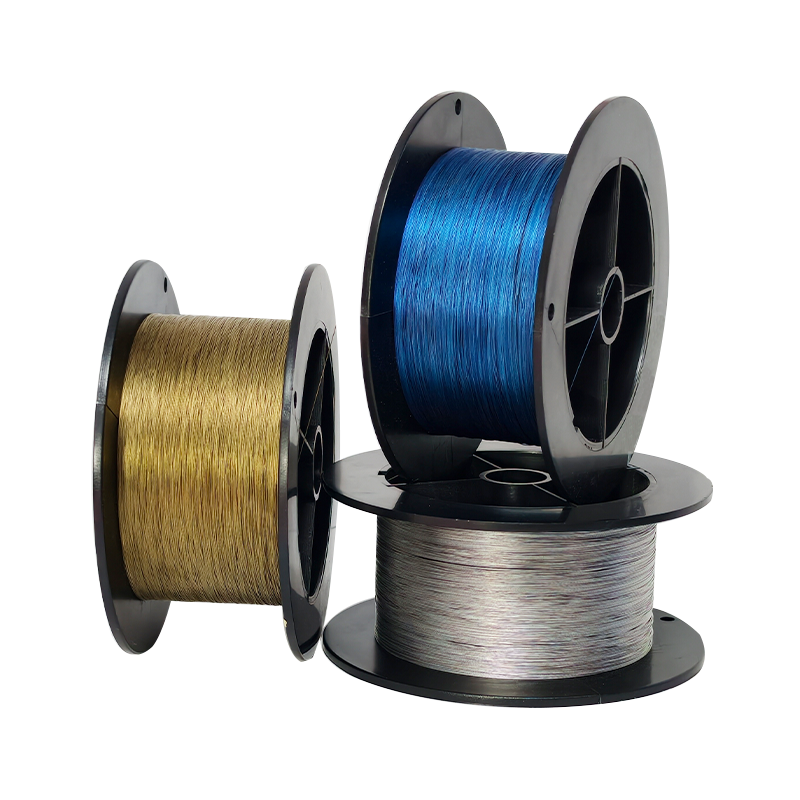
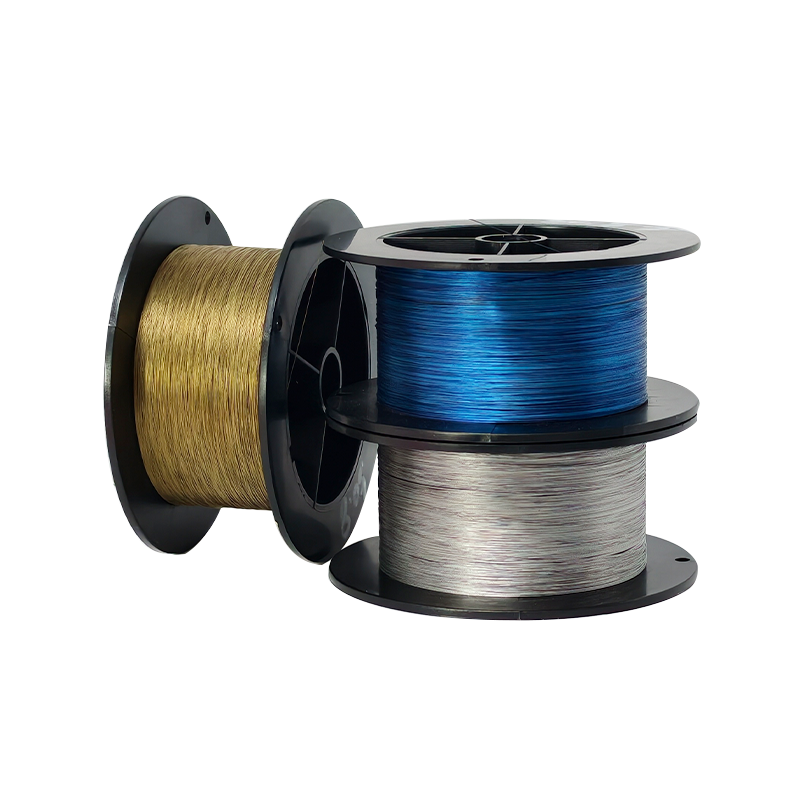
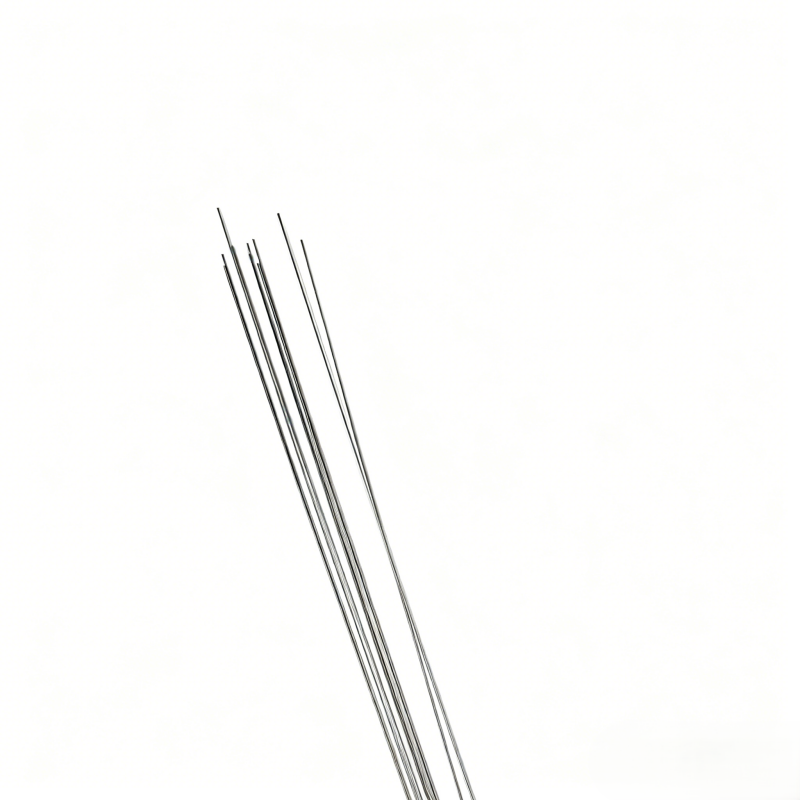
Nitinol Alloy Shape Memory: Revolutionary Smart Material Technology for Medical, Aerospace and Industrial Applications

Get a Free Quote

Our representative will contact you soon.
Email
Name
Company Name
Message
0/1000

nitinol alloy shape memory

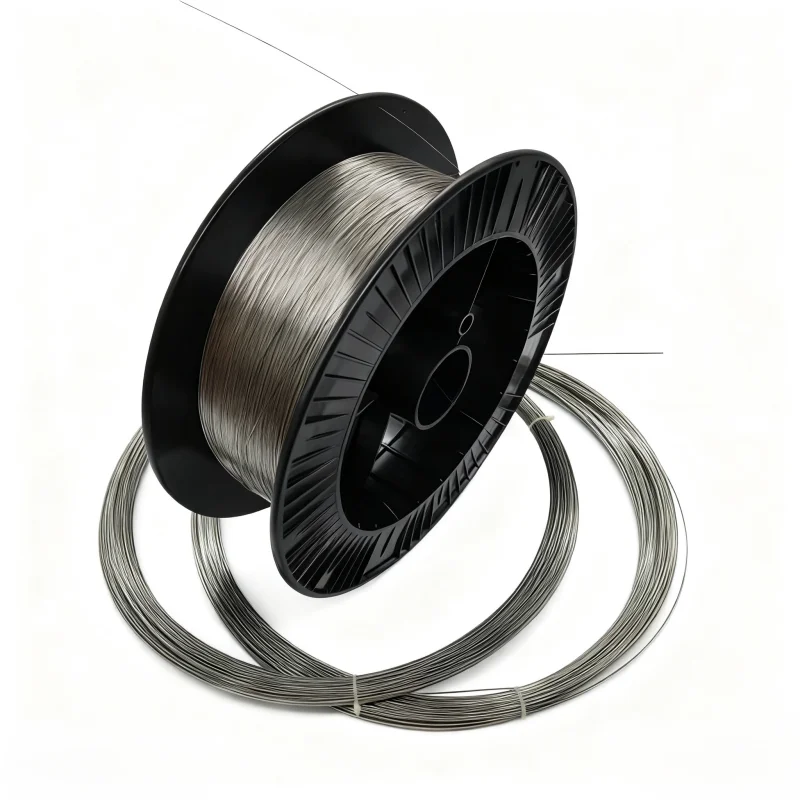
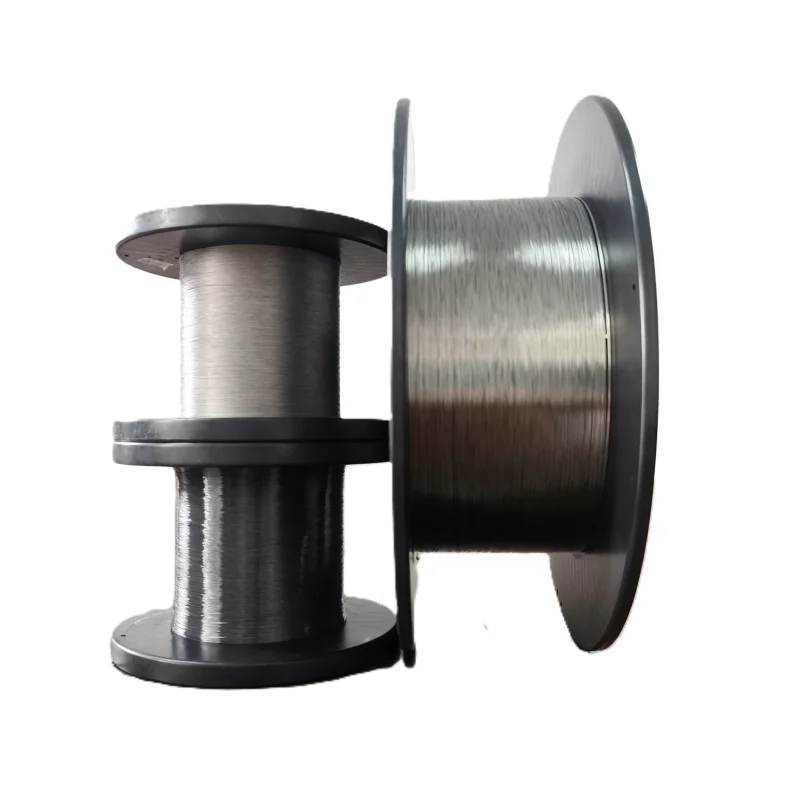
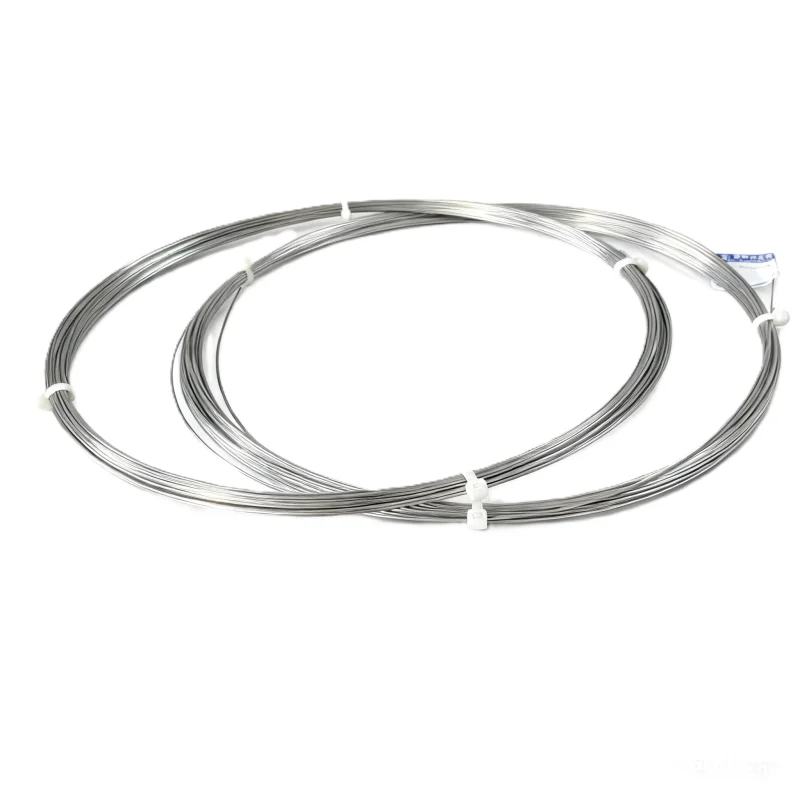
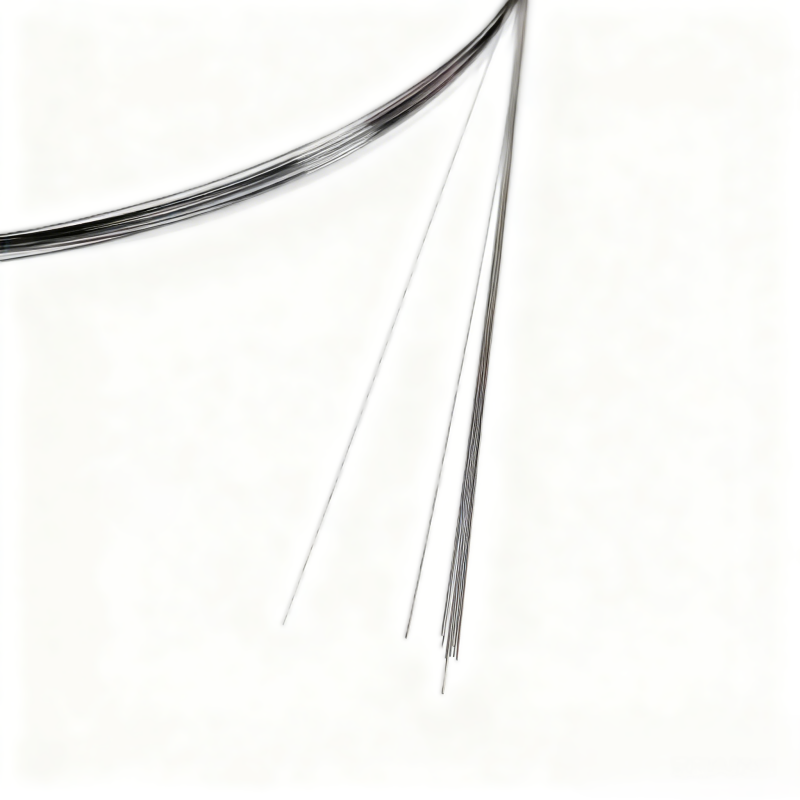
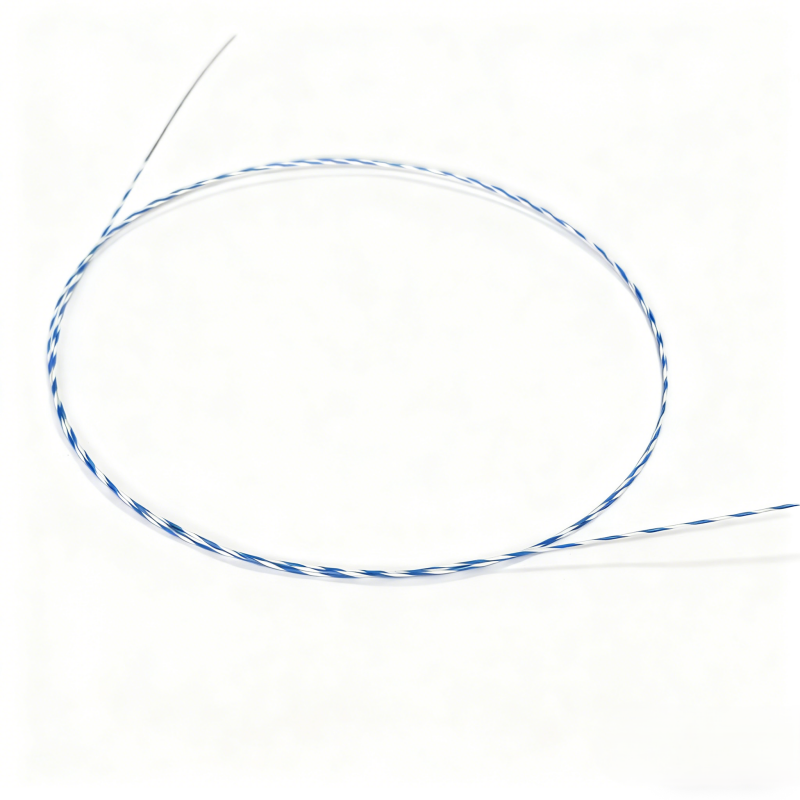
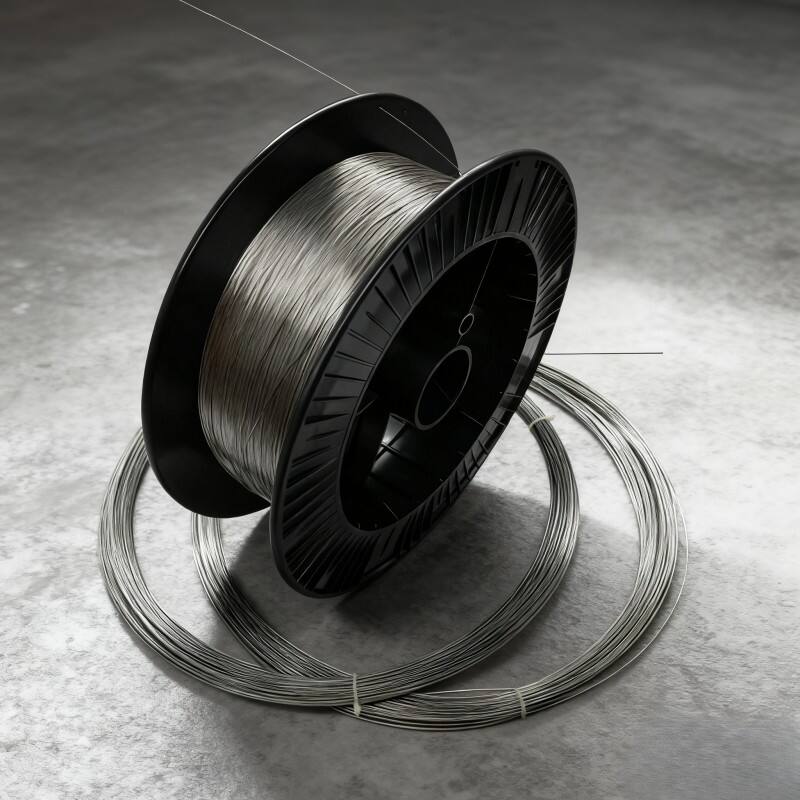
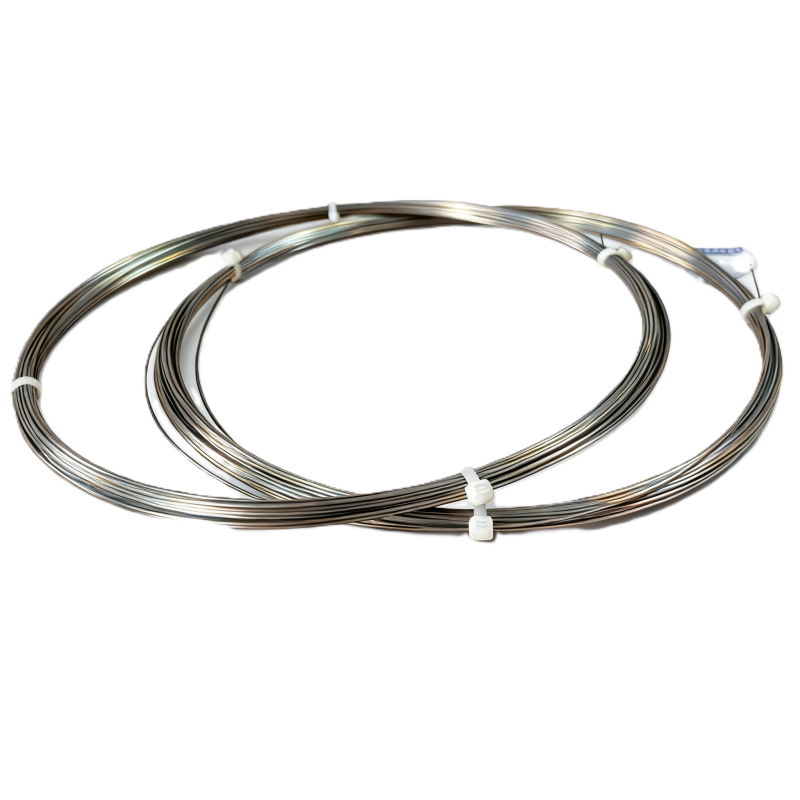
Nitinol alloy shape memory represents a revolutionary advancement in materials science, combining nickel and titanium in near-equal proportions to create a metal with extraordinary capabilities. This remarkable material exhibits two primary phenomena: shape memory effect and superelasticity, which have transformed numerous industries worldwide. The shape memory effect allows nitinol alloy shape memory to return to its original form when heated above a specific transition temperature, while superelasticity enables the material to withstand significant deformation and spring back to its initial shape upon stress removal. The technological features of nitinol alloy shape memory include exceptional biocompatibility, making it ideal for medical implants and devices. Its corrosion resistance surpasses many conventional metals, ensuring longevity in demanding environments. The material demonstrates remarkable fatigue resistance, enduring millions of cycles without degradation. Temperature-dependent transformation occurs within a precisely controlled range, typically between minus ten and one hundred degrees Celsius, allowing engineers to customize the transition point for specific applications. The austenite and martensite crystal structures enable these unique properties, transitioning seamlessly based on temperature and stress conditions. Applications span across medical devices including stents, guidewires, orthodontic archwires, and surgical instruments. The aerospace industry utilizes nitinol alloy shape memory for actuators, couplings, and deployment mechanisms in satellites. Automotive manufacturers incorporate this material into safety systems and climate control components. Consumer electronics benefit from nitinol components in mobile phone antennas and eyeglass frames. Industrial robotics employ shape memory actuators for precise movements and gripping mechanisms. The oil and gas sector uses downhole tools that activate at specific temperatures. These diverse applications demonstrate how nitinol alloy shape memory has become indispensable across multiple sectors, offering solutions that conventional materials simply cannot match in terms of performance, reliability, and versatility.

Popular Products

The advantages of nitinol alloy shape memory extend far beyond its fascinating ability to remember shapes, offering practical benefits that directly impact your bottom line and product performance. First and foremost, this material reduces maintenance costs significantly because its exceptional durability means components last substantially longer than traditional alternatives. You will not need frequent replacements, saving both money and operational downtime. The biocompatibility of nitinol alloy shape memory makes it perfectly safe for human body contact, eliminating concerns about allergic reactions or tissue rejection that plague other metal implants. This safety profile opens opportunities for innovative medical products without extensive compatibility testing. Energy efficiency stands out as another compelling advantage. Nitinol actuators consume minimal power compared to electric motors or hydraulic systems, reducing energy bills and enabling battery-powered applications to run longer between charges. The material activates through simple temperature changes, eliminating complex control systems and reducing overall system weight. Design flexibility represents a game-changing benefit. Engineers can program specific activation temperatures and create custom shapes that deploy automatically under predetermined conditions. This programmability allows for compact storage and automatic deployment without electronic controls or manual intervention. Your products can be smaller, lighter, and more reliable. The superelastic properties mean nitinol alloy shape memory absorbs impacts and vibrations exceptionally well, protecting sensitive components and extending product lifespan. This shock absorption capability eliminates the need for additional damping systems, simplifying designs and reducing part counts. Corrosion resistance ensures consistent performance in harsh environments including saltwater, chemicals, and extreme temperatures. Unlike steel or aluminum, nitinol maintains its properties without protective coatings, reducing manufacturing steps and costs. The material withstands millions of actuation cycles without fatigue, providing reliability that builds customer trust and reduces warranty claims. Silent operation is another practical advantage. Nitinol actuators work quietly without the noise associated with motors or pneumatic systems, making them ideal for consumer products and medical devices where noise reduction matters. The kink resistance of nitinol alloy shape memory proves invaluable in medical guidewires and catheters, allowing navigation through tortuous pathways without permanent deformation. This flexibility combined with strength creates possibilities impossible with conventional materials. Temperature responsiveness can be precisely tailored to your specific application, whether you need activation at body temperature for medical devices or higher temperatures for industrial applications. This customization capability means one material platform serves diverse needs. The non-magnetic properties make nitinol compatible with MRI equipment and electronic sensors without interference, expanding application possibilities in medical imaging and precision instrumentation.

Tips And Tricks

How to ensure dimensional tolerances for precision Nitinol metal parts?

18

May

How to ensure dimensional tolerances for precision Nitinol metal parts?

Achieving tight dimensional tolerances in Nitinol metal components is one of the most demanding challenges in precision manufacturing. Unlike conventional metals, Nitinol — a nickel-titanium shape memory alloy — exhibits superelastic recovery and pha...
View More
Why is Starspring's Nitinol metal at the forefront of the smart drive industry?

19

May

Why is Starspring's Nitinol metal at the forefront of the smart drive industry?

The smart drive industry is defined by its relentless demand for materials that can do more with less — components that respond intelligently to their environment, endure repeated mechanical cycles, and perform with precision in applications ranging ...
View More
Why is a brand with a 5,000m² factory more professional in Nitinol customization?

22

May

Why is a brand with a 5,000m² factory more professional in Nitinol customization?

When sourcing advanced shape memory alloys for medical devices, aerospace components, or industrial actuators, the manufacturing environment behind a supplier tells you far more than a product catalog ever could. Nitinol customization is a precision-...
View More
Why should you prioritize the manufacturer's R&D center when choosing partners?

02

Jun

Why should you prioritize the manufacturer's R&D center when choosing partners?

When evaluating potential manufacturing partners, most procurement teams focus on price, lead time, and production capacity. These are legitimate criteria, but they often overlook one of the most telling indicators of long-term value: the strength an...
View More

Get a Free Quote

Our representative will contact you soon.
Email
Name
Company Name
Message
0/1000

nitinol alloy shape memory

Unparalleled Shape Memory Effect: Transform Your Product Capabilities

Unparalleled Shape Memory Effect: Transform Your Product Capabilities

The shape memory effect inherent in nitinol alloy shape memory fundamentally changes what is possible in product design and functionality. This extraordinary characteristic allows the material to be deformed into a temporary shape at lower temperatures and then recover its original programmed geometry when heated above its transformation temperature. Understanding this capability opens doors to innovative solutions across industries. When you manufacture components from nitinol alloy shape memory, you essentially create products with built-in intelligence. The material remembers its trained shape through a specialized heat treatment process that establishes a preferred crystal structure. Once programmed, this memory remains permanent throughout the component's lifetime. Imagine deploying complex structures from compact packages without motors, electronics, or manual intervention. Medical stents exemplify this advantage perfectly. Doctors can insert a compressed stent through a small catheter, and upon reaching body temperature, the nitinol alloy shape memory expands automatically to its full diameter, opening blocked arteries without requiring bulky deployment mechanisms. This minimally invasive approach reduces patient trauma, shortens recovery times, and improves outcomes. The aerospace sector leverages this same principle for satellite antenna deployment. Antennas fold compactly during launch to fit within rocket fairings, then unfold reliably in space when solar heating raises their temperature. This autonomous deployment eliminates mechanical complexity, reduces weight, and increases mission reliability. The precision of shape recovery distinguishes nitinol alloy shape memory from other smart materials. Components return to their original form with accuracy measured in micrometers, ensuring consistent performance across thousands of cycles. This repeatability proves critical in applications requiring exact positioning or controlled force application. Manufacturing advantages emerge from the shape memory effect as well. You can form intricate shapes at room temperature when the material is soft and workable, then set the final geometry through heat treatment. This processing flexibility reduces tooling costs and enables complex geometries that would be impossible to machine or cast. The transformation temperature can be engineered anywhere from minus ten to one hundred degrees Celsius, allowing designers to select the optimal activation point for their specific application. Medical devices might activate at thirty-seven degrees Celsius to respond to body temperature, while automotive components might require higher temperatures for engine compartment applications. This tunability makes nitinol alloy shape memory adaptable to virtually any thermal environment. Force generation during shape recovery provides another dimension of utility. As nitinol returns to its memorized shape, it can exert substantial force, enabling actuator applications that move loads or maintain pressure without continuous power input.
Superior Superelasticity: Flexibility That Bounces Back Perfectly

Superior Superelasticity: Flexibility That Bounces Back Perfectly

Superelasticity represents the second defining characteristic of nitinol alloy shape memory, offering mechanical properties that seem to defy conventional material behavior. This phenomenon allows the material to undergo strains up to eight percent and return completely to its original shape upon stress removal, far exceeding the elastic limits of traditional metals. Steel typically yields at strains below one percent, making nitinol's flexibility truly exceptional. This superelastic behavior results from a stress-induced transformation between crystal structures that occurs at temperatures above the material's transformation point. Unlike plastic deformation that permanently changes metal structure, the crystallographic changes in nitinol alloy shape memory reverse completely when stress is removed. The practical implications transform product design across multiple domains. Eyeglass frames made from superelastic nitinol can be twisted, bent, and crushed without permanent deformation, returning instantly to their original shape. This durability eliminates the frustration of bent frames and extends product life dramatically. Parents of active children particularly appreciate frames that survive the inevitable accidents and rough handling. Medical guidewires showcase superelasticity's clinical value. Cardiologists navigate these wires through blood vessels with complex curves and branches. Traditional stainless steel wires kink permanently when bent sharply, potentially causing vessel damage or procedure failure. Nitinol alloy shape memory guidewires flex through tortuous anatomy without kinking, then straighten perfectly when tension is released. This kink resistance improves procedure success rates and patient safety while reducing physician fatigue during lengthy interventions. Orthodontic archwires leverage superelasticity to apply constant, gentle forces to teeth over extended periods. Unlike stainless steel wires that require frequent adjustments as teeth move, superelastic nitinol alloy shape memory maintains consistent force levels throughout treatment. Patients experience less discomfort, require fewer office visits, and achieve results faster. Orthodontists appreciate the clinical efficiency and improved patient satisfaction. The vibration damping properties of superelastic nitinol create opportunities in structural applications. Buildings in seismic zones can incorporate nitinol components that absorb earthquake energy through their superelastic deformation, protecting structures and occupants. Golf club shafts and tennis racket frames use this same energy absorption to reduce vibration transmission and improve performance. Engineering advantages extend to fatigue resistance. While most metals fail after repeated cycling through their elastic range, nitinol alloy shape memory withstands millions of deformation cycles without degradation. This exceptional fatigue life proves essential in applications like heart valve components that must cycle billions of times over a patient's lifetime. The plateau stress characteristic of superelastic nitinol provides constant force over a range of deflections, simplifying designs that require controlled force application. Spring designers can create components that deliver consistent force despite manufacturing tolerances or assembly variations. Temperature sensitivity affects superelastic behavior, with the material becoming softer and more flexible at higher temperatures within its superelastic range. This thermal dependence allows for temperature-compensated designs or thermally-activated mechanisms.
Exceptional Biocompatibility and Corrosion Resistance: Safety Meets Longevity

Exceptional Biocompatibility and Corrosion Resistance: Safety Meets Longevity

The biocompatibility of nitinol alloy shape memory stands as a cornerstone advantage for medical applications, while its corrosion resistance benefits products across all industries. These complementary properties ensure safe human contact and reliable long-term performance in demanding environments. Nitinol's composition of approximately fifty-five percent nickel and forty-five percent titanium might initially raise concerns given nickel's reputation for causing allergic reactions. However, the surface of nitinol alloy shape memory spontaneously forms a stable titanium oxide layer that effectively isolates the nickel content from surrounding tissues and fluids. This passive oxide layer demonstrates exceptional stability, preventing nickel ion release even during long-term implantation. Decades of clinical use in millions of patients have confirmed that properly manufactured nitinol alloy shape memory exhibits biocompatibility comparable to pure titanium, the gold standard for implant materials. Immune response testing shows minimal inflammatory reaction, and long-term studies document excellent tissue integration without chronic inflammation or rejection. This safety profile enables permanent implants including cardiovascular stents, orthopedic staples, and dental implants that remain in the body for decades without adverse effects. The corrosion resistance of nitinol alloy shape memory exceeds that of stainless steel in most environments, particularly in chloride-rich solutions like seawater or bodily fluids. The protective titanium oxide layer regenerates instantly if scratched or abraded, maintaining protection throughout the component's lifetime. This self-healing characteristic eliminates the need for protective coatings or cathodic protection systems required by other metals. Industrial applications benefit from this corrosion resistance in chemical processing equipment, offshore oil platforms, and marine hardware. Components maintain their mechanical properties and appearance without rust, scaling, or pitting that plague conventional materials. Maintenance intervals extend dramatically, and replacement costs decrease substantially. The combination of biocompatibility and corrosion resistance creates unique opportunities in emerging markets. Wearable medical sensors can contact skin continuously without irritation concerns. Food processing equipment can use nitinol alloy shape memory components without contamination risks or frequent cleaning requirements. Jewelry applications benefit from hypoallergenic properties that prevent the skin discoloration and irritation common with other metal alloys. Environmental resistance extends beyond simple corrosion to include stability across wide temperature ranges, resistance to ultraviolet degradation, and immunity to biological fouling. Nitinol components perform consistently in arctic cold and desert heat without property changes that affect other materials. Sterilization compatibility represents another critical advantage for medical devices. Nitinol alloy shape memory withstands repeated autoclaving, gamma radiation, ethylene oxide treatment, and chemical sterilization without degradation. Medical device manufacturers can select any sterilization method appropriate for their product without material constraints. Surface treatments can further enhance biocompatibility when needed for specialized applications. Electropolishing produces ultra-smooth surfaces that minimize protein adhesion and bacterial colonization. Coating technologies can add drug-eluting capabilities or promote specific cellular responses. These surface modifications complement the inherent biocompatibility of nitinol alloy shape memory, expanding possibilities for next-generation medical devices.
Nitinol Alloy Shape Memory: Revolutionary Smart Material Technology for Medical, Aerospace and Industrial Applications

Get a Free Quote

Our representative will contact you soon.
Email
Name
Company Name
Message
0/1000
Newsletter
Please Leave A Message With Us