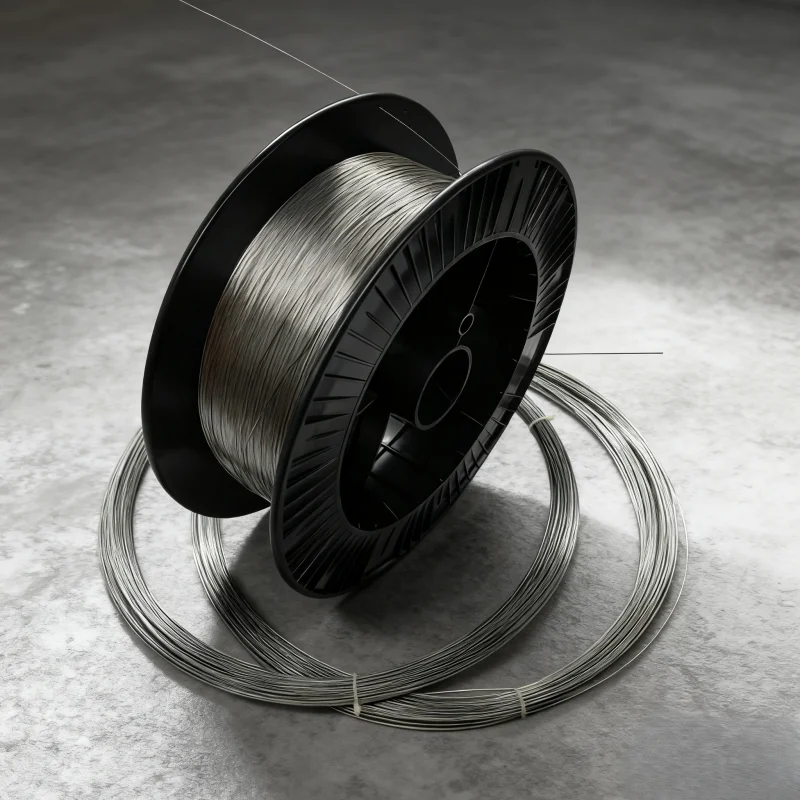
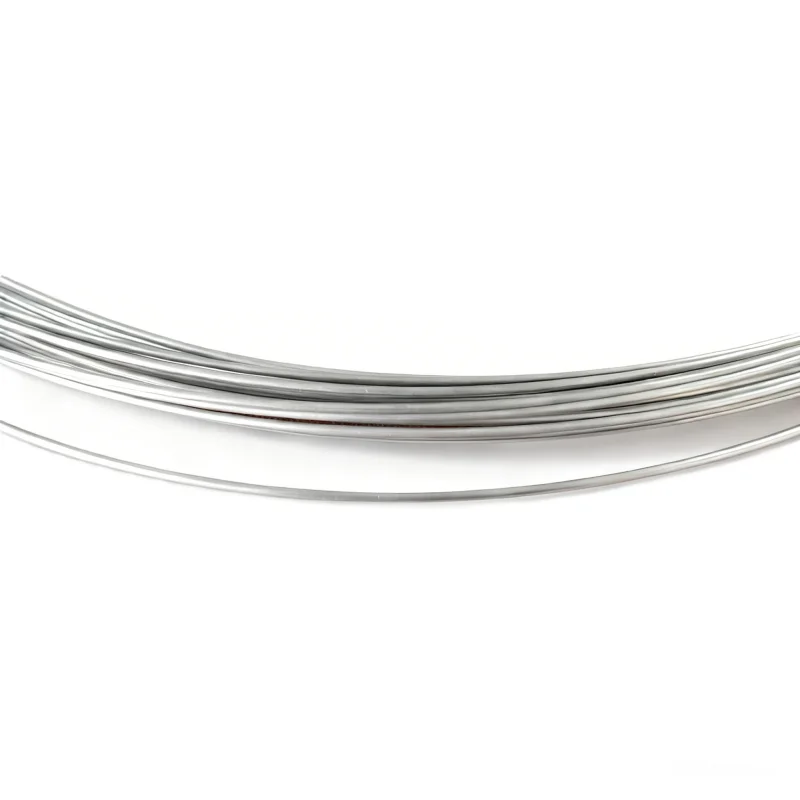
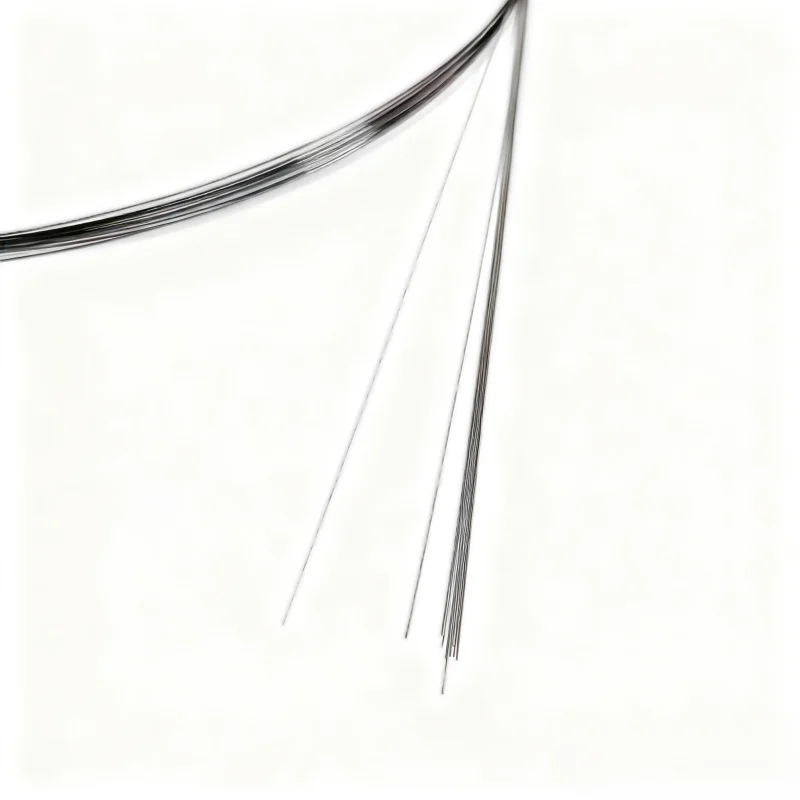
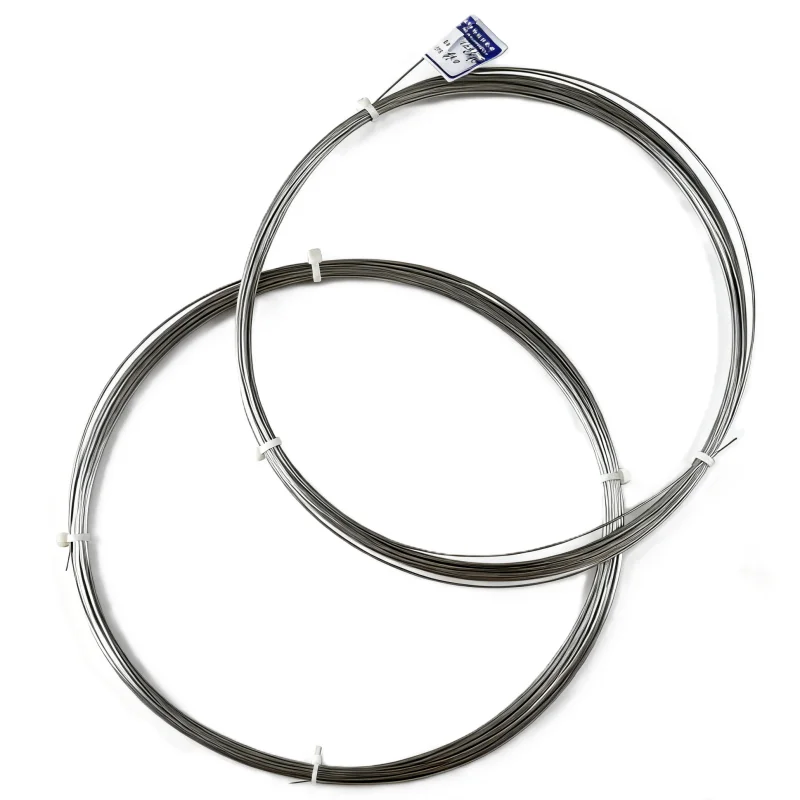
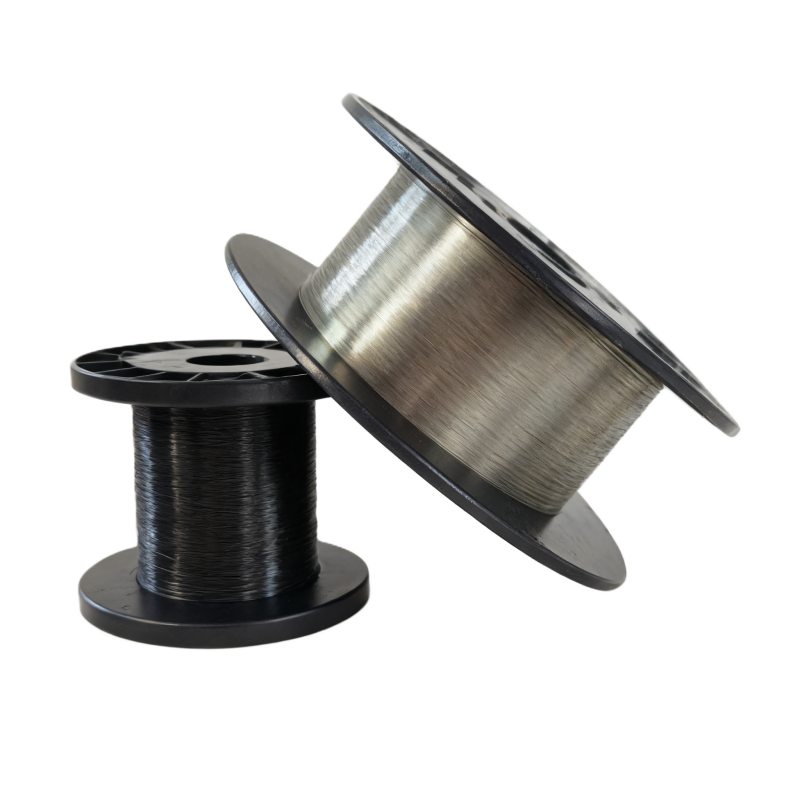
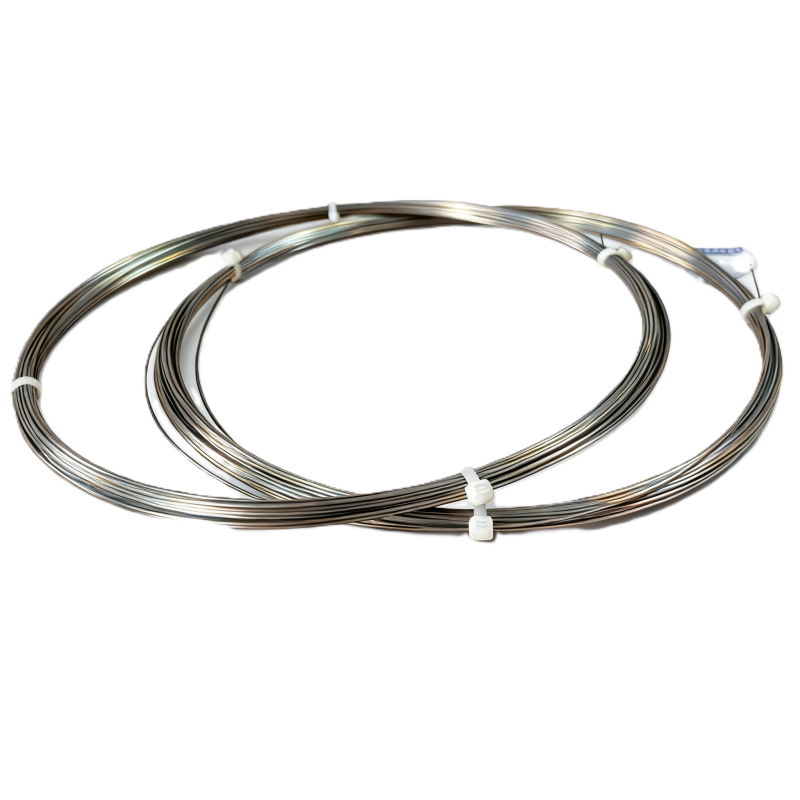
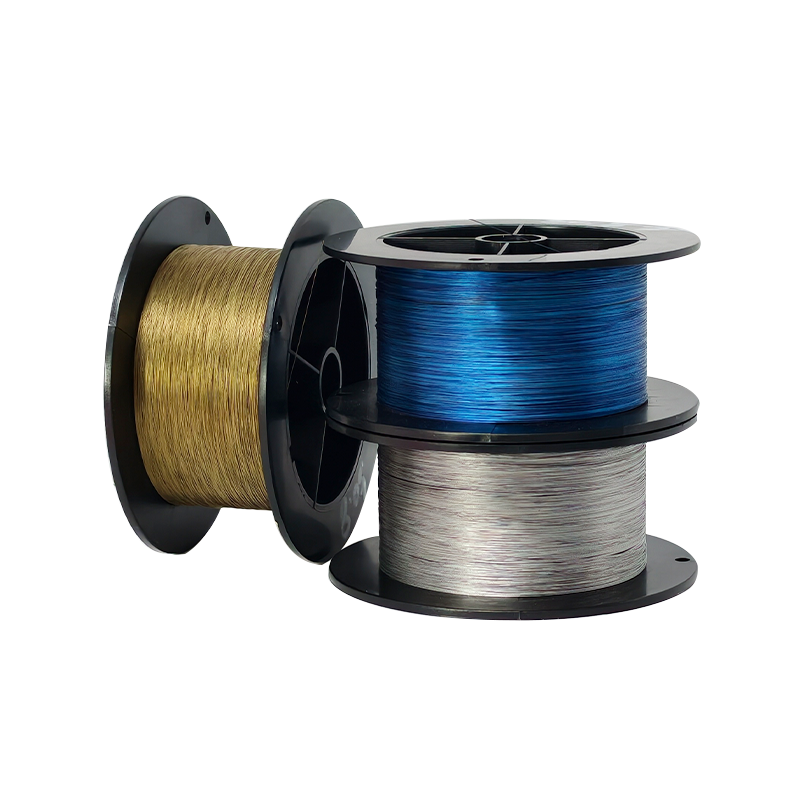
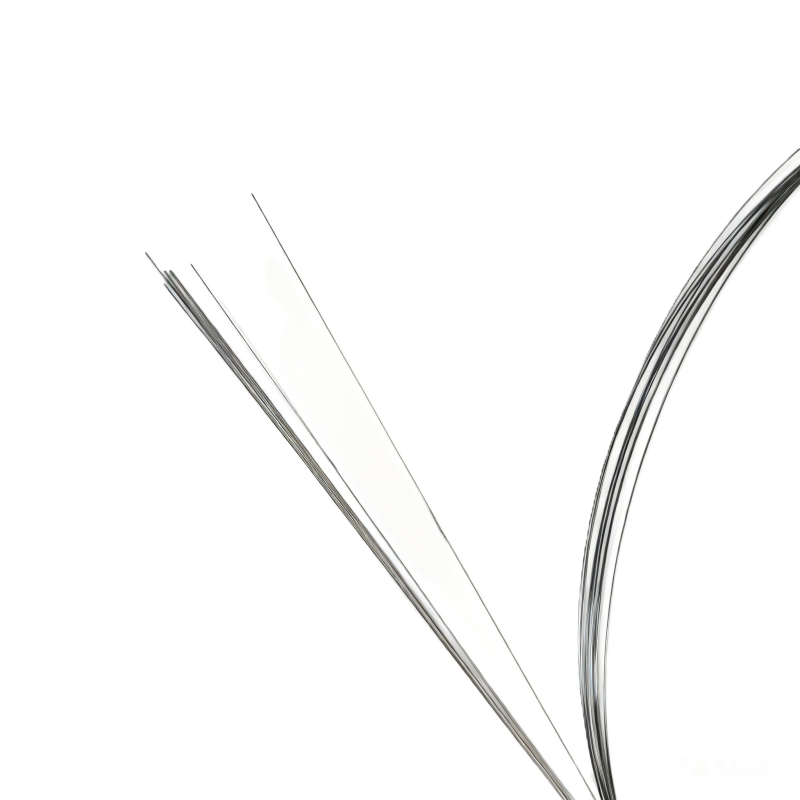
Shape Memory Alloy Products: Advanced Smart Materials for Industrial and Medical Applications

Get a Free Quote

Our representative will contact you soon.
Email
Name
Company Name
Message
0/1000

shape memory alloy products

Shape memory alloy products represent a revolutionary class of intelligent materials that possess the remarkable ability to return to their original shape after deformation when exposed to specific temperature changes or stress conditions. These extraordinary materials, primarily composed of nickel-titanium alloys or copper-based compounds, have transformed multiple industries through their unique properties. The main function of shape memory alloy products lies in their capacity to undergo significant deformation and then recover their pre-programmed shape through thermal activation or stress removal. This phenomenon occurs due to a reversible phase transformation between austenite and martensite crystal structures at the molecular level. Technologically, shape memory alloy products exhibit two fundamental characteristics: the shape memory effect and superelasticity. The shape memory effect allows the material to remember and return to its original configuration when heated above a specific transition temperature, while superelasticity enables the alloy to undergo large strains and recover completely upon unloading without requiring heat. These materials can sustain deformations up to eight percent of their original length and still return to their initial form. The applications of shape memory alloy products span numerous sectors including medical devices, aerospace engineering, automotive manufacturing, robotics, consumer electronics, and construction. In medical applications, these materials serve as self-expanding stents, orthodontic wires, surgical instruments, and minimally invasive tools. The aerospace industry utilizes them for adaptive wing structures, deployment mechanisms, and thermal actuators. Automotive manufacturers incorporate shape memory alloy products into climate control systems, safety mechanisms, and variable geometry components. The versatility of these materials continues to expand as research advances, opening new possibilities for smart structures and adaptive systems across diverse technological domains.

New Product Recommendations

Shape memory alloy products deliver exceptional practical benefits that make them increasingly valuable for businesses and consumers seeking innovative solutions. First and foremost, these materials eliminate the need for complex mechanical systems by combining sensing and actuation functions within a single component. This integration reduces overall system complexity, cuts manufacturing costs, and minimizes maintenance requirements compared to traditional solutions involving motors, gears, and electronic controls. The self-actuating nature of shape memory alloy products means they respond directly to environmental changes without requiring external power sources or control systems in many applications, resulting in significant energy savings and improved reliability. Another compelling advantage is their incredible durability and longevity. Shape memory alloy products can undergo millions of transformation cycles without degradation, providing extended service life that far exceeds conventional materials. This exceptional fatigue resistance translates to reduced replacement costs and fewer interruptions in critical operations. The biocompatibility of nickel-titanium shape memory alloy products makes them particularly valuable in medical settings, where they safely interact with human tissue without causing adverse reactions or requiring protective coatings. Their corrosion resistance further enhances their suitability for harsh environments, whether inside the human body or exposed to challenging industrial conditions. The compact size achievable with shape memory alloy products enables designers to create smaller, lighter devices without sacrificing performance. This miniaturization advantage proves crucial in applications where space and weight constraints are critical, such as aerospace components, portable medical devices, and consumer electronics. The high power-to-weight ratio of these materials means they can generate substantial force relative to their mass, making them ideal for applications requiring strong actuation in confined spaces. Additionally, shape memory alloy products operate silently, unlike motors or pneumatic systems that generate noise during operation. This quiet performance is essential in medical procedures, consumer products, and environments where noise reduction is important. The materials also offer precise and repeatable positioning, enabling accurate control in demanding applications. Their ability to function across wide temperature ranges, from cryogenic conditions to elevated temperatures, expands their utility across diverse operating environments. From a sustainability perspective, the long service life and reduced energy consumption of shape memory alloy products contribute to environmental responsibility while lowering total ownership costs for users.

Tips And Tricks

Why is high-stability Nitinol the first choice for equipment in extreme conditions?

12

May

Why is high-stability Nitinol the first choice for equipment in extreme conditions?

When equipment must perform reliably under mechanical stress, thermal cycling, and repeated deformation, material selection becomes a critical engineering decision. Nitinol, the nickel-titanium shape memory alloy, has earned a dominant position in de...
View More
What breakthroughs can Nitinol material bring to future flexible robot joints?

25

May

What breakthroughs can Nitinol material bring to future flexible robot joints?

The evolution of robotics is deeply tied to the materials that power movement, flexibility, and responsiveness. Among the most promising advances in this space, Nitinol material stands out as a transformative force in the design of flexible robot joi...
View More
How to identify high-quality Nitinol sources with a 21-year background?

01

Jun

How to identify high-quality Nitinol sources with a 21-year background?

Sourcing Nitinol for industrial, medical, or specialty applications is not a decision that should be made lightly. Nitinol, the nickel-titanium shape memory alloy renowned for its superelastic behavior and thermal responsiveness, demands a level of m...
View More
Why should you prioritize the manufacturer's R&D center when choosing partners?

02

Jun

Why should you prioritize the manufacturer's R&D center when choosing partners?

When evaluating potential manufacturing partners, most procurement teams focus on price, lead time, and production capacity. These are legitimate criteria, but they often overlook one of the most telling indicators of long-term value: the strength an...
View More

Get a Free Quote

Our representative will contact you soon.
Email
Name
Company Name
Message
0/1000

shape memory alloy products

Exceptional Shape Recovery Capability

Exceptional Shape Recovery Capability

The most distinctive feature of shape memory alloy products is their extraordinary ability to recover their original form after significant deformation, a property that sets them apart from all conventional materials. This remarkable characteristic stems from a unique crystallographic transformation that occurs at the atomic level, allowing the material to transition between different structural phases in response to temperature or stress changes. When shape memory alloy products are deformed at low temperatures, they maintain their distorted configuration until heat is applied, at which point they spontaneously return to their memorized shape with considerable force. This recovery process can generate substantial stress, often exceeding four hundred megapascals, making these materials powerful actuators despite their compact size. The precision of this shape recovery is equally impressive, with repeatability measured in micrometers, ensuring consistent performance across thousands or even millions of operational cycles. For manufacturers and product developers, this capability opens entirely new design possibilities that were previously impossible or impractical. Engineers can create devices that change shape on demand, adapt to environmental conditions, or perform complex movements without motors or electronics. In medical applications, this means stents can be compressed for minimally invasive delivery and then expand to their functional diameter inside blood vessels, revolutionizing cardiovascular treatment. In aerospace, deployable structures made from shape memory alloy products can be compactly stored during launch and then unfold to their operational configuration in space, reducing payload volume and improving mission reliability. The temperature at which shape recovery occurs can be precisely engineered during manufacturing, allowing designers to specify transformation points ranging from below zero to over one hundred degrees Celsius. This tunability enables shape memory alloy products to be customized for specific application requirements, whether responding to body temperature in medical implants or higher temperatures in industrial actuators. The force generated during shape recovery is sufficient to move substantial loads, perform useful work, and overcome mechanical resistance, making these materials practical for demanding real-world applications rather than mere laboratory curiosities.
Superior Superelasticity Performance

Superior Superelasticity Performance

Beyond simple shape memory effects, advanced shape memory alloy products exhibit superelasticity, a phenomenal property that allows them to endure extreme deformations and instantly spring back to their original configuration without permanent damage or the need for heating. This superelastic behavior occurs when the material is used at temperatures above its transformation point, causing it to respond to mechanical stress by undergoing a reversible phase change rather than permanent deformation. Conventional metals and alloys typically deform plastically when stressed beyond their elastic limit, resulting in permanent bending or breaking. In contrast, superelastic shape memory alloy products can be stretched, bent, or compressed to remarkable degrees and immediately recover their exact original dimensions when the force is removed. This capability is particularly valuable in applications subject to repeated loading, impact, or variable stress conditions. The practical implications of this superelasticity are profound across multiple industries. In orthodontics, superelastic wires made from shape memory alloy products apply consistent corrective force to teeth throughout treatment, maintaining optimal pressure as teeth gradually move into proper alignment. Unlike traditional stainless steel wires that require frequent adjustments, superelastic shape memory alloy products continue working effectively between appointments, reducing patient visits and improving treatment outcomes. In eyeglass frames, superelasticity allows the temples to flex dramatically without breaking or losing their fit, creating durable products that withstand the inevitable stresses of daily wear. For industrial applications, superelastic components absorb vibrations, compensate for thermal expansion, and provide flexible connections that accommodate movement while maintaining structural integrity. The automotive sector benefits from superelastic shape memory alloy products in collision mitigation systems and adaptive components that respond to varying conditions. In seismic protection, these materials dampen structural vibrations during earthquakes, helping buildings withstand destructive forces. The energy dissipation characteristics of superelastic shape memory alloy products make them excellent shock absorbers and vibration dampers, converting kinetic energy into heat through their phase transformation process. This damping capability protects sensitive equipment, reduces noise transmission, and extends the life of mechanical systems. The consistent force output across large strain ranges means superelastic shape memory alloy products maintain stable performance even as they deform, unlike springs that become progressively stiffer with compression.
Intelligent Self-Actuating Functionality

Intelligent Self-Actuating Functionality

Perhaps the most transformative advantage of shape memory alloy products is their intelligent, self-actuating functionality that combines sensing and response in a single material system without requiring complex control electronics or external power supplies. Traditional automated systems typically need separate sensors to detect conditions, controllers to process information, and actuators to execute responses, creating complicated assemblies with multiple potential failure points. Shape memory alloy products fundamentally simplify this paradigm by directly responding to environmental triggers, particularly temperature changes, with predetermined mechanical actions. This inherent intelligence makes them ideal for creating autonomous systems that react appropriately to their surroundings without human intervention or electronic supervision. In practical terms, this means shape memory alloy products can open valves when temperatures rise, close circuits when conditions reach specific points, or adjust mechanisms in response to environmental factors. This self-contained functionality dramatically reduces system complexity, eliminates the need for batteries or external power in many applications, and improves reliability by removing electronic components susceptible to failure. The automotive industry leverages this intelligent behavior in climate control systems where shape memory alloy products automatically adjust air distribution based on temperature, providing comfort without energy-intensive motors. In fire safety applications, shape memory alloy products trigger automatic ventilation systems when heat reaches dangerous levels, operating reliably even when electrical systems fail. The aerospace sector employs these materials in thermal management systems that passively regulate temperatures through shape changes that open or close vents, maintaining optimal conditions for sensitive equipment without active monitoring. For consumer products, shape memory alloy products enable innovative features such as self-adjusting cooking utensils, temperature-responsive packaging, and adaptive comfort systems in furniture or clothing. The coffee industry has introduced cups with shape memory alloy products that indicate ideal drinking temperature through visible shape changes, enhancing user experience through material intelligence. In industrial processing, these materials provide fail-safe temperature limiting, protecting equipment from overheating without requiring external monitoring systems. The simplicity of implementation represents another significant advantage, as designers can incorporate shape memory alloy products into existing systems with minimal modifications, often replacing multiple components with a single intelligent element.
Shape Memory Alloy Products: Advanced Smart Materials for Industrial and Medical Applications

Get a Free Quote

Our representative will contact you soon.
Email
Name
Company Name
Message
0/1000
Newsletter
Please Leave A Message With Us