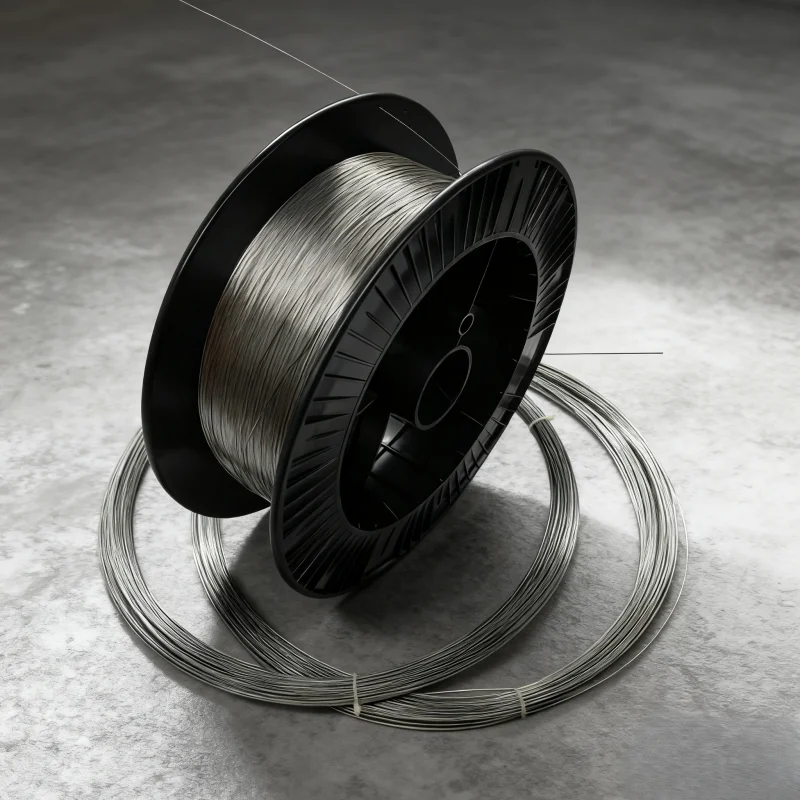
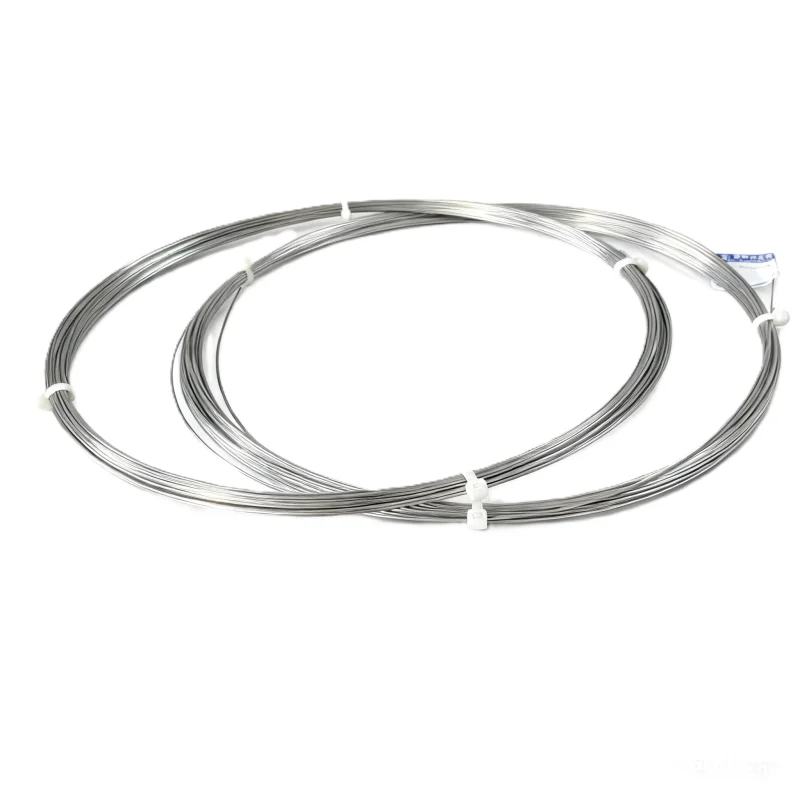
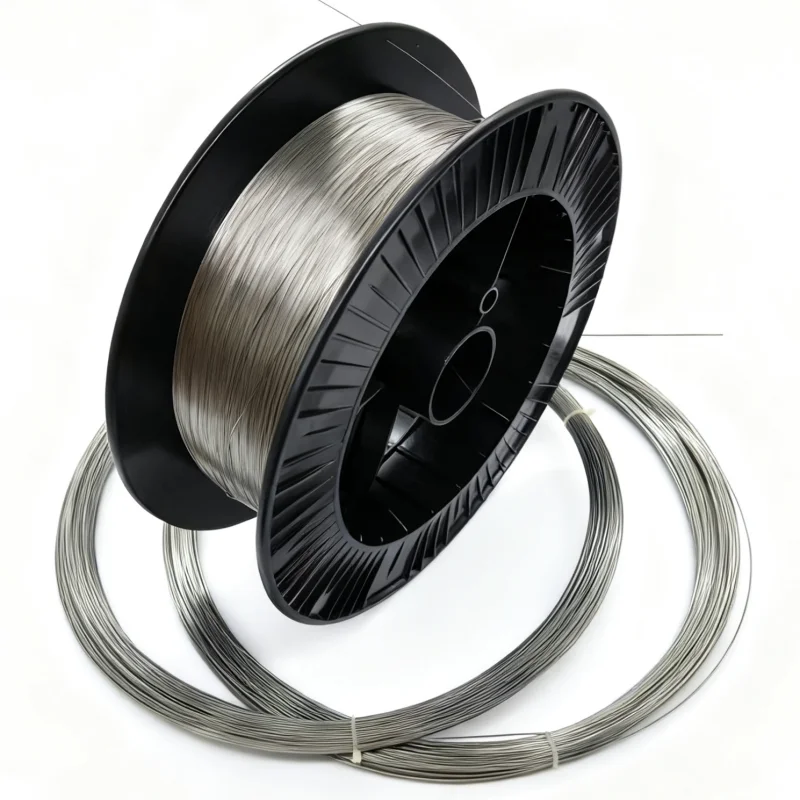
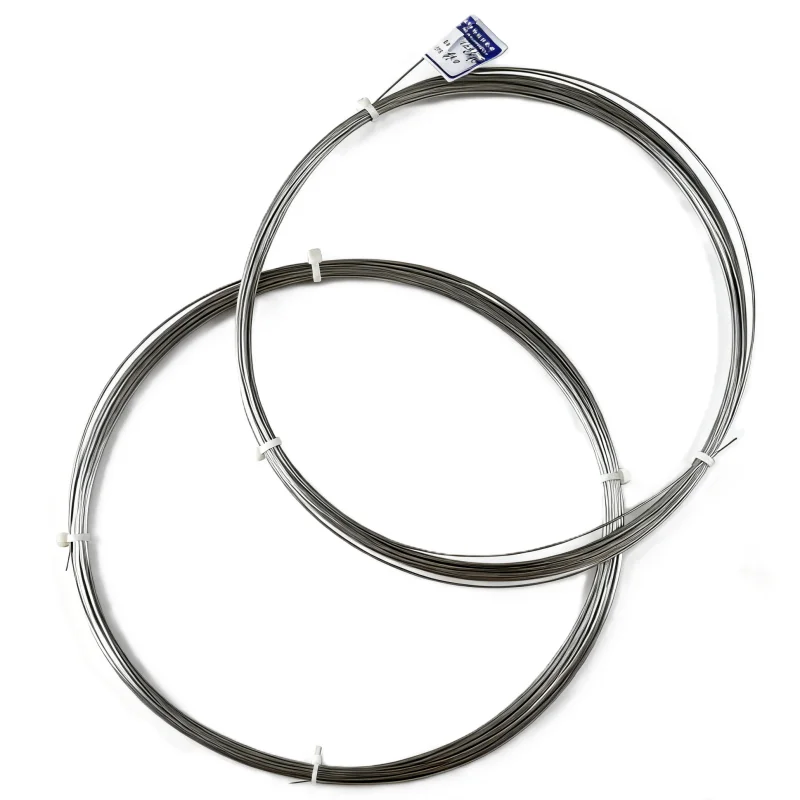
Shape Memory Materials: Smart Solutions for Advanced Applications and Innovative Design

Get a Free Quote

Our representative will contact you soon.
Email
Name
Company Name
Message
0/1000

shape memory materials

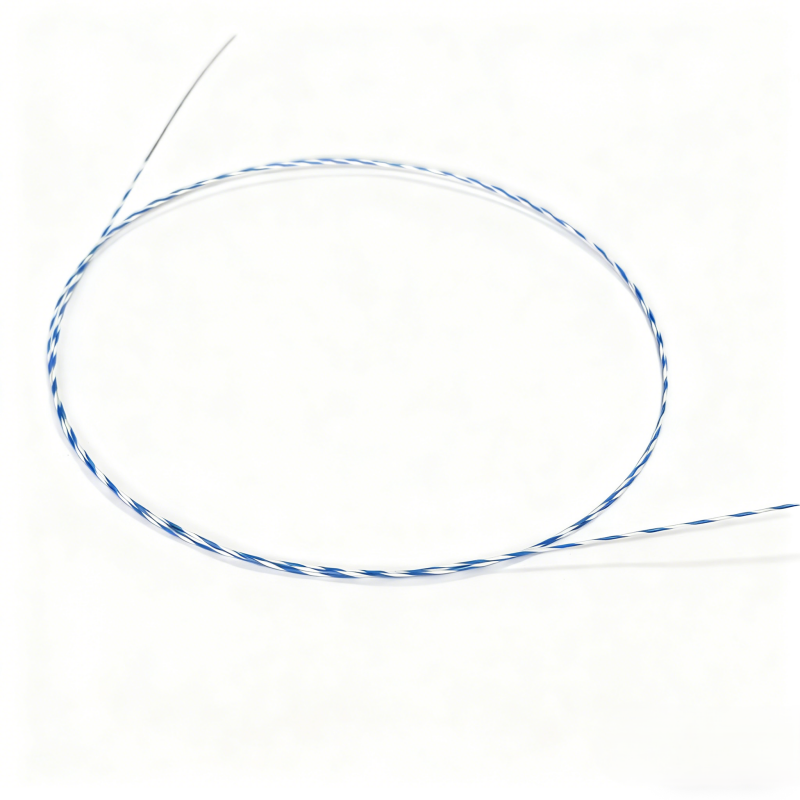
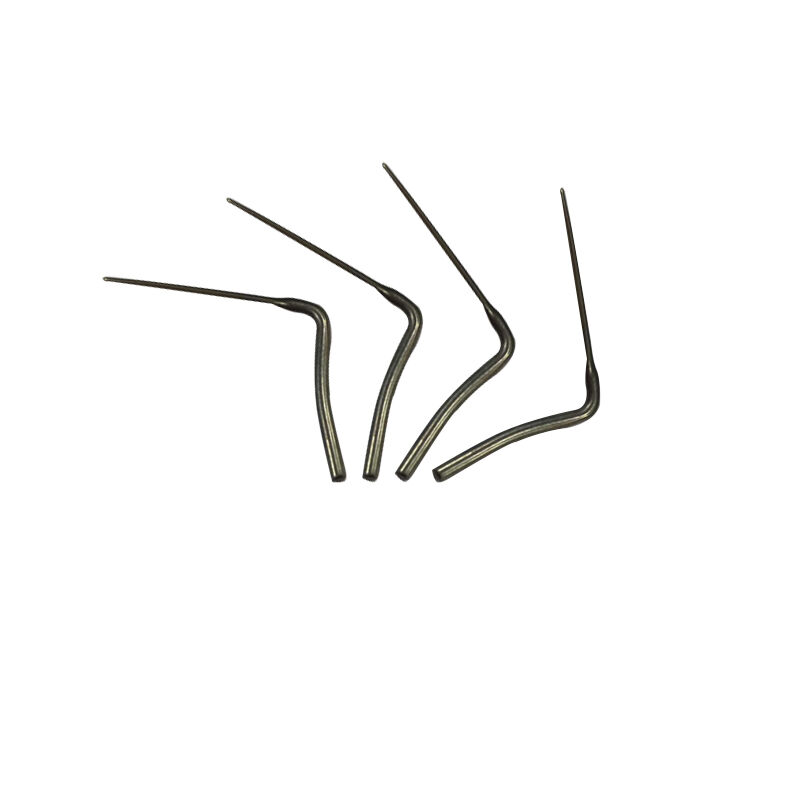
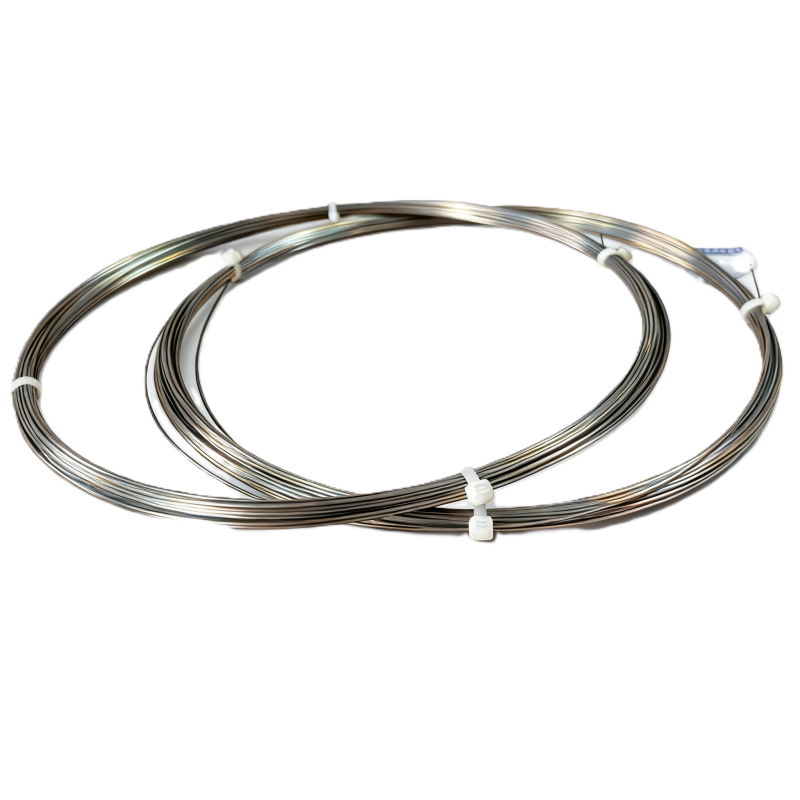
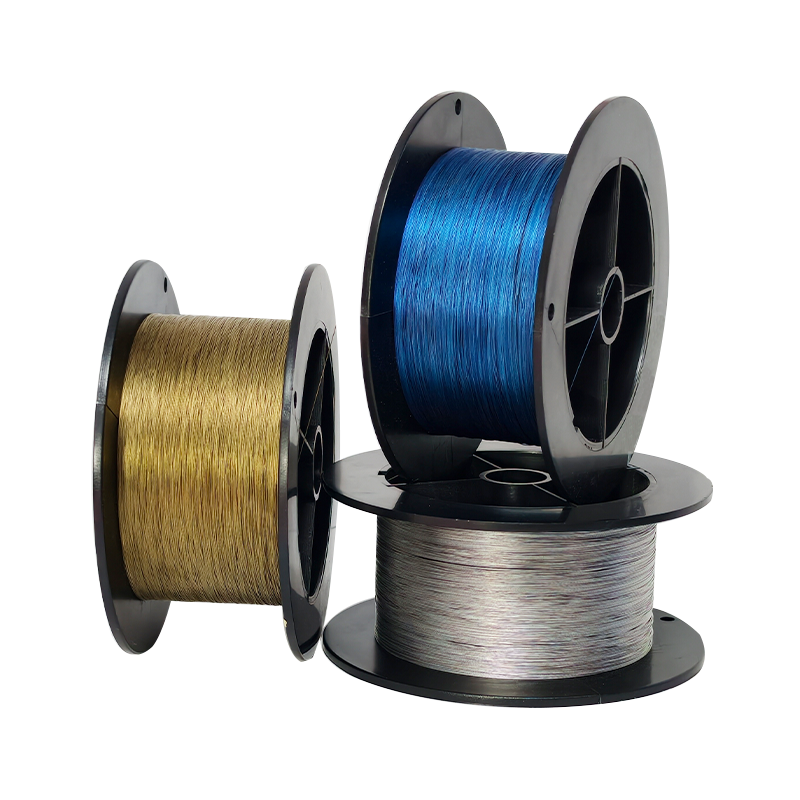
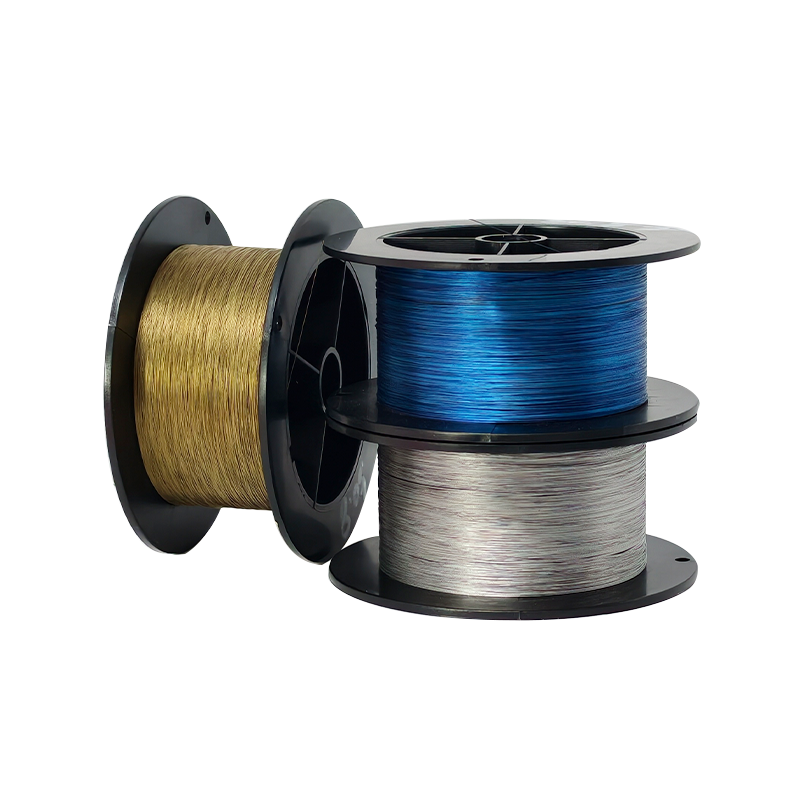
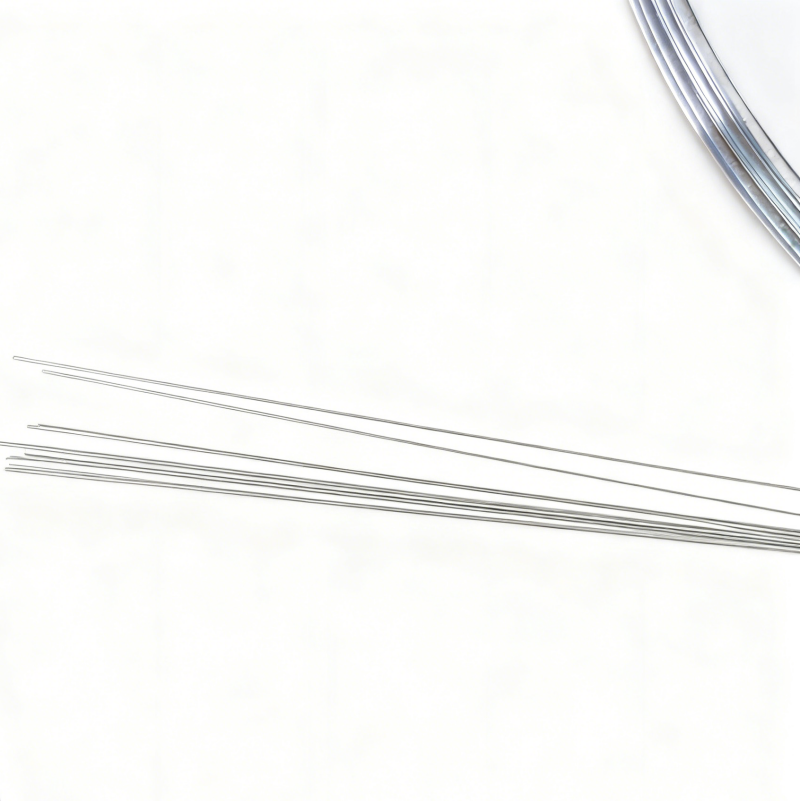
Shape memory materials represent a fascinating class of smart materials that possess the remarkable ability to return to their original form after being deformed. These innovative materials can remember their initial configuration and recover it when exposed to specific external stimuli such as heat, light, magnetic fields, or electrical currents. The most common types include shape memory alloys like nickel-titanium (Nitinol) and shape memory polymers, each offering distinct characteristics suited for various applications. The fundamental principle behind shape memory materials involves a reversible phase transformation at the molecular level. When these materials undergo deformation at lower temperatures, their internal structure changes temporarily. Upon heating above a specific transition temperature, the material's crystalline structure shifts back to its memorized state, causing the material to recover its predetermined shape with considerable force. This unique capability makes shape memory materials invaluable across numerous industries. In the medical field, they enable minimally invasive surgical procedures through self-expanding stents and guidewires that navigate through blood vessels. The aerospace industry utilizes these materials for adaptive wing structures and deployment mechanisms that function reliably in extreme conditions. Consumer electronics benefit from shape memory materials in smartphone antennas and flexible connectors that maintain functionality despite repeated bending. Automotive manufacturers incorporate them into actuators and climate control systems for enhanced efficiency. The textile industry has embraced these materials for creating responsive fabrics that adapt to temperature changes, providing improved comfort. Robotics applications leverage the actuation capabilities of shape memory materials for creating soft robots and artificial muscles with smooth, lifelike movements. The construction sector explores their potential in seismic dampers and self-healing concrete systems. As research continues, new formulations and processing techniques expand the possibilities, making shape memory materials increasingly accessible and cost-effective for diverse commercial and industrial applications worldwide.

New Product Releases

Shape memory materials deliver exceptional practical benefits that translate directly into improved products and cost savings for businesses and consumers alike. One primary advantage is their ability to simplify mechanical systems by replacing complex assemblies of motors, gears, and linkages with a single compact component. This reduction in parts count leads to fewer potential failure points, resulting in more reliable products that require less maintenance over their operational lifetime. Companies save money on assembly labor and reduce inventory costs by stocking fewer components. The lightweight nature of shape memory materials provides another significant benefit, particularly valuable in transportation and portable devices where every gram matters. By substituting heavier conventional actuators and mechanisms, manufacturers achieve better fuel efficiency in vehicles and extended battery life in mobile electronics. End users enjoy products that are easier to carry and more economical to operate. These materials also enable entirely new product designs that would be impossible with traditional materials. Their ability to perform complex motions in tight spaces allows engineers to create sleeker, more compact devices without sacrificing functionality. This design freedom helps companies differentiate their products in competitive markets and meet consumer demands for smaller, more elegant solutions. The durability of shape memory materials ensures long-term performance even under challenging conditions. They withstand millions of activation cycles without degradation, far exceeding the lifespan of many conventional mechanisms. This longevity reduces replacement costs and minimizes waste, supporting sustainability goals while enhancing customer satisfaction. From a safety perspective, shape memory materials offer inherent advantages through their passive operation. They require no external power source to maintain their position, eliminating risks associated with power failures. In medical applications, this reliability can be life-saving. The biocompatibility of certain shape memory alloys makes them ideal for implantable devices, reducing rejection risks and improving patient outcomes. Energy efficiency represents another compelling advantage. Shape memory materials convert thermal energy directly into mechanical work with minimal losses, outperforming many electromagnetic alternatives. For battery-powered applications, this efficiency extends operating time between charges. In industrial settings, it reduces electricity consumption and lowers operational expenses. The materials also demonstrate excellent corrosion resistance and stability across wide temperature ranges, maintaining their properties in harsh environments where other materials would fail. This resilience reduces the need for protective coatings or enclosures, simplifying product design and cutting manufacturing costs. The responsive nature of these materials enables automatic, self-regulating systems that adjust to changing conditions without sensors or controllers, reducing system complexity and cost while improving response times and overall performance.

Latest News

Why is Starspring's Nitinol metal at the forefront of the smart drive industry?

19

May

Why is Starspring's Nitinol metal at the forefront of the smart drive industry?

The smart drive industry is defined by its relentless demand for materials that can do more with less — components that respond intelligently to their environment, endure repeated mechanical cycles, and perform with precision in applications ranging ...
View More
Why do full-process manufacturers provide higher performance Nitinol SMA?

20

May

Why do full-process manufacturers provide higher performance Nitinol SMA?

When engineers and procurement specialists evaluate materials for high-precision medical devices, aerospace components, or advanced actuator systems, the source of the material matters as much as the material itself. Nitinol SMA — the nickel-titanium...
View More
How to utilize one-way and two-way memory in precision medical components?

21

May

How to utilize one-way and two-way memory in precision medical components?

In the development of precision medical components, material intelligence is no longer a concept reserved for science fiction. nitinol wire has fundamentally changed how engineers and medical device designers approach the challenge of building compon...
View More
What breakthroughs can Nitinol material bring to future flexible robot joints?

25

May

What breakthroughs can Nitinol material bring to future flexible robot joints?

The evolution of robotics is deeply tied to the materials that power movement, flexibility, and responsiveness. Among the most promising advances in this space, Nitinol material stands out as a transformative force in the design of flexible robot joi...
View More

Get a Free Quote

Our representative will contact you soon.
Email
Name
Company Name
Message
0/1000

shape memory materials

Revolutionary Self-Actuation Eliminates Complex Mechanisms

Revolutionary Self-Actuation Eliminates Complex Mechanisms

Shape memory materials fundamentally transform how products achieve movement and shape changes through their inherent self-actuation capabilities. Unlike conventional systems that depend on elaborate arrangements of motors, hydraulics, pneumatics, and electronic controls, these intelligent materials respond directly to environmental triggers, eliminating multiple layers of complexity. When a shape memory component receives the appropriate stimulus, whether thermal energy, electrical current, or magnetic field, it generates substantial mechanical force while transitioning to its memorized configuration. This direct conversion of energy to motion occurs without intermediate mechanical transmissions, dramatically simplifying product architecture. Consider a traditional automotive mirror adjustment mechanism that requires a motor, gearbox, linkages, switches, and wiring harnesses. A shape memory actuator can replace this entire assembly with a single compact element that moves precisely and reliably with minimal components. Manufacturing becomes more straightforward with fewer parts to source, inventory, assemble, and test. Quality control improves because there are fewer interfaces where problems can occur. Field reliability increases because each eliminated component removes a potential failure mode from the system. Maintenance requirements drop significantly since there are no brushes to wear, gears to lubricate, or bearings to replace. The space savings achieved through this simplification enable product designers to allocate volume to other valuable features or reduce overall product dimensions. In consumer electronics, this translates to thinner smartphones and tablets. In aerospace applications, it means more payload capacity or extended range. The weight reduction accompanying this parts consolidation delivers additional benefits across transportation sectors where every kilogram affects fuel consumption and emissions. Beyond tangible cost savings, the elegant simplicity of shape memory actuation enables innovation in product functionality. Designers can incorporate motion and adaptability in locations where traditional mechanisms would be impractical due to space constraints, weight limitations, or reliability concerns. Medical instruments navigate through tortuous anatomy. Eyeglass frames adjust automatically to face shape. Furniture adapts ergonomically to user preferences. Each application demonstrates how eliminating mechanical complexity through shape memory materials creates opportunities for breakthrough products that deliver superior user experiences while reducing manufacturing costs and improving long-term reliability.
Exceptional Durability Through Millions of Operating Cycles

Exceptional Durability Through Millions of Operating Cycles

Shape memory materials demonstrate extraordinary fatigue resistance and operational longevity that far surpasses conventional mechanical systems and many competing smart material technologies. This exceptional durability stems from the fundamental mechanism by which these materials operate, involving reversible crystallographic phase transformations rather than permanent deformation or wear processes. When properly designed and implemented, shape memory components routinely achieve millions of activation cycles without significant degradation in performance characteristics. This remarkable endurance provides substantial economic advantages throughout the product lifecycle. Products incorporating shape memory materials require replacement less frequently, reducing costs for end users and supporting sustainability initiatives by minimizing waste. Warranty expenses decrease for manufacturers because fewer units fail during the coverage period. Service infrastructure requirements shrink as maintenance intervals extend and replacement part demand drops. The confidence that comes with proven durability allows companies to offer longer warranties, creating competitive advantages and building customer loyalty. In medical implants, the longevity of shape memory materials translates directly to patient welfare. A cardiovascular stent fabricated from shape memory alloy continues functioning reliably for decades within the challenging biological environment of the human body, maintaining vessel patency without requiring replacement procedures that would expose patients to additional surgical risks. Orthopedic implants benefit similarly, supporting normal activity levels throughout extended service lives. Industrial applications gain tremendous value from this durability in demanding operational environments. Manufacturing equipment incorporating shape memory actuators maintains consistent performance through millions of production cycles, maximizing uptime and productivity. Aerospace components withstand extreme temperature fluctuations, vibration, and mechanical stress while continuing to operate reliably throughout extended service lives measured in decades. The materials resist corrosion, oxidation, and environmental degradation that would compromise alternative solutions. This robustness proves particularly valuable in applications where access for maintenance is difficult or impossible, such as sealed assemblies, embedded building systems, or remote installations. The predictable, stable performance of shape memory materials over extended periods simplifies product design by reducing the safety factors and redundancy typically required to compensate for degradation in conventional components. Engineers can optimize designs more precisely, achieving better performance with less material. Testing and qualification programs become more streamlined because the consistent behavior of shape memory materials across operational life reduces the complexity of reliability validation. The economic impact compounds across high-volume production, where even small improvements in component longevity multiply into substantial savings and competitive advantages in the marketplace.
Precise Temperature-Responsive Performance for Automatic Regulation

Precise Temperature-Responsive Performance for Automatic Regulation

Shape memory materials exhibit highly controllable and repeatable responses to temperature changes, enabling sophisticated automatic regulation without electronic sensors, processors, or control systems. This inherent temperature sensitivity can be precisely engineered during manufacturing to trigger transformations at specific temperatures, creating passive yet intelligent systems that respond appropriately to environmental conditions. The transformation temperature can be tailored across a wide range, from well below freezing to several hundred degrees, depending on material composition and processing. This tunability allows designers to match material behavior exactly to application requirements. A shape memory element in a building ventilation system might actuate at 24 degrees Celsius to open air passages when cooling is needed, then close automatically when temperature drops, maintaining comfort without thermostats, motors, or electricity. This passive temperature regulation delivers energy savings, eliminates control system complexity, and continues functioning even during power outages. The precision and repeatability of this temperature response ensures consistent performance across thousands of cycles. Unlike bimetallic strips or wax-filled thermal actuators with relatively vague transition points and limited force output, shape memory materials exhibit sharp transformation characteristics and generate substantial actuation force. The steep response curve means the material transitions quickly once the trigger temperature is reached, providing crisp on-off behavior ideal for control applications. The hysteresis between heating and cooling transformations can be engineered to provide deadband characteristics that prevent rapid cycling in response to small temperature fluctuations. In automotive applications, shape memory materials regulate air flow through cooling systems, optimize engine performance across operating temperatures, and control interior climate more efficiently than electrically-powered alternatives. The materials activate reliably despite exposure to oils, coolants, road salt, and temperature extremes that challenge electronic controls. Agricultural greenhouse systems use shape memory actuators to open vents automatically when solar heating raises interior temperature, protecting crops without requiring electrical power or manual intervention. The reliability and simplicity of this approach proves especially valuable in remote locations or developing regions where electricity access is limited or unreliable. Consumer products benefit from the automatic adaptation that temperature-responsive shape memory materials enable. Coffee cup lids open ventilation at safe drinking temperature. Clothing adjusts insulation properties as wearer activity level changes. Cookware handles remain cool despite pot temperature. Each application demonstrates how the inherent intelligence of shape memory materials creates better user experiences while eliminating components and complexity. The predictable relationship between temperature and material state simplifies product design and testing, allowing engineers to create reliable automatic functions without the cost, complexity, and failure modes associated with electronic control systems.
Shape Memory Materials: Smart Solutions for Advanced Applications and Innovative Design

Get a Free Quote

Our representative will contact you soon.
Email
Name
Company Name
Message
0/1000
Newsletter
Please Leave A Message With Us