Versatile Design Integration and Manufacturing Advantages
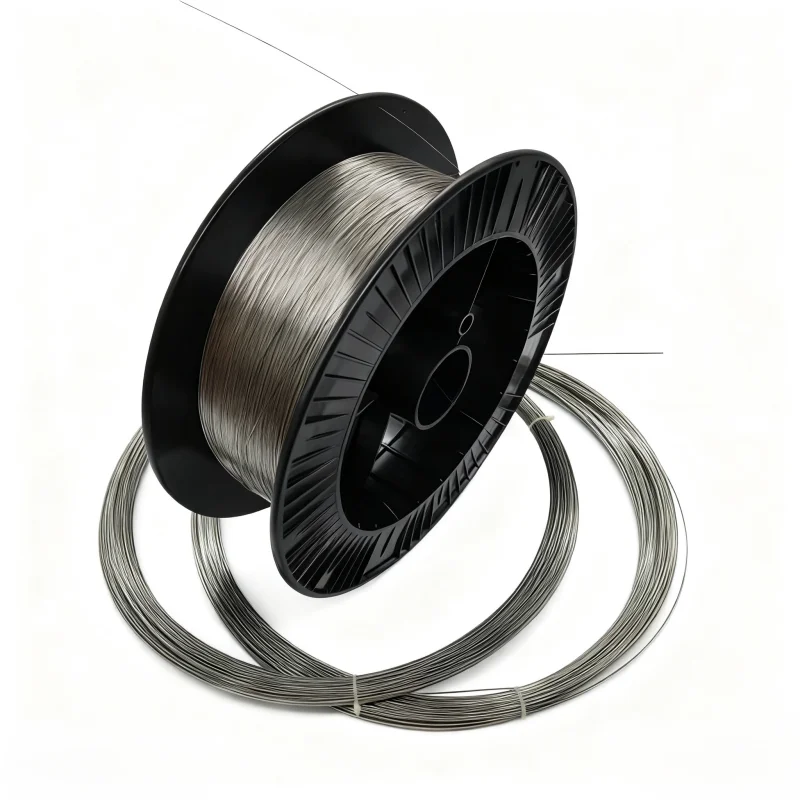
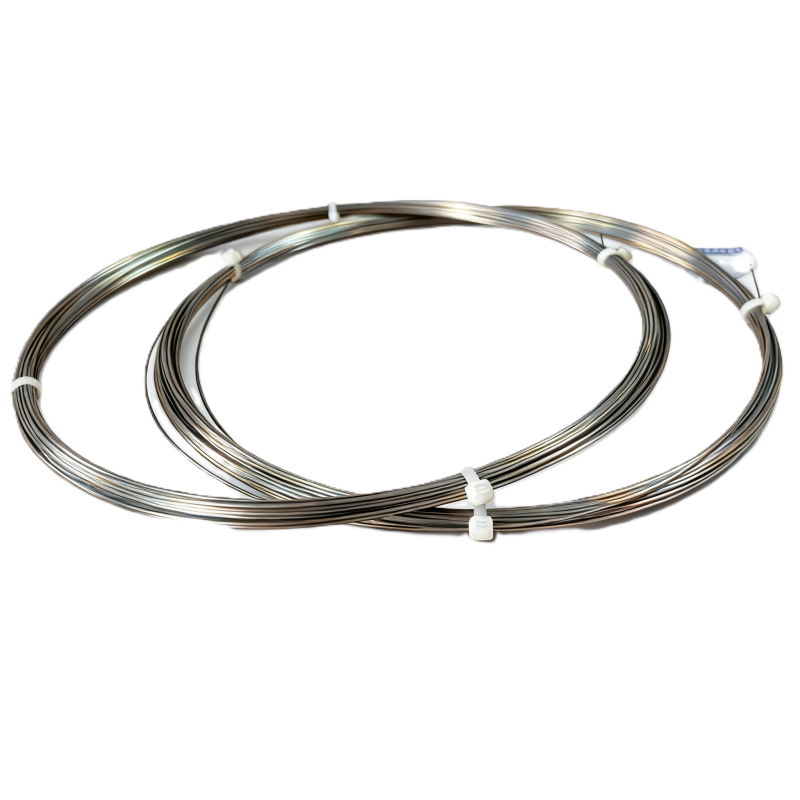
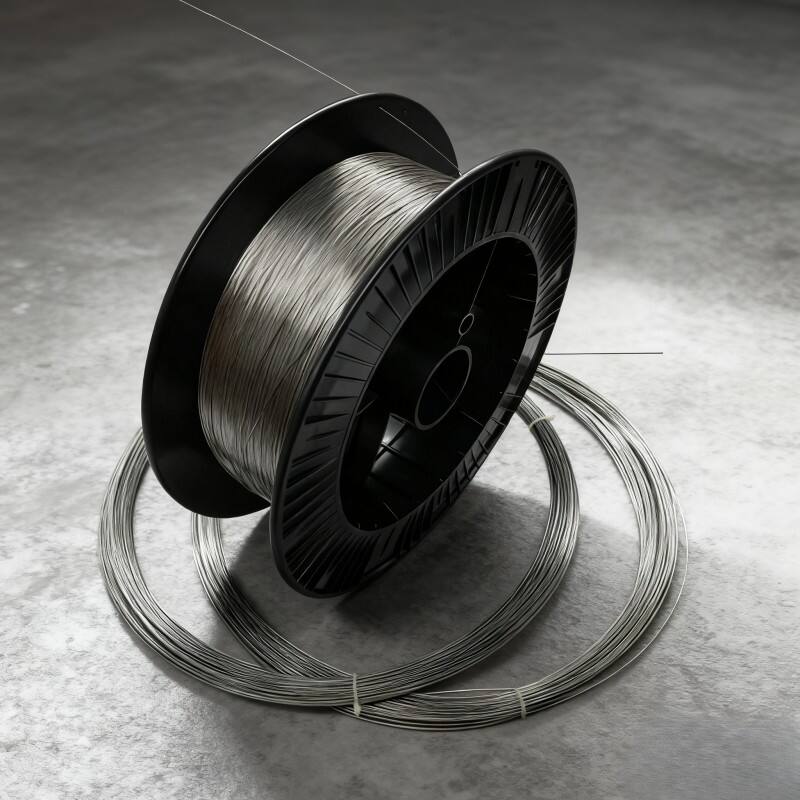
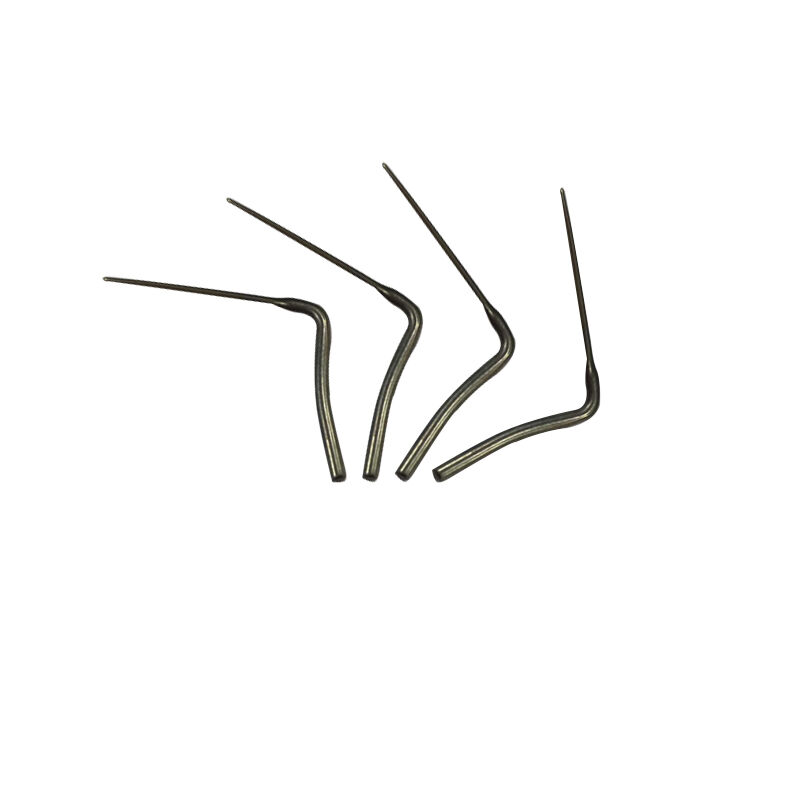
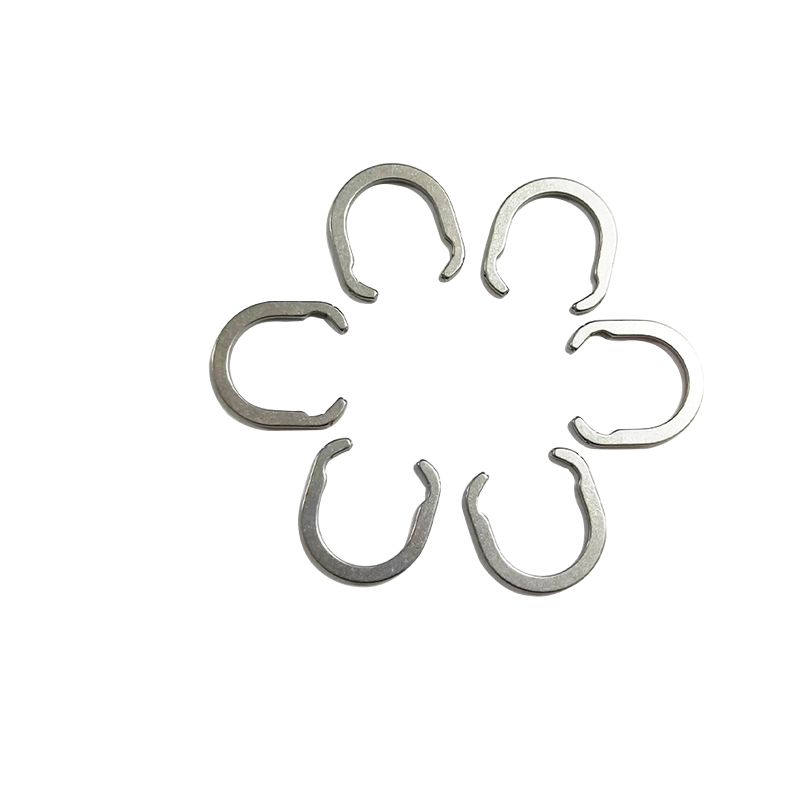
Shape memory smart materials offer unparalleled versatility in design integration, enabling engineers and designers to reimagine product possibilities across countless applications. The manufacturing advantages these materials provide streamline production processes while expanding creative potential. These materials can be processed through various conventional manufacturing techniques including casting, rolling, drawing, machining, and additive manufacturing, allowing seamless integration into existing production workflows. The ability to set shape memory properties after forming means manufacturers can create complex geometries through standard processes, then program the memory effect in a separate thermal treatment step. This flexibility supports both mass production and custom fabrication approaches. Miniaturization becomes achievable with shape memory smart materials, as their functionality scales effectively down to microscopic dimensions. Medical device manufacturers create tiny instruments that navigate through blood vessels in compressed form, then expand to functional size at the treatment site. Electronics manufacturers explore microscale actuators for camera autofocus systems and connector mechanisms. The compatibility of shape memory smart materials with composite structures allows hybrid designs that combine the best properties of multiple material systems. Engineers can embed shape memory components within fiber-reinforced polymers or metal matrices, creating structures that change stiffness, shape, or damping characteristics on demand. This integration capability proves valuable in aerospace and automotive sectors where weight optimization remains critical. Additive manufacturing technologies have embraced shape memory smart materials, enabling direct fabrication of complex actuator systems with integrated functionality. Three-dimensional printing of shape memory polymers allows designers to create intricate geometries impossible through traditional manufacturing, with different regions programmed for different transformation temperatures. The joining of shape memory smart materials to conventional materials proceeds through standard welding, brazing, adhesive bonding, or mechanical fastening methods, simplifying assembly processes. This compatibility means manufacturers need not completely retool production lines to incorporate these advanced materials. Surface treatments and coatings can be applied to shape memory smart materials to enhance specific properties such as wear resistance, biocompatibility, or aesthetic appearance without compromising the underlying shape memory functionality. Medical device manufacturers apply specialized coatings to improve tissue integration while maintaining the mechanical advantages of the base material. The forming and programming process for shape memory smart materials allows iterative design refinement. Prototypes can be created, tested, and reprogrammed multiple times during development, accelerating innovation cycles and reducing development costs. Designers experiment with different shape configurations and transformation temperatures to optimize performance before committing to production tooling. Quality control processes for shape memory smart materials have matured significantly, with standardized testing protocols ensuring consistent performance across production batches. Manufacturers can verify transformation temperatures, recovery forces, and cycling durability to guarantee products meet specifications. The economic scalability of shape memory smart materials has improved dramatically as production volumes have increased. While once considered exotic and expensive, common formulations now approach cost parity with premium conventional materials in many applications. As adoption expands and manufacturing expertise grows, prices continue trending downward, making these materials accessible for broader market segments. The environmental processing advantages include lower energy requirements compared to maintaining complex electromechanical systems, and the longevity of products made with shape memory smart materials reduces replacement frequency and associated environmental impacts.

 EN
EN