Shape Memory Alloys in Dentistry: Advanced Nitinol Solutions for Modern Dental Care

Get a Free Quote

Our representative will contact you soon.
Email
Name
Company Name
Message
0/1000

shape memory alloys in dentistry

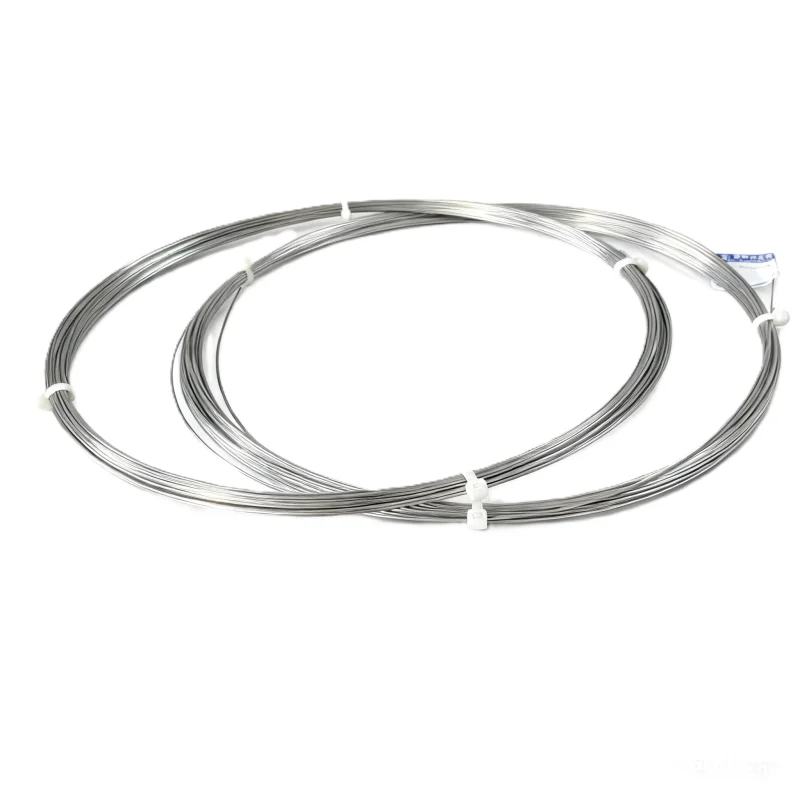
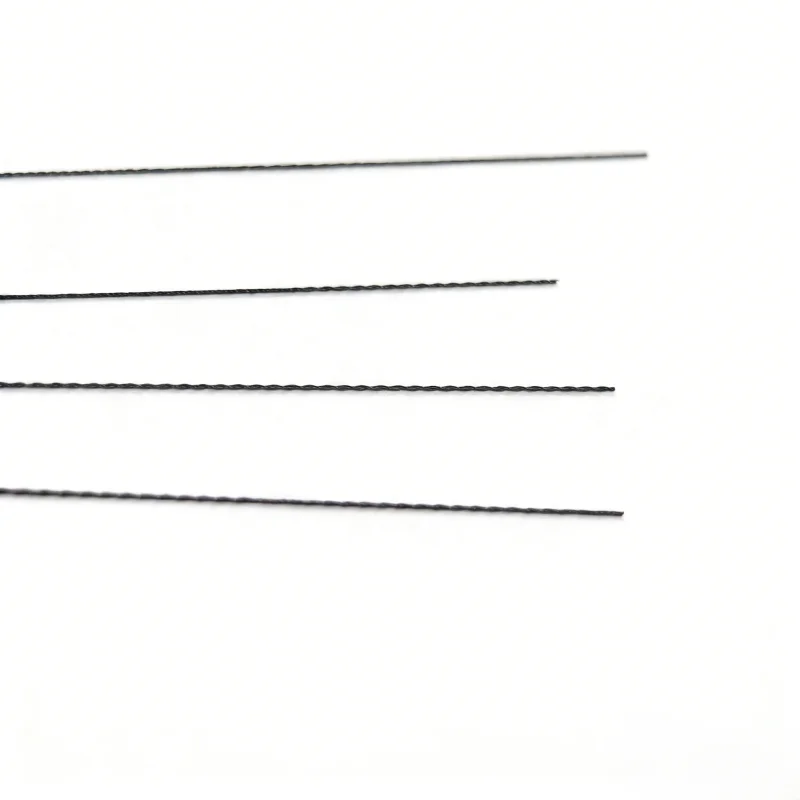
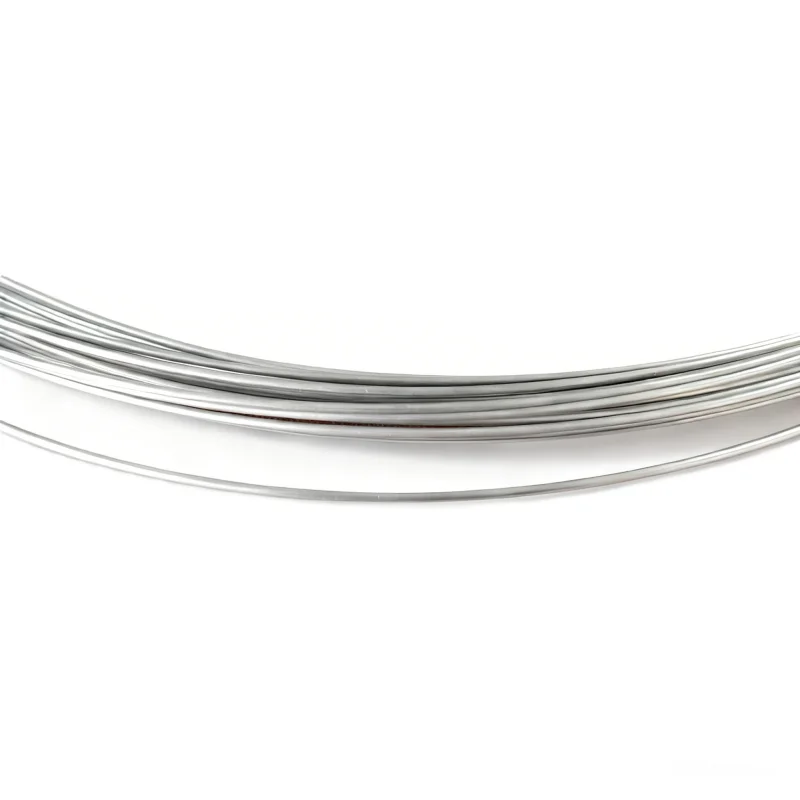
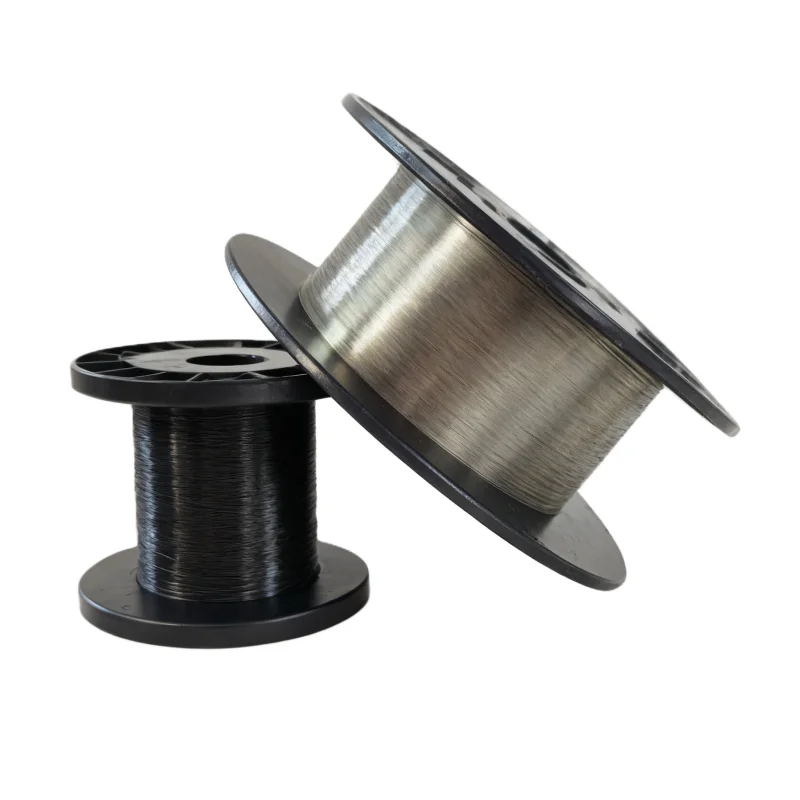
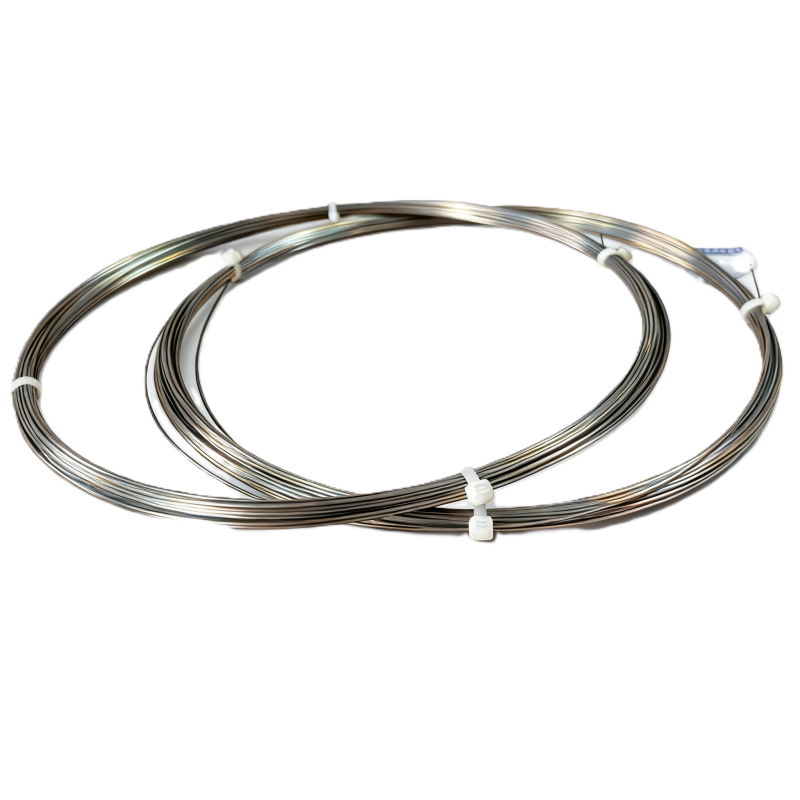
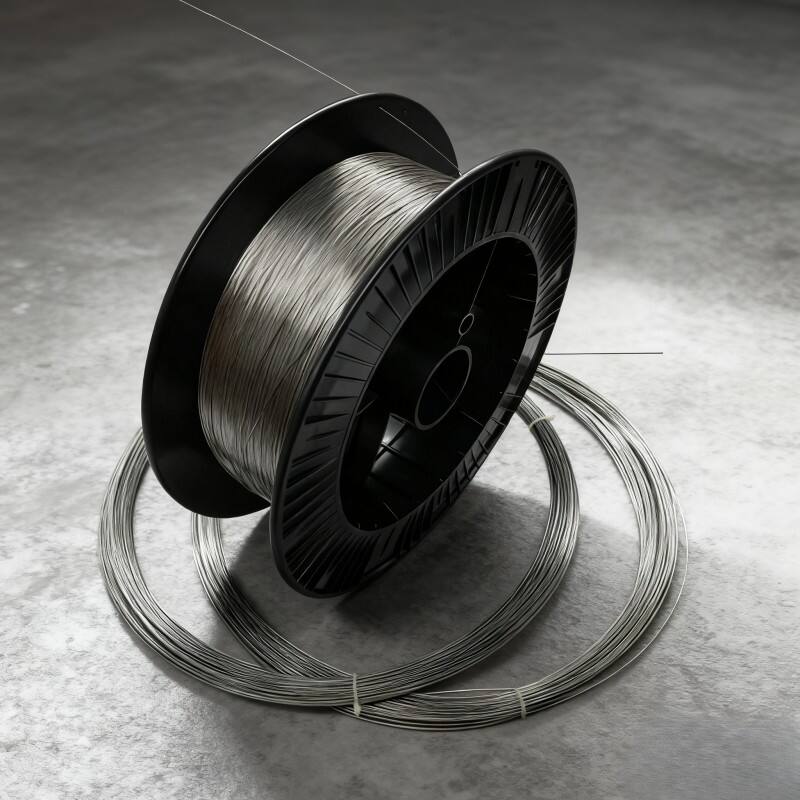
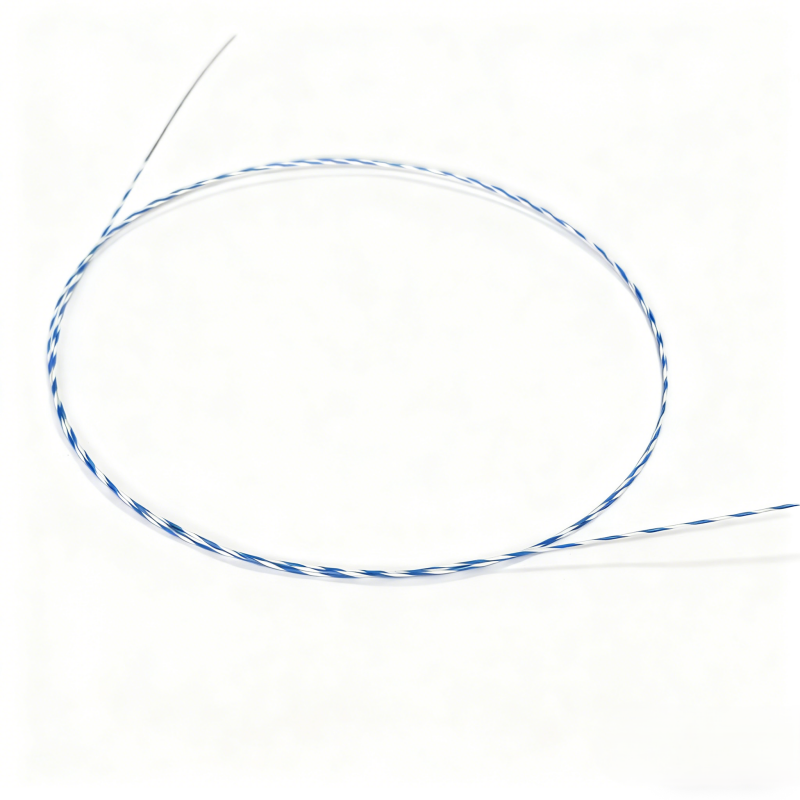
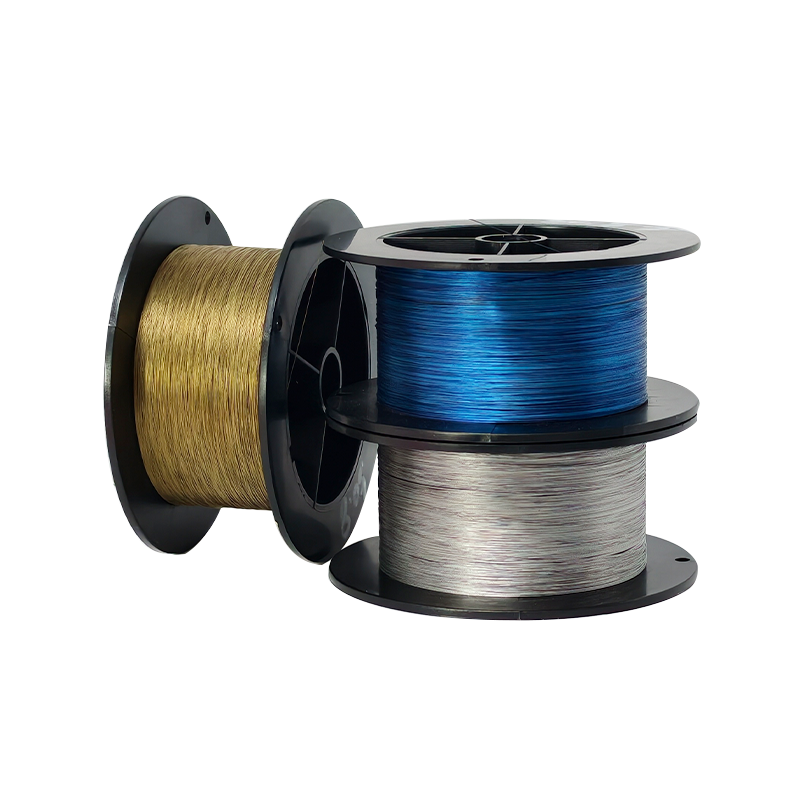
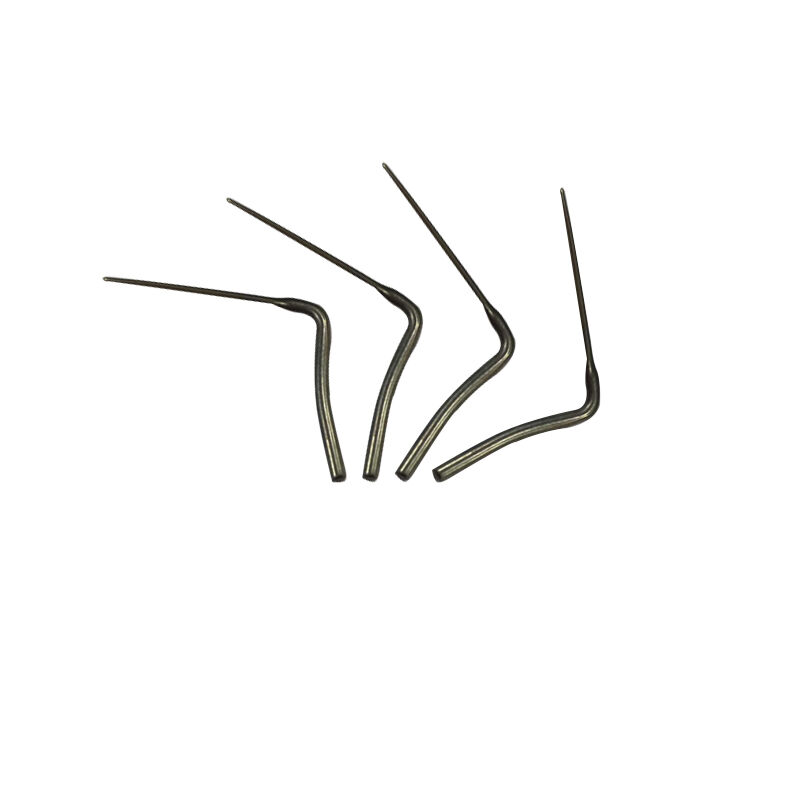
Shape memory alloys in dentistry represent one of the most significant material science breakthroughs to enter clinical practice in recent decades. These remarkable metallic materials possess the unique ability to return to a predetermined shape after being deformed, a property driven by temperature-induced phase transformations at the atomic level. In dental applications, the most widely used shape memory alloy is nickel-titanium, commonly known as Nitinol, which was first developed by the Naval Ordnance Laboratory in the 1960s and later adopted by the dental industry for its extraordinary mechanical properties. The core mechanism behind shape memory alloys in dentistry relies on two distinct crystalline phases: the high-temperature austenite phase and the low-temperature martensite phase. When the alloy is cooled, it transitions into the softer, more pliable martensite state, allowing clinicians to bend and manipulate instruments with ease. Upon warming to body temperature inside the oral cavity, the material reverts to its austenite phase, recovering its original shape and exerting controlled, continuous forces on surrounding tissues and structures. This thermally activated behavior is what makes shape memory alloys in dentistry so uniquely valuable compared to conventional stainless steel or other traditional dental materials. Beyond the shape memory effect, these alloys also exhibit superelasticity, sometimes called pseudoelasticity, which allows them to undergo large elastic deformations and spring back to their original form without permanent distortion. This property is especially critical in endodontic file systems, orthodontic archwires, and periodontal instruments where flexibility and resilience are paramount. Technologically, shape memory alloys in dentistry are engineered with precise transformation temperatures, corrosion resistance, and biocompatibility to meet the rigorous demands of the oral environment. Their applications span orthodontics, endodontics, prosthodontics, and oral surgery, making them a versatile and indispensable category of dental biomaterials that continues to evolve with ongoing research and clinical innovation.

New Product Releases

Shape memory alloys in dentistry deliver real, measurable benefits that make a genuine difference for both dental professionals and their patients. Understanding these advantages in plain terms helps clarify why so many clinics and specialists have made the switch from conventional materials to Nitinol-based instruments and devices. First, shape memory alloys in dentistry apply gentle, continuous forces rather than sharp, intermittent pressure. In orthodontic treatment, this means archwires made from these alloys keep working around the clock, nudging teeth into alignment with a steady, low-level force that the body responds to more favorably. Patients experience less discomfort compared to traditional stainless steel wires, and treatment timelines can be shortened because the biological response to light continuous force is more efficient than the response to heavy intermittent loads. Second, the flexibility of shape memory alloys in dentistry is a game changer for root canal procedures. Endodontic files made from Nitinol can navigate the sharp curves and complex anatomy of root canals without snapping or losing their shape. This dramatically reduces the risk of instrument fracture inside the canal, which is one of the most feared complications in endodontic practice. Clinicians can work faster and with greater confidence, and patients benefit from safer, more predictable outcomes. Third, shape memory alloys in dentistry are highly biocompatible. The nickel-titanium composition, when properly processed and finished, does not trigger significant allergic or toxic reactions in most patients. This makes these materials suitable for long-term use inside the body, whether as orthodontic components, endodontic instruments, or implant-related hardware. Fourth, the durability of shape memory alloys in dentistry means that instruments and devices last longer under clinical conditions. Superelastic Nitinol files and wires can be flexed repeatedly without fatigue failure, reducing replacement frequency and lowering overall costs for dental practices. Fifth, shape memory alloys in dentistry simplify clinical workflows. Because these materials are self-adapting, clinicians spend less time adjusting and readjusting appliances. An orthodontic wire placed at the start of treatment continues to deliver appropriate force as teeth move, requiring fewer activation appointments. This efficiency benefits both the practice schedule and the patient experience. Sixth, the precision engineering behind shape memory alloys in dentistry allows manufacturers to tailor transformation temperatures and mechanical properties to specific clinical needs. This customization means that the right alloy can be selected for the right application, whether that is a highly flexible file for a severely curved canal or a stiffer archwire for the finishing stages of orthodontic treatment. Taken together, these advantages explain why shape memory alloys in dentistry have become a standard of care across multiple dental specialties, trusted by clinicians worldwide for their reliability, safety, and clinical performance.

Practical Tips

Why do full-chain manufacturers provide a more stable supply of SMA wire?

14

May

Why do full-chain manufacturers provide a more stable supply of SMA wire?

In industrial and medical procurement, supply chain reliability is not a luxury — it is a fundamental requirement. When sourcing SMA wire, the type of manufacturer you partner with has a direct and measurable impact on delivery consistency, material ...
View More
Why do orthodontists prefer using orthodontic wire with shape memory?

15

May

Why do orthodontists prefer using orthodontic wire with shape memory?

In modern orthodontic practice, the materials used to move teeth are just as important as the clinical techniques applied. Among the many innovations that have transformed the field, orthodontic wire with shape memory stands out as one of the most cl...
View More
Why is Starspring's Nitinol metal at the forefront of the smart drive industry?

19

May

Why is Starspring's Nitinol metal at the forefront of the smart drive industry?

The smart drive industry is defined by its relentless demand for materials that can do more with less — components that respond intelligently to their environment, endure repeated mechanical cycles, and perform with precision in applications ranging ...
View More
How to identify high-quality Nitinol sources with a 21-year background?

01

Jun

How to identify high-quality Nitinol sources with a 21-year background?

Sourcing Nitinol for industrial, medical, or specialty applications is not a decision that should be made lightly. Nitinol, the nickel-titanium shape memory alloy renowned for its superelastic behavior and thermal responsiveness, demands a level of m...
View More

Get a Free Quote

Our representative will contact you soon.
Email
Name
Company Name
Message
0/1000

shape memory alloys in dentistry

Superelasticity That Protects Patients and Clinicians Alike

Superelasticity That Protects Patients and Clinicians Alike

One of the most compelling features of shape memory alloys in dentistry is their superelastic behavior, a property that sets them apart from every conventional dental material on the market. Superelasticity means that when a Nitinol instrument or appliance is deformed under stress, it does not permanently bend or break. Instead, it absorbs the deformation energy and releases it upon unloading, snapping back to its original geometry with remarkable precision. This is not simply a matter of being springy. The underlying physics involve a stress-induced phase transformation between austenite and martensite, which allows the material to accommodate strains of up to eight percent without plastic deformation. Compare this to stainless steel, which begins to permanently deform at strains well below one percent, and the clinical significance becomes immediately clear. In endodontics, superelastic shape memory alloys in dentistry have transformed the way root canals are treated. Root canal systems are rarely straight. They curve, bifurcate, and taper in ways that challenge even the most experienced clinician. Traditional stainless steel files would straighten these curves as they were inserted, creating ledges, perforations, and transportation errors that compromised the integrity of the canal and the success of the treatment. Nitinol files, by contrast, follow the natural path of the canal, bending and flexing without losing their cutting efficiency or their shape. The result is a cleaner, more centered preparation that preserves tooth structure and improves the seal achieved by root canal filling materials. For orthodontic patients, superelastic shape memory alloys in dentistry mean that archwires can be tied into severely misaligned teeth without generating the kind of excessive force that causes root resorption or patient discomfort. The wire deflects to accommodate the tooth position and then exerts a gentle, consistent return force that moves the tooth efficiently over time. This biological efficiency is not just about comfort. It is about achieving better clinical outcomes with less risk. Dental practices that invest in instruments and appliances made from superelastic shape memory alloys in dentistry are investing in a technology that reduces complications, improves patient satisfaction, and supports the kind of predictable results that build long-term practice reputation. The superelastic advantage is not incremental. It is transformational, and it represents one of the clearest reasons why shape memory alloys in dentistry have earned their place as a cornerstone material in modern clinical practice.
Temperature-Responsive Design That Works With the Human Body

Temperature-Responsive Design That Works With the Human Body

The shape memory effect in shape memory alloys in dentistry is not a passive property. It is an active, temperature-driven mechanism that turns body heat into a clinical tool. This is one of the most elegant examples of biomimetic engineering in modern dentistry, and it has profound practical implications for how dental devices are designed, placed, and used. When a Nitinol-based device is cooled below its transformation temperature, it enters the martensite phase and becomes soft and pliable. A clinician can bend it, compress it, or reshape it with minimal force. This makes placement straightforward, even in anatomically challenging situations. Once the device is positioned inside the oral cavity, the warmth of the surrounding tissues raises its temperature above the transformation threshold, triggering the transition back to the austenite phase. As the material recovers its programmed shape, it exerts a controlled force on the surrounding structures, whether that is a tooth being guided into alignment, a canal being shaped, or a stent being expanded to support a tissue. This temperature-responsive behavior is what makes shape memory alloys in dentistry so uniquely suited to biological environments. The oral cavity maintains a relatively stable temperature close to core body temperature, which means the transformation is reliable and repeatable. Manufacturers can engineer the transformation temperature of specific alloys to activate precisely within the physiological range, ensuring that the device performs as intended every time it is used. For patients, this translates into a more comfortable experience. Devices that activate gradually as they warm up generate forces that build smoothly rather than spiking abruptly. This gradual force application is gentler on periodontal ligaments, bone, and soft tissues, reducing post-procedure soreness and accelerating adaptation. For clinicians, the temperature-responsive nature of shape memory alloys in dentistry simplifies technique. Rather than relying on manual activation or mechanical adjustment, the material does the work autonomously once it reaches the right temperature. This reduces technique sensitivity, lowers the learning curve for new users, and makes outcomes more consistent across different operators and clinical settings. The integration of temperature-responsive shape memory alloys in dentistry into everyday clinical workflows represents a shift from passive material use to active material partnership, where the alloy itself becomes a participant in the treatment process.
Biocompatibility and Longevity That Support Long-Term Oral Health

Biocompatibility and Longevity That Support Long-Term Oral Health

When evaluating any material intended for use inside the human body, biocompatibility is not optional. It is the foundation upon which clinical trust is built. Shape memory alloys in dentistry, particularly those based on the nickel-titanium system, have been extensively studied for their biological safety, and the evidence consistently supports their use in long-term dental applications. The surface of Nitinol forms a stable titanium oxide layer that acts as a protective barrier between the bulk alloy and the surrounding biological environment. This oxide layer is chemically inert, resistant to corrosion in the ionic environment of saliva and tissue fluids, and does not release significant quantities of nickel ions under normal clinical conditions. This is a critical distinction, because nickel in its ionic form can be allergenic and cytotoxic. The passivating oxide layer of shape memory alloys in dentistry effectively contains the nickel within the alloy matrix, minimizing biological exposure and making the material safe for the vast majority of patients. Clinical studies and decades of real-world use have confirmed that shape memory alloys in dentistry do not provoke significant inflammatory responses, do not interfere with bone healing, and do not compromise the health of surrounding soft tissues when used as directed. This track record of safety is one of the reasons why regulatory bodies in major markets have approved Nitinol-based dental devices for clinical use, and why clinicians continue to rely on them with confidence. Beyond biocompatibility, the longevity of shape memory alloys in dentistry is a practical advantage that compounds over time. These materials resist corrosion, fatigue, and wear far better than many conventional alternatives. Endodontic files made from advanced Nitinol alloys can withstand more cycles of use before reaching the end of their service life, reducing the frequency of replacement and the associated costs. Orthodontic archwires maintain their mechanical properties throughout the course of treatment, delivering consistent force levels without degrading or losing their superelastic character. For dental practices, this durability translates directly into operational efficiency and cost savings. For patients, it means that the devices working inside their mouths remain effective and safe from the first appointment to the last. The combination of proven biocompatibility and exceptional longevity makes shape memory alloys in dentistry a material choice that supports both immediate clinical needs and long-term oral health outcomes, reinforcing their status as an essential component of contemporary dental care.
Shape Memory Alloys in Dentistry: Advanced Nitinol Solutions for Modern Dental Care

Get a Free Quote

Our representative will contact you soon.
Email
Name
Company Name
Message
0/1000
Newsletter
Please Leave A Message With Us