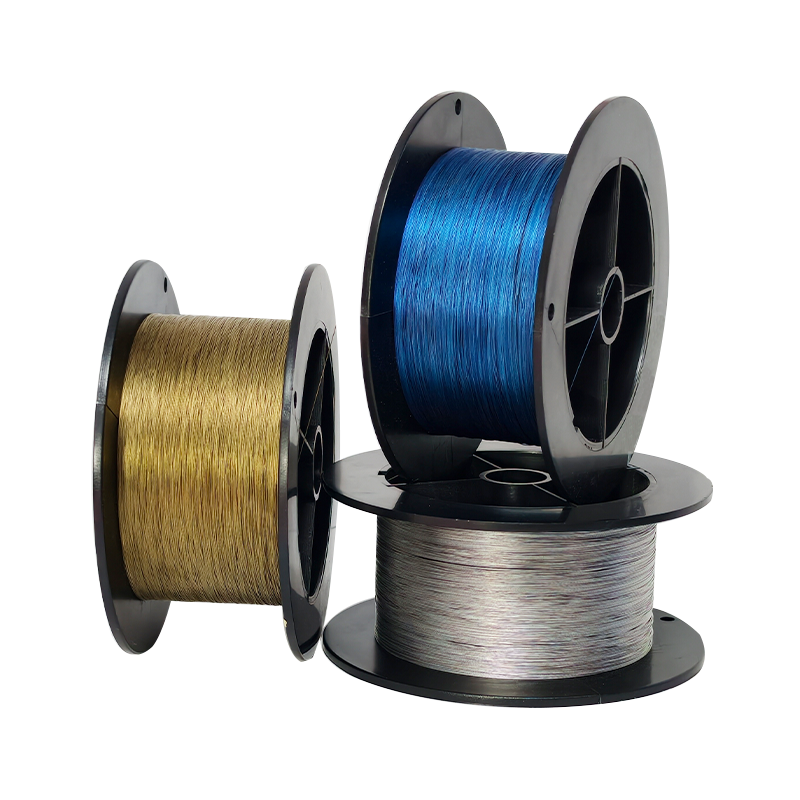
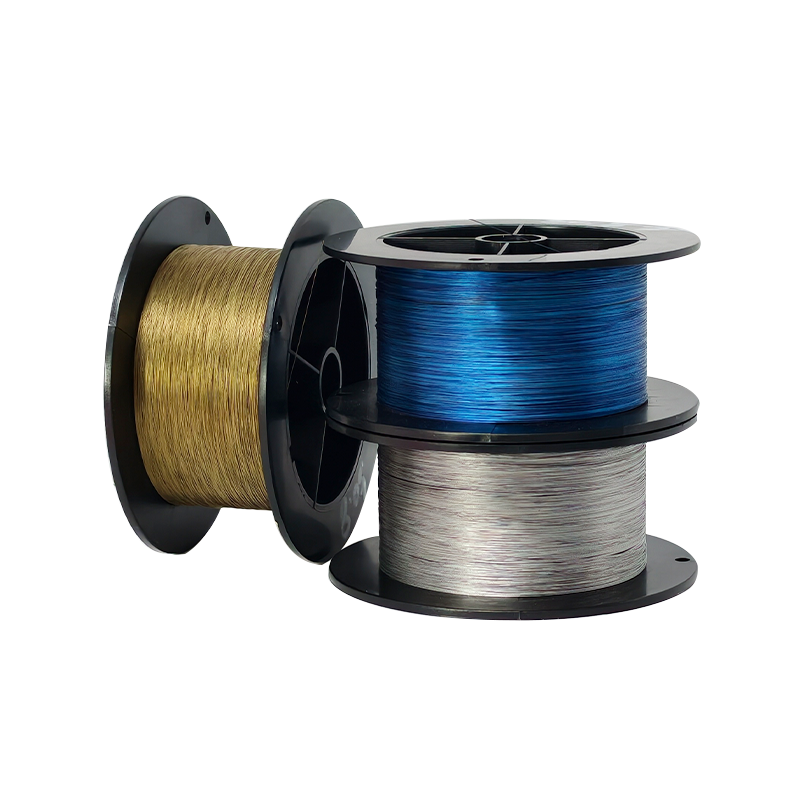
Smart Memory Alloy: Revolutionary Shape Memory Materials for Advanced Applications

Get a Free Quote

Our representative will contact you soon.
Email
Name
Company Name
Message
0/1000

smart memory alloy

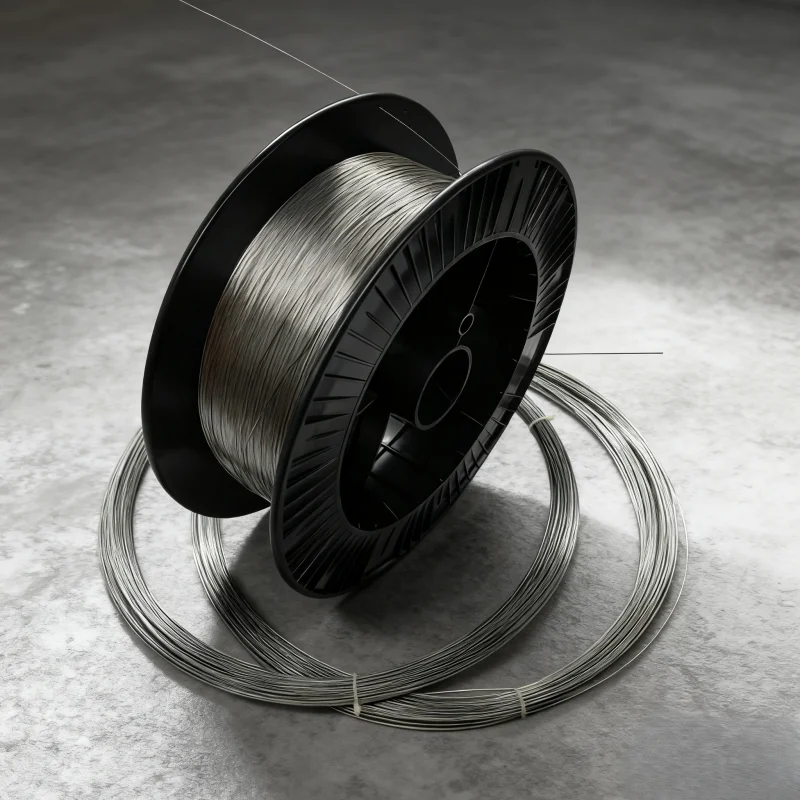
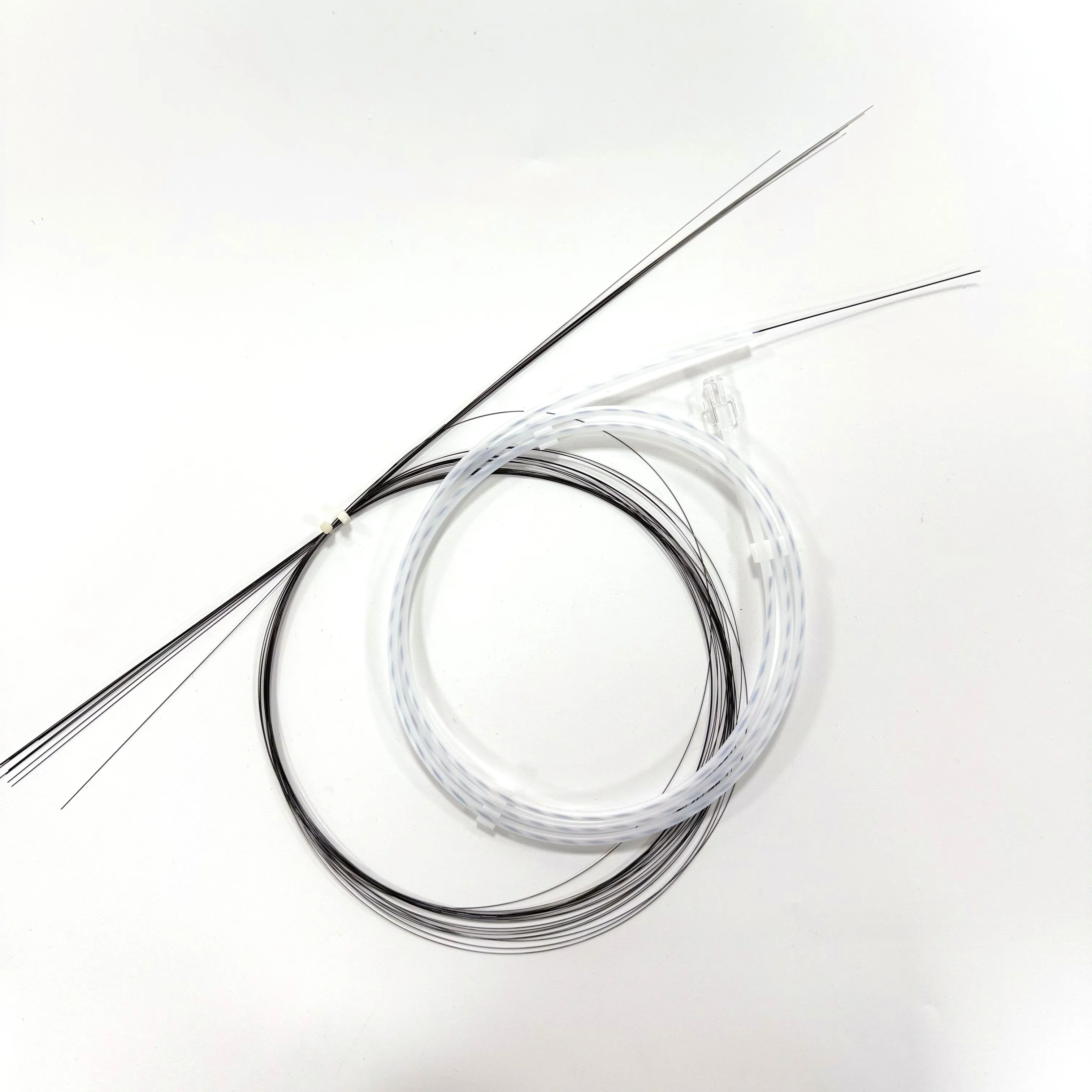
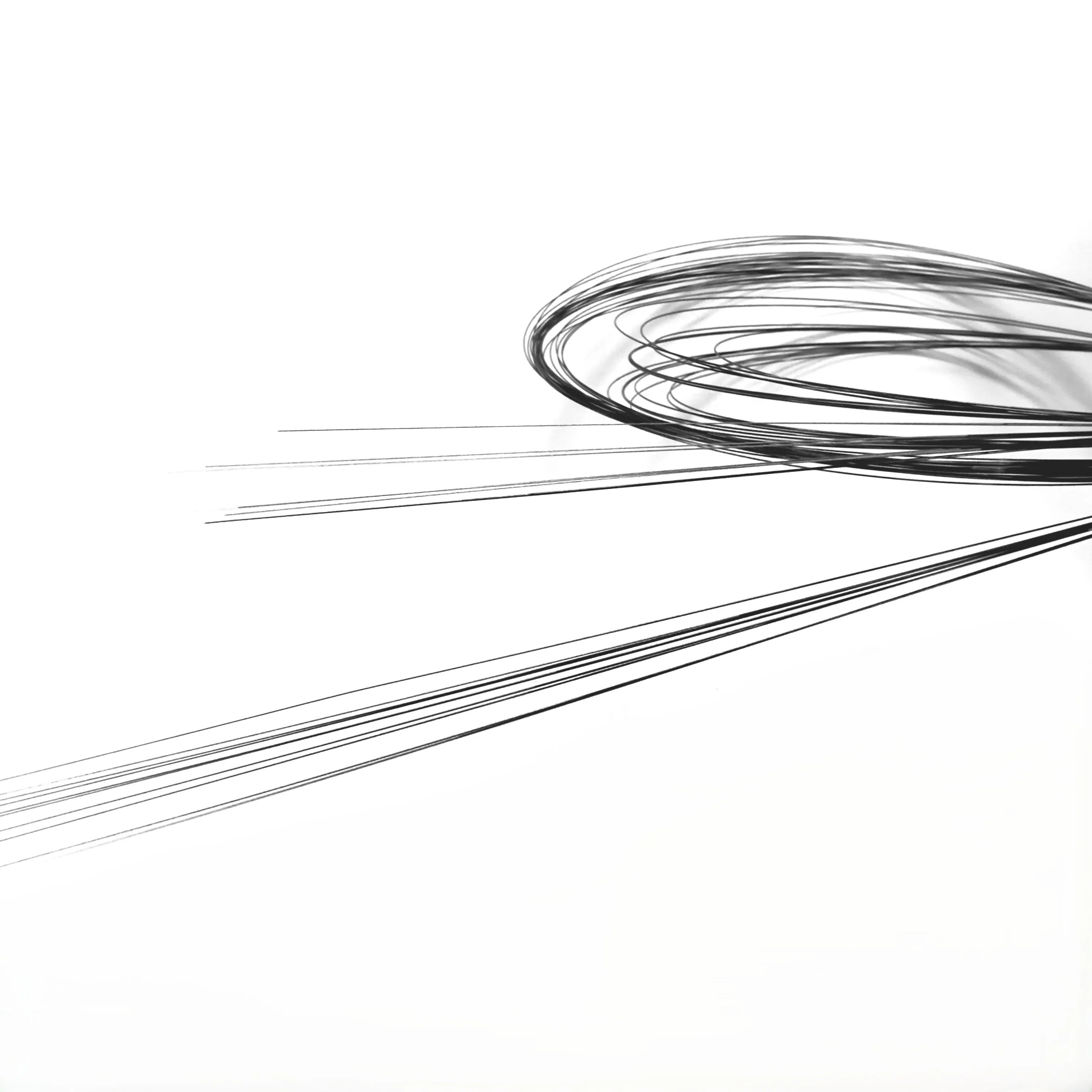
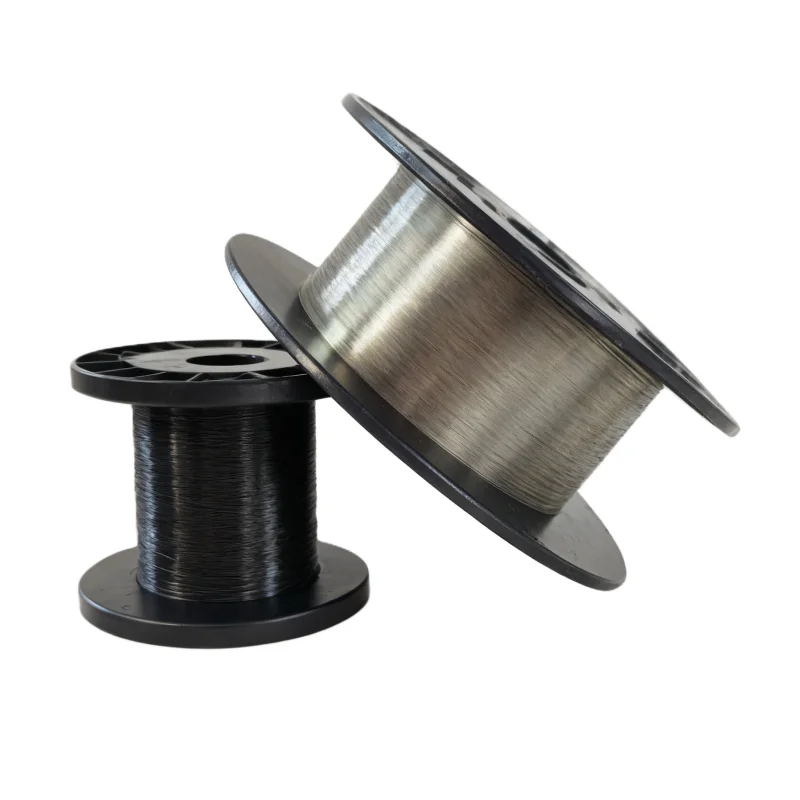
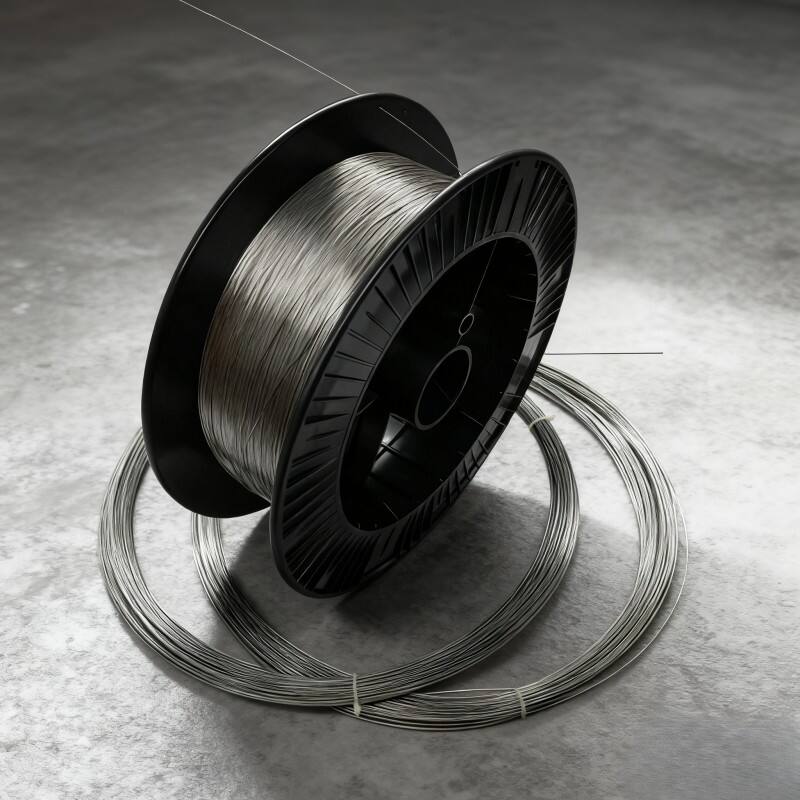
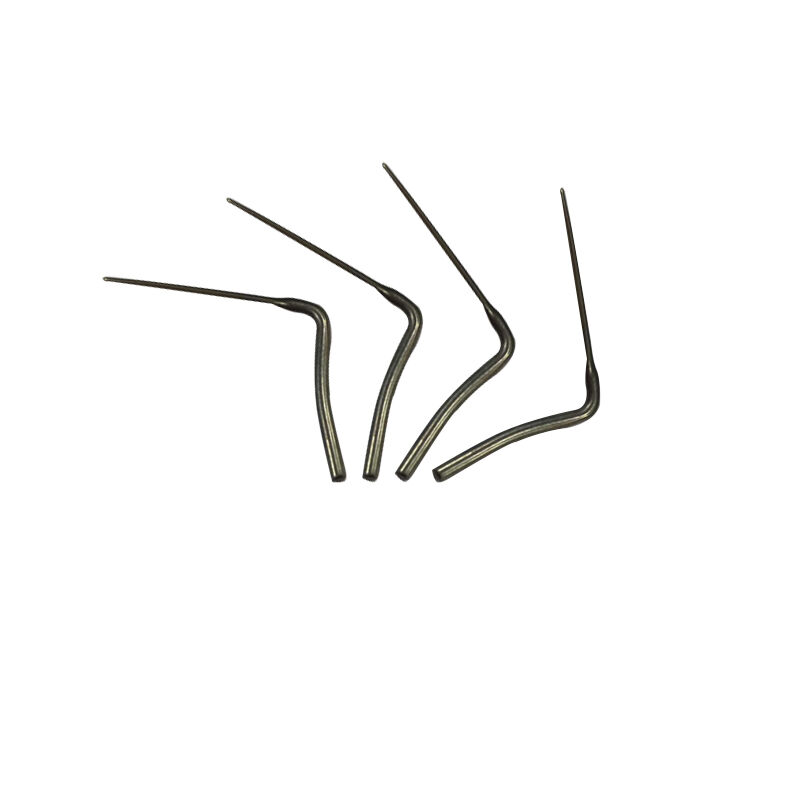
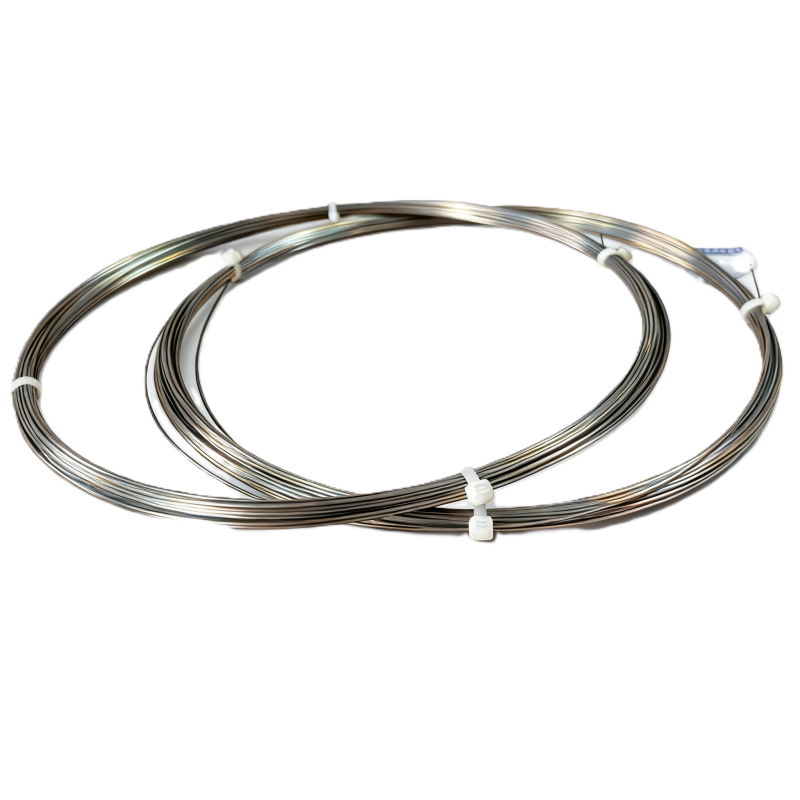
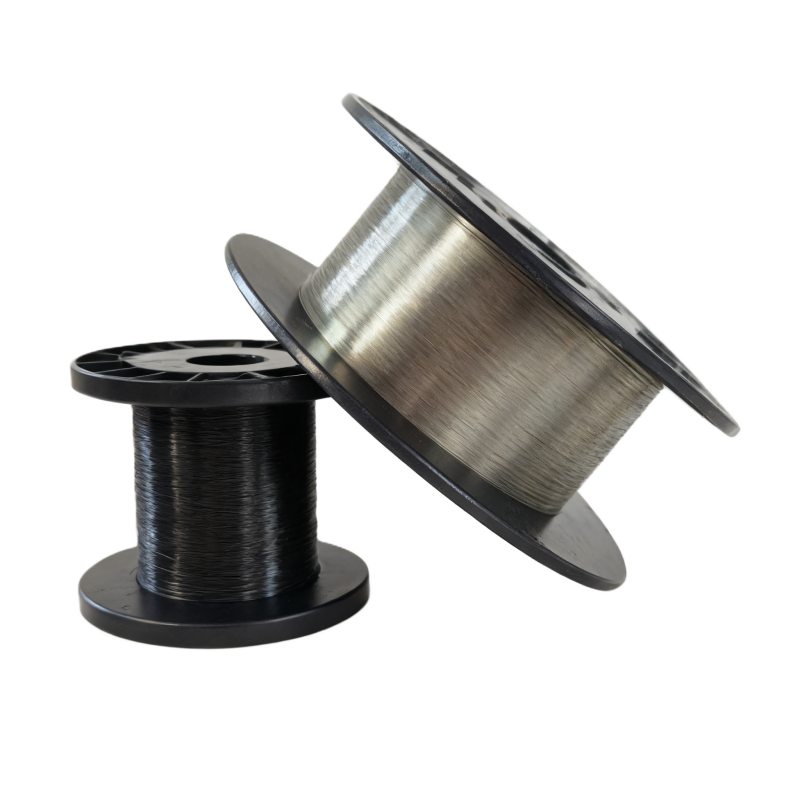
Smart memory alloy represents a revolutionary class of materials that possess the remarkable ability to remember and return to their original shape after deformation. These intelligent materials respond to external stimuli such as temperature changes, stress, or magnetic fields, making them invaluable across numerous industries. The primary function of smart memory alloy lies in its shape memory effect and superelasticity, which allow the material to undergo significant deformation and recover completely without permanent damage. This smart memory alloy technology has transformed engineering approaches in sectors ranging from aerospace to medical devices. The technological features of smart memory alloy include its ability to generate substantial force during shape recovery, typically returning to its predetermined form when heated above a specific transition temperature. This transformation occurs due to crystallographic phase changes within the material structure, shifting between austenite and martensite phases. The alloy exhibits exceptional fatigue resistance, enduring millions of cycles without degradation, which makes it superior to conventional materials in dynamic applications. Smart memory alloy applications span diverse fields including biomedical implants, actuators, robotics, automotive components, and consumer electronics. In medical applications, the smart memory alloy adapts to body temperature, enabling minimally invasive procedures through catheter-based delivery systems. The aerospace industry utilizes this technology for morphing wing structures and deployable mechanisms. The automotive sector benefits from smart memory alloy in climate control systems and safety features. Consumer products incorporate these materials in eyeglass frames that resist bending and cellular phone antennas that deploy automatically. The combination of lightweight properties, biocompatibility, corrosion resistance, and programmable behavior positions smart memory alloy as a game-changing material for modern engineering challenges.

New Product Recommendations

The advantages of smart memory alloy extend far beyond traditional material capabilities, offering practical benefits that directly impact product performance and customer satisfaction. First and foremost, these materials deliver exceptional durability that translates into longer product lifespans and reduced maintenance costs. Unlike conventional metals that permanently deform under stress, smart memory alloy springs back to its original configuration, eliminating the need for frequent replacements. This resilience means products last significantly longer, saving customers money over time while reducing waste and environmental impact. The self-healing characteristic of smart memory alloy provides tremendous value in applications where reliability is critical. Imagine a product that fixes itself automatically when exposed to the right conditions, returning to perfect working order without human intervention. This autonomous recovery eliminates downtime and service calls, making it ideal for remote or inaccessible installations where repairs would be costly or impossible. The material operates silently and smoothly, without the noise and vibration associated with traditional mechanical systems, enhancing user comfort and satisfaction. Smart memory alloy components are remarkably compact and lightweight, allowing designers to create sleeker, more portable products without sacrificing functionality. This weight reduction proves especially valuable in transportation applications, where every gram saved improves fuel efficiency and performance. The material requires no external power source during shape recovery in thermally activated applications, simply using ambient or waste heat to function. This energy efficiency reduces operating costs and supports sustainability goals. The biocompatibility of certain smart memory alloy compositions makes them perfectly safe for medical implants and devices that contact human tissue. Patients benefit from less invasive procedures, faster recovery times, and reduced complications compared to traditional surgical methods. The corrosion resistance ensures consistent performance across varied environments, from saltwater exposure to chemical processing facilities. Smart memory alloy adapts automatically to changing conditions, providing intelligent responses without complex control systems or sensors. This inherent intelligence simplifies product design, reduces component counts, and improves reliability by eliminating potential failure points. Manufacturing flexibility allows these materials to be formed into intricate shapes and configurations impossible with standard materials, enabling innovative product designs that differentiate brands in competitive markets. The predictable and repeatable behavior of smart memory alloy ensures consistent product quality and performance across production runs. Customers receive reliable products that perform as expected throughout their operational life, building brand trust and loyalty while reducing warranty claims and support costs.

Practical Tips

Why do orthodontists prefer using orthodontic wire with shape memory?

15

May

Why do orthodontists prefer using orthodontic wire with shape memory?

In modern orthodontic practice, the materials used to move teeth are just as important as the clinical techniques applied. Among the many innovations that have transformed the field, orthodontic wire with shape memory stands out as one of the most cl...
View More
Why do full-process manufacturers provide higher performance Nitinol SMA?

20

May

Why do full-process manufacturers provide higher performance Nitinol SMA?

When engineers and procurement specialists evaluate materials for high-precision medical devices, aerospace components, or advanced actuator systems, the source of the material matters as much as the material itself. Nitinol SMA — the nickel-titanium...
View More
Why is a brand with a 5,000m² factory more professional in Nitinol customization?

22

May

Why is a brand with a 5,000m² factory more professional in Nitinol customization?

When sourcing advanced shape memory alloys for medical devices, aerospace components, or industrial actuators, the manufacturing environment behind a supplier tells you far more than a product catalog ever could. Nitinol customization is a precision-...
View More
Why should you prioritize the manufacturer's R&D center when choosing partners?

02

Jun

Why should you prioritize the manufacturer's R&D center when choosing partners?

When evaluating potential manufacturing partners, most procurement teams focus on price, lead time, and production capacity. These are legitimate criteria, but they often overlook one of the most telling indicators of long-term value: the strength an...
View More

Get a Free Quote

Our representative will contact you soon.
Email
Name
Company Name
Message
0/1000

smart memory alloy

Revolutionary Shape Memory Effect Transforms Product Reliability

Revolutionary Shape Memory Effect Transforms Product Reliability

The shape memory effect stands as the most distinctive and valuable characteristic of smart memory alloy, fundamentally changing how products respond to stress and deformation. This extraordinary property allows the material to remember a specific shape programmed during manufacturing and return to that exact configuration when triggered by temperature changes or stress removal. Understanding this capability helps customers appreciate why smart memory alloy outperforms traditional materials in demanding applications. When the alloy undergoes deformation at lower temperatures, the internal crystal structure shifts to a martensite phase that accommodates the new shape. However, this change remains temporary rather than permanent. Upon heating above the transformation temperature, the crystal structure converts to austenite phase, driving the material back to its memorized shape with considerable force. This recovery generates enough power to perform mechanical work, making smart memory alloy function as both structural component and actuator simultaneously. The practical implications of this shape memory effect prove remarkable across countless applications. Medical stents made from smart memory alloy compress into tiny delivery catheters for insertion through blood vessels, then expand to full size when reaching body temperature, holding arteries open without external mechanisms. Eyeglass frames bent out of shape during daily wear simply require brief exposure to warm water to restore their original form, extending product life indefinitely. Aerospace components utilize this property for deployable structures that launch in compact configurations and unfold in space, eliminating complex mechanical deployment systems that add weight and failure points. The reliability of the shape memory effect ensures consistent performance across millions of cycles, with the smart memory alloy maintaining its programmed shape memory throughout its operational life. This fatigue resistance surpasses conventional materials that gradually weaken and fail under repeated stress. Temperature control provides precise activation, allowing designers to select specific transformation points matching application requirements, from just above freezing to several hundred degrees. The force generated during shape recovery enables smart memory alloy components to perform work traditionally requiring motors, solenoids, or hydraulic systems, simplifying product architecture while improving reliability. Customers benefit from products that maintain optimal performance throughout their lifespan, resisting the wear and degradation that plague traditional materials, ultimately delivering superior value through extended service life and reduced maintenance requirements.
Superelasticity Delivers Unmatched Flexibility and Durability

Superelasticity Delivers Unmatched Flexibility and Durability

Superelasticity represents another groundbreaking property of smart memory alloy that revolutionizes product design and performance in ways traditional materials cannot match. This characteristic enables the alloy to undergo enormous elastic deformations, stretching up to eight percent strain compared to less than one percent for conventional metals, then recover completely upon stress removal without heat activation. The superelastic behavior occurs through stress-induced transformation between crystal phases, allowing the smart memory alloy to absorb and dissipate energy while maintaining structural integrity. This exceptional flexibility creates opportunities for innovative product designs that would fail immediately with standard materials. The practical advantages of superelasticity become immediately apparent in real-world applications where products face repeated bending, twisting, or impact forces. Cellular phone antennas manufactured from smart memory alloy flex dramatically without breaking or losing their tuned properties, surviving drops and impacts that would snap conventional antenna materials. Orthodontic archwires made from superelastic smart memory alloy apply consistent, gentle forces to teeth throughout treatment, eliminating the discomfort caused by traditional stainless steel wires that require frequent adjustments. Sporting goods incorporating this technology absorb impact energy and return to shape instantly, providing responsive performance that enhances athletic achievement. The energy damping characteristics of superelastic smart memory alloy make it ideal for vibration control in structures and machinery, where the material converts kinetic energy into heat during phase transformation, reducing destructive resonances without complex damping systems. Automotive suspension components benefit from this natural damping, improving ride comfort and handling while simplifying vehicle design. The combination of flexibility and strength allows products to withstand abuse that would destroy alternatives, dramatically reducing failure rates and warranty claims. Customers experience products that bend rather than break, flexing under stress and bouncing back ready for continued service. This resilience proves especially valuable in harsh operating environments where equipment faces constant mechanical stress, temperature extremes, and corrosive conditions. The superelastic property of smart memory alloy eliminates the permanent set that plagues spring materials, ensuring components maintain their designed characteristics throughout countless loading cycles. Designers gain freedom to create thinner, lighter products without sacrificing durability, as the exceptional strain capacity of smart memory alloy compensates for reduced cross-sections. Manufacturing processes benefit from the material's formability, allowing complex shapes to be created and then set through heat treatment, expanding design possibilities beyond what conventional fabrication methods permit with traditional alloys.
Biocompatibility Opens Revolutionary Medical Applications

Biocompatibility Opens Revolutionary Medical Applications

The biocompatibility of smart memory alloy compositions, particularly nickel-titanium formulations known as Nitinol, has opened revolutionary possibilities in medical device development and patient care. This crucial property means the material coexists harmoniously with human tissue without triggering adverse immune responses, inflammation, or toxicity that would compromise patient safety. The exceptional corrosion resistance of smart memory alloy in bodily fluids ensures long-term stability and performance within the challenging physiological environment. Medical professionals and patients benefit tremendously from devices that leverage both the biocompatibility and unique mechanical properties of smart memory alloy. Cardiovascular stents represent perhaps the most significant application, with millions of patients worldwide receiving these life-saving devices annually. The smart memory alloy stent compresses to a fraction of its expanded size for catheter delivery through arteries, then self-expands when positioned correctly, conforming to vessel walls while maintaining radial force that keeps blood flowing freely. The superelasticity prevents stent fracture despite the constant flexing from heartbeats and body movement, while the corrosion resistance ensures decades of reliable performance. Orthopedic implants made from smart memory alloy adapt to bone structure through their shape memory properties, promoting better integration and healing outcomes compared to rigid traditional implants. Spinal correction devices utilize the gentle, constant forces possible with superelastic smart memory alloy wires, gradually adjusting vertebral alignment with less trauma than conventional surgical hardware. Surgical instruments incorporating this technology enable minimally invasive procedures that reduce patient trauma, shorten recovery times, and lower healthcare costs. Guidewires made from smart memory alloy navigate tortuous blood vessels with exceptional flexibility yet maintain the column strength needed to deliver catheters to treatment sites. The kink resistance prevents the wire failures that complicate procedures with conventional materials. Dental applications extend beyond orthodontics to include endodontic files that flex through curved root canals without breaking, and periodontal instruments that adapt to tooth contours for effective yet gentle cleaning. The smart memory alloy material maintains sharp cutting edges longer than stainless steel alternatives while resisting the corrosion from sterilization cycles that degrades traditional instruments. Research continues expanding biomedical applications of smart memory alloy, exploring drug delivery systems that release medications in response to body temperature changes, and tissue engineering scaffolds that provide mechanical support matching natural tissue properties. The infection resistance of properly passivated smart memory alloy surfaces reduces complications in implanted devices, while the MRI compatibility of certain compositions allows patients to undergo diagnostic imaging without device removal or interference. Patients receive more effective treatments with fewer complications, shorter hospital stays, and faster returns to normal activities, while healthcare providers benefit from devices that simplify procedures and improve outcomes, ultimately reducing overall treatment costs despite potentially higher initial device expenses.
Smart Memory Alloy: Revolutionary Shape Memory Materials for Advanced Applications

Get a Free Quote

Our representative will contact you soon.
Email
Name
Company Name
Message
0/1000
Newsletter
Please Leave A Message With Us