Shape Memory Alloy Materials: Advanced Smart Materials for Innovation Across Industries

Get a Free Quote

Our representative will contact you soon.
Email
Name
Company Name
Message
0/1000

shape memory alloy materials

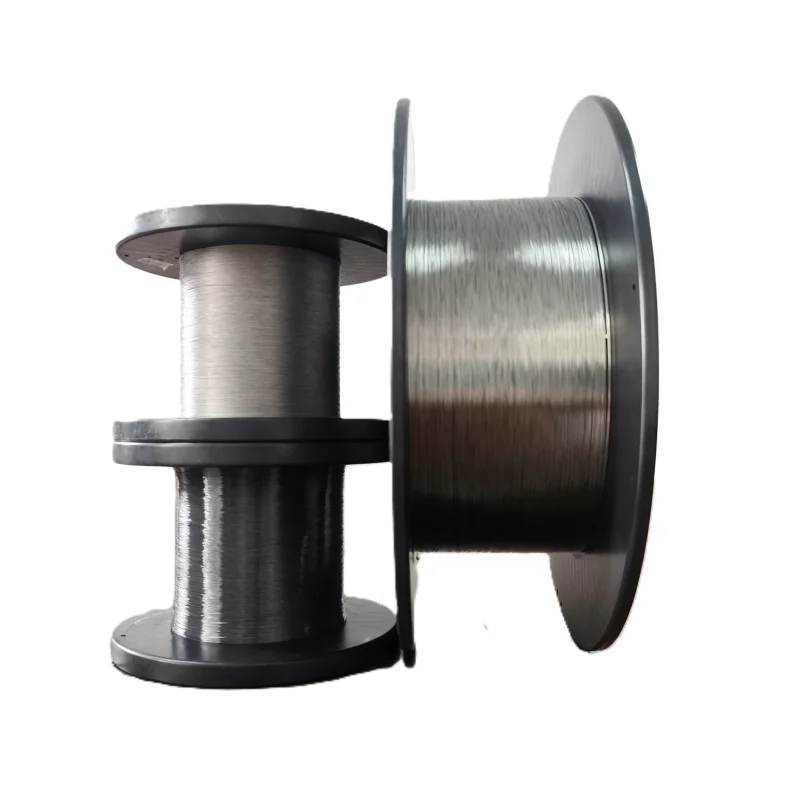
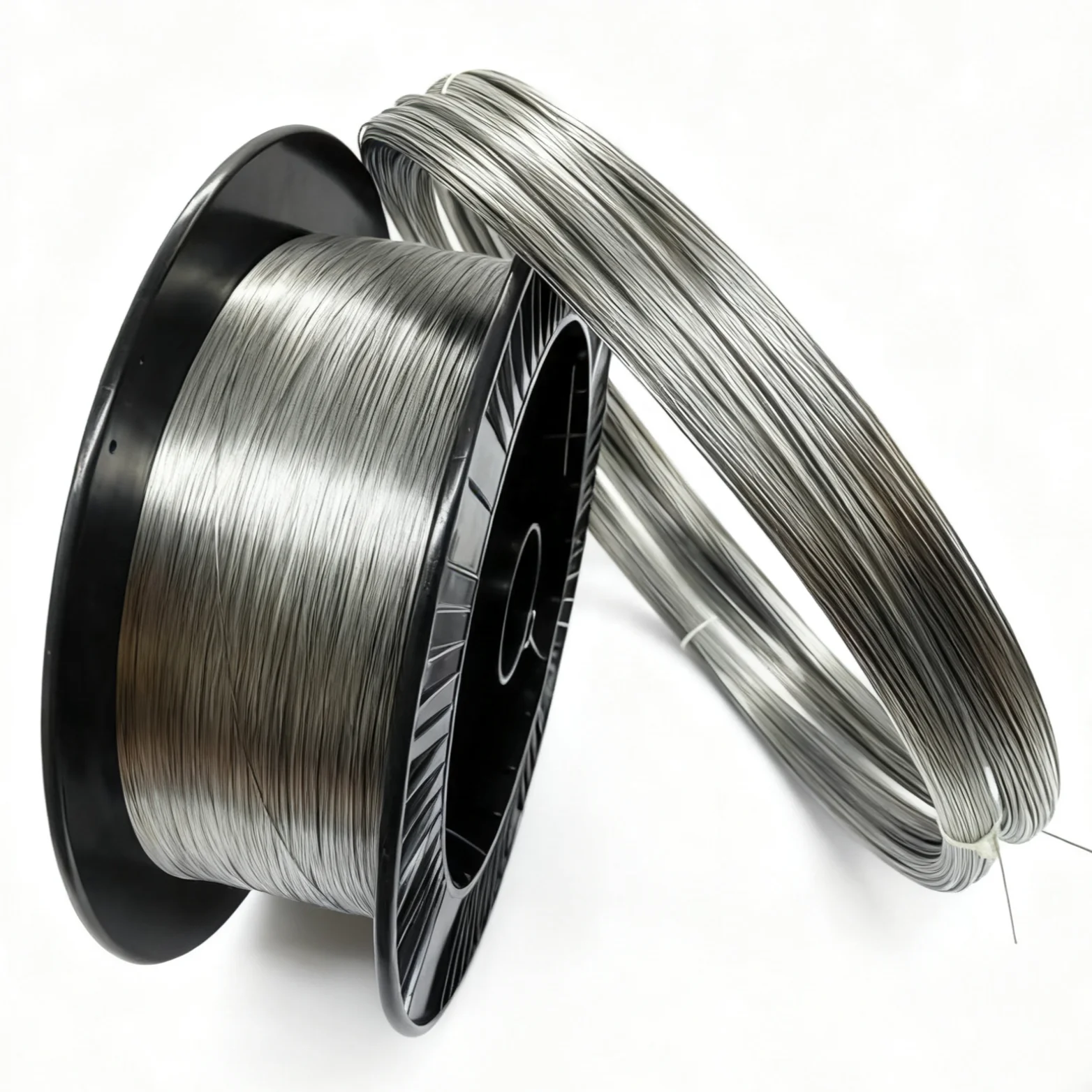
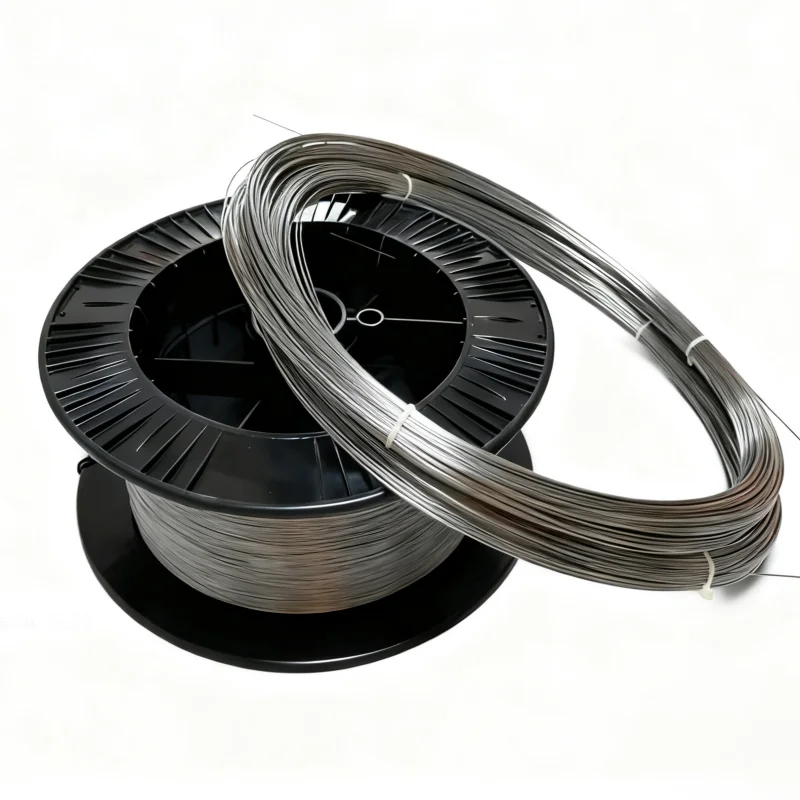
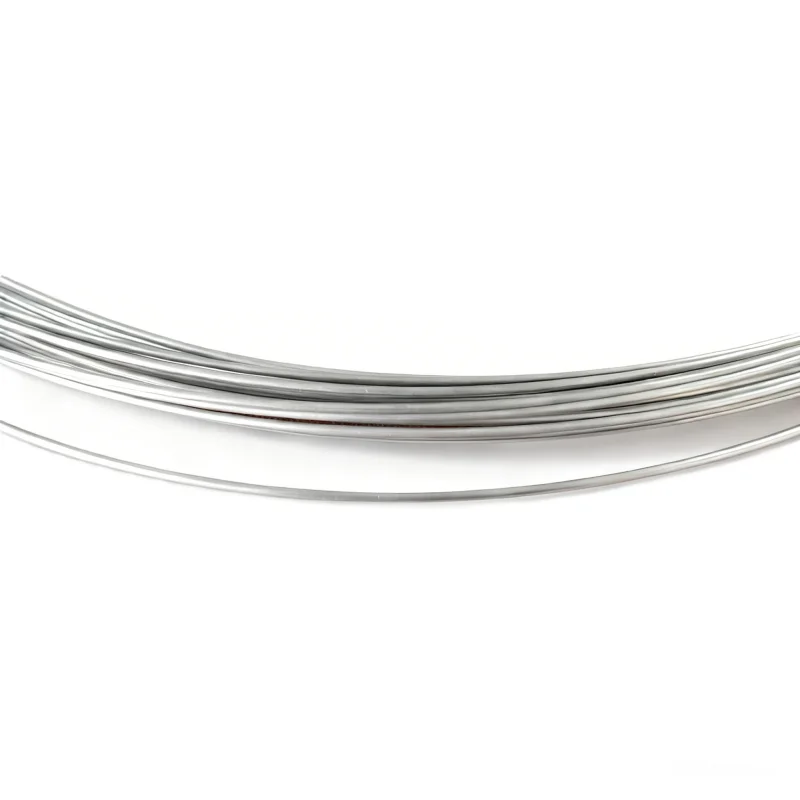
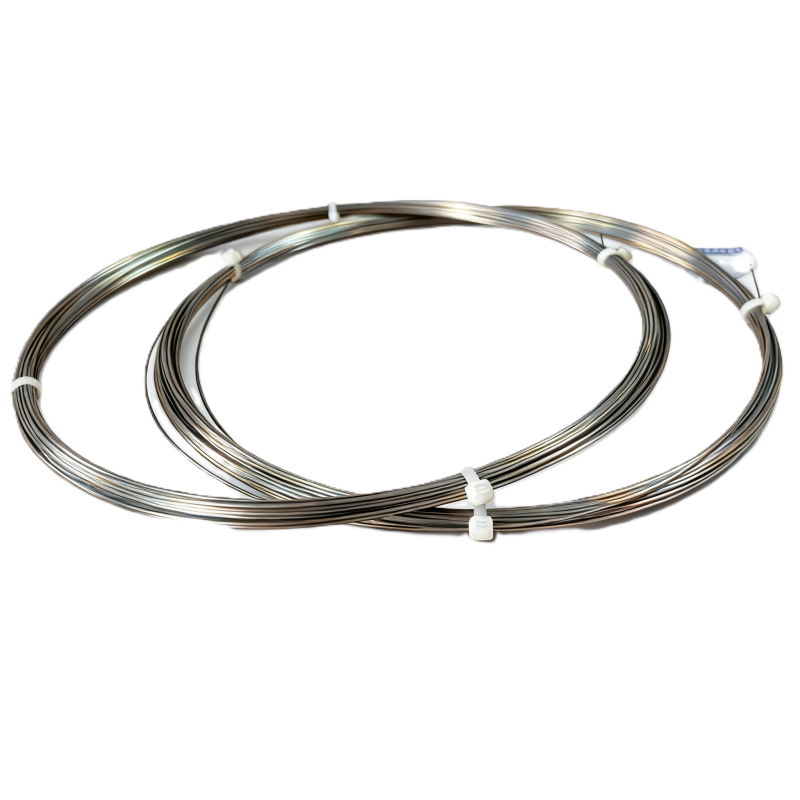
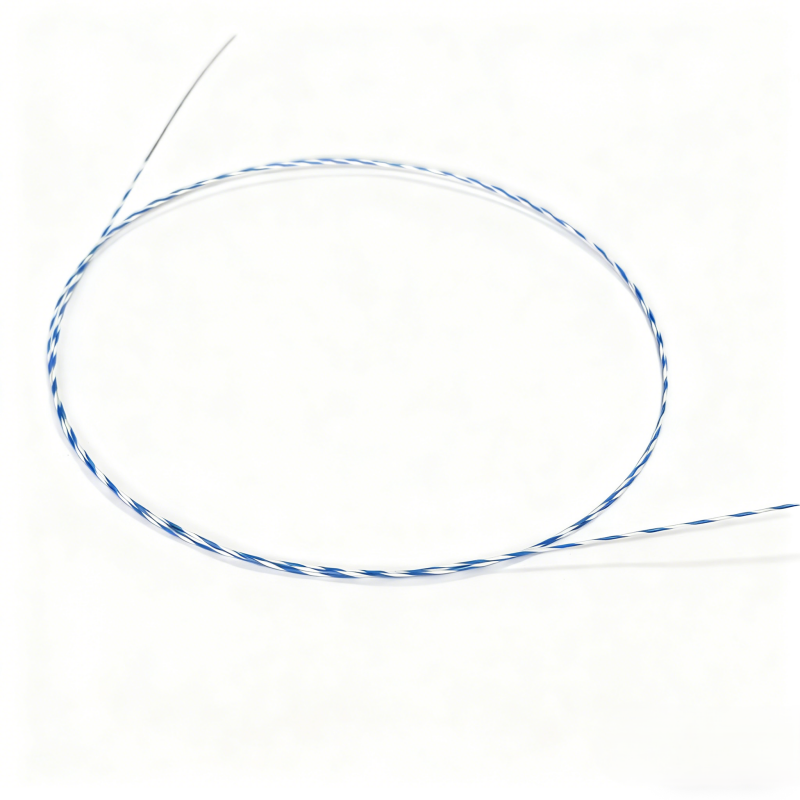
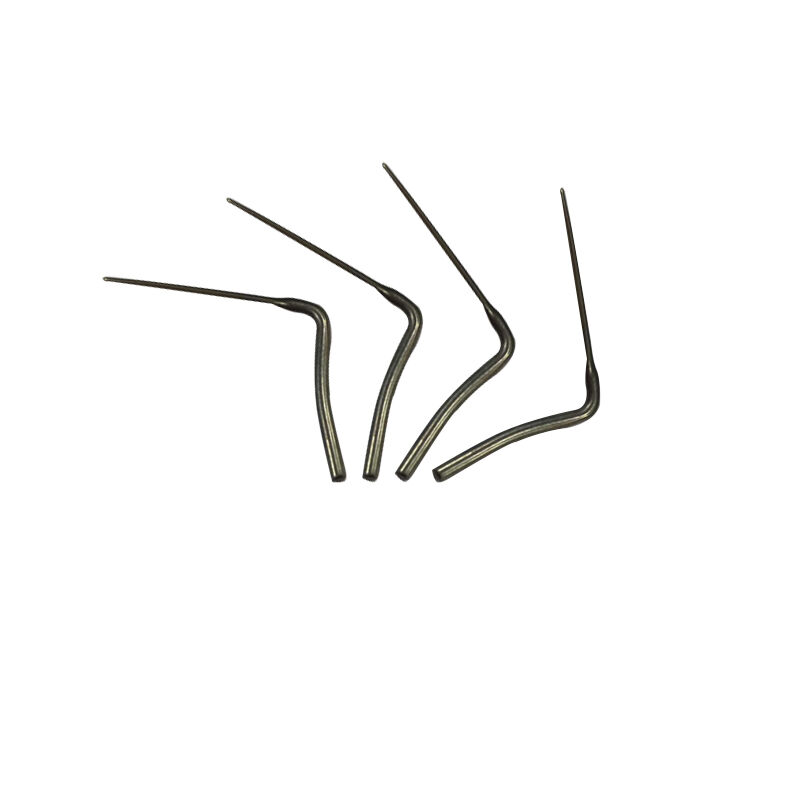
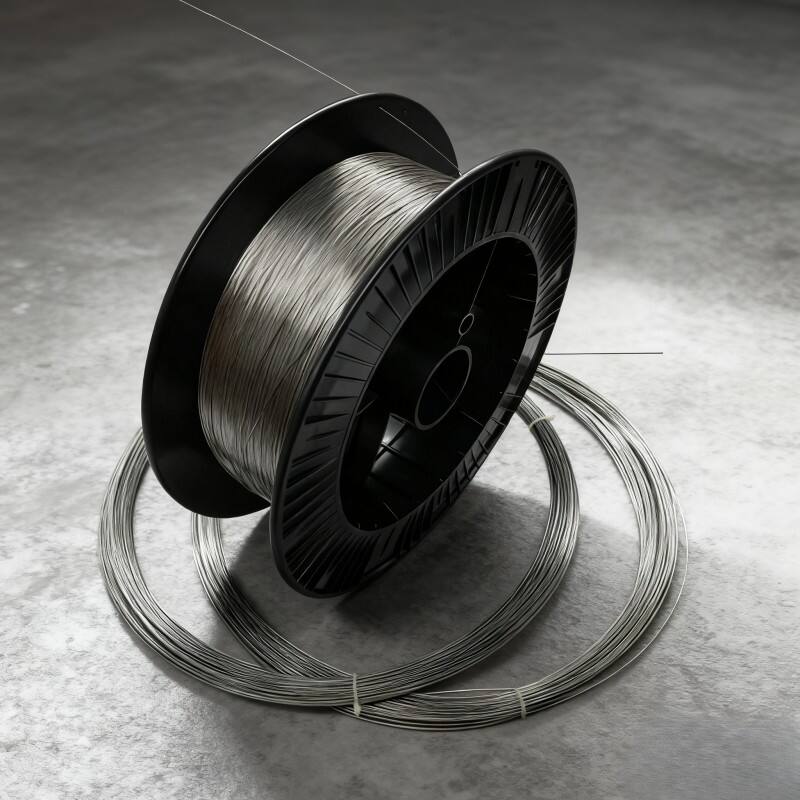
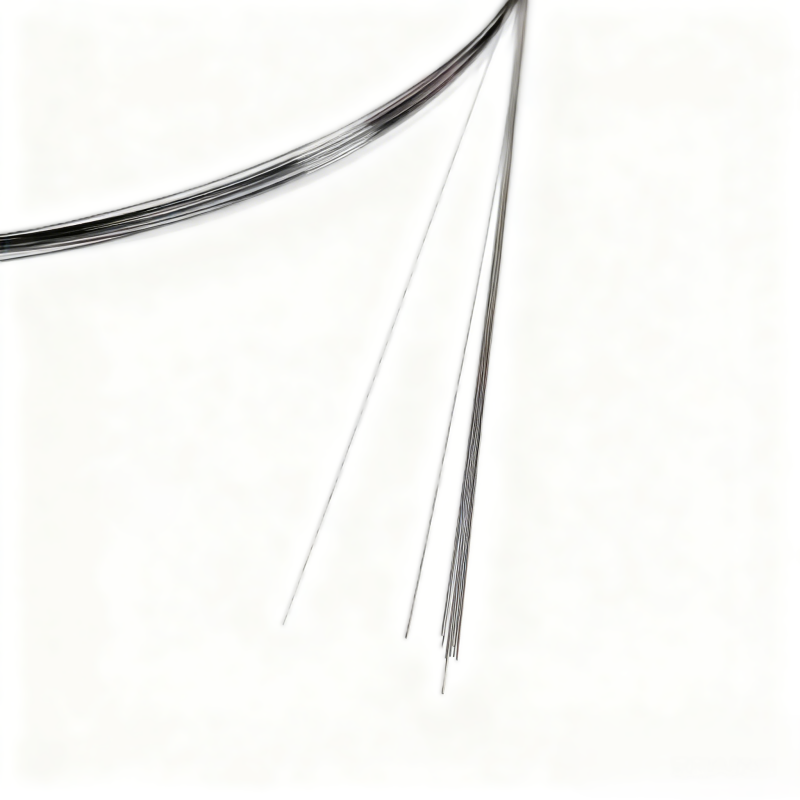
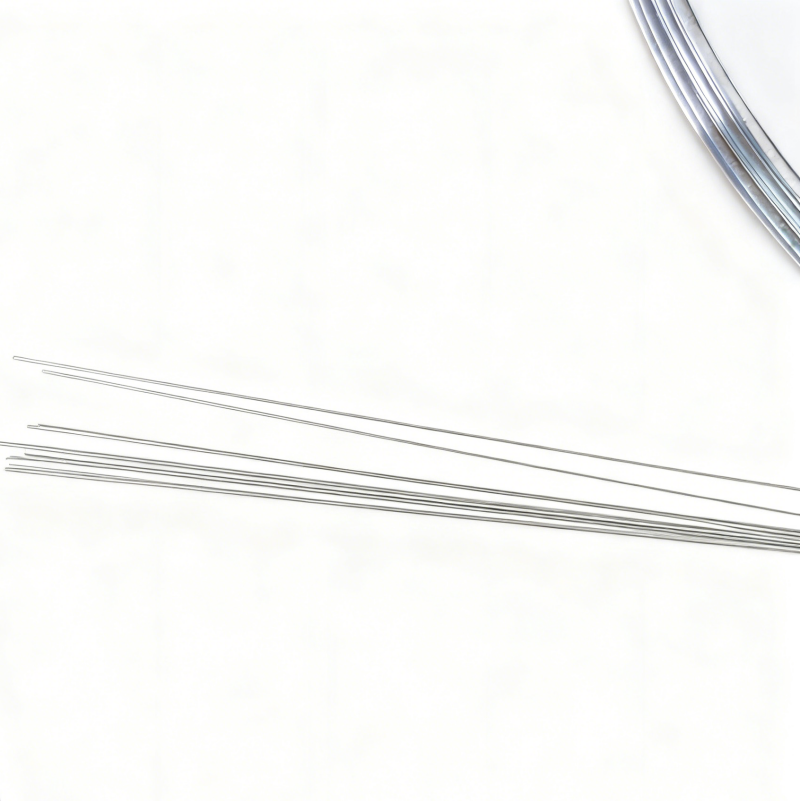
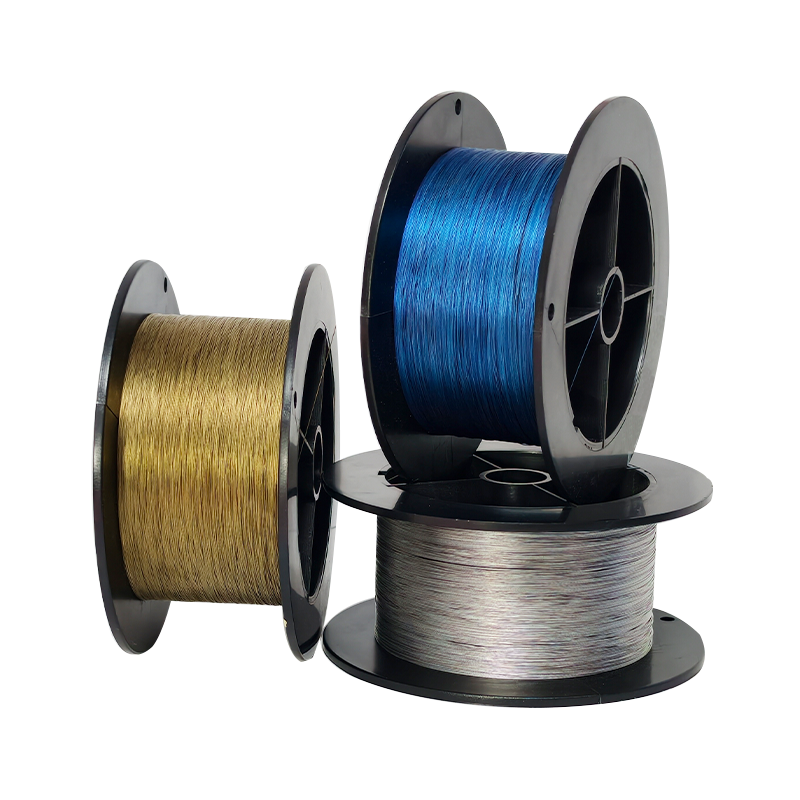
Shape memory alloy materials represent a remarkable class of smart materials that possess the extraordinary ability to return to their original shape after being deformed. These innovative metallic alloys undergo a solid-state phase transformation that allows them to remember and recover their predetermined form when exposed to specific stimuli, primarily temperature changes or applied stress. The most commonly used shape memory alloy materials include nickel-titanium alloys, also known as Nitinol, copper-based alloys, and iron-based compositions. The fundamental mechanism behind shape memory alloy materials involves a reversible transformation between two distinct crystallographic phases: austenite at higher temperatures and martensite at lower temperatures. This unique characteristic enables shape memory alloy materials to exhibit two primary phenomena: the shape memory effect and superelasticity. The shape memory effect allows the material to recover its original configuration upon heating, while superelasticity enables it to undergo large deformations and return to its initial shape upon unloading at constant temperatures. The technological features of shape memory alloy materials include high power-to-weight ratios, biocompatibility in certain compositions, corrosion resistance, and the ability to generate significant forces during transformation. These materials find extensive applications across multiple industries including aerospace engineering for deployable structures and actuators, medical devices such as stents and orthodontic wires, automotive systems for temperature-sensitive valves and fasteners, robotics for artificial muscles and grippers, and consumer electronics for flexible frames and connectors. The versatility of shape memory alloy materials continues to expand as researchers develop new compositions and processing techniques to enhance their performance characteristics, making them increasingly valuable for solving complex engineering challenges in modern technology.

Popular Products

Shape memory alloy materials deliver exceptional performance benefits that translate directly into practical advantages for users across various applications. First and foremost, these materials eliminate the need for complex mechanical systems by providing motion and actuation through simple temperature changes, significantly reducing the number of components required in many devices. This simplification leads to lower maintenance costs and increased reliability over time. The compact nature of shape memory alloy materials means they can fit into tight spaces where traditional motors or hydraulic systems would be impractical, opening up new design possibilities for engineers and product developers. Another major advantage lies in their ability to generate substantial forces relative to their size and weight, making them ideal for applications where space and weight constraints are critical considerations. The biocompatibility of certain shape memory alloy materials, particularly nickel-titanium compositions, makes them perfectly suited for medical implants and surgical instruments that must safely interact with human tissue without causing adverse reactions. These materials resist corrosion and wear exceptionally well, ensuring long service life even in harsh environments exposed to moisture, chemicals, or extreme temperatures. Shape memory alloy materials operate silently without producing noise or vibration, a crucial benefit for applications in medical settings, consumer products, or any environment where quiet operation is essential. Their energy efficiency stands out as they require minimal power to trigger transformation, consuming energy only during the actuation phase rather than continuously like conventional motors. The repeatability and consistency of shape memory alloy materials ensure predictable performance across millions of cycles, providing reliability that users can depend on for critical applications. These materials can be programmed to respond at specific temperatures, allowing precise control over when and how they activate, giving designers flexibility to customize behavior for particular requirements. The durability of shape memory alloy materials means fewer replacements and reduced waste over the product lifetime, contributing to more sustainable manufacturing practices and lower total cost of ownership. Their resistance to fatigue under repeated cycling makes them suitable for applications requiring continuous or frequent operation without degradation in performance. Shape memory alloy materials also offer design freedom, as they can be manufactured in various forms including wires, springs, strips, and complex shapes to meet diverse application needs, enabling innovation in product development across industries.

Tips And Tricks

Why do full-chain manufacturers provide a more stable supply of SMA wire?

14

May

Why do full-chain manufacturers provide a more stable supply of SMA wire?

In industrial and medical procurement, supply chain reliability is not a luxury — it is a fundamental requirement. When sourcing SMA wire, the type of manufacturer you partner with has a direct and measurable impact on delivery consistency, material ...
View More
Why is Starspring's Nitinol metal at the forefront of the smart drive industry?

19

May

Why is Starspring's Nitinol metal at the forefront of the smart drive industry?

The smart drive industry is defined by its relentless demand for materials that can do more with less — components that respond intelligently to their environment, endure repeated mechanical cycles, and perform with precision in applications ranging ...
View More
How to utilize one-way and two-way memory in precision medical components?

21

May

How to utilize one-way and two-way memory in precision medical components?

In the development of precision medical components, material intelligence is no longer a concept reserved for science fiction. nitinol wire has fundamentally changed how engineers and medical device designers approach the challenge of building compon...
View More
Why is a brand with a 5,000m² factory more professional in Nitinol customization?

22

May

Why is a brand with a 5,000m² factory more professional in Nitinol customization?

When sourcing advanced shape memory alloys for medical devices, aerospace components, or industrial actuators, the manufacturing environment behind a supplier tells you far more than a product catalog ever could. Nitinol customization is a precision-...
View More

Get a Free Quote

Our representative will contact you soon.
Email
Name
Company Name
Message
0/1000

shape memory alloy materials

Revolutionary Self-Actuation Capability Transforms Engineering Design

Revolutionary Self-Actuation Capability Transforms Engineering Design

The self-actuation capability of shape memory alloy materials represents a groundbreaking advancement that fundamentally changes how engineers approach motion control and mechanical design. Unlike conventional actuation systems that require multiple interconnected components such as motors, gears, linkages, and control electronics, shape memory alloy materials accomplish the same tasks through their inherent ability to change shape in response to temperature variations. This revolutionary characteristic means that a single piece of shape memory alloy material can replace an entire assembly of traditional mechanical parts, dramatically simplifying product architecture and reducing potential failure points. The importance of this feature cannot be overstated, as it directly impacts product reliability, manufacturing costs, and maintenance requirements throughout the operational lifetime. When shape memory alloy materials are heated above their transformation temperature, they transition from the martensite phase to the austenite phase, creating a powerful shape change that can move loads, open valves, or reconfigure structures without any external mechanical input beyond the thermal trigger. This elegant simplicity translates into tangible value for customers who benefit from products that are easier to manufacture, more reliable in operation, and less expensive to maintain over time. In aerospace applications, this self-actuation capability enables deployable structures such as satellite antennas or solar panels that fold compactly for launch and then automatically expand to full size when exposed to sunlight in orbit, eliminating the need for complex deployment mechanisms that add weight and risk to space missions. Medical device manufacturers leverage this capability to create minimally invasive surgical tools and implants that can be inserted through small incisions in a compressed state and then expand to their functional shape once inside the body, reducing patient trauma and recovery time while improving clinical outcomes. The automotive industry utilizes shape memory alloy materials for temperature-activated valves and climate control components that respond automatically to changing conditions without requiring electronic sensors or controllers, reducing system complexity and improving energy efficiency. Consumer product designers incorporate these materials into eyeglass frames that can bend and twist without breaking, automatically returning to their original shape, providing customers with more durable products that maintain their appearance and function despite daily wear and stress. The self-actuation capability of shape memory alloy materials delivers measurable value through reduced component counts, lower assembly costs, improved reliability, decreased maintenance needs, and enhanced product performance across virtually every application sector.
Exceptional Biocompatibility Opens Medical Innovation Opportunities

Exceptional Biocompatibility Opens Medical Innovation Opportunities

The exceptional biocompatibility of certain shape memory alloy materials, particularly nickel-titanium alloys, has revolutionized medical device development and opened unprecedented opportunities for treating diseases and improving patient outcomes. This critical characteristic means that these materials can be safely implanted in the human body for extended periods without triggering adverse immune responses, inflammation, or tissue rejection that would compromise healing or require removal. The importance of biocompatibility in medical applications cannot be overstated, as it directly determines whether a device can be used inside the body and how long it can remain functional without causing harm to the patient. Shape memory alloy materials have passed rigorous testing protocols and decades of clinical use, demonstrating their safety and effectiveness for long-term implantation in diverse medical applications. This proven track record provides tremendous value to medical device manufacturers who can confidently develop new products knowing these materials meet stringent regulatory requirements and clinical standards. The cardiovascular field has been transformed by shape memory alloy materials through the development of self-expanding stents that can be compressed into small catheters, navigated through blood vessels to blocked arteries, and then deployed to expand and hold the vessel open, restoring blood flow without major surgery. These stents utilize both the biocompatibility and shape memory properties to provide life-saving treatment with minimal invasiveness, faster recovery, and better long-term outcomes compared to traditional surgical approaches. Orthodontic applications have similarly benefited, with shape memory alloy materials forming the foundation of modern archwires that apply consistent, gentle forces to teeth throughout treatment, reducing patient discomfort while achieving faster and more predictable tooth movement than conventional wires. The superelastic properties combined with biocompatibility allow these wires to maintain optimal force levels despite the changing positions of teeth, improving treatment efficiency and patient satisfaction. Surgical instruments made from shape memory alloy materials can navigate through narrow anatomical passages to reach treatment sites that would otherwise require large incisions, enabling minimally invasive procedures that reduce surgical trauma, hospital stays, and recovery time while lowering healthcare costs and improving patient quality of life. Orthopedic applications include bone plates and fixation devices that can be cooled during insertion for easier placement and then warm to body temperature to compress and stabilize fractures, promoting better healing outcomes. The exceptional biocompatibility of shape memory alloy materials continues to inspire new medical innovations, from drug delivery systems that release medication in response to body temperature to artificial organs that mimic natural tissue behavior, demonstrating the immense value these materials bring to advancing healthcare technology and improving human health worldwide.
Superior Fatigue Resistance Ensures Long-Term Reliability

Superior Fatigue Resistance Ensures Long-Term Reliability

The superior fatigue resistance of shape memory alloy materials stands as one of their most valuable characteristics, ensuring exceptional long-term reliability even under demanding cyclic loading conditions that would quickly degrade or destroy conventional materials. Fatigue resistance refers to a material's ability to withstand repeated stress cycles without developing cracks, fractures, or performance degradation, and this property is absolutely critical for applications where the material must function reliably over millions or even billions of cycles throughout its service life. Shape memory alloy materials exhibit remarkable fatigue performance due to their unique crystallographic structure and transformation behavior, which allows them to accommodate stress through phase changes rather than permanent deformation or damage accumulation that leads to failure in traditional metals. This exceptional durability translates directly into practical benefits for customers who need products that maintain consistent performance over extended periods without frequent maintenance, replacement, or unexpected failures that could compromise safety or functionality. In industrial automation and robotics, actuators made from shape memory alloy materials can operate continuously for years, performing millions of actuation cycles while maintaining their force output and response characteristics, providing manufacturers with reliable automation solutions that minimize downtime and maintenance costs. The aerospace industry relies on this fatigue resistance for components subjected to extreme temperature cycling and mechanical stress during repeated flight operations, where failure could have catastrophic consequences and where the cost of replacement or maintenance is extraordinarily high. Shape memory alloy materials used in aircraft systems such as hydraulic line couplings, vibration dampers, and structural connectors must endure tens of thousands of flight cycles over decades of service, and their superior fatigue resistance ensures they meet these demanding requirements while maintaining airworthiness standards. Medical devices particularly benefit from this characteristic, as cardiovascular stents must withstand the continuous pulsing of blood flow and heart contractions that subject them to tens of millions of loading cycles annually, and orthodontic wires must maintain their force delivery properties throughout months of continuous loading as teeth gradually move into proper alignment. The superior fatigue resistance of shape memory alloy materials ensures these medical devices remain functional and safe throughout the entire treatment period without risk of fracture or performance degradation that could compromise patient outcomes. Consumer electronics manufacturers incorporate these materials into flexible components such as antenna elements and connector springs that must survive thousands of flexing cycles as devices are repeatedly opened, closed, or adjusted, with the fatigue resistance ensuring the product maintains its functionality throughout the expected lifetime rather than wearing out prematurely. Automotive applications such as engine components and thermal management systems operate in harsh environments with continuous temperature and stress cycling, where the fatigue resistance of shape memory alloy materials provides the durability needed for modern vehicles that must deliver reliable performance over hundreds of thousands of miles. This superior fatigue resistance delivers measurable economic value through extended product lifetimes, reduced warranty costs, lower maintenance requirements, improved customer satisfaction, and enhanced brand reputation for manufacturers who incorporate shape memory alloy materials into their products, making them an intelligent choice for any application where long-term reliability under cyclic loading is essential to success.
Shape Memory Alloy Materials: Advanced Smart Materials for Innovation Across Industries

Get a Free Quote

Our representative will contact you soon.
Email
Name
Company Name
Message
0/1000
Newsletter
Please Leave A Message With Us