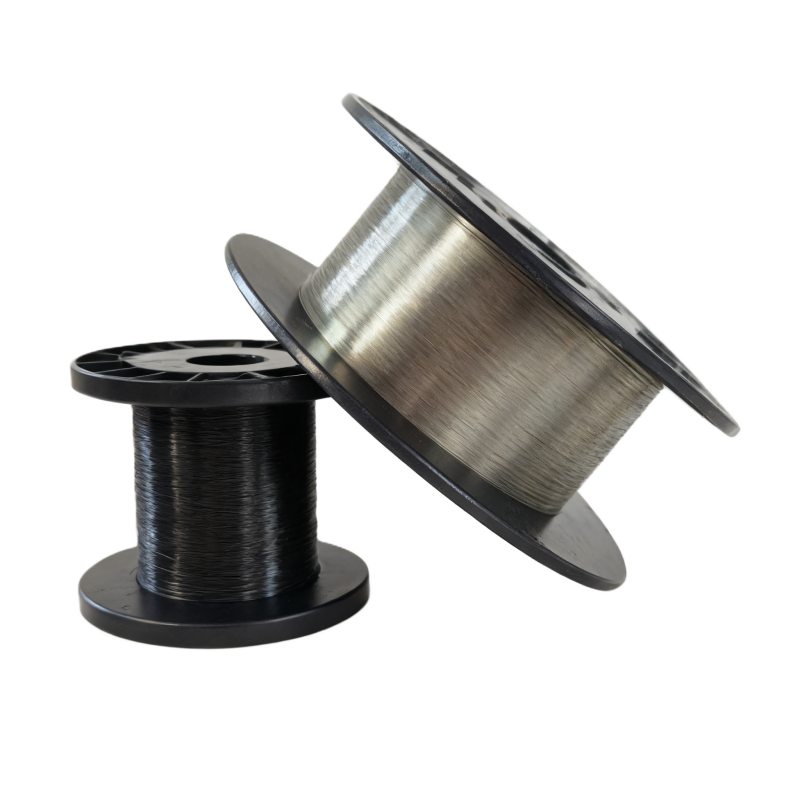
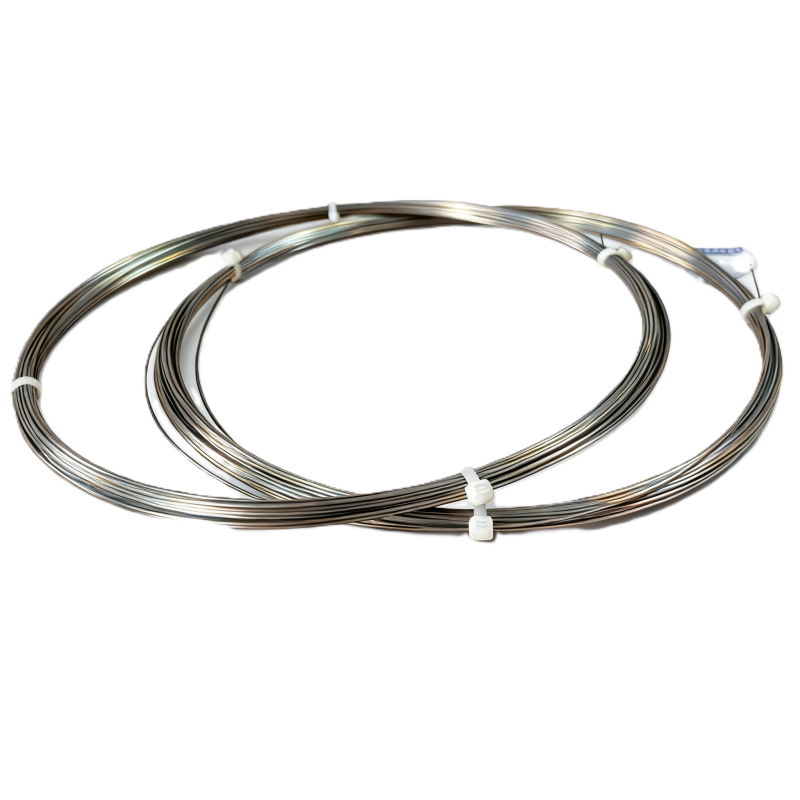
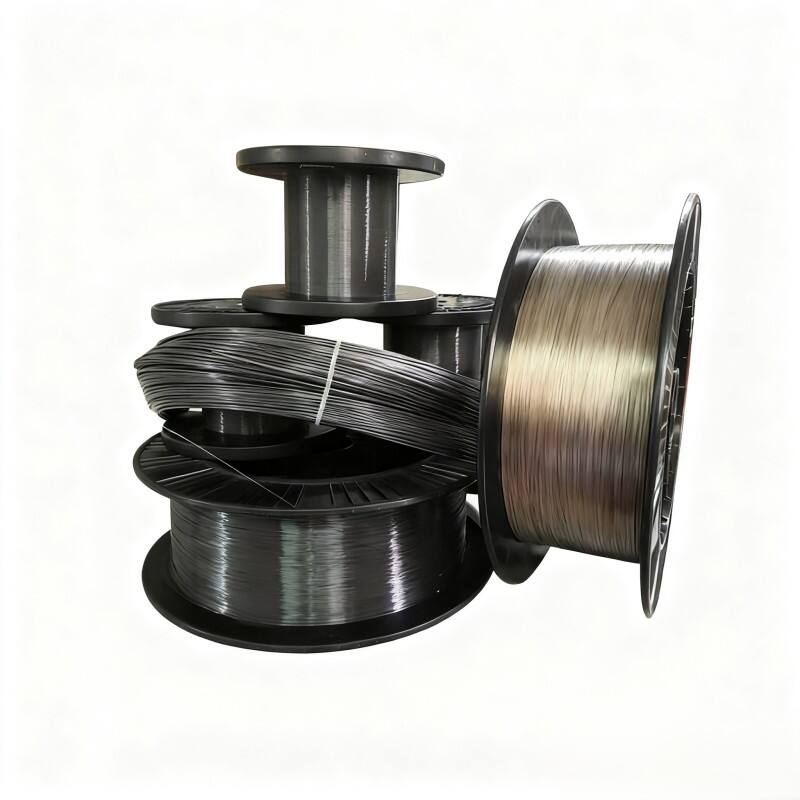
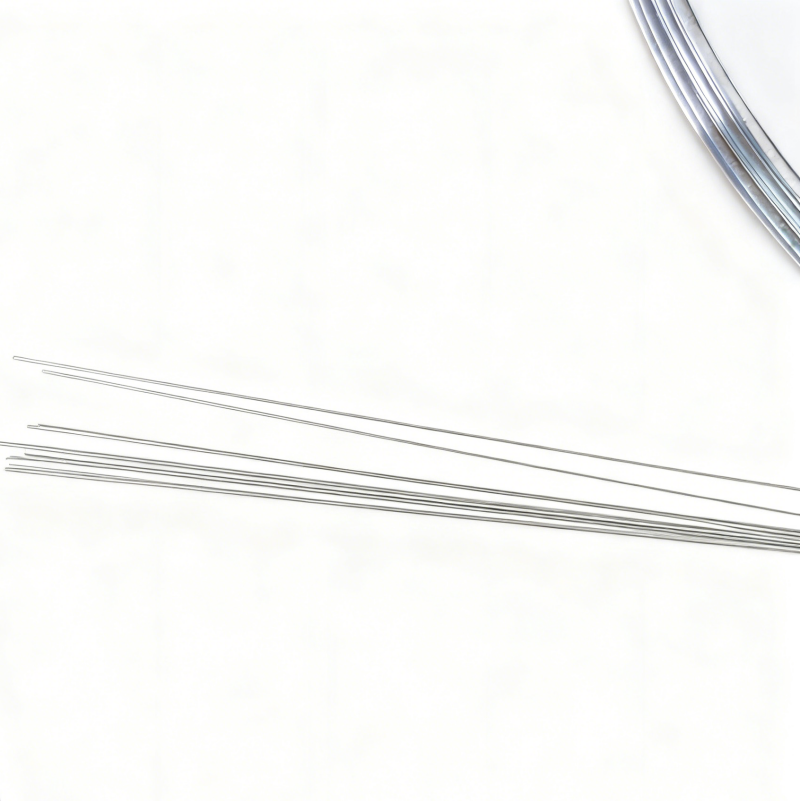
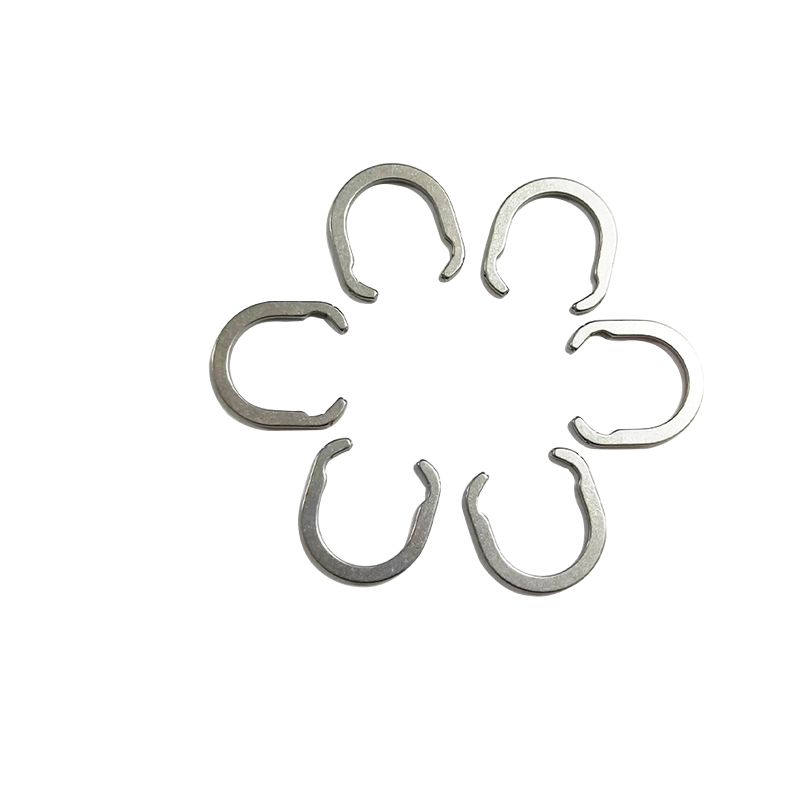
Memory Nitinol: Advanced Shape Memory Alloy Solutions for Medical, Aerospace and Industrial Applications

Get a Free Quote

Our representative will contact you soon.
Email
Name
Company Name
Message
0/1000

memory nitinol

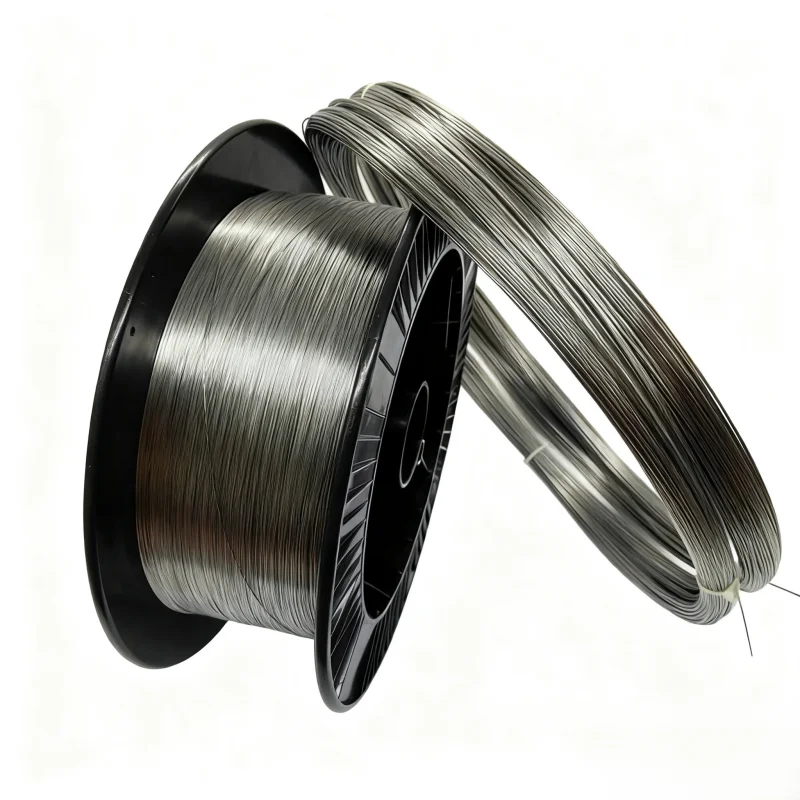
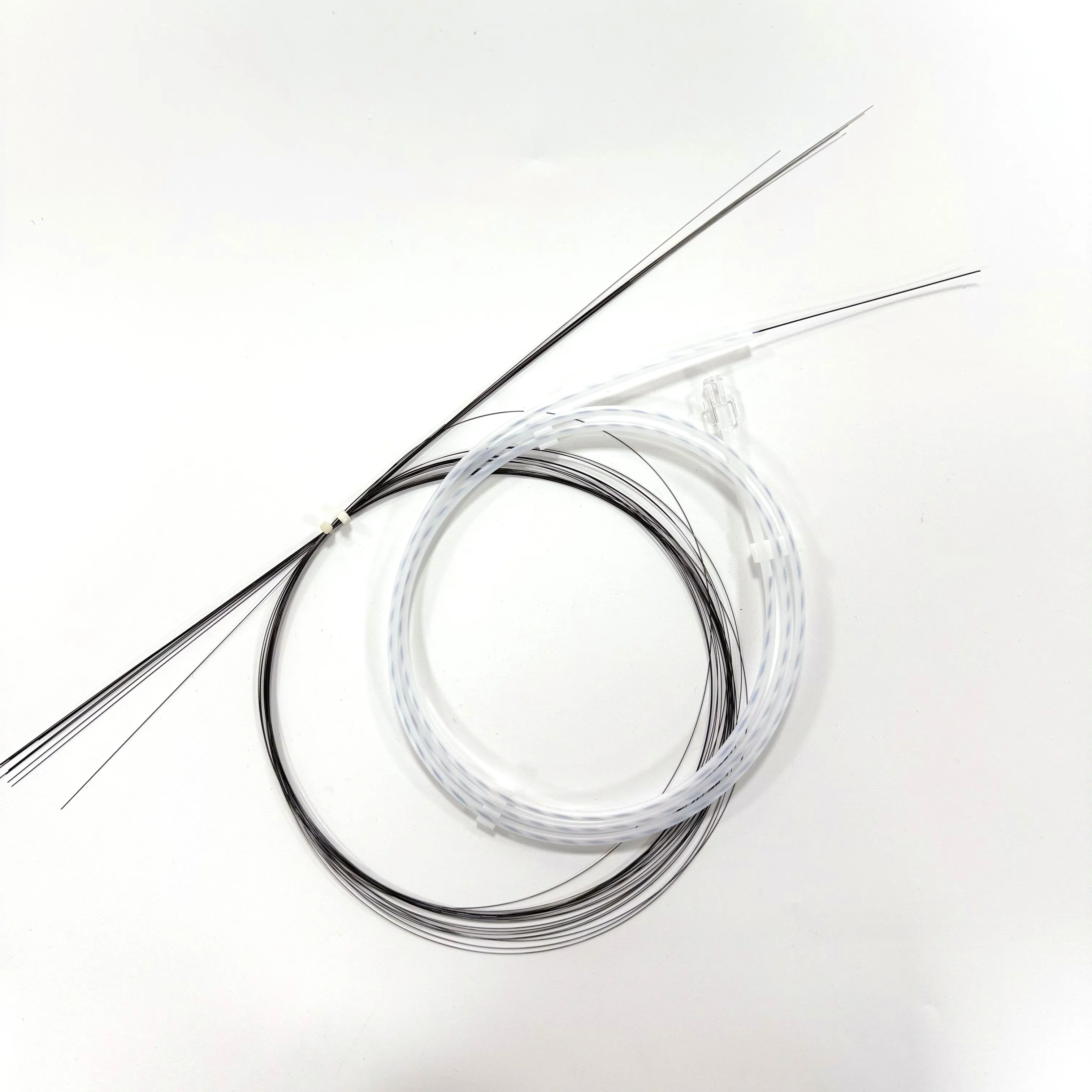
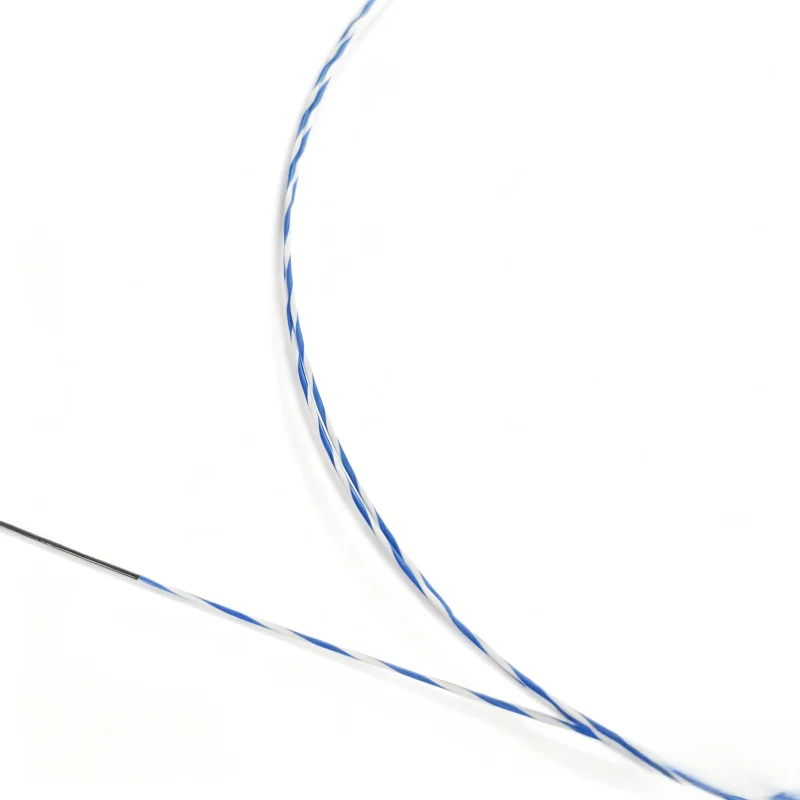
Memory nitinol represents a remarkable advancement in smart materials technology, offering extraordinary shape-memory properties that have revolutionized multiple industries. This nickel-titanium alloy, composed of approximately equal parts nickel and titanium, exhibits the unique ability to return to a predetermined shape when exposed to specific temperature changes. Memory nitinol stands out among engineering materials due to its exceptional mechanical properties, biocompatibility, and consistent performance across diverse applications. The fundamental principle behind memory nitinol involves a solid-state phase transformation between two crystal structures: austenite at higher temperatures and martensite at lower temperatures. This transformation enables the material to remember its original configuration and recover from significant deformation, making memory nitinol invaluable for applications requiring reliable, repeatable motion without external power sources. The alloy demonstrates superelasticity, allowing it to withstand substantial strain and return to its original form instantly at appropriate temperatures. Medical device manufacturers extensively utilize memory nitinol for minimally invasive surgical instruments, stents, and orthodontic wires because of its biocompatibility and flexibility. The aerospace industry benefits from memory nitinol actuators and adaptive structures that respond to environmental temperature fluctuations. Consumer electronics incorporate memory nitinol in phone antennas and eyeglass frames, taking advantage of its durability and flexibility. Automotive applications include memory nitinol actuators for climate control systems and safety mechanisms. The material's corrosion resistance ensures longevity in challenging environments, while its fatigue resistance allows millions of cycles without degradation. Memory nitinol continues gaining prominence as engineers discover innovative ways to harness its transformative capabilities, pushing boundaries in robotics, aerospace engineering, and medical technology.

New Product Releases

Memory nitinol delivers substantial practical benefits that directly impact product performance and user satisfaction across numerous applications. The material's ability to recover its shape eliminates the need for complex mechanical systems, reducing component count and maintenance requirements significantly. Users appreciate how memory nitinol simplifies device operation while maintaining consistent reliability over extended periods. The self-actuating nature of memory nitinol means devices can respond automatically to temperature changes without batteries, motors, or electronic controls, resulting in lower energy consumption and reduced operational costs. This autonomous functionality proves especially valuable in remote or inaccessible locations where power supply and maintenance access remain limited. Memory nitinol's superelastic properties allow it to flex and bend repeatedly without permanent deformation or material fatigue, ensuring products maintain their functionality through thousands or even millions of cycles. This durability translates directly into longer product lifespans and fewer replacements, saving customers money while reducing waste. The biocompatibility of memory nitinol makes it ideal for medical implants and devices that contact human tissue, as the material resists corrosion from bodily fluids and does not trigger adverse immune responses. Patients benefit from less invasive procedures, faster recovery times, and improved long-term outcomes when medical devices incorporate memory nitinol components. The material's lightweight nature compared to traditional metal alloys reduces overall product weight without sacrificing strength, which proves crucial in aerospace applications where every gram matters for fuel efficiency. Memory nitinol maintains stable performance across wide temperature ranges, functioning reliably in both extreme cold and heat where conventional materials might fail. Engineers can precisely control the transformation temperature of memory nitinol during manufacturing, customizing the material to activate at specific temperatures suited to particular applications. This customization capability allows product designers to create highly specialized solutions tailored to exact customer requirements. The corrosion resistance of memory nitinol extends product life in harsh chemical environments, marine applications, and outdoor installations where conventional metals would deteriorate rapidly. Users experience reduced replacement costs and improved safety when memory nitinol components resist environmental degradation. The material's unique combination of flexibility and strength enables innovative product designs impossible with traditional materials, opening new possibilities for engineers and designers to create more effective, efficient solutions.

Tips And Tricks

Why is high-stability Nitinol the first choice for equipment in extreme conditions?

12

May

Why is high-stability Nitinol the first choice for equipment in extreme conditions?

When equipment must perform reliably under mechanical stress, thermal cycling, and repeated deformation, material selection becomes a critical engineering decision. Nitinol, the nickel-titanium shape memory alloy, has earned a dominant position in de...
View More
Why is phase transition stability of nickel titanium wire key to actuator success?

13

May

Why is phase transition stability of nickel titanium wire key to actuator success?

In the world of precision actuators, the materials used to generate motion are not merely components — they are the foundation of reliability. nickel titanium wire has emerged as one of the most compelling active materials in modern actuator engineer...
View More
Why do full-chain manufacturers provide a more stable supply of SMA wire?

14

May

Why do full-chain manufacturers provide a more stable supply of SMA wire?

In industrial and medical procurement, supply chain reliability is not a luxury — it is a fundamental requirement. When sourcing SMA wire, the type of manufacturer you partner with has a direct and measurable impact on delivery consistency, material ...
View More
What breakthroughs can Nitinol material bring to future flexible robot joints?

25

May

What breakthroughs can Nitinol material bring to future flexible robot joints?

The evolution of robotics is deeply tied to the materials that power movement, flexibility, and responsiveness. Among the most promising advances in this space, Nitinol material stands out as a transformative force in the design of flexible robot joi...
View More

Get a Free Quote

Our representative will contact you soon.
Email
Name
Company Name
Message
0/1000

memory nitinol

Revolutionary Shape Memory Effect for Automatic Functionality

Revolutionary Shape Memory Effect for Automatic Functionality

The shape memory effect represents the most distinctive and valuable characteristic of memory nitinol, providing automatic, self-powered functionality that transforms how products operate and perform. This remarkable property allows memory nitinol to undergo significant deformation at lower temperatures and then completely recover its original programmed shape when heated above its transformation temperature. The practical implications of this capability extend far beyond simple material science, offering tangible benefits that enhance product performance and user experience across countless applications. When manufacturers train memory nitinol into a specific configuration during production, that shape becomes permanently encoded into the material's crystalline structure. Users can then deform the material at room temperature or below, bending or compressing it as needed for installation or compact storage. Upon heating, whether through electrical current, ambient temperature change, or body heat, memory nitinol automatically returns to its memorized shape with considerable force, capable of performing mechanical work without any external power source. This autonomous actuation eliminates the complexity and expense of motors, solenoids, or pneumatic systems traditionally required for movement and positioning. Medical professionals utilize this property in self-expanding stents that doctors compress into small catheters for insertion through blood vessels. Once positioned correctly, body heat causes the memory nitinol stent to expand automatically, supporting vessel walls without requiring surgical implantation or external activation. Aerospace engineers employ memory nitinol actuators that adjust wing configurations or deploy structures in response to temperature variations encountered during flight, improving aerodynamic efficiency without added weight or power requirements. Consumer products benefit from simplified designs that reduce manufacturing costs while improving reliability. Eyeglass frames made with memory nitinol resist permanent bending damage, automatically returning to their proper shape even after severe distortion, delighting customers who previously replaced frames frequently due to accidental damage. The activation temperature of memory nitinol can be precisely engineered during alloy processing, ranging from below freezing to well above boiling point, allowing designers to specify exact trigger points matching application requirements perfectly. This customization capability means memory nitinol solutions can be optimized for specific environmental conditions, whether activating from human body temperature in medical devices or responding to engine heat in automotive applications.
Exceptional Superelasticity for Unmatched Durability and Flexibility

Exceptional Superelasticity for Unmatched Durability and Flexibility

Superelasticity distinguishes memory nitinol as an engineering material capable of withstanding extraordinary mechanical stress while maintaining perfect shape recovery, delivering practical advantages that dramatically extend product life and enhance user satisfaction. Unlike conventional metals that permanently deform when bent or stretched beyond their elastic limit, memory nitinol can undergo strain of up to ten percent and instantly return to its original configuration at appropriate temperatures, providing flexibility impossible with traditional materials. This superelastic behavior results from the same crystalline phase transformation that enables shape memory, but occurs at temperatures where the material rapidly switches between austenite and martensite structures in response to mechanical stress rather than temperature change alone. The practical value of this property becomes immediately apparent in applications where materials face repeated flexing, bending, or impact loading. Orthodontic wires manufactured from memory nitinol apply consistent, gentle pressure to teeth over extended treatment periods, unlike stainless steel wires that require frequent adjustments as they lose their original shape and force characteristics. Patients benefit from fewer dental visits, reduced discomfort, and more predictable treatment outcomes, while orthodontists appreciate the simplified treatment protocols and improved results. Mobile phone antennas incorporating memory nitinol withstand thousands of extensions and retractions without weakening or breaking, addressing a common failure point in devices with mechanical components. Users enjoy reliable performance throughout the device lifetime without the frustration of broken antennas that plague products using conventional spring materials. The superelastic properties of memory nitinol prove especially valuable in medical guidewires and catheters that navigate tortuous blood vessels during minimally invasive procedures. These instruments must flex around tight curves and withstand repeated steering manipulations without kinking or taking permanent bends that would compromise their functionality. Memory nitinol guidewires maintain their intended shape and stiffness profile throughout lengthy procedures, giving physicians precise control and reducing procedural complications. Surgical instruments utilizing memory nitinol components demonstrate superior fatigue resistance compared to traditional surgical steel, maintaining sharp edges and precise alignment through thousands of sterilization cycles and surgical uses. Hospitals reduce instrument replacement costs while surgeons maintain confidence in tool performance. The material's ability to absorb impact energy through its phase transformation makes memory nitinol ideal for protective applications and vibration damping systems. Structures incorporating memory nitinol elements can flex dramatically during earthquakes or high winds, dissipating energy that would otherwise cause damage to buildings or equipment, then return to their original configuration when stresses subside.
Outstanding Biocompatibility for Safe Medical Applications

Outstanding Biocompatibility for Safe Medical Applications

The exceptional biocompatibility of memory nitinol has revolutionized medical device technology, enabling minimally invasive treatments and implantable devices that improve patient outcomes while reducing healthcare costs and recovery times. Biocompatibility refers to a material's ability to perform its intended function within the human body without triggering harmful immune responses, toxic reactions, or tissue damage. Memory nitinol excels in this critical area, demonstrating excellent tissue tolerance and resistance to corrosion from bodily fluids that would rapidly degrade many other metals. The titanium oxide layer that naturally forms on memory nitinol surfaces provides a stable, passive barrier that prevents nickel ions from leaching into surrounding tissues, addressing concerns about nickel sensitivity that affect some patients with other nickel-containing materials. Extensive clinical research and decades of successful implantation experience have established memory nitinol as a preferred material for cardiovascular stents, orthopedic implants, and surgical instruments that remain in the body temporarily or permanently. Cardiovascular surgeons rely on memory nitinol stents to treat blocked arteries, compressing these life-saving devices into catheters for insertion through small incisions rather than requiring open-heart surgery. Once positioned within narrowed blood vessels, memory nitinol stents self-expand to support vessel walls, restoring blood flow while the biocompatible surface allows natural tissue growth that incorporates the stent into the vessel structure. Patients experience dramatically shorter hospital stays, faster return to normal activities, and reduced surgical risks compared to traditional open surgical procedures. Orthopedic applications of memory nitinol include bone staples that surgeons insert in a cold, compressed state through small incisions, then allow to warm and expand, pulling bone fragments together with constant, controlled force that promotes proper healing. The biocompatibility ensures these fixation devices integrate safely with bone tissue without inflammation or rejection responses that could compromise healing. Dental and orthodontic applications benefit enormously from memory nitinol biocompatibility, as wires and appliances remain in constant contact with oral tissues, saliva, and the bacteria-rich mouth environment for months or years during treatment. The corrosion resistance and tissue compatibility prevent the inflammation, discoloration, and metallic taste problems associated with conventional orthodontic materials, improving patient comfort and treatment acceptance. Surgical instrument designers incorporate memory nitinol in graspers, retrieval baskets, and other tools that contact delicate internal organs during minimally invasive procedures. The biocompatibility ensures these instruments can safely manipulate tissues without causing toxic reactions or inflammatory responses that could lead to post-operative complications. The material's smooth surface finish and resistance to bacterial adhesion reduce infection risks, a critical consideration in any medical device that contacts sterile body cavities or enters the bloodstream.
Memory Nitinol: Advanced Shape Memory Alloy Solutions for Medical, Aerospace and Industrial Applications

Get a Free Quote

Our representative will contact you soon.
Email
Name
Company Name
Message
0/1000
Newsletter
Please Leave A Message With Us